|
| Group |
Round |
C/R |
Comment |
Date |
Image |
| 3 |
Nov 23 |
Reply |
Just an alternative, David! : ) |
Nov 13th |
| 3 |
Nov 23 |
Comment |
Good day, David!
I was asked to stop by and view your intriguing Street scene rendering. On a compositional structure level, the work hints at the style/features of Henri Cartier-Bresson (1908-2004) and Paul Strand (1890-1976).
The harsh blacks and whites (High-Key) present a very nostalgic aesthetic (perhaps even film-nor). The key component, in my opinion, is the movement/action of the bike rider (our main subject) within his surroundings composed of (supporting actors) or featured within the space the biker resides. Its a lovely scene that may be interpreted in describing local vernacular, too.
"points to Ponder"
Though the overall High-Key presentation is surely a viable one, it may be contributing to lessening the blurring of the biker (I suggested earlier, is a powerful catalyst) in creating one type of emotional connection to spectators. So, also try experimenting outside the High-Key aesthetic window for alternative aesthetic variants.
Regardless, overall, the work is well visualized and crafted! I look forward to seeing more Street scene compositions from you!
Lance A. Lewin
PSA B&W Global Photography Mentor
PSA South Atlantic Area Membership Director |
Nov 6th |
1 comment - 1 reply for Group 3
|
| 40 |
Nov 23 |
Reply |
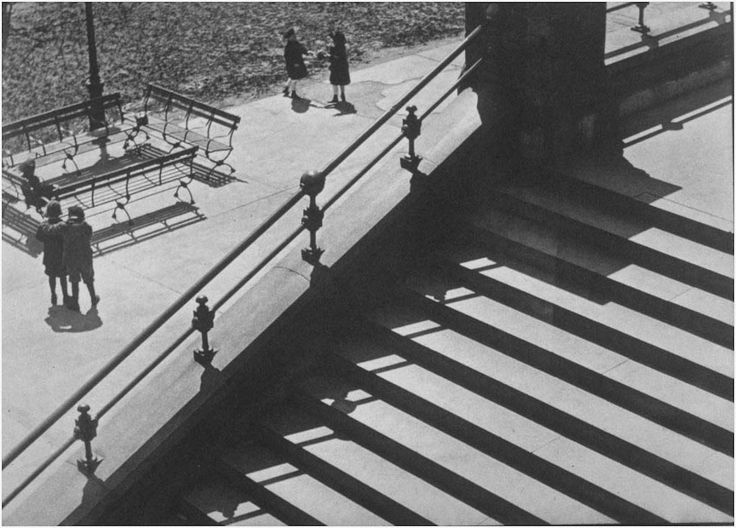
Actually, your featured work is more within the styles of Paul Strand (1890-1976). Here is one fine example that, though (visually) more busy, imbues components working in similar fashion as in your work. |
Nov 4th |
 |
| 40 |
Nov 23 |
Reply |
No. No.
The lamp post shadow is another key component: possible narrative direction: creating a border in which our subjects need not cross; the same shadow-border breaks up the ground they walk on so this its expansion is visually-interrupted, thus creating further contemplation. The scene is already well balanced.
In other words, all these amazing components, the lamp post shadow and revealing more space in the frame, help spectators to interpret some emotional connection ... it is one of those images (compositions) that is truly creative. |
Nov 4th |
| 40 |
Nov 23 |
Comment |
Good day, Andrew!
Stopped by when I saw this very Henri Cartier-Bresson (and actually, more like Paul Strand) composition ... first, good eye to catch this interesting scene most may not take a second look at ...and the B&W treatment is well suited for this subject and compositional style. But allow me bring up an important dynamic I teach regularly and is a point I bring up in my article in the March issue of the PSA Journal: the use of space to define a sense of "place" ... often to create a mood or emotional connection/appreciation between the viewer and the work.
As such, I suggest barely crop the color original (to omit (only) the far-right shadow of the light post top). In other words, maintain as much space as possible: the expanse of space surrounding the four subjects elicits a greater sense of "place", as well as a certain kind of intrigue. The resulting "scale" acts as a key element for narrative.
The heavily contrasted figures (including shadows) are pronounced very well against the ground. Thus, increasing detail as Don suggested, is of course a viable option, but I also think this will lessen the contrast I speak about less prominent.
Lance A. Lewin
PSA Global B&W Photography Mentor
PSA South Atlantic Area Membership Director
lance.visualizingart@gmail.com |
Nov 4th |
1 comment - 2 replies for Group 40
|
| 64 |
Nov 23 |
Comment |
Outstanding!!
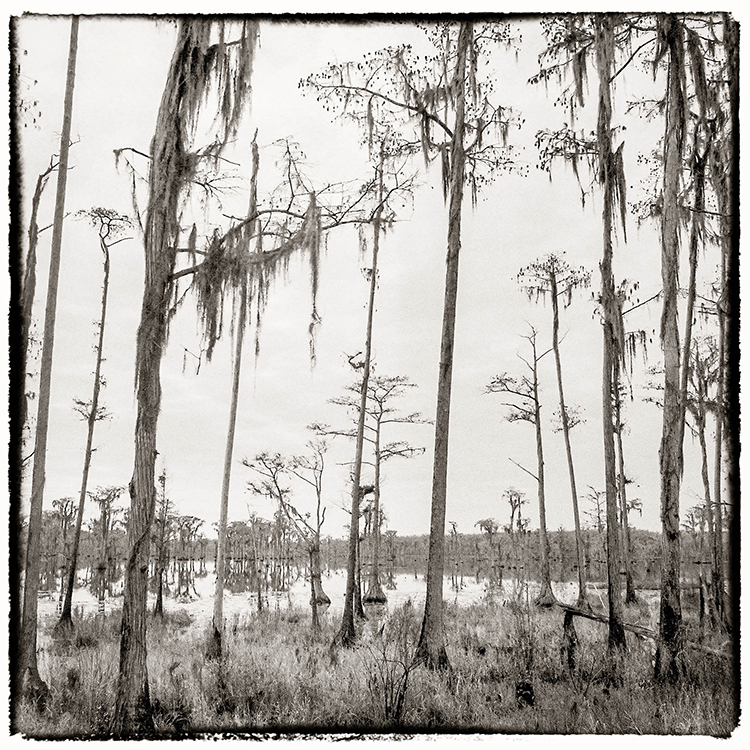
Nothing evokes more a sense of "place", and emotion, than a proper use of "space". Here, the salient Sky supports the smaller Highway and Trees .. actually elevating their perspective in creating an emotional response from viewers.
A fine example when to present a mid-tone gamut that screams subtle visualizations along this mostly deserted highway.
(I do suggest removing the signature in the lower left as it interferes with completely appreciating the scene).
|
Nov 7th |
1 comment - 0 replies for Group 64
|
| 81 |
Nov 23 |
Reply |
In todays culture ... it is obvious "street photography" does not seem to enjoy the liberation (freedom) so many enjoyed in the 20th century: in this sense, the long-lens seems more "comfortable" than moving up close and personal with a 50mm (or 24mm) lens, indeed! However, though true "street photography" is more about its spontaneity, there is no reason you cannot design (compose) great street scenes by getting permission from potential human subjects before working with them. |
Nov 27th |
| 81 |
Nov 23 |
Comment |
Good day, Randall!
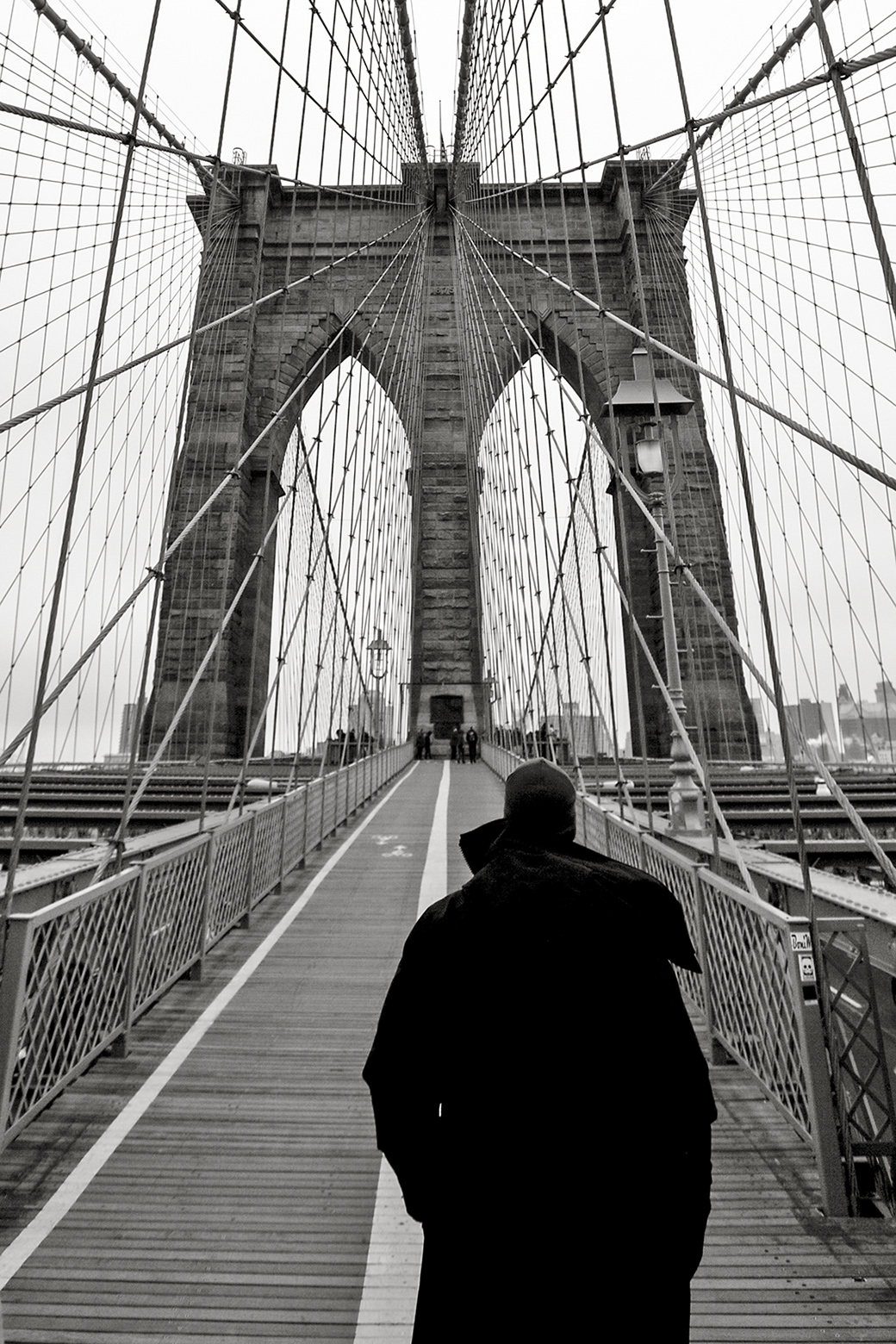
Stopped by when I saw this engaging street portrait .... for this particular subject, in virtue of both his physical stature and how he has positioned himself, I like you got closer via the crop .... well visualized and registered!
On Vivian Maier, actually many well known 20th century photographers either cropped or in most cases exposed the scene in large format which usually related to "square" format ... Maier's work is actually known for her numerous "selfies" which helped defined her personality. But your photo is reminiscent of a male portrait she composed in 1959 NYC.
However, when I saw your featured image I immediately thought of work by studio portrait photographer, who simply likes to be referred to as, Platon (Antonio). This in virtue of Platon's use of wide angle lenses that often elicits more of a sitters "character " or naked-personality, if you will. You may be inspired by his technique but instead, used in the street.
In any case, I hope we see more like this featured work in the future!
Lance A. Lewin
PSA Global B&W Photography Mentor
PSA South Atlantic Area Membership Director
lance.visualizingart@gmail.com |
Nov 26th |
1 comment - 1 reply for Group 81
|
| 83 |
Nov 23 |
Reply |
My pleasure! |
Nov 27th |
| 83 |
Nov 23 |
Reply |
And let me add ... I often remind others, and myself, to "work a scene" or spend more time getting connected to the obvious subject and its surroundings in an attempt to "visualize" more than initially meets ours eyes; find the often "hidden" beauty that otherwise escapes our view. The additional images illustrates this very well. |
Nov 27th |
| 83 |
Nov 23 |
Reply |
"Points to Ponder"
This becomes a bit complicated to describe on why this works or does not: it works OK compared to the bottom image in virtue that here, the mountain becomes part of the house and thus even though the front-facing portion of the house is facing the smaller portion of the surrounding landscape the entire image is seemingly balanced.
Below, the image seems cumbersome in its design because the front-facing portion of the House is (again) facing the smaller portion of the surrounding landscape, but this time the left-side mountain does not seemingly connect and become part of the house like this one.
(The featured work for the month is biased to the left (though slightly) thus leaving a larger portion of landscape in front of the front-facing portion of the house).
Verdict: this image is another design that will look good as a B&W rendering, though you may also try presenting a more mid-range tonal gamut compared to this months featured work, if nothing else, to try something different. Great work, Don! |
Nov 27th |
| 83 |
Nov 23 |
Reply |
Indeed, in my opinion, you explained yourself quite well ... I too, have fond memories of that film, actually one of my favorite of all time, along with the original King Kong!
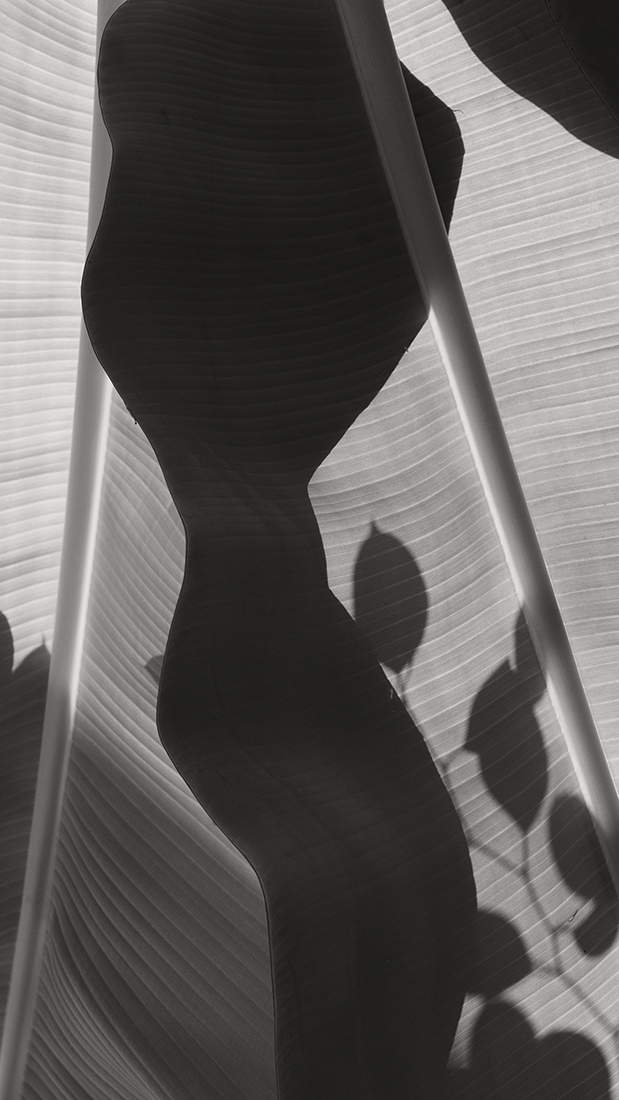
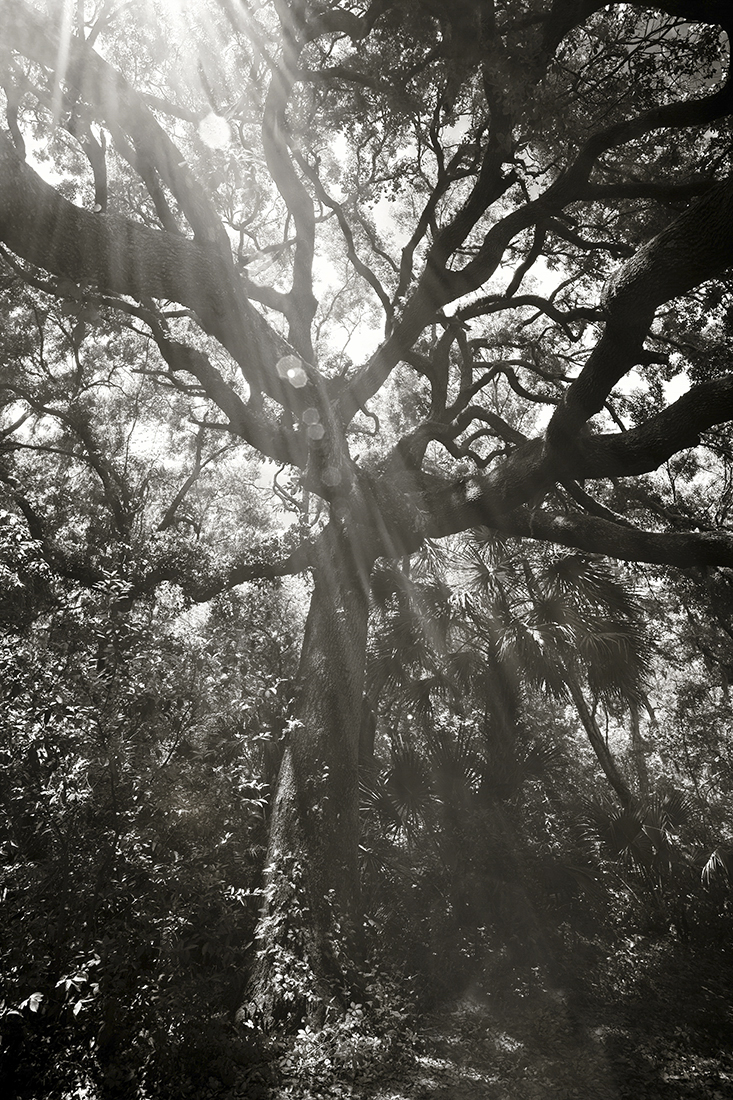
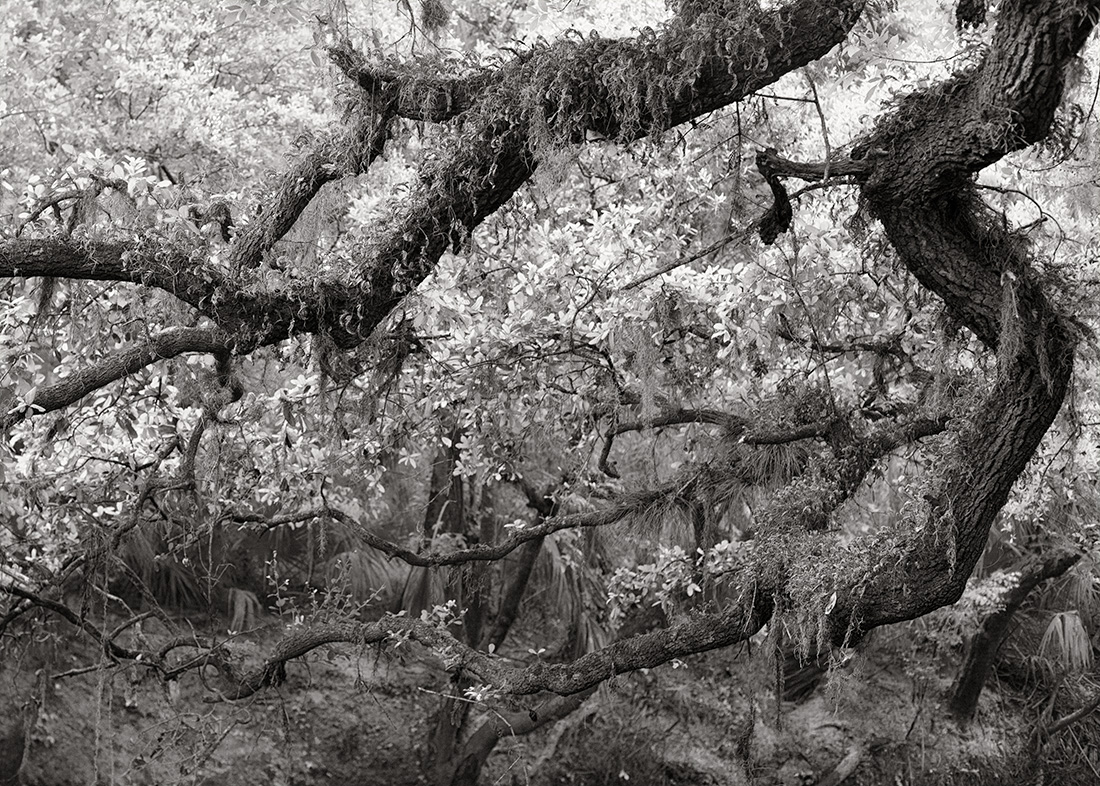
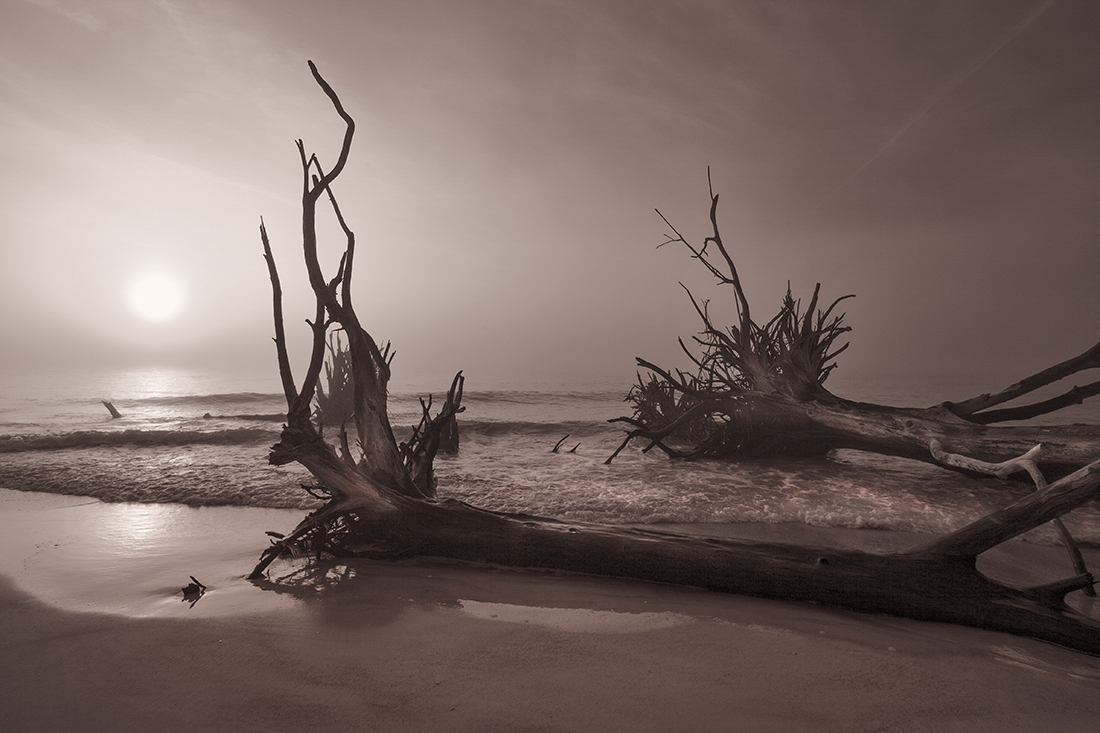
The type of work I am (trying) to produce within the "Intimate with Nature" series is one I hope elicits deep and meditating thoughts from viewers ... I appreciate hearing your connection to the featured image. Thank you, Mark! |
Nov 26th |
| 83 |
Nov 23 |
Reply |
.... and that is a good point, Michael ... we often hear not to center the subject ... but that "rule" is overstated, in my opinion.
And this image is a prime example of the power centralizing or more accurately, what "symmetry" can brings to (some) compositions. Used wisely (visualized wisely) offers powerful narratives. Thus, keeping this scene symmetrical is the key to its emotional effect. |
Nov 11th |
| 83 |
Nov 23 |
Reply |
Always a pleasure, Margaret! |
Nov 9th |
| 83 |
Nov 23 |
Reply |
Really glad you are enjoying this image ... yes, perhaps one interpretation (or best interpretation) is its ability to offer one illustration in the cycle of life.
It is always interesting to see the sometimes complex narratives a photographic image elicits from viewers ... as I often state ... there may be as many interpretations for an image, as there are spectators viewing it. |
Nov 9th |
| 83 |
Nov 23 |
Reply |
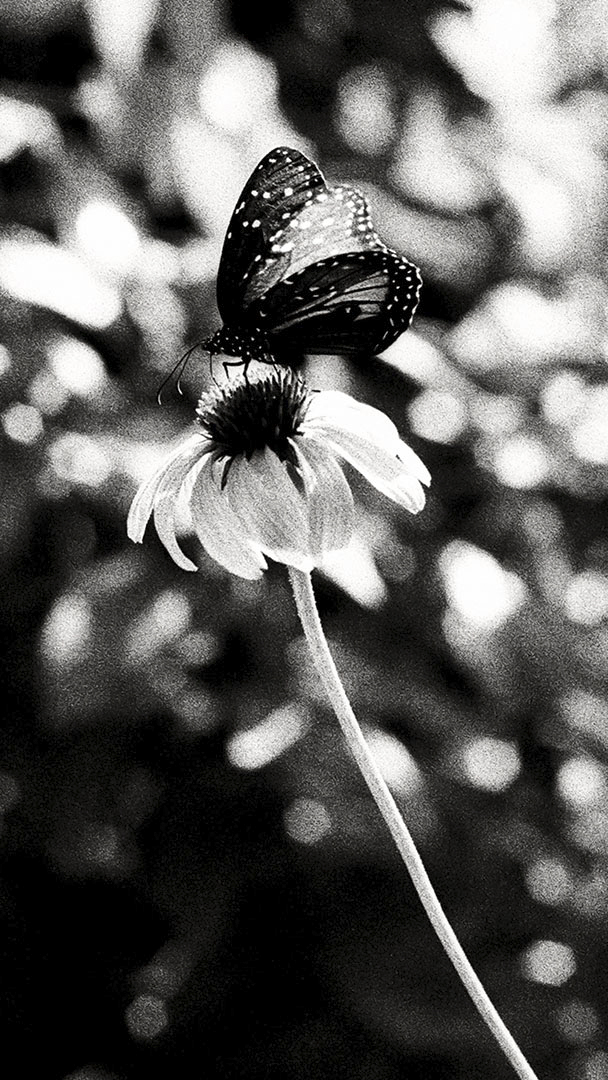
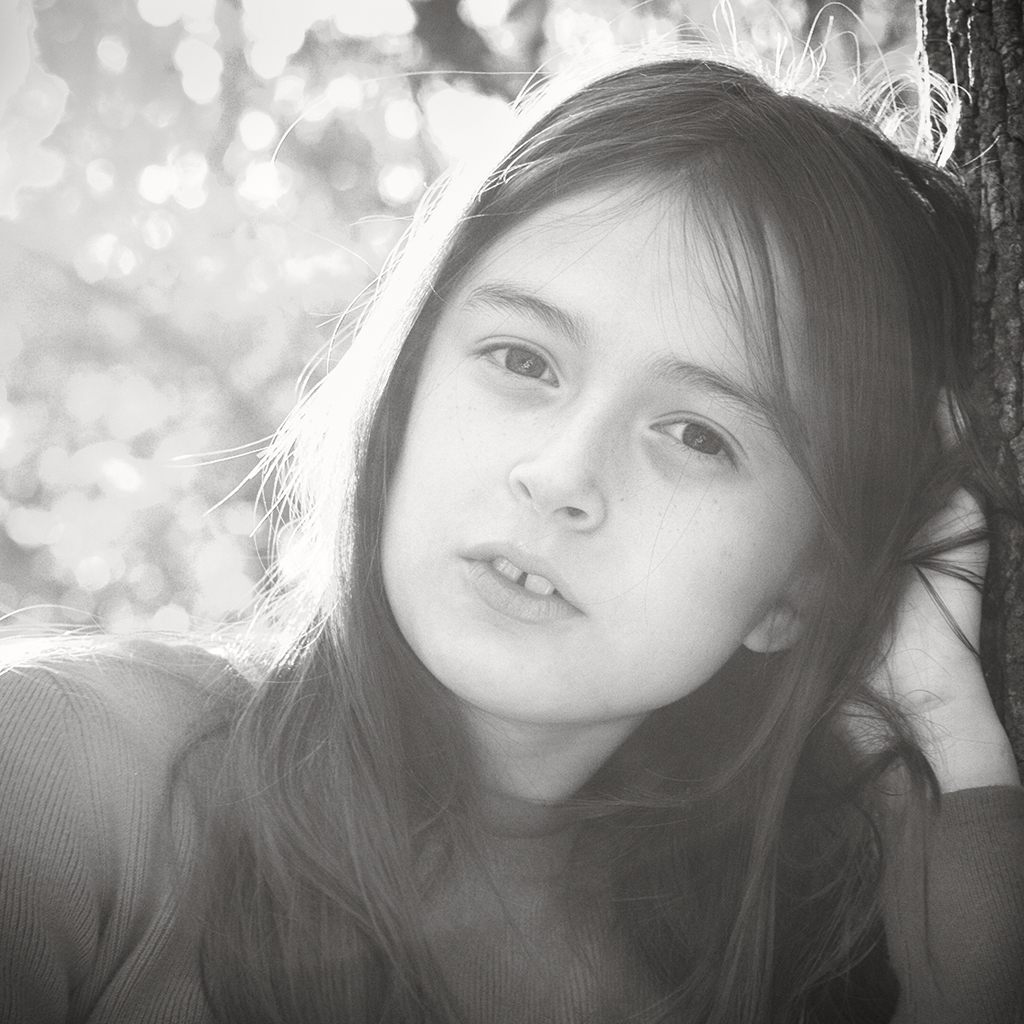
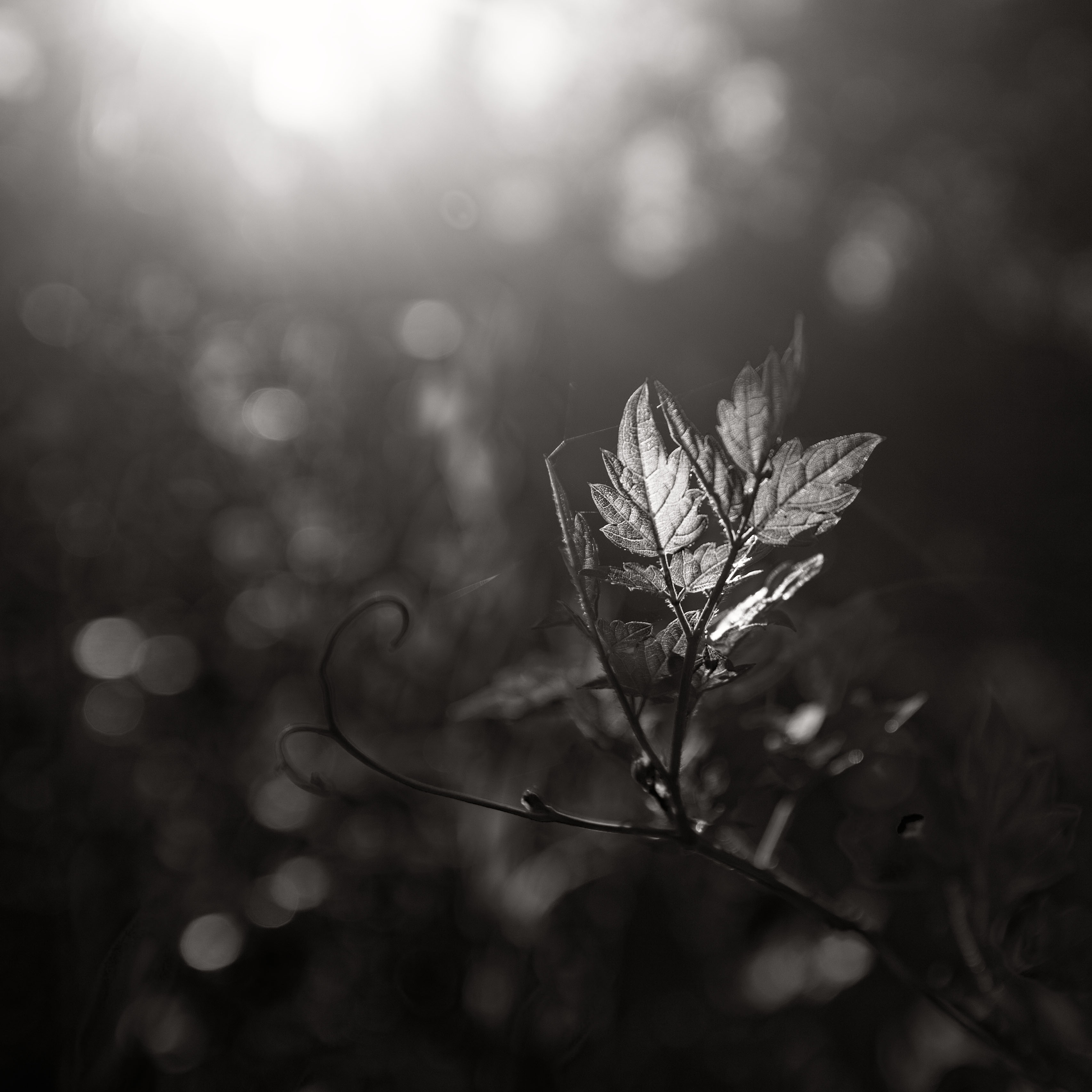
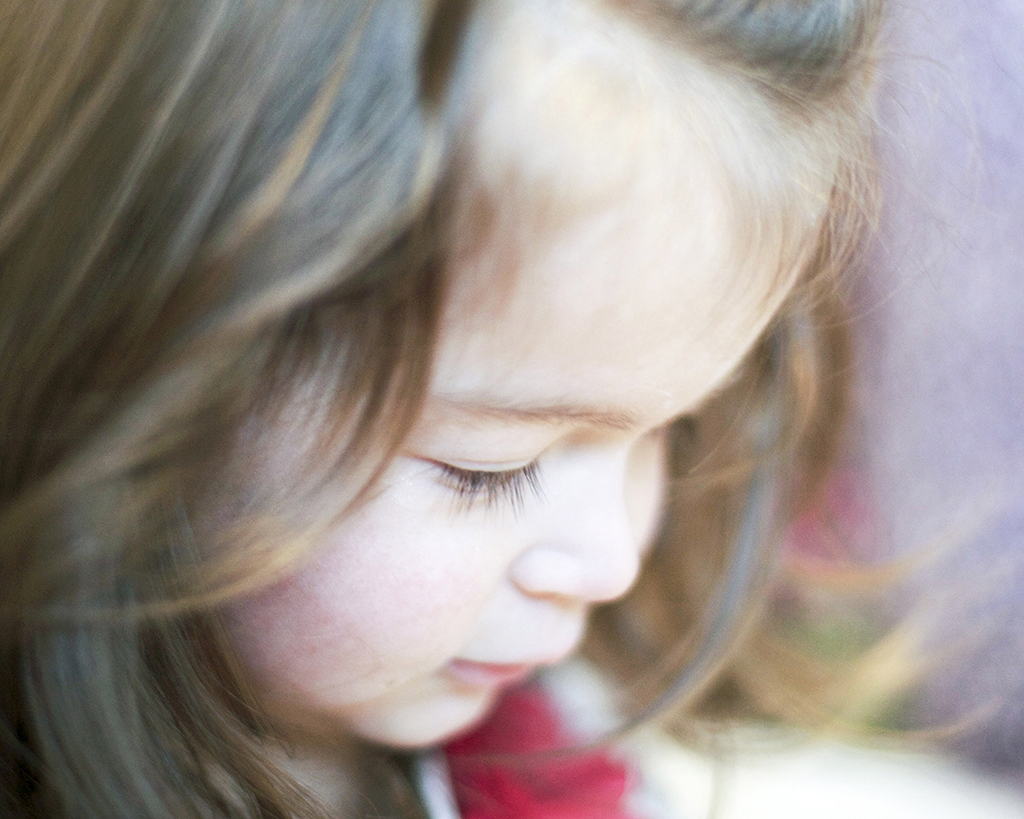
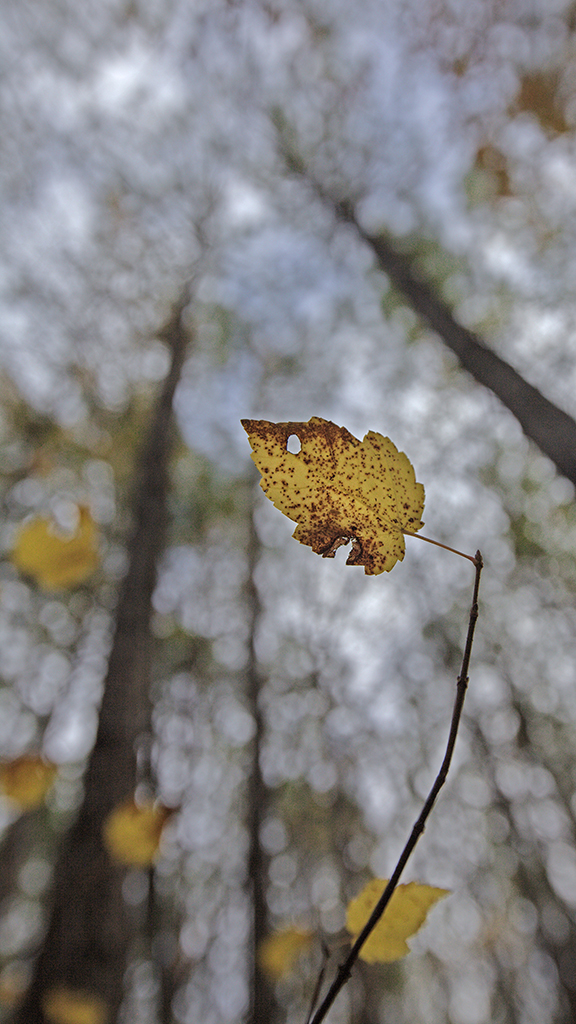
No, Adi ... this was digitally exposed at F/3.2 at native ISO-100. I very carefully focused/framed the subject using as small an aperture as possible w/ISO-100: Note for this exposure/subject, I did not want to dial in a higher ISO .. just because, but suffered slightly with a 1/25sec speed while I was bracing on a deck rail at a recent mountain retreat.
The resulting extra areas of Bokeh really thrilled me ... and plan on utilizing like-settings (maintaining a lower ISO) more often.
This is my most recent work and plan on printing it on some type of Japanese paper, possibly a Unryu paper of some type. Also, this image may do well with alternative print process. I am glad it connects to you in a positive way. |
Nov 7th |
| 83 |
Nov 23 |
Comment |
I especially like the overall (light-hue) that imbues a sense of moisture from the fountain. Really helps me feel connected to the moment. Was this a result of 'toning down the darks' ... or was the air visibly saturated?
Regardless, I love the subject composition .. very much a scene that imbues an authentic "Street Photography" aesthetic: natural, authentic. Lovely, Margaret!
|
Nov 7th |
| 83 |
Nov 23 |
Comment |
Simply a breathtaking scene!
Well composed and exposed!
I like that you explained the use of ISO3200: thus allowing enough light for the very small F/22 aperture ... helping to maintain a fast shutter speed. Well done!! |
Nov 7th |
| 83 |
Nov 23 |
Comment |
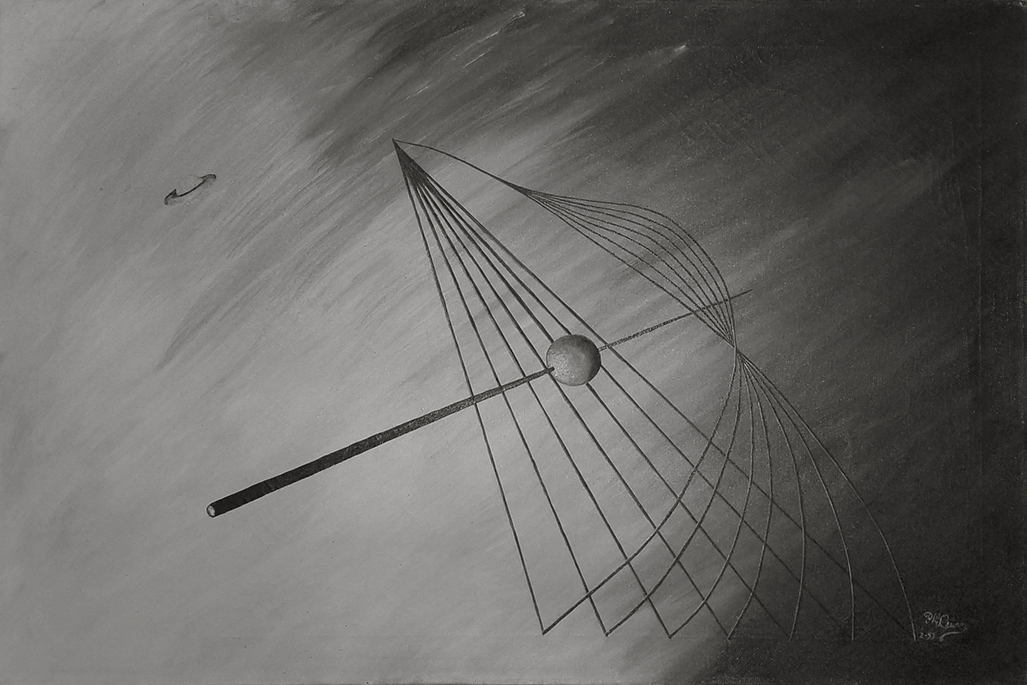
Yes, it does inspire notions we may contemplate as Sci-fi like in some old B&W movies.
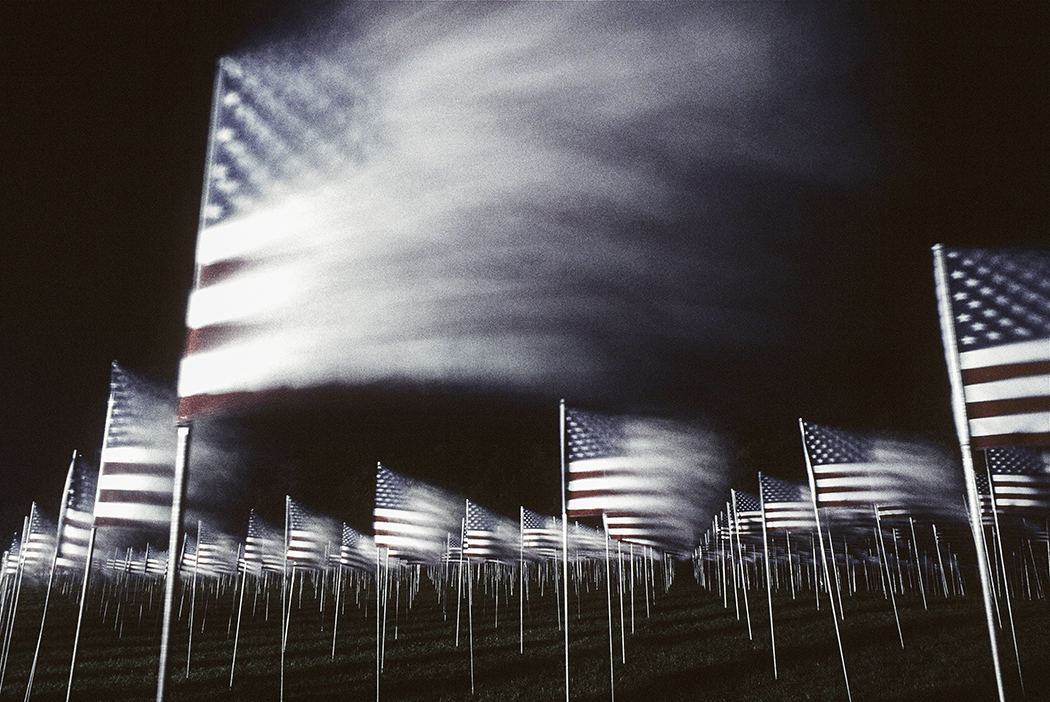
It feels, for me, like Alfred Stieglitz, "Hand of Man", in a documentary way. Well visualized and exposed. |
Nov 7th |
| 83 |
Nov 23 |
Reply |
Micheal, I did visit DD-3. Thank you for the invite! |
Nov 6th |
| 83 |
Nov 23 |
Reply |
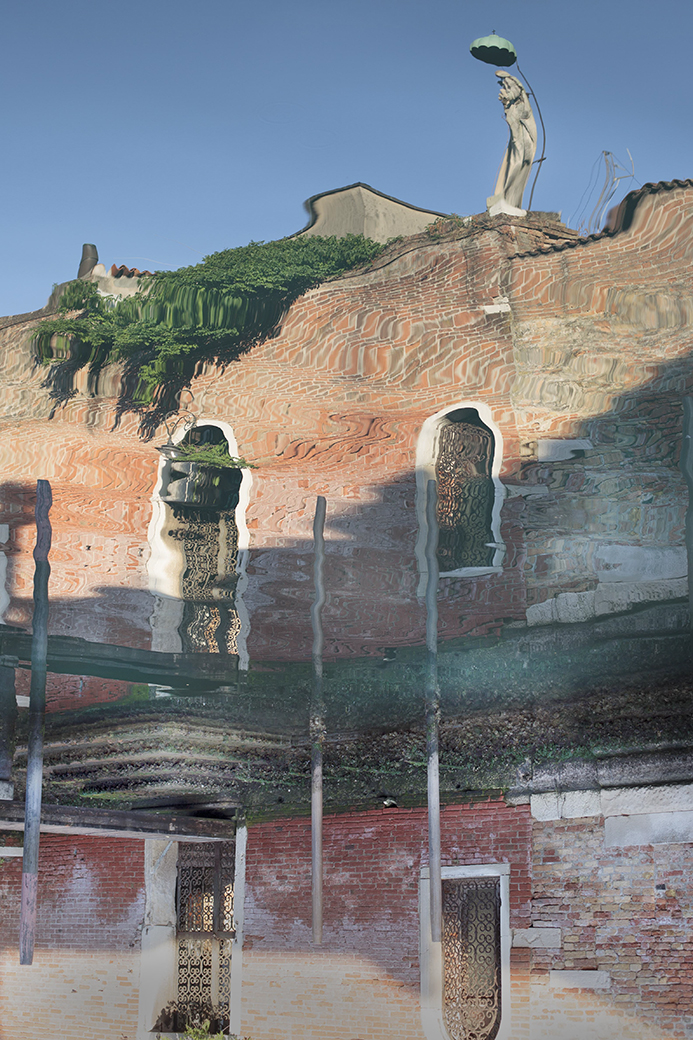
"Points to Ponder"
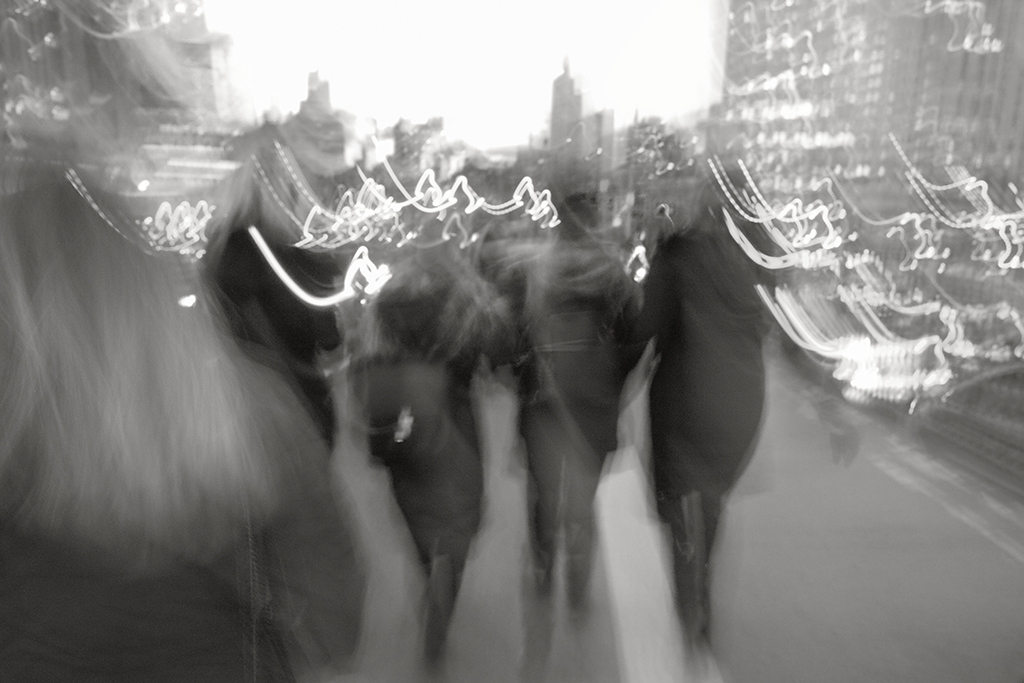
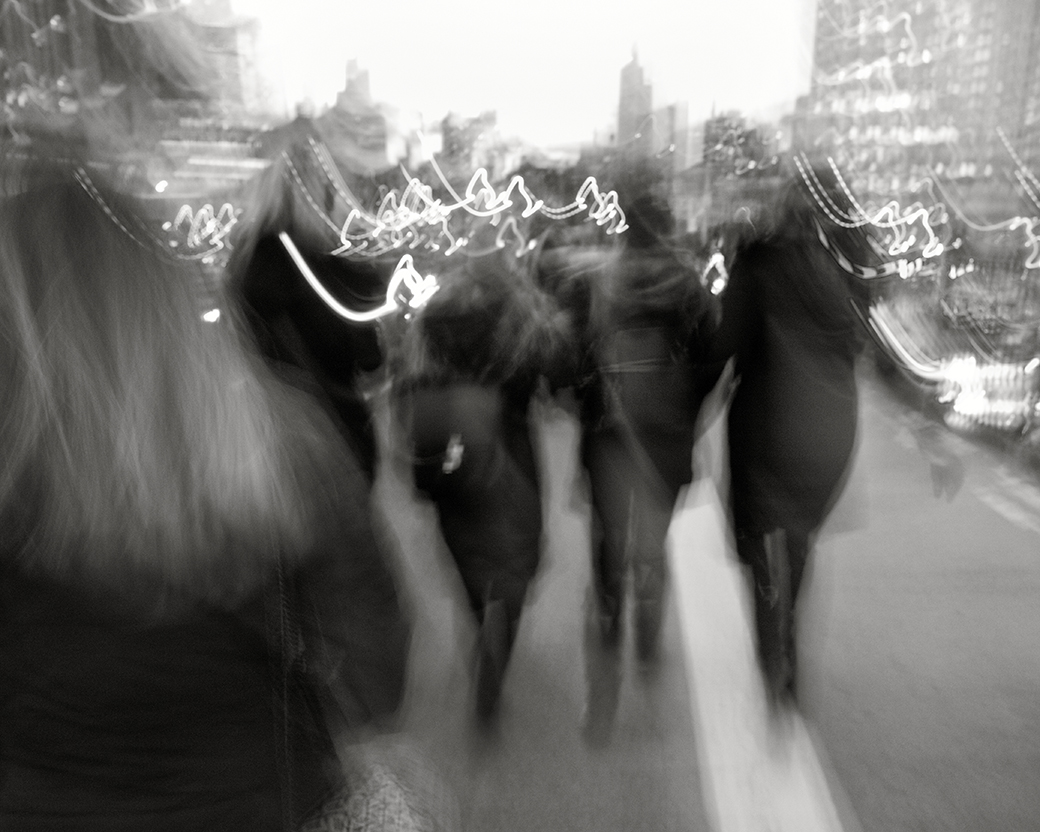
Additional thoughts: your featured work is a prime example of "good" Street Photography; here, most often, a human is juxtaposed to one or more surrounding artifacts (and / or in atmospheres) which relate (or help elicit) a narrative from viewers.
If you want to continue on this path ... that is, these types of Street Photography imagery (regardless if abstract or narrative based), along with "reflections" ... spend time studying work by Vivian Maier .. for one example of an artist who enjoyed compositions that included reflections ... and Gary Winogrand for work that can be extremely abstract both upon initial viewing, and often even after prolonged viewing: I include Winogrand work to teach prospective Street Photography artists that 1. a scene does not always have to be technically perfect, and 2. narrative can be subtle, and often, the best of these types of compositions present the best of what we define as the images Gestalt. |
Nov 6th |
| 83 |
Nov 23 |
Comment |
Simply a brilliant photographic image!
Waiting for a human subject to interject into this multifaceted visual presentation really tied the knot for making this work engaging ... thus providing possible narratives ... or alternatively, interpreting this composition as a Fine Art Documentary, if we want to be bold. Well conceived, Michael! |
Nov 6th |
| 83 |
Nov 23 |
Comment |
Really, my words and feelings echo Michael's .... well designed and captured. It is always adventurous to follow a path less traveled. Indeed.
However, I do feel the main subject is not centered (and this is wonderful) and the wider-space, on image-right helps in its visual appreciation, in my opinion. In this sense, the windows, look out to the wider (more open expanse) of space ... the house-back facing a shorter (less expanse of space).
It is always enjoyable to see the visual effects of using wide angle lenses .... its use here is well appreciated. |
Nov 6th |
| 83 |
Nov 23 |
Comment |
I too, enjoy visualizing through the unique perspectives of reflection, and here you point out the interesting juxtaposition between the actual structure and the reflected neighbors. Nice work! |
Nov 6th |
| 83 |
Nov 23 |
Reply |
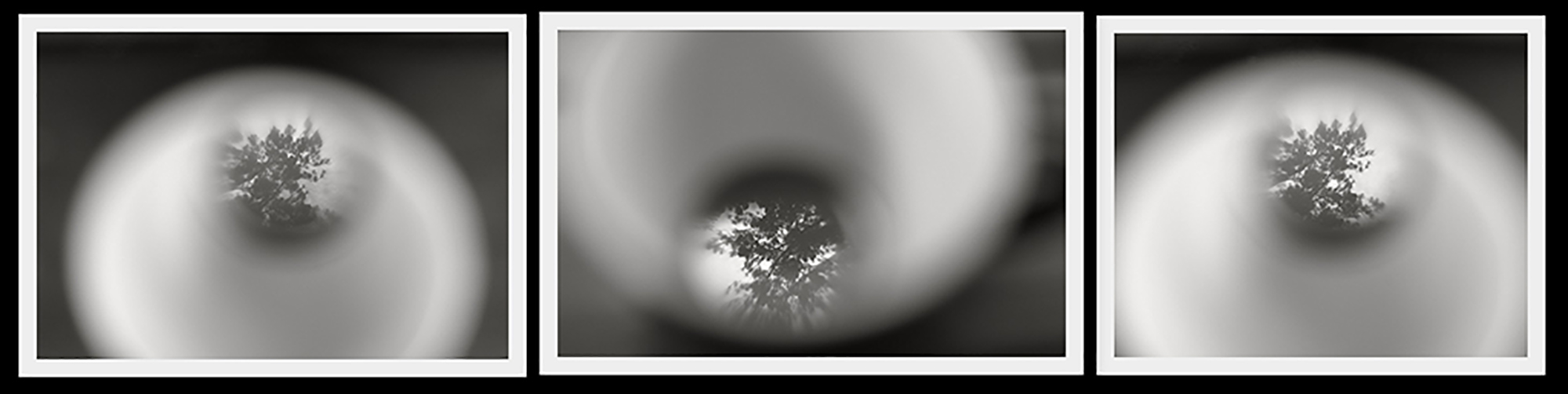
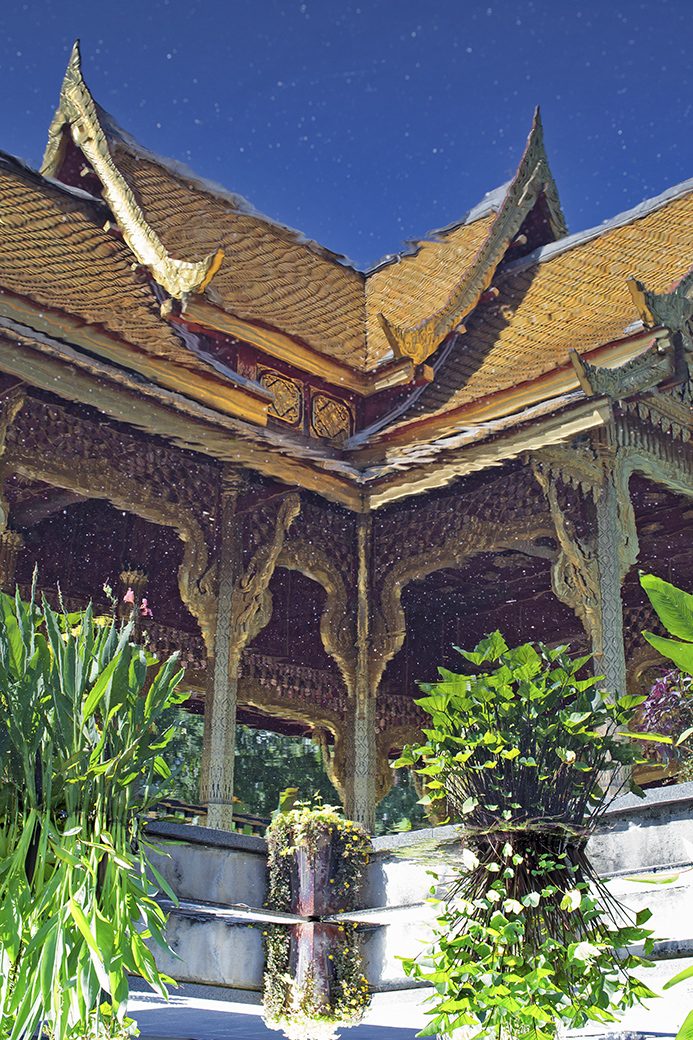
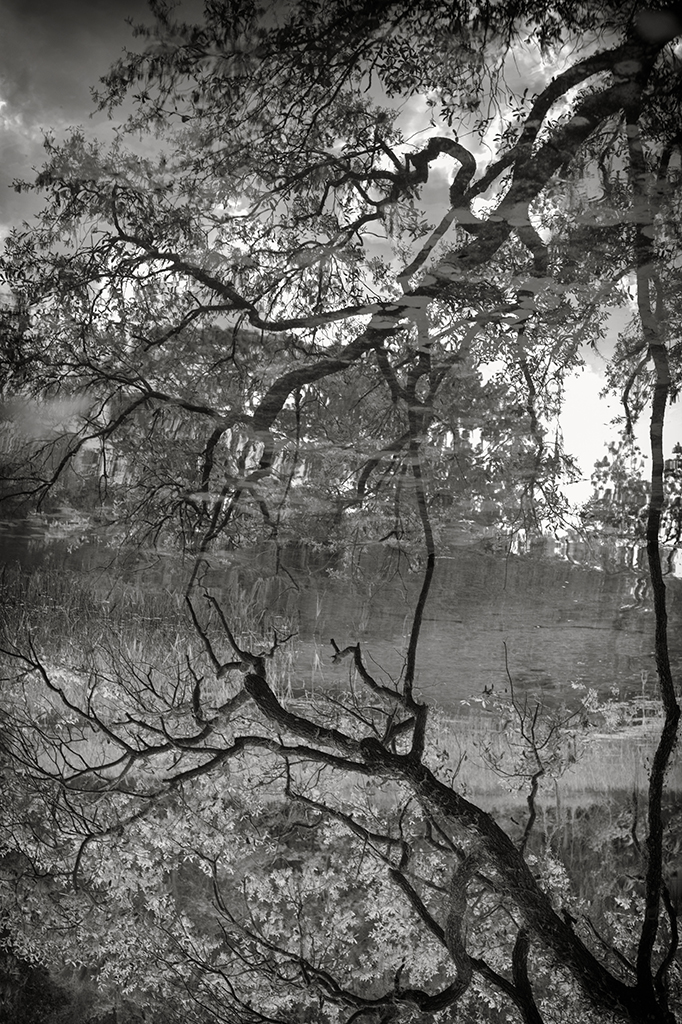
The essence of these types of compositional style are visualized via several notions within Chinese and Japanese aesthetics.
Here, comprised of visual effects that offer a less-than-clear view of the World around us: something Matisse spoke about regarding his Impressionistic canvases.
In summary, the canvas invites deeper contemplation, and most important, reveal to the viewer the images Gestalt, rather that identifying (only) certain portions/aspects of the visual art.
Hope this brings clarity and more focus on how (you) are "appreciating" the work. Thanks Michael! |
Nov 5th |
6 comments - 11 replies for Group 83
|
| 87 |
Nov 23 |
Reply |
First, I am glad you enjoy these images.
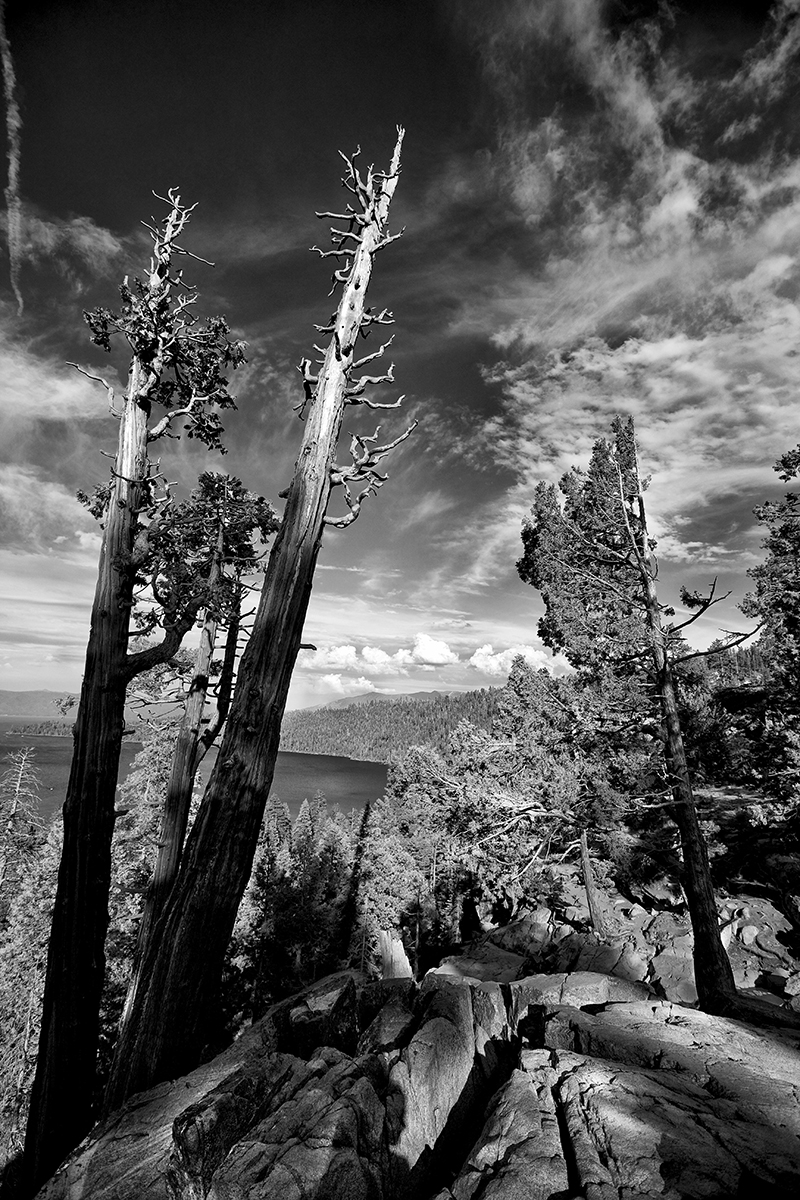
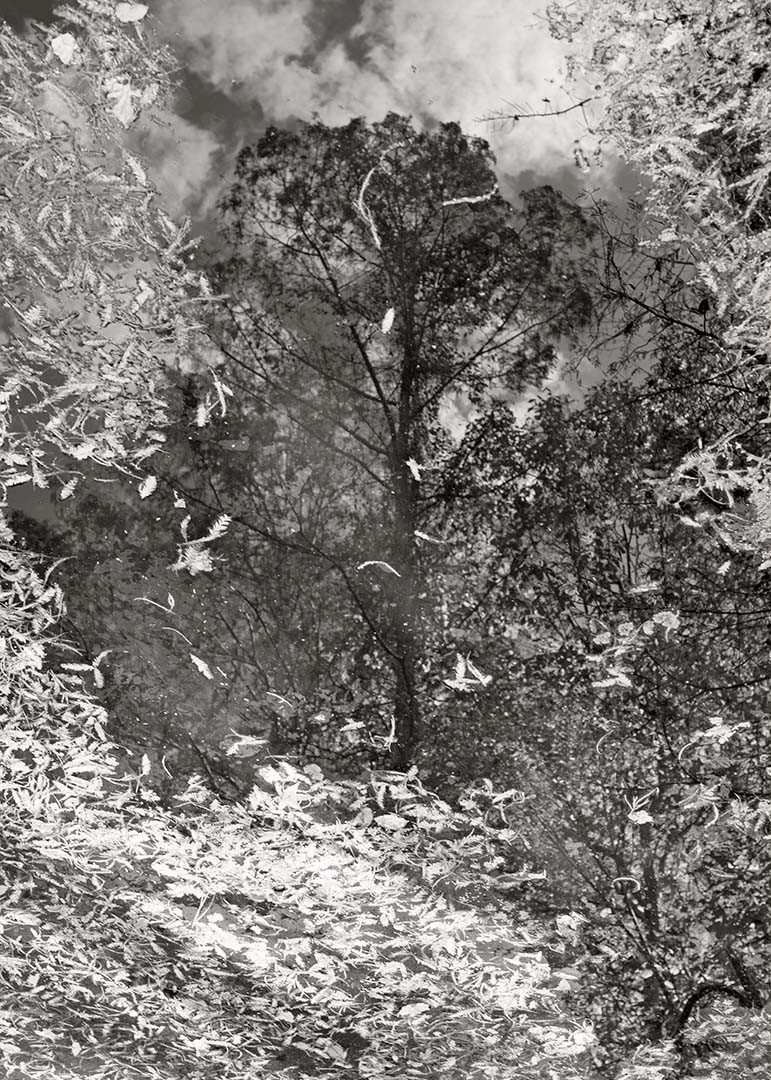
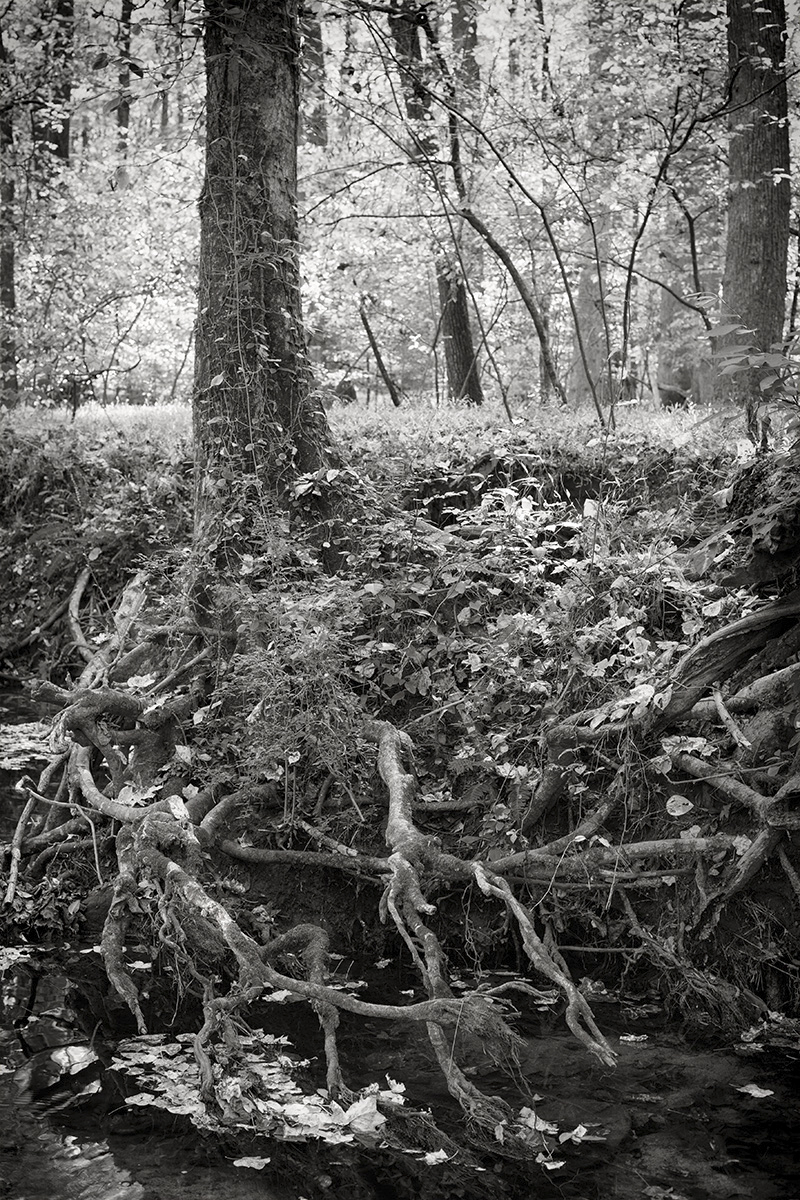
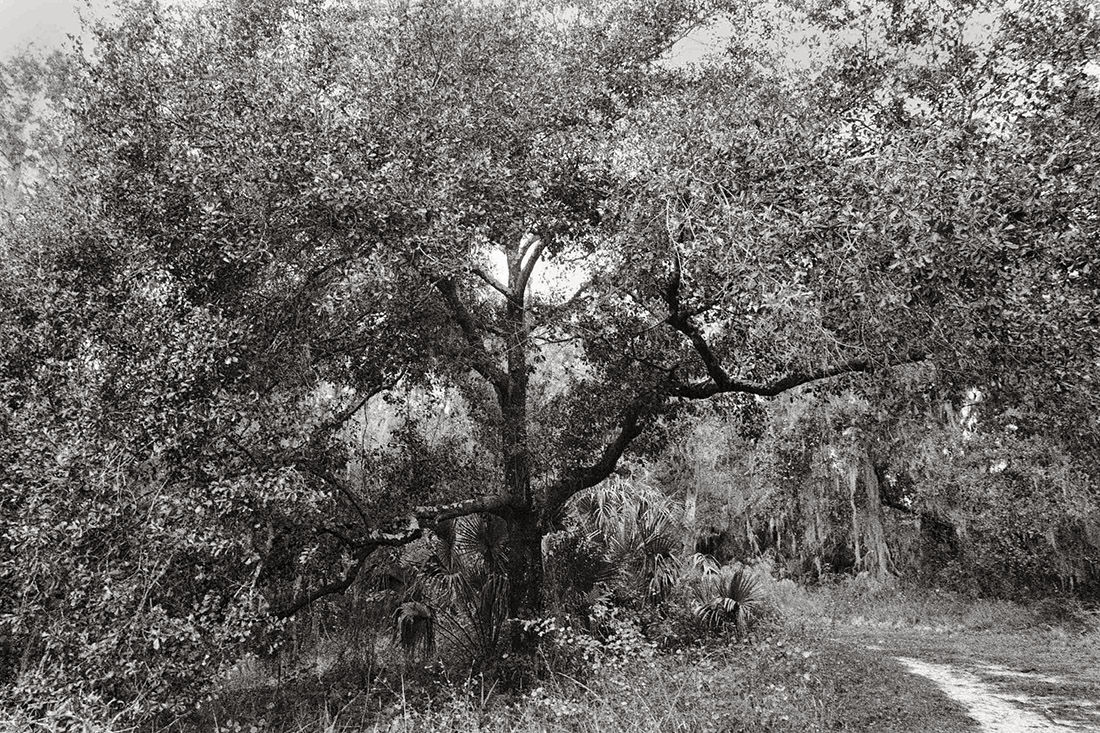
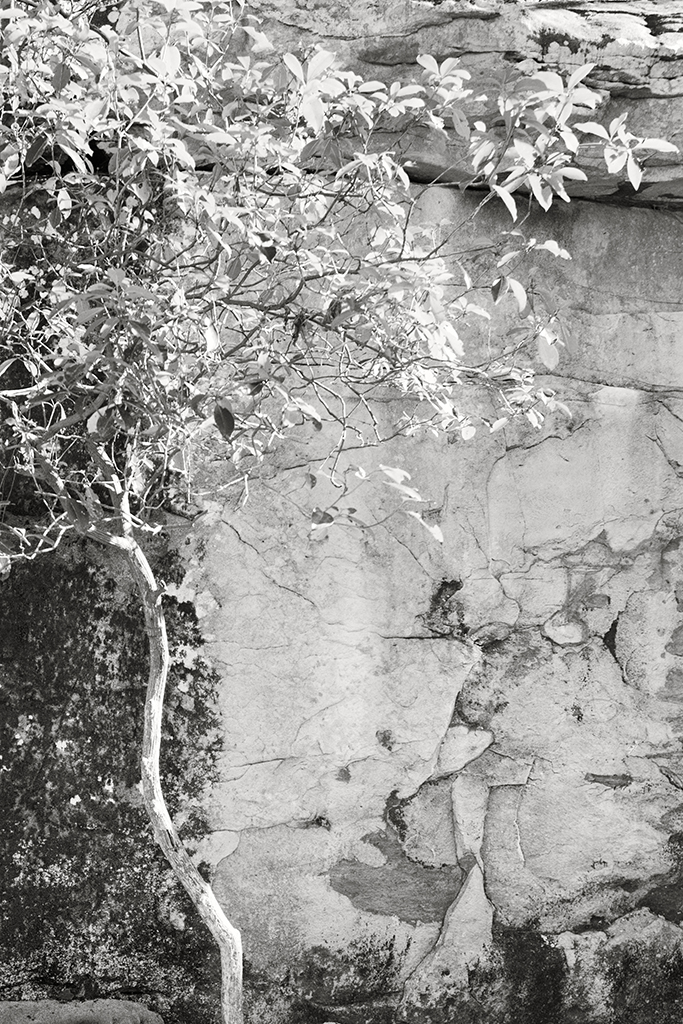
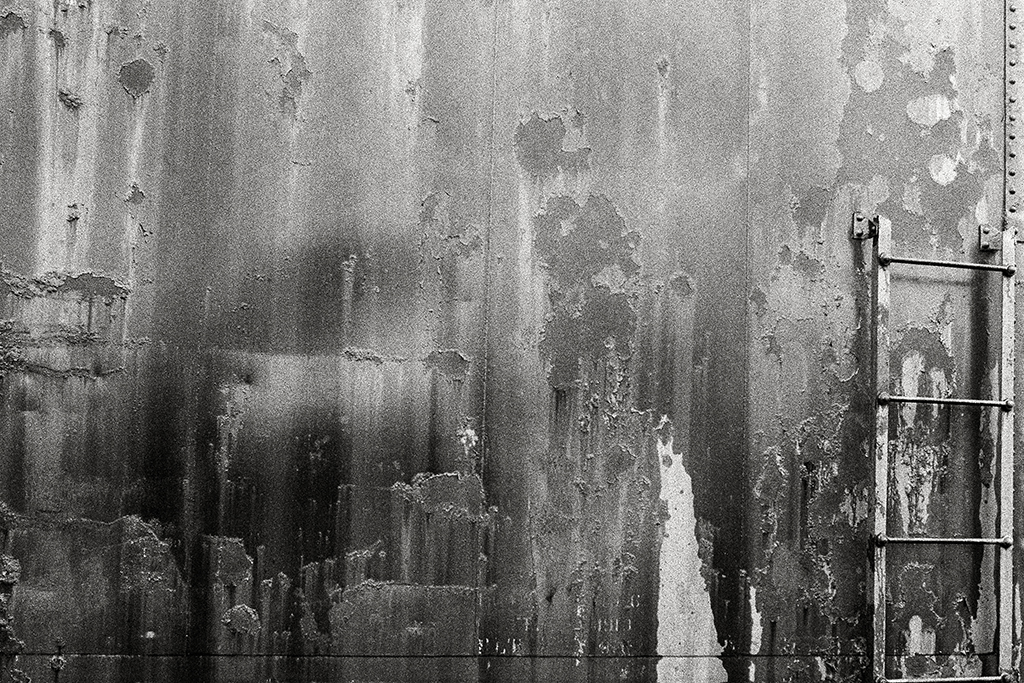
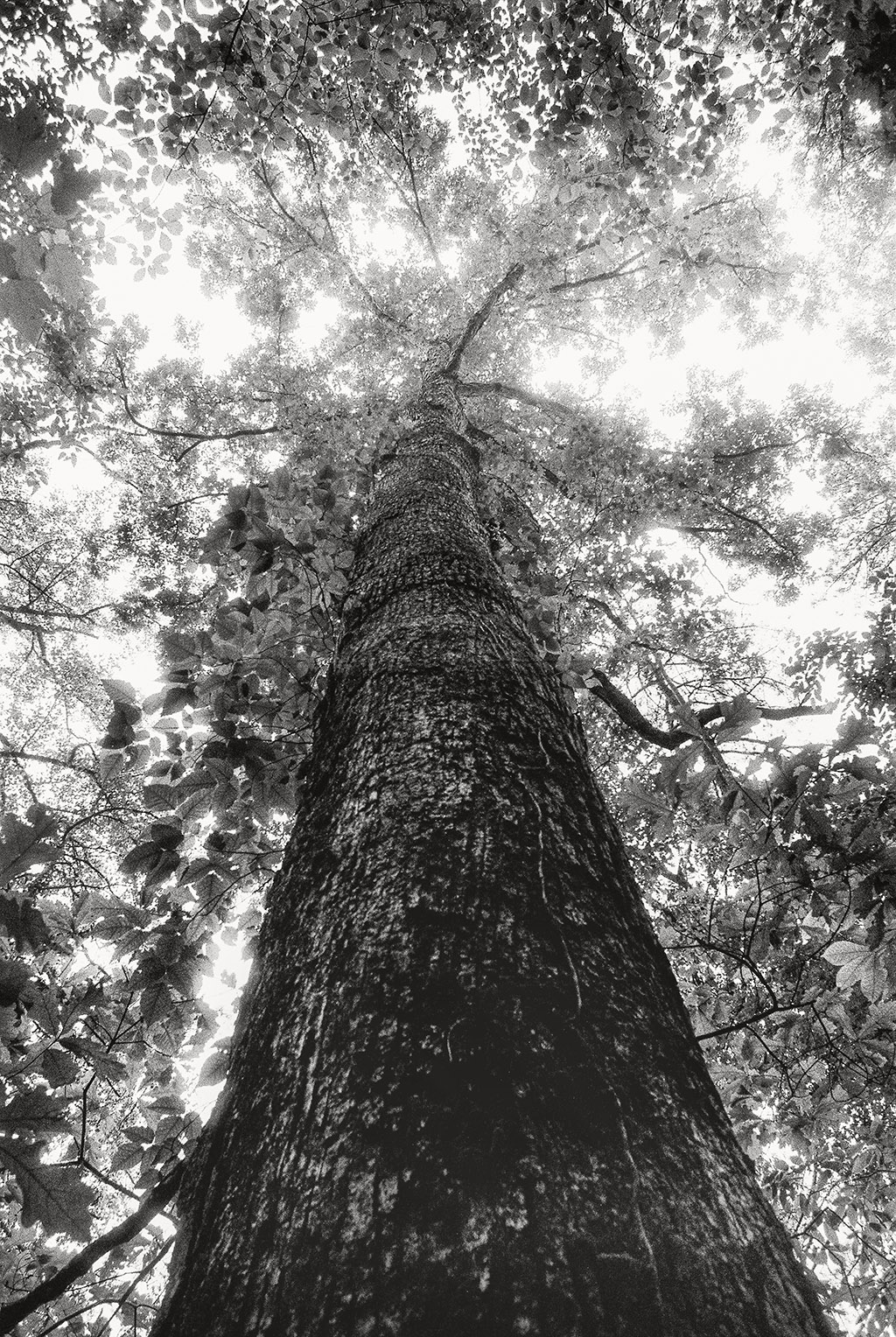
As Chan pointed, perhaps sometimes it is about being 'ready for the decisive moment' ... though I rather make clear my point of view is to ... learn to become one with your immediate environment ... something I have talked about since joining these discussion groups ... and within the mentorship program.
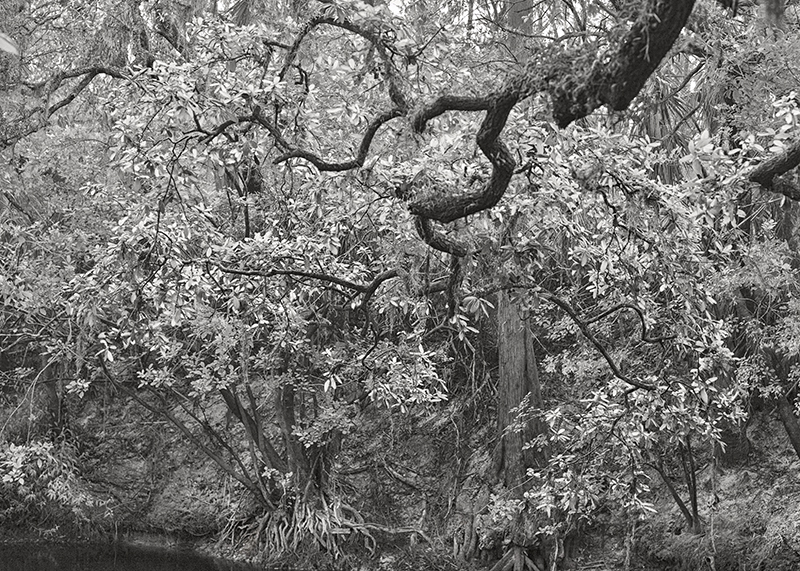
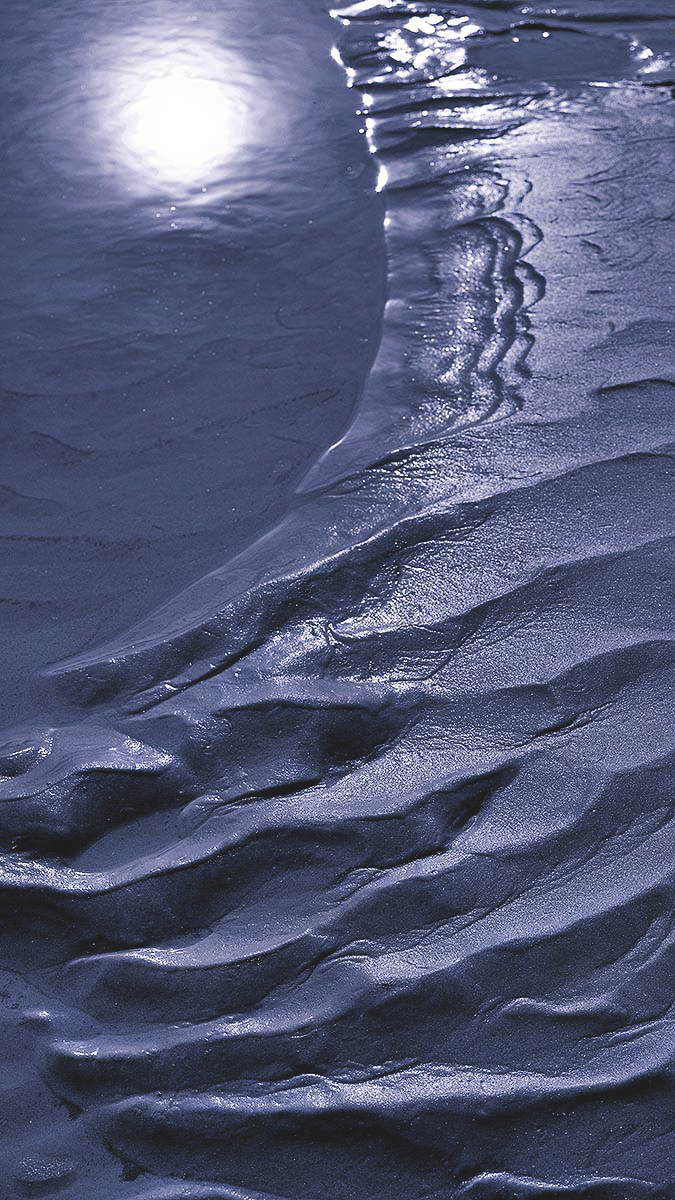
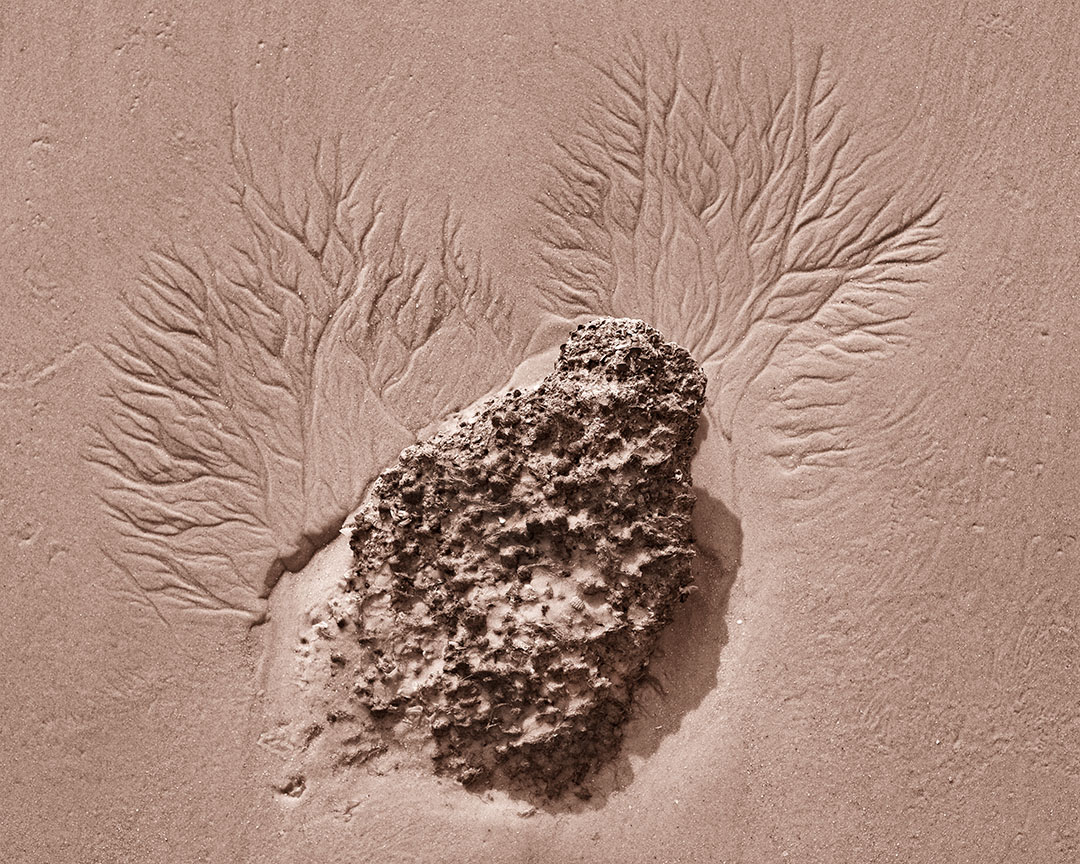
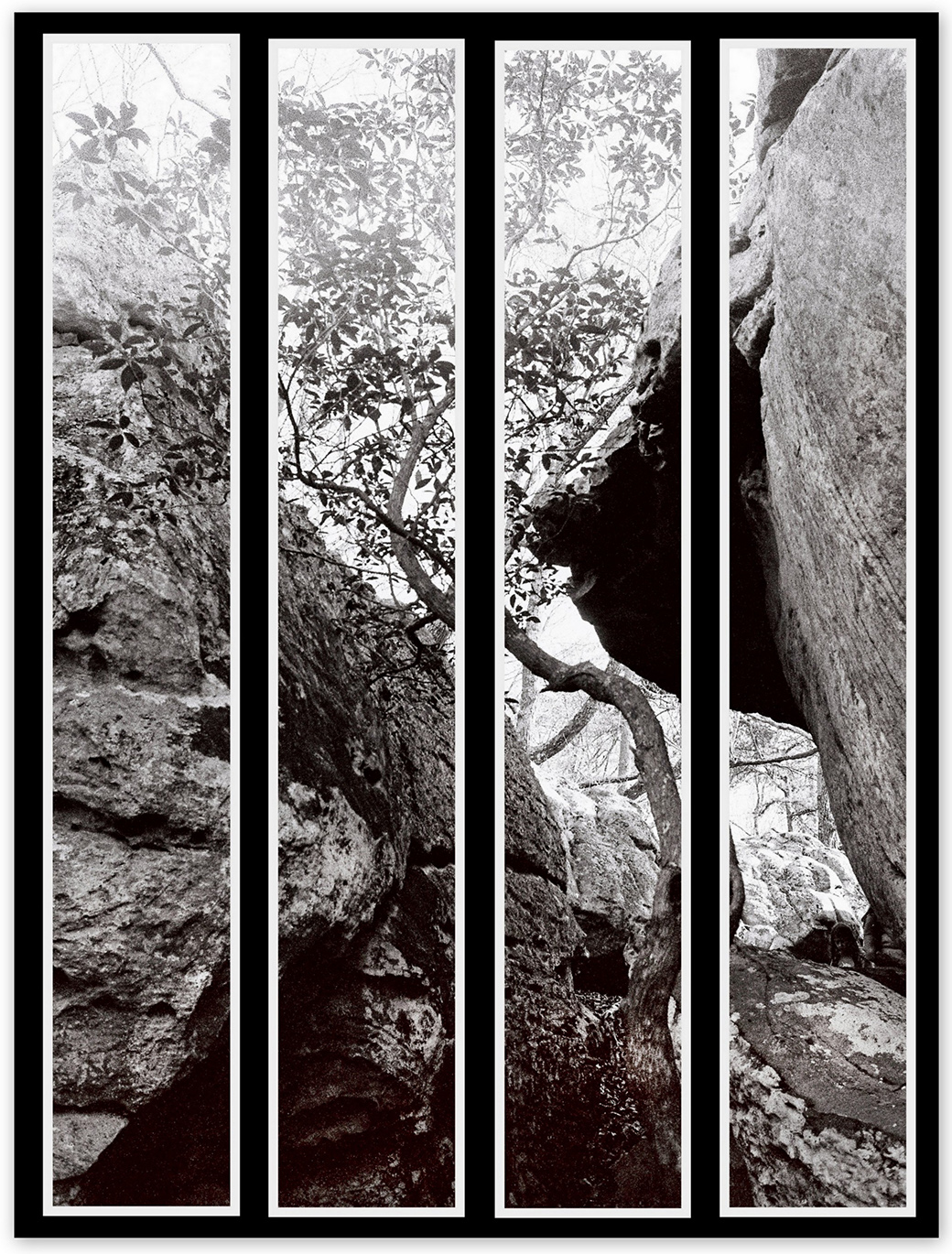
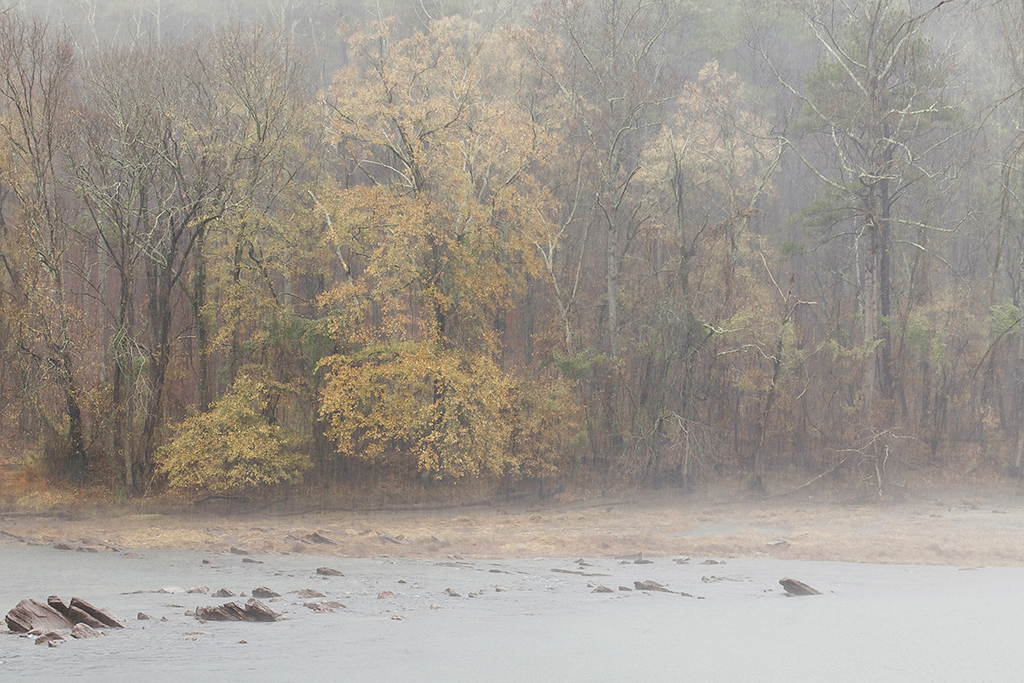
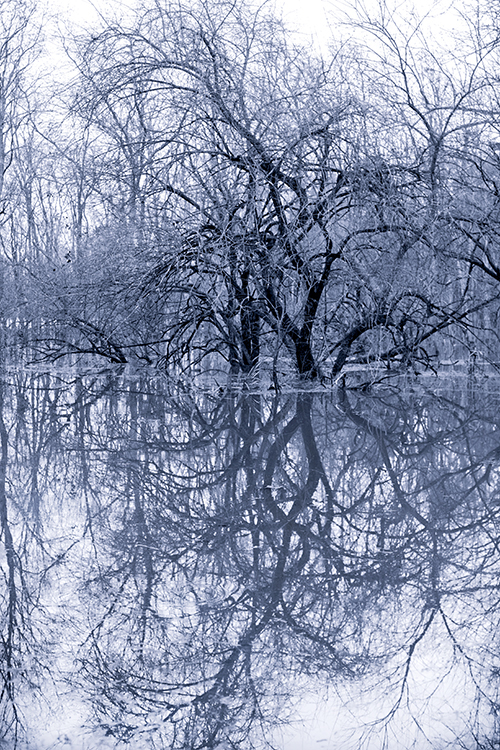
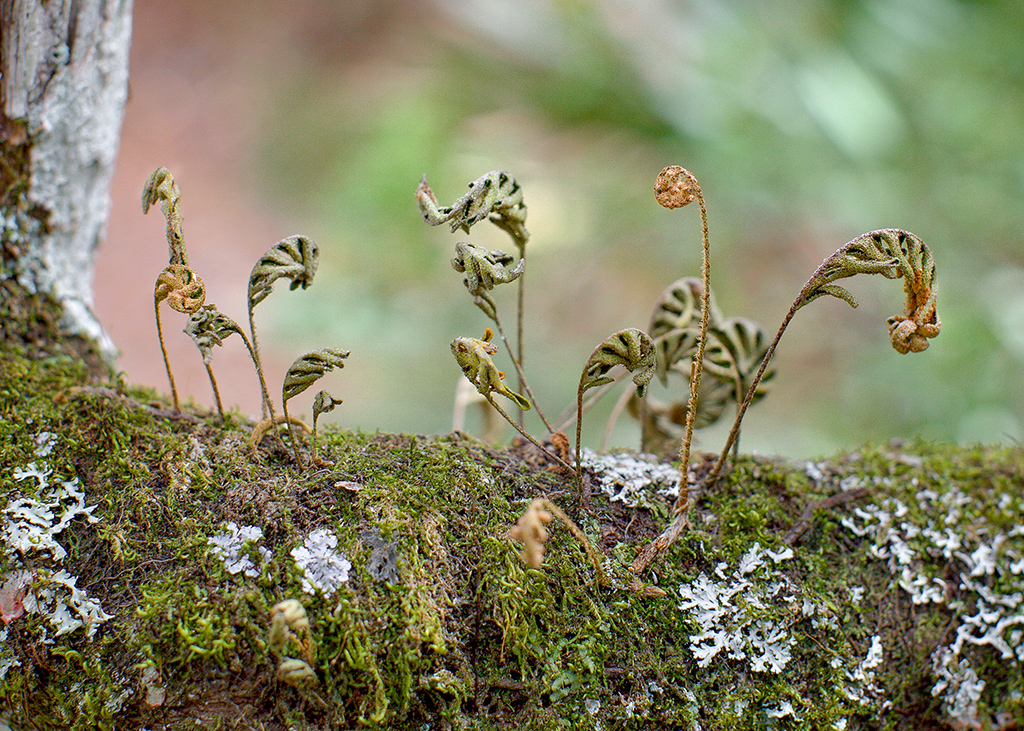
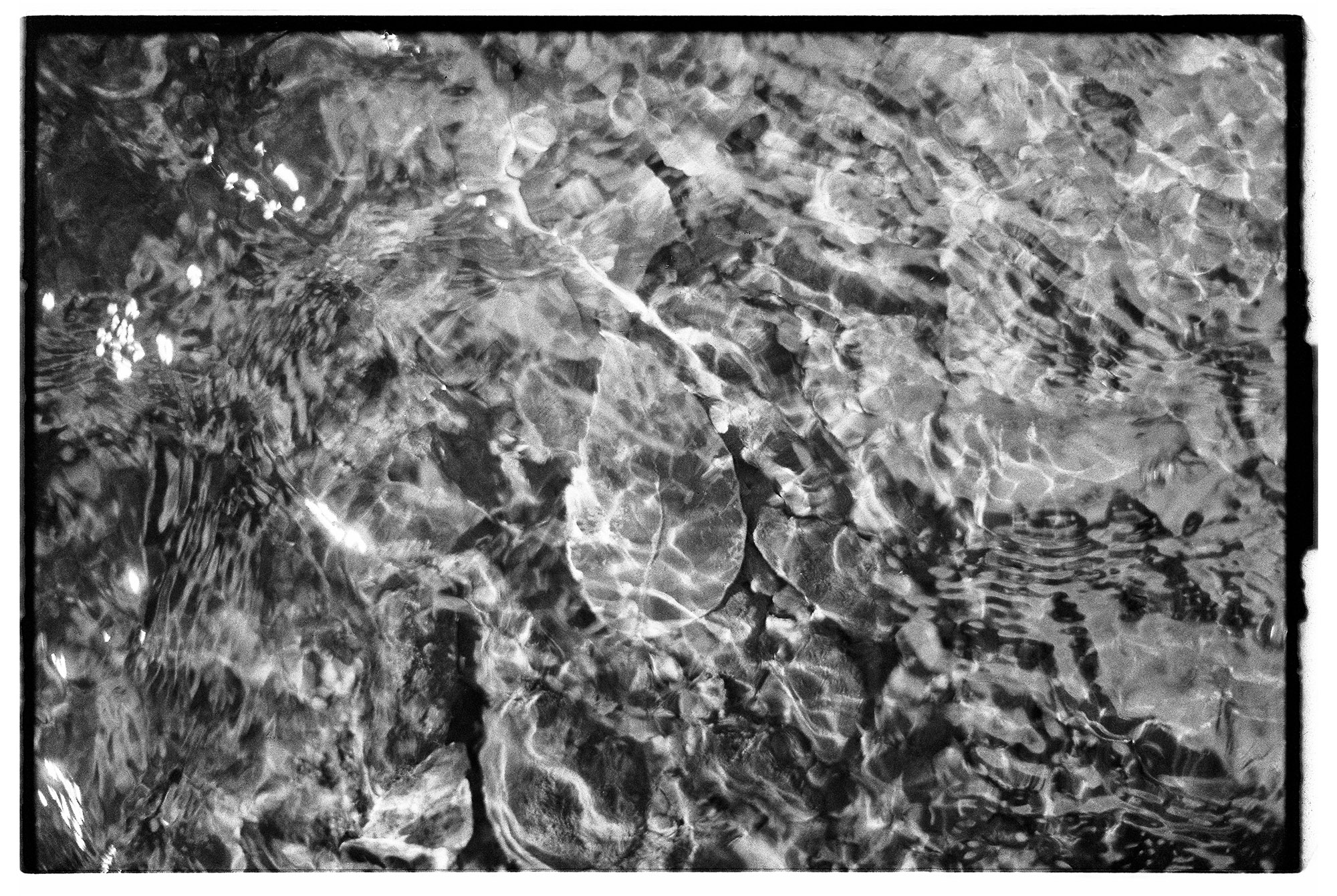
These particular images represent a "collection" of visual peculiarities I became aware of while hiking; visualizing and understanding the space around me. After this initial realization, I continued the search for like-peculiarities. Over a 2.5 hour session I registered maybe 36 digital images. As we head into mid-November, I am exposing one roll of 36 exposures of Eastman Double-X/5222 film ... as the aesthetics it offers me best describe my artistic goals beyond these color variants. |
Nov 9th |
| 87 |
Nov 23 |
Comment |
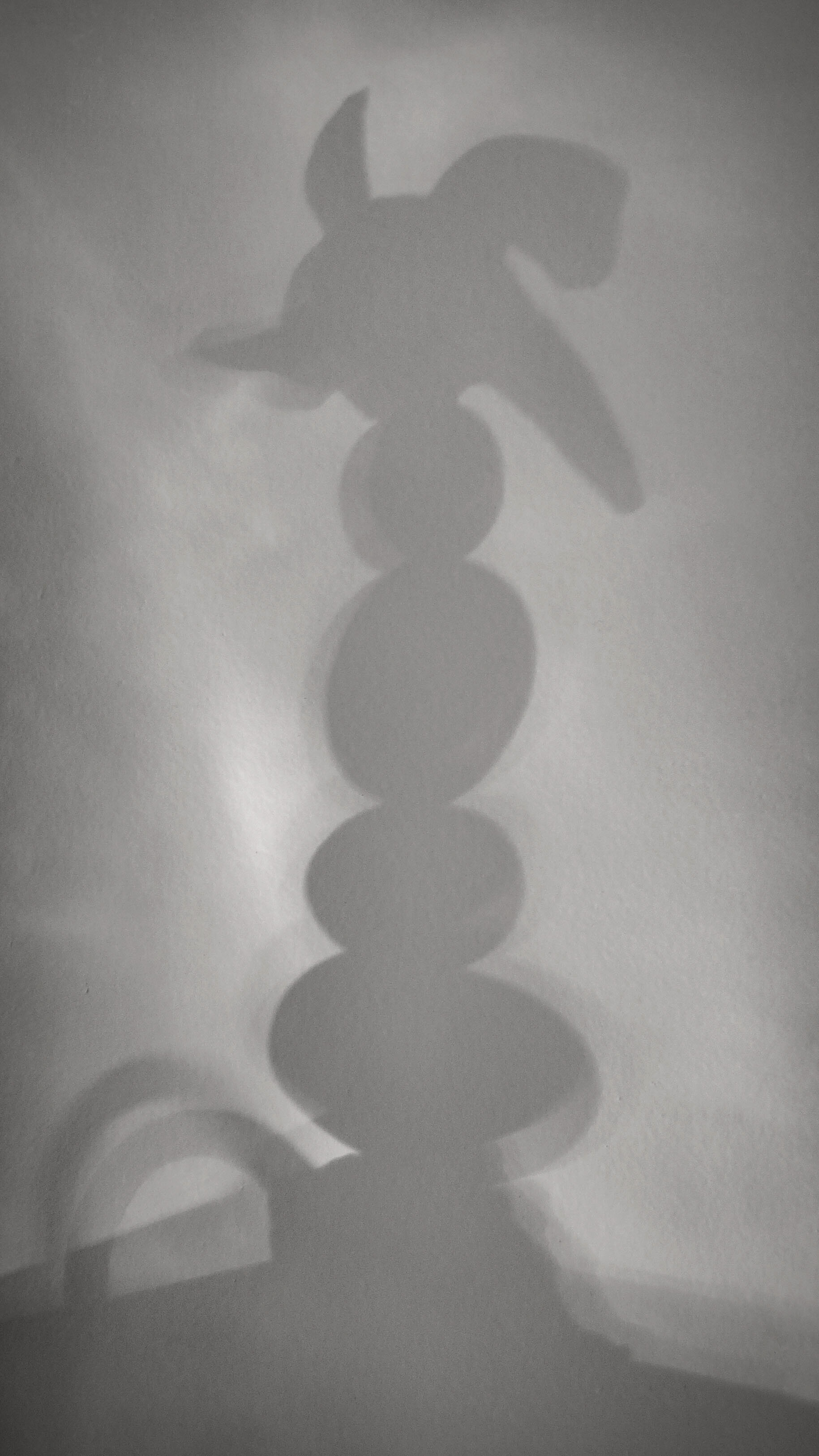
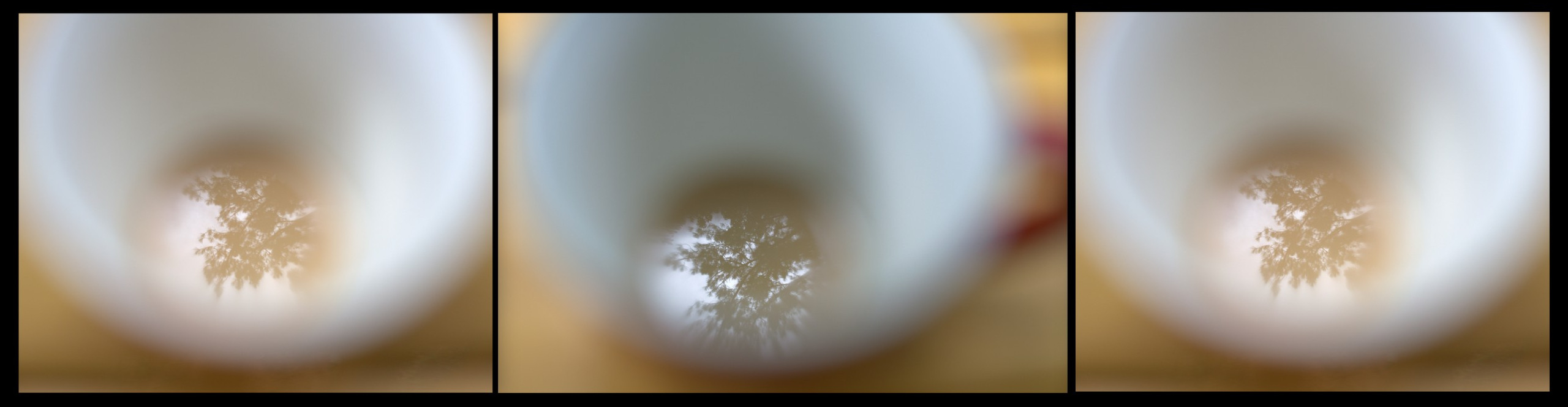
Actually, quite a remarkably engaging Abstract!
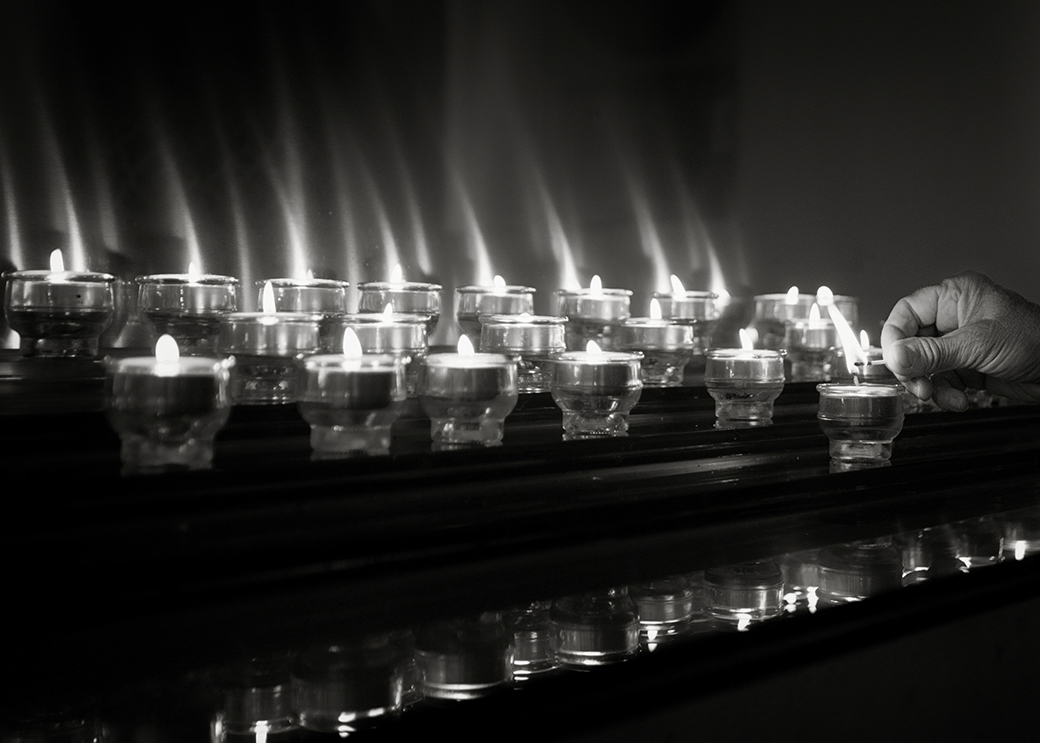
I especially like the balance between the the bowls and their shadows. |
Nov 3rd |
| 87 |
Nov 23 |
Comment |
This is a terrific composition, Will!
Exposure, framing, and of course, recording this most fun-loving moment for this family is perfect! |
Nov 3rd |
| 87 |
Nov 23 |
Reply |
Oh, yes, the good and bad of within the newest discourse of where/how AI should be incorporated into photography! Well, actually, it has been for some time, however, within a less prominent role: Pre-sets, Sky-replacement, ....etc). AI algorithms have been part of the digital photography revolution for some time, indeed.
I agree on a lot of your assessments regarding the less than robust membership at local and online clubs/institutions; that was a very interesting digest, Steve.
As stated above, I think the digital photography revolution has brought many new ideas/techniques and the resulting wide scope of visual narratives: if only more such work be properly identified, as many of the techniques/tools to produce (these) images lay beyond the norms of "classic tradition" in photography. |
Nov 3rd |
| 87 |
Nov 23 |
Reply |
(Shutter Priority) |
Nov 3rd |
 |
| 87 |
Nov 23 |
Reply |
(Shutter Priority) |
Nov 3rd |
 |
| 87 |
Nov 23 |
Reply |
Funny, and I told my wife ..'bet everyone thinks this was a composite...'
Some clarity: I still think everyone is not truly understanding the phenomenological experience (we often pass by in our hurried pace) I enjoyed described above:
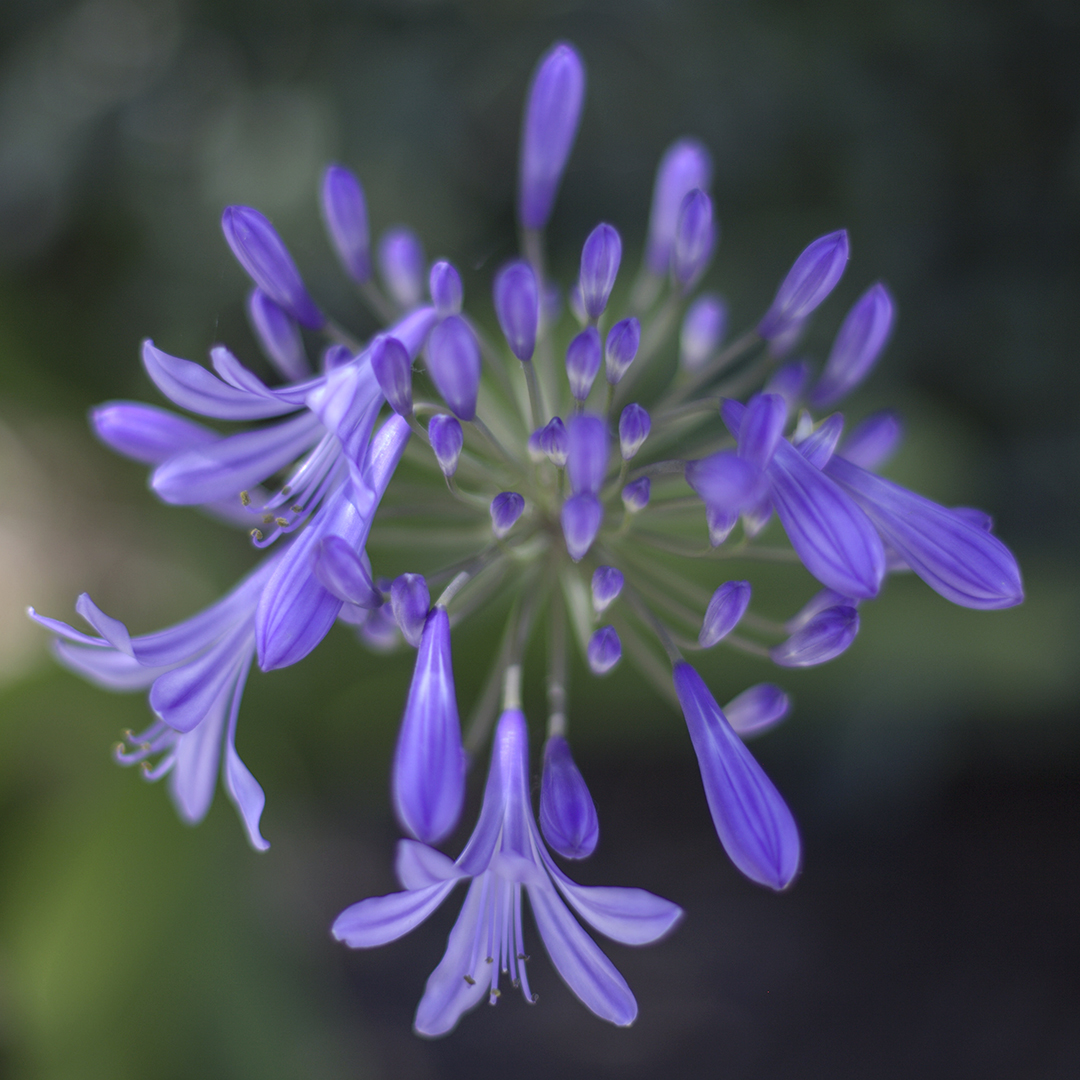
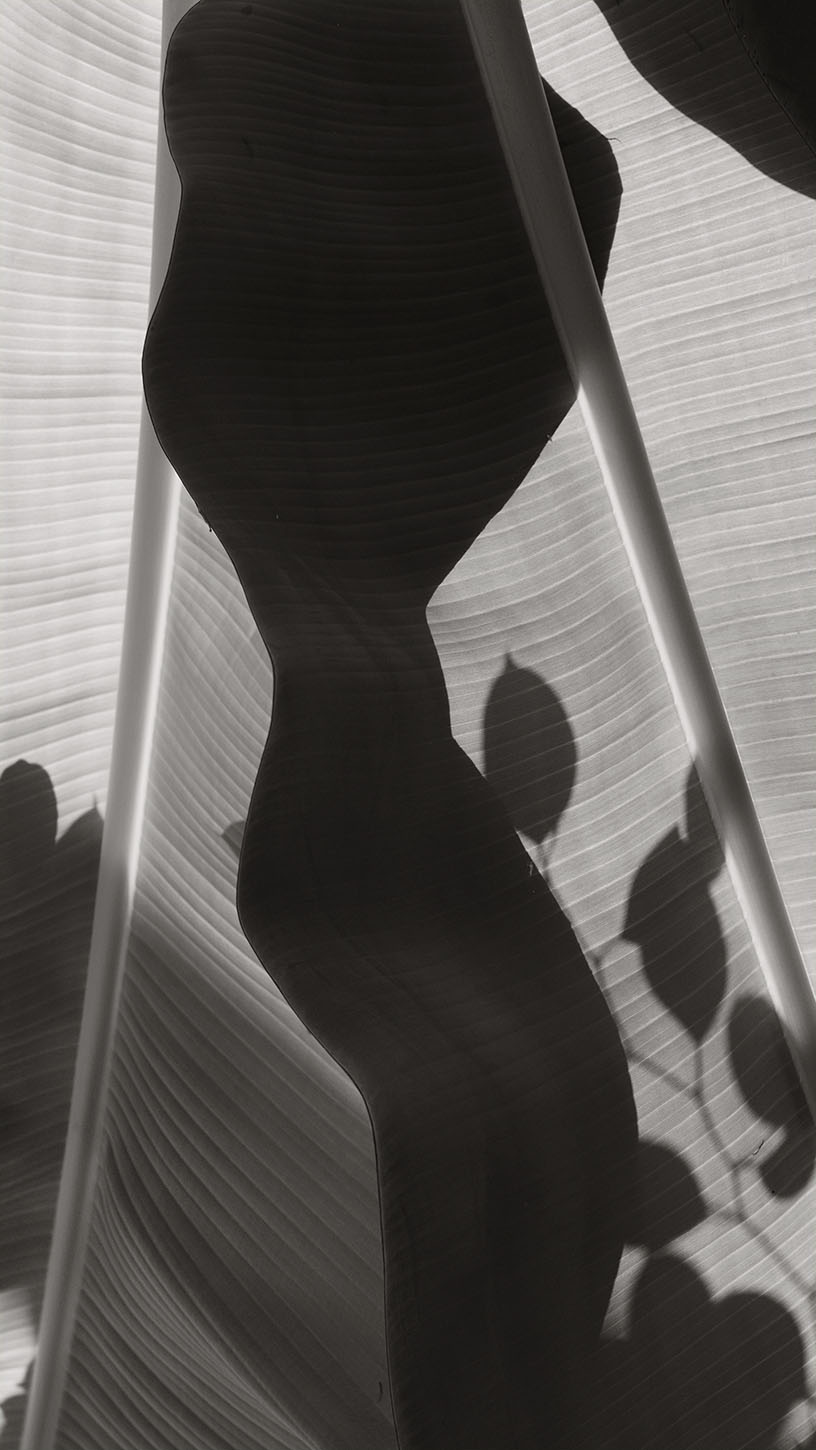
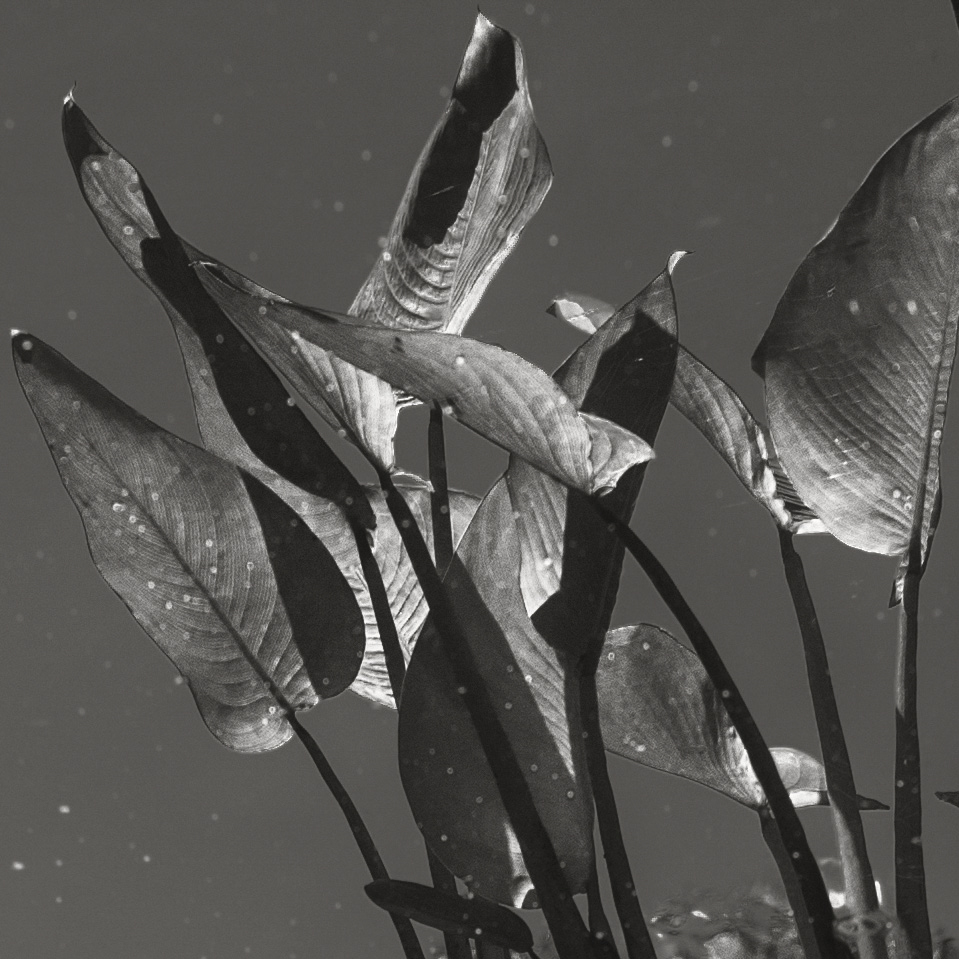
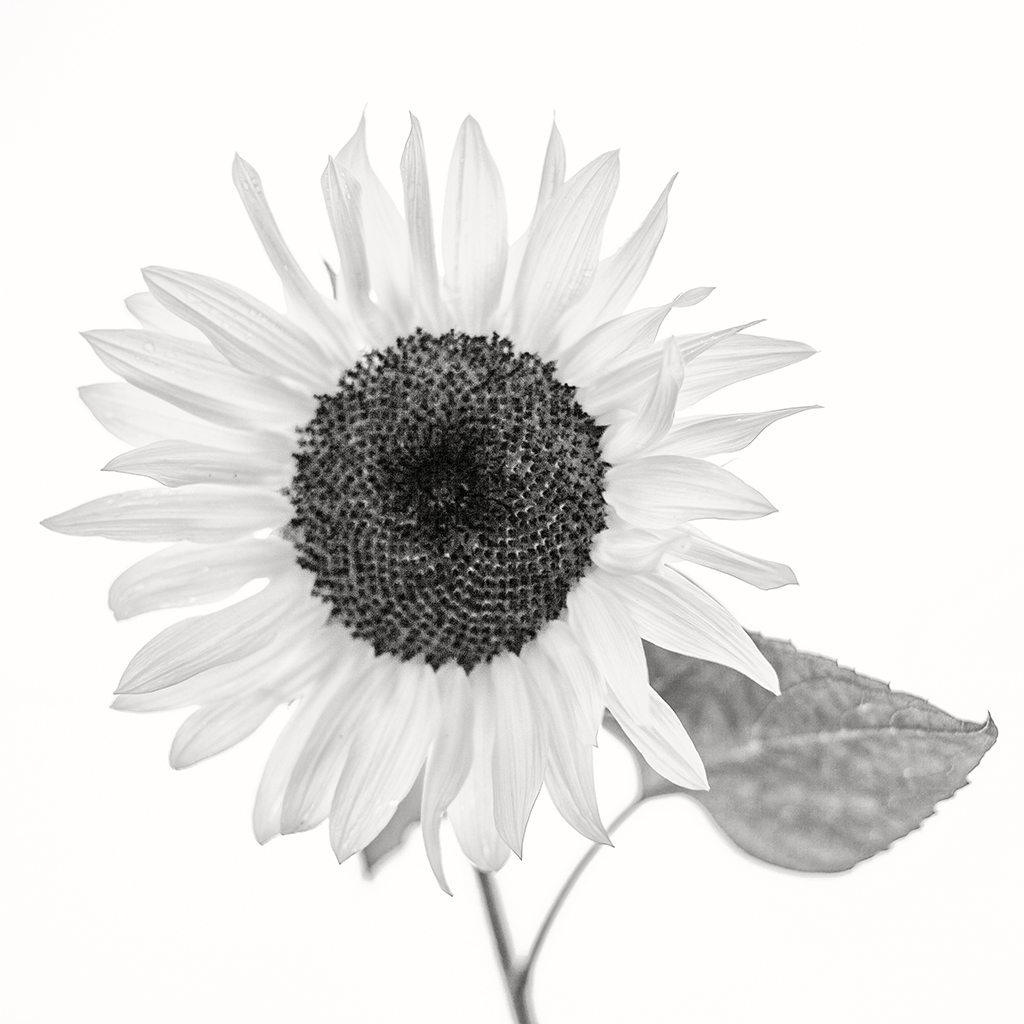
Manual Focus is on the leaf; This was rather easy because the leaf seemingly hovering (or poised) in midair! Most exposures via Aperture Priority (some Shutter Speed priority). Using Dof button was able to gauge degree of Bokeh before each exposure.
Attached, see three other like-images, all either still or spinning in midair, seemingly disconnected from anything! Enjoy. |
Nov 3rd |
 |
| 87 |
Nov 23 |
Comment |
What a beautiful image, Dale!
The work is well framed and exposed. |
Nov 2nd |
| 87 |
Nov 23 |
Comment |
An amazing altered reality that is really engaging!
The very bright (in your face) foreground imbues a very science fiction narrative, in my opinion, and I think that is cool. Alternatively, Will eludes to a different exposure that would reveal, perhaps, a more "realistic" aesthetic, and this too, would likely prove engaging. |
Nov 2nd |
| 87 |
Nov 23 |
Comment |
Conversation: Categorizing and Identifying Photographic Compositions: this relates to both Jennifer and Steve's featured work. Both works are very nice, pleasing and enjoyable, indeed!
"Points to Ponder"
I think the power of Digital Photography is wonderful and has brought many new ideas/techniques in which to create Art. However, I also argue we must help maintain Photography's genuine long-standing status as a proprietary art genre by introducing/using new ways of identifying the wide scope of images being presented to the masses.
If I read the title and saw Steve's featured image without seeing the original (knowing the scene has been extensively altered) I would appreciate the work in a most straightforward way: perhaps wishing to visit and experience the scene for myself ... to experience this particular reality. However, my experience or appreciation was affected by the knowledge the work did not depict reality as seen through the lens of the camera.
This knowledge directed me to "appreciate" the work from a different (or added) perspective: the knowledge the artist photographer had to carefully digitally-sculpture to create the presented photographic scene.
If we are going to recreate reality using photography, then, as I have suggested many times before, the work needs to be presented in such a way as to alert viewers' to its epistemic value: allowing a viewer to judge how they appreciate a work in virtue of how authentic the works is ... or how authentic its depiction: this is most important within the art genre of photography in virtue of photography's long standing representation to "the real" ... compared to a painting of the same scene, for example.
So, the essence of my argument is, we are not seeing an evolution of photography, instead, the birth of sub-genres within it. In this sense, we can embrace the new avenues being afforded to the artist photographer, at the same time by identifying when salient features within a frame have been rearranged, added or deleted, (through identification or categorizing the image), thus helps maintain photography's inherent epistemic values, and perhaps in the future, squelching, what I term, "viewer apprehension", or skepticism when approaching and contemplating photographic work in galleries, museums and online exhibitions. Thank you.
|
Nov 2nd |
| 87 |
Nov 23 |
Comment |
I really enjoy the lighting in this scene.
I do not feel the featured wall imbues the textures enjoyed in the color, as Cindy mentions, but within the context of how Chan interpreted the BW version I think it works fine, too.
Another example of what we may categorize as Documentary Fine Art.
Lovely work, Chan. |
Nov 2nd |
| 87 |
Nov 23 |
Reply |
Hi Cindy.
Well, in fact, the Leaf did stop, or Poise for me. The leaf, like others' in the series, are seemingly suspended in midair! More about this unique view of nature later. |
Nov 1st |
6 comments - 6 replies for Group 87
|
16 comments - 21 replies Total
|