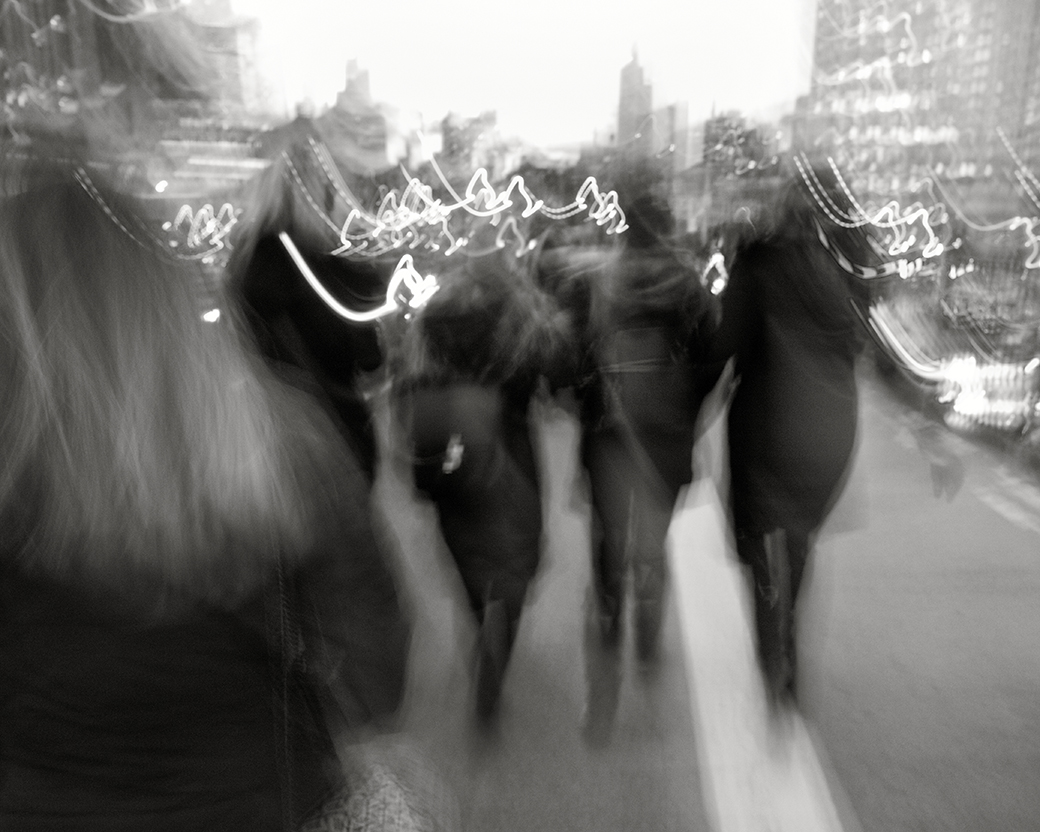
|
| Group |
Round |
C/R |
Comment |
Date |
Image |
| 24 |
Dec 22 |
Reply |
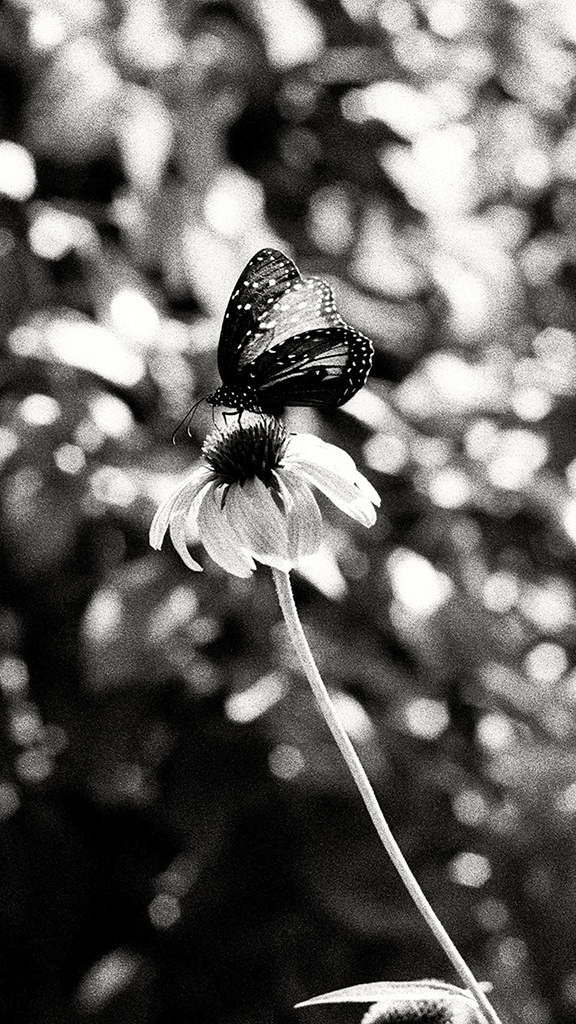
Hi Carol, and thank you for these commenting: indeed, I must agree the background is a bit too busy, but hope it still works when Printed. I will try a couple of different papers in attempt to lessen this distraction. I could also "Burn" the background (just a little) to lessen the brightness we are discussing. Fingers Crossed! |
Dec 21st |
| 24 |
Dec 22 |
Reply |
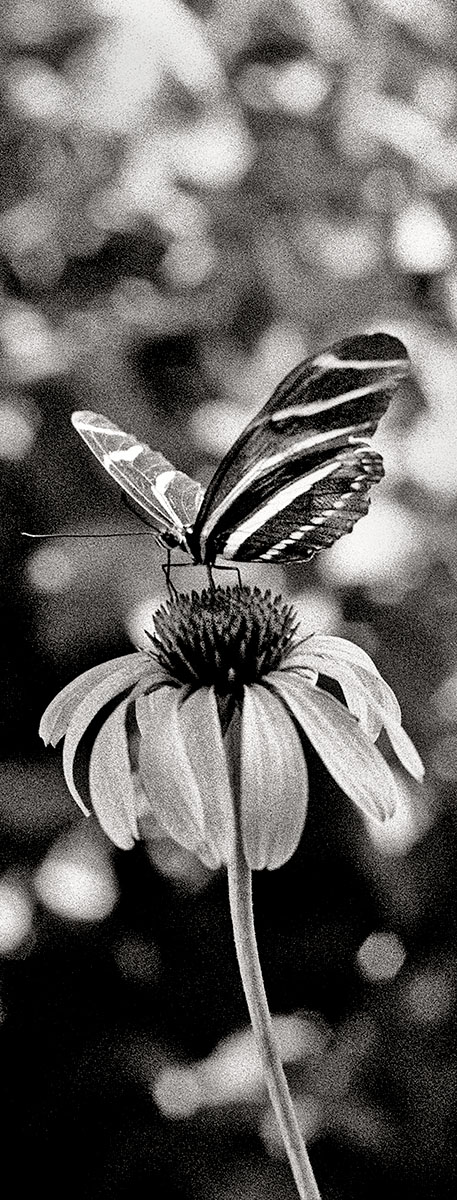
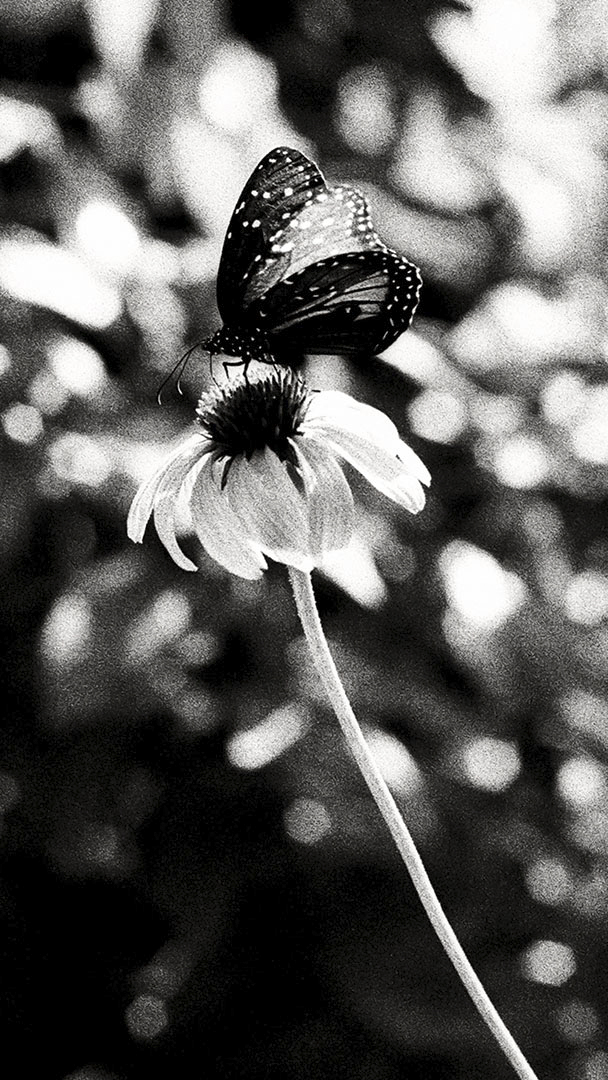
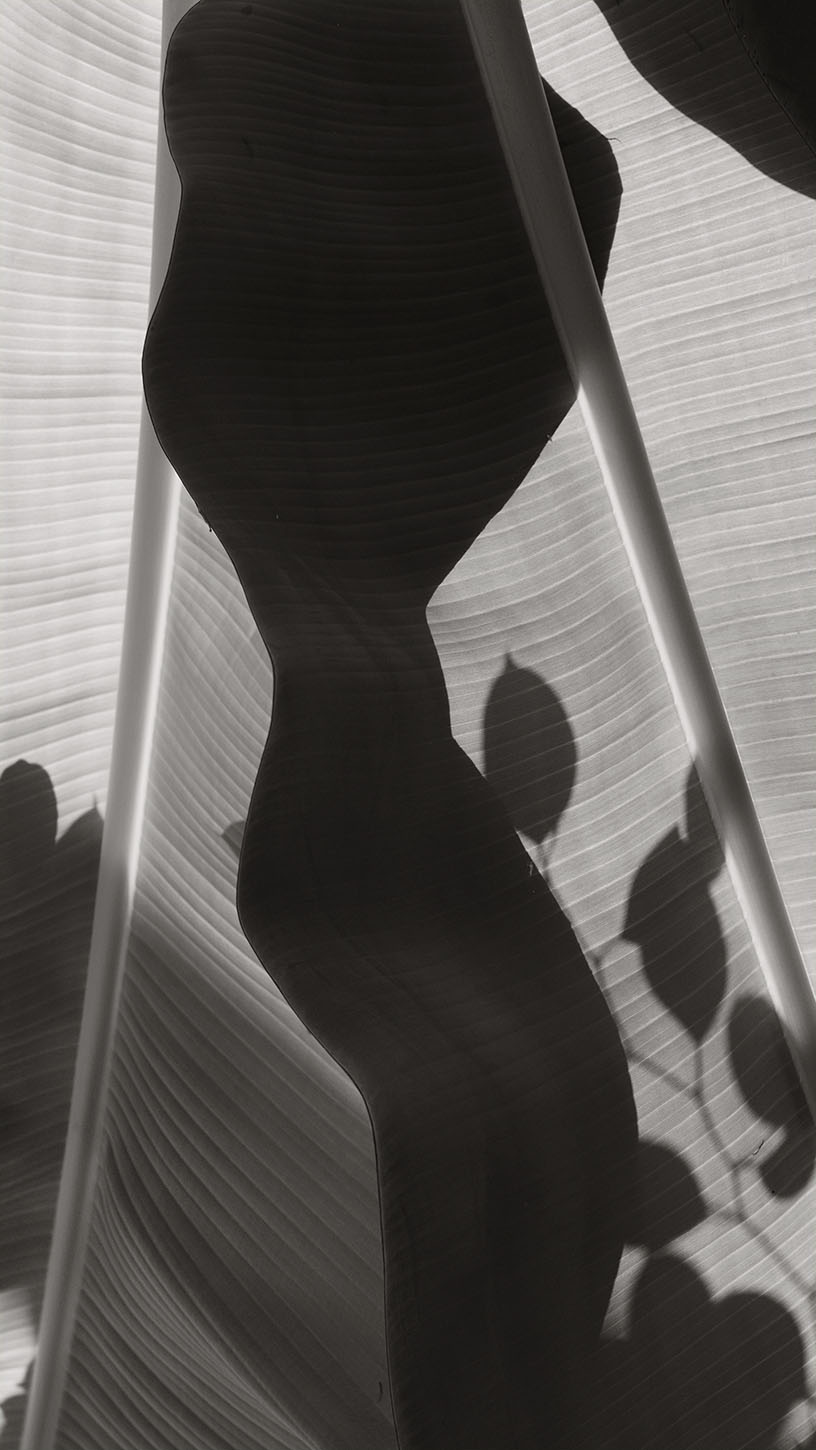
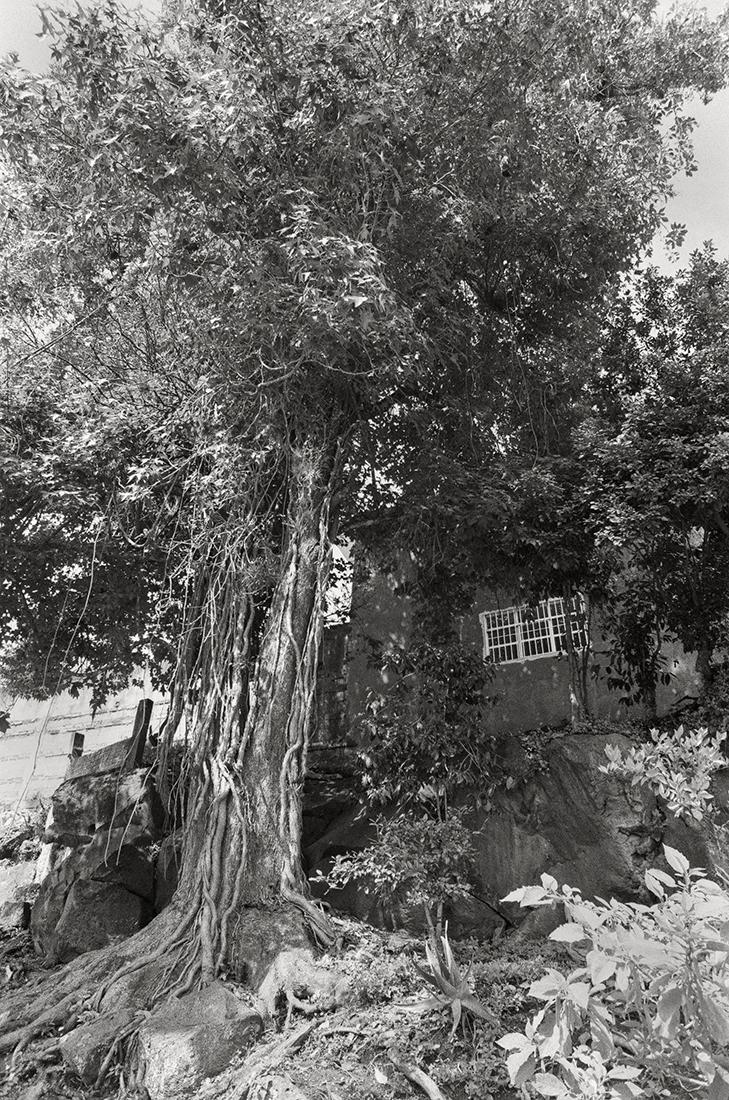
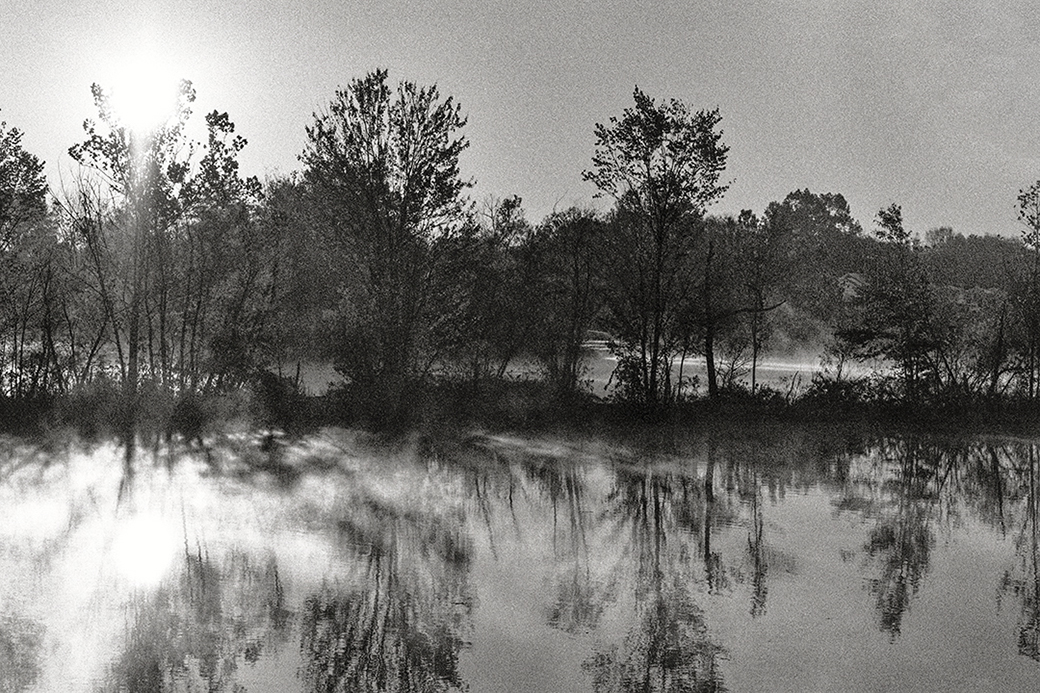
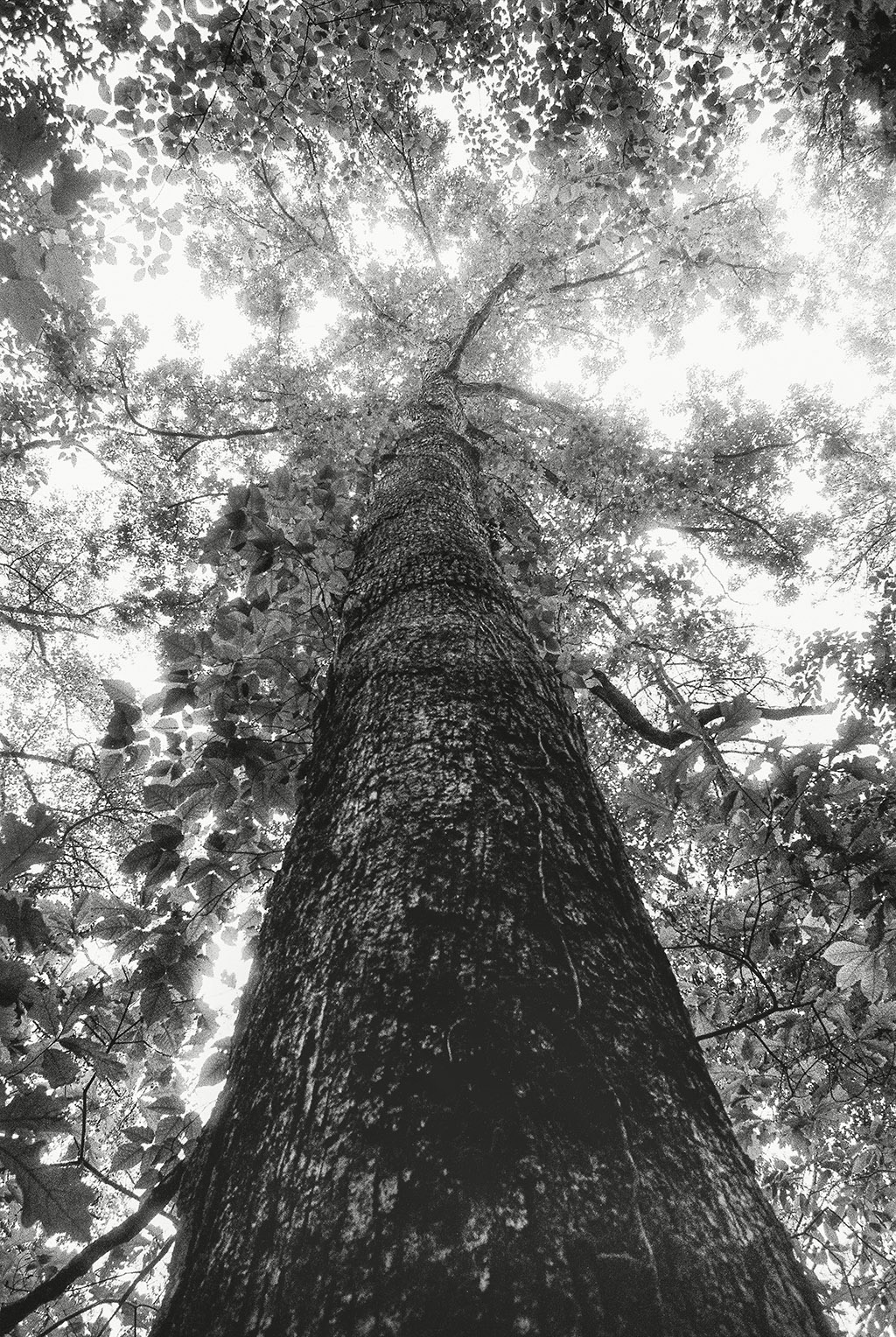
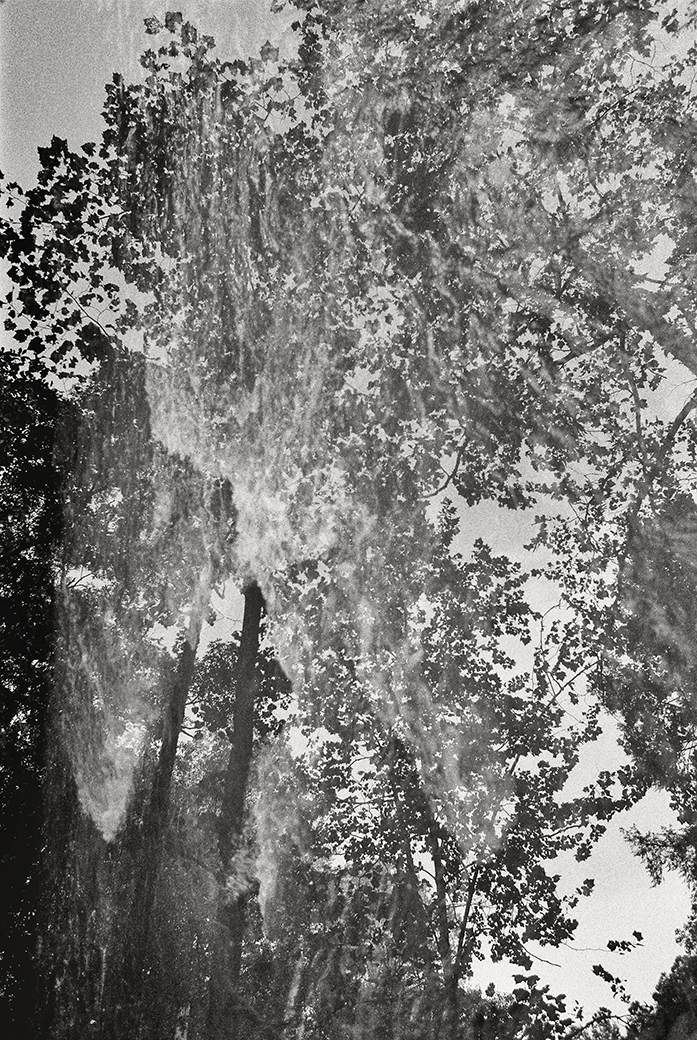
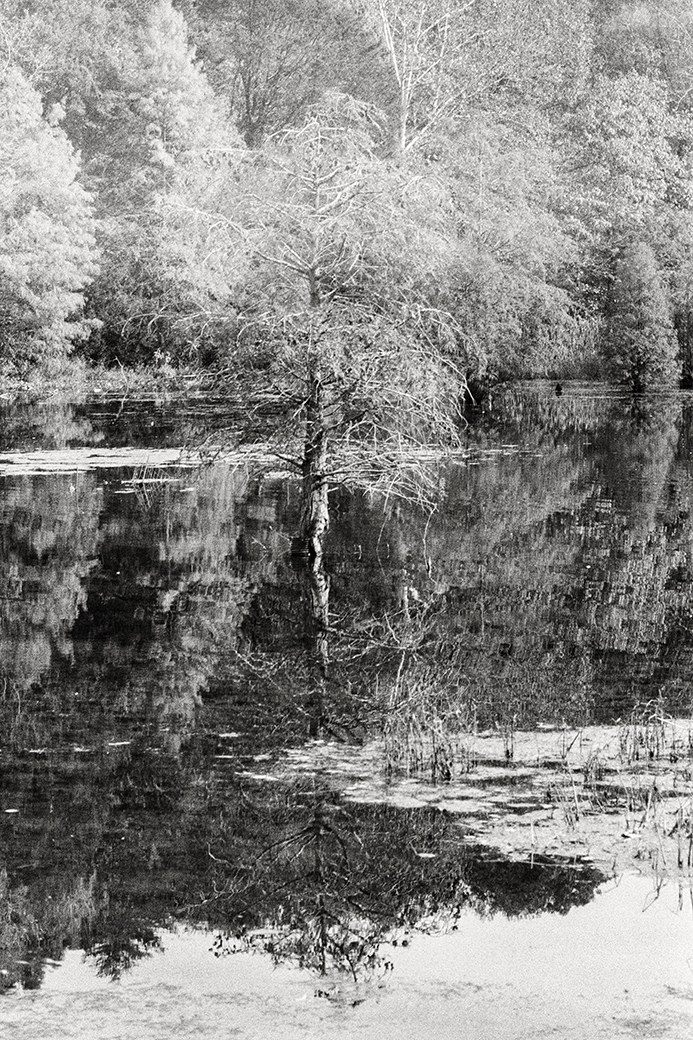
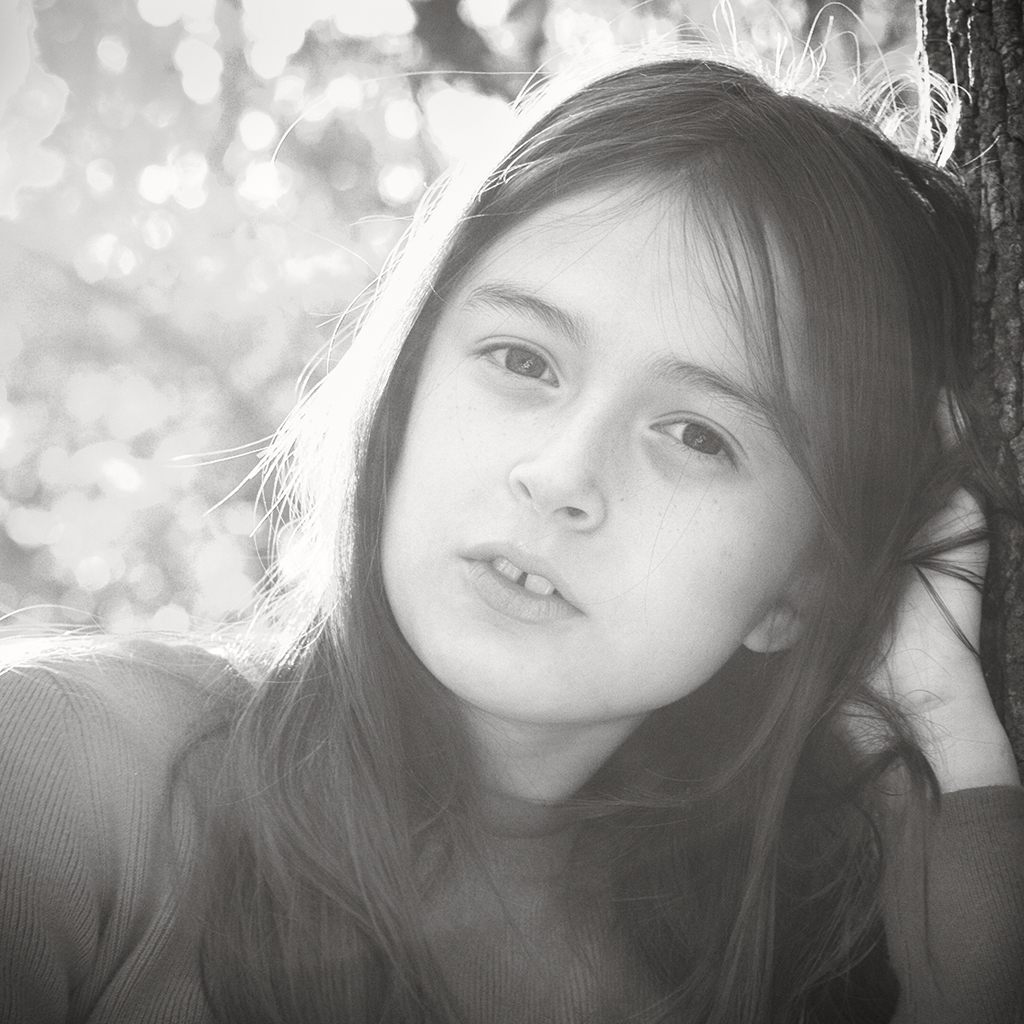
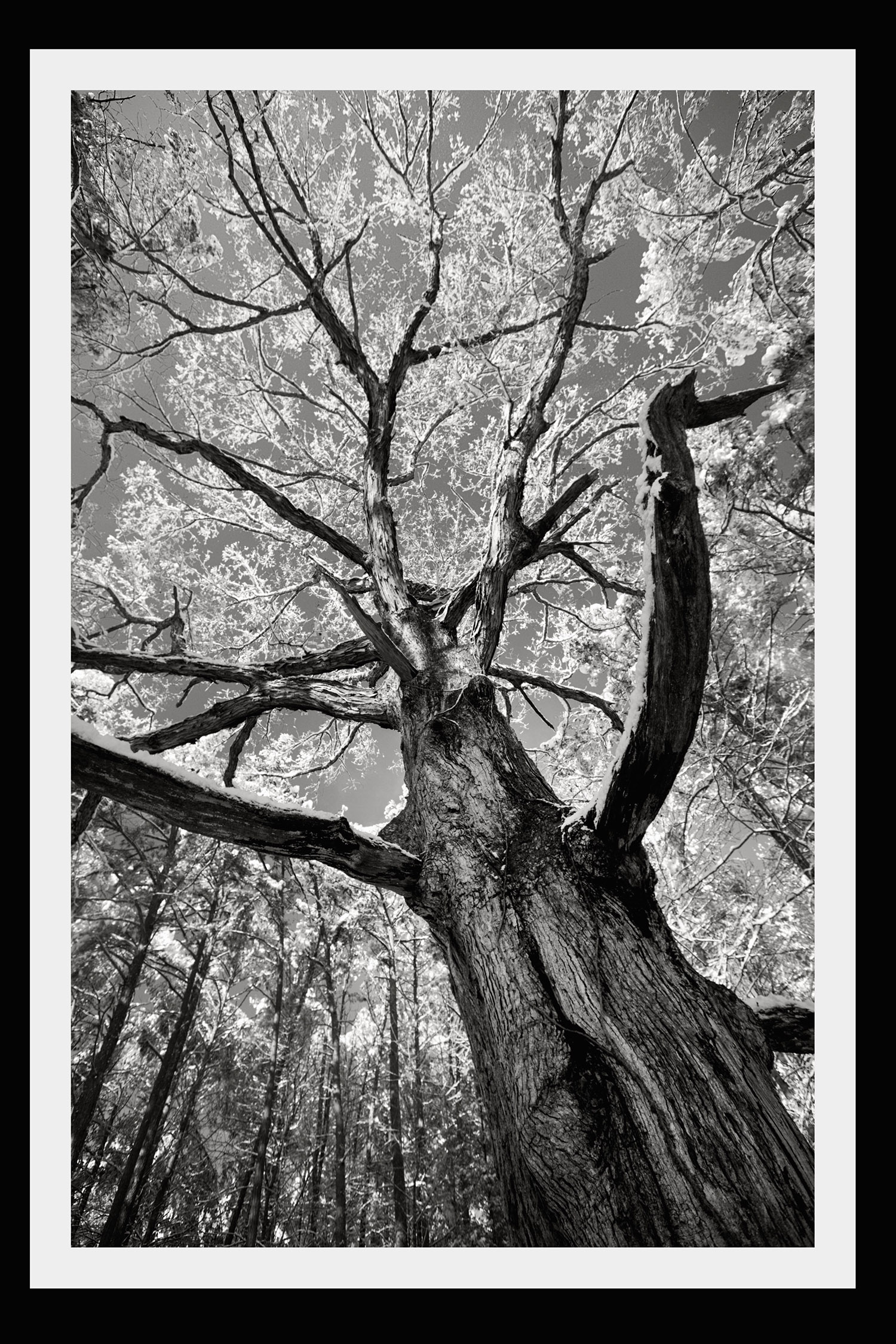
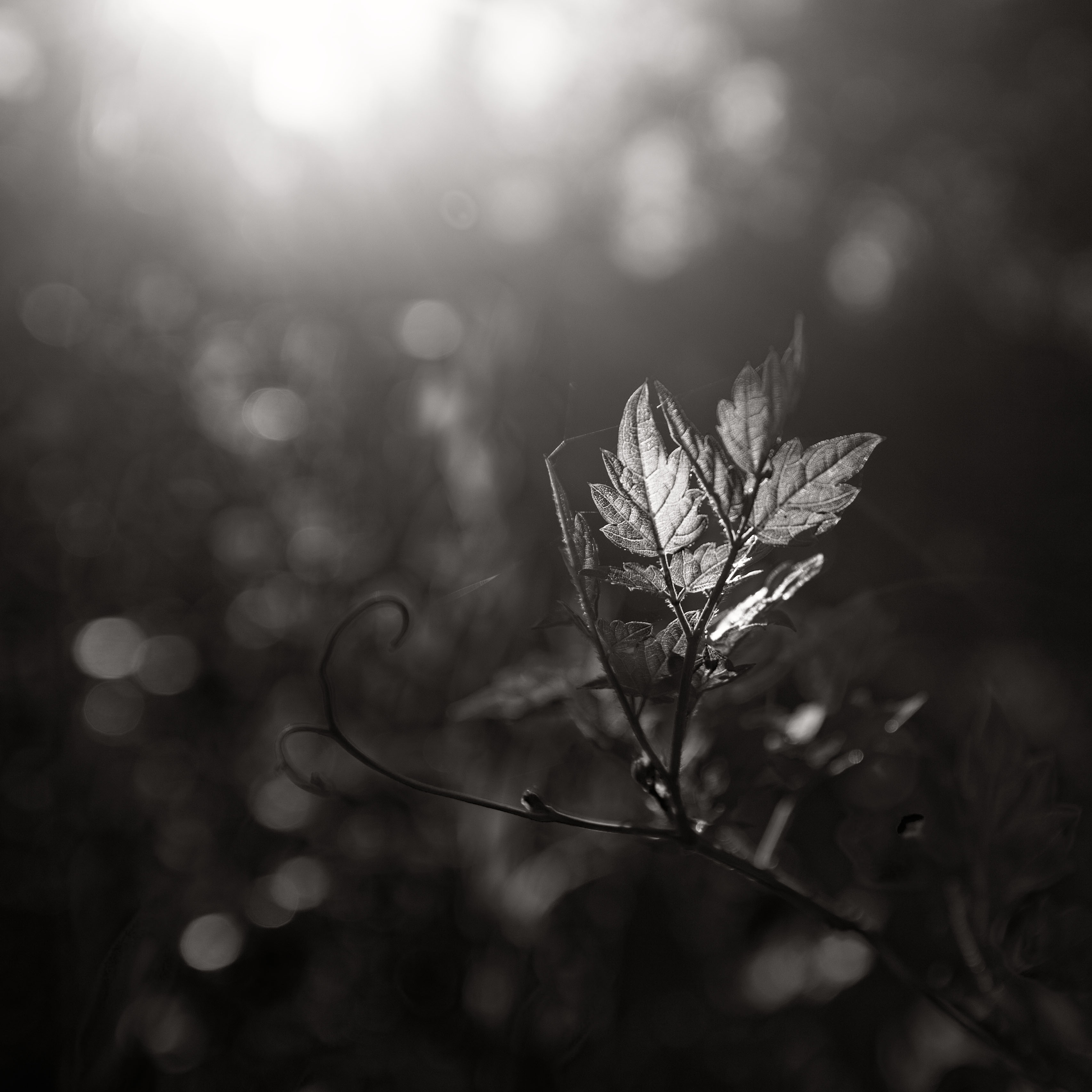
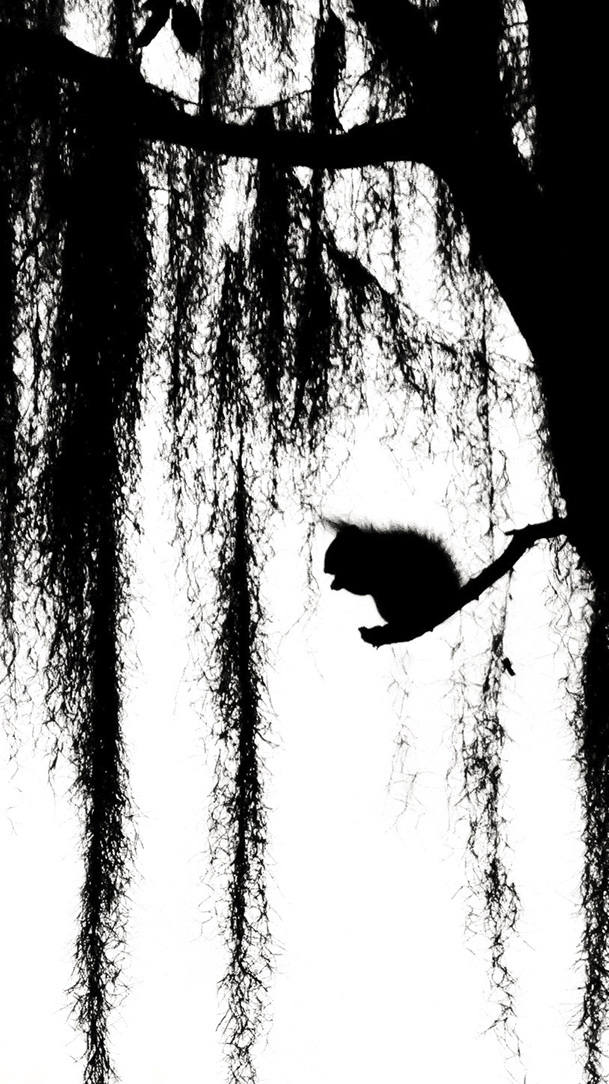
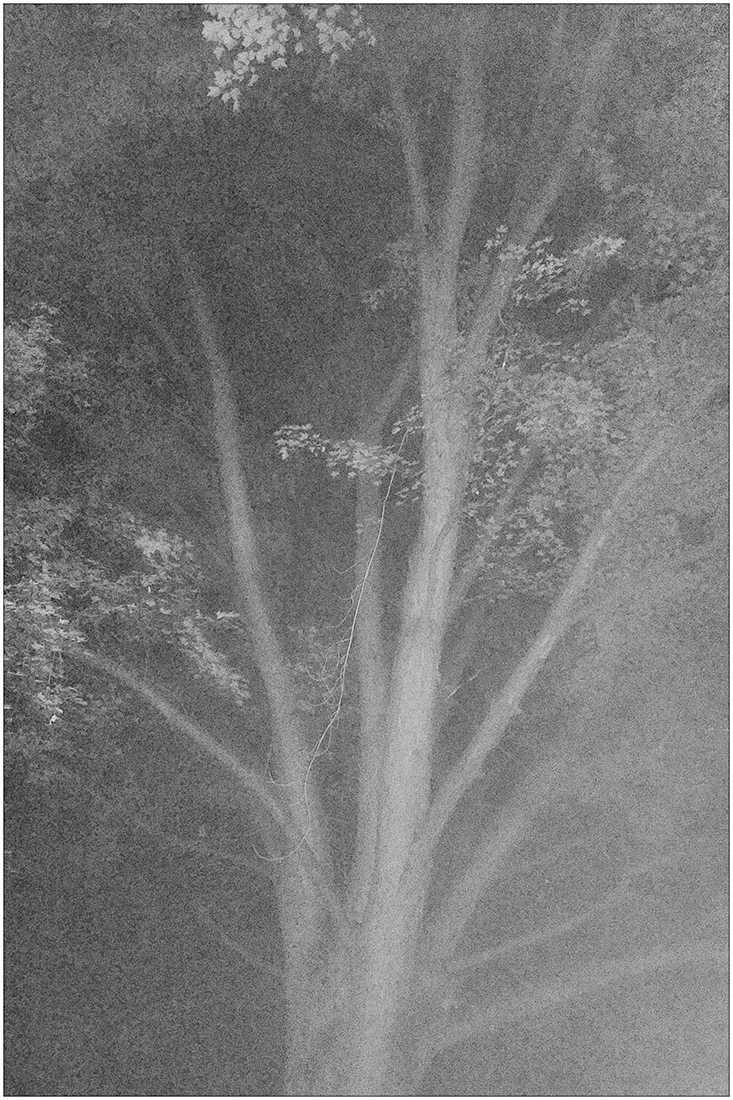
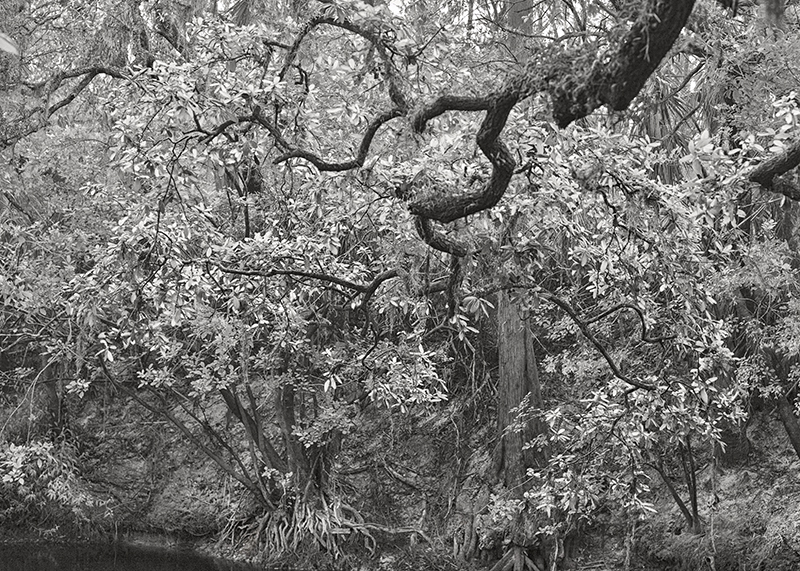
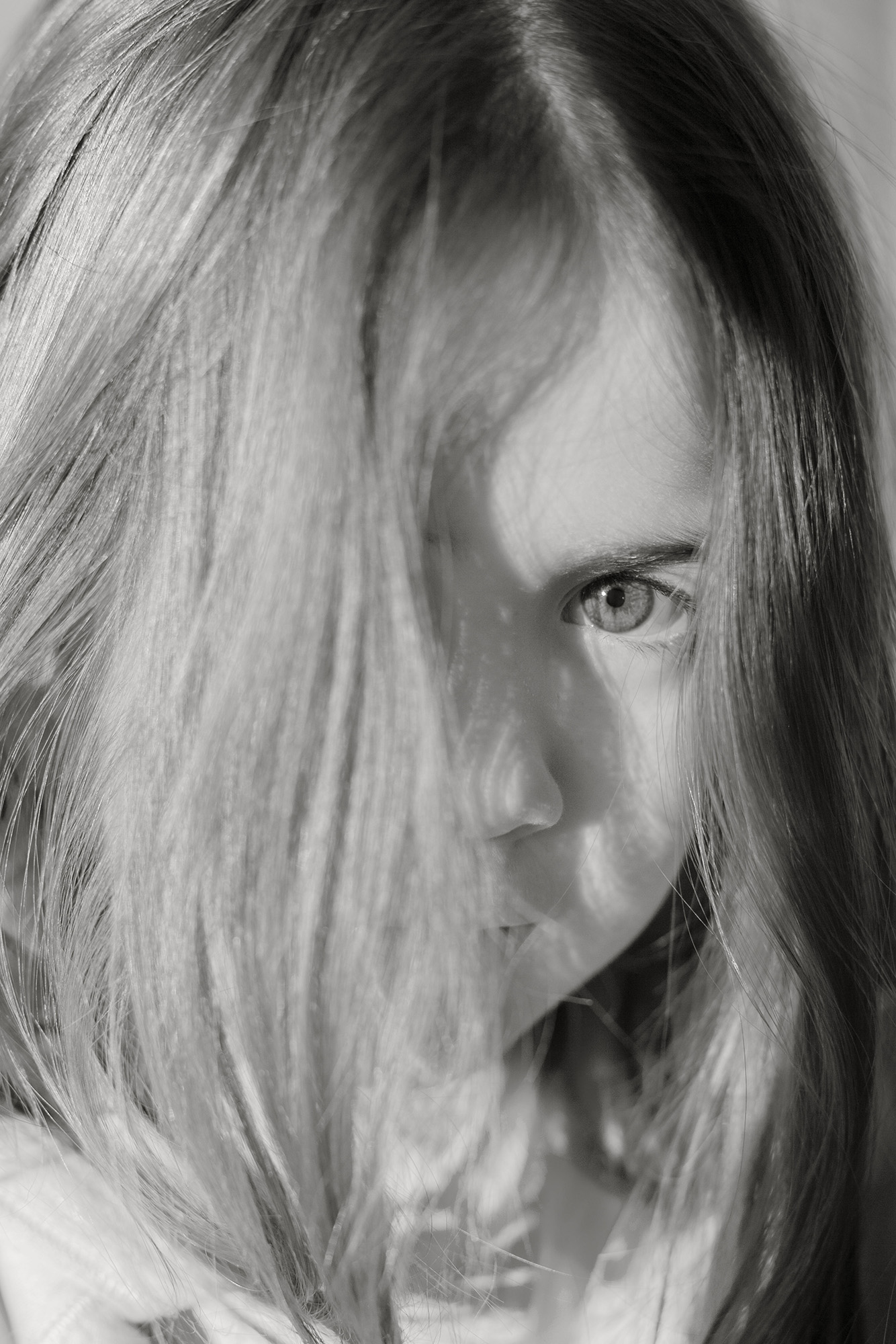
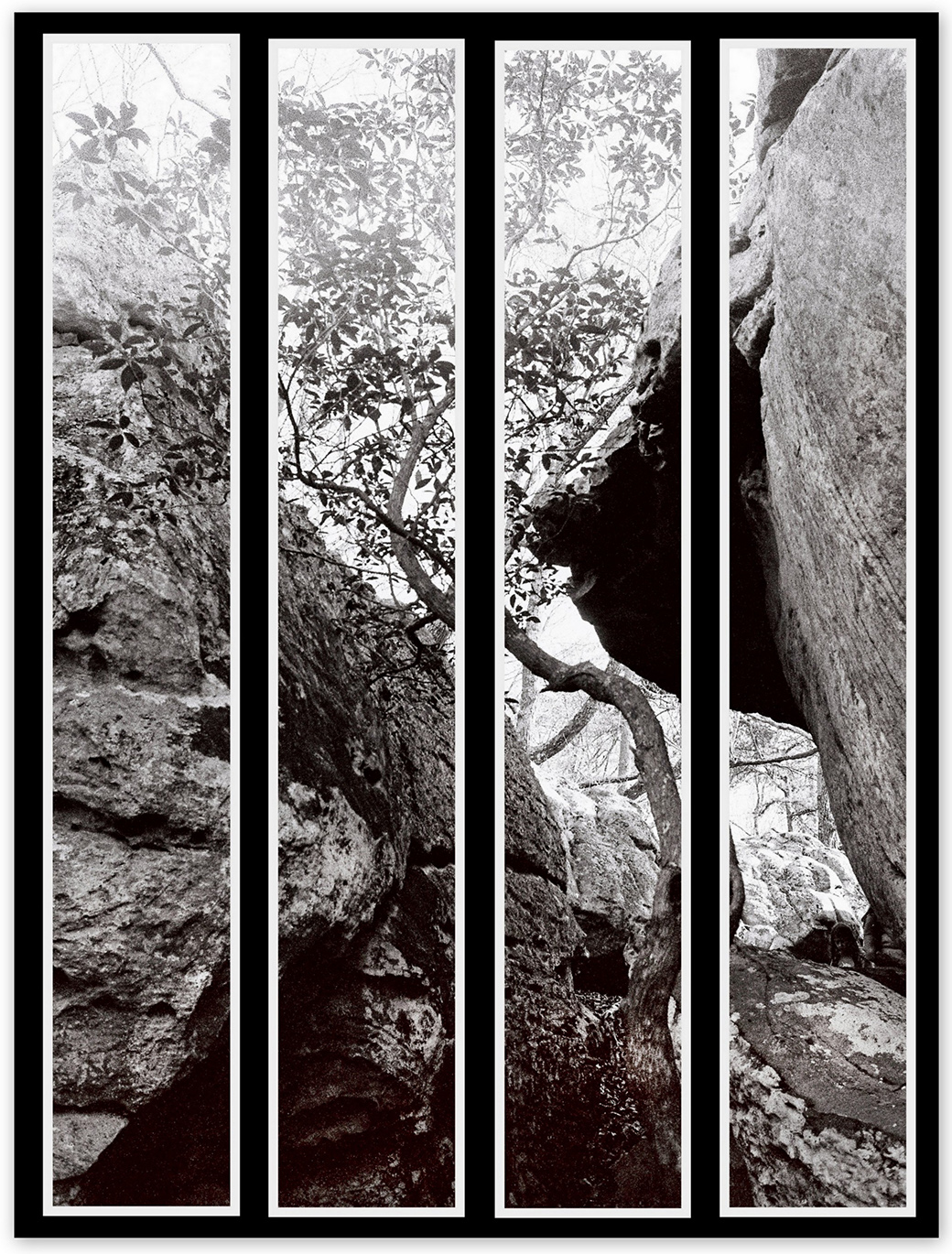
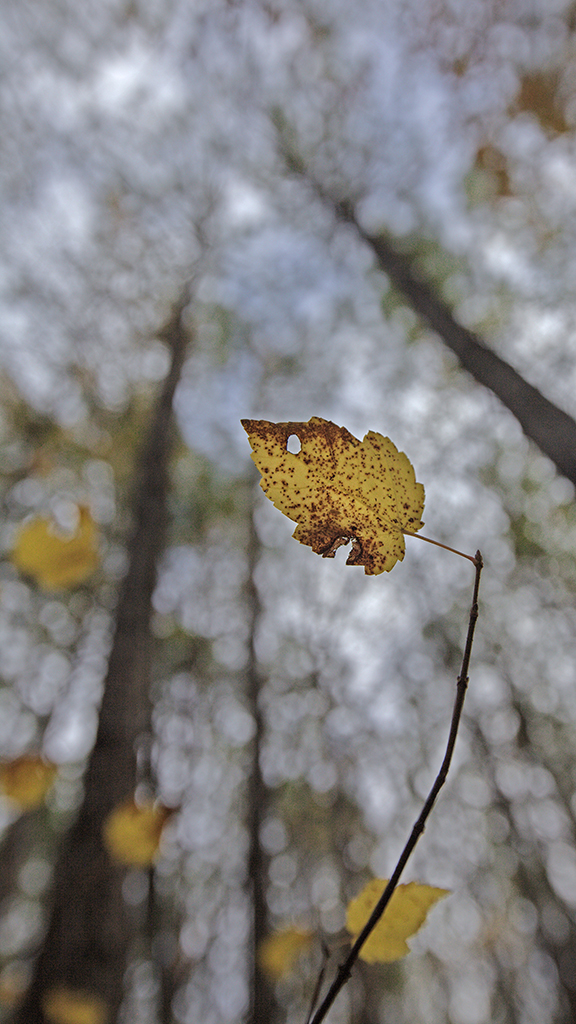
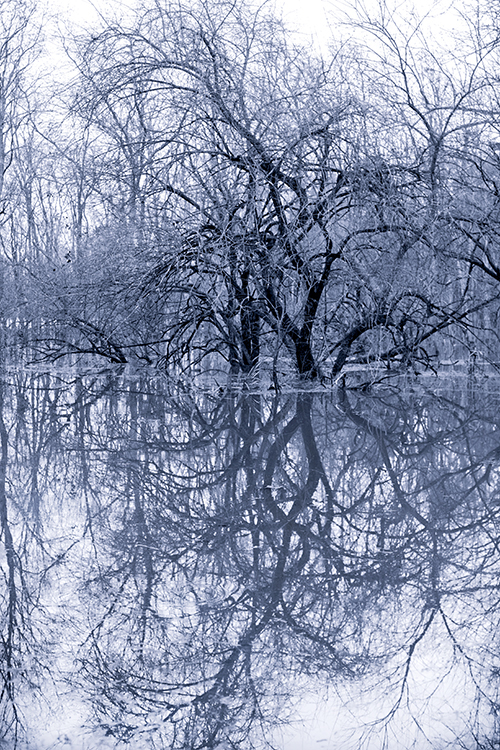
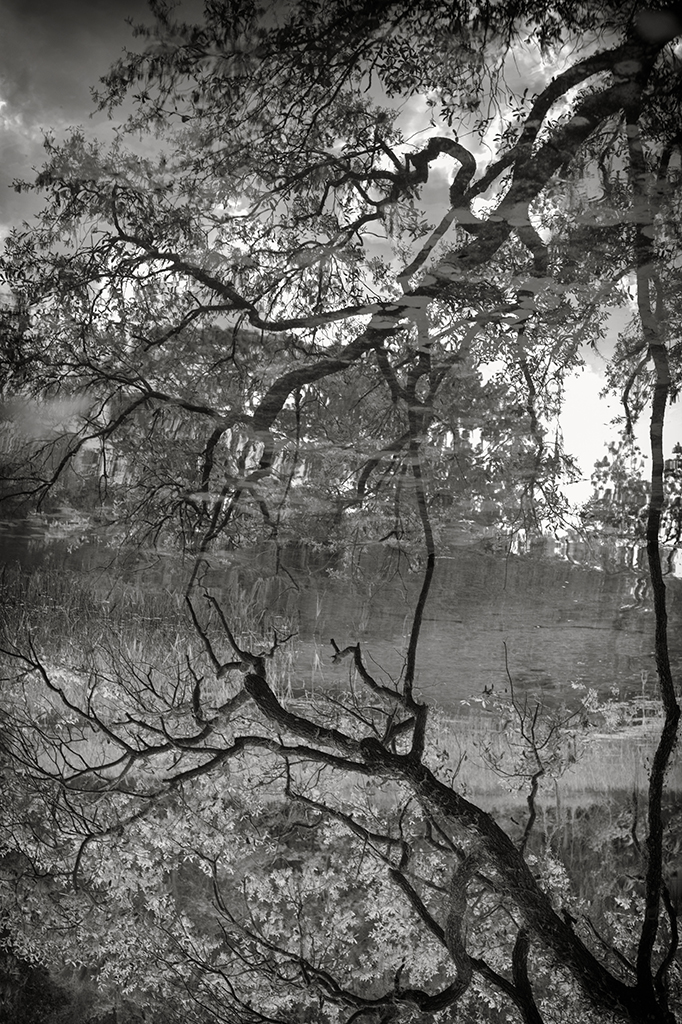
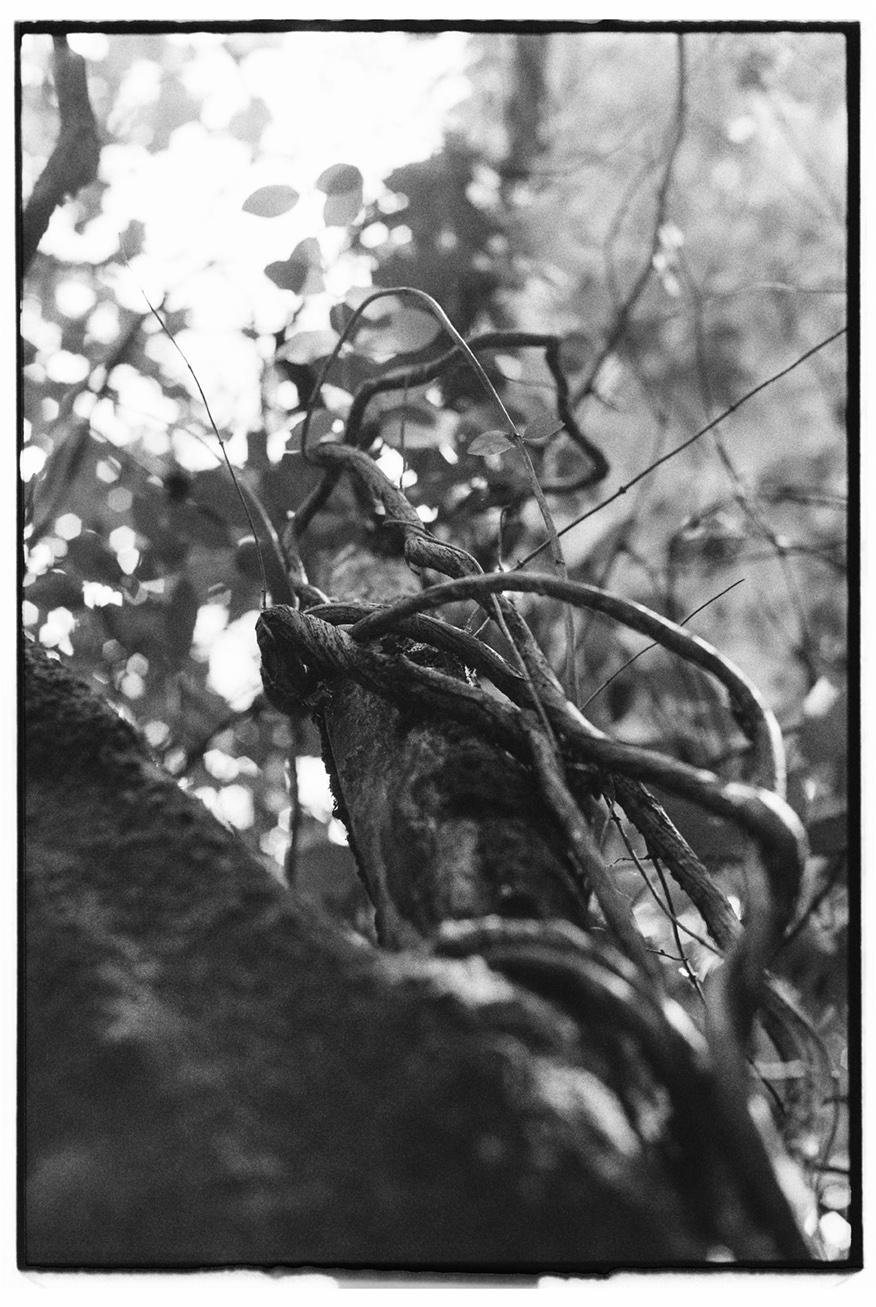
Hi Tom! yes, here I am employing 1. back-lighting (early AM sunshine) and 2. film grain, and 3. the vertical format in the Hashire-e style. Together,(and being in B&W) offer an almost, Impressionistic aesthetic-vibe, if I may.
The work will likely be printed on a Japanese paper to add another component to the overall visual narrative. |
Dec 19th |
| 24 |
Dec 22 |
Reply |
Hi Fred! Gee, really appreciate your comments ... I am not familiar with Nat Geo, I will have to find his work and comment later. |
Dec 19th |
| 24 |
Dec 22 |
Reply |
Good morning, Pinaki! Thank you for your question.
Both Mirrorless, DSLR and Film based cameras benefit from the procedures outlined in the article. So I am clear, each of these camera systems offer little difference in how they work as it relates to the type of Manual Focusing being discussed for the specific reasons I outline.
The only time an issue will present itself, will be obviously, if a Lens does not offer Manual operation. One of the criteria's when I purchase a new or used lens is it must have an option for Manual focus. Period. |
Dec 6th |
| 24 |
Dec 22 |
Reply |
....understood. Well executed! |
Dec 5th |
| 24 |
Dec 22 |
Comment |
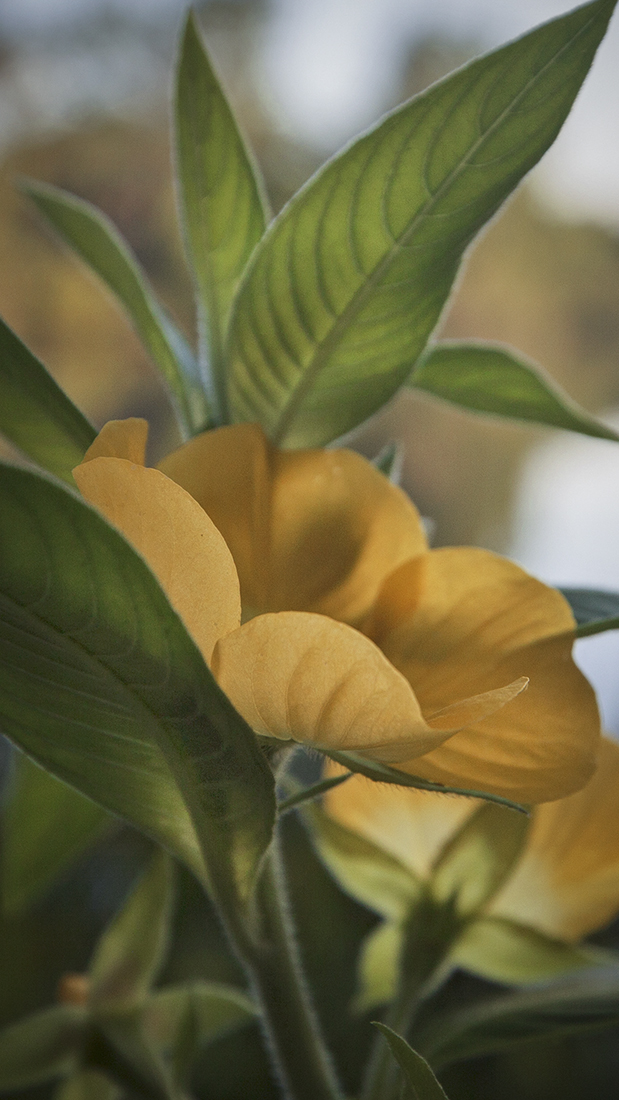
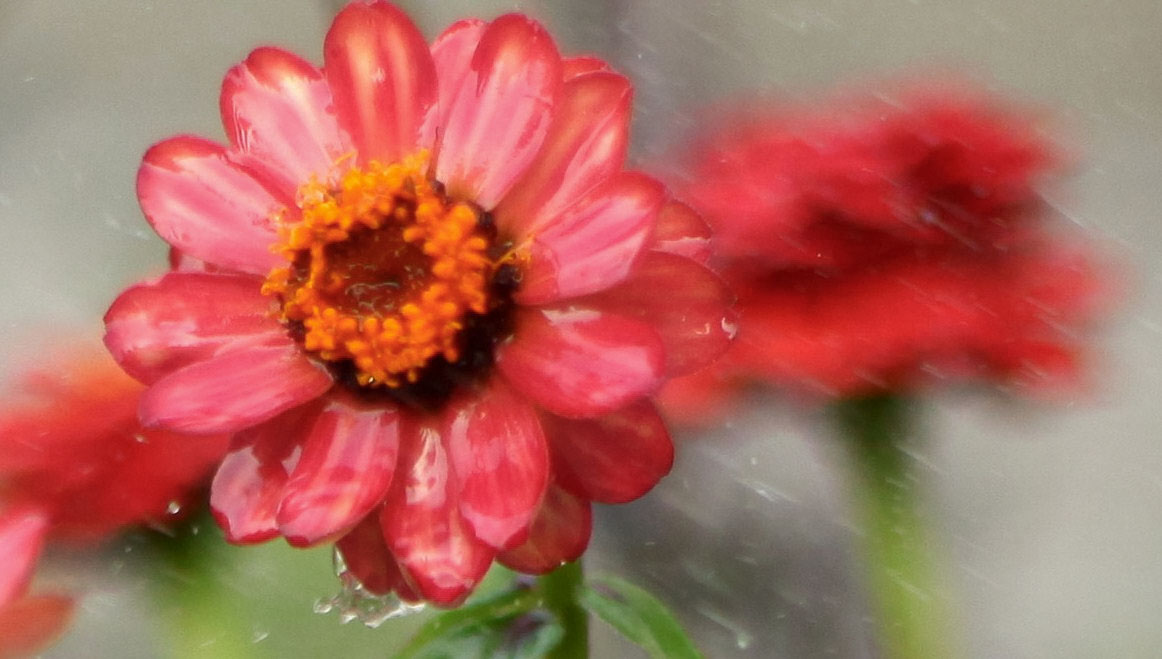
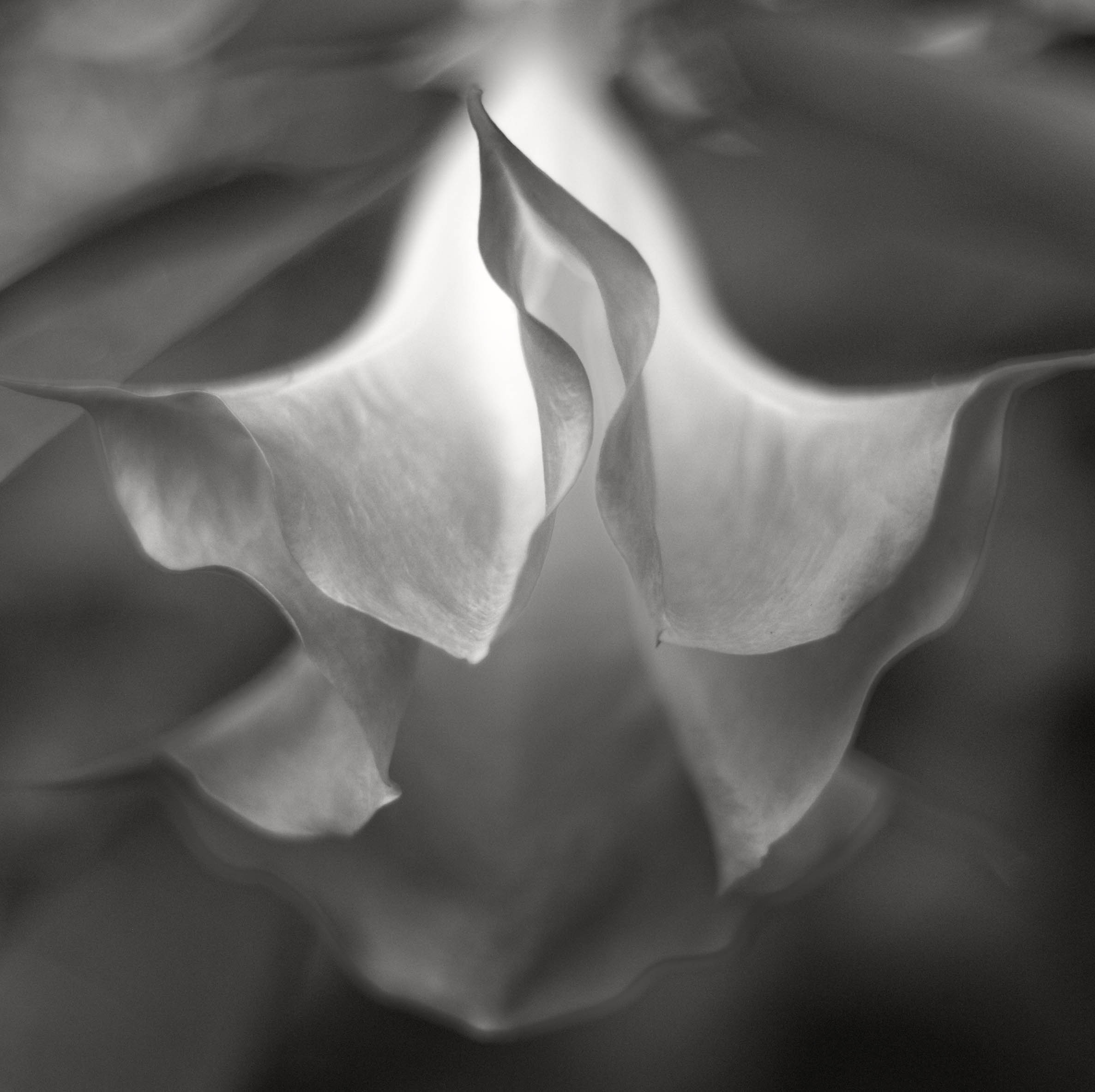
Simply Gorgeous! Well composed final image, Lynne!
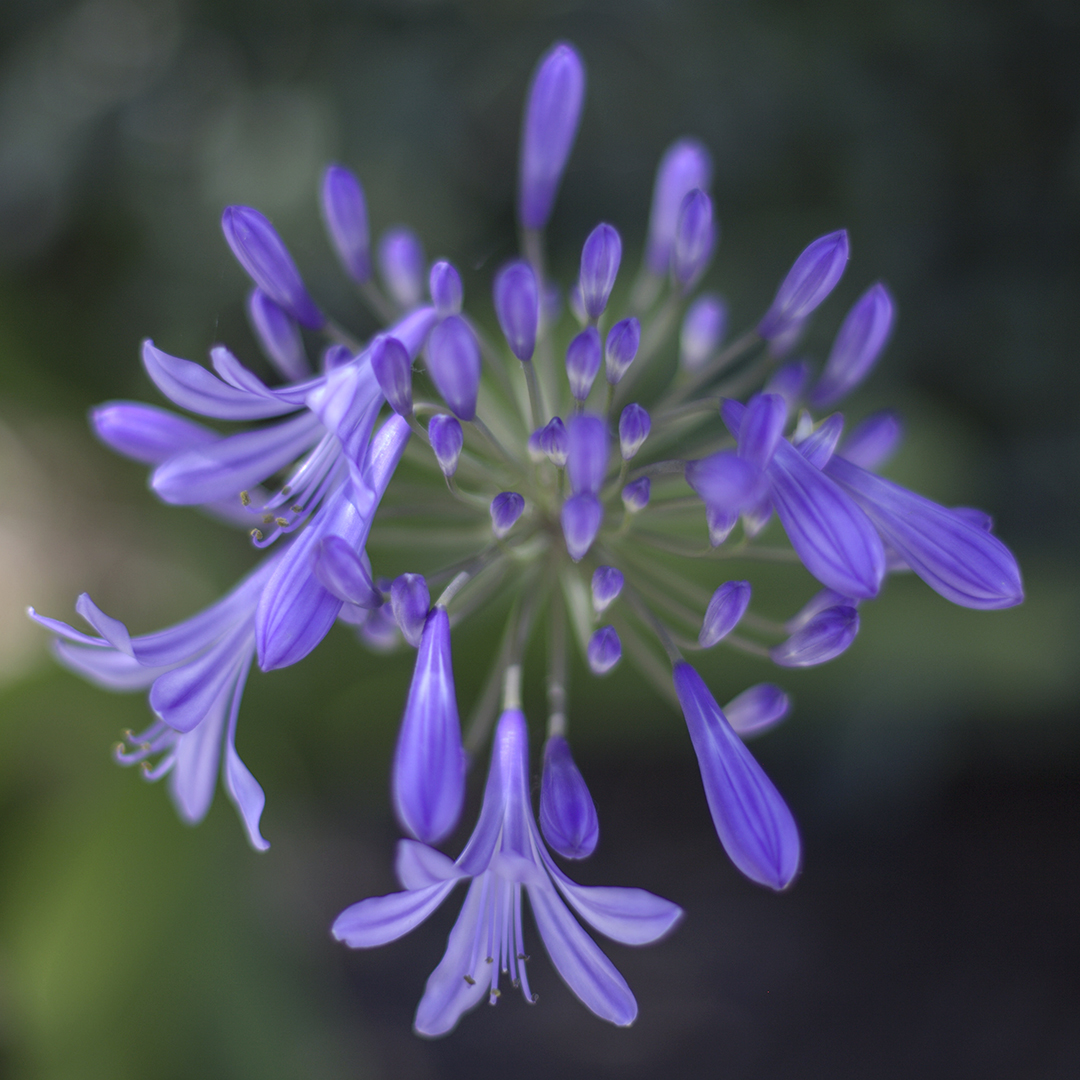
The combination of focus and bokeh is well balanced and invites viewers into the depths between each petal. Love it!! |
Dec 5th |
| 24 |
Dec 22 |
Comment |
Gee,Tom, I really like the (almost) abstract illustration this composition presents ... and the all-in-focus aesthetic works very well here! |
Dec 5th |
| 24 |
Dec 22 |
Reply |
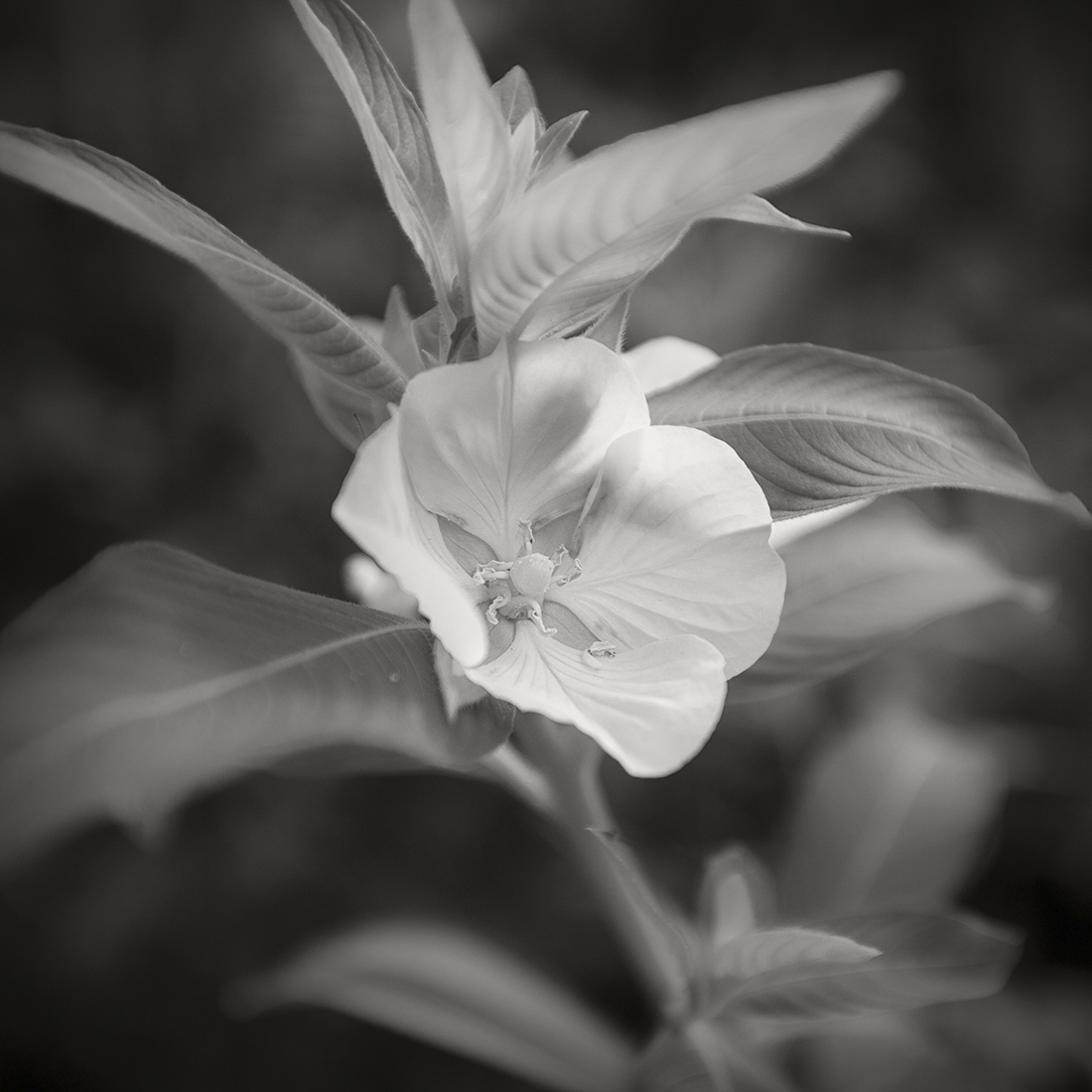
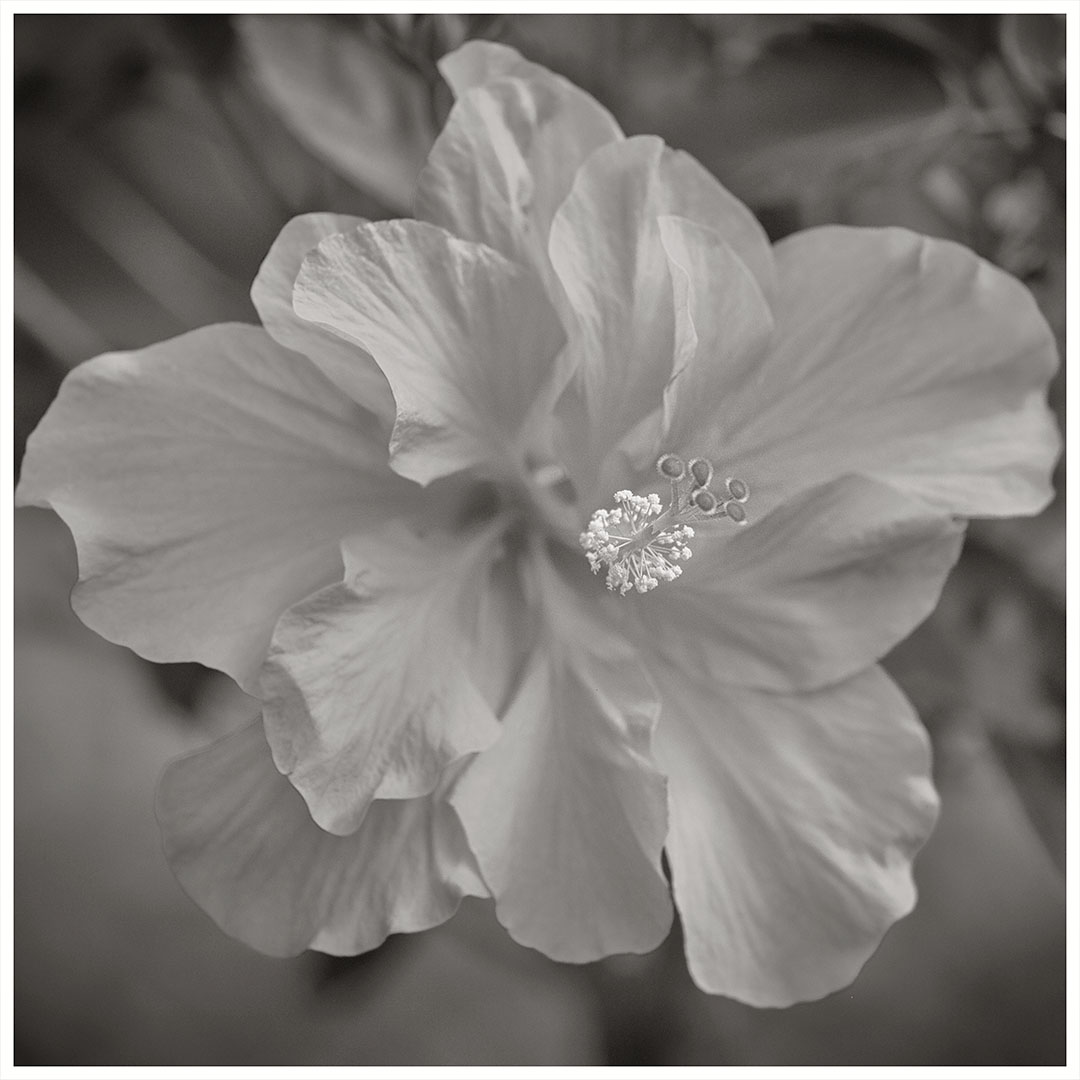
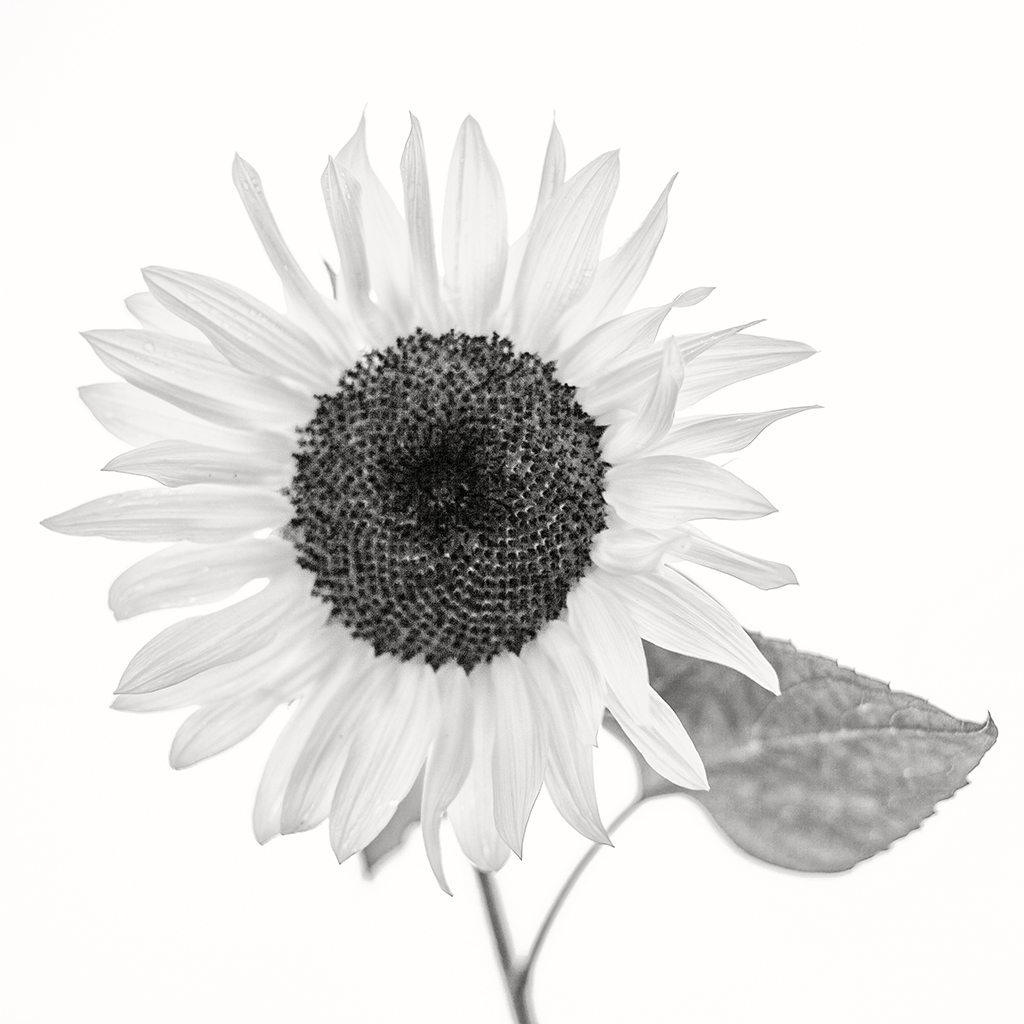
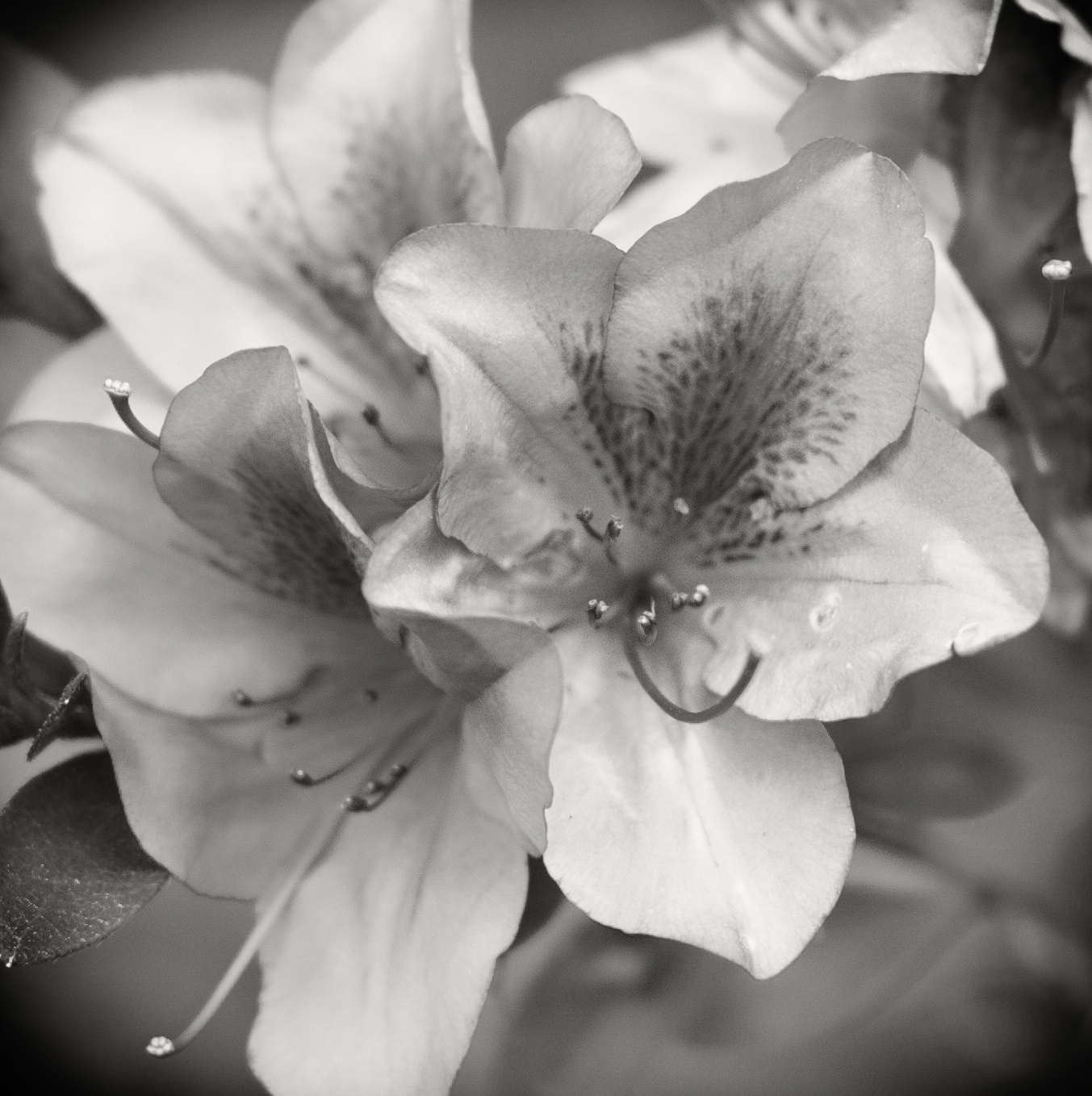
Indeed, if ones eyesight is not able ... then of course use auto-focus, but as a general rule for most Macro and Flower portraits, manual focus is the only clear choice. I will present an edited version of an article on the Bulletin Board, shortly. Of course, anyone can reach out to me for detailed discussions via (lance.visualizingart@gmail.com) at your convenience. (Note, B&W flower version (Fig-1) is not represented in this edited article). |
Dec 5th |
| 24 |
Dec 22 |
Reply |
Bev, I absolutely understand.
It is important we understand, even within a specific genre of art, e.g., Floral photography for this example, what one enjoys (or finds important ... as it relates to aesthetics) may not often be shared within a group or community of like-interest people (artist and spectators).
|
Dec 4th |
| 24 |
Dec 22 |
Comment |
Happy Sunday, Pinaki.
Well, to be honest, I am finding it hard to find a point of focus in the work, and thus a lack of its appreciation.
We might surmise the 1/13sec shutter speed has a lot to do with this, and/or if auto-focusing was used ... only manual focus should ever be used in any type of floral compositions. |
Dec 4th |
| 24 |
Dec 22 |
Comment |
Good morning, Fred!
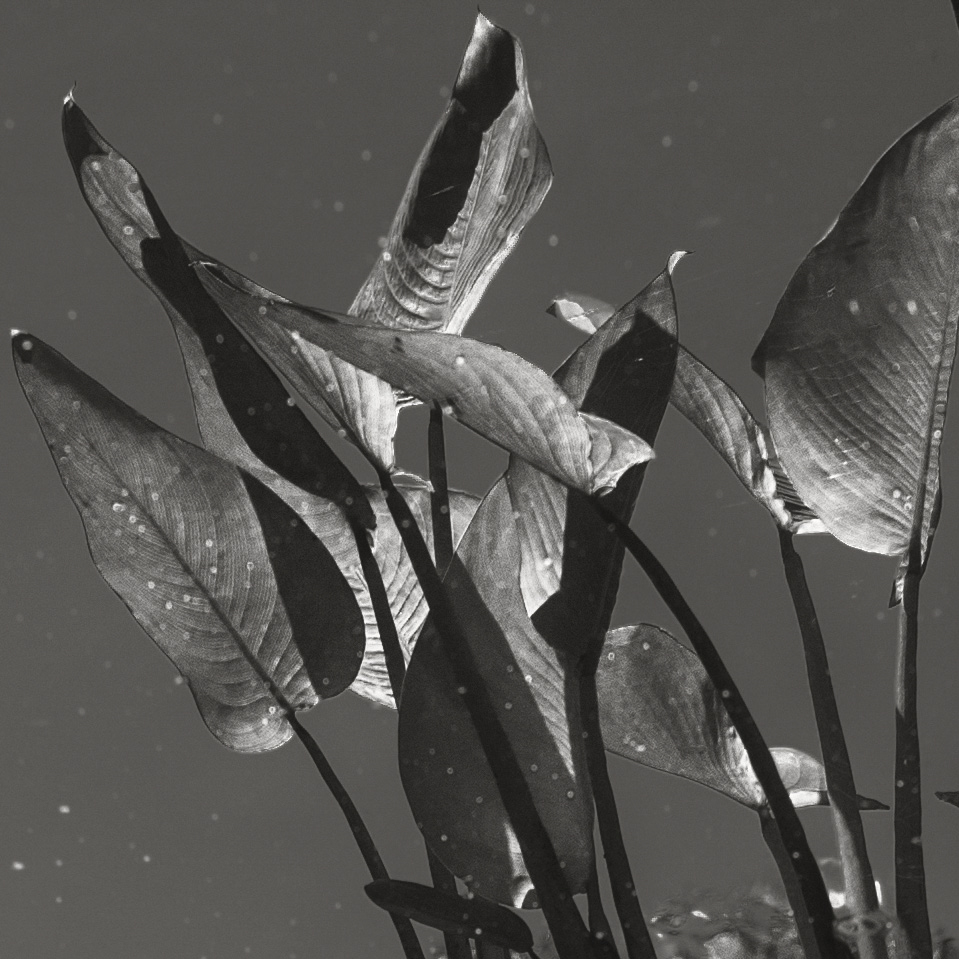
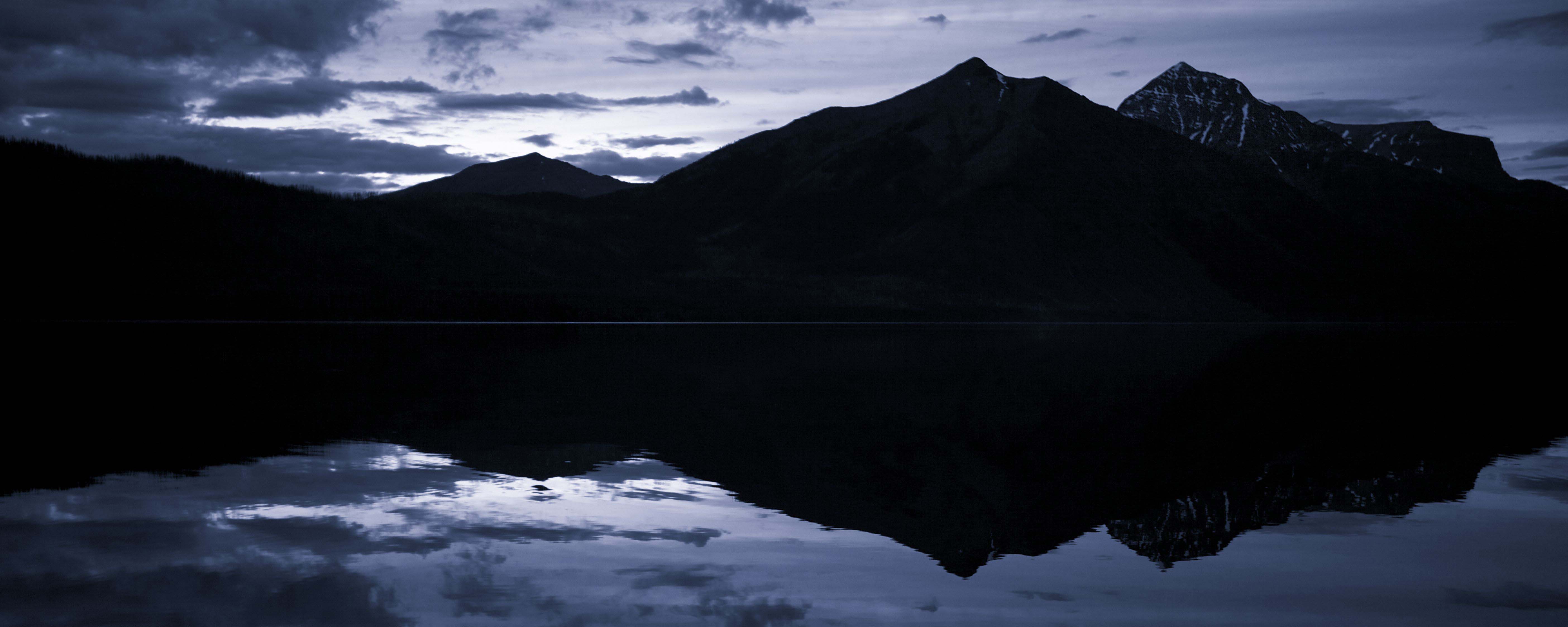
The work exemplifies the ethos central to the Japanese Aesthetics of Wabi Sabi or Mono No Aware .... as you said ... 'Nature in its continuing cycle of life and death' ...
The work is also well presented in this somewhat narrow vertical crop.
Question: why the need for merging two images? |
Dec 4th |
| 24 |
Dec 22 |
Comment |
Good day, Carol ... and a most lovely examination of still life flora.
As usual, your technique brings us another pictorial profile of nature. Beautifully presented. |
Dec 4th |
| 24 |
Dec 22 |
Comment |
Happy Sunday, Bev.
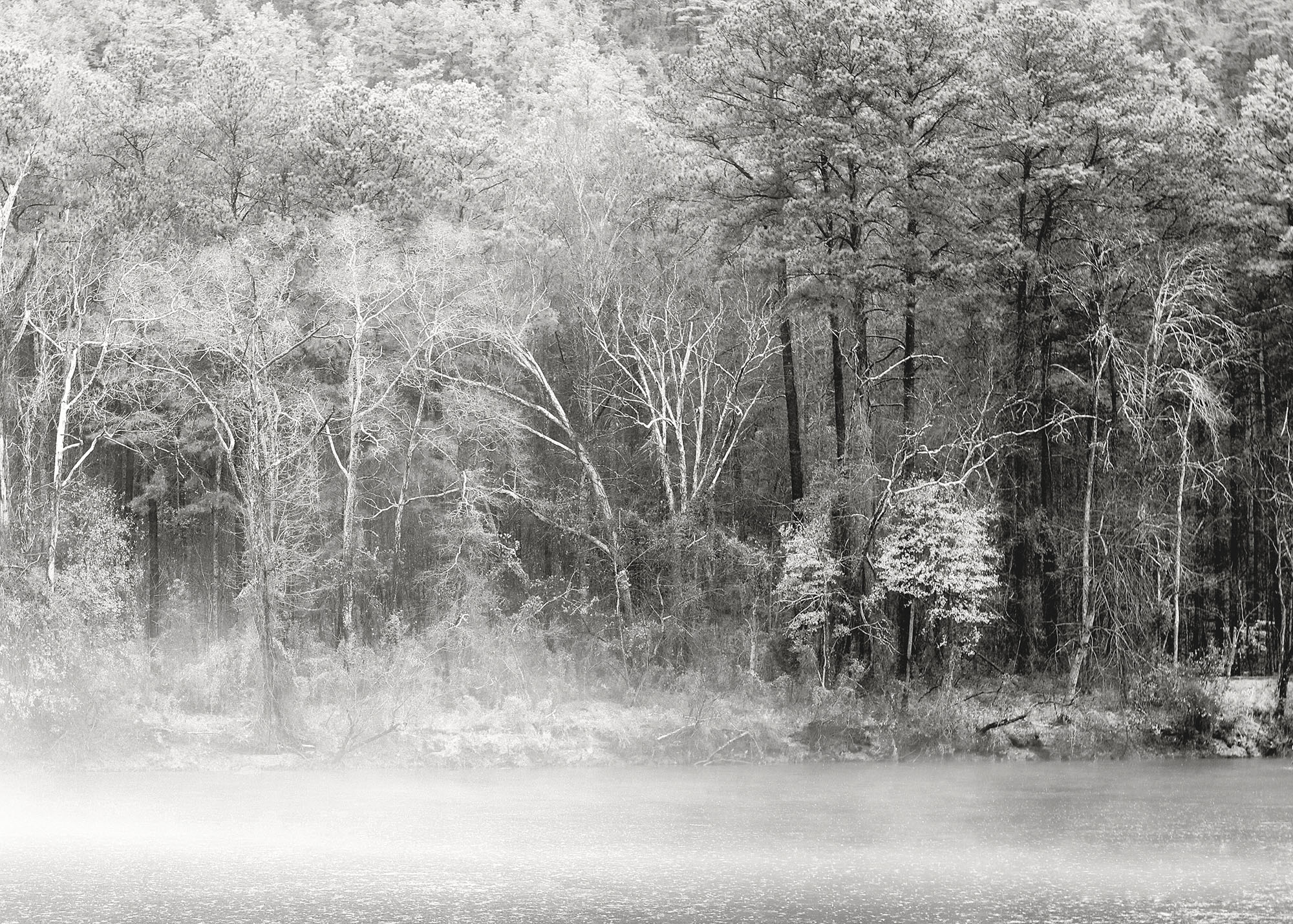
Gee, what a lovely landscape ... something a lot of us will miss enjoying as winter sets in across most of the US. |
Dec 4th |
6 comments - 7 replies for Group 24
|
| 83 |
Dec 22 |
Reply |
Merry Christmas ... and thank you for this suggestion.
Indeed, the work is planned as a 24x16 print, but after your comment, well, perhaps this might be the one that sees a much, much larger presentation. I will let you know! |
Dec 25th |
| 83 |
Dec 22 |
Reply |
Mike, indeed, we travel and record scenes, events and people of interest, and for the tourist-only state of mind, we want as many images that will later help in recall, thus such images can elicit found memories of places we have visited.
On the other hand, if we adventure for both the 1. pure joy and interest in a particular destination, but also as 2. a serious artist photographer, where the user's mindset is different from those who snap dozens of images (and maybe get one or more keepers). In this scenario, the artist photographer, first visualizes, composes and then records scenes', and images deemed not worthy of Print are still worthy of images to help in recalling precious memories.
This lengthy talk is all about separating and defining two mindsets of those who carry and use different types of photographic recording devices: the casual user (tourist mindset) and the artist photographer, each enjoy different priorities when adventuring and using photographic recorders.
For example, every trip my wife and me schedule is based on finding and recording art in nature or perhaps the beauty in city-scapes. Our priority is in pursuit of fine art photography, but at the same time these images will surely function as records of the trip, regardless if any ever make it to Print.
I wold enjoy your comments. Thank you, Mike, everyone. |
Dec 22nd |
| 83 |
Dec 22 |
Reply |
... that's a very interesting and viable point, Debasish. It time-stamps the scene or event. |
Dec 15th |
| 83 |
Dec 22 |
Reply |
Awesome! Love hearing this! : ) |
Dec 14th |
| 83 |
Dec 22 |
Reply |
Margaret, that is an interesting point .... 'more of a tourist than a photographer' ... but more accurately, it is between how much the user wants to share both documentary and / or Fine Art aspects of a scene. Either one can be utilized or a combination of both .. per my example and yours. Alternatively, Mike's version is, like you said, takes out 'the sense of place' and focus's instead specifically on a particular object within the space.
Either one can be accomplished with outstanding results both destined for there wall ... but it takes a careful eye for developing, as I often refer to as, the "compositional structure". Hope this makes sense. |
Dec 14th |
| 83 |
Dec 22 |
Reply |
He did ... and some criticized him for over-processing .. imagine that! |
Dec 13th |
| 83 |
Dec 22 |
Reply |
Indeed, Adams is known for his very contrast oriented work, most offering a very dramatic landscape ... but his work never imbued a sense of "visual confusion". |
Dec 13th |
| 83 |
Dec 22 |
Reply |
Yes, I like this much better then mine!! Awesome! |
Dec 13th |
| 83 |
Dec 22 |
Reply |
...your commenting here is fine ... and that is a good question. As you are not familiar with the two pictorial artist photographer's Mike mentioned above ... it seems logical you would not "appreciate" to the extent I would in this particular example: however, the particular artistic style Mike is emulating is what the "finished" print looked like when these 19th century artists presented their work. (He is not attempting to engage in the same workflow as they did).
Your critique is a viable interpretation on how you "appreciate" a certain photographic aesthetic. My comment also reflects this sediment ... to the point that I suggested less-is-more approach when using the digital techniques he has employed in his featured work.
Feel free to reach out to me via email to continue this conversation. : ) |
Dec 12th |
| 83 |
Dec 22 |
Comment |
So I am clear ... I think the new group will spawn creativity by virtue of participants learning to "think outside the box" in being creative. My commentary above will hopefully allow you to take your ideas and the ideas presented by others in the new group, with a better perspective for making and presenting "mind-dependent" art.
Yes, I feel proper identification of work in 21st century photography is very important ... but the question is ... how and when.
It is the "abstract" of a philosophical essay I recently presented to a British Aesthetics group, and waiting for their review. I will share more of this with you at a later date if you (and others) are interested.
Look forward to seeing more of your new work!
|
Dec 12th |
| 83 |
Dec 22 |
Comment |
Hi Mike! I am assuming you are involved with the new group that involves trying to manipulate (process) images, like the two artists you mention in your description?
First a Commentary:
However, so everyone is clear ... the idea is misleading because all their techniques involved hands-on manipulation, from alternative developing and printing, and including in some cases, physically scratching, painting or otherwise defacing the negative and/or print to obtain the results; in the 21st century we achieve similar results by "pressing a button". In fact, the use of "layers" is something I feel is slowly diminishing, at least I see less of it in recent months. So I was confused when I heard this idea was being presented to PSA members.
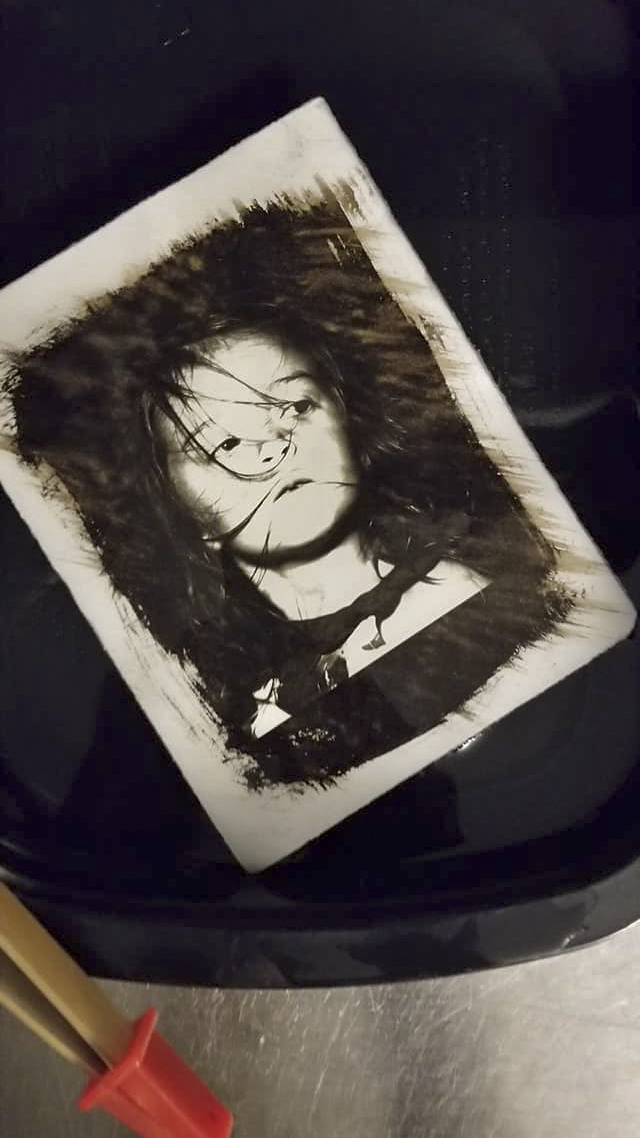
Instead, if anyone wants to mimic pictorial work championed by either Demarchy or Misonne, among others .... I strongly suggest scan your image files and then, like I have been involved with (before Covid) is learn "Palladium printing". (See my attached example).
Next, your Beautiful work: my words do echo Margaret's ... I feel the "layer" is nice, but less of it will provide viewers to "see" the windmill stand on its own feet, as it were. Imge-2 is another fine composition I would love to see with this treatment, as well. In summary, these effects are fine to use, but 1. should never be associated with the techniques used during the Pictorial Movement, and 2. less is more when using "layers" or other software program that "applies" these artistic features to image files.
Needless to say, this discourse on photography practice (and similar) is widely argued in philosophical circles. |
Dec 11th |
 |
| 83 |
Dec 22 |
Comment |
Wow! Wonderful capture, Mark!
Very dramatic! |
Dec 11th |
| 83 |
Dec 22 |
Comment |
Very striking image, Jon!
The effect of using small apertures with high intensity lamps or the sun is a spectacular creative tool for the artist photographer who know how to utilize it ... great composition ... great job! |
Dec 11th |
| 83 |
Dec 22 |
Reply |
"Points to Ponder":
The resulting image has less contrast, which was increasing the degree of "visual confusion". My attempt was to maintain areas of deep black, but also maintain the sun-trenched mountain top and other areas affected by sun light.
Now this was attempted using the B&W image, but perhaps better results can be obtained by first re-editing the color original. |
Dec 11th |
| 83 |
Dec 22 |
Comment |
Happy Sunday, Debasish!
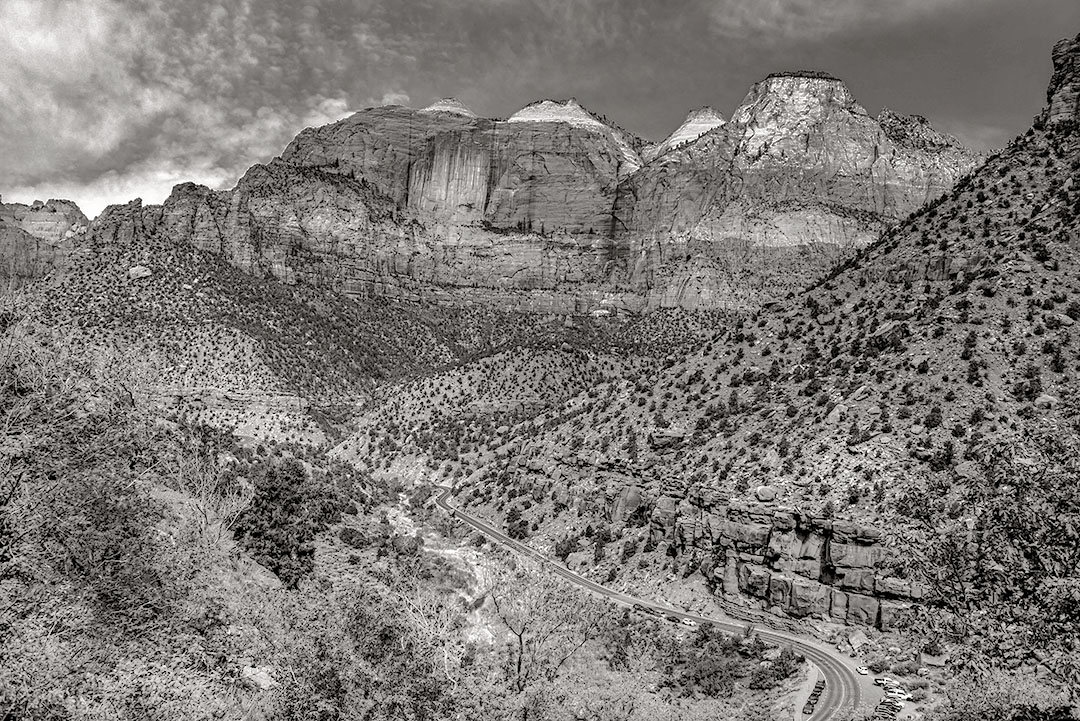
First, of course, the location is abundant with beautiful landscapes and your particular perch from where this composition was focused seems well balanced, including the winding road that acts as "leading line" I normally never comment about; a well visualized scene.
However, the resulting B&W final is too busy to allow for proper appreciation. In this sense, stone, rock and foliage are blending into each other: a classic example of, what I refer to as "visual confusion". (see a similar example/discussion on Jennifer's image in DD-87 ... though it is far less involving ...likely as a result of being in color).
Remedy: there may not be! However, a different B&W conversion may do the trick.
(See my attempt in trying to maintain a certain degree of detail per your featured work, while lessening "visual confusion"... via alternative post-production values). |
Dec 11th |
 |
| 83 |
Dec 22 |
Comment |
Margaret, another destination that is on my list ....
"Compositional Structure"
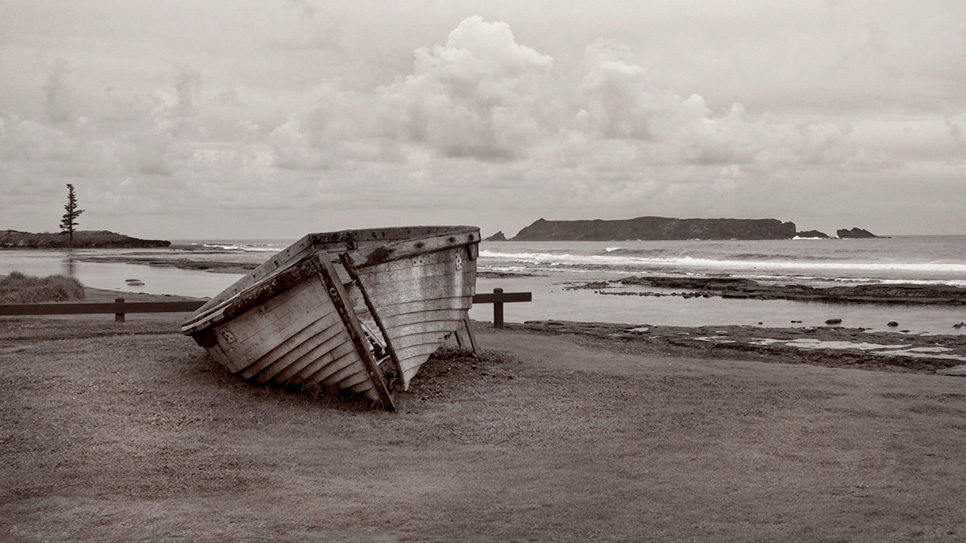
I must suggest more time visualizing the space could have provided more engagement: from a fine art status/critique, too much sky, and the angle facing the boat allows too much fencing to peer from the boats right-side that is interfering with its appreciation. Though these are major attributes interfering with your composition, all the components are "there" ... they just need to be lassoed, if I may.
For one alternative interpretation/fix, try re-cropping using 16:9 ratio: Bias to the bottom, thus cutting out some sky just above the beautiful clouds. Then, in NIK Color Efex Pro-4, apply ND filtering to help bring out the clouds ... ever so gently as not to over-process the scene. (See my edit for an example)
I do not believe in "deleting" the right-side fencing, as such, on your next trip re-work this location.
|
Dec 10th |
 |
| 83 |
Dec 22 |
Reply |
Hi Margaret!
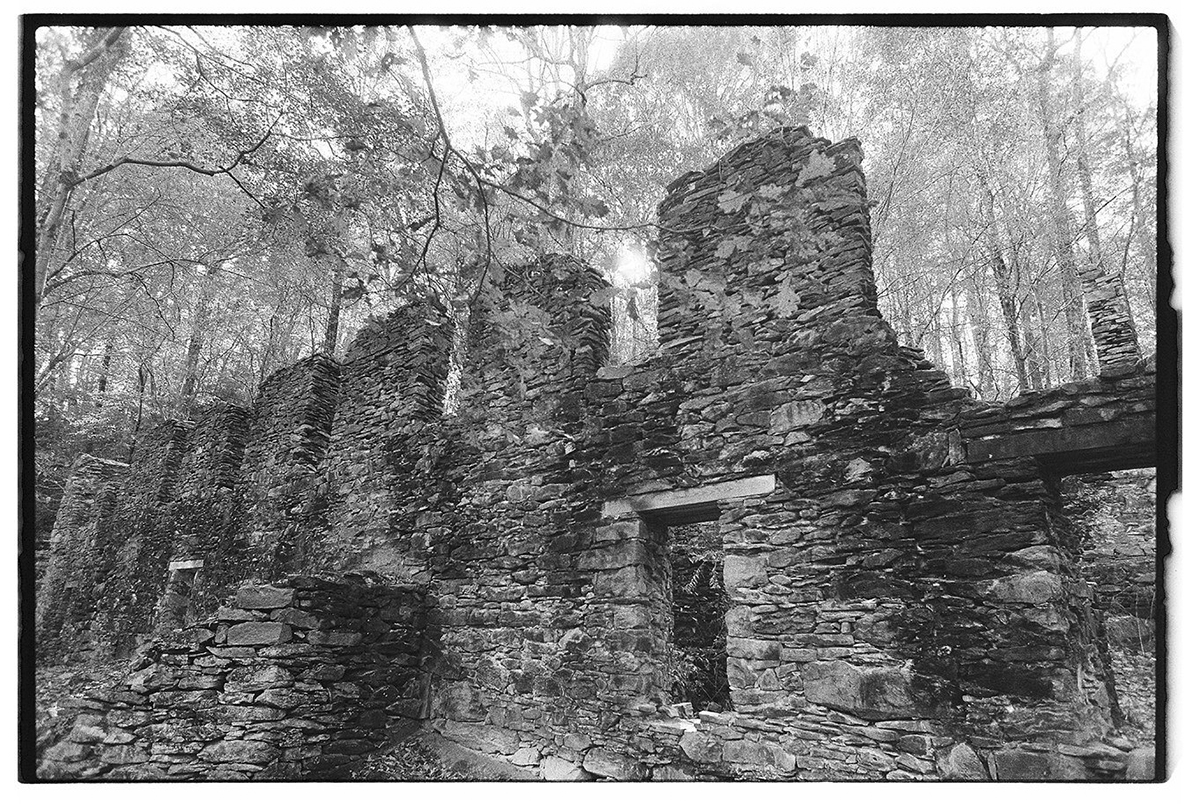
Yes, the film most definitely exudes this "glow" more efficiently than what might be registered on a digital sensor. This is why on some film stocks (or types, e.g., fine grain vs coarse grain emulsions) the user finds it most attractive in pictorial interpretations: a seeming wider scope for artistic achievement when using film, though this is not necessarily so.
Though cropping off the bottom third or quarter will bring more attention to the aesthetics emanating from behind the leafs and branches, we lose depth ... and this is a supporting attribute in this particular articulation of the subject/composition. |
Dec 10th |
| 83 |
Dec 22 |
Reply |
Oh, sorry. Yes, indeed. Thank you. |
Dec 6th |
| 83 |
Dec 22 |
Reply |
Adi, I had misunderstood your description ... so, the featured work is a traditional in-camera Double Exposure? Thank you. |
Dec 6th |
| 83 |
Dec 22 |
Reply |
Good morning, Adi. Appreciate your positive comments .... not yet printed.
However, a Japanese paper will likely be used to help enhance the aesthetics already presented through the use of film. Contrast will remain as you see here, that is, soft, relaxing and glowing. (A custom lab does my developing and scanning). |
Dec 6th |
| 83 |
Dec 22 |
Comment |
Hi Adi ... and I am enjoying this seemingly popular glass-reflection image, but we are told (otherwise), as the process involved "merging". Can you elaborate on exactly what the process was?
On the composition: well balanced indeed, and of course, Gestalt is achieved through both its core balance and being a Monochrome image.
I will suggest ... and hope you can offer ... a more detailed purpose/narrative for the series to help me (viewers') in its appreciation: in this sense, the viewer has a starting point to become more connected or at least be able to illicit more from the work ... or series. Thank you, Adi.
|
Dec 3rd |
7 comments - 14 replies for Group 83
|
| 87 |
Dec 22 |
Reply |
Hi Dale! I really do appreciate your positive comments ... and happy you learn through these different visual examples. |
Dec 14th |
| 87 |
Dec 22 |
Reply |
This is not, but another similar photograph is. : )
Thank you for your generous comments, Jennifer! |
Dec 14th |
| 87 |
Dec 22 |
Comment |
Hi Jennifer! First, this was obviously a wonderful vacation/destination and surely you have collected a fine group of images to share .... the featured image is colorful and exacts the vernacular of Greenland's fishing villages.
"Points to Ponder"
My words echo Will's and Chan's: 1. the overall aesthetic seems over-processed, but this may be due to the various textures, shapes ... in general, a wide scope of artifacts that may be introducing "visual confusion". In this sense the viewer can often find it difficult to clearly (and calmly) pick out, and identify with individual structures within a scene: is this from being over-processed ... or a matter of just a "busy" space is up to you to review with us. 2. Chan brings out an interesting observation ... the ladder seems out of place as a result of its seemingly toy-like appearance relative to the rack.
Using a 50mm or 59mm lens should not interject any amount of lens distortion, so I am a bit puzzled by this odd appearance, but think, maybe it is just a product of happenstance ... and not an actual manifestation through some kind of camera or optic dynamic. |
Dec 10th |
| 87 |
Dec 22 |
Comment |
What a wonderful memory he, and the family will cherish for years to come. |
Dec 10th |
| 87 |
Dec 22 |
Comment |
Simply Brilliant, Will!
Talking about thinking outside the box for creative photographic options! A well visualized and executed Fine Art composition! |
Dec 10th |
| 87 |
Dec 22 |
Comment |
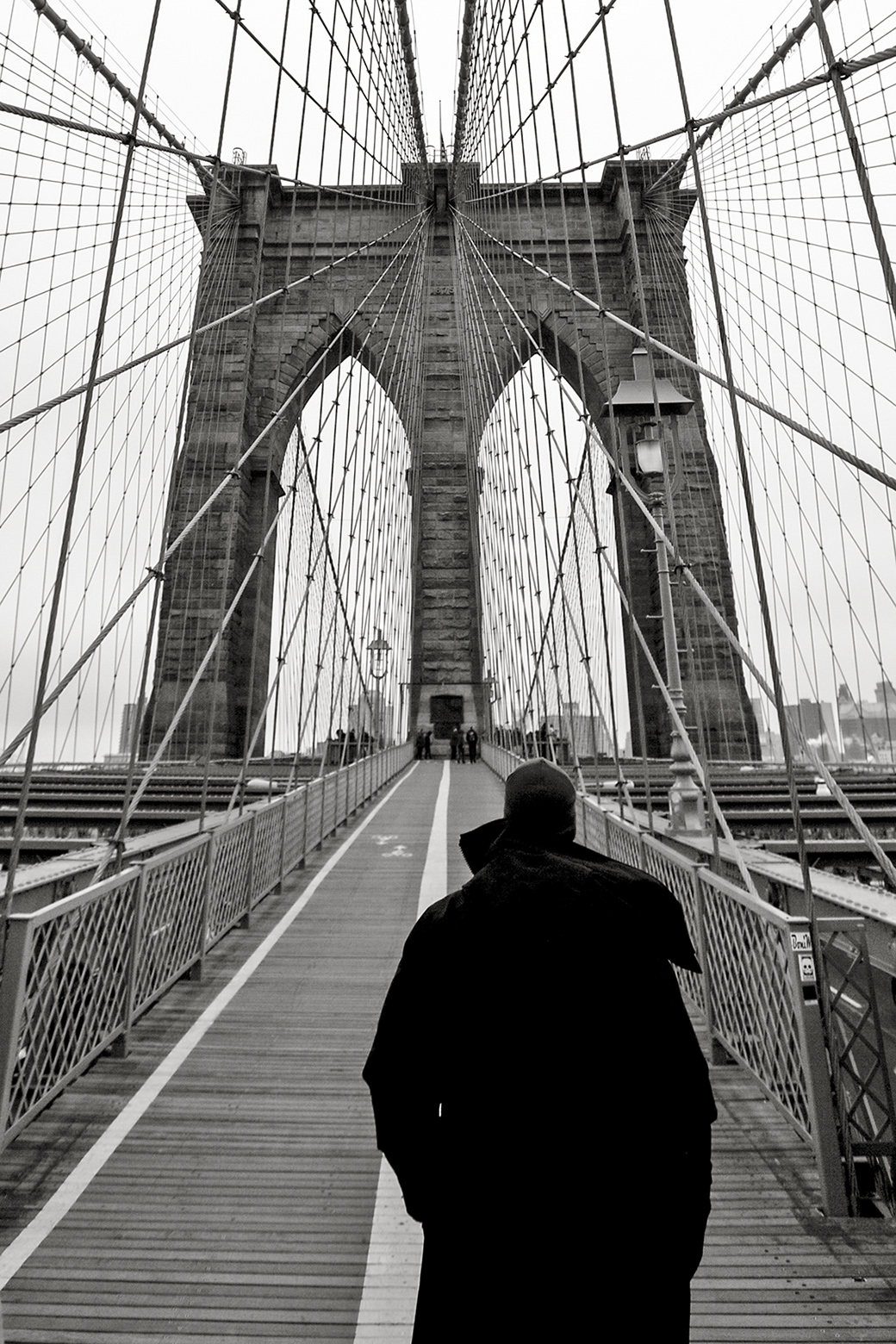
Dale, this is a wonderful and unusual view of this bridge ... of any bridge for that matter. And thinking outside the box can present common subjects with a bit more interest.
We are really pulled into the scene with the use of 18mm ... I love it! Now of course, you know, I would love to see this as a B&W interpretation!
"Points to Ponder": A B&W rendering will help reveal the compositions Gestalt, and thus, perhaps even more engagement. |
Dec 10th |
| 87 |
Dec 22 |
Comment |
Steve ... this is a wonderful capture .. and post-production really brings our subject to light! Fantastic work!
As far as the odd background bokeh ... I see no way of naturally fixing this (outside of digital manipulation) which I am strongly against ... but "Burning" the foliage behind the Owl, or making a larger crop to minimize the extraction of the 'artifacts' you speak of ... seem like options that will work. Of course, another option is to add a very definitive Vignetting, thus leaving the Owl to glow in spot-light, as it were.. a popular Fine Art aesthetic, indeed. |
Dec 10th |
| 87 |
Dec 22 |
Comment |
Good day, Chan!
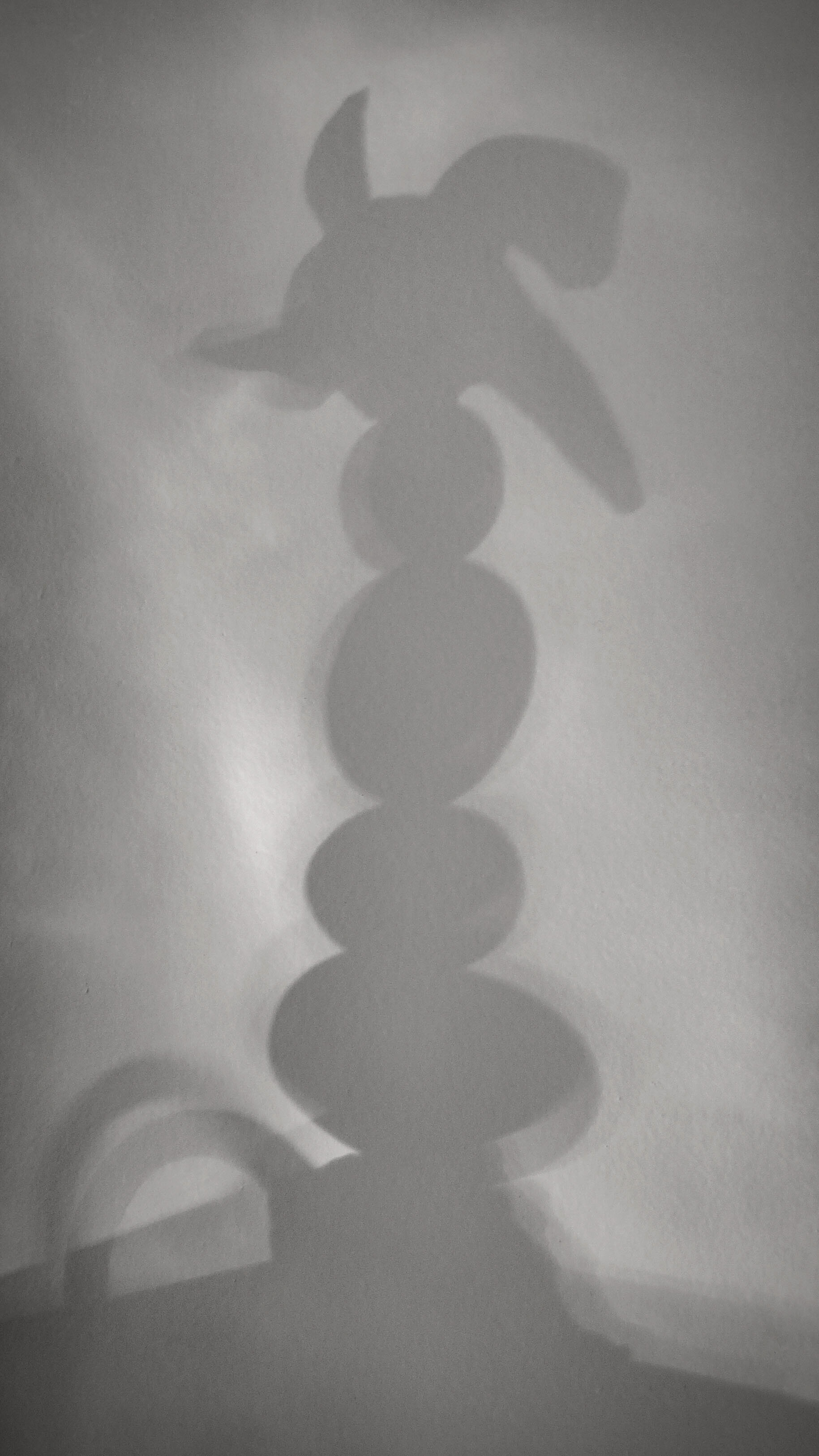
Ah, yes, I like this project! First, the Light and Shadow is very lovely and is an important ingredient/component in this scene; the exposure, the softness is calming, hence not overpowering the subject ... instead compliments it.
"Points to Ponder": (Compositional Structure and Interpretations)
Let me suggest, unlike the October soap dish composition, where it was more about the shapes, light and shadow ... still life portraits of inanimate objects (see Edward Weston)... the featured work leans towards a more definite narrative ... where the viewer easily connects, in this example, to a common morning ritual. Adding the salt shaker is just a start: e.g., adding an empty dish with crumbs or better still, a barely out-of-focus half eaten muffin .... perhaps a spoon, fork or knife that will help illicit the emotional values many enjoy with their first cup of coffee at sunrise. (I made a similar suggestion to Barbara Millers work in August ... see DD-5 August).
Comparison: This is much different then the prominence in the (exaltation of shapes, lines and shadows in the October work), and less on the reflection of human interactions with ritual, this month.
As you proceed with the "Challenge" to bring attention (and Art) to common placed items/rituals ... also decide which road to follow ... unless both avenues of artistic intent become the model for this series of work. However, I do suggest one or the other to help you focus in one particular area of interpretation ... later do the other.
|
Dec 10th |
| 87 |
Dec 22 |
Reply |
As always, I really appreciate your kind words, Steve. Thank you. |
Dec 7th |
| 87 |
Dec 22 |
Reply |
Thank you. |
Dec 7th |
| 87 |
Dec 22 |
Reply |
Really appreciate your generous comments, Will. Thank you. |
Dec 7th |
| 87 |
Dec 22 |
Reply |
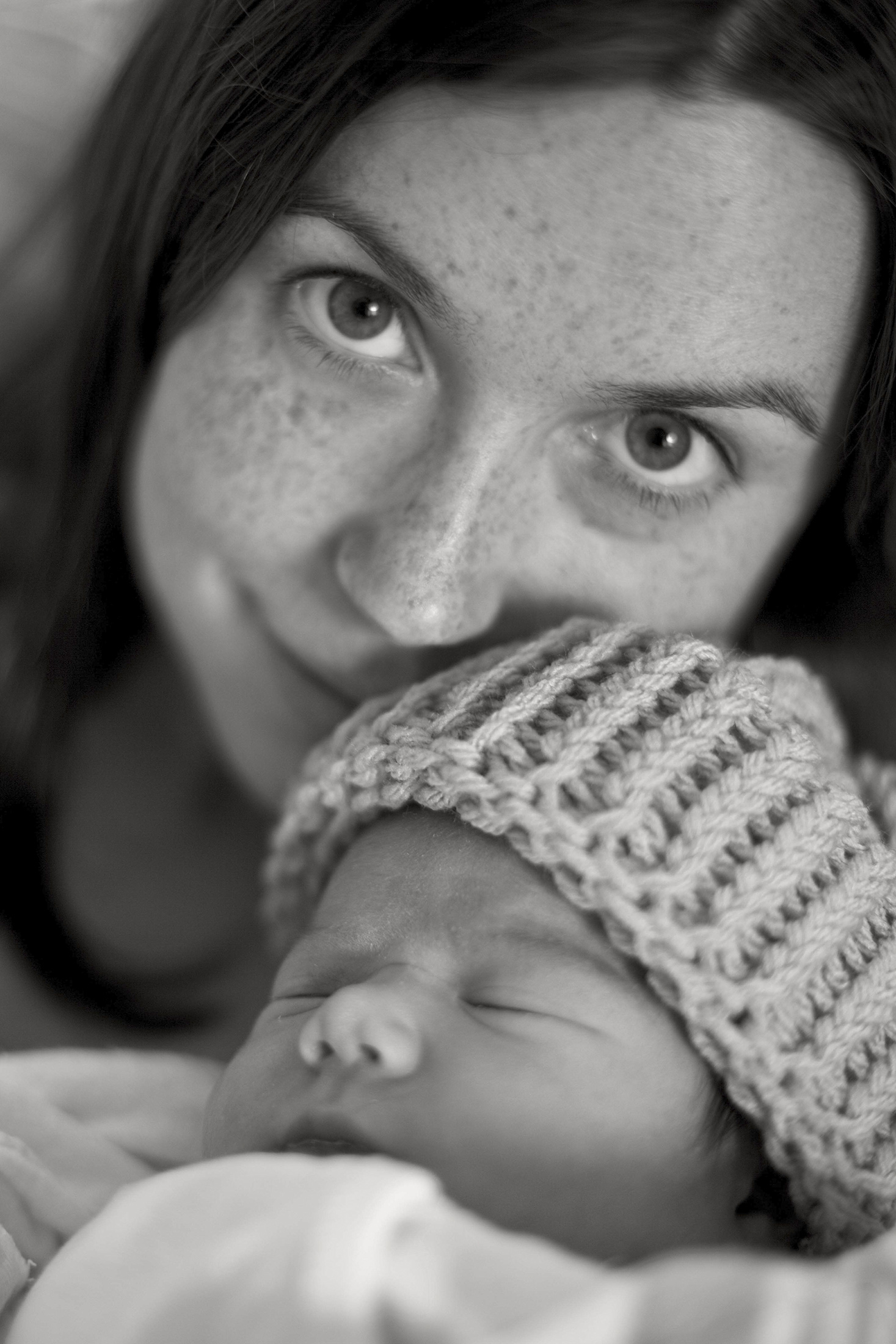
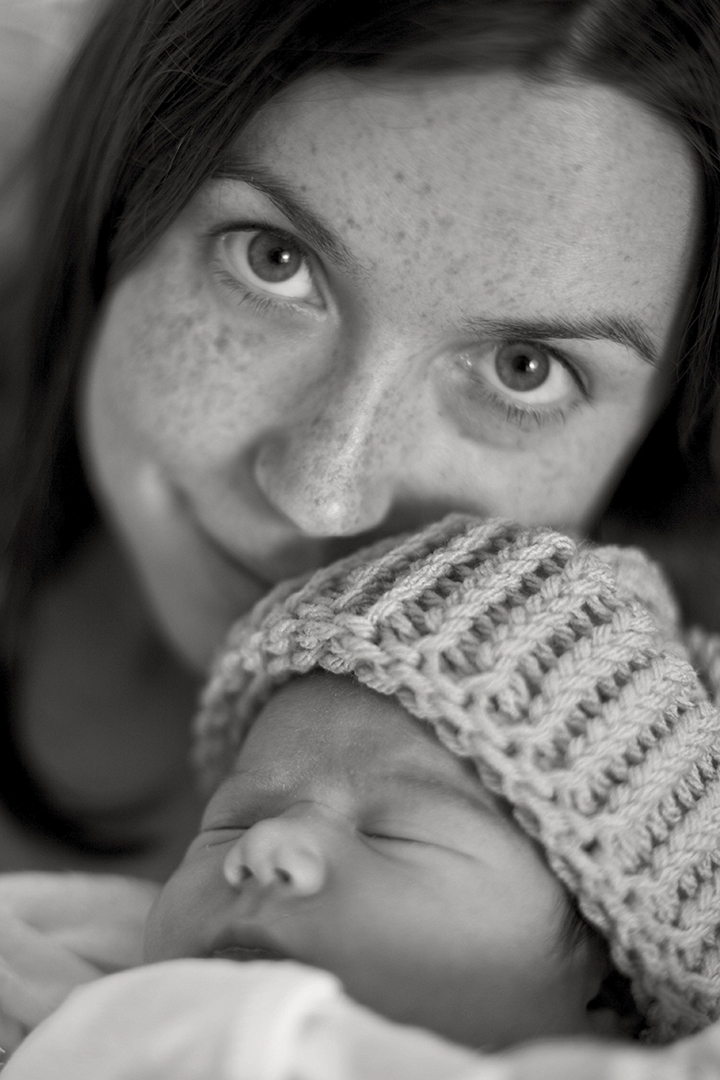
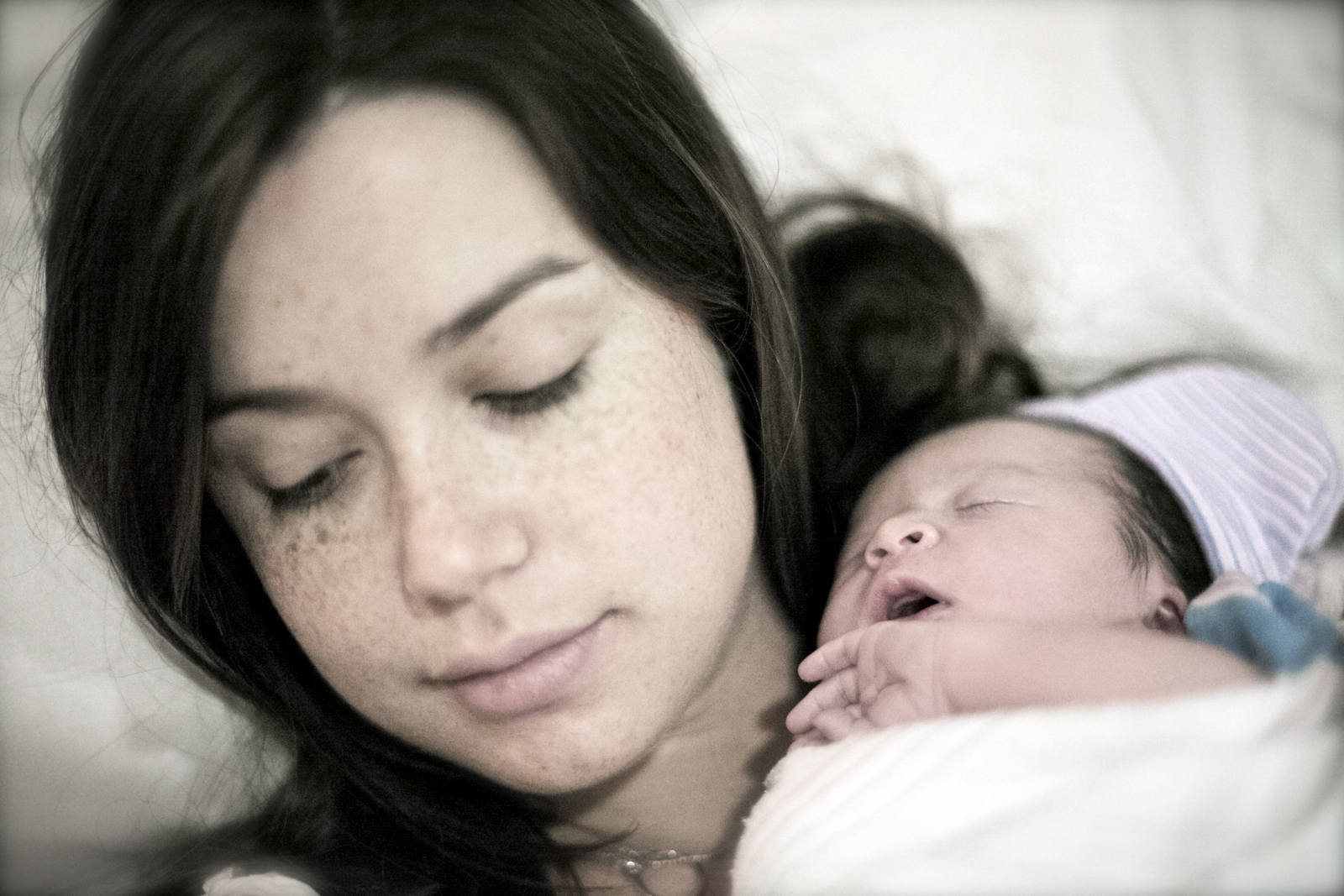
Yes, Chan ... Ashley takes prominence as the "Loving Mother".
She is speaking to us ... with deep and engaging conviction.
|
Dec 7th |
6 comments - 6 replies for Group 87
|
| 92 |
Dec 22 |
Reply |
Terrific!!! Happy New Year! |
Dec 29th |
| 92 |
Dec 22 |
Reply |
Happy Holiday's, Marianne!
Thank you so much for your encouraging remarks! : ) |
Dec 29th |
| 92 |
Dec 22 |
Reply |
You guys are correct ... i should have left then came back, they most likely would have paid little attention to me. Well, I'm just 7 hours from New Orleans ... try, try again!
|
Dec 21st |
| 92 |
Dec 22 |
Reply |
.... somewhat of an amusing story ... at least from the standpoint you calling the Target lady, Karen .... I am sure if we dig deep in the history of 20th century SP we will come across similar situations .... of course, unless these instances are kept secret. |
Dec 8th |
| 92 |
Dec 22 |
Reply |
... this has been a very productive discussion ... fun! |
Dec 8th |
| 92 |
Dec 22 |
Reply |
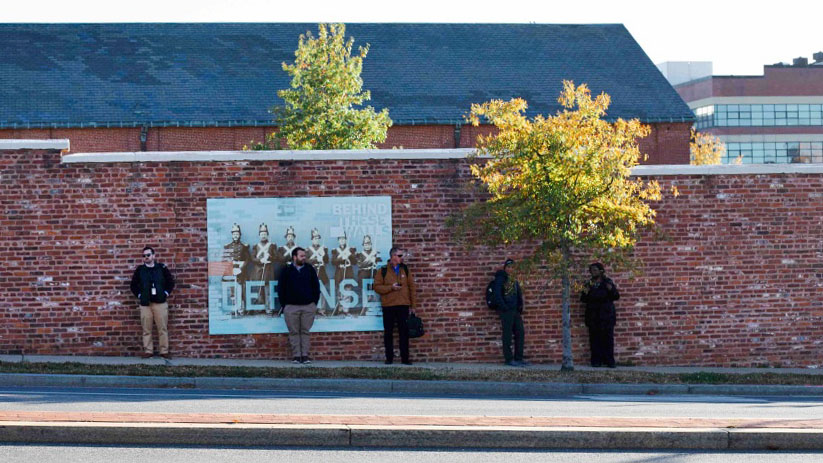
Though your featured work, and this new one, works ... I was thinking just adding a little more foreground and allowing a little sky above the roof line: in other words, just a little alteration ... like adding just a "pinch of spice" to ones favorite recipe. (See my example).
This does not mean the featured work is incorrect, just open to alternative ideas ... if not now, then in the future.
Also, your B&W rendering is very appropriate and allows the viewer to take in the "whole" scene first, then begin the journey of exploring its intimate details. |
Dec 7th |
 |
| 92 |
Dec 22 |
Reply |
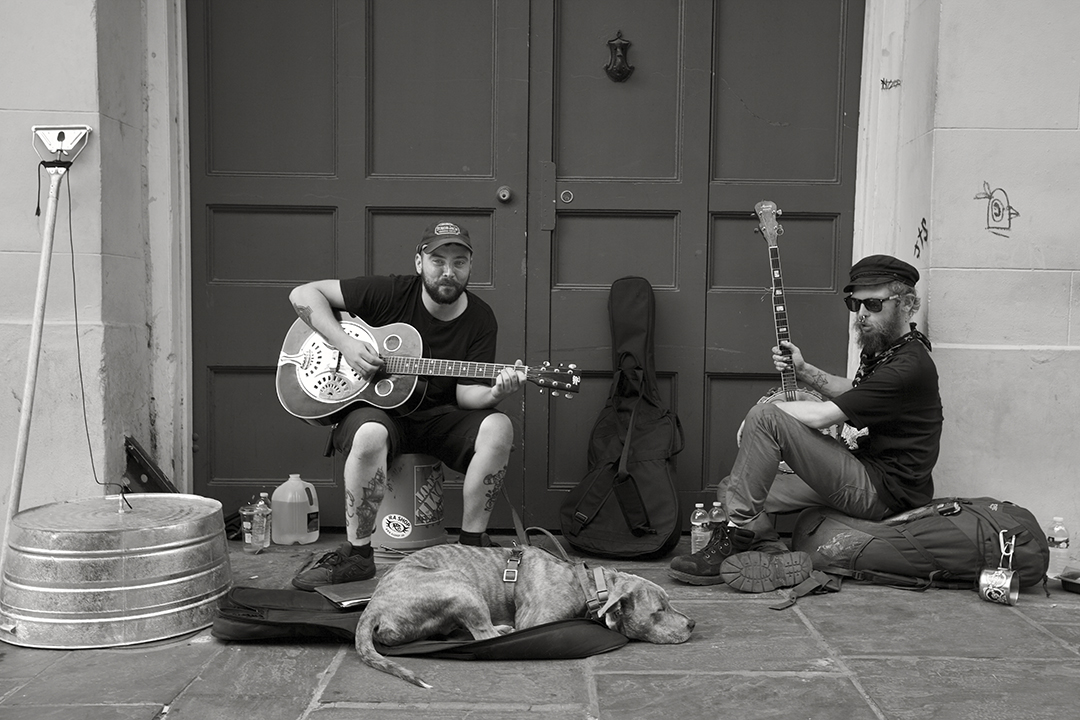
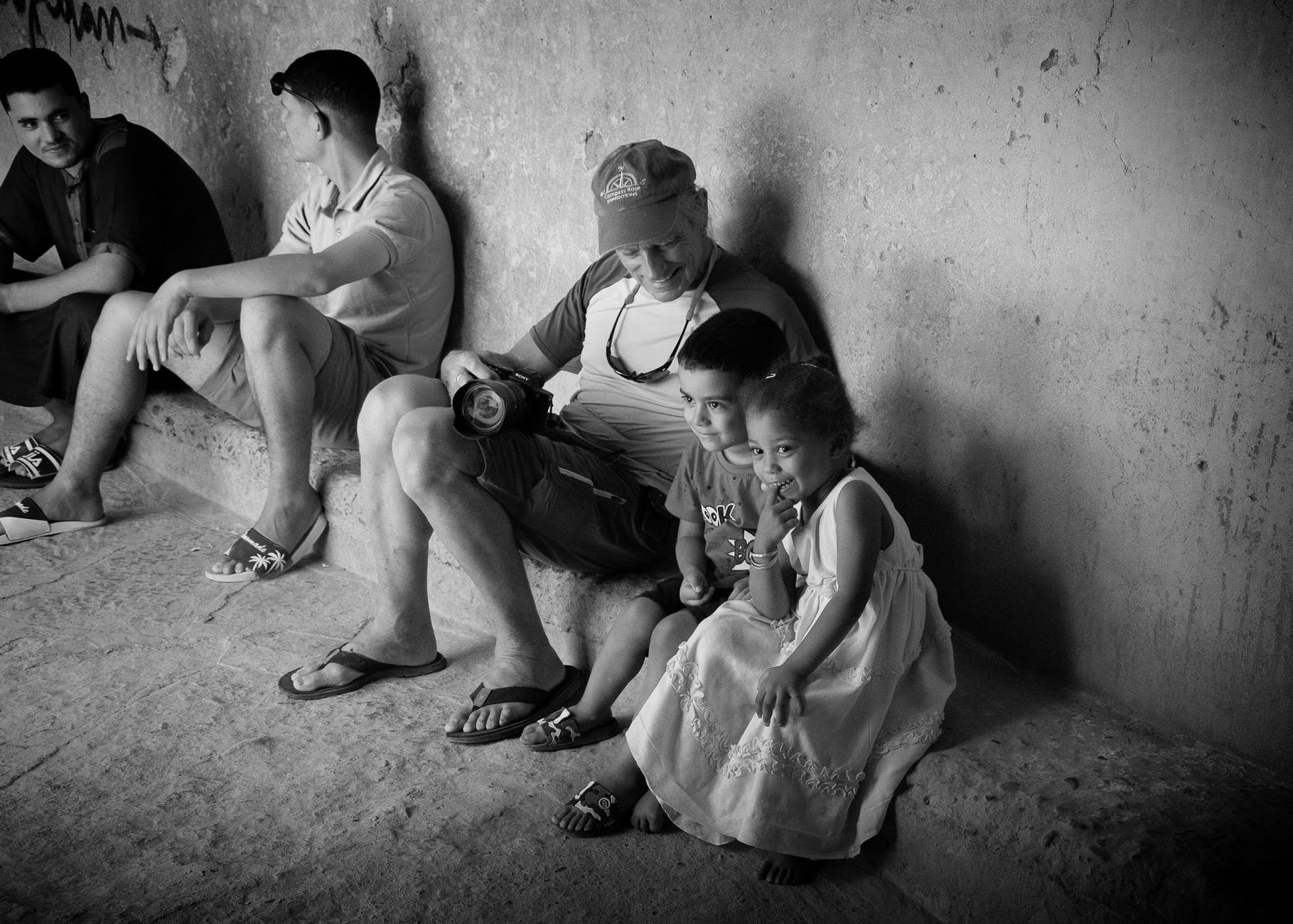
Hi Beth! Yes, the dog really does act as an anchor of some sort, and happy the dog did not care what I did.
I did ask them to be natural as I was wanting to capture a candid shot, at least the musician on the right did his own thing. You bring up a very important component for compositions like this ... 'hanging out' with them and getting them use to your presence which usually will allow a more fluid/candid photographic image later on. (a very important workflow for the serious Portrait photographer, for example).
But as I mentioned above, this routine (and the style of my featured work) is more inclined towards documentary photography and will work well with several like-images presented together for viewing.
Thank you for sharing your experience with these types of subjects/locations. |
Dec 7th |
| 92 |
Dec 22 |
Reply |
Your method is a good practice. |
Dec 6th |
| 92 |
Dec 22 |
Reply |
Sounds like a plan. Hope you share some of the new frames here. : ) |
Dec 6th |
| 92 |
Dec 22 |
Reply |
And I appreciate your line of thinking ... but happy I am able to at least, point towards alternative solutions for future contemplation next time you are i the field. : ) |
Dec 5th |
| 92 |
Dec 22 |
Comment |
This is great, Marianne! What a fine capture! Terrific Work!
Without the young man yawning I think the image would be less likely to induce narrative options. Instead, the story I see is the subjects seeming knowledge of the poster behind him (and its possible meaning of success) and his young brash attitude of, deviance? ... letting us know he is "bored" with the viewers (and authors) assertions of his possible future success as a professional.
Can you share how long you waited to get this shot, did the boy interact with you or was it spontanious?
|
Dec 4th |
| 92 |
Dec 22 |
Comment |
Hi Beth! Well visualized and captured!
So, my words echo Lou's in I feel too much is cropped. Another version that ends up looking just like this, but leaves a bit more foreground is using a strict 9x16 ratio. As it relates to the sky, I have no feelings either way ... meaning keeping some of the overcast sky would not bother me or the overall narrative. Maybe you can play around with new crops using the strict 9x16 ratio and see if you like any of them.
Regardless, the featured work feels dynamic with the combination of diagonal and straight lines ... allowing for contemplation of narrative options. |
Dec 4th |
| 92 |
Dec 22 |
Comment |
Good day, Chuck! Love this!
First, I want to address your remarks (and mine, too) as it relates to asking permission: within the genre of "street photography" (SP) .. 'asking permission' ... is not part of the norm ... in fact, the artist-photographer wants to be invisible.
Registering a scene like this one does not induce one to ask permission ... and again, being candid, spontaneous and fleeting is within the norm of SP.
Featured Work: a most complex image after staying to investigate the whole scene ... every part of it. For me, the main feature is 1. the expression of the girl (arms seemingly crossed), 2. the two men in some sort of exchange that is hidden from our view, and 3. the the reflection in the store window revealing a hand-to-hand transaction between the otherwise hidden act described before .... very complex.
Now, as I have said in the past, a lot of successful SP is, in part, due to luck. I am assuming the store window was not part of the plan, but in fact adds the finishing touch to the narrative, regardless. So we are clear, alone, without the window, the scene still exhibits features for contemplating and creating a narrative, but the window just adds more.
(Suggested Reading: The Street Philosophy of Garry Winogrand
by Geoff Dyer. In my opinion, a very important book in studying the intricacies and variety of narratives that can form form SP compositions. Highly recommended! You can see other book recommendations on my website). |
Dec 4th |
| 92 |
Dec 22 |
Reply |
Happy Sunday, Lou!
Honestly, Street Photography is outside my comfort zone, too. I do not purposely go out as a "street photographer". Instead, if the opportunity ... or more accurately, a situation, scene, subject strike me in a certain way ... I then proceed to compose and register it on film or digital sensor.
Images like the featured one here do well as a street photography-documentary, in my opinion. The narrative is clear (as opposed to the often ambiguous nature of other more traditional street photography compositions, e.g., Gary Winogrand's work for one example).
Really appreciate your kind and encouraging critique. |
Dec 4th |
| 92 |
Dec 22 |
Comment |
Hi Lou!
So, I like the original composition, though, as you said, you were not more careful in framing behind the viewfinder. As such, a bit of "confusion" or maybe ... distraction on the far left. But I will say two things about this observation:
1. that "confusion", in virtue of the edge of the wall being visible, can actually be interpreted as a (necessary component) in helping to form narrative, so, we may actually like it.
2. The far right wall adds to defining a sense of "place", and for this reason, I suggest much less cropping on the right-side.
3. Lastly, I am not a friend of post-production methods that "transpose" or add or delete features within a photographic image, as such, the manipulation on the left-side of the featured work is not becoming to the featured work, and I suggest (in virtue of the reasons explained in 1. and 2.) feel a different approach can be applied to help satisfy your current interpretation, but done a bit differently.
See my B&W edit that maintains more of the right-side wall and crops out the left-side wall-edge: then I added vignetting (or barreling) to help highlight the main subjects. (I never use this technique, but many do and in this case it may help in "re-framing" (composing the work) without the need to "transpose", delete or add features in the original registered scene). It's not perfect, but perhaps offers a possible solution.
We all need to be careful when framing compositions ... step back and get more into the field of view, later in post-production we can crop if necessary. I look forward to your feedback, Lou. |
Dec 3rd |
 |
4 comments - 11 replies for Group 92
|
23 comments - 38 replies Total
|