|
| Group |
Round |
C/R |
Comment |
Date |
Image |
| 4 |
Jan 22 |
Reply |
...oh, yes, of course. Well placed, indeed. Lovely work, Guy. |
Jan 4th |
| 4 |
Jan 22 |
Comment |
Happy New Year, Guy!
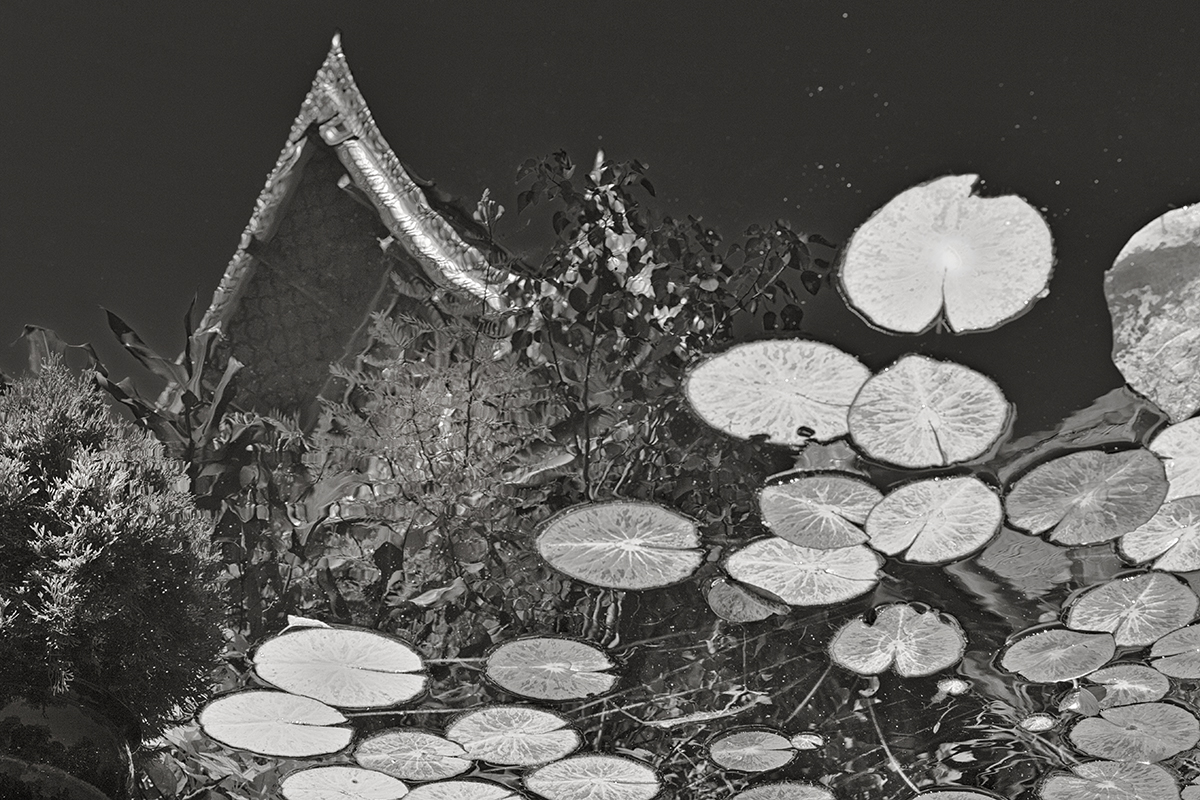
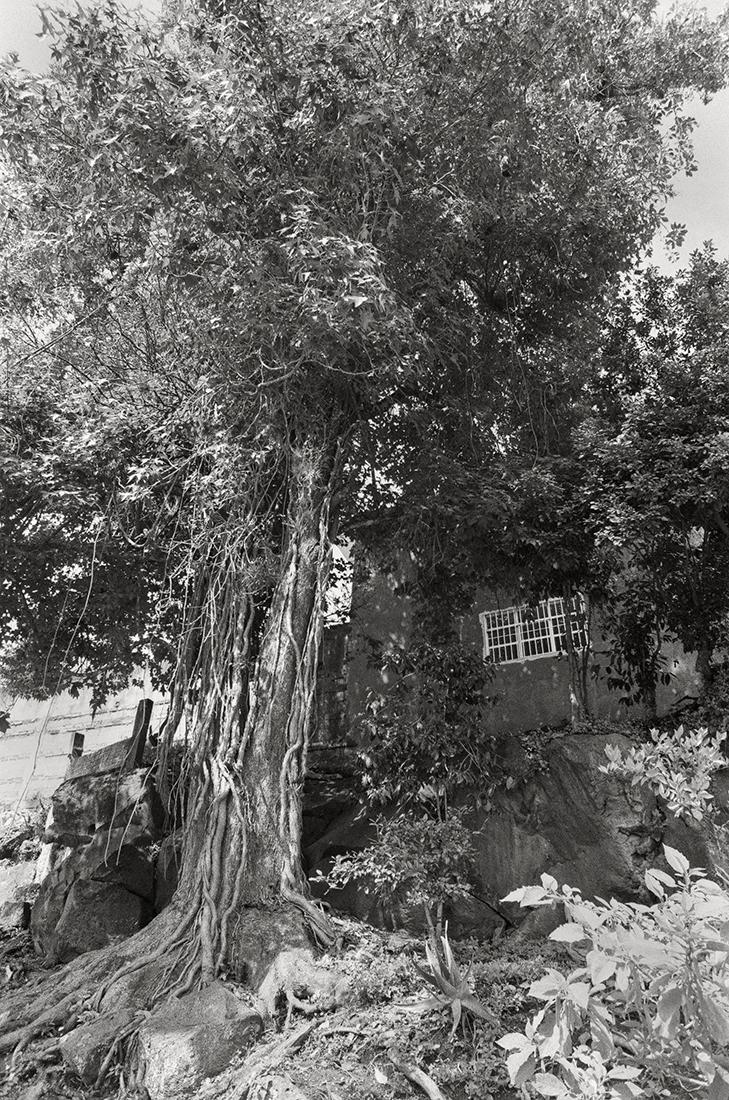
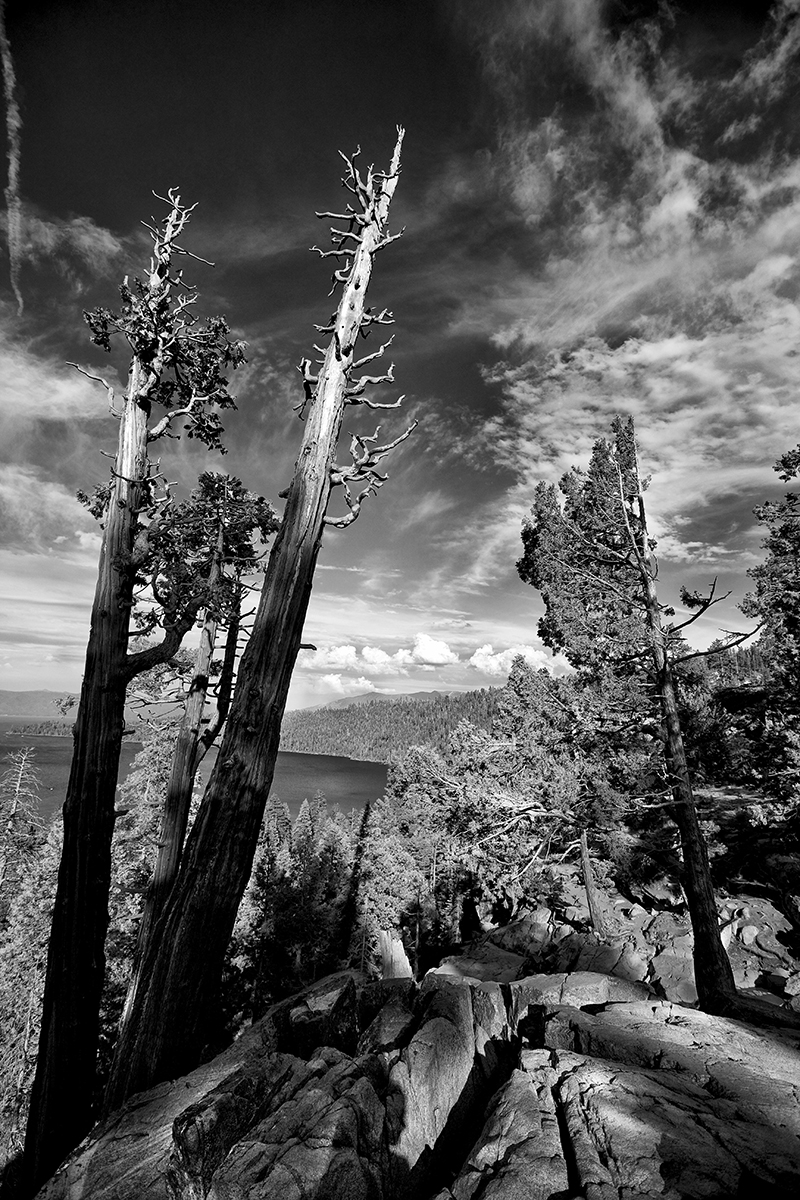
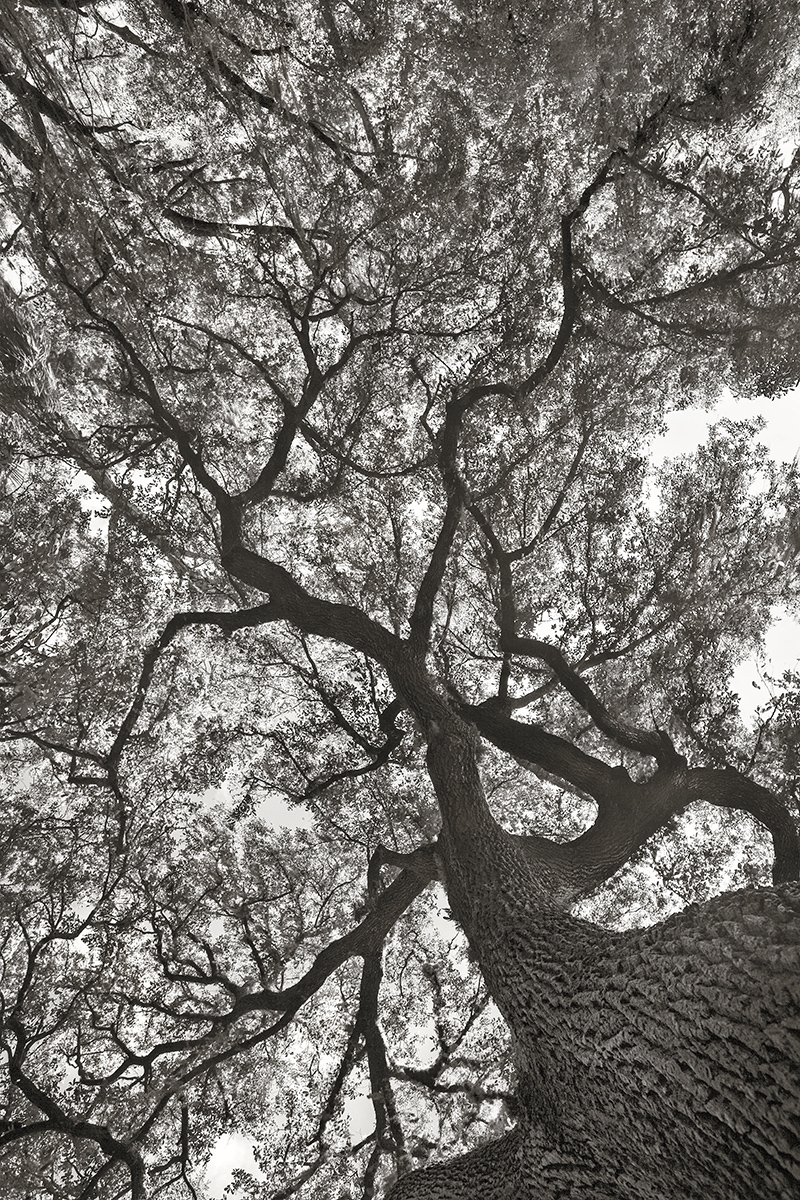
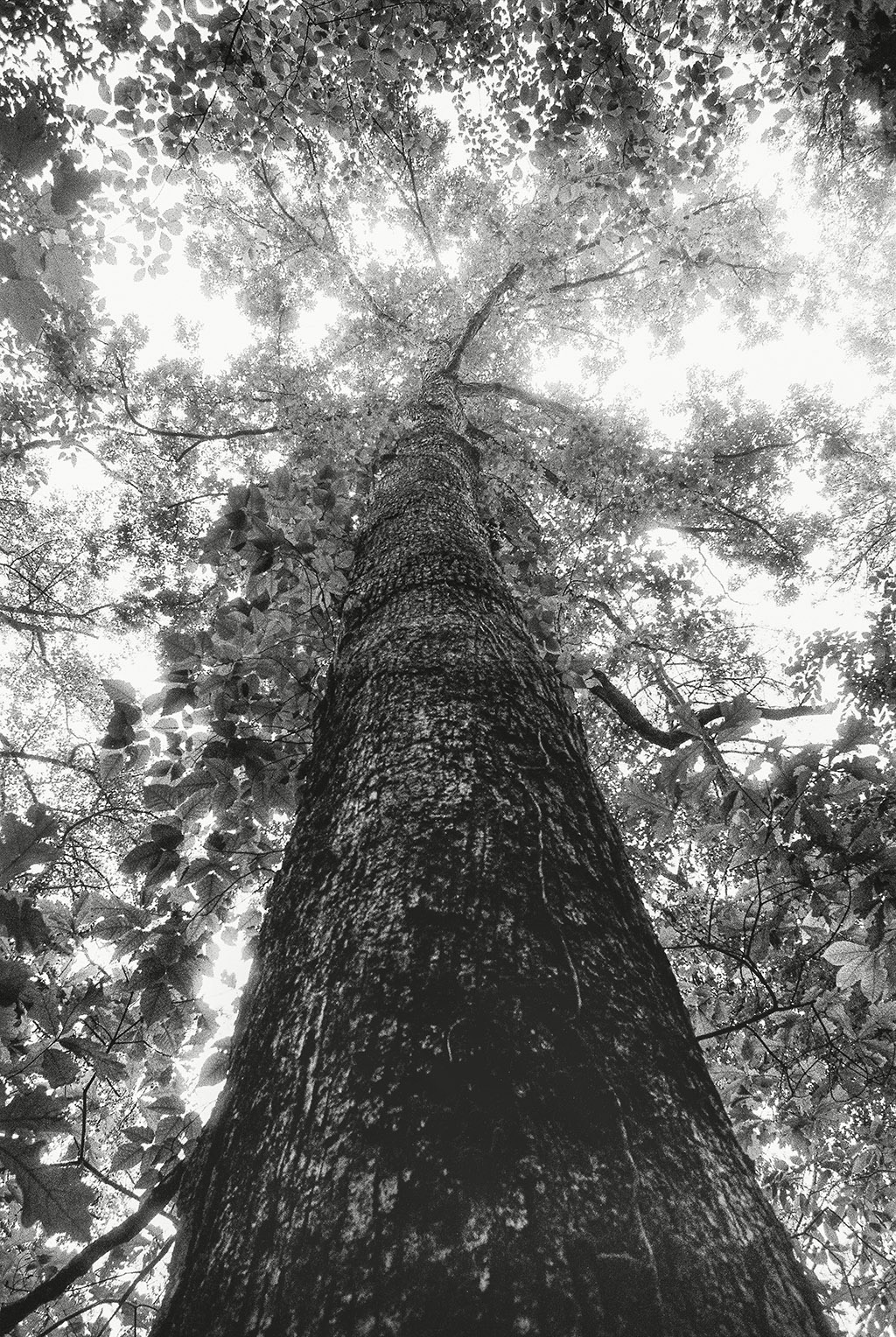
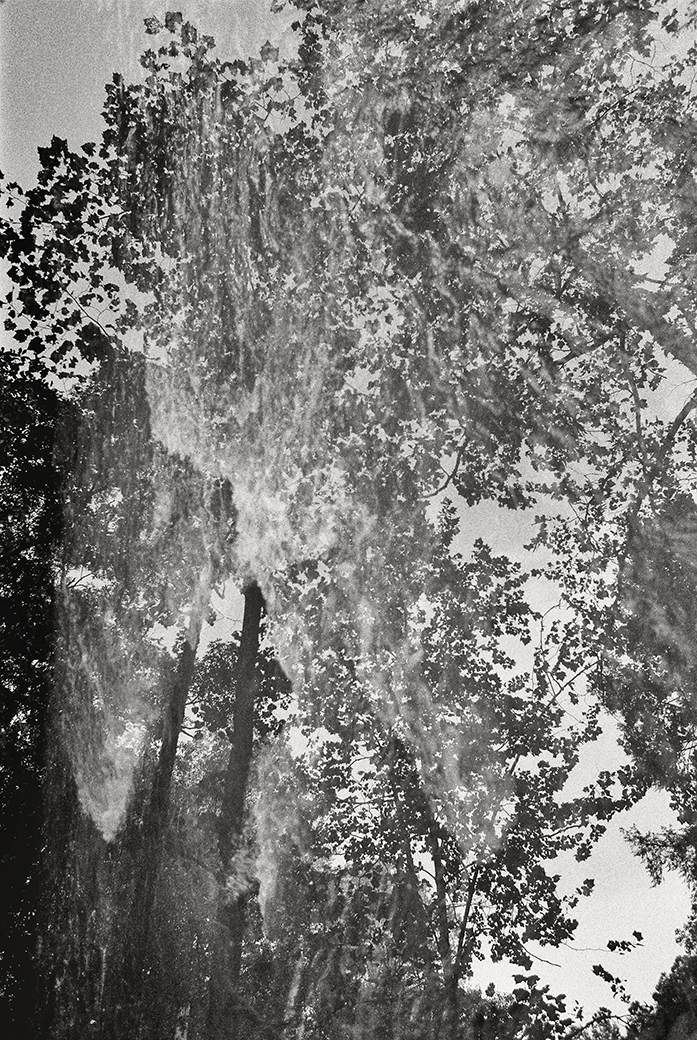
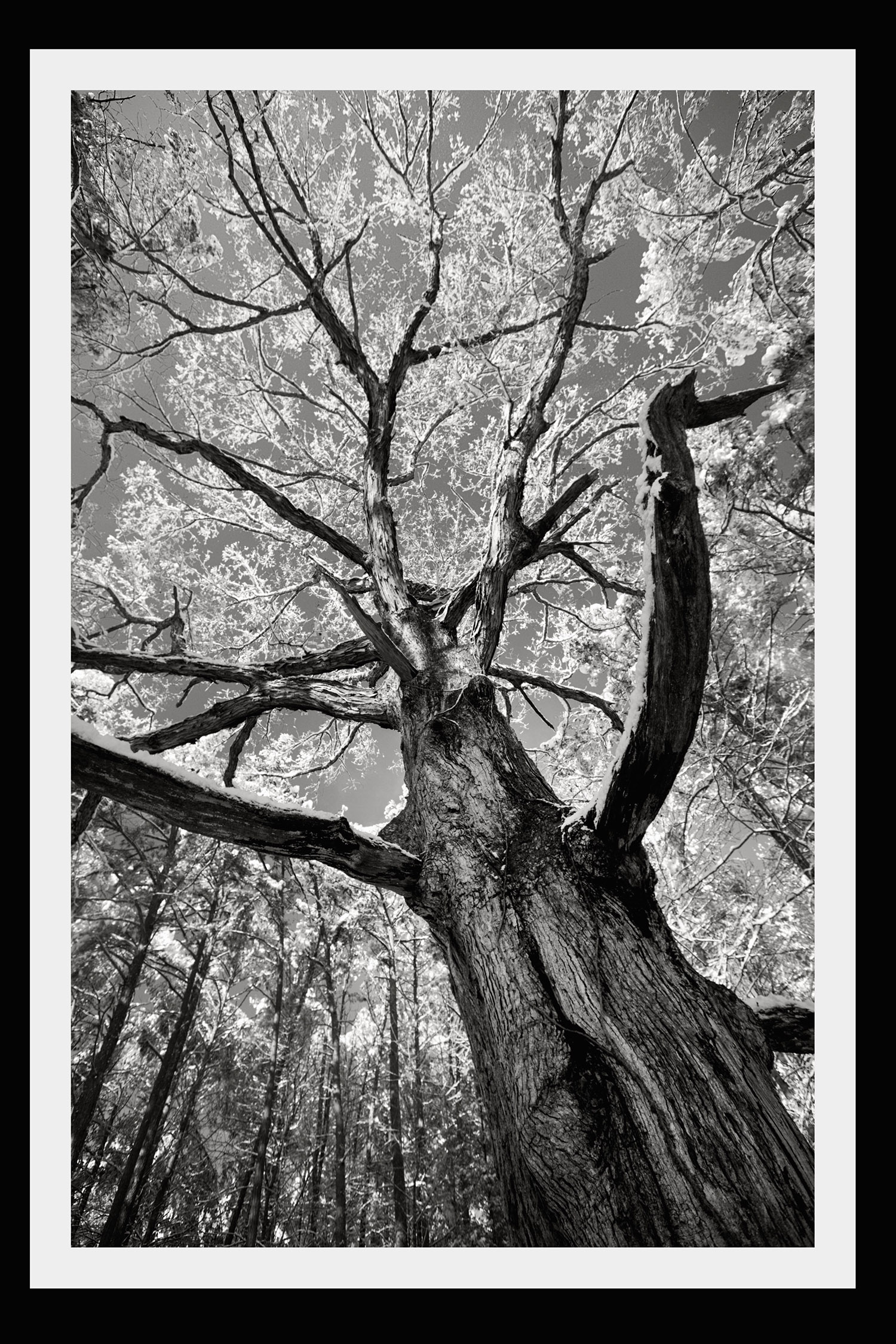
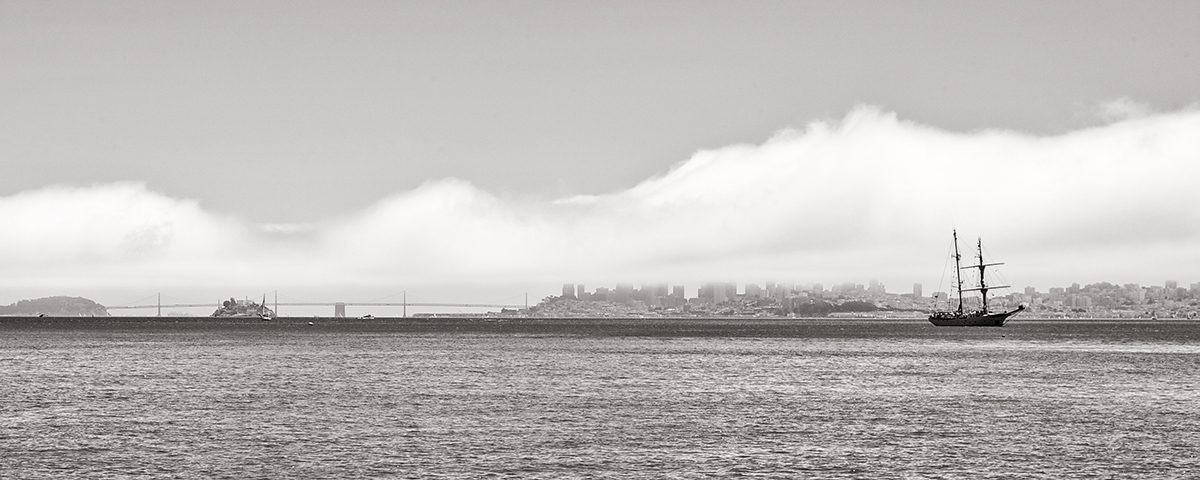
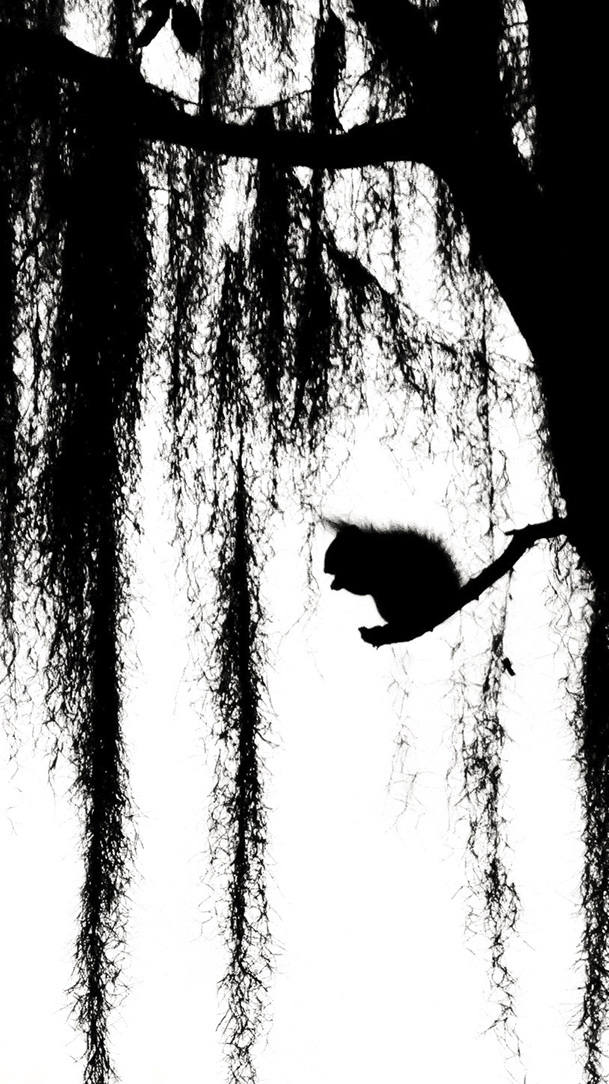
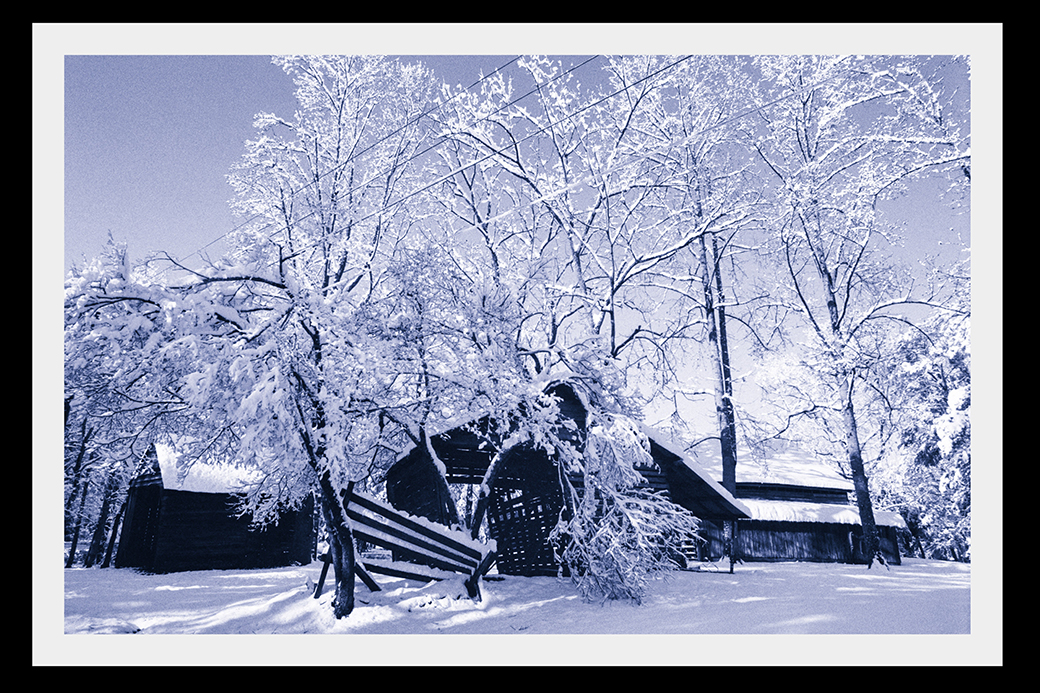
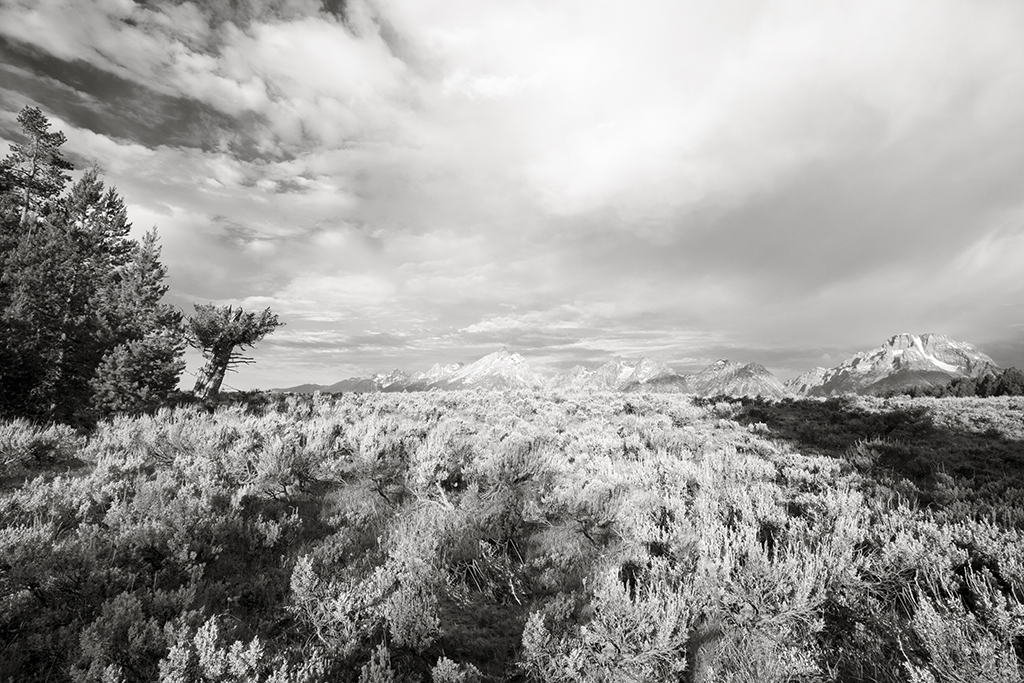
Very provocative perspective, nicely visualized and captured. I speak a lot about the beauty (the Art) found within Shadows: your featured work drools with aesthetic appeal because of the shadows, and of course the wide-angle view. Along with the dark sky (a common choice for a lot of Blue Sky BW conversions) you have created a wonderfully engaging scene.
Question, when you say you placed the shaded tree in the upper right, I must assume you meant framing from behind the viewfinder? Thank you.
Lance A. Lewin
PSA Black & white Photography Mentor
PSA South Atlantic Area Membership Director
Visualizingart.com |
Jan 3rd |
1 comment - 1 reply for Group 4
|
| 23 |
Jan 22 |
Reply |
Hi Bob! Saw your post on our Bulletin Board and responded to it. Very happy you are engaged with these types of conversations - they help paint a larger or wider picture on techniques and concepts that critique alone can often fall short.
Kind regards,
Lance |
Jan 22nd |
| 23 |
Jan 22 |
Reply |
....and I hope you read the short article (and comments) on DD-83's Bulletin Board for more on this conversation. Look forward to seeing more of this type of work from you in the future. Take care. |
Jan 6th |
| 23 |
Jan 22 |
Reply |
Marilyn, as an Artist, and for some 40 years, I am from the school that does not Visualize, Compose and Capture subjects or events with competition in mind.
Instead, I engage in Fine Art Photography for the sake of Art. Most (or a lot) of Club, and even PSA imagery is alternatively structured towards competitions. It is a conversation that comes up quite a bit on these pages.
Please, go over to DD-83Mono and scroll down on the Bulletin Board tab for more on this subject: title is "Who is Commenting on our Work?" Read the comments, too. I am confident you will enjoy what is being discussed.
I look forward to your feedback. Thank you, Marilyn. |
Jan 4th |
| 23 |
Jan 22 |
Comment |
Happy New Year, Marilyn!
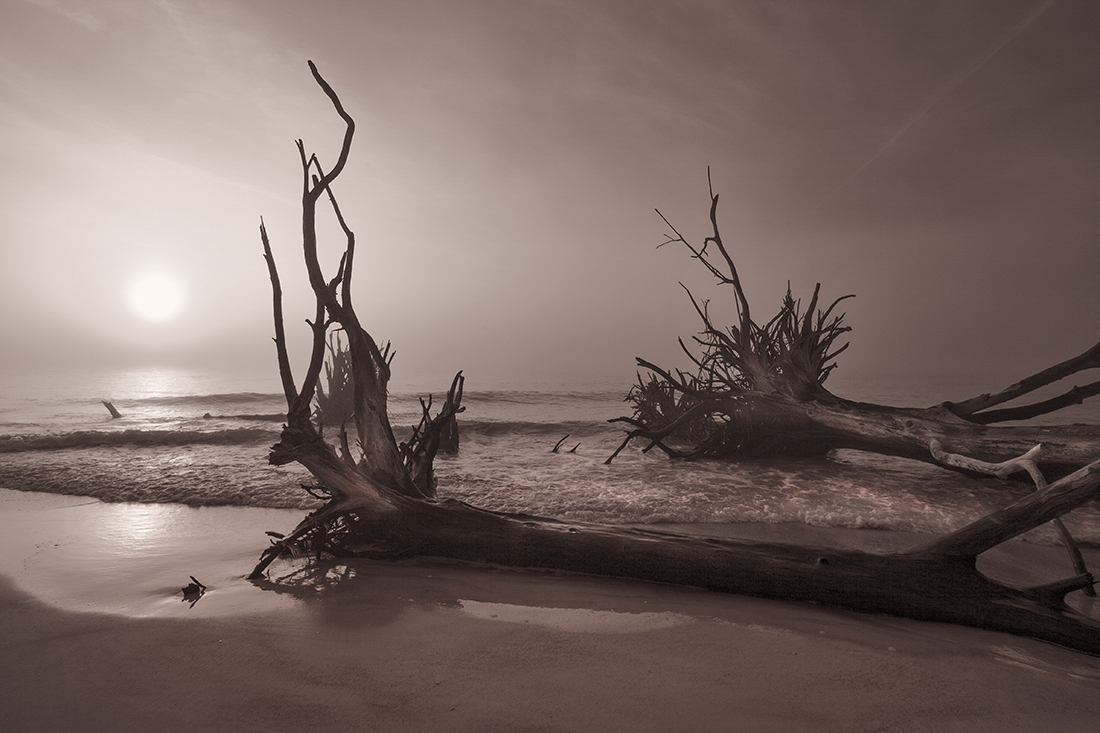
Well Visualized and captured! Really like the framing of this artistic piece of drift wood, and you were lucky to have weather that manifested this wonderfully contrasting sky. I too, enjoy searching and composing scenes like this; my favorite location since the late 80's was Long Boat Key, Florida. Unfortunately, over the past 20 years severe erosion has wash away many lovely landscapes. Thank you.
Lance A. Lewin
PSA Black & white Photography Mentor
PSA South Atlantic area Membership Director
Visualizingart.com |
Jan 3rd |
1 comment - 3 replies for Group 23
|
| 25 |
Jan 22 |
Comment |
Happy New Year, Audrey!
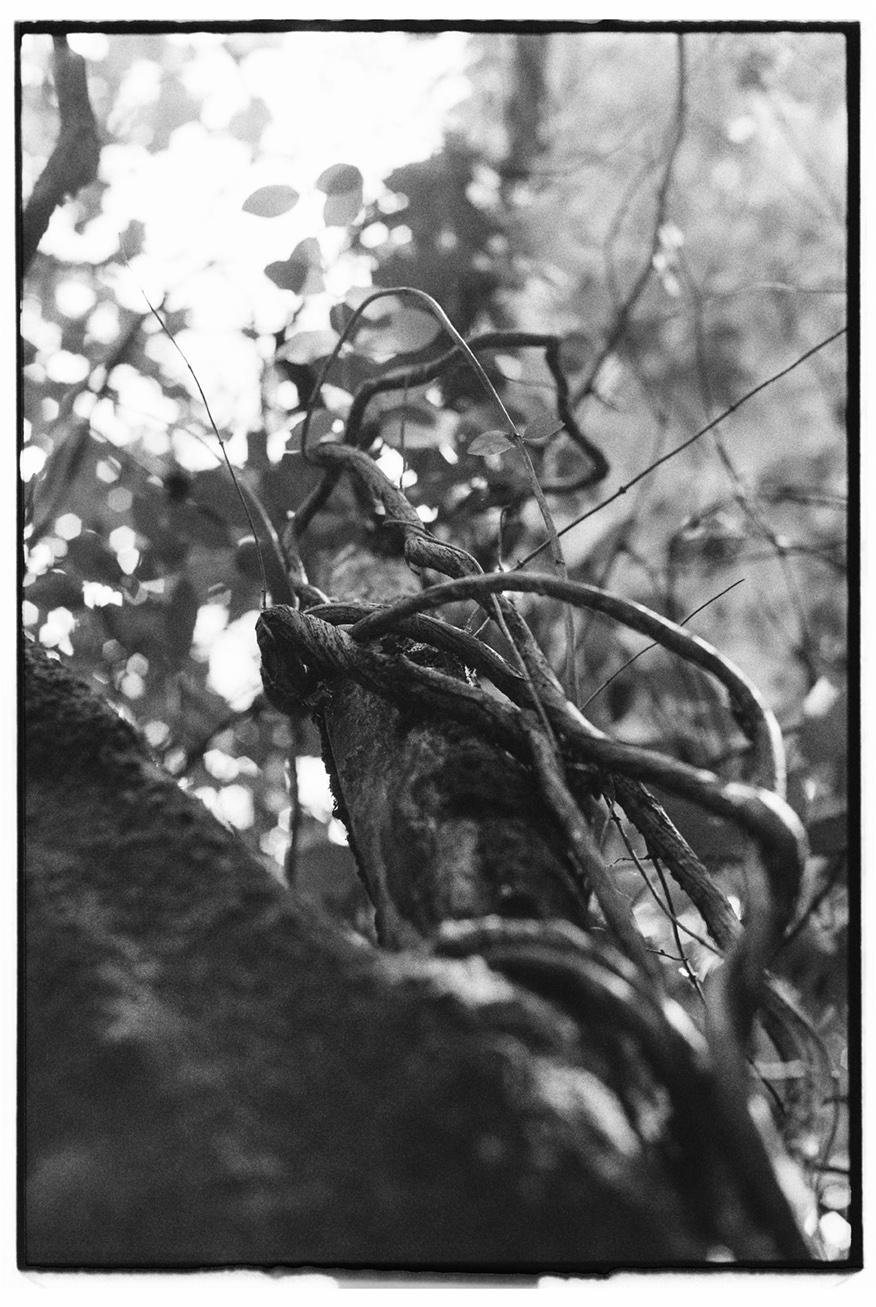
First, I must congratulate you for this interesting look at making prominent the common place or otherwise as seen as austere. Visualizing and composing scenes (or subjects) like your featured work is one of the hallmark signatures seen in the Japanese aesthetic of Wabi Sabi. That is, finding beauty in common place objects, and also the wilted and broken, for a few examples.
However, technically the composition is missing a little: 1. focusing is not clear, and I ask, how did you (and what did) focus on? 2. Why did you choose ISO-400, as the scene appears to be bright, and not in shade or in the evening. I believe the G11 base calibration is 80 or 100, which would provide a more clear presentation. (I look forward to your feedback).
Most important is the ability to see (or Visualize) this type of composition: you have done well and I hope you continue to experiment in finding and compose these types of nature scenes going forward.
Lance A. Lewin
PSA Black & White Photography Mentor
PSA South Atlantic Area Membership Director |
Jan 9th |
1 comment - 0 replies for Group 25
|
| 32 |
Jan 22 |
Reply |
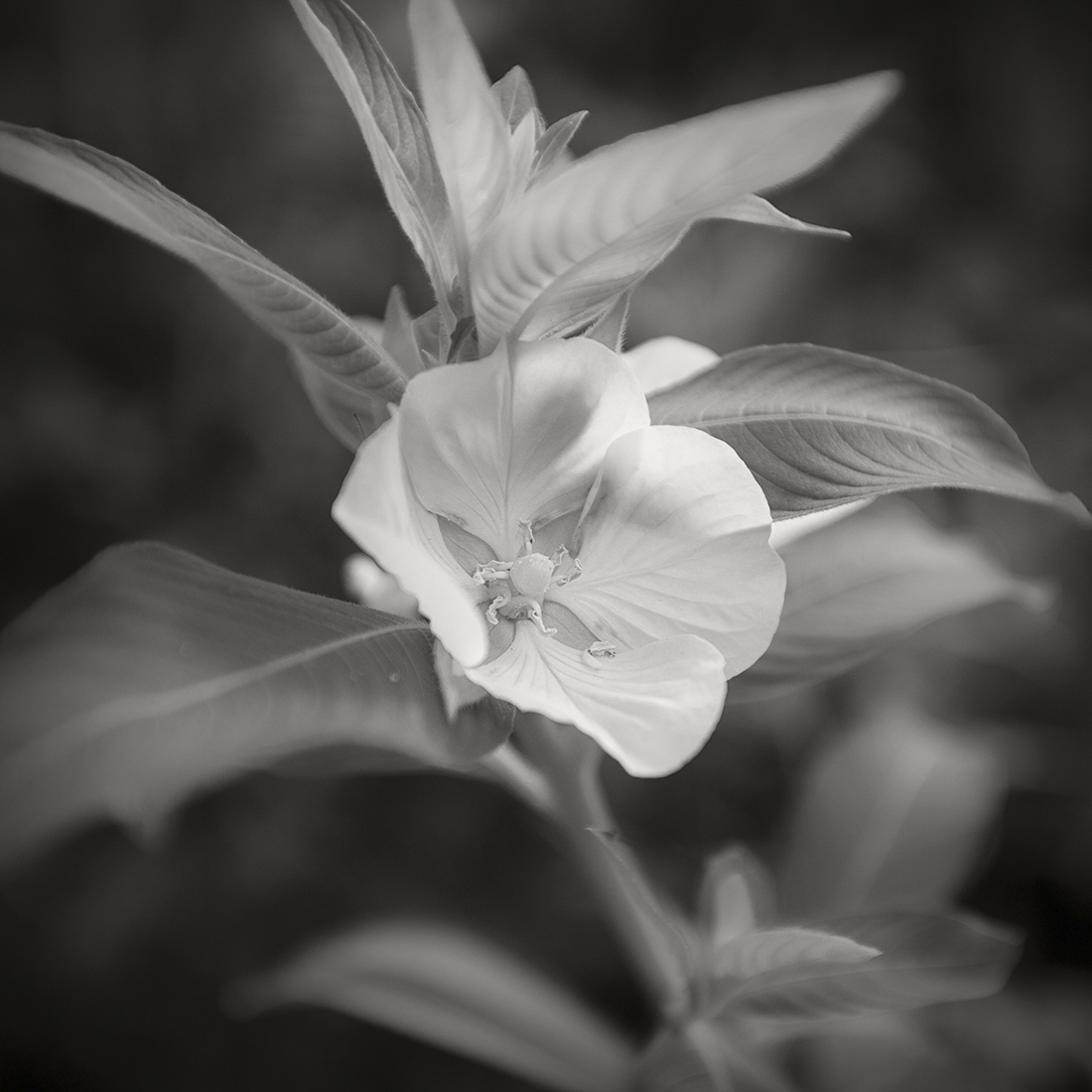
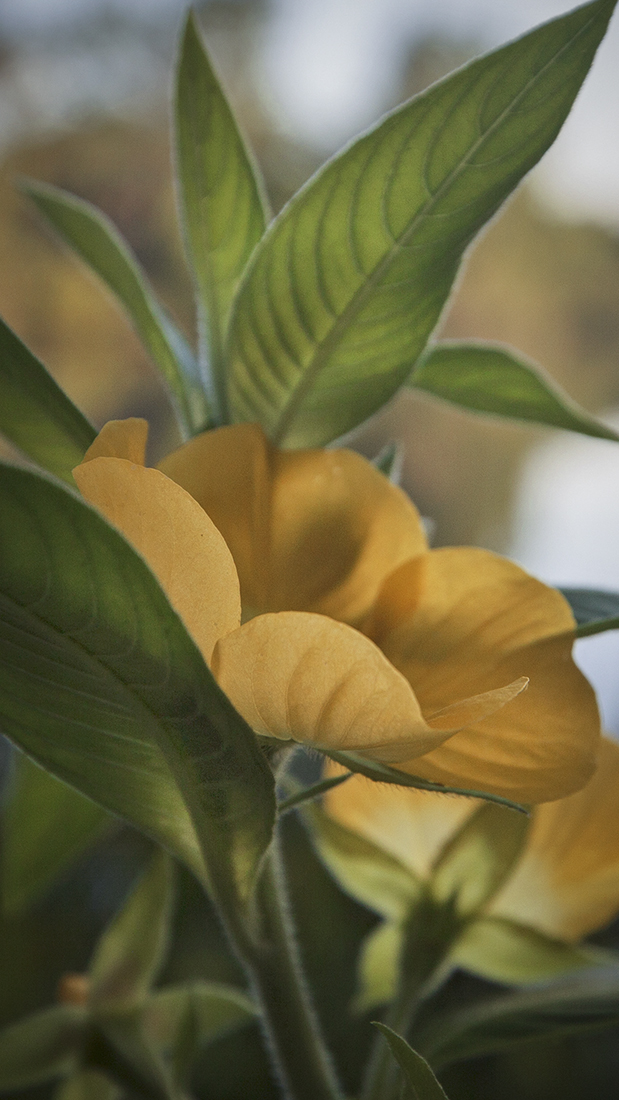
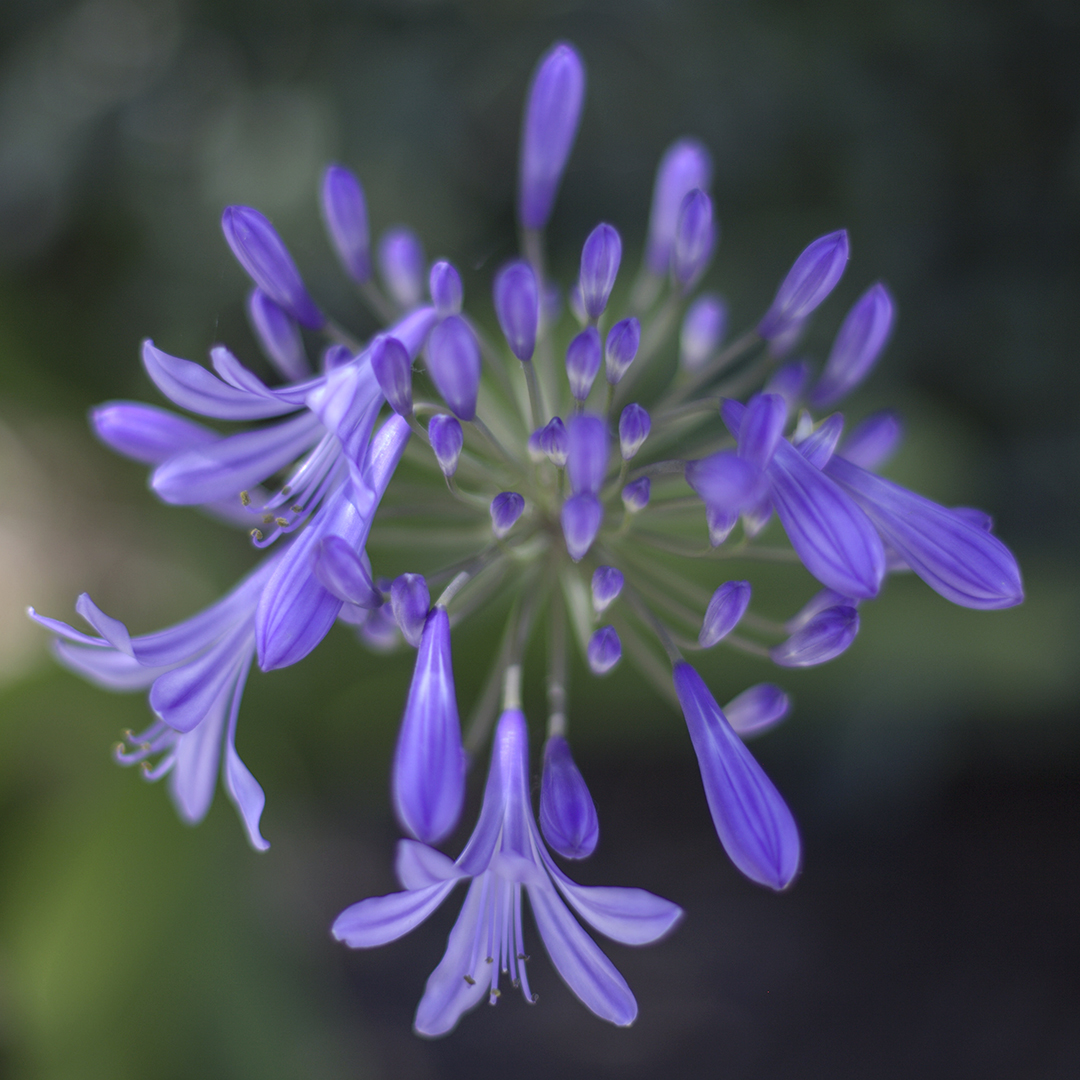
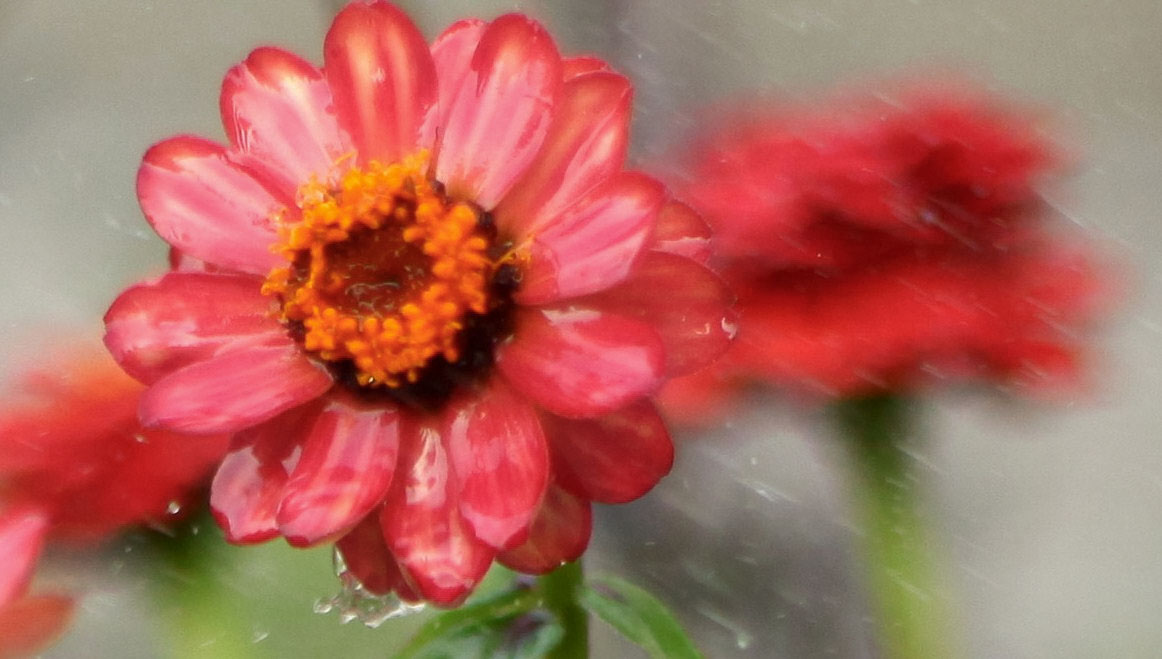
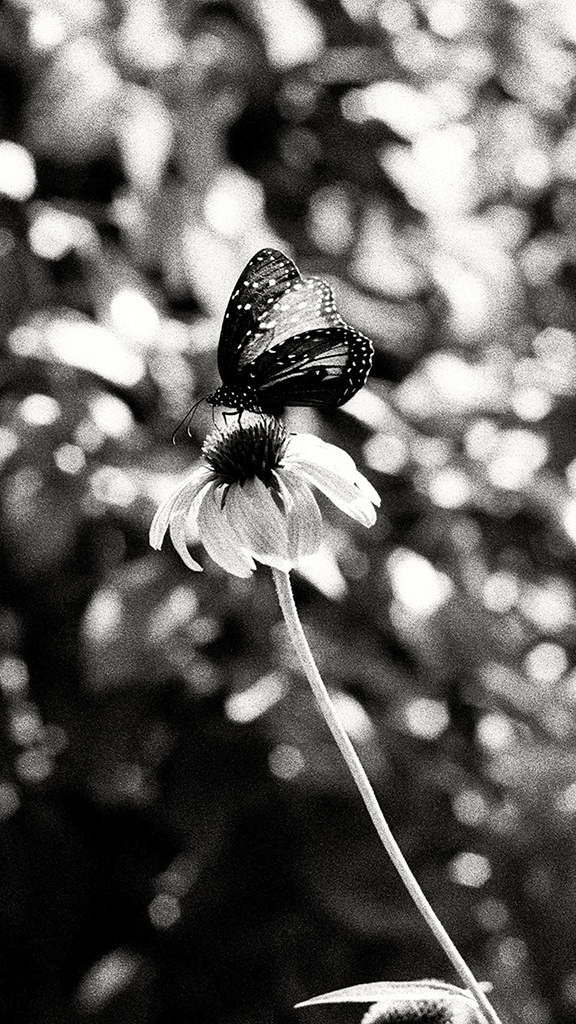
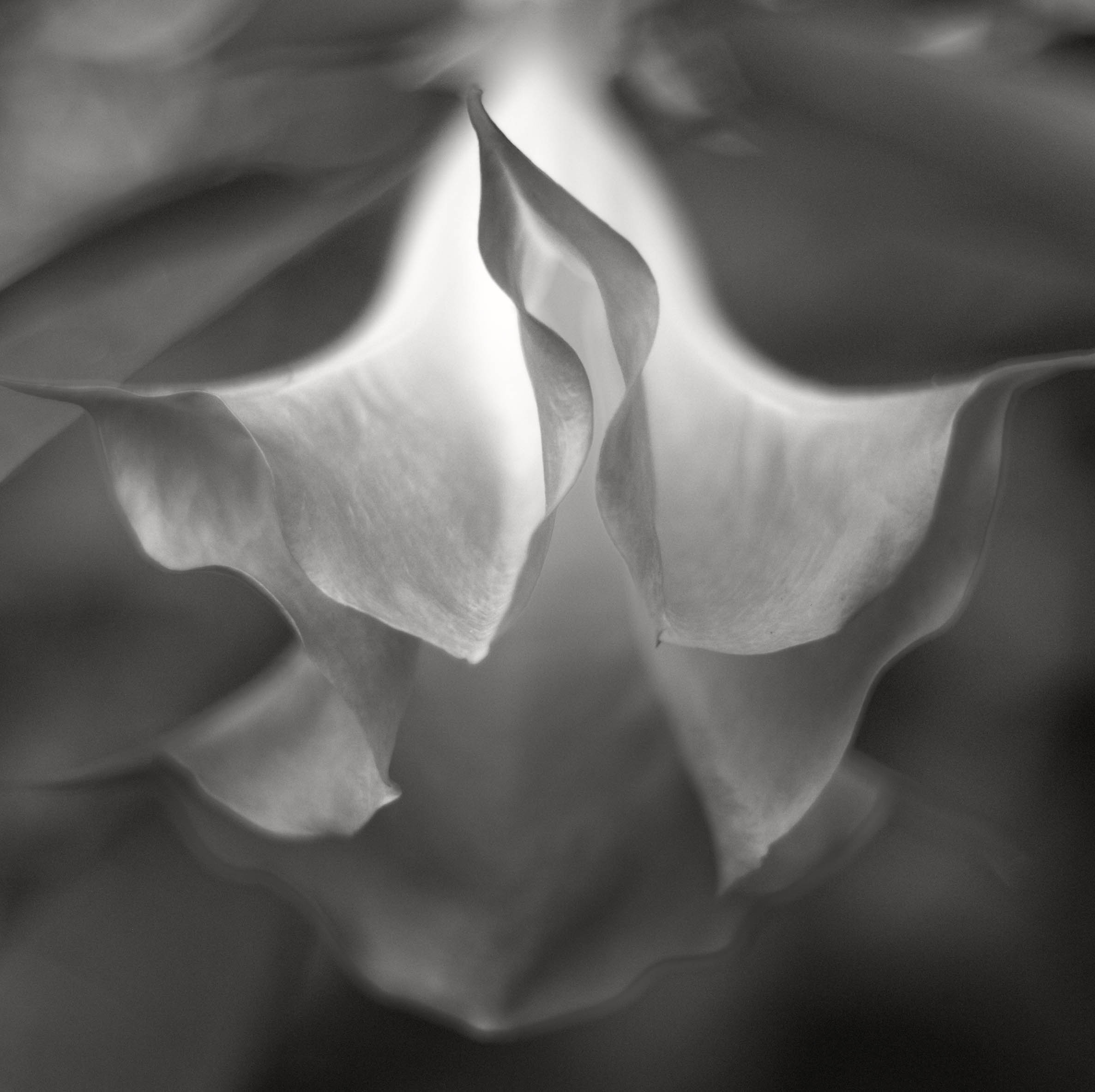
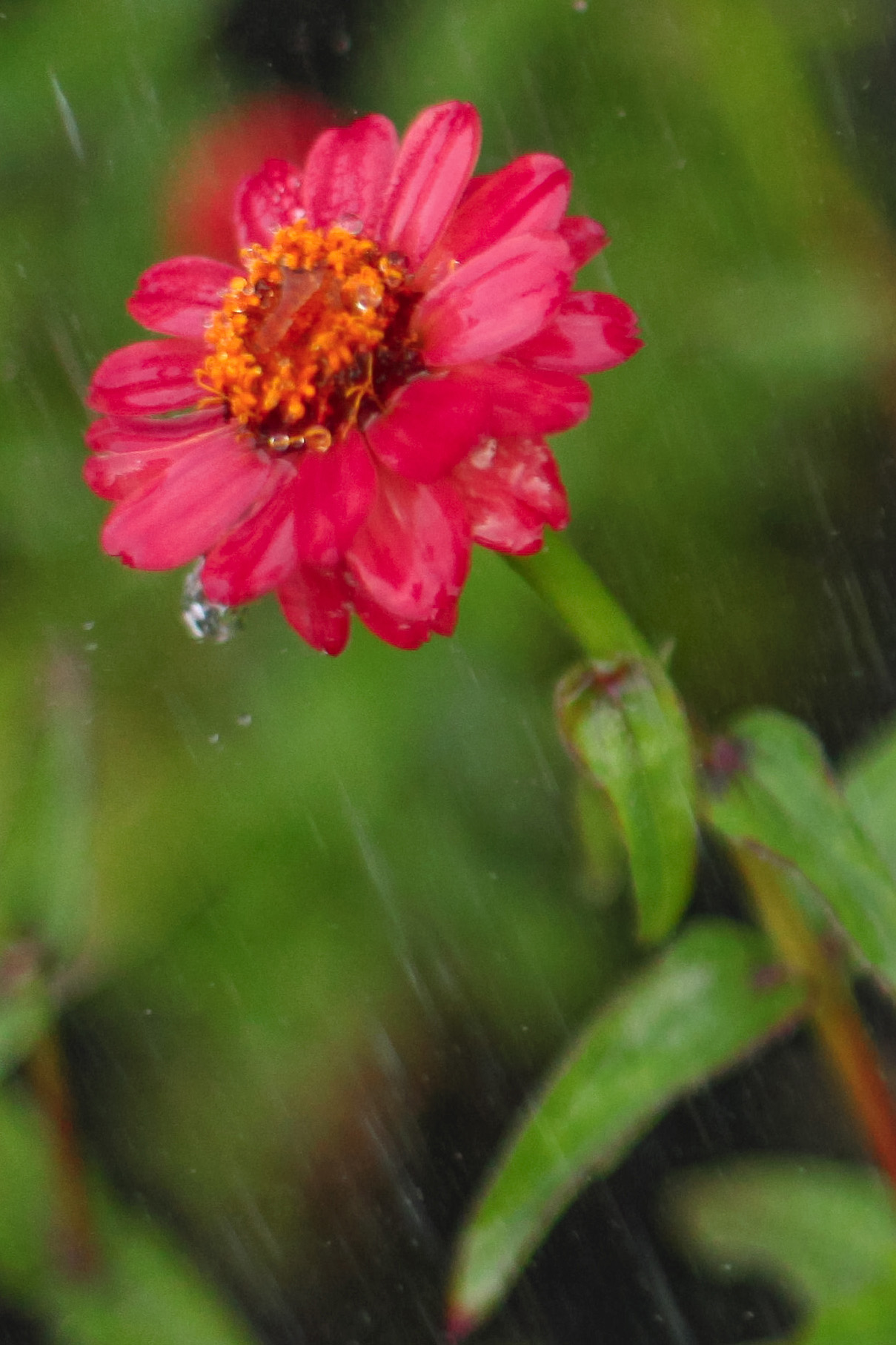
...and I understand that. Of course, an alternative to "leaving" a portion of the flower out of focus can be better achieved through the use of experimenting with lens Bokeh.
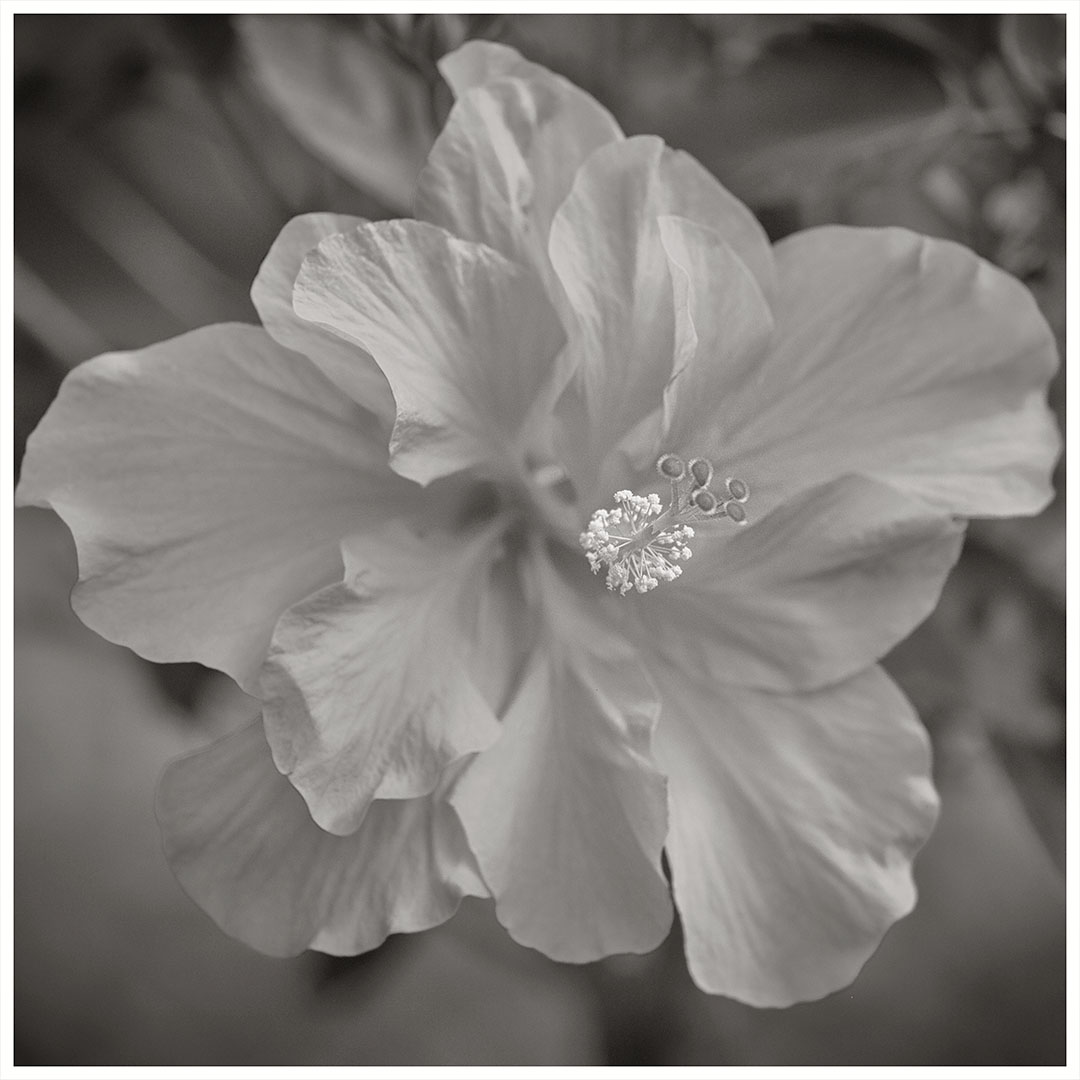
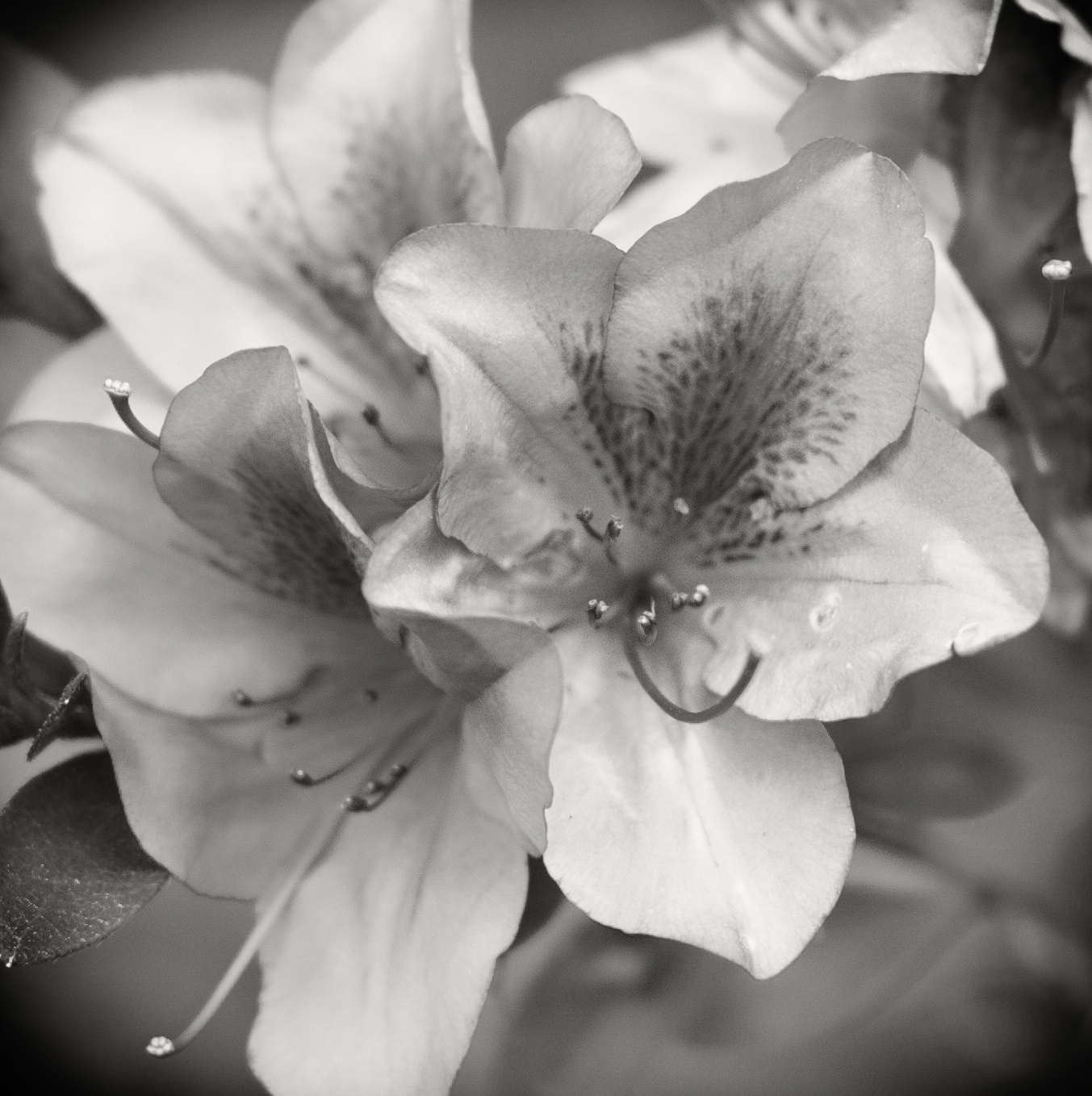
The example I provide was captured with a 50mm lens; getting up close and personal with a back-lite Angel Trumpet revealed a smooth-like grey-scale and gobs of texture. (This example is a far cry from one that reveals perfect focus or endless details).
If you want, you can reach out to me to discuss these processes in more detail: lance.visualizingart@gmail.com |
Jan 11th |
 |
| 32 |
Jan 22 |
Reply |
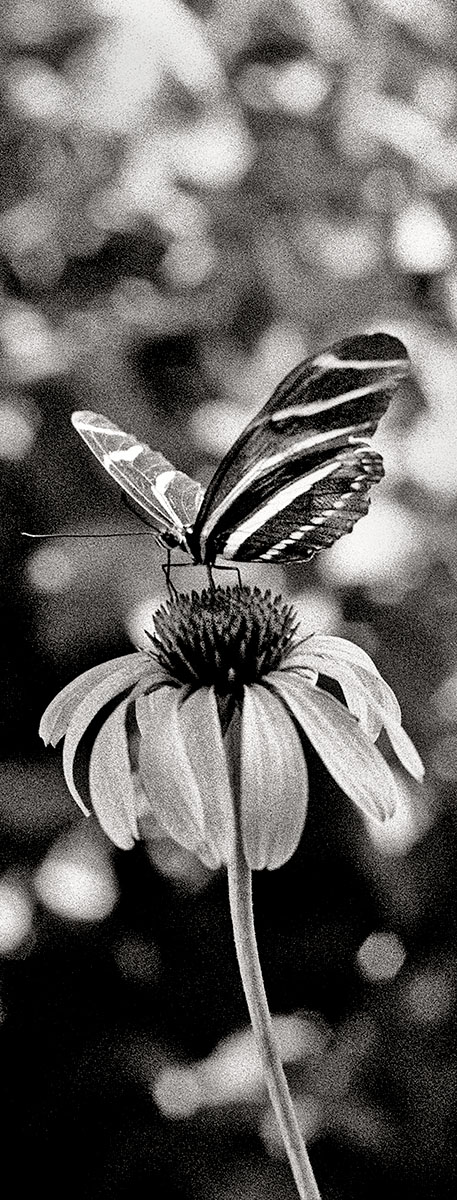
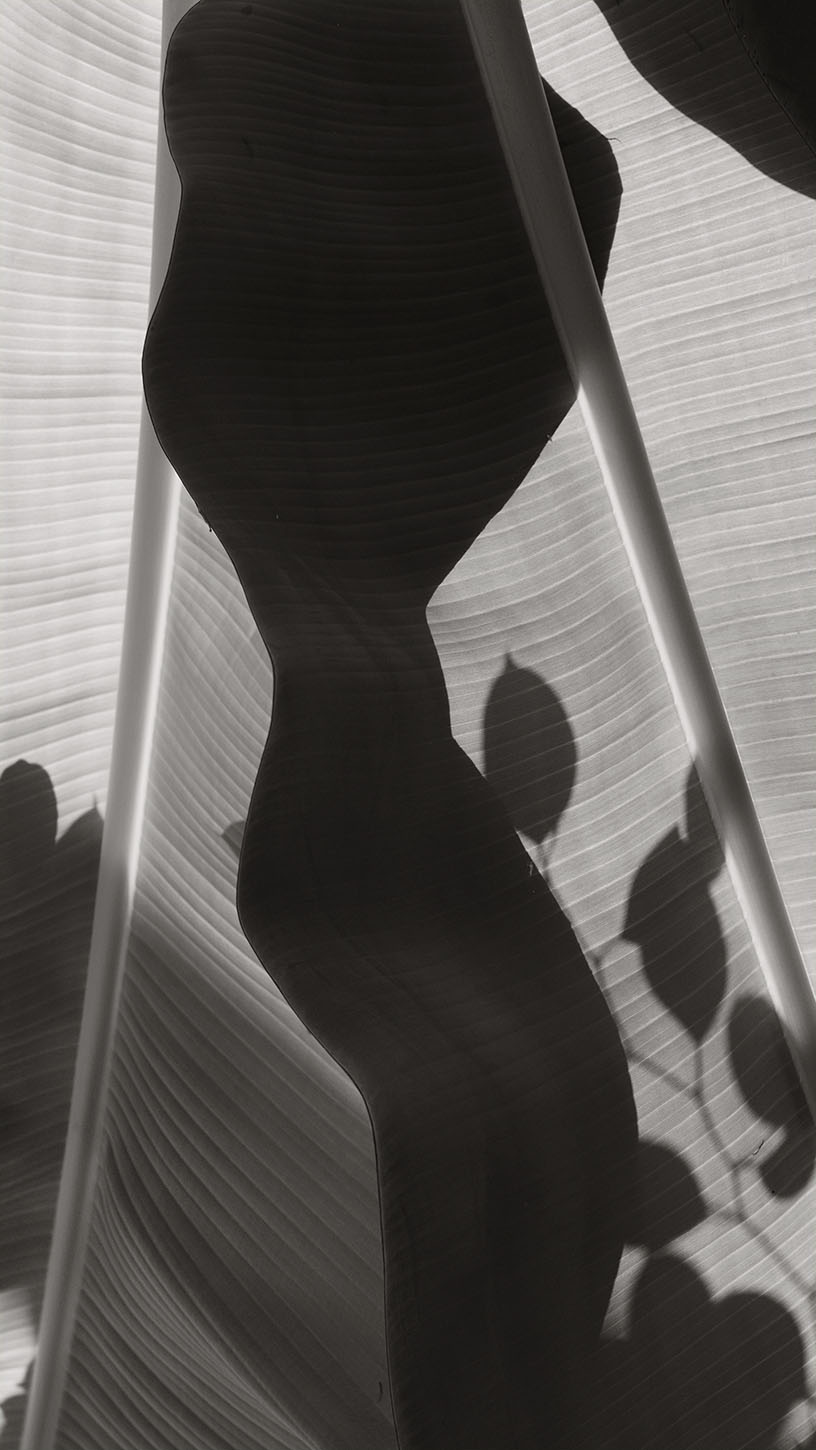
...but the crop is minor, though very effective. I stand by my earlier comment, the narrow print is well conceived. |
Jan 10th |
| 32 |
Jan 22 |
Comment |
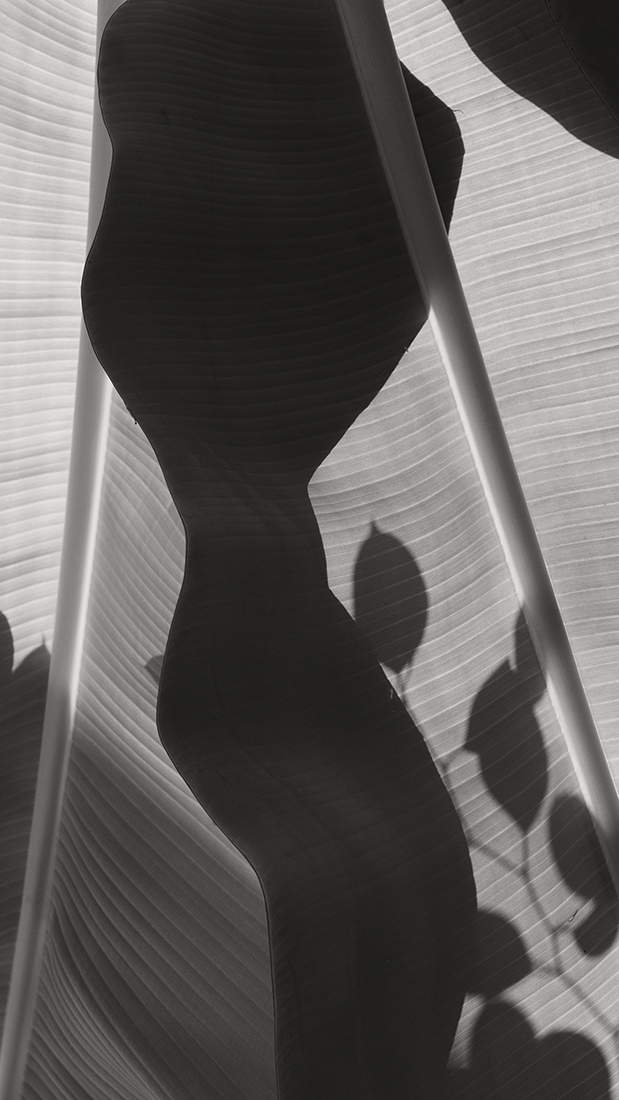
Hi Kym! Simply Brilliant! Indeed, a fine example of using light & shadow creatively!
Thought you may be interested in a comprehensive Lecture on "Illuminating Shadows for Creative Photography" for the Contra Costa Camera Club on January 27th via Zoom. If you are interested, you can reach out to me at lewin.author@gmail.com or the Clubs events director, Helen Sweet, for Zoom link information. Hope to see you there!
website:http://www.logisoftinc.com/contracostacc/club_index.html
Lance A. Lewin
PSA Black & White Photography Director
PSA South Atlantic Area Membership Director |
Jan 9th |
| 32 |
Jan 22 |
Comment |
Happy New Year, Lynn.
I really like the grey-scale/toning in the BW version, it reveals a "smooth" aesthetic; I feel calm and relaxed when viewing it. I have a question: why is a large portion of the flower out of focus even though you took 13 individual exposures? Look forward to your feedback. Thank you!
Lance A. Lewin
PSA Black & White Photography Mentor
PSA South Atlantic Area Membership Director |
Jan 9th |
| 32 |
Jan 22 |
Comment |
Happy New Year, Diana!
I will have to say, quite the contrary to your feelings the BW rending has 'lost something'...instead, I suggest it is much better than the color.
The new (custom) crop really helped define the subject, and the abstract-nature, if you will, of this lovely BW composition: that is to say, it only works as a BW rendering, in my opinion. And your rendering is beautiful! I praise you for seeing this and cropping the scene through the viewfinder, though if cropped in post-production would have been fine, too.
The Grey-scale looks delicious! Well done!
Lance A. Lewin
PSA Black & White Photography Mentor |
Jan 9th |
3 comments - 2 replies for Group 32
|
| 40 |
Jan 22 |
Comment |
Hello, Don!
An interesting subject, indeed. A common scene in most rural areas open during hunting season. Stop signs too, unfortunately get exterminated, as a result of target practice: I am guilty of putting one to rest way back in the late 70's.
Your creative eye composed a most thought provoking image.
"Points to Ponder"
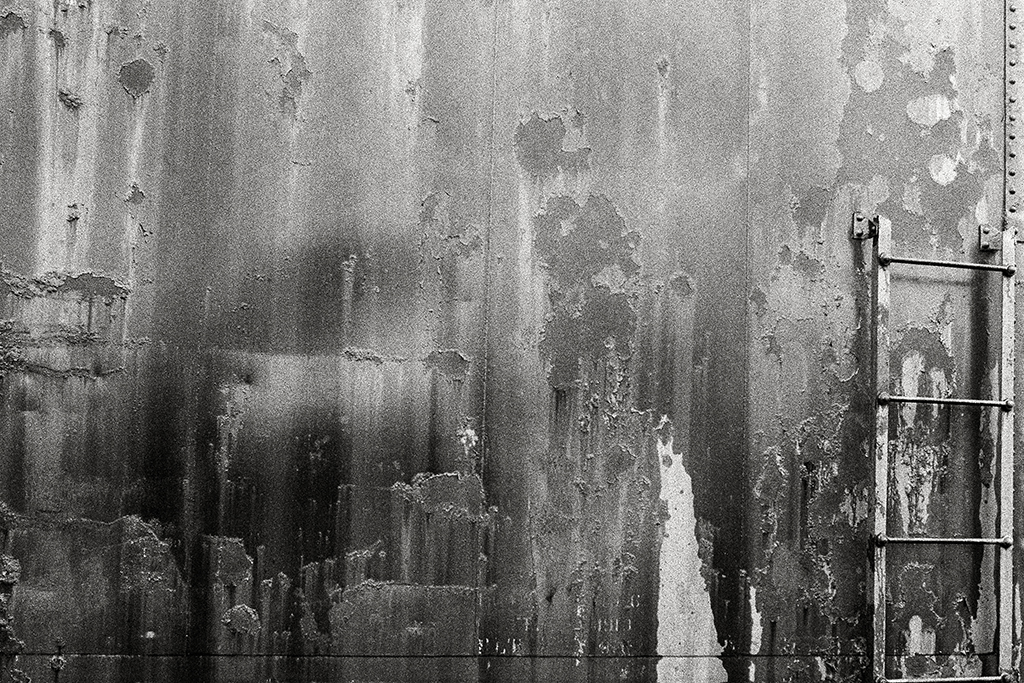
The original BW does not have the textures (as already mentioned) where the color version supplies this most adequately. One reason the BW version seems lacking in this area is the heavy contrast within the bullet holes: perhaps this can be altered if the holes were Dodged or lightened up? The color version presents less contrast in this area and balances more naturally, thus aesthetically pleasing.
On another item, I echo Andrew's mention of providing more "space". I know, abstracts welcome close and personal presentations, but maybe a bit more of the door would have helped balance the holes with the relatively smoother skin of the rusted metal. Just a thought.
I look forward to more from this series of work if available.
Lance A. Lewin
PSA Black & White Photography Mentor
PSA South Atlantic Area Membership Director |
Jan 20th |
1 comment - 0 replies for Group 40
|
| 83 |
Jan 22 |
Reply |
Excellent! |
Jan 29th |
| 83 |
Jan 22 |
Reply |
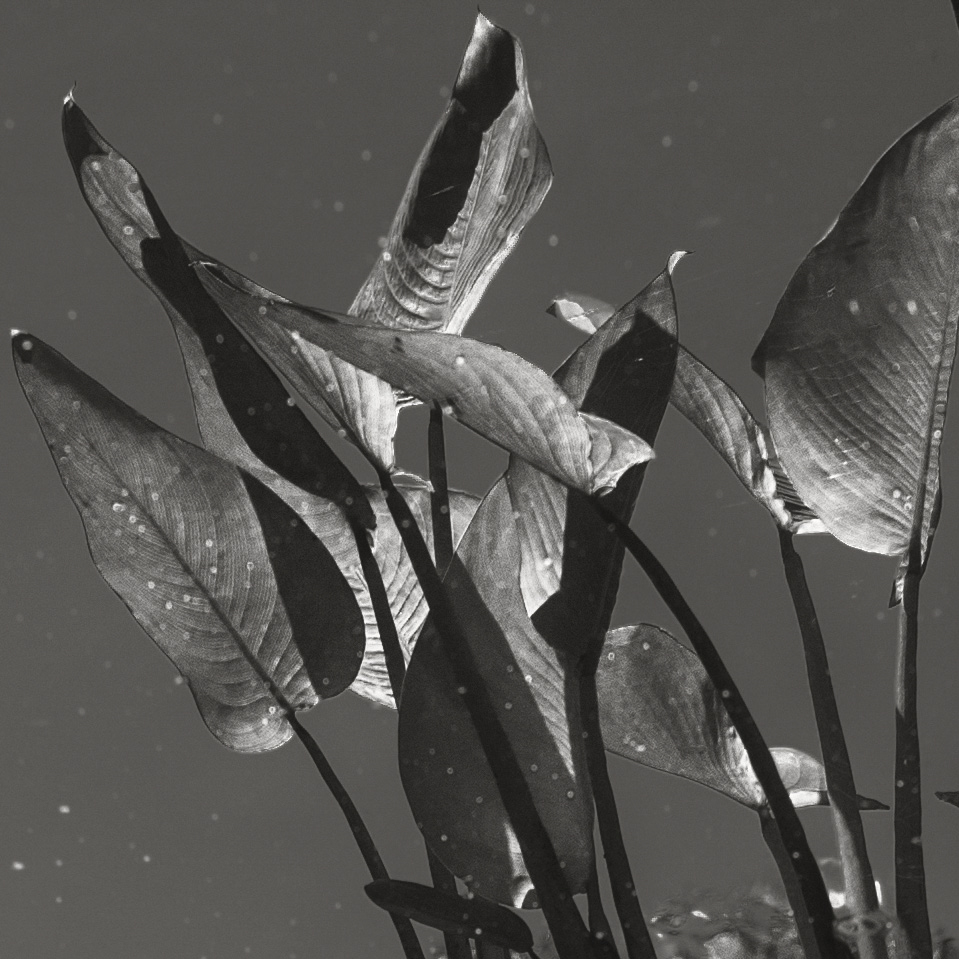
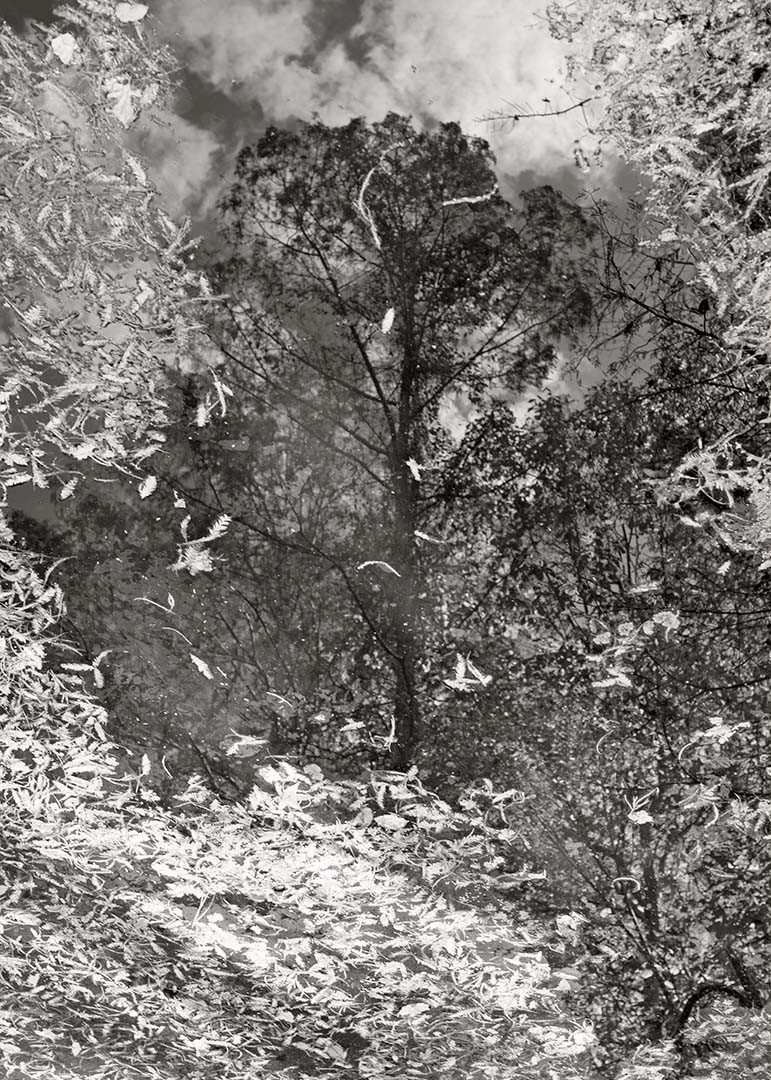
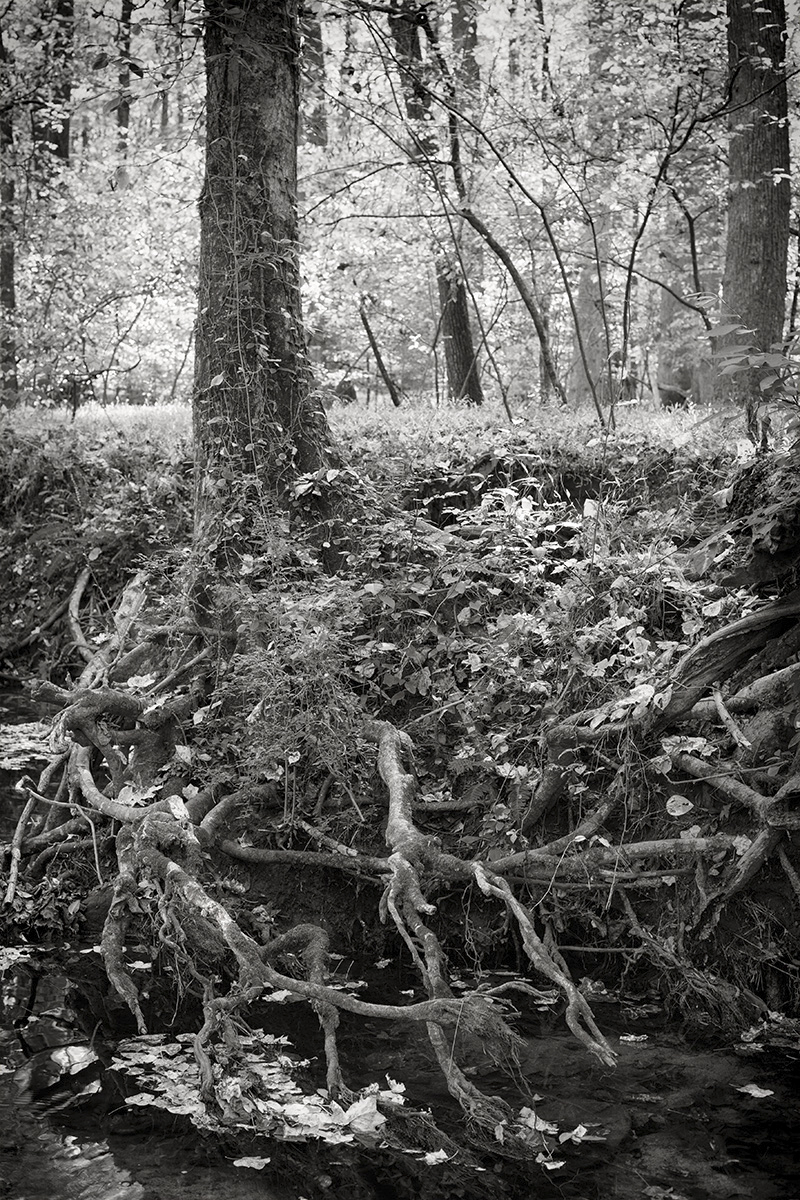
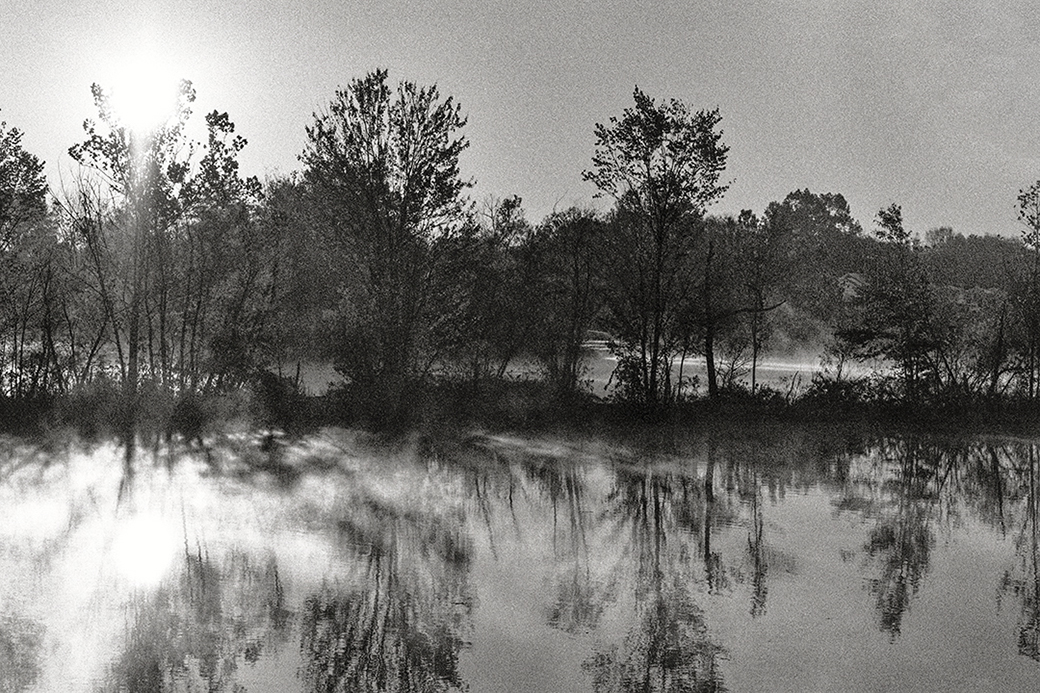
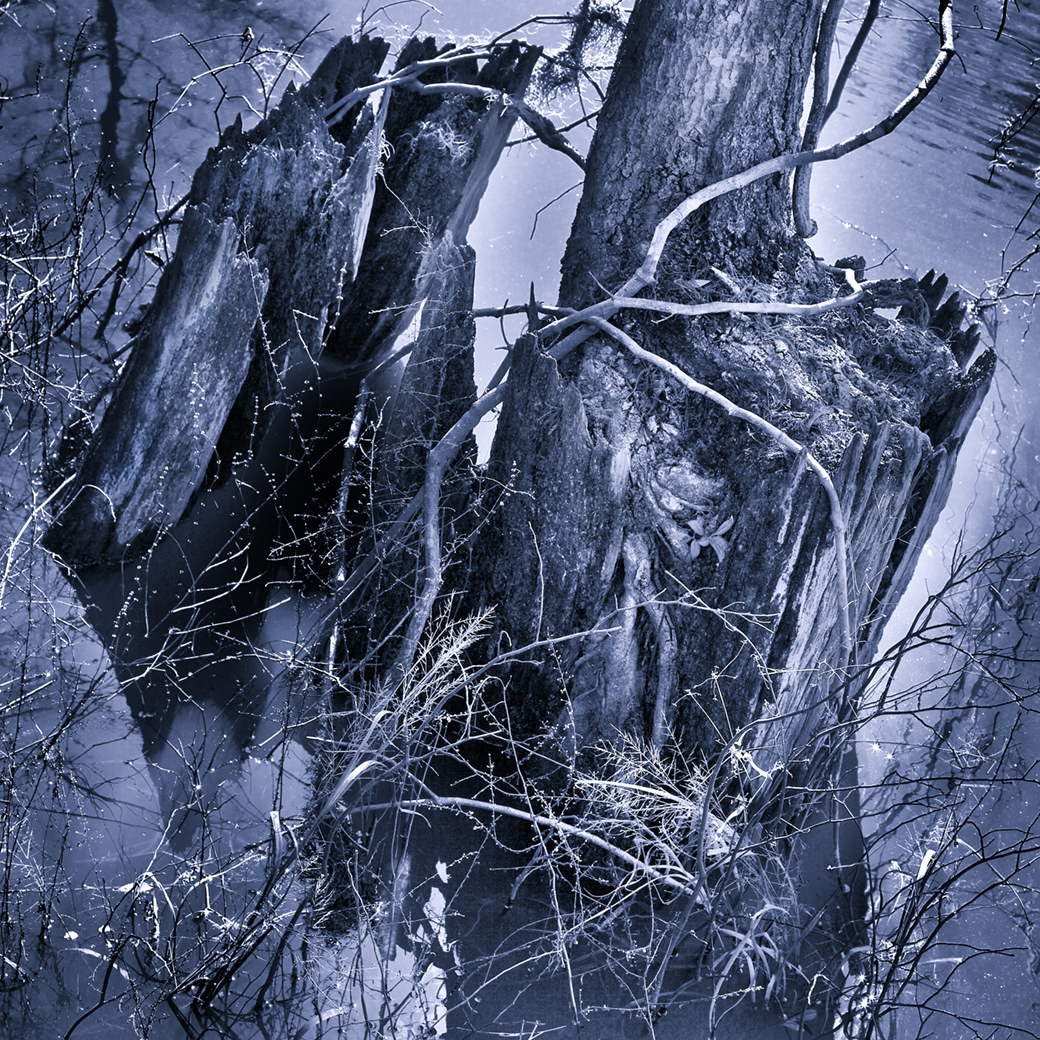
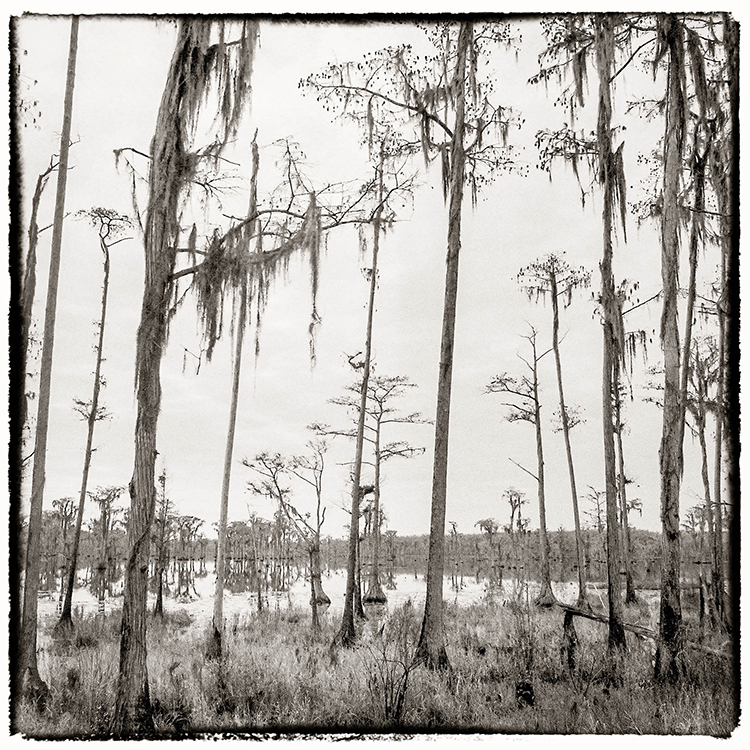
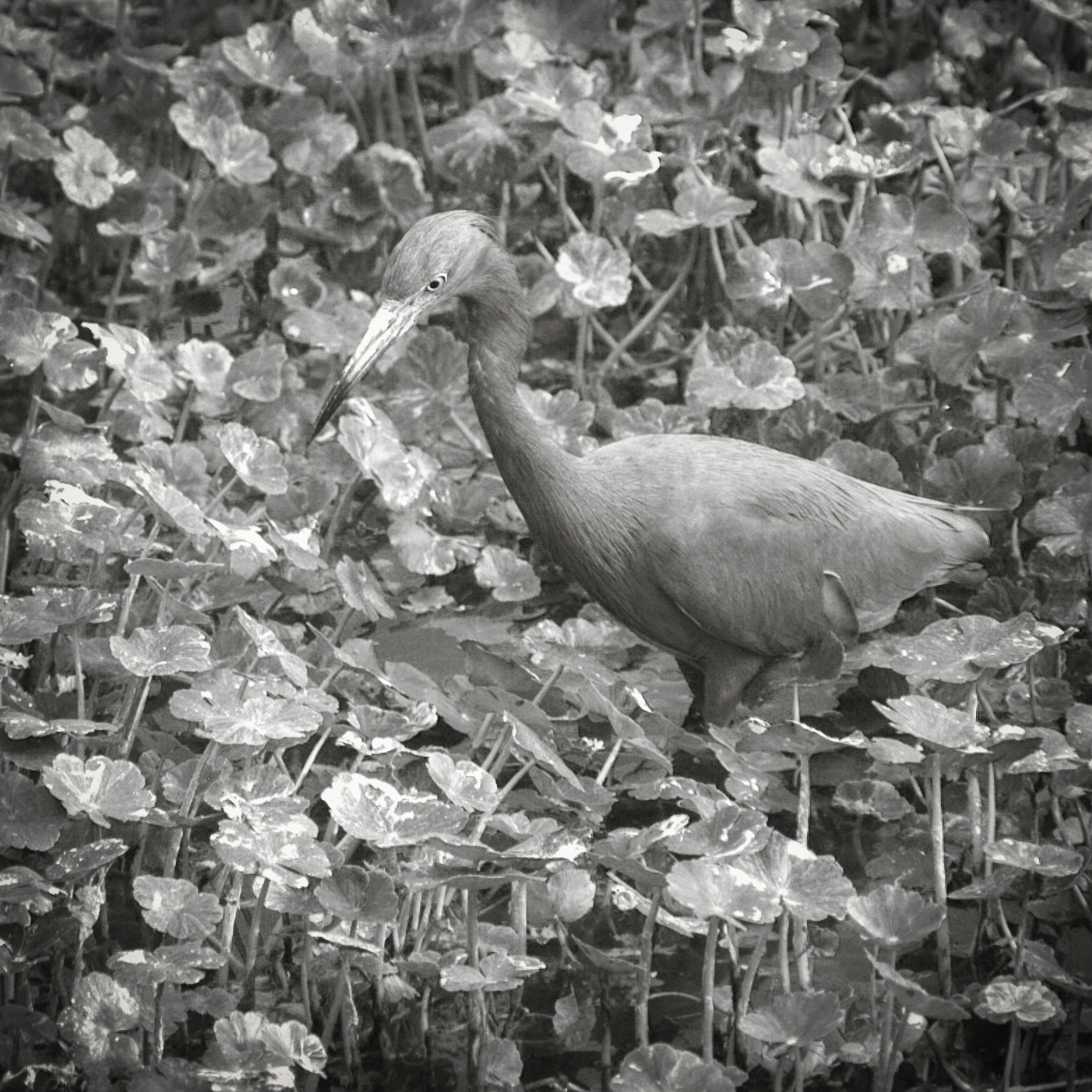
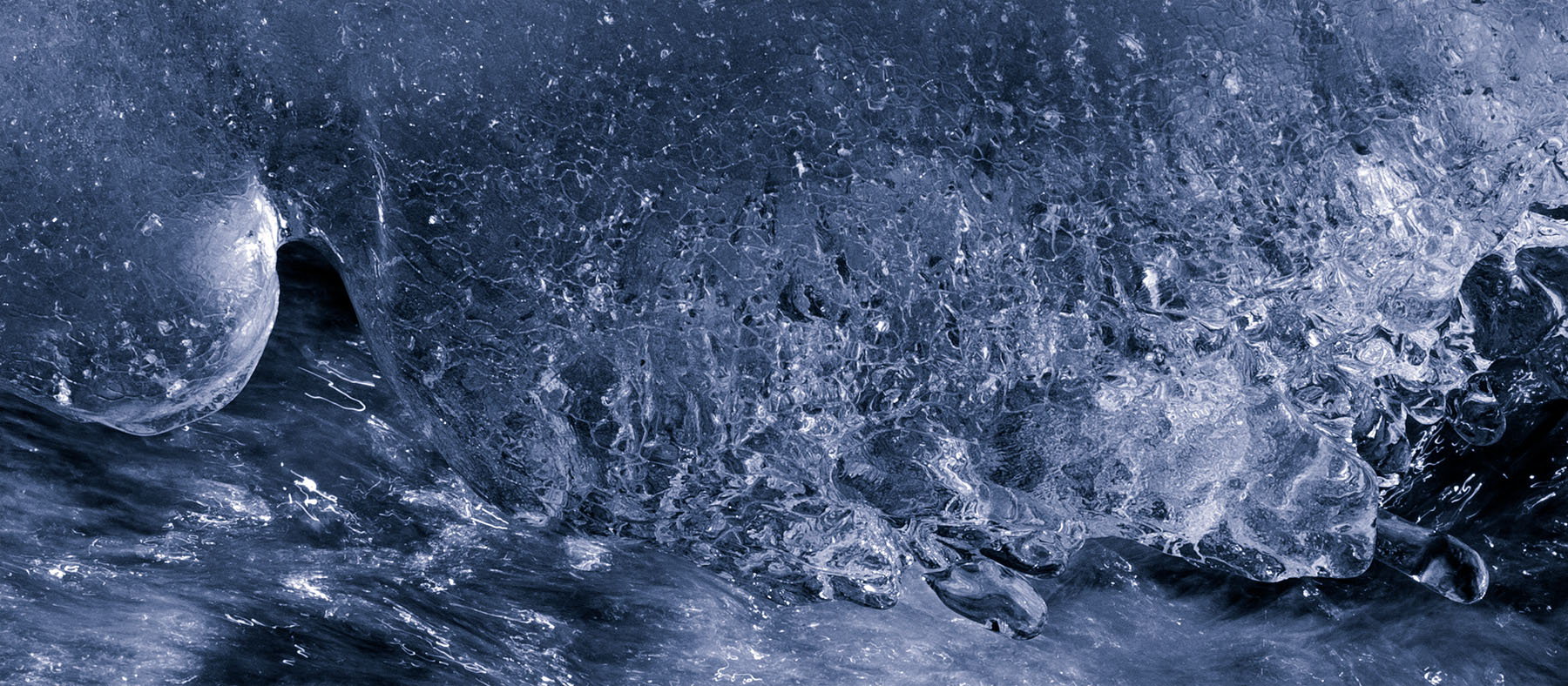
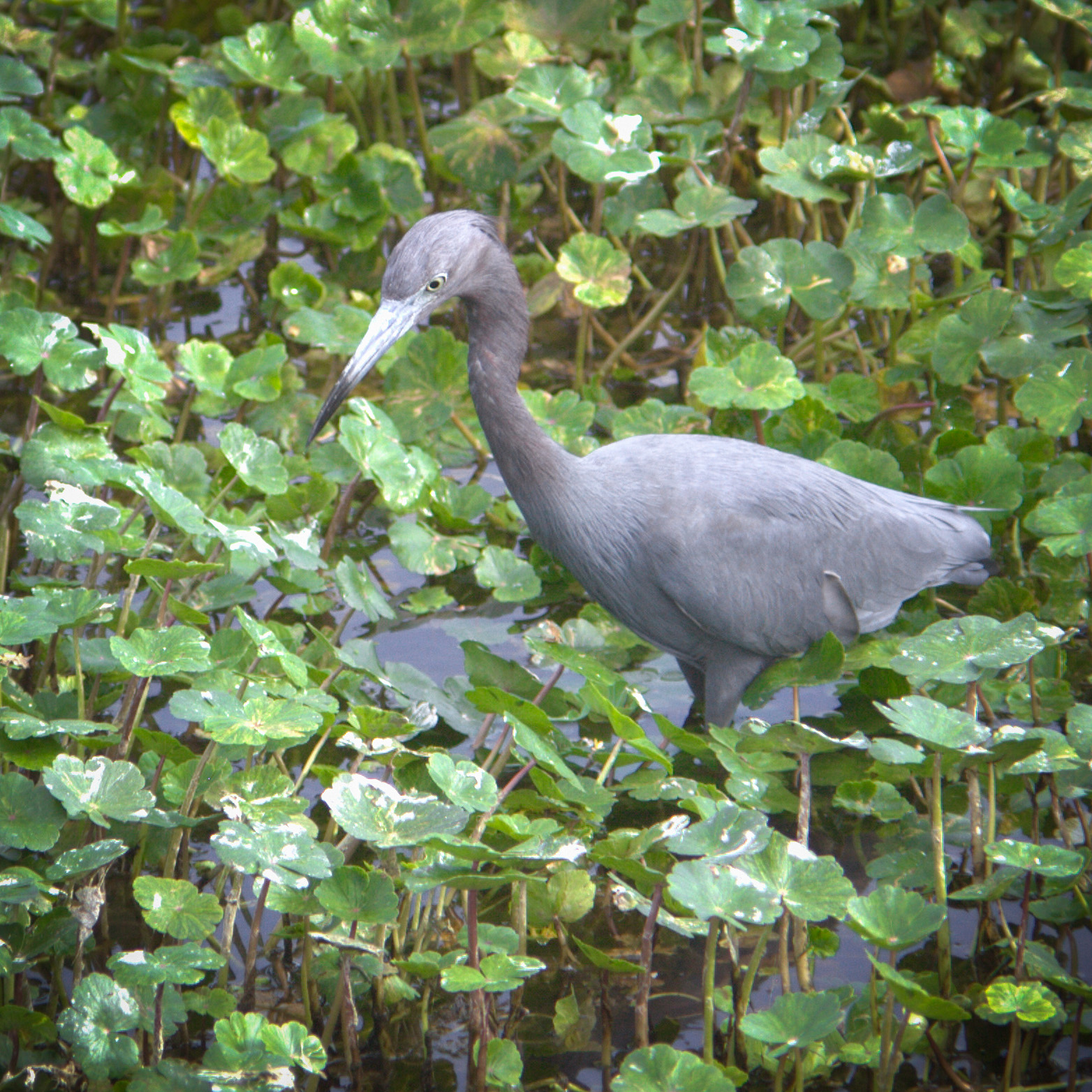
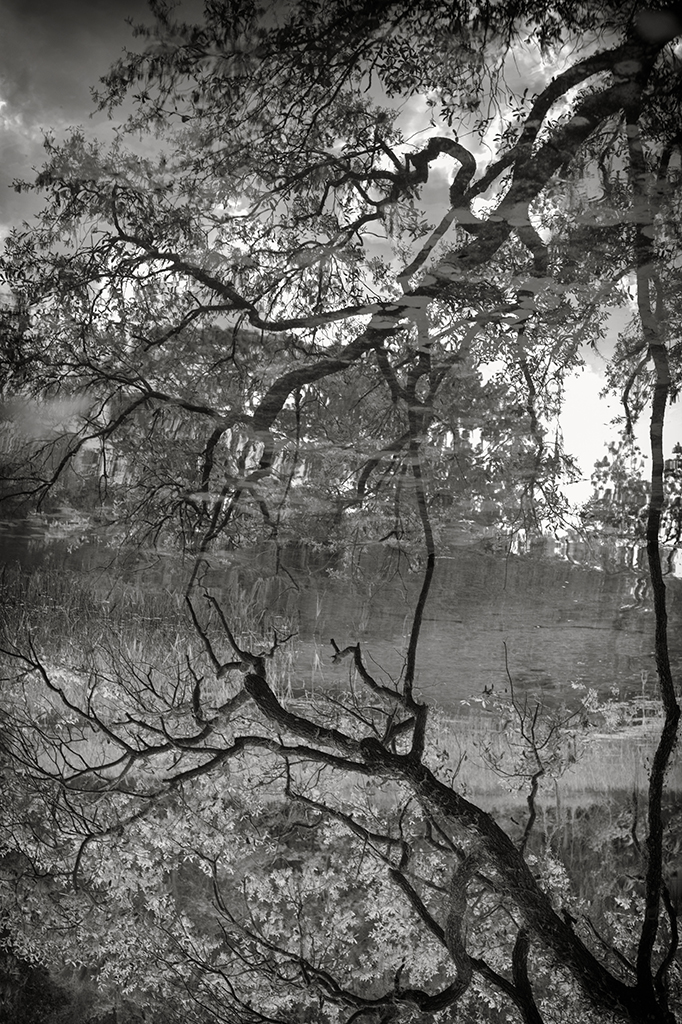
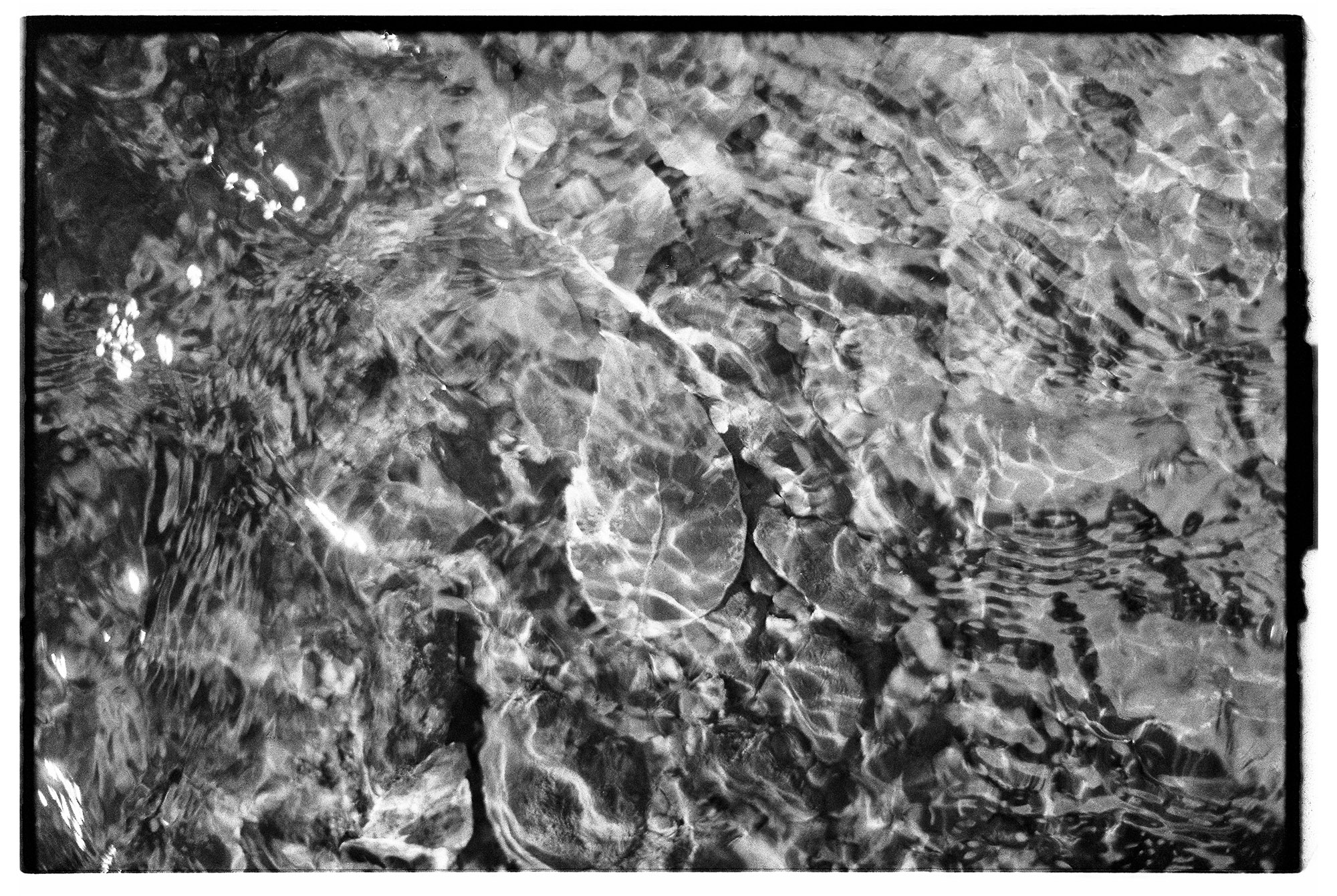
Good "early" morning, Dianne! Thank you! It is so much fun to go out and, "visualize" or become one with your immediate surroundings, from there, the often unseen come into focus. Here, I very slowly, waded through shallow water to find and capture this subject.
I look forward to reviewing your captures in the future. Thank you for your generous comments. |
Jan 29th |
| 83 |
Jan 22 |
Reply |
Jose brings up a very important point that is often left out in a lot of "Series" like presentations: "consistency in the presentation".
Dianne, if, and when you ever decide to present these works, (and others you might capture from this location in the future) maintaining the same Tone is very important. Also, I sometimes see artists presenting a series (or any type of exhibition) but with using different frame of matte colors/styles, and this is another area that must be treated with care. |
Jan 23rd |
| 83 |
Jan 22 |
Reply |
Yes, I wish the light-sheet had reflected differently, as it was hard to find definition in the leaf - which is my solitary subject. I thought about adding "structure" to the "sheet" of reflected light but that is far too much, and unnecessary manipulation for my taste. However, I may experiment just because, as they say, at some later date.
Thank you for your constructive comments. |
Jan 23rd |
| 83 |
Jan 22 |
Comment |
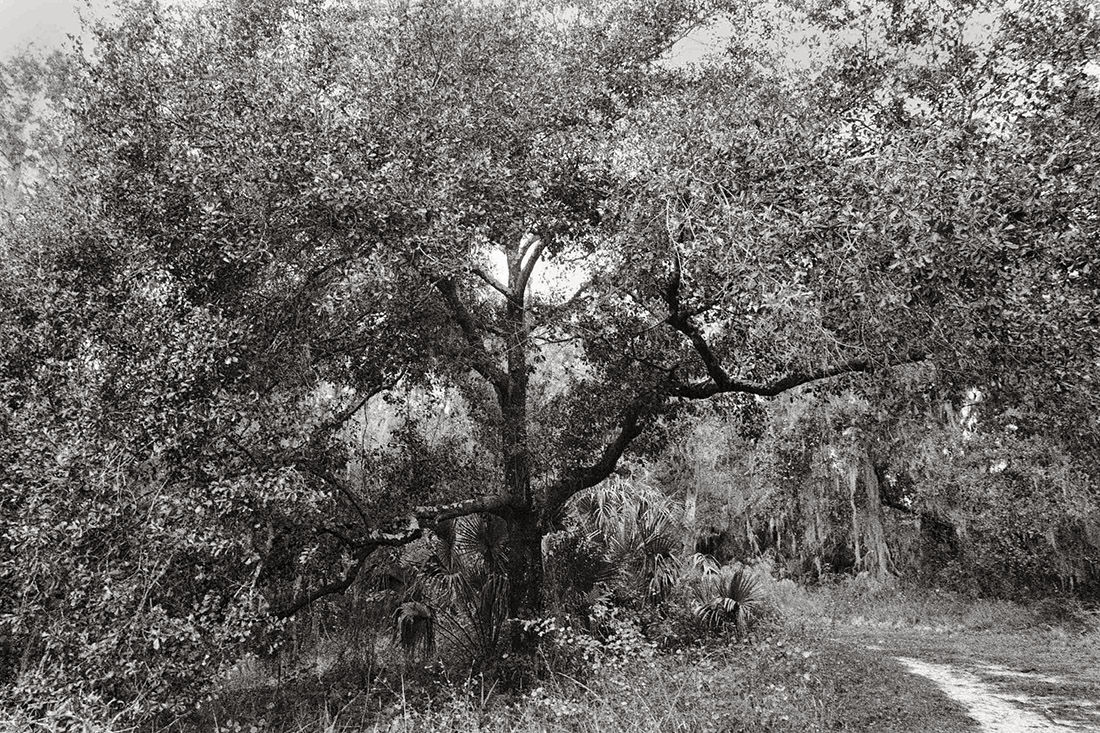
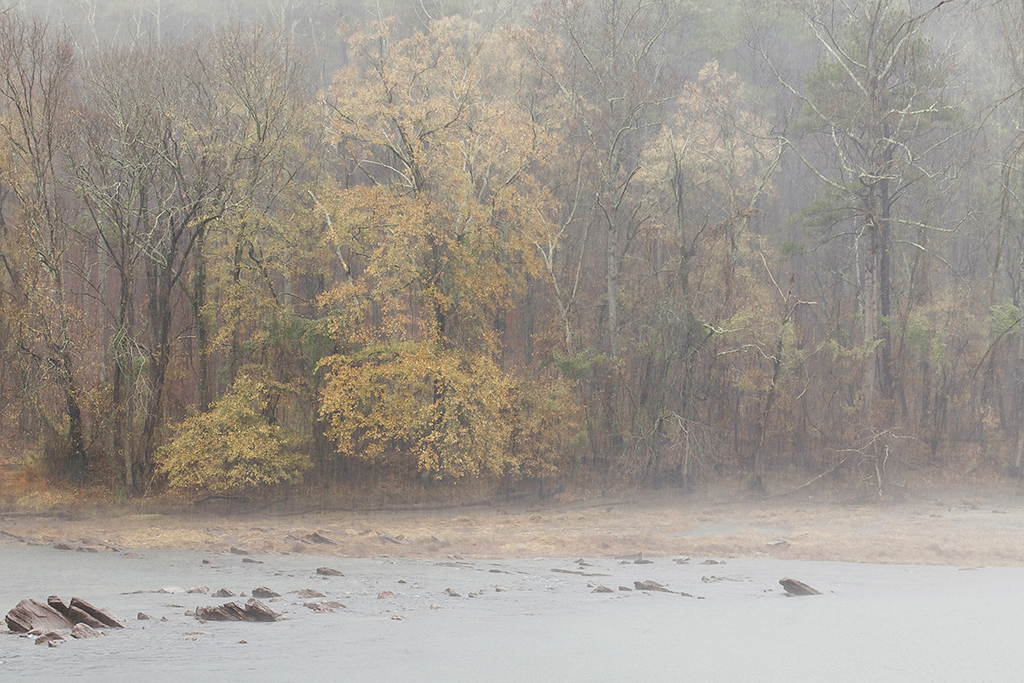
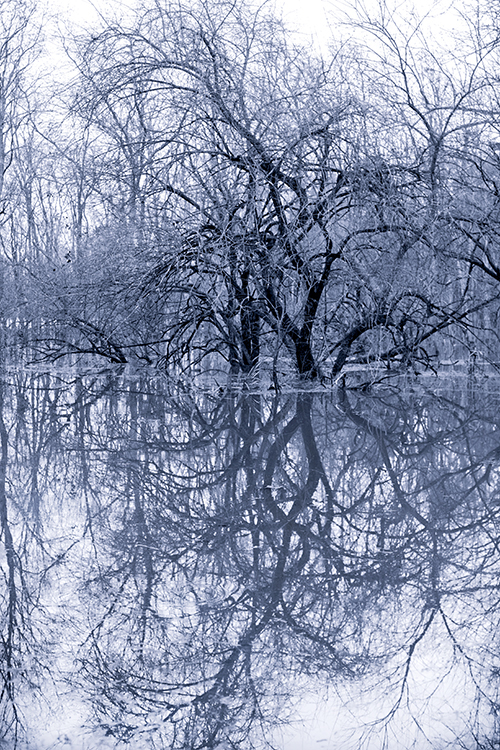
Dianne, I really like how you captured the mood; it is clear this the atmosphere you captured on site at the time of capture.
In this case, this pictorial rendering is a product of the wonderful visual narratives Mother Nature offers those willing to work hard to find the location, choosing the time of day or night to eloquently compose and capture the shot.
My two favorites are the featured piece and the one with the tub in the foreground.
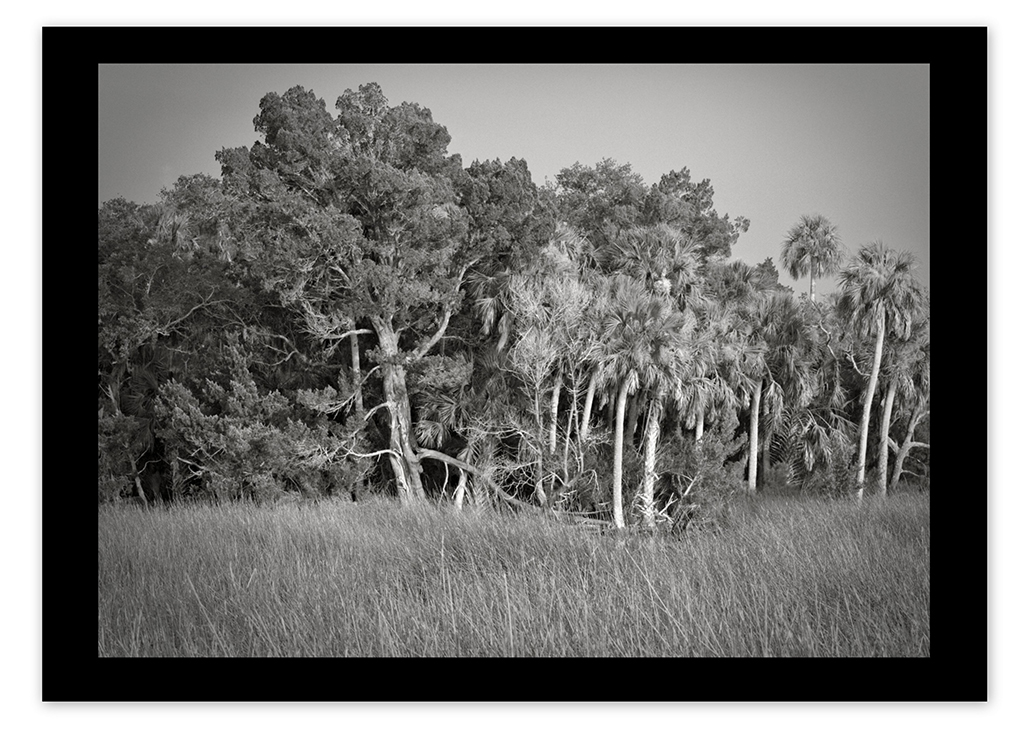
1. the featured photograph reflects a very mellow, soft light, and the Toning is well representative of the atmospheric conditions that likely revealed the pale yellow light from diffused sun rays. The Toning very much sits well with this particular scene. The shimmering brightness is well balanced against the otherwise midtown range that predominates the scene. (However, I do suggest to make less or no Vignetting).
2. the "injected" tub presents, what I like to call, a "positive-distraction". In this case, the juxtaposition of the tub against the prominence in the wooden structures, creates all sorts of interesting and fun narratives viewers' will contemplate.
|
Jan 17th |
| 83 |
Jan 22 |
Comment |
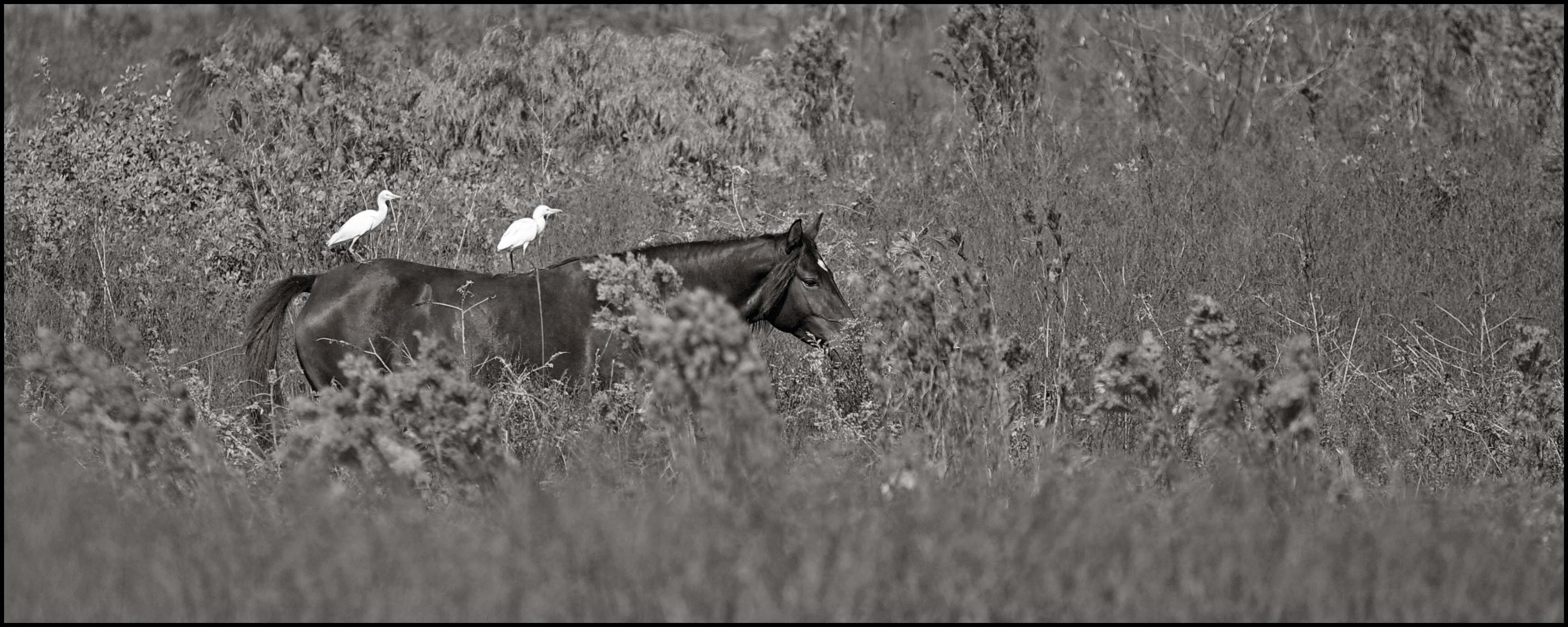
Jason, a very fine composition! Amazing to be able to capture these two beautiful animals in this seemingly posed shot...what is also amazing, you must have been very close, as this was captured with a 38mm lens!! Wow! So, what allowed you to move so close to these guys without scaring them...I mostly see work like this captured through 150mm or longer glass.
In any case, the work is well framed and processed. Well done!
|
Jan 17th |
| 83 |
Jan 22 |
Comment |
Pretty Animal! A lovely Portrait and I am sure the owner was pleased with this piece.
However, I may suggest the trees are interrupting the composition by "competing" with the horse: here, the complex nature of light, shadow and texture are too closely mingled, thus producing undesirable "confusion". The white portion of sky is also competing for prominence, and this too is conflicting.
It is always important to pre-visualize background-information and its place within the entire (planned) composition. Here I am afraid, we need a better location or user position to pull off the shot more successfully. |
Jan 17th |
| 83 |
Jan 22 |
Comment |
Amazing imagery from a cell phone! Close up and personal in this abstract-like rendering, though we clearly see it is a close portrait of a flower. Well conceived and composed!
However, I must suggest joining the "Cell Phone" Digital Dialogue group as the conversations in this space is dramatically different from that one. And the reason these special-interest groups have been formed.
Let us keep this space for conversations on compositions captured on larger photographic platforms like 35mm, Medium and large format work, regardless if film or digitally based. Thank you Debasish, everyone. |
Jan 17th |
| 83 |
Jan 22 |
Comment |
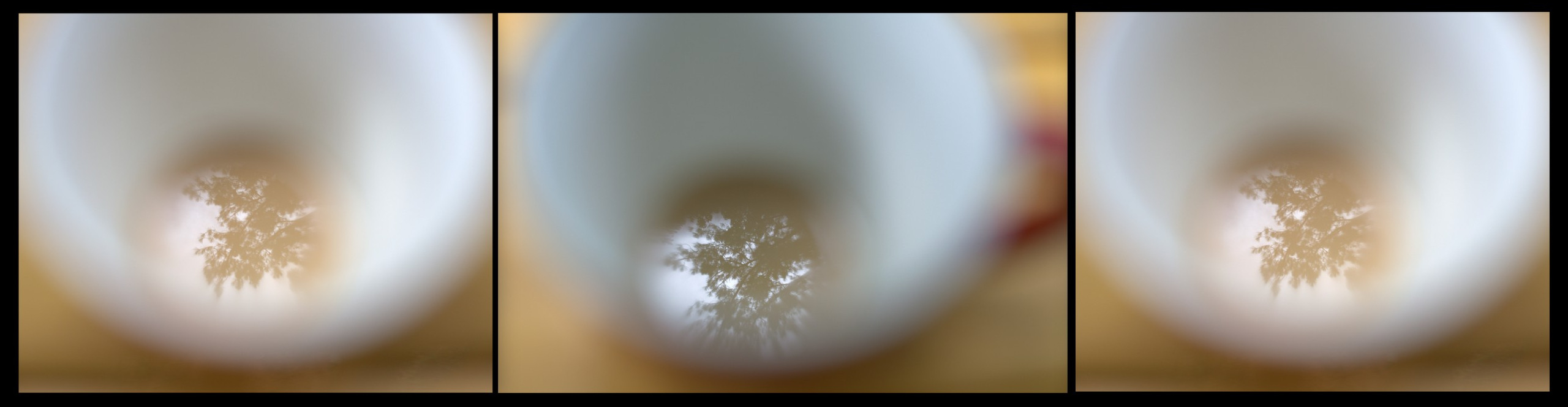
Happy New Year, everyone! So we are clear, Dianne's presentation for January includes all four photographs from this location and so she is looking for input on each, and how they work together. Thank you! |
Jan 7th |
5 comments - 4 replies for Group 83
|
| 87 |
Jan 22 |
Reply |
Understood. Look forward to seeing more like these from you. |
Jan 15th |
| 87 |
Jan 22 |
Reply |
...these are really good talking points, Steve.
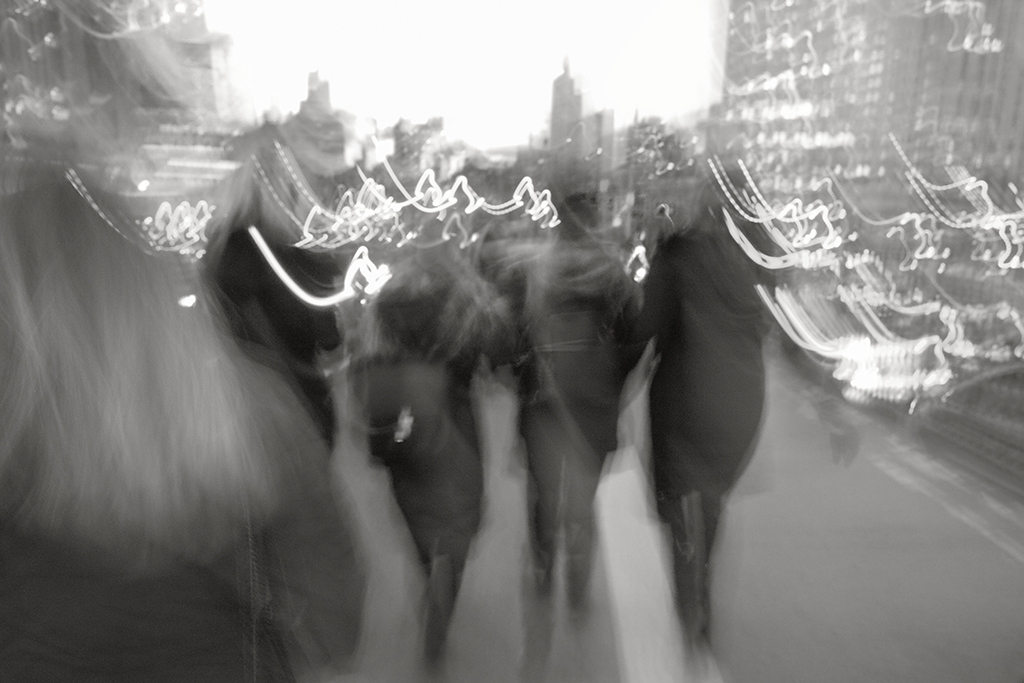
We must admit the technique is "cool", as such, gets a lot of attention, as do other digitally inspired techniques born from 21st century photography. But as you say, many photographer-artists may be too caught up with the "coolness" (and the automaticity) these techniques provide.
This is why I stress teaching "traditional-classic" methods for students of photography, and only later delve into the more modern and unique actions revealed through digital (and AI) programs and techniques. I suggest the aforementioned "classics" are foundations where new and experimental ideas/techniques can be built upon. In this way utilizing one or the other method ideology attains better focus between the two: a more objective review can be appreciated.
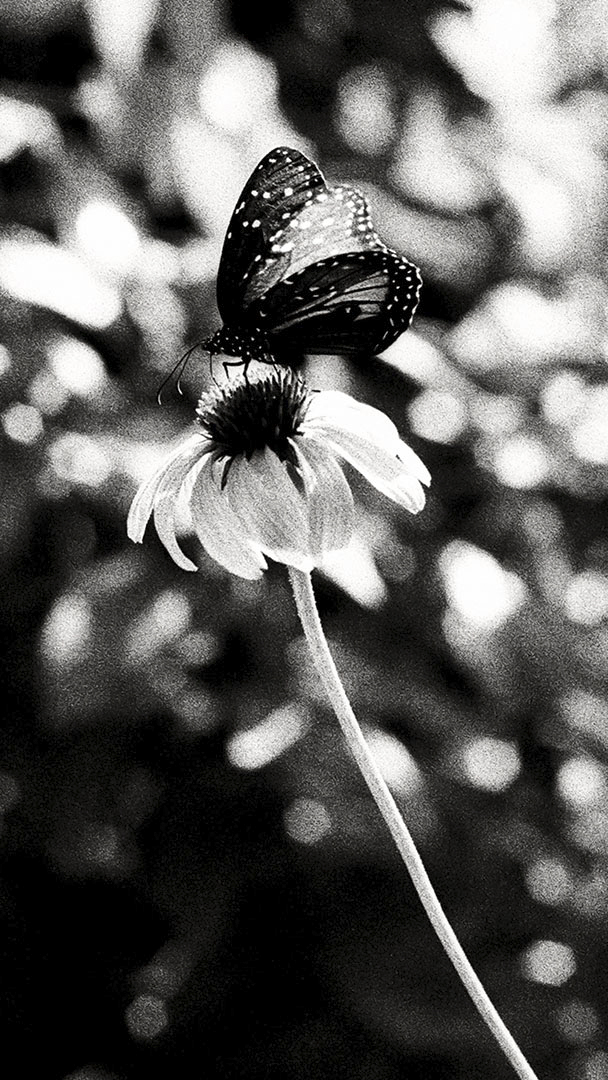
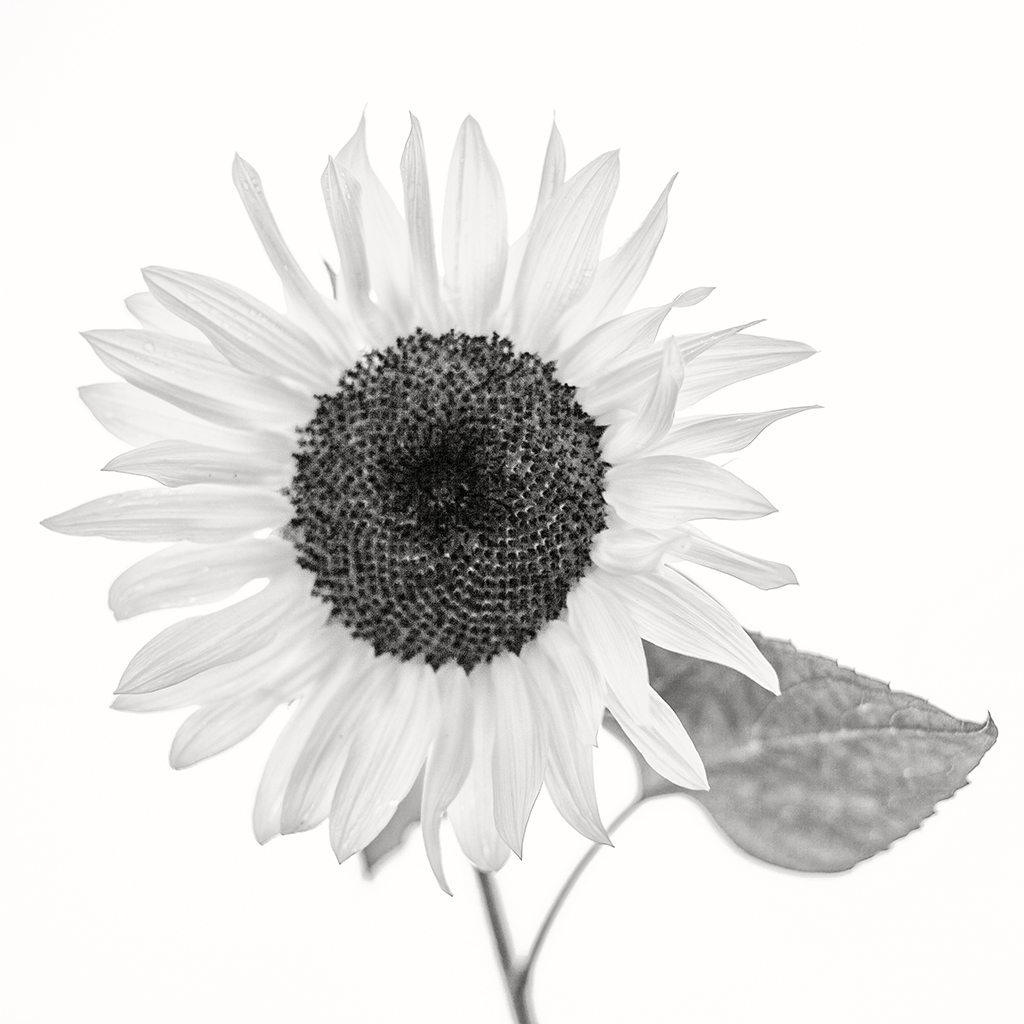
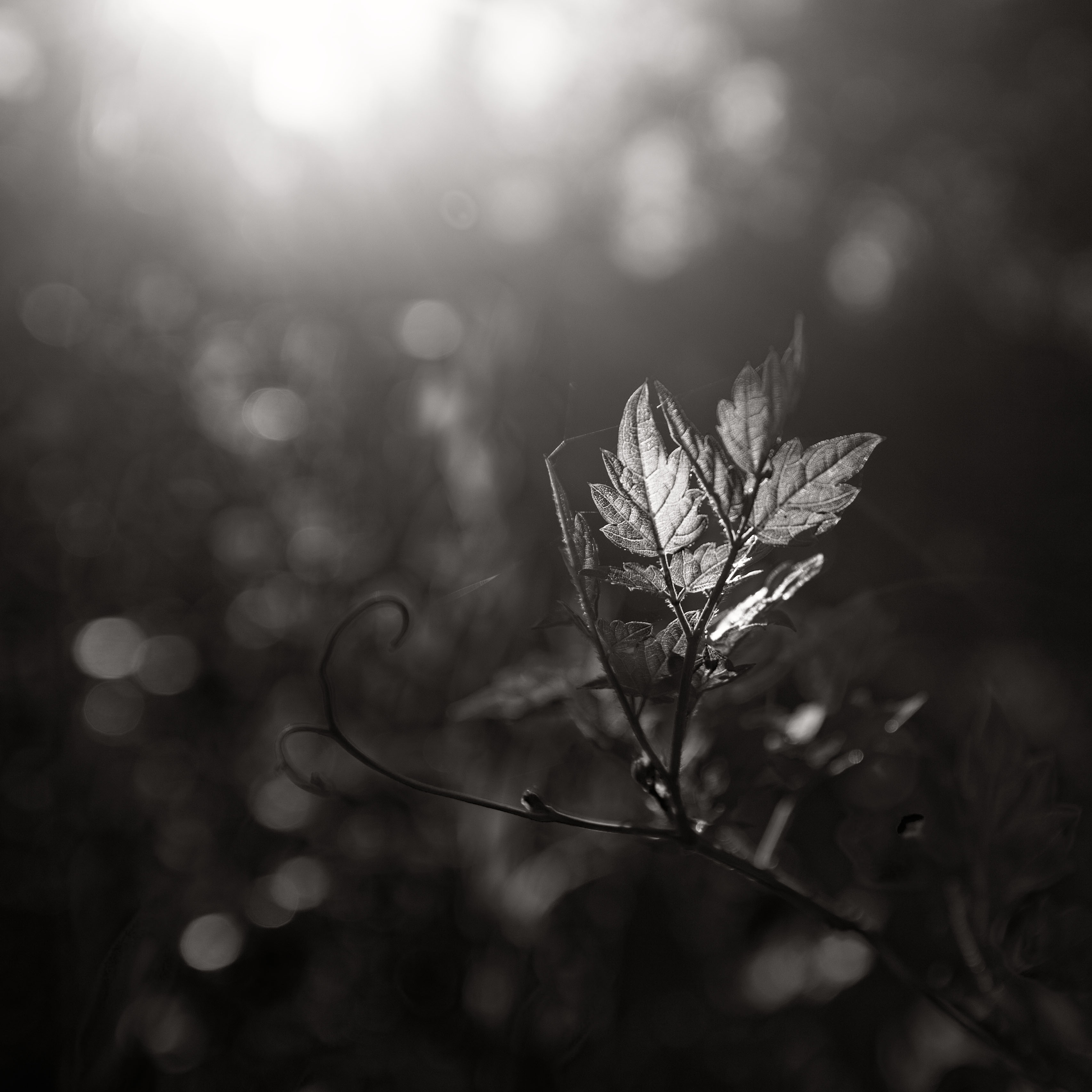
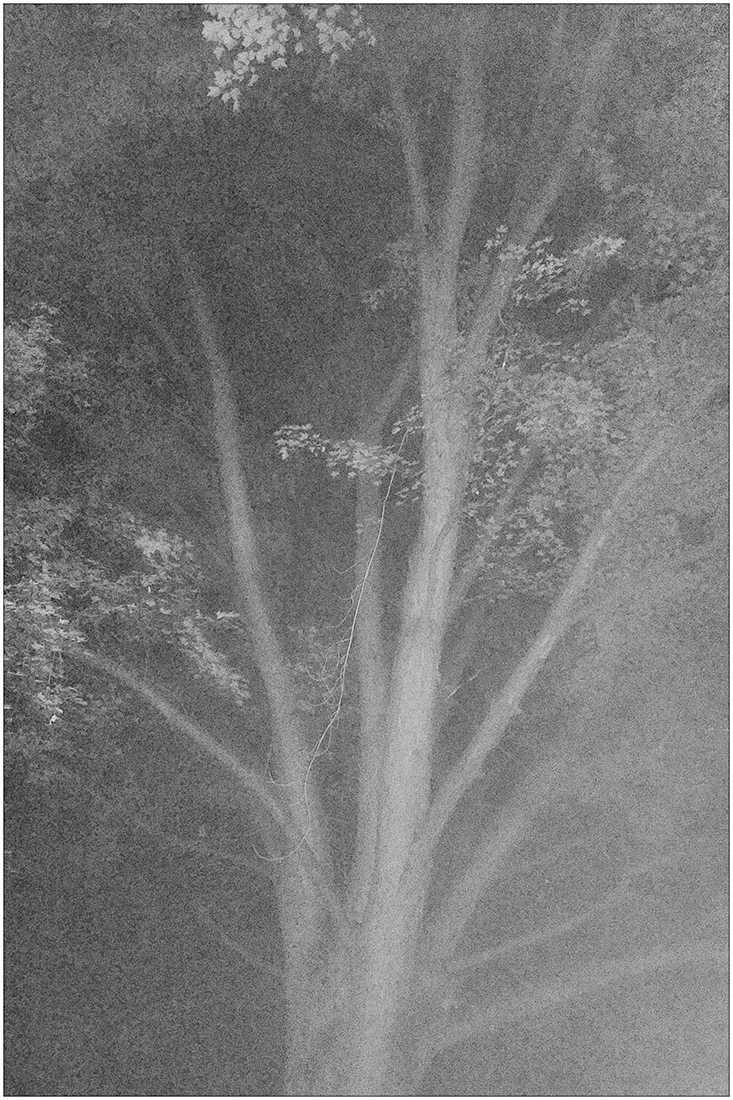
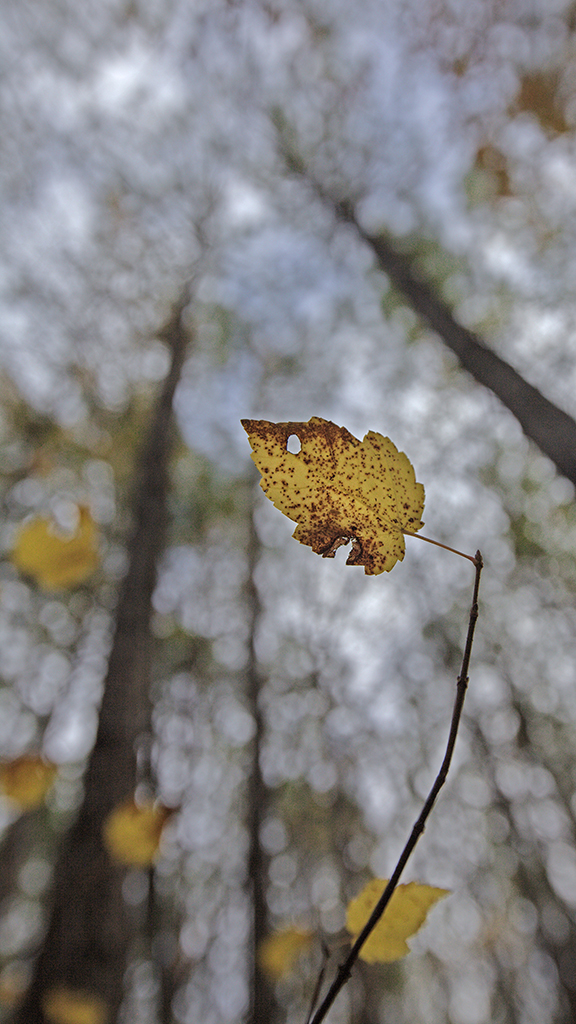
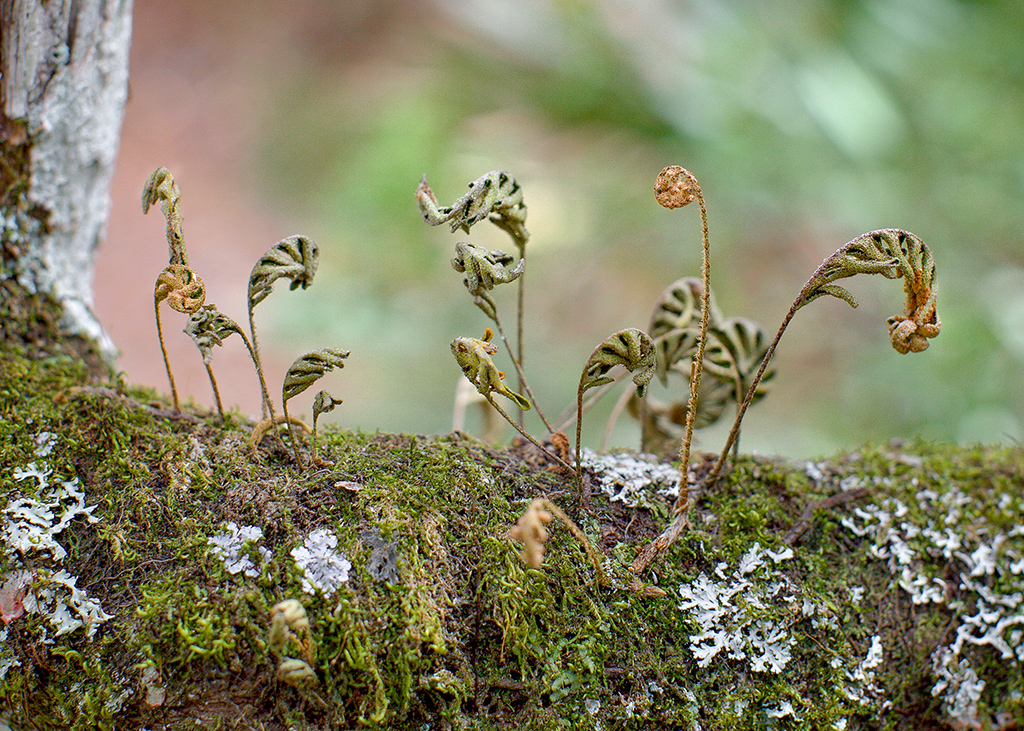
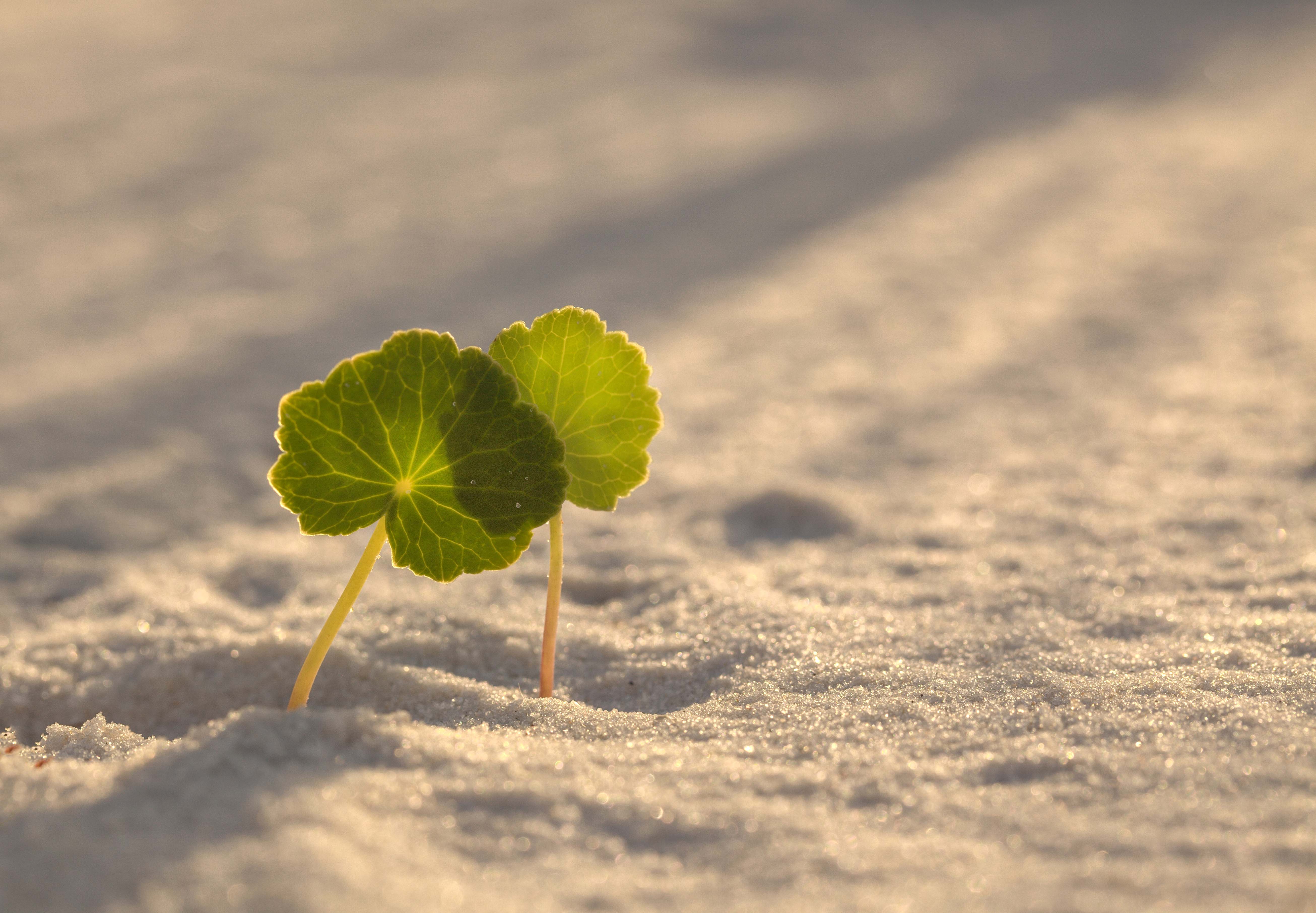
The attached Abstract was created through the lens with wide open aperture and back-lighting from an early morning sunrise. Together, with a slightly "noisy" ISO-640, provided depth, soft tones and luscious texture. Alternatively, I could have used a smaller aperture and defined a different aesthetic: one that reached deeper in focus and perhaps bring the subject from Abstract to a more Illustrative narrative. Using focus -stacking could have revealed similar results, but arguably, more arduous steps to achieve it.
Indeed, a conversation worth exploring deeper. |
Jan 15th |
 |
| 87 |
Jan 22 |
Reply |
...it is most definitely a work in progress, as these techniques are relatively new and technically challenging. I look forward to seeing you continue and refining your technique. |
Jan 14th |
| 87 |
Jan 22 |
Reply |
Good questions, Cindy.
Everyone has there own priorities as it relates to photography: I am a dedicated photography-artist. As such, all my trips are prioritized around photography: that is, we only move about "manually" (or freely) and never with groups. Of course, photography sits at the heart of my work, so my agenda and schedule are much different from yours, for example.
This said, not everyone who enjoys photography has the time or schedule to work in this manner, and
using Auto-ISO is perfectly fine and in your case sounds like a viable option to capture subjects and events within the scope of your travel plans that you describe above. By all means, shoot only in RAW so post-production results are at their optimum.
However, when traveling more locally and without an organized group or tour, practice choosing ISO settings manually; values relevant to the scene. It is the only true means of learning, not just learning ISO values, but all camera dynamics, (e.g., aperture, shutter speed, exposure compensation...).
Hope your trip materializes!
|
Jan 14th |
| 87 |
Jan 22 |
Comment |
Indeed, you have brought back several fine examples from this amazing trip!
Here we see another giant at his most gentle. I hope you post more in the future. |
Jan 14th |
| 87 |
Jan 22 |
Comment |
On initial viewing the image is a delightful object to behold and indeed stimulates ones emotions of beauty and calmness. I especially like the reflection that anchors the subject artistically. The color and textures are delicious!
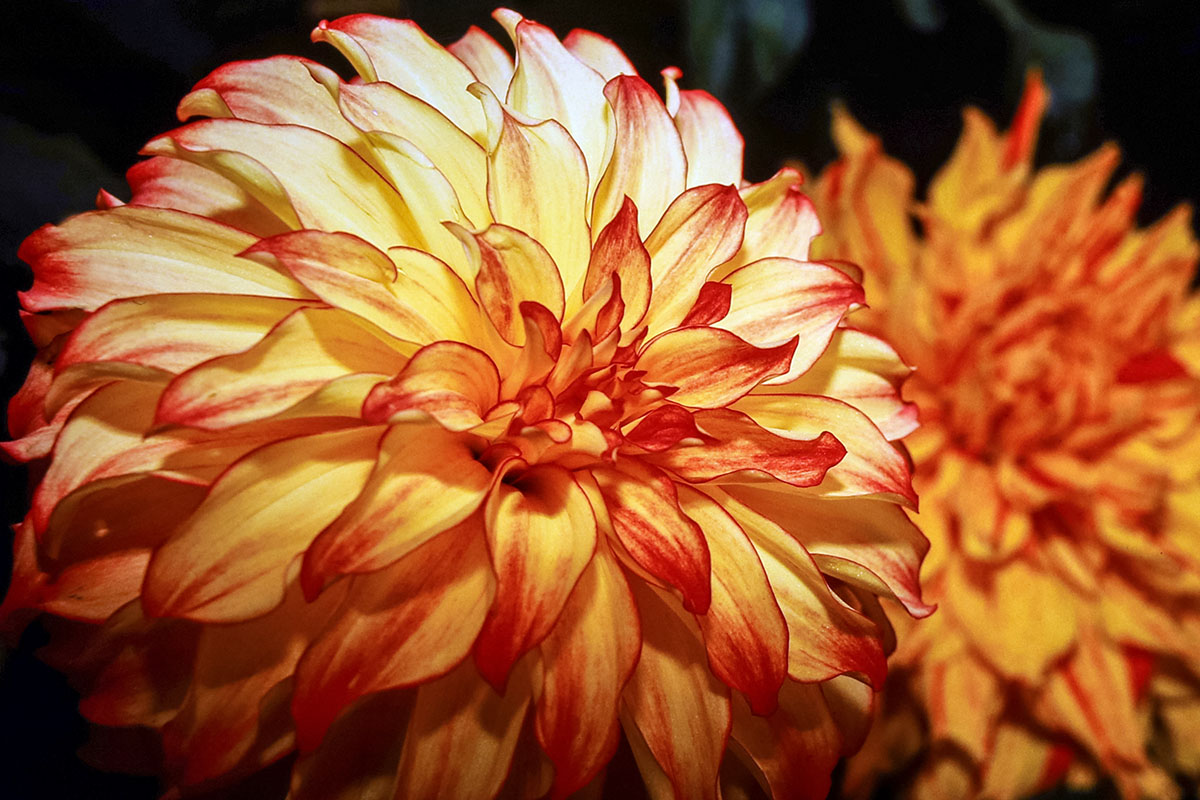
I must comment however, what is the purpose of taking 25 focus-stacking images when the result still reveals out of focus areas throughout the subject? This same question was asked a participant (Lynn) in DD-32, she said that she sometimes intentionally leaves areas out of focus, but she may have over done it....
I feel the featured image does not work successfully due to an "unbalance" of focus and unfocus areas: they do not "flow" from one plane to another, for example. In other words, what is often used to create beauty in flora is through a designed approach to using lens bokeh: in these cases the user may take several photographs ("Bracketing") using different focus-points and aperture settings to reveal (or pull) beauty from the subject. Later in post-production chose (one) that reveals the design features most attractive or engaging.
I still feel Focus-stacking can still be used in this way, but it would seem much harder to predict outcomes compared to traditional-classic methods. An interesting subject I will have to research and try for myself in the future.
|
Jan 14th |
| 87 |
Jan 22 |
Comment |
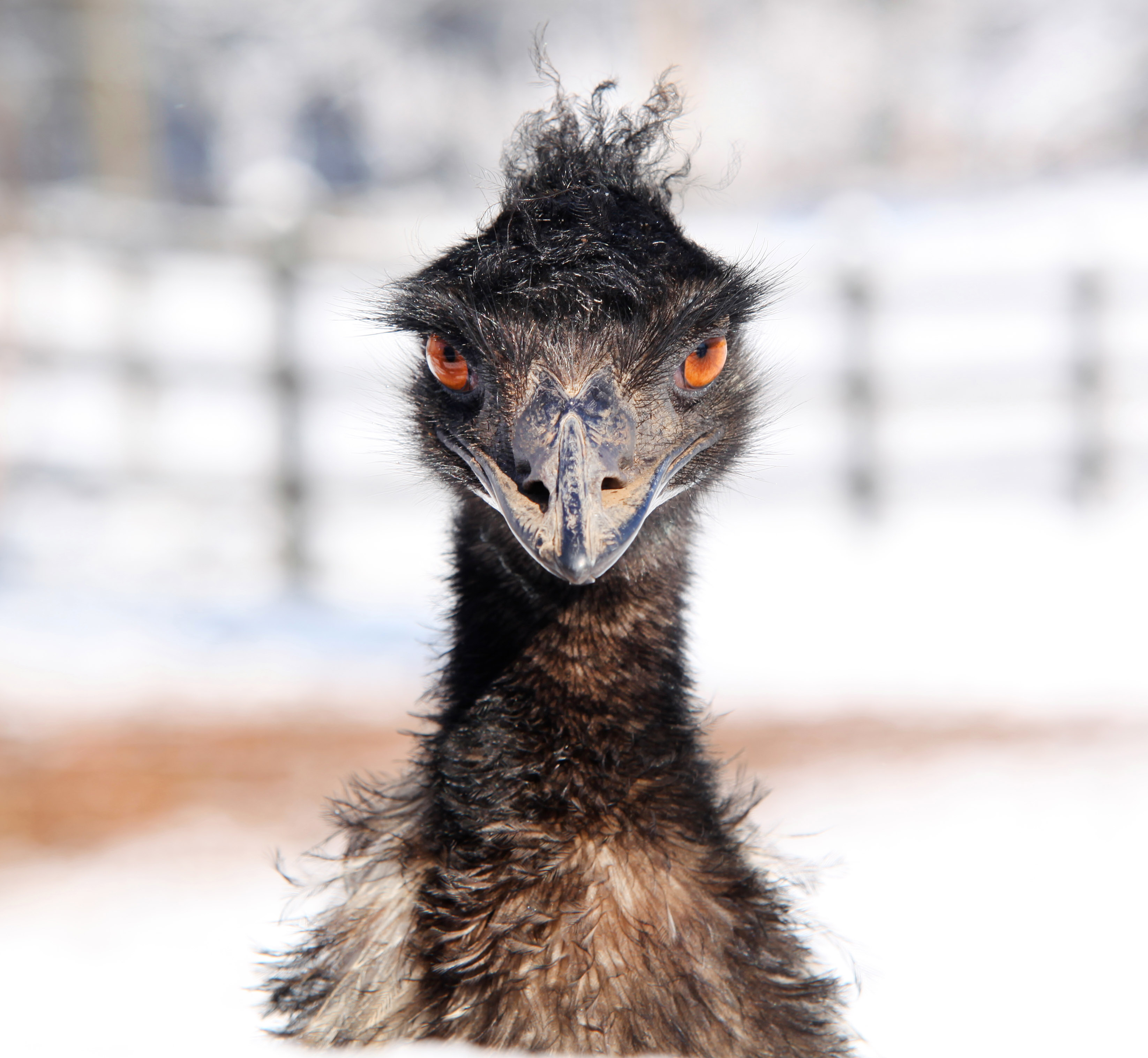
Wow! Its really neat you are able to engage with the birds like this....I feel the overall composition is OK. Not sure if I like or dislike the diagonal shadow, but the ring is a definite distraction, as the others have already pointed out.
"Points to Ponder"
Be aware of background and pose accordingly in the future...though I admit that is said easier than actually getting it done. This includes removing the ring on your next visit. As far as post-production, I would decrease the "red" hue that saturates the whole scene. Just a little. We all look forward to seeing more photographs from this location. |
Jan 14th |
| 87 |
Jan 22 |
Comment |
Hi Steve! Simply beautiful!
An expression of how beauty can be enhanced by Light & Shadow. Its perfect! |
Jan 14th |
| 87 |
Jan 22 |
Reply |
My pleasure, Dale. You can reach out to me anytime to discuss in more detail.
Also, an upcoming lecture I am giving on Light & shadow may be of interest to you.
Jan 17th 7pm PST, 8PM CST and on the east coast, 9PM EST.
Let me know I will send you the Zoom link.
|
Jan 12th |
| 87 |
Jan 22 |
Reply |
...of course...the "Native" or "Calibrated" ISO for any camera is what the factory imposes on the value that has the least amount of "Digital Noise": your camera, I believe is Calibrated at ISO-100, so this setting will incorporate the least amount of Digital Noise when taking a picture. The higher (or lower) you set the ISO will induce small amounts of Digital Noise. However, as technology advances, this is less an issue as it was, lets say, around 2009 for example.
In any case, set your ISO manually for best results. (Note my wife Anne is an accomplished underwater Master Diver/photographer and needs to set her ISO on Auto because of the fast and sometimes vast differences in lighting she experiences). This is rarely the case for most photo shoots the rest of us encounter. But otherwise, controlling the ISO is a best-practice for the photographer. Hope this helped you. : ) |
Jan 10th |
| 87 |
Jan 22 |
Comment |
Great job, Cindy!
Steve points out very important features and technical aspects, I agree with his assessments, but will add: as it was bright outside, setting the ISO to its native value could also have improved clarity, but likely just a little. (Note I always caution people not to go too far off "native" ISO settings as this often induce digital noise). That said, latest/greatest cameras need to be pushed pretty far before this actually happens. |
Jan 10th |
| 87 |
Jan 22 |
Reply |
....then skip your club meet! LOL!
My hopes are for a very comprehensive discussion on the subject, and including a little intro with words about "Visualization". Hope you can swing it to stop by and Zoom in.. : ) |
Jan 7th |
| 87 |
Jan 22 |
Reply |
Hi Cindy! Hope you wrist is finally back to normal. : )
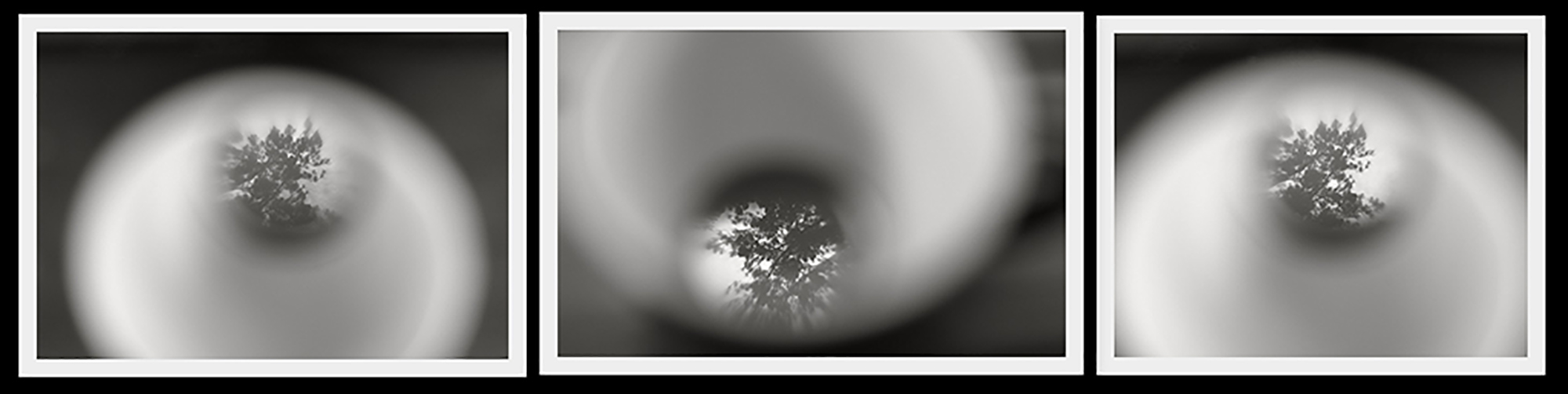
Yes, in fact, this will be printed as separate pieces and hung next to each other. |
Jan 7th |
| 87 |
Jan 22 |
Reply |
Happy New Year, Stephen! Always appreciate your thoughtful comments...I am glad you like the piece.
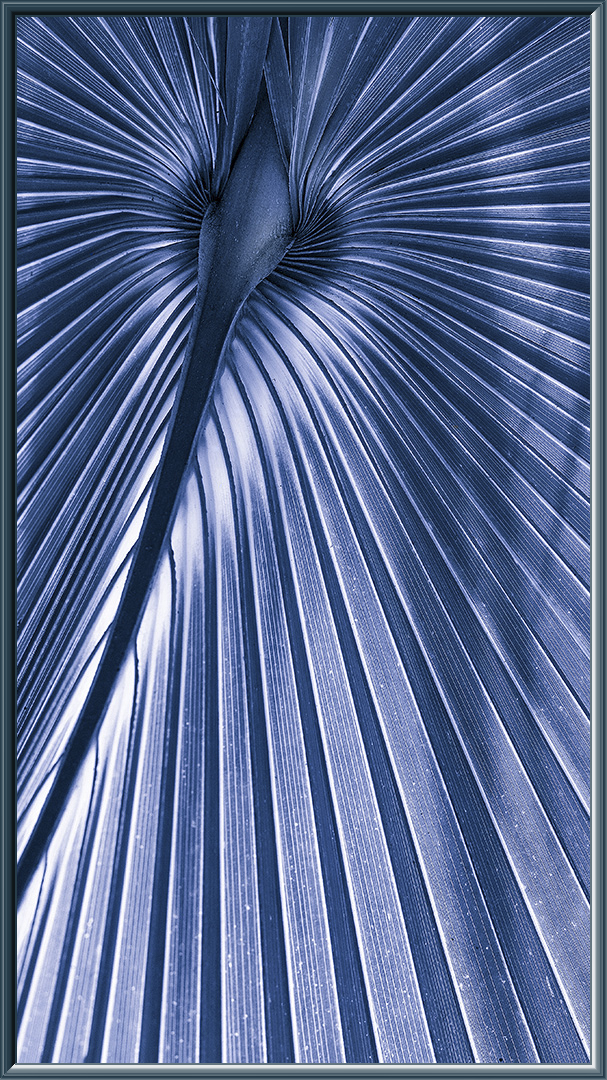
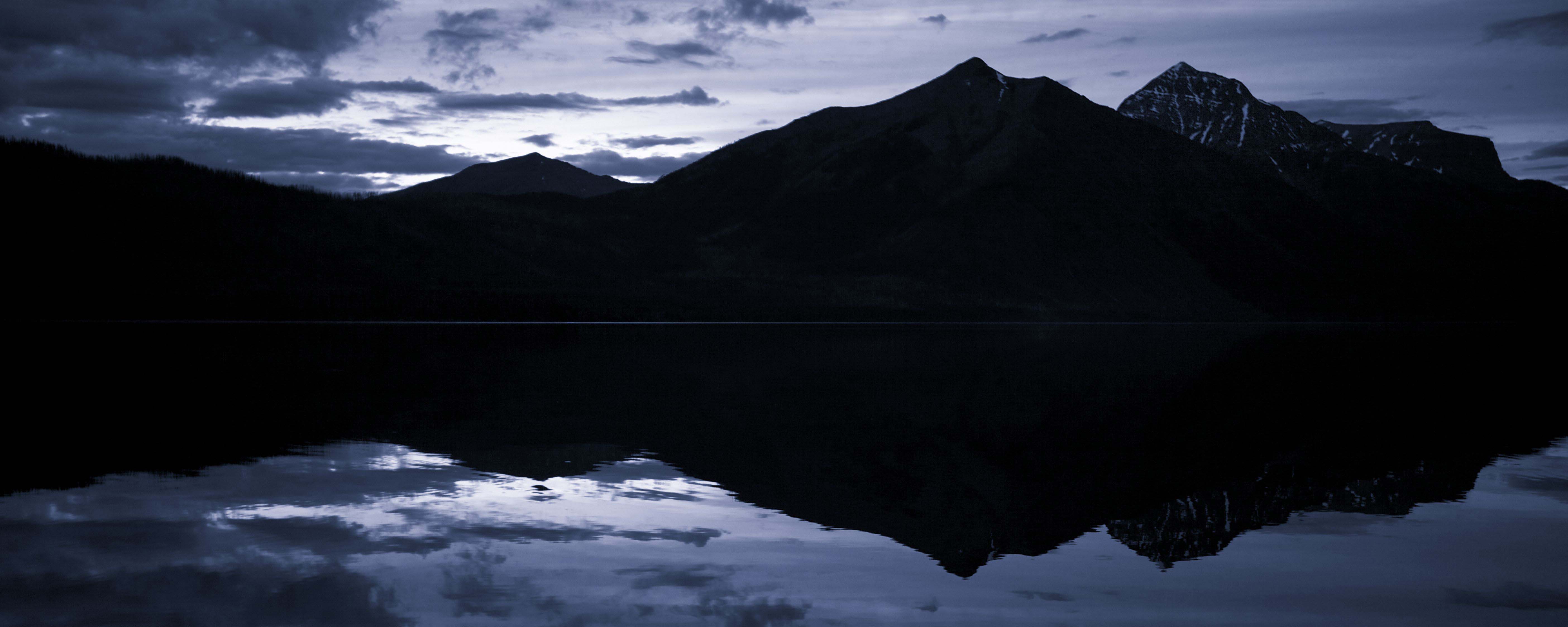
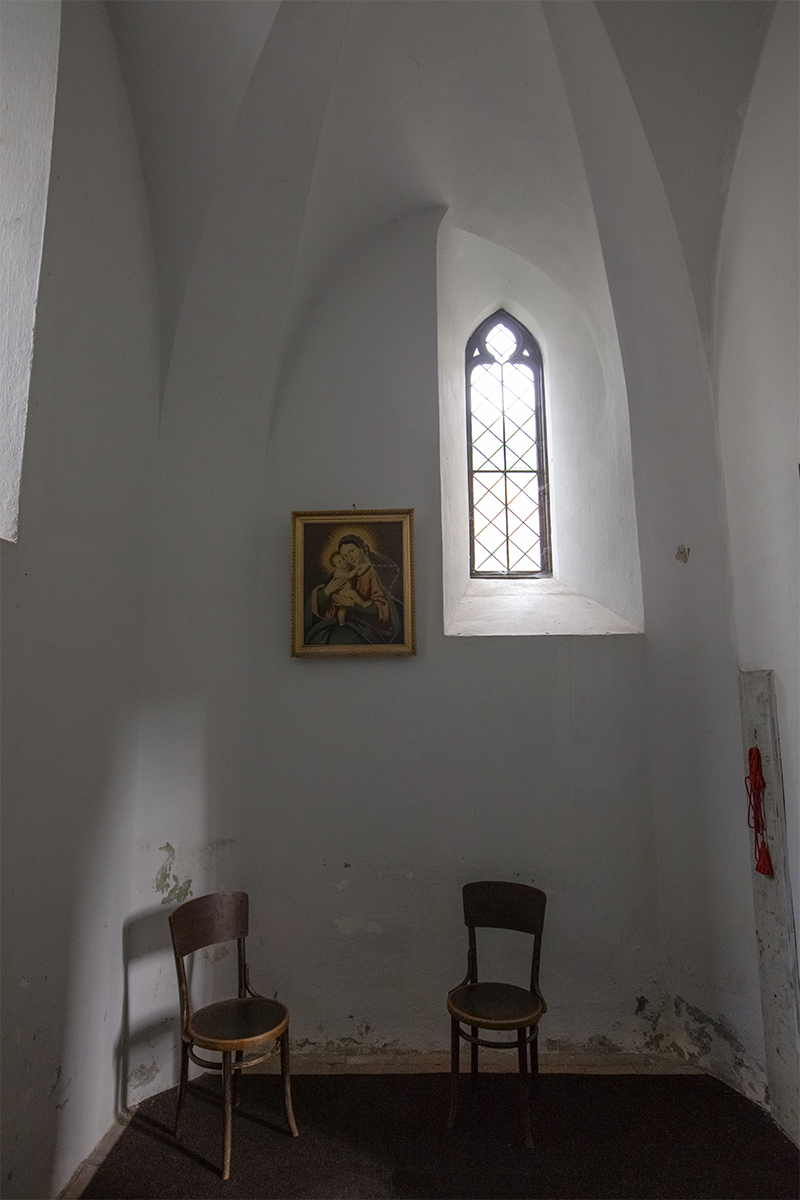
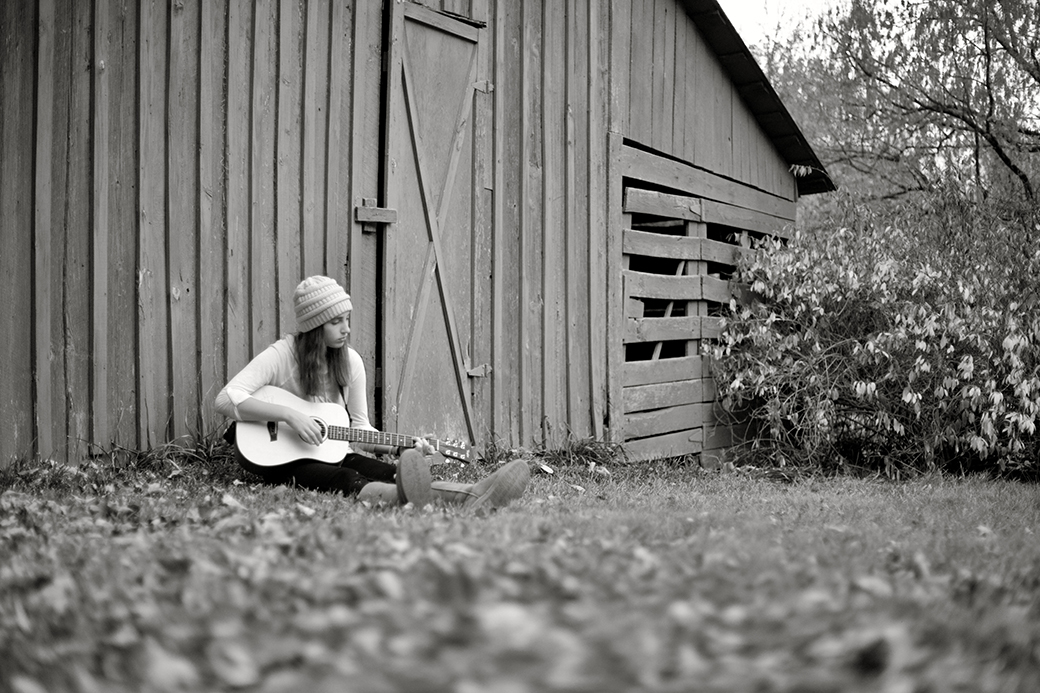
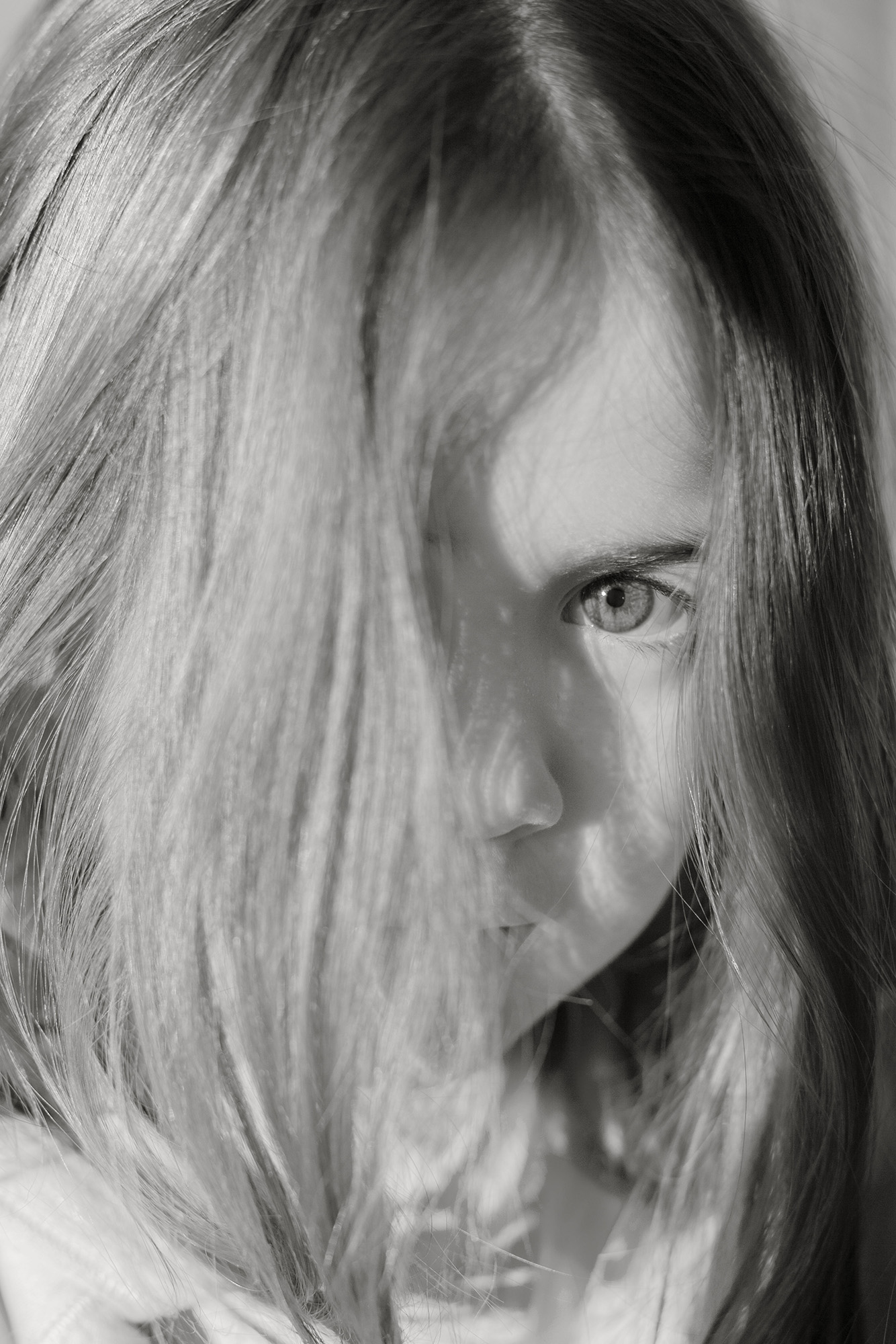
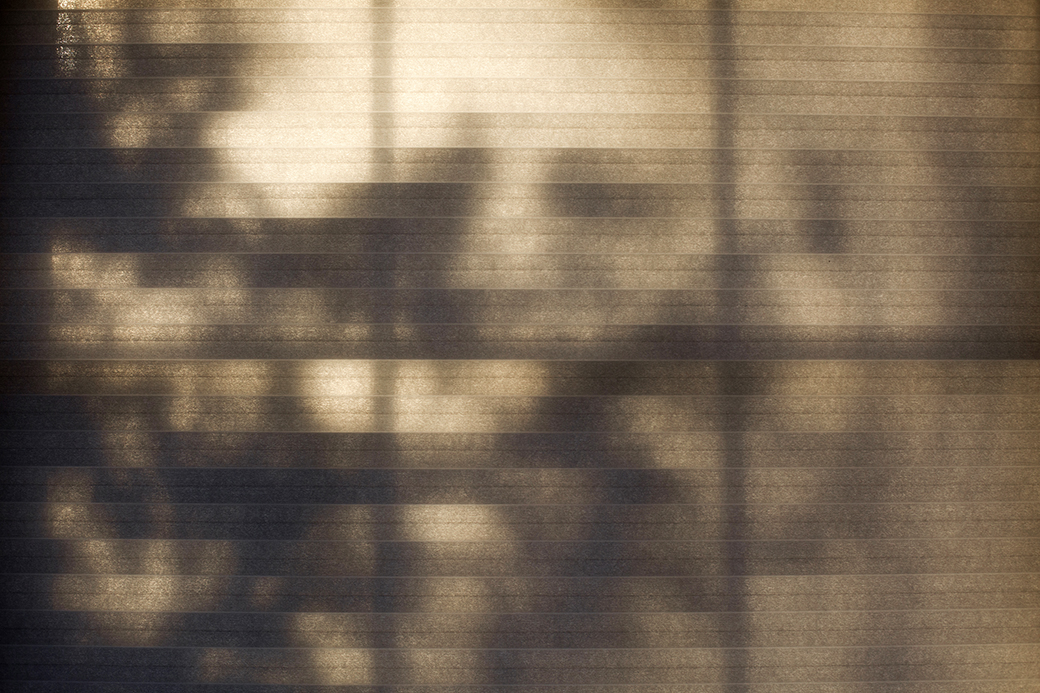
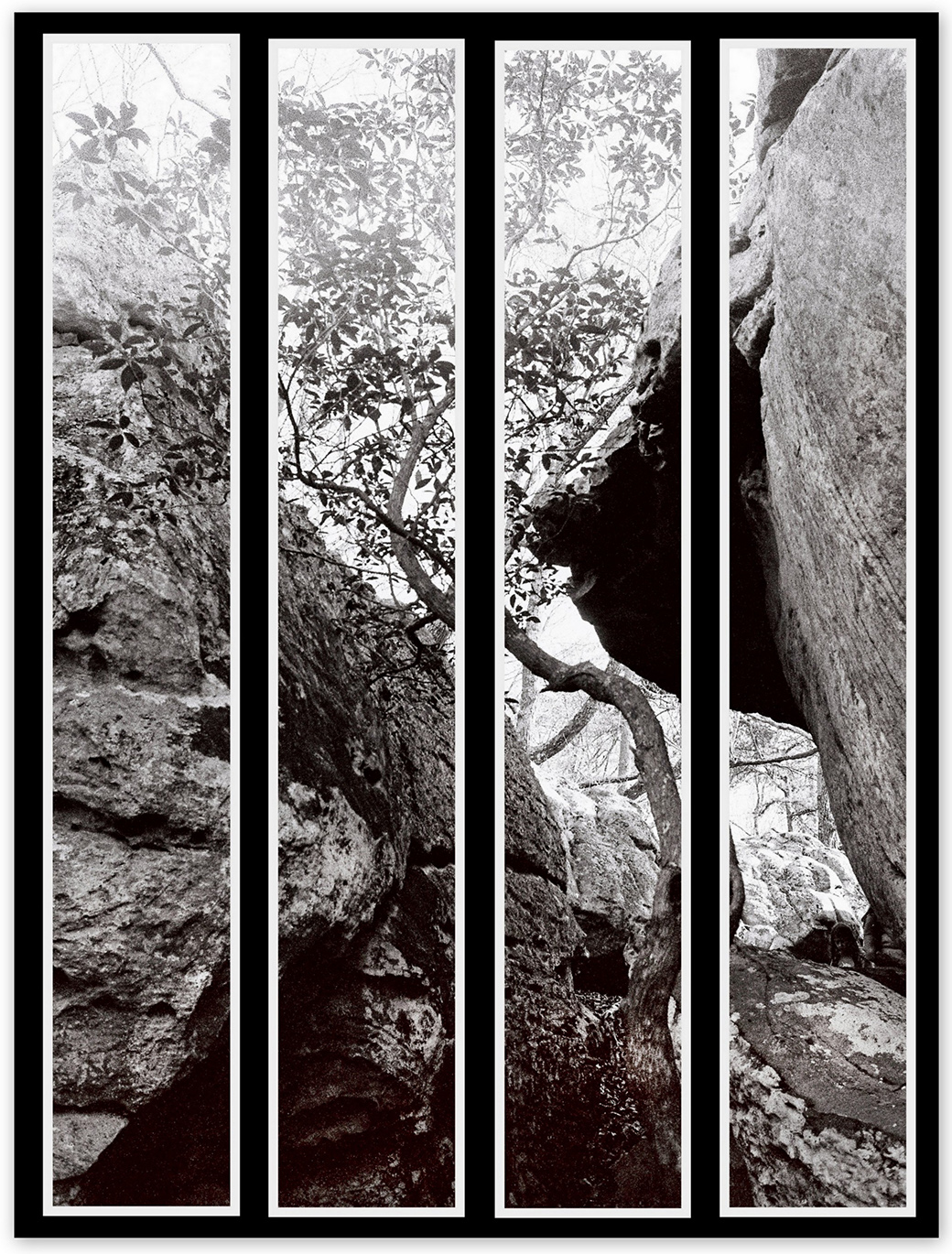
The featured work is very much inline with a lot of Diptych presentations, that is dividing one composition into two or three panels, regardless of their shape. In this case, the subject, and presentation parallels Japanese Hashira-e or long and narrow panels revealing, yes, one composition through two separate narrow panels.
Indeed, another type of Japanese presentation is what you show in Itchiku Kubota work, which is very attractive and thought provoking work. Kubota's work (appears)to be inspired, what is known as, Ukiyo-e. These works were mostly seen as Wood Block prints. My studies into Japanese aesthetics have led me to both Ukiyo-e and the common narrow presentation seen through Hashira-e.
|
Jan 6th |
| 87 |
Jan 22 |
Reply |
Very cool! |
Jan 3rd |
| 87 |
Jan 22 |
Reply |
...and this is true...how refreshing, indeed. Has your friend seen the photograph of him?
|
Jan 2nd |
| 87 |
Jan 22 |
Reply |
My pleasure, Steve! |
Jan 2nd |
| 87 |
Jan 22 |
Reply |
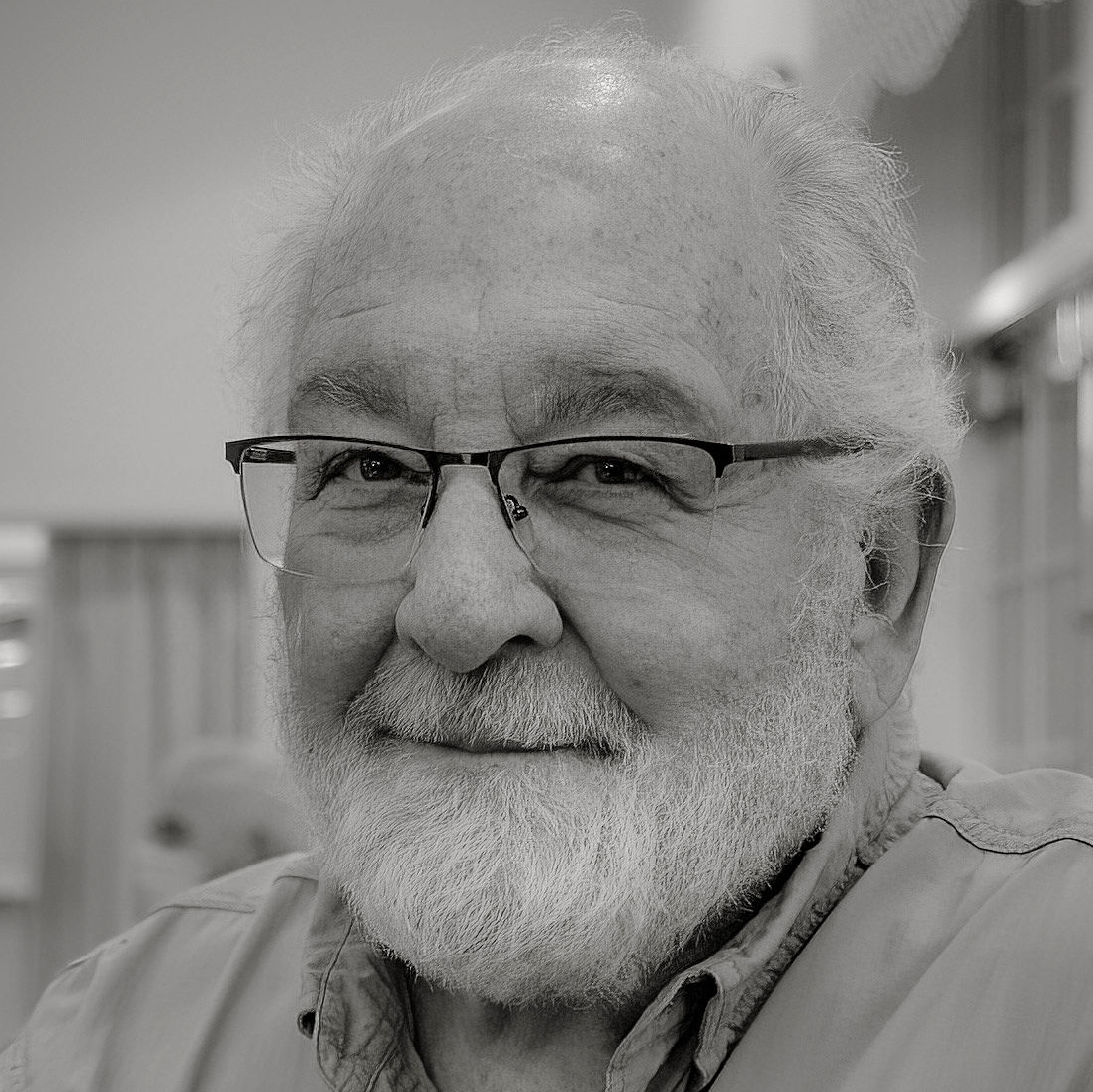
(Square Crop) |
Jan 2nd |
 |
| 87 |
Jan 22 |
Comment |
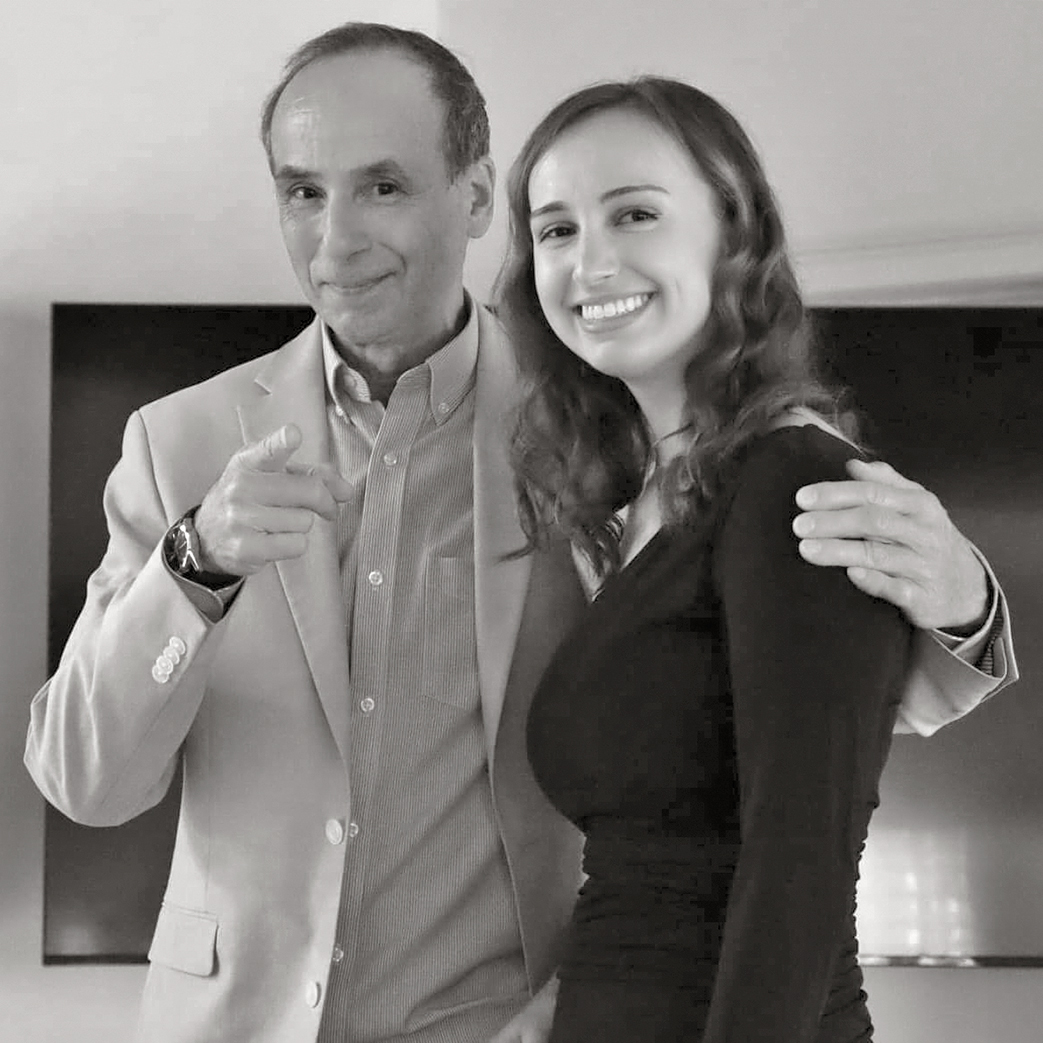
Hello, Chan and welcome to 2022!
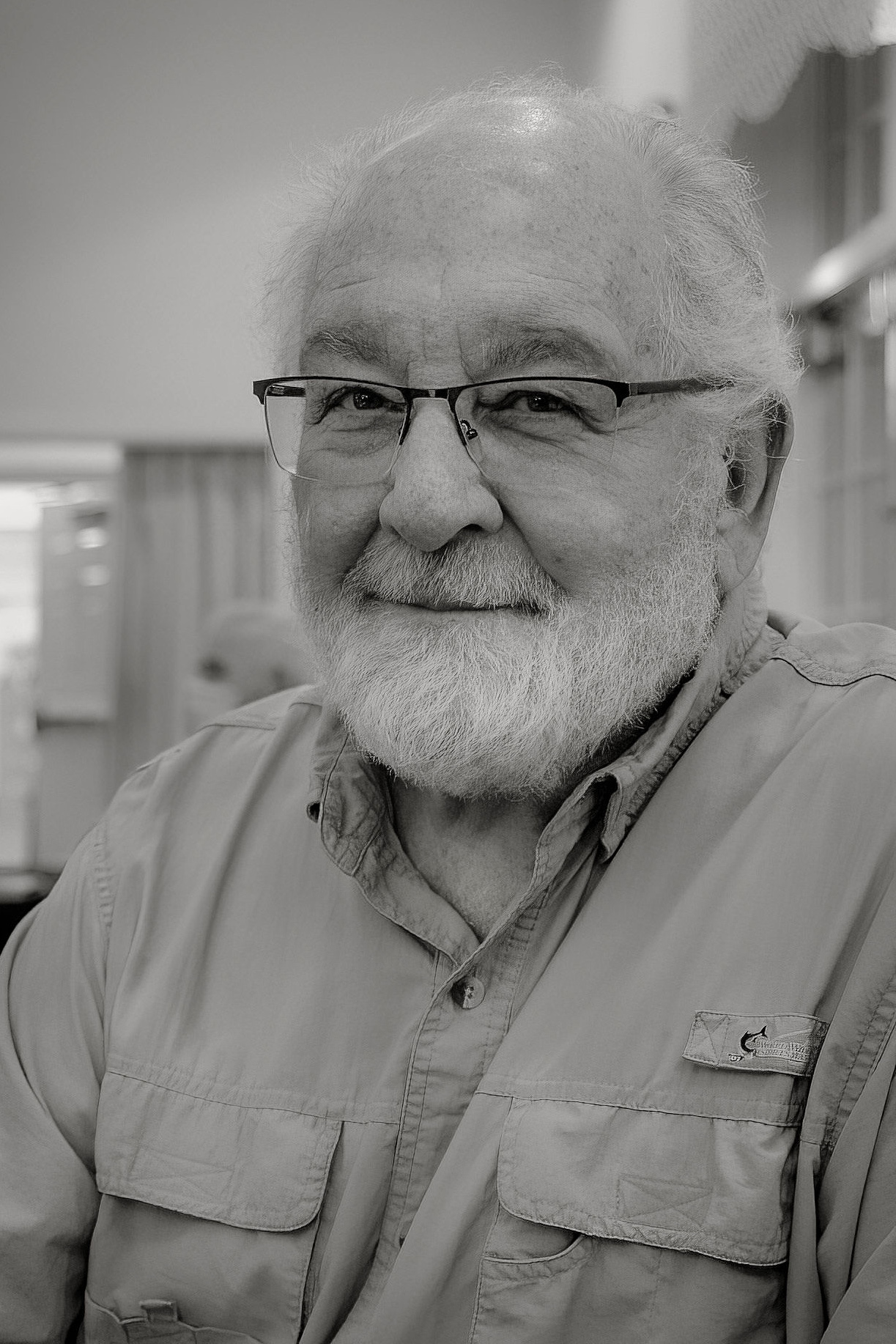
"Dale" is very charismatic, indeed, thus making a wonderful sitter. Will brings up a fine point that needs to be addressed in post...either Burning or altogether cropping out part or all of the background window.
Next, the particular soft aesthetic you have chosen, together defining "place" is well conceived. Actually quite refreshing, as almost every portrait I come across is represented through (too) hard of contrasts...(see Linda M Medine portrait I commented last month in DD-99-Mono for a recent example). subsequently, Linda asked me to Lecture at her Camera Club.
In your featured piece I suggest maybe your presentation is, however, a bit too soft: see my two examples that only slightly increase contrast between white and black (or in this case, between the entire Midtone scale that defines Dale's face). I selectively Dodged his face, beard and shirt, while Burning (as Will suggested) the glare from the window. As always, I use a very light-touch while working. (At home, bring them up side-by-side to study differences).
I also included one other alternative in presenting Dale to the world, and that is a Square formatted portrait, that of course, only defines the sitter and takes out "place" from the composition. Actually, your featured version (and my slight-cropped version) that invites the viewer to share the space he resides in, is my favorites.
Thank you for posting this fine portrait and discussion starter! |
Jan 2nd |
 |
| 87 |
Jan 22 |
Reply |
Happy New Year, Will! Indeed, inspired by the aforementioned Wood blocks, and also presented tall and narrow (Hashira-e) print examples. Of course it was not actually printed and framed yet, and the red is only a digitally created example, but I may work with my printer in ATL to choose paper and framing options and have a go at it. It is a relatively new and ongoing project, and the theme of the upcoming lecture mentioned above. |
Jan 2nd |
6 comments - 14 replies for Group 87
|
| 99 |
Jan 22 |
Reply |
I love hearing this...thank you, Barbara! |
Jan 14th |
| 99 |
Jan 22 |
Reply |
Barbara, this is a very big topic within the PSA and also local camera clubs, and I am speaking of the differences between what these organizations qualify as "competition" ready work, and pieces defined through the eyes of simply, Fine Art Photography, and/or documentary (or artistic-documentary) photography.
Please, read my piece titled, "Who is commenting on our work" on DD-83's Bulletin Board. Scroll down just a bit to find it. Be sure to read the comments as well. I look forward to your feedback.
LAL |
Jan 6th |
| 99 |
Jan 22 |
Comment |
Good day, Barbara! My words echo that of Linda....
This is another example of not just the power in using shadows to create engaging photography, but all the artifacts help define the "place". Here, the obvious home dwelling and its, common "deck" or "porch", are well documented by not just the salient features, but the dried leafs and shadow of common garden shrubbery.....together revealing the vernacular of home life, at least the (modern) American homestead.
This type of work would sit comfortably within a series on the Modern Homestead, or Suburban Landscapes. Just thinking out loud. Well conceived and executed!
Lance A. Lewin
PSA Black & White Photography Mentor |
Jan 6th |
1 comment - 2 replies for Group 99
|
19 comments - 26 replies Total
|