|
| Group |
Round |
C/R |
Comment |
Date |
Image |
| 32 |
May 21 |
Reply |
Indeed, I feel all of us tend to overlook "seeing" the Whole: that is, we concentrate on a portion of a scene (and subject) which may cause losing the "essence of beauty" (or at least interest) within the subject by eliminating its surroundings and/or its entire silhouette. It is for this reason, the "visualization process" is so important in making the artist more aware of his or her surroundings, in helping to take in more of the whole scene, instead of just part of it....its a very interesting conversation for sure. : ) |
May 25th |
| 32 |
May 21 |
Reply |
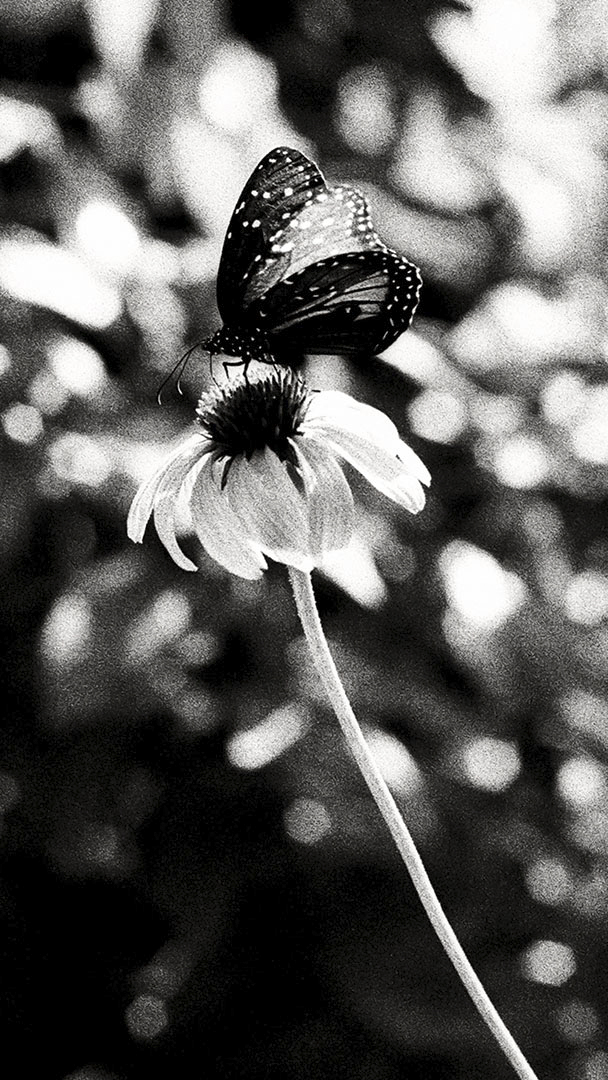
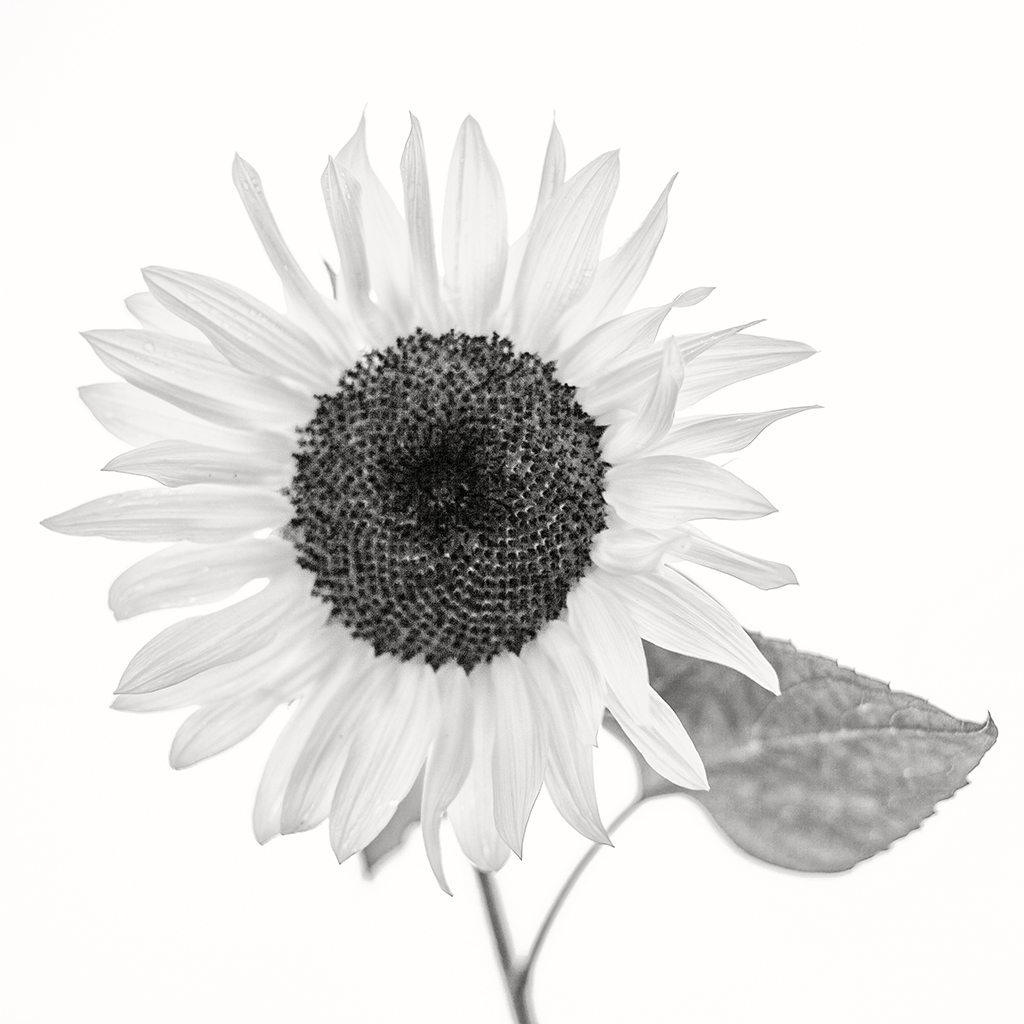
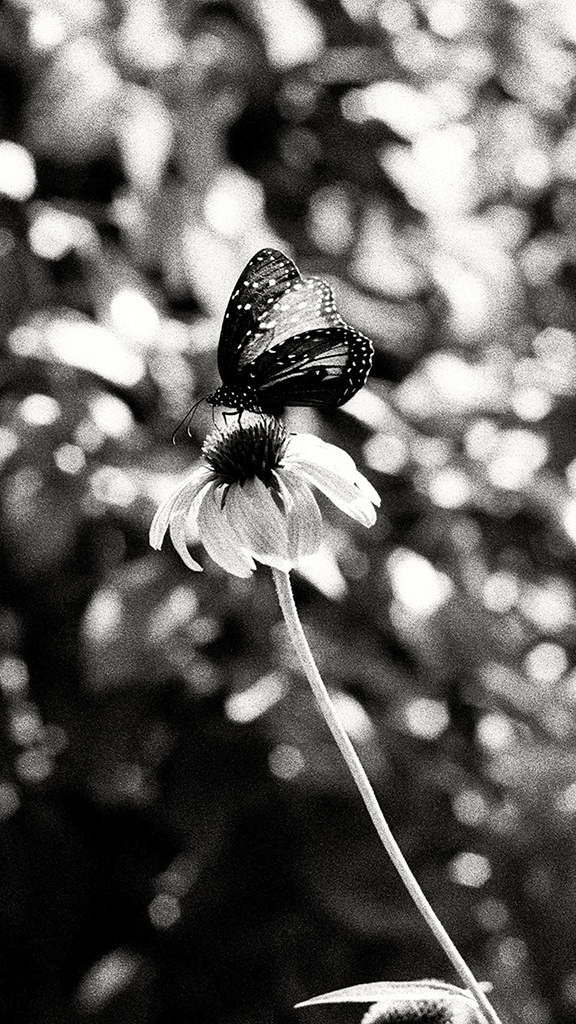
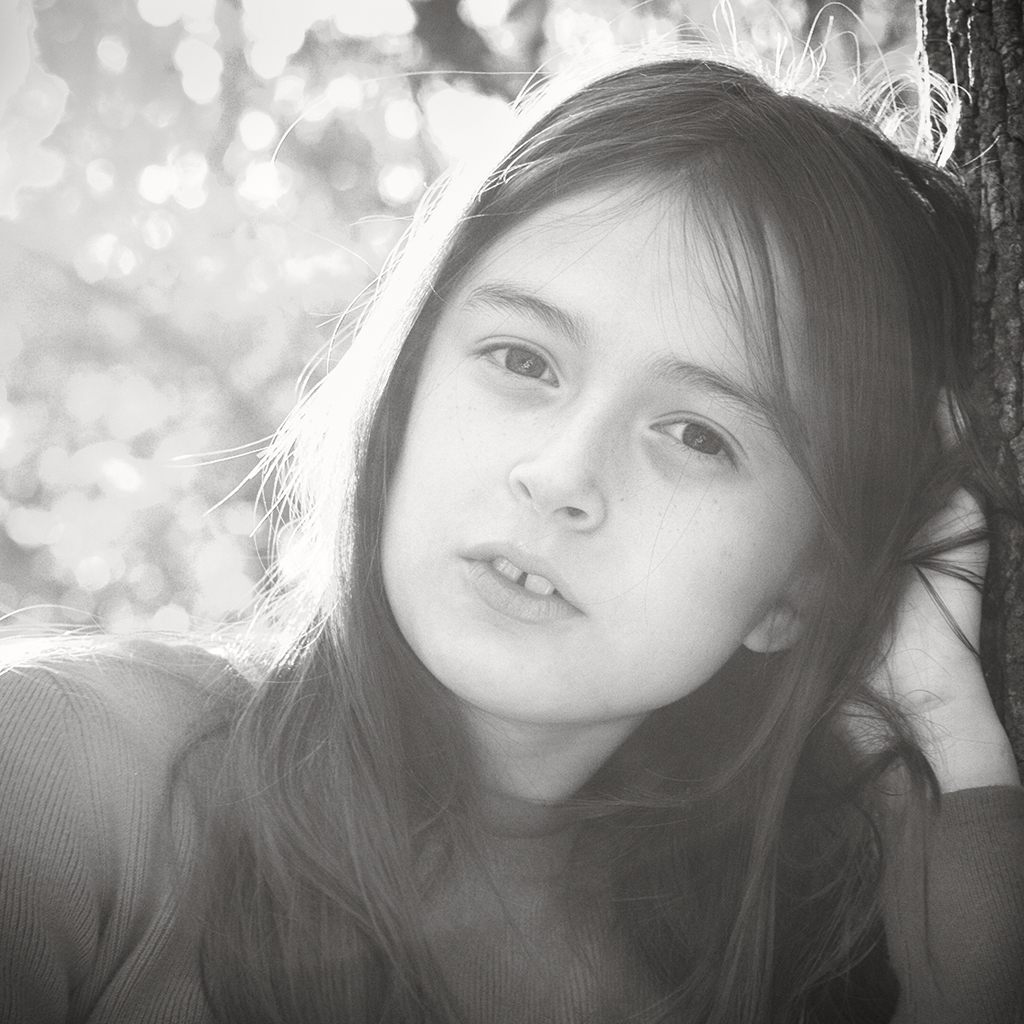
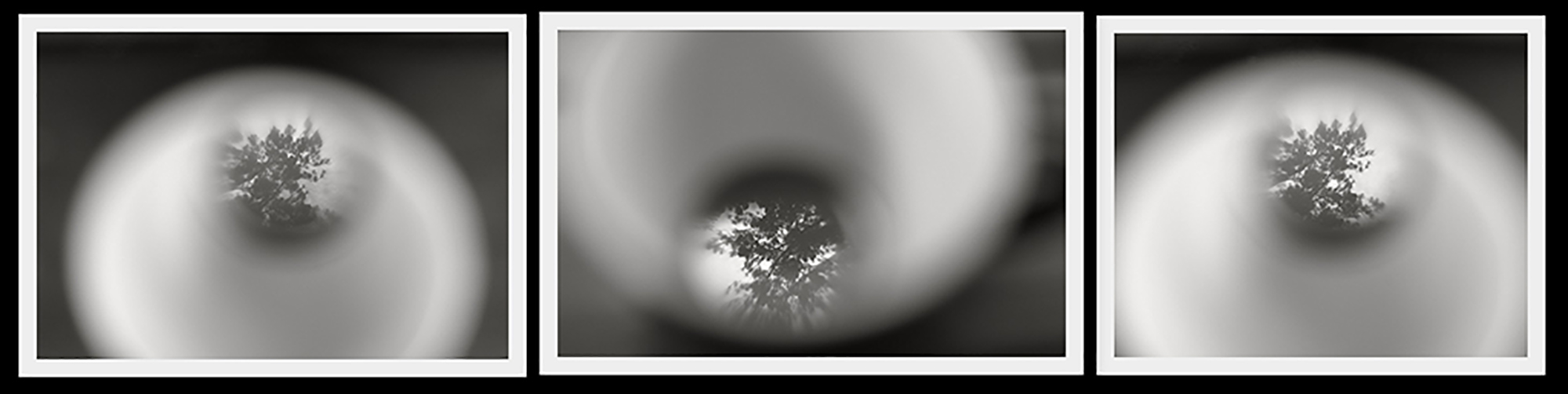
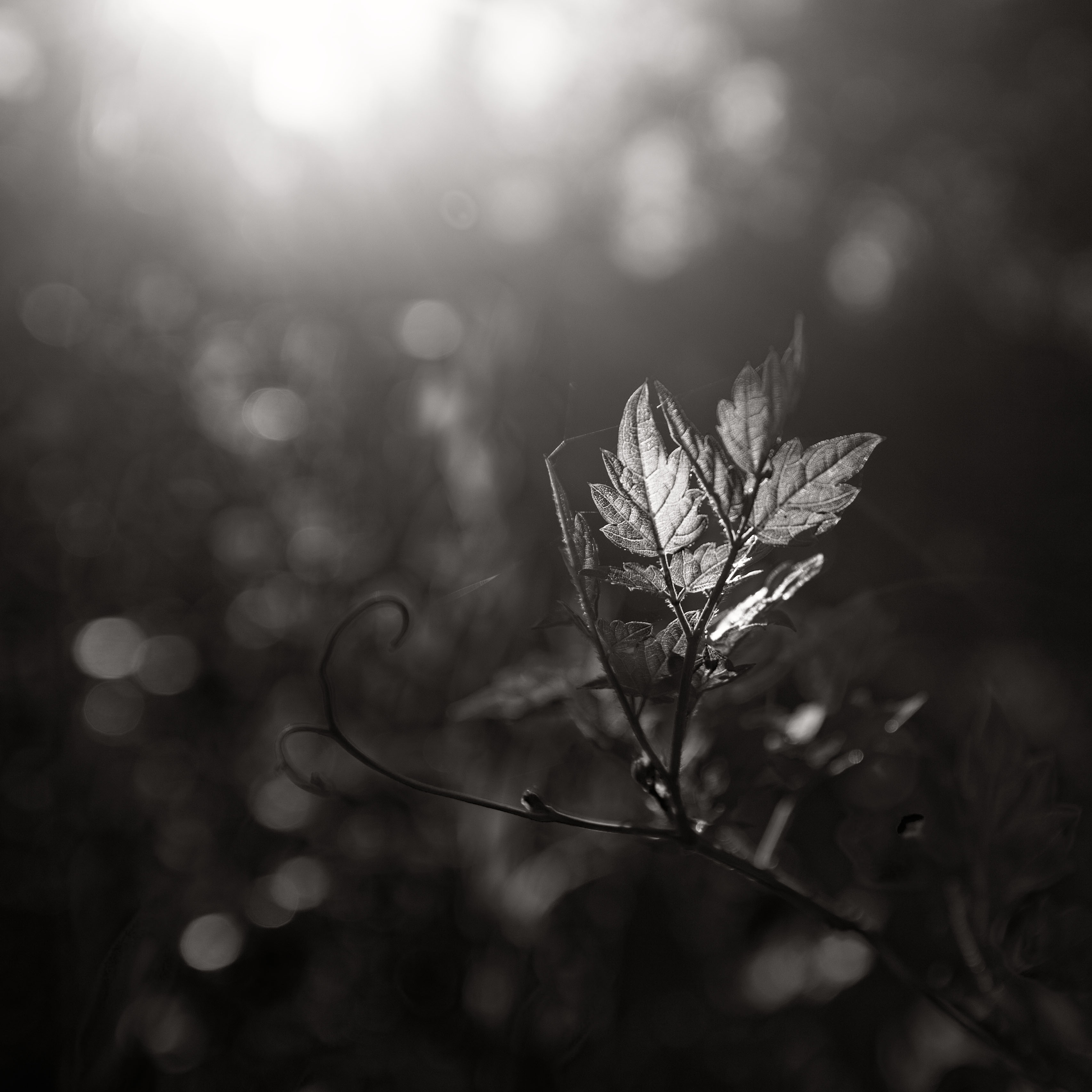
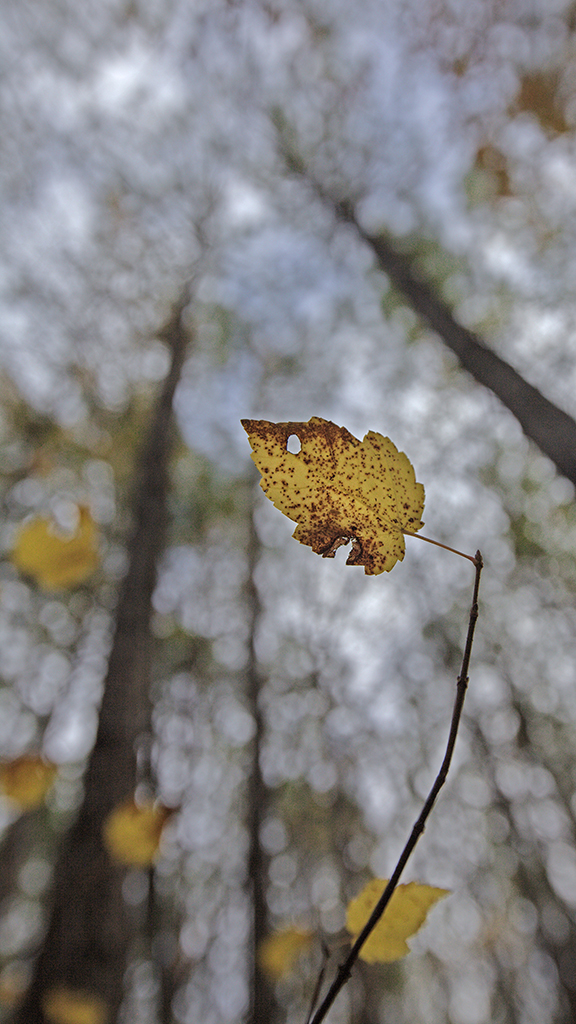
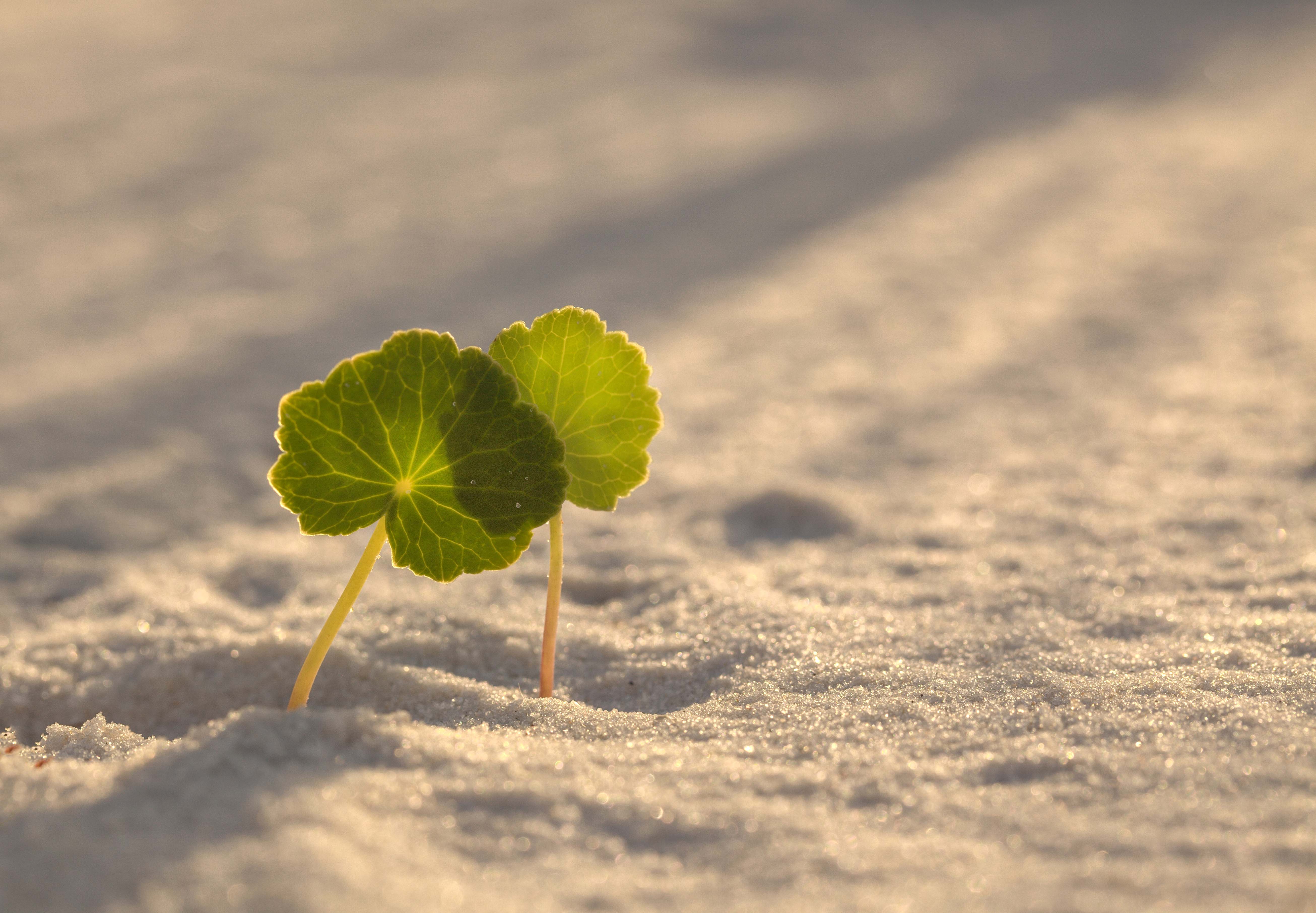
I'm illustrating the use of the natural light and shadow created from lens Bokeh can sometimes be all we need to "frame" a subject. This works well in both color and BW, indeed. Thank you. |
May 24th |
| 32 |
May 21 |
Comment |
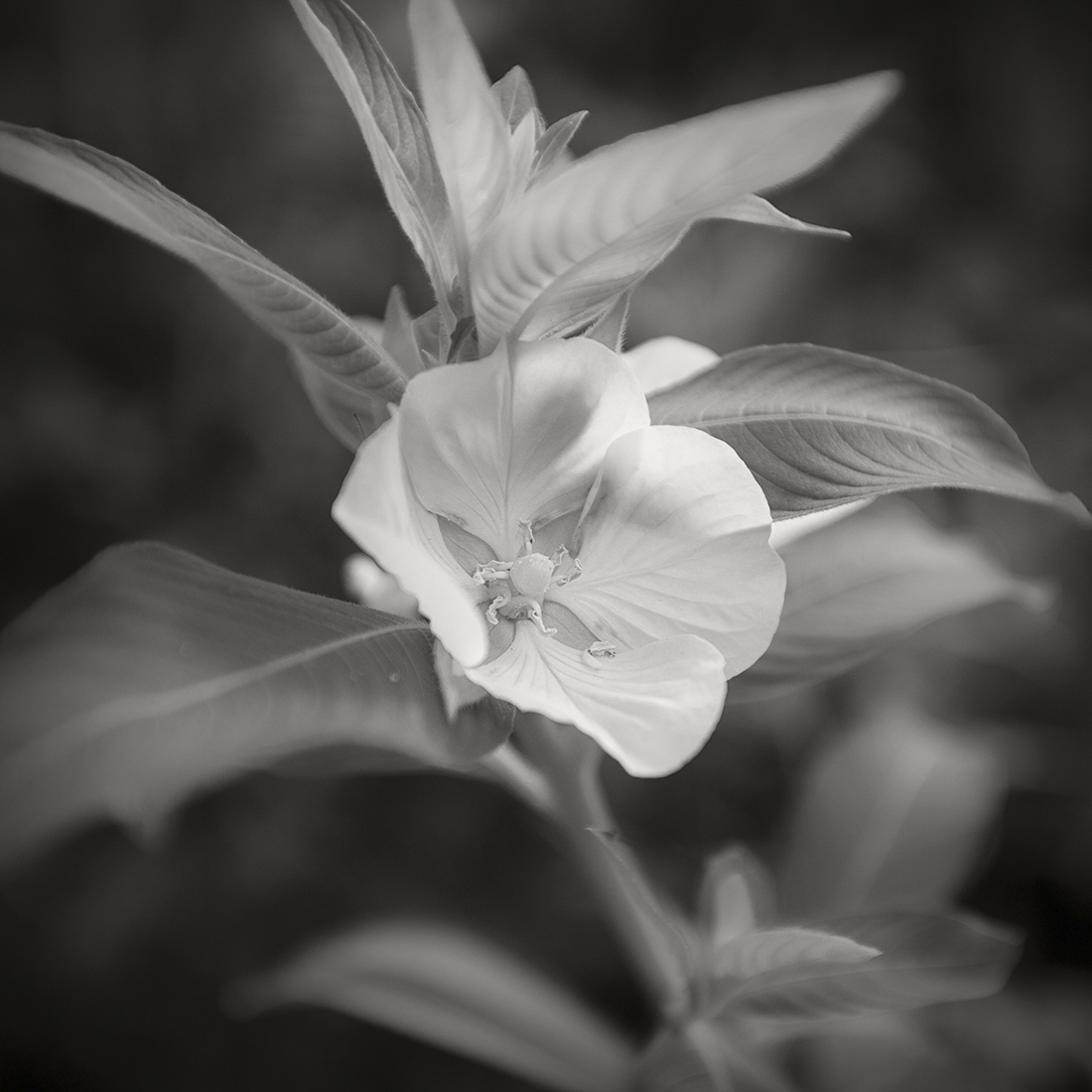
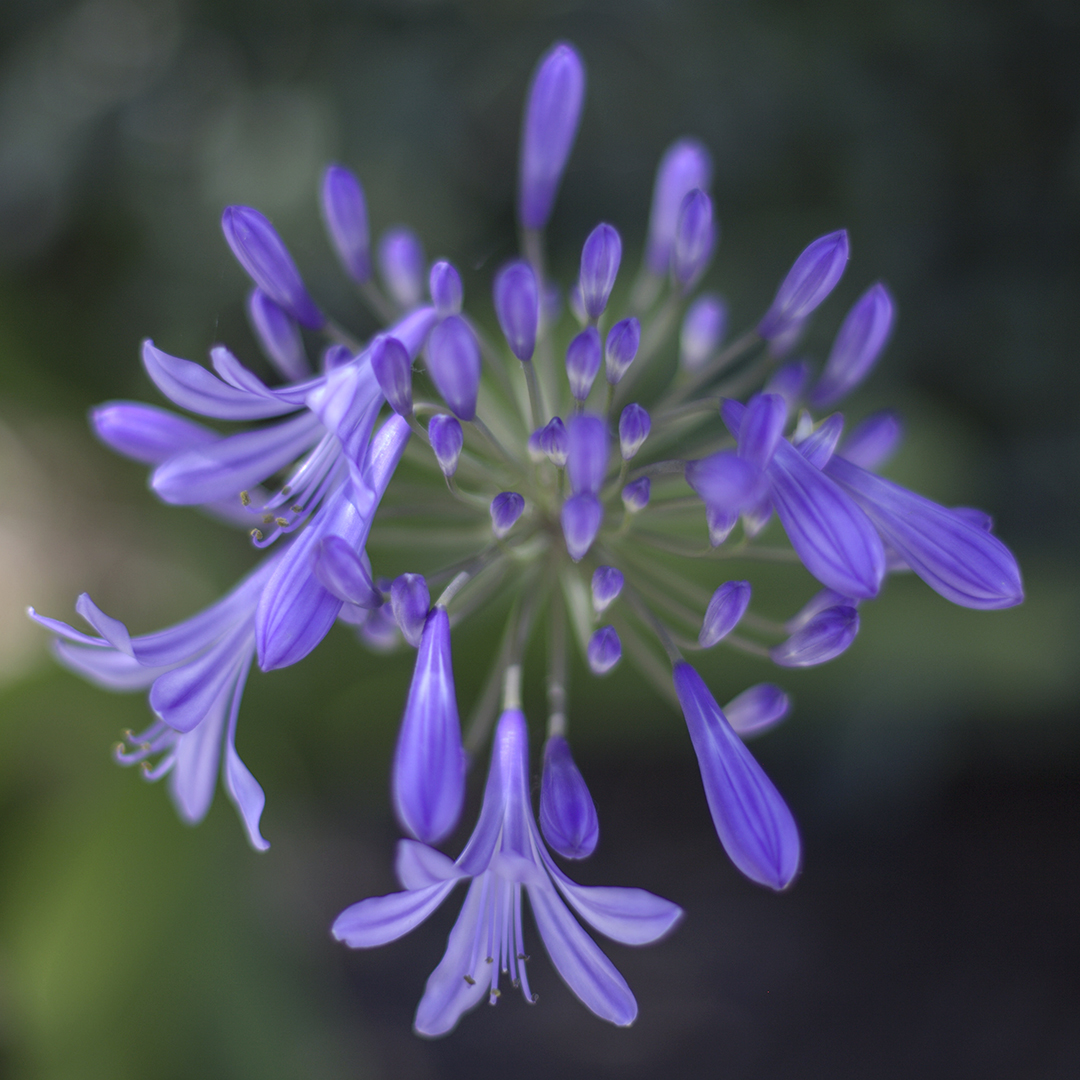
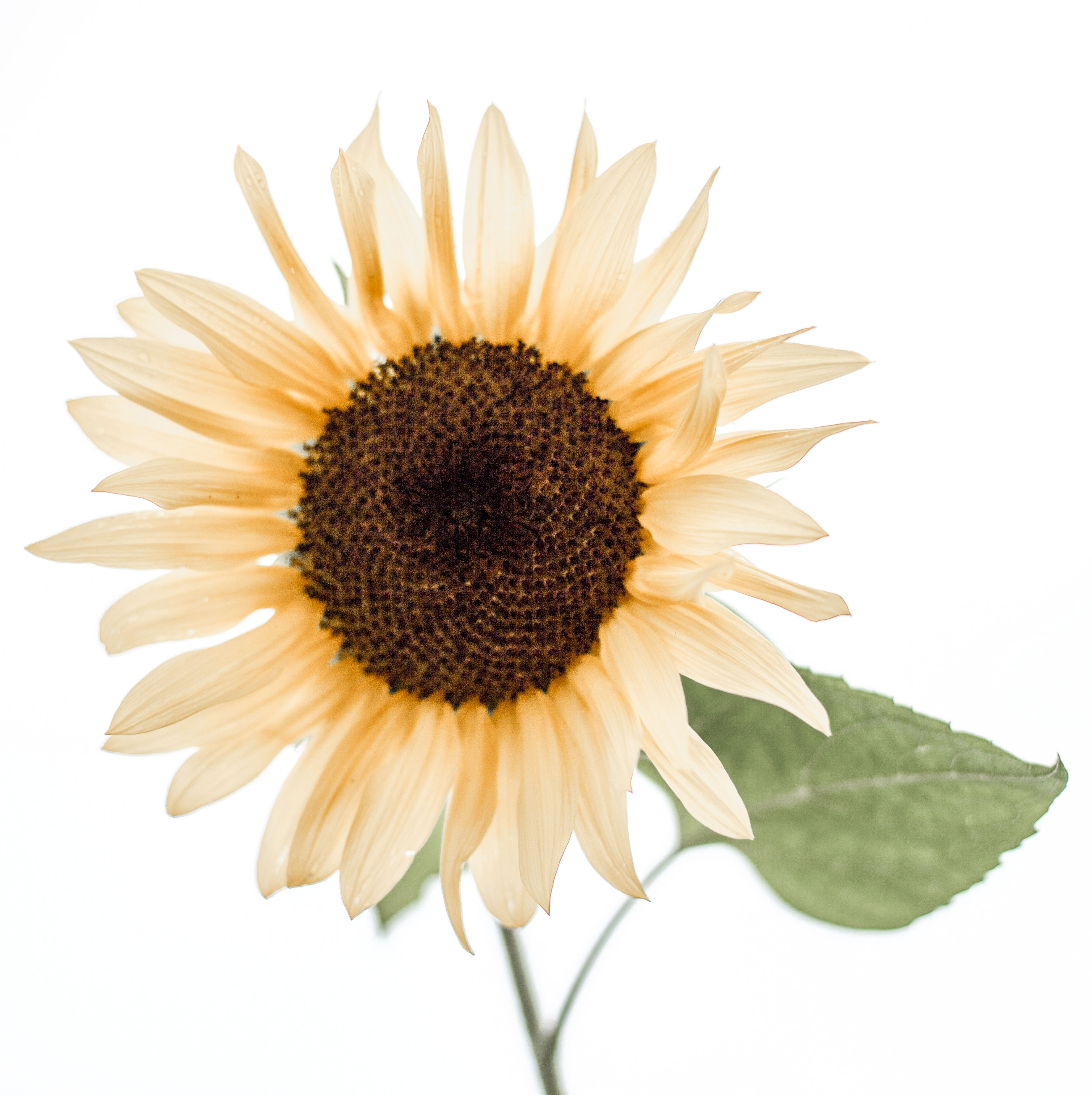
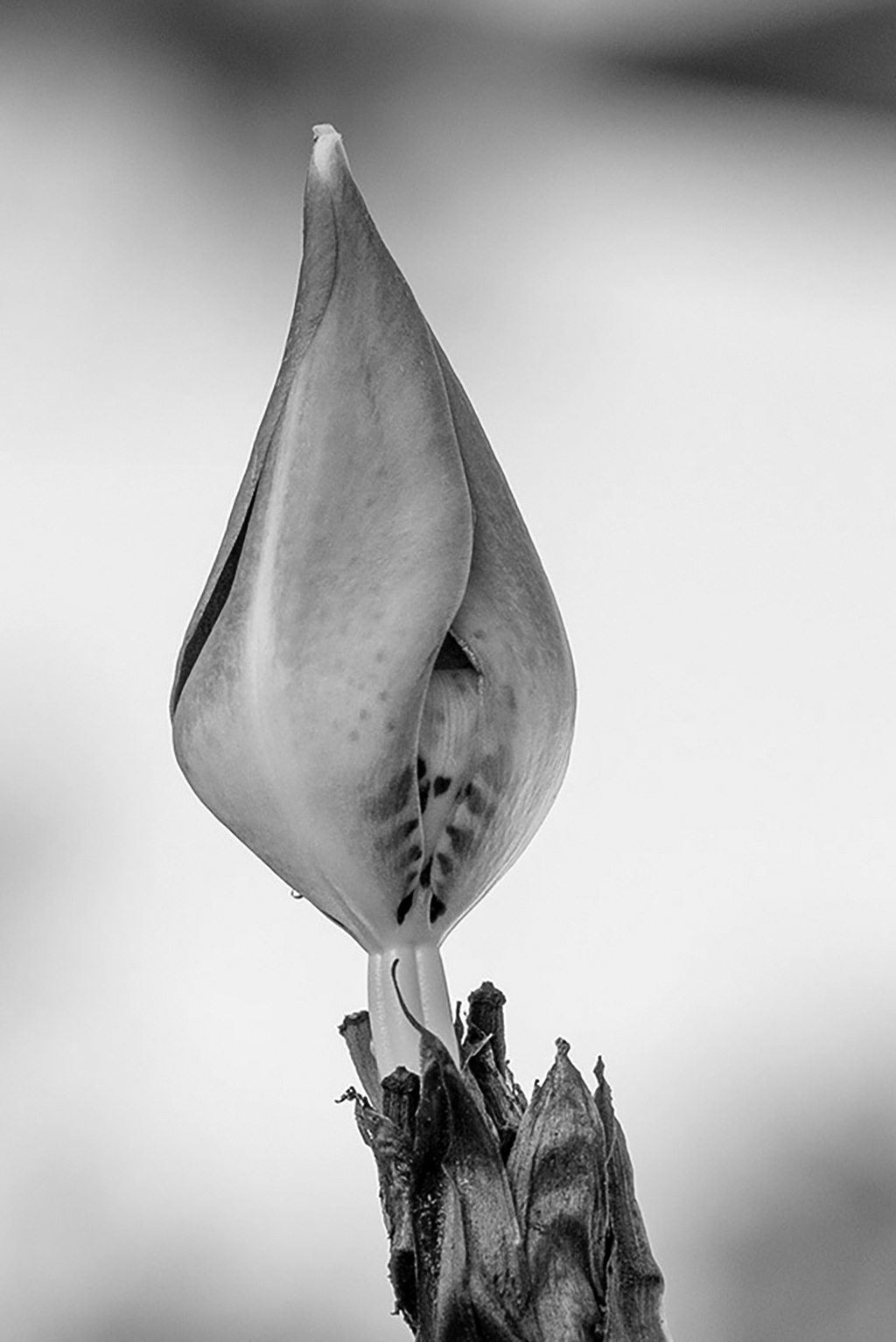
Hello, Lynn! Actually, kudos to you for "seeing" this most silky smooth (dare I suggest, sexy) shape derived from nature; though just a bud, maintains a certain level (and intriguing) beauty, indeed.
I have no comments as it relates to "Competitive" friendly work, only Fine Art Photography for the sake of pure-beauty or Art.
The long (portrait lens) and, I assume, natural bokeh (or background blur)of the original capture fits well to initially contrast the the buds rather "original" rawness and the backgrounds smooth texture. An interested mix of textures to start.
I do agree with other comments to keep the off-axis original, as apposed to your straight ("soldiers in parade") rendering. This said, there is a place for every vision and from a purely artistic (and as Diana stated) this Pictorial rendering, is well conceived.
But, back to the off-axis original: in my opinion, and within a BW aesthetic, I feel the entire stem and bud are engaging components and offer their natural (un-manipulated) aesthetic. I took the liberty to quickly re-crop and add (minimum) processing for an example of what I am seeing in your subjects natural state.
In summary, I always suggest photographers to work a subject with different apertures, lighting, angles of view, and even come back at different times of the day to work with light & shadows, in hopes of capturing the "keeper" or maybe if we are lucky, (as we said in the 70's) an Exhibition print.
I look forward to seeing more of these types of intimate Flora portraits from you. Lovely work!
|
May 24th |
 |
1 comment - 2 replies for Group 32
|
| 83 |
May 21 |
Reply |
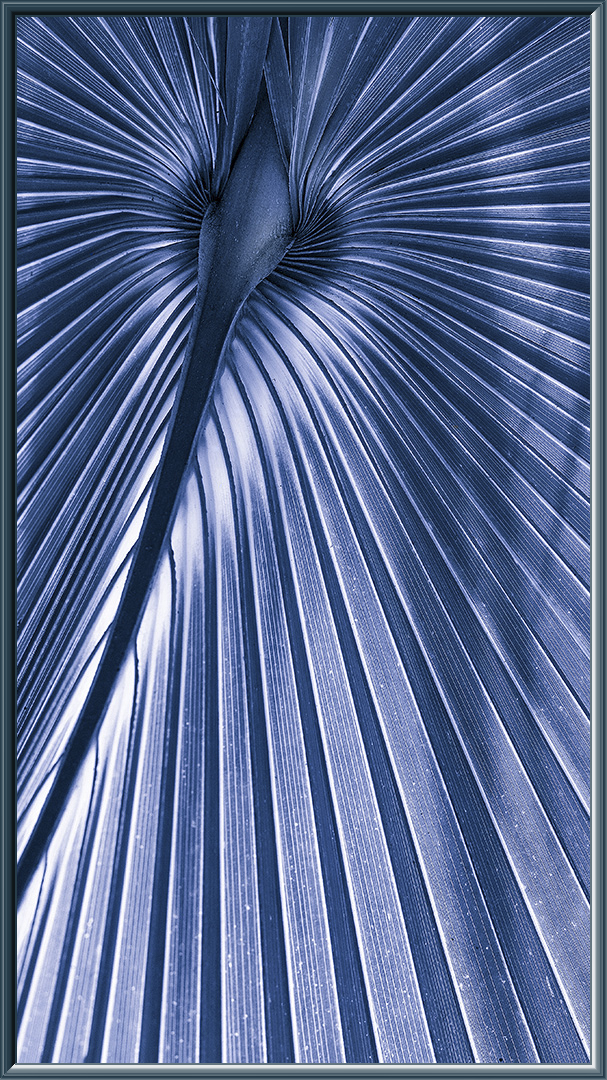
Yes, this is more "bold" as I mentioned in my comment...this is a bit too bold, (at least on my monitor) but indeed separates the vertical lines much better. |
May 27th |
| 83 |
May 21 |
Reply |
You have calmed the bright spots just a tad...and this looks good. |
May 27th |
| 83 |
May 21 |
Comment |
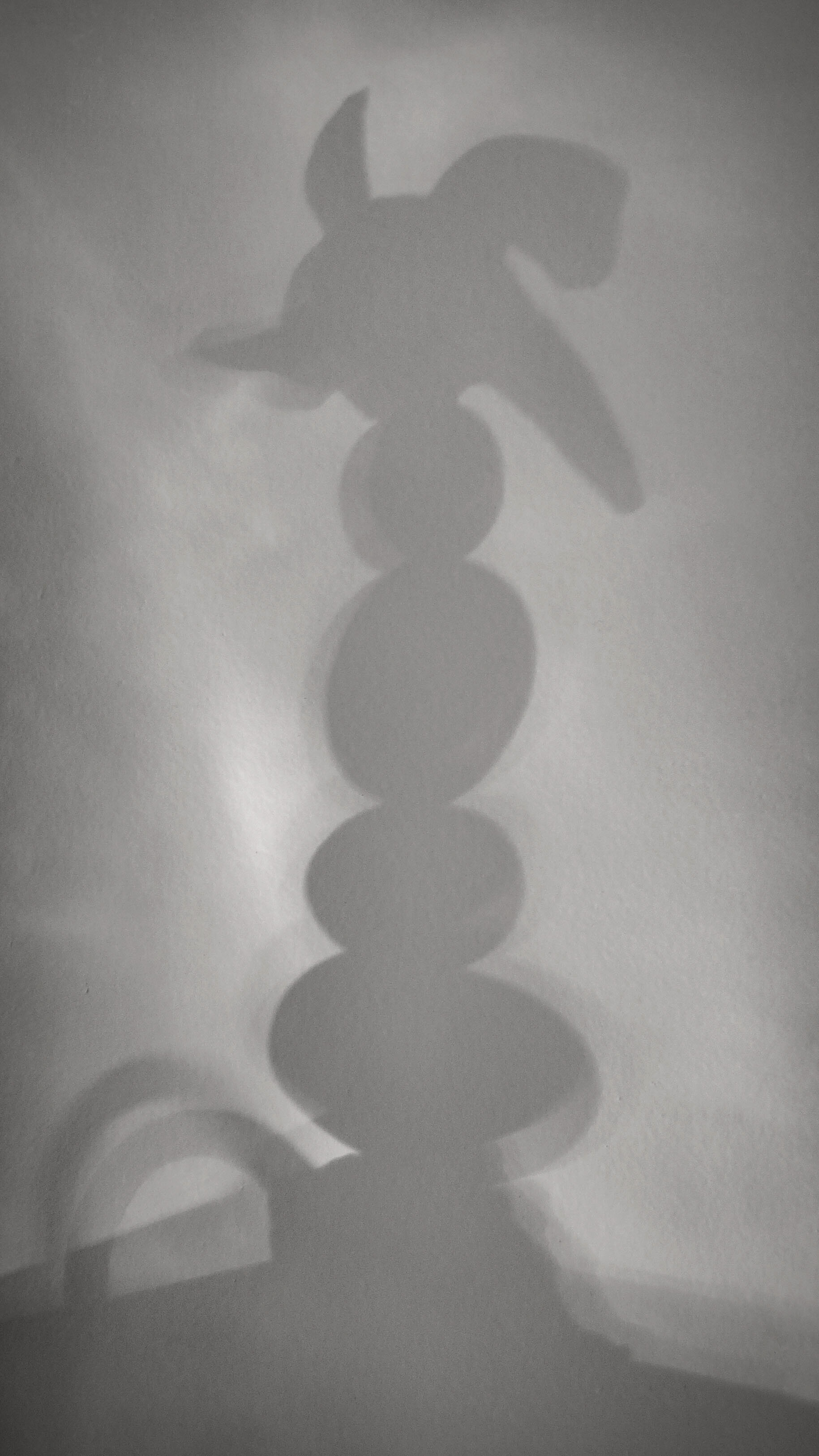
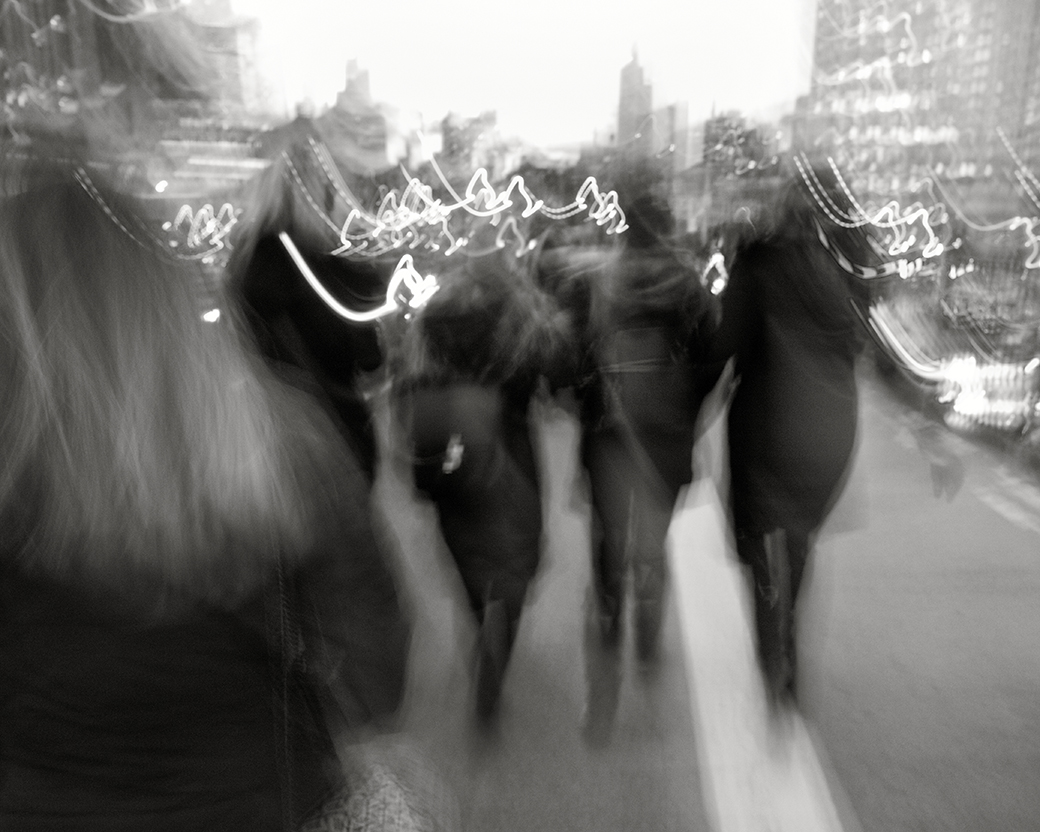
Creative composition, Jose. Got to love the ability of cell phones!
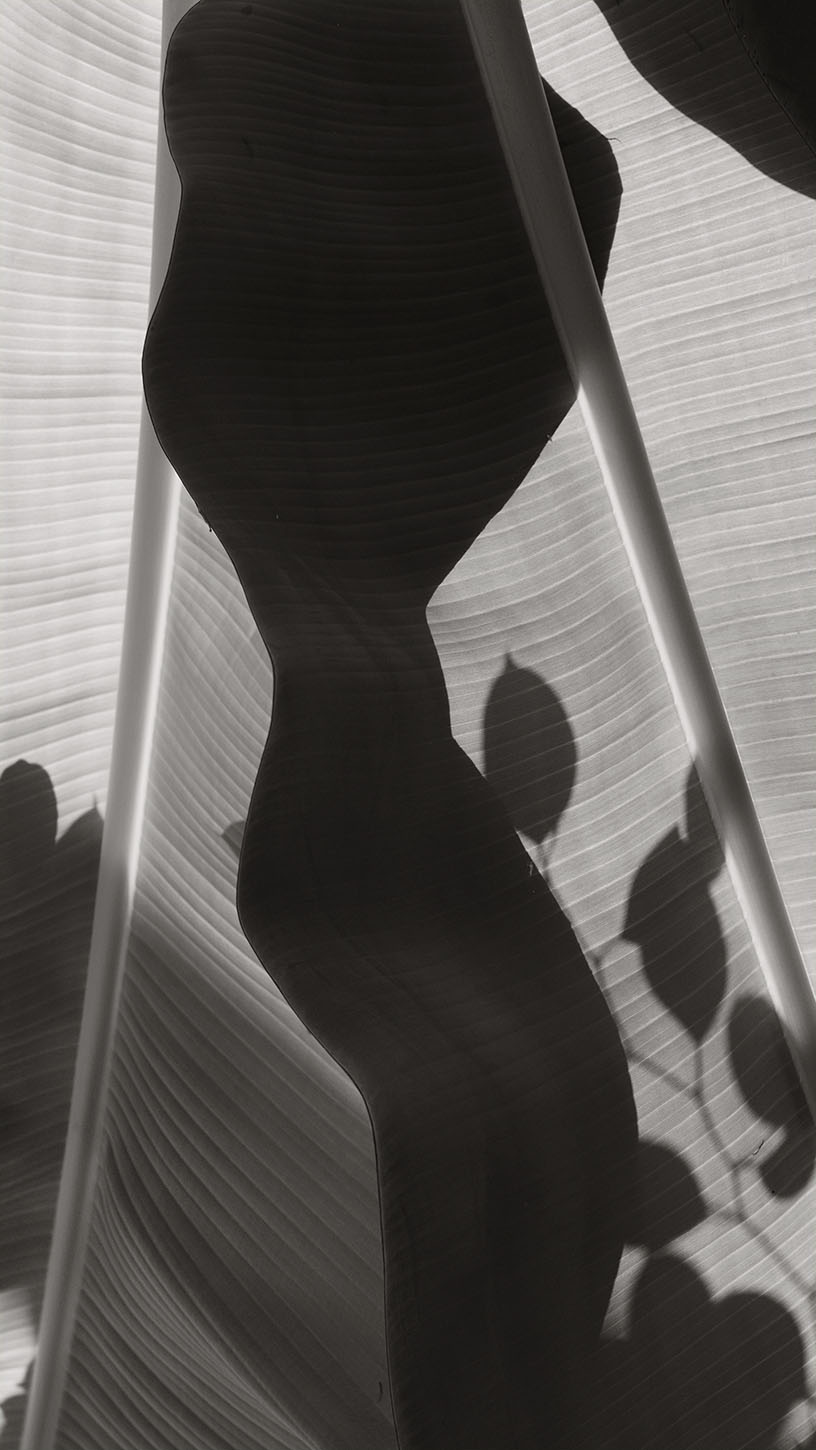
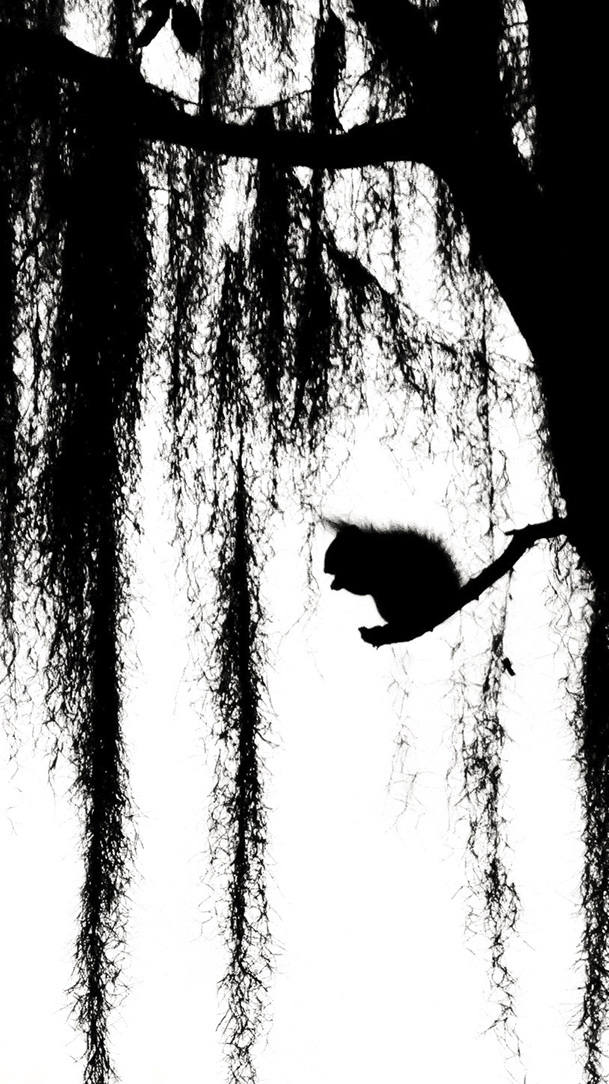
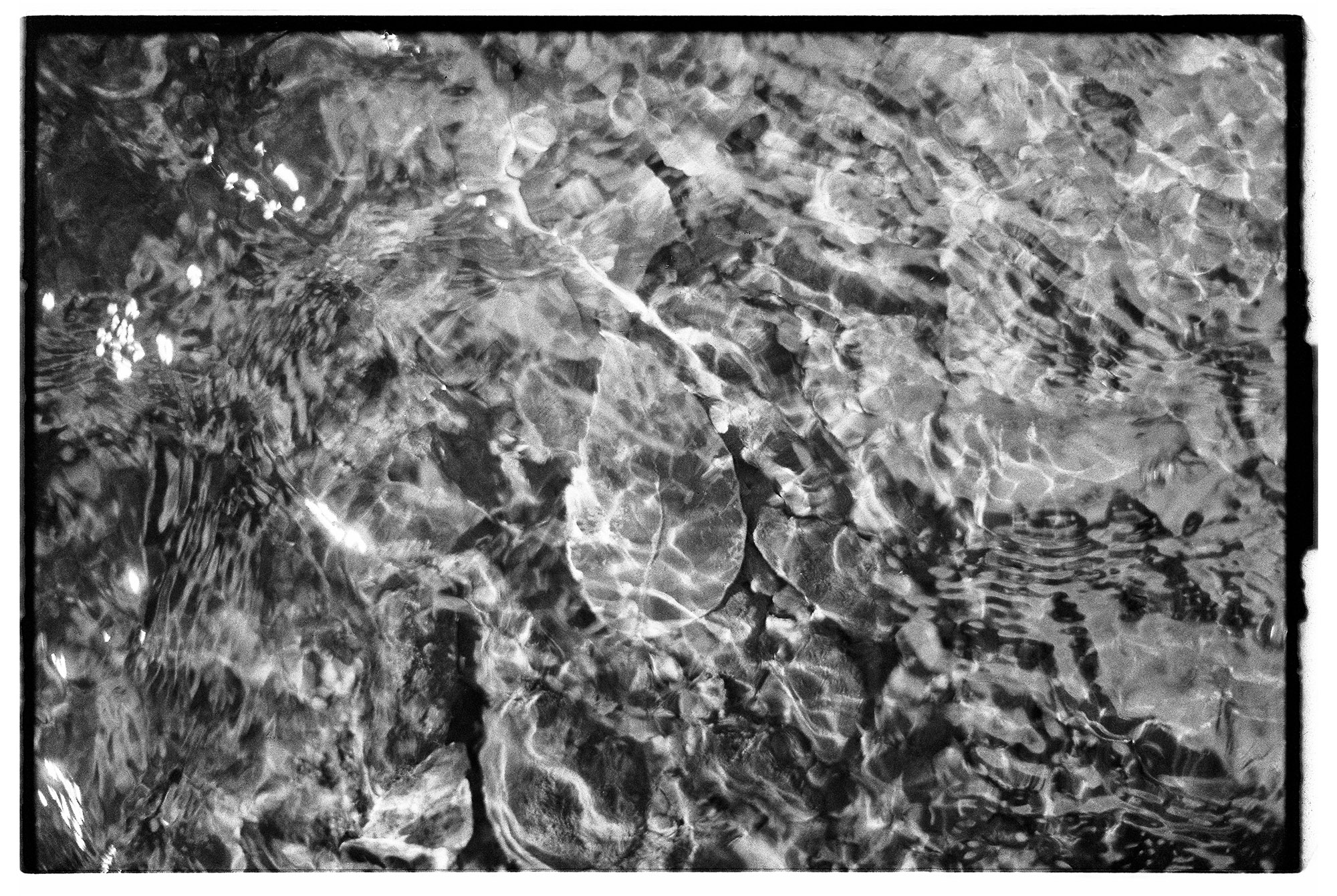
This is a fine example of seeing within the shadows and grabbing Art. I will suggest, and compared to the other more softer BW renderings from the others in our group, I wish this was a bit more bold...but it still works fine. Well visualized and captured!
Thank you this contribution. |
May 13th |
| 83 |
May 21 |
Comment |
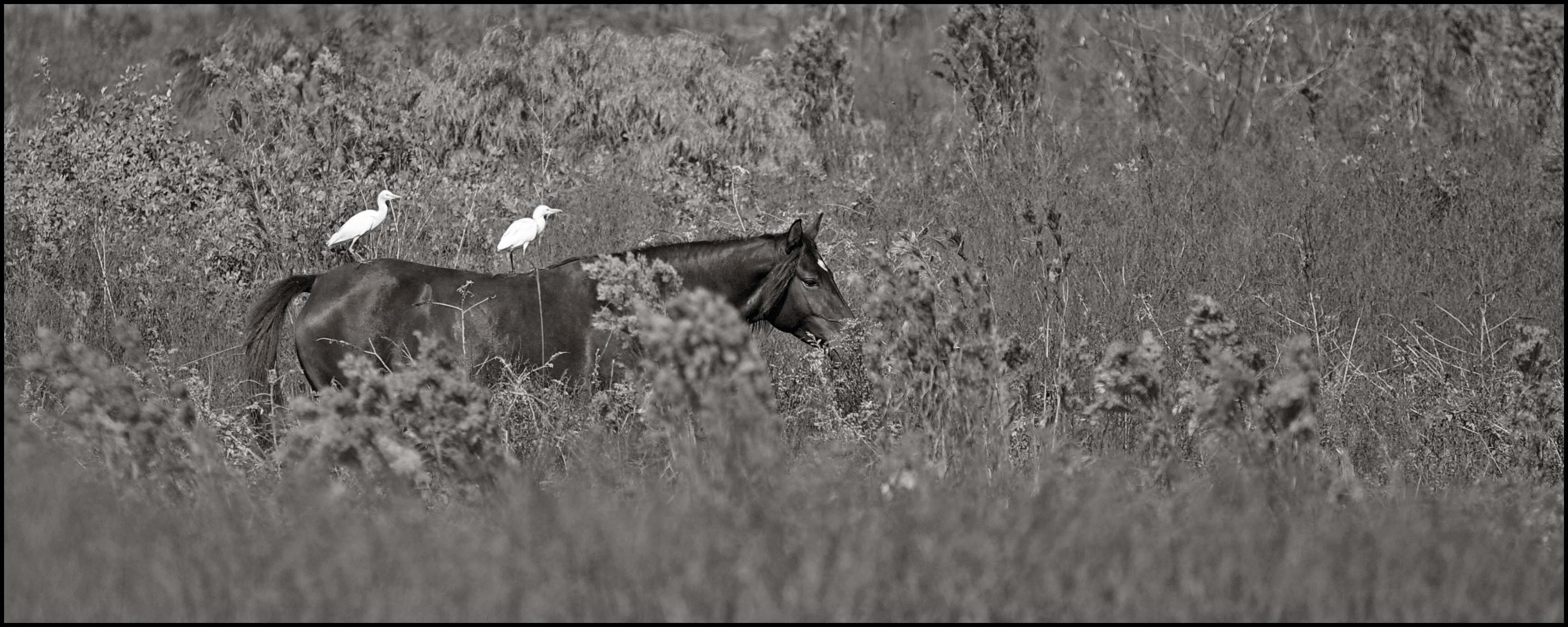
In itself, we have a very Action Packed scene, indeed! Is it too busy? No, I suggest not. Though I wish the poor little calfs eye was in-focus, however, the scene is fulfilling in providing a narrative. In any case, this is a well captured and dramatic scene!
"Focused Eyes"
We talked about this in the past, and worth going over again, in many types of wildlife compositions (and especially action scenes) maintaining at least (1) eye in focus can make or break a photograph. But not all! In the case of some Avant-garde work, a more liberal approach in creating a narrative is certainly a viable option, such as (entire) blurred scene, for one example.
("Points to Ponder")
Panning with a very fast shutter speed would have still provided a lot of "action-blur", but may have helped in securing a sharp-focused eye. Instead of using auto focus, pre-plan/calculate the focusing distance during the performance and set focus manually...Pan, shot... A high ISO would help in achieving a higher shutter speed while maintaining fairly good (or great) exposure. |
May 13th |
| 83 |
May 21 |
Comment |
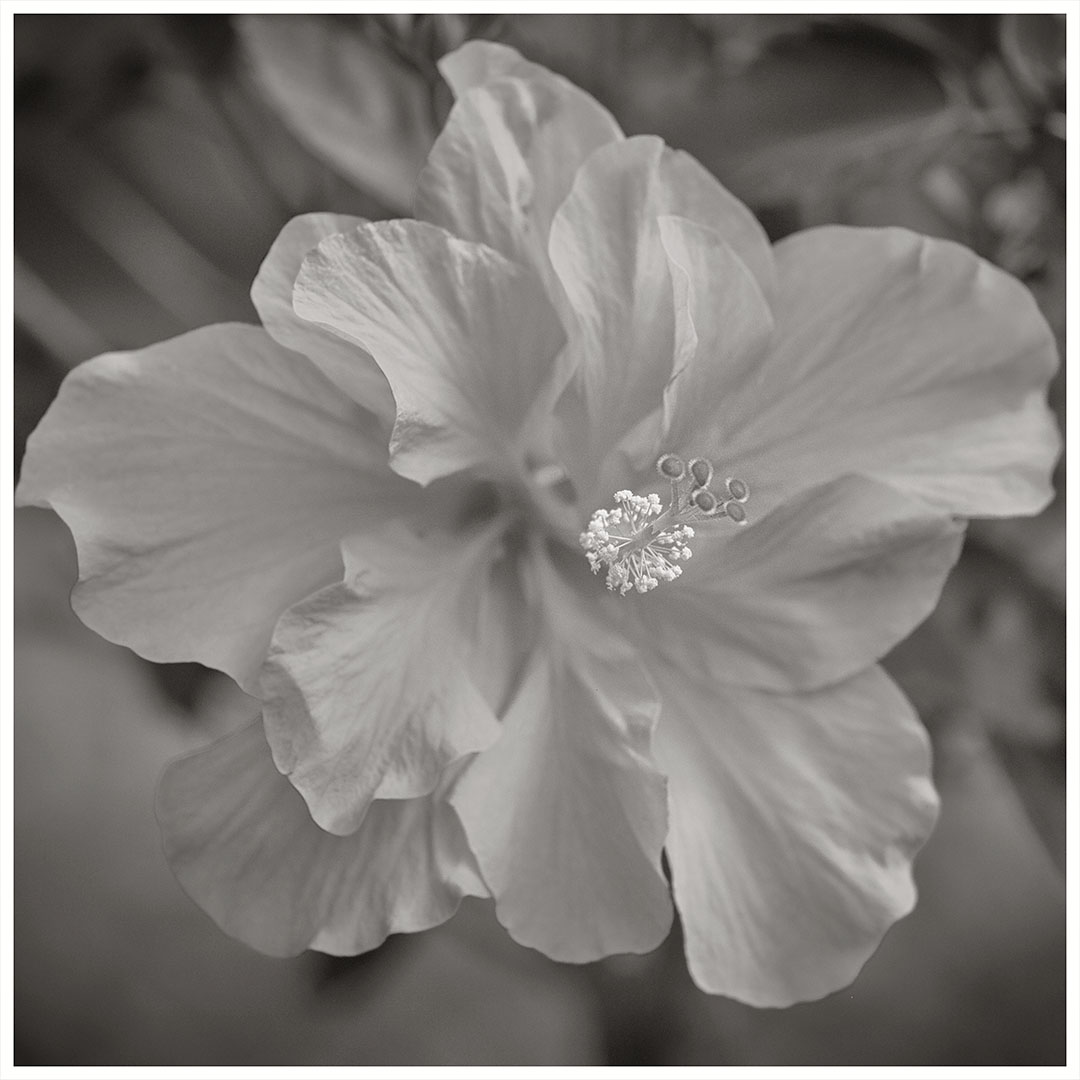
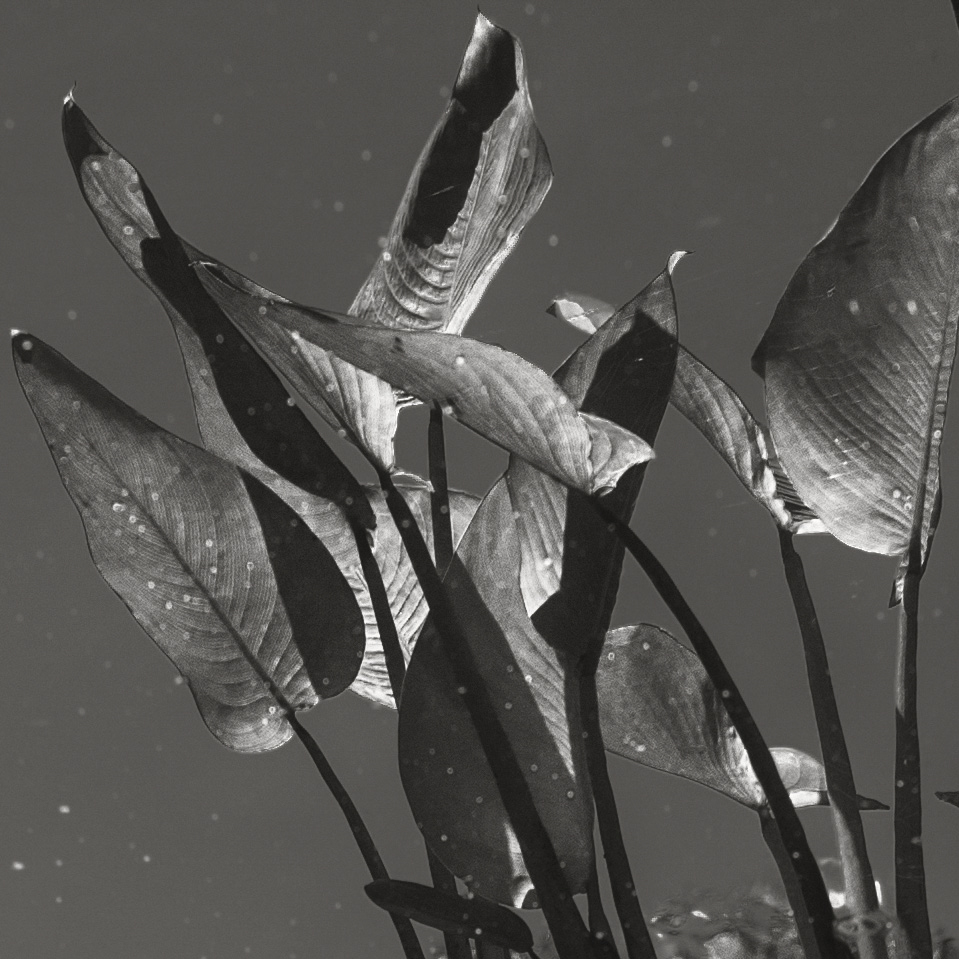
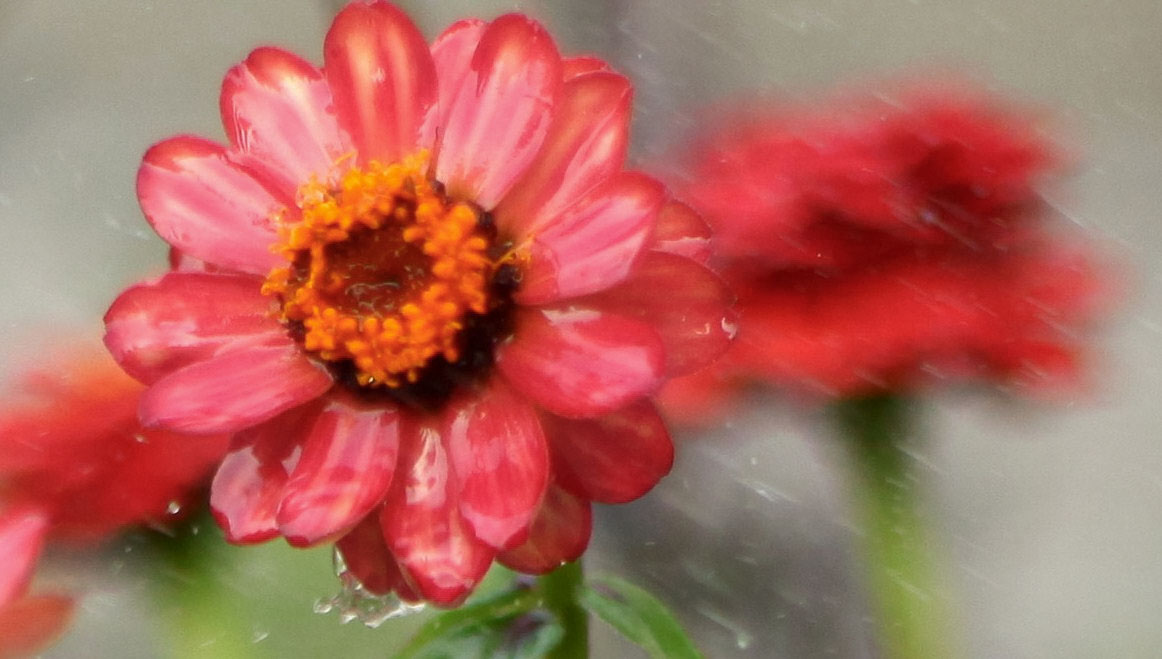
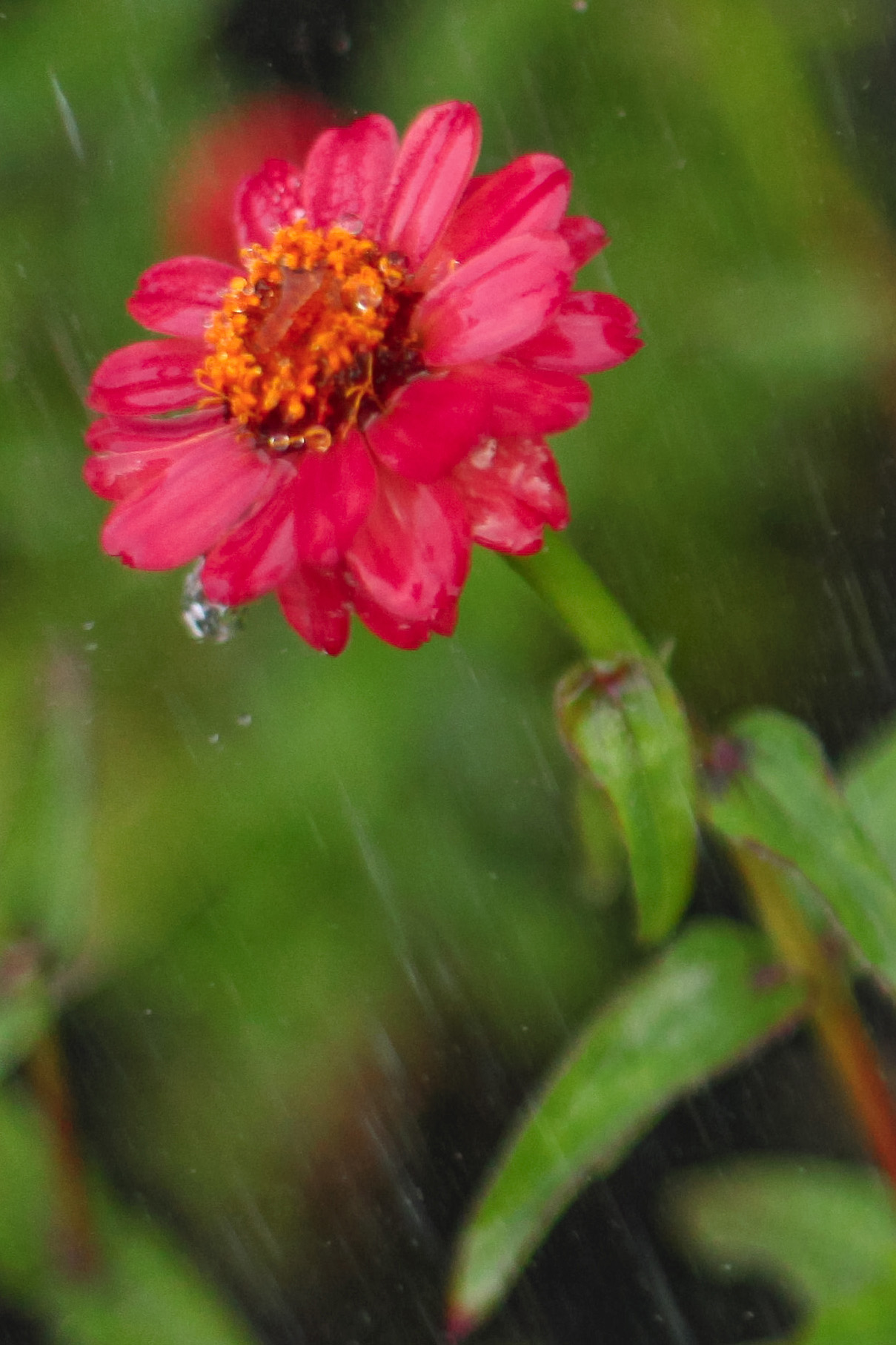
Another soft-grey rendering, and here makes sense by helping to maintain the soft flower (rather a soft focus as well) composition.
However, I am not engaged with the original (as the subject is too far) and the other aspects that surround her are not powerful enough to support her.
The crop, too, fails to engage me, even though we are closer: here, I suggest moving even closer in hopes of finding a different composition.
Why? One of the first items that disrupts the subject is the out of focus (large) leaf coming from upper-right; in the cropped view it overpowers, in other words I suggest it does not add interest, as such, lets get rid of it.
Next, another "detail" is the rain drops (all of them) are out of focus and there is no balance of seeing a crystal clear drop anywhere, again the out of focus drops do not add anything to "prick" the viewers attention, in this particular scene, in this particular crop.
You found a lovely subject, and indeed, I love the lighting, but if you can re-crop or find another image from this day/subject, we can study, I think it would be worthwhile. |
May 13th |
| 83 |
May 21 |
Comment |
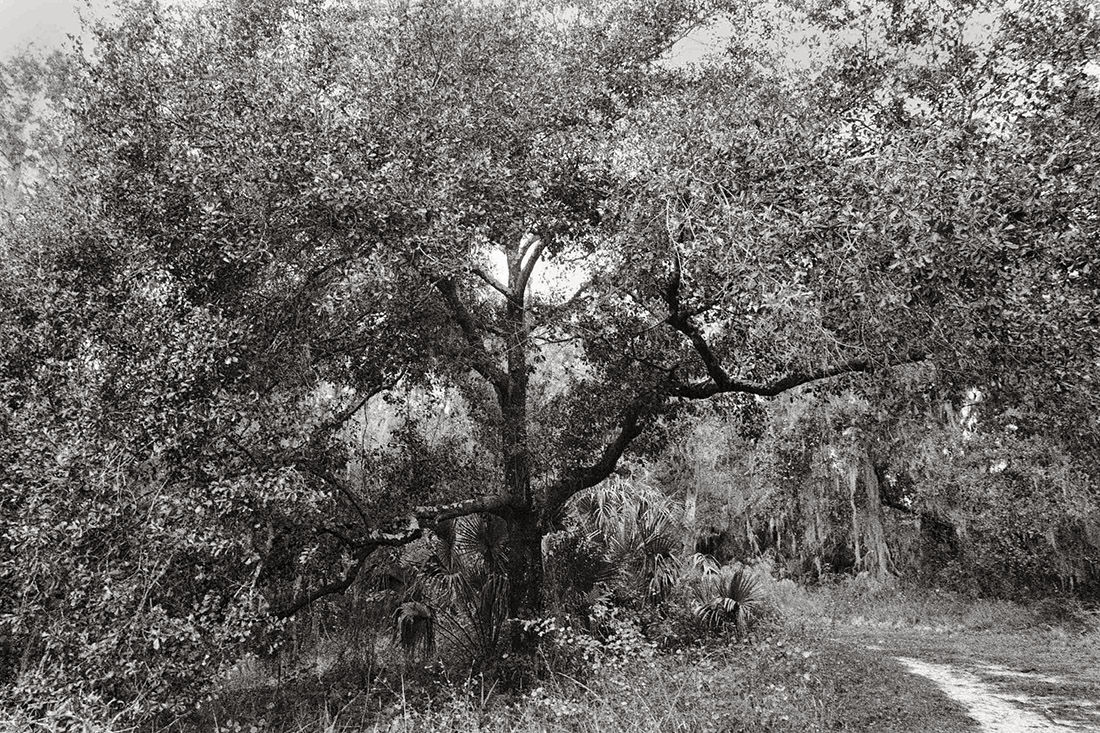
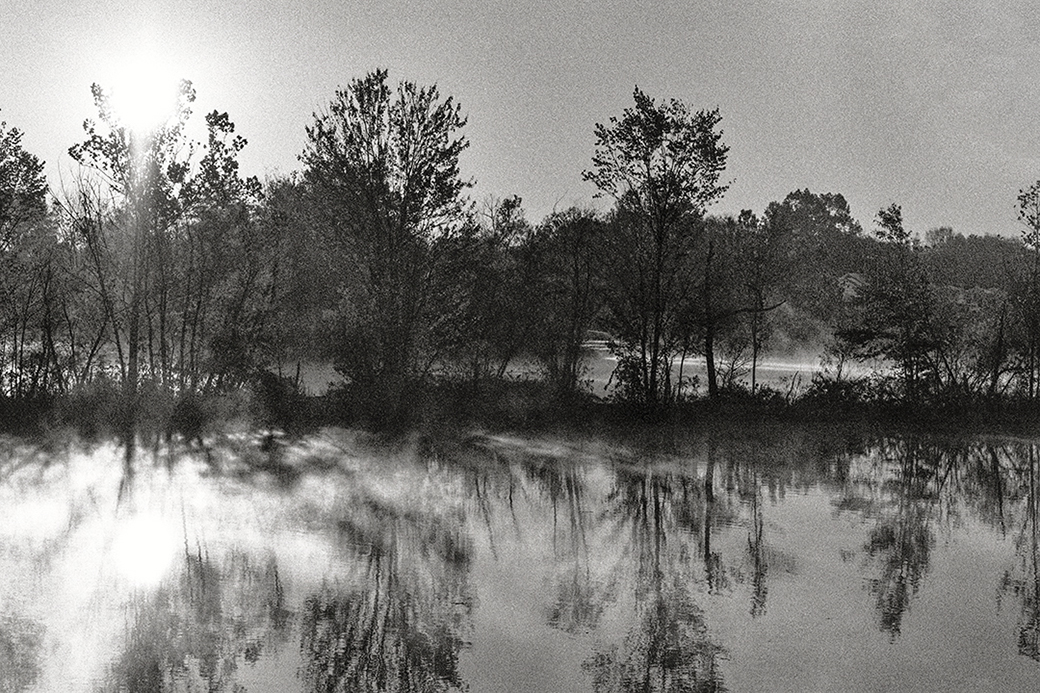
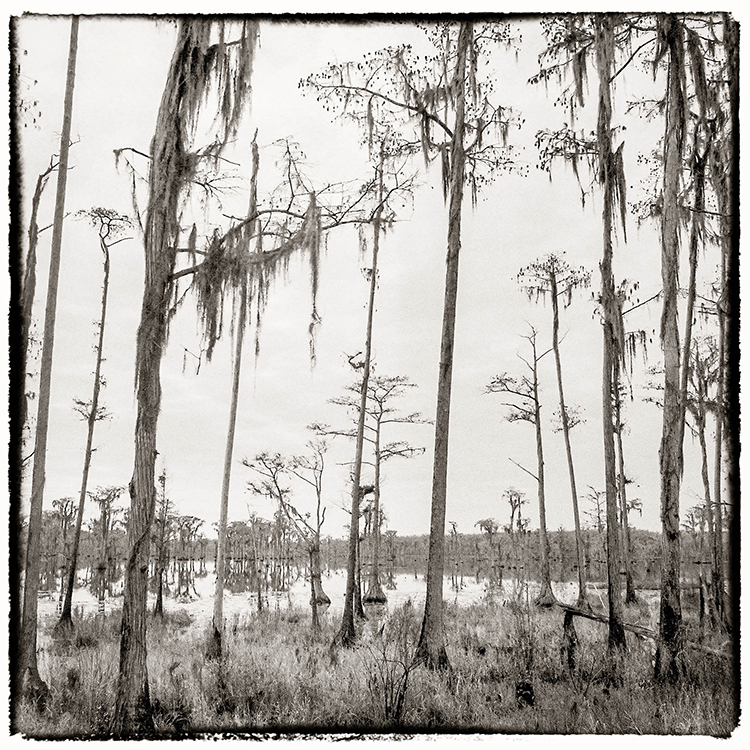
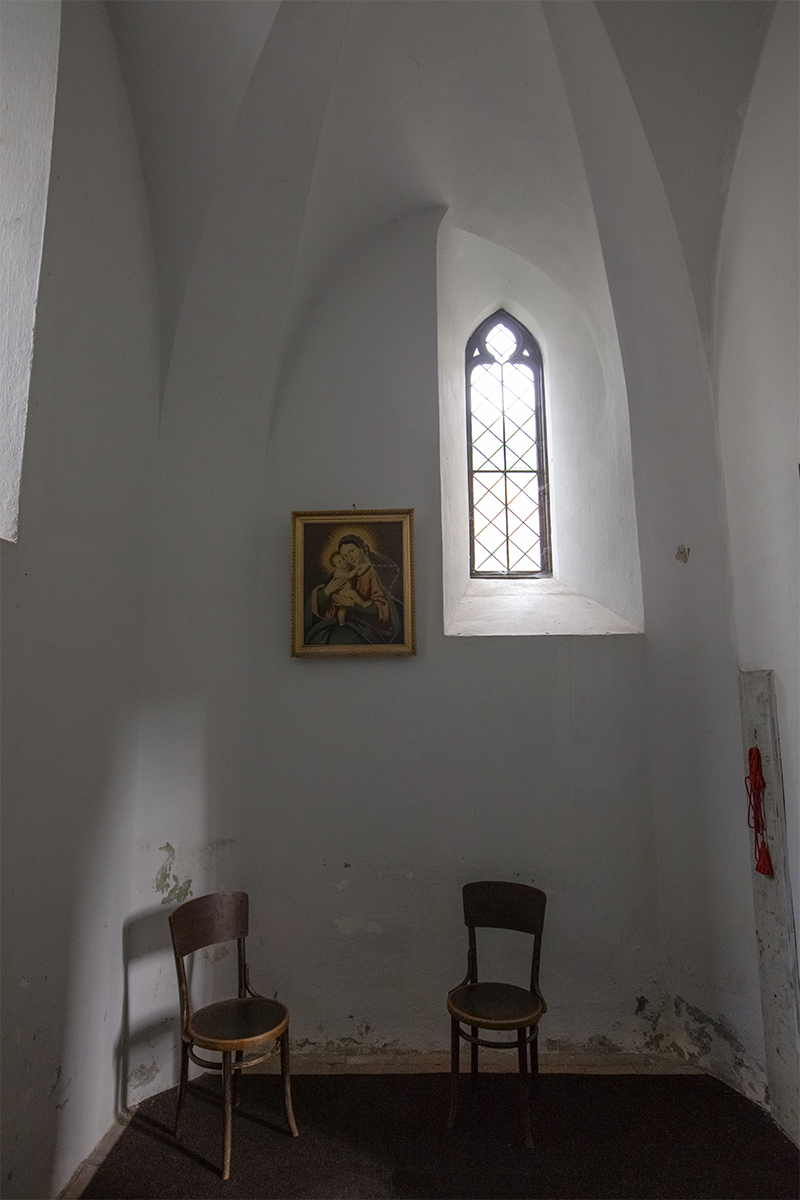
First of all, this is another example of softer BW tones: as we normally see so many BW nature compositions with strong contrasts, here a sense of relaxation, instead of, perhaps, drama.
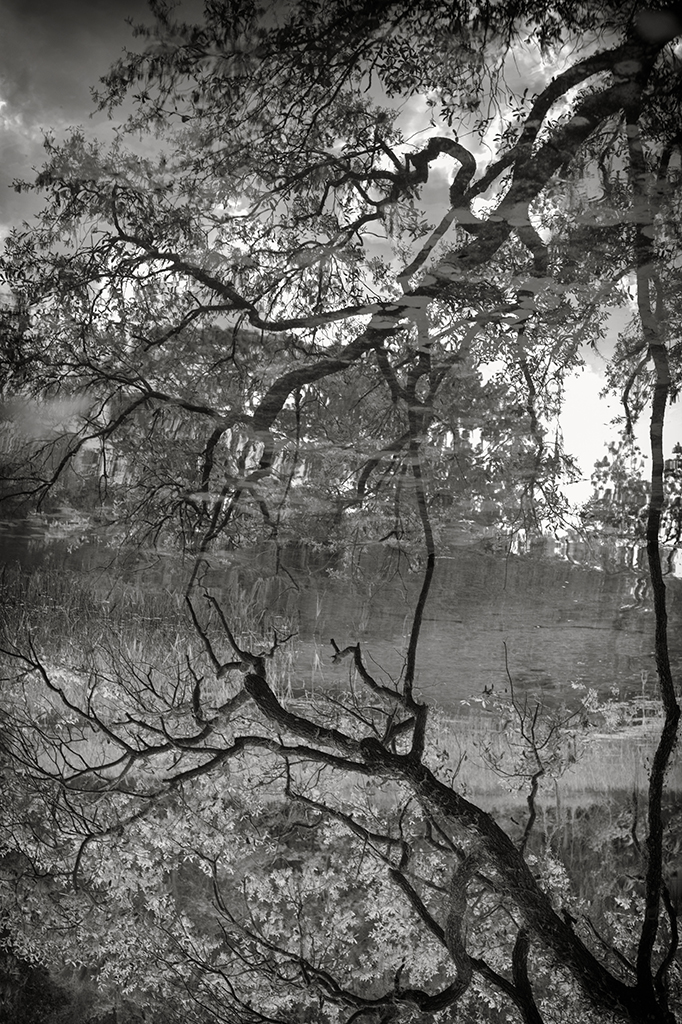
Another main focus and overall artistic touch, the natural lines and shapes created by the shadow...Love This!!! It seems to connect similar lines of the tree canopy.
Another aspect of this composition, which is a bit different from other similar scenes, is the row of Bush/Weeds to viewers left. This breaks up the symmetrical component and offers the viewer more to think about. We often see this type of subject set directly in the middle of the frame; this is a nice example of trying to disrupt this other common view in photography.
I also feel it is possible, the row of bush/weeds, are actually giving the frame a sense of depth, including accentuating the dip/hill on the road.
My comments are directed to identify photographic (or Art) concepts that help create narrative by directing the viewers attention (e.g. leading-lines and/or creating visual aesthetics) as part of the creative process.
Well Visualized and Captured! |
May 13th |
| 83 |
May 21 |
Comment |
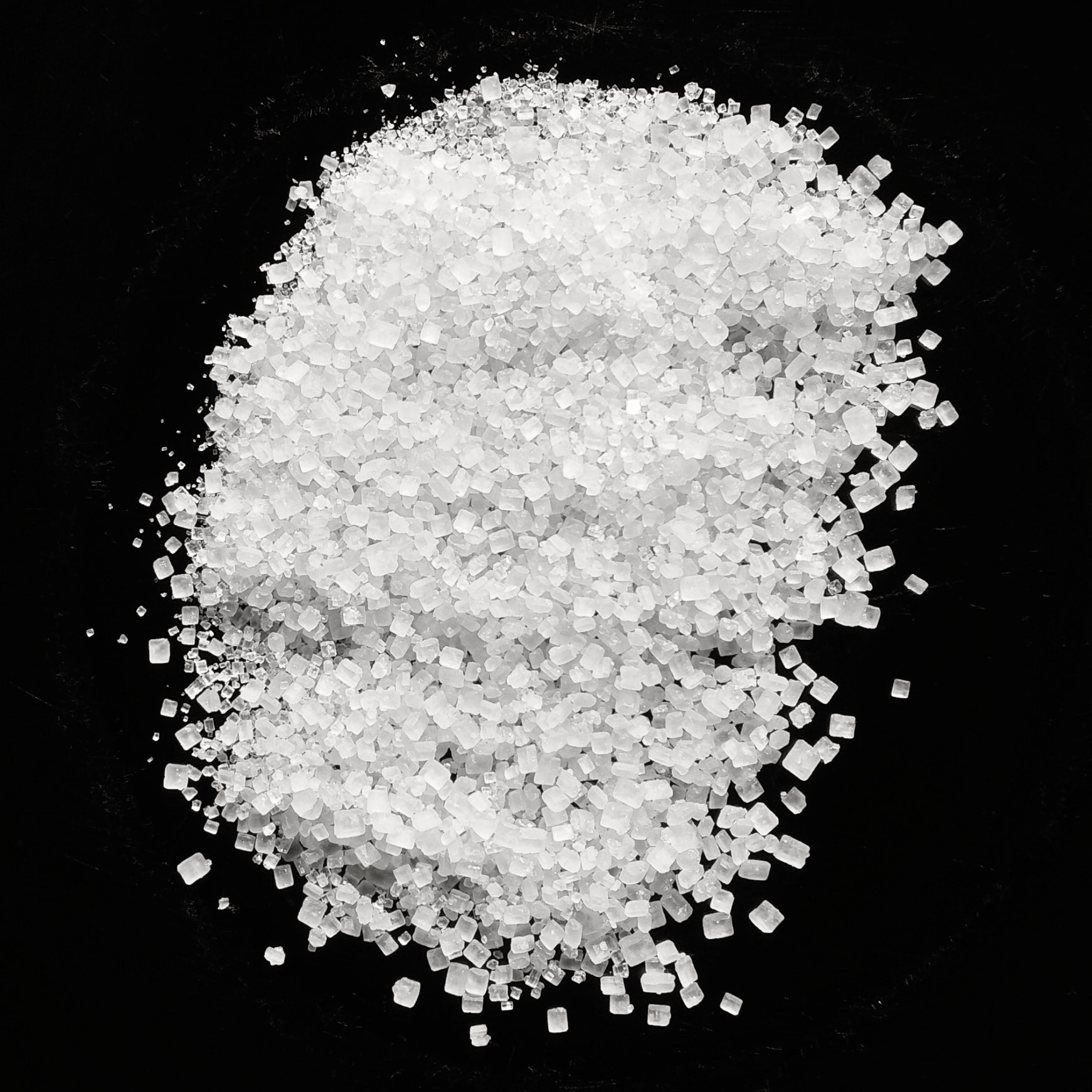
Hello Dirk! Well, this is a good start if you plan to begin offering this service to the Commercial industry. The color version is a far better transmitter of food images, in my opinion. That is, we all relate to different colors with different flavors, and as important, textures.
As far as the "staged" arrangement, I feel offers something for special kinds of food or establishments, like perhaps, Health food industry:
I feel the "simplicity" of placement and sparse background/surroundings speak to Simple, Healthy and gets to the point without Fluff....in my opinion.
In any case, the entire shot is well illuminated and exposed. |
May 13th |
5 comments - 2 replies for Group 83
|
| 87 |
May 21 |
Reply |
Hello Jennifer! These are valid points you share with us...indeed, the soft tones associated with the bedroom scene does indeed have the ability to evoke a strong emotion from the viewer: a good example of a less contrast (or harder dramatic blacks and whites) promoting the narrative. Key points I always discuss and practice with students of photography.
I especially like your reference to the personal connection you suggest feeling in someone else's life....as a result of looking at photographs like this...thank you for your comments! |
May 16th |
| 87 |
May 21 |
Reply |
Hi Stephen! You and Cindy both point to well known films and their use of shadows to project mystery and intrigue. But, yes, I will refrain from committing a sin in the sake of fine art.... LOL!!!!
"Points to Ponder"
Watching Movie Films is another wonderful way to "see" how Directors and their Director of Photography visualize and shot a scene - nowadays, "Directors of Photography" incorporate a lot of "Art", as long as it relates to the . "The Handmaid's Tale" a Hulu & MGM production, is a great example of this. |
May 16th |
| 87 |
May 21 |
Reply |
Hi Chan. As it relates to "advise": from a Club oriented platform, there are so many "exhibition" rules or (dos and do-not) for competitive photographic work, but almost all my advice is born from a non-club format, and instead, deal with the "pure" artistic interpretation of the individual artist.
Exploring works by Avant-garde photography artists, for one example, reveal a much wider scope of aesthetic values, that would not even make it into a online or local photography guild, let alone placing in competition. But are at the head of table for the serious collector, indeed.
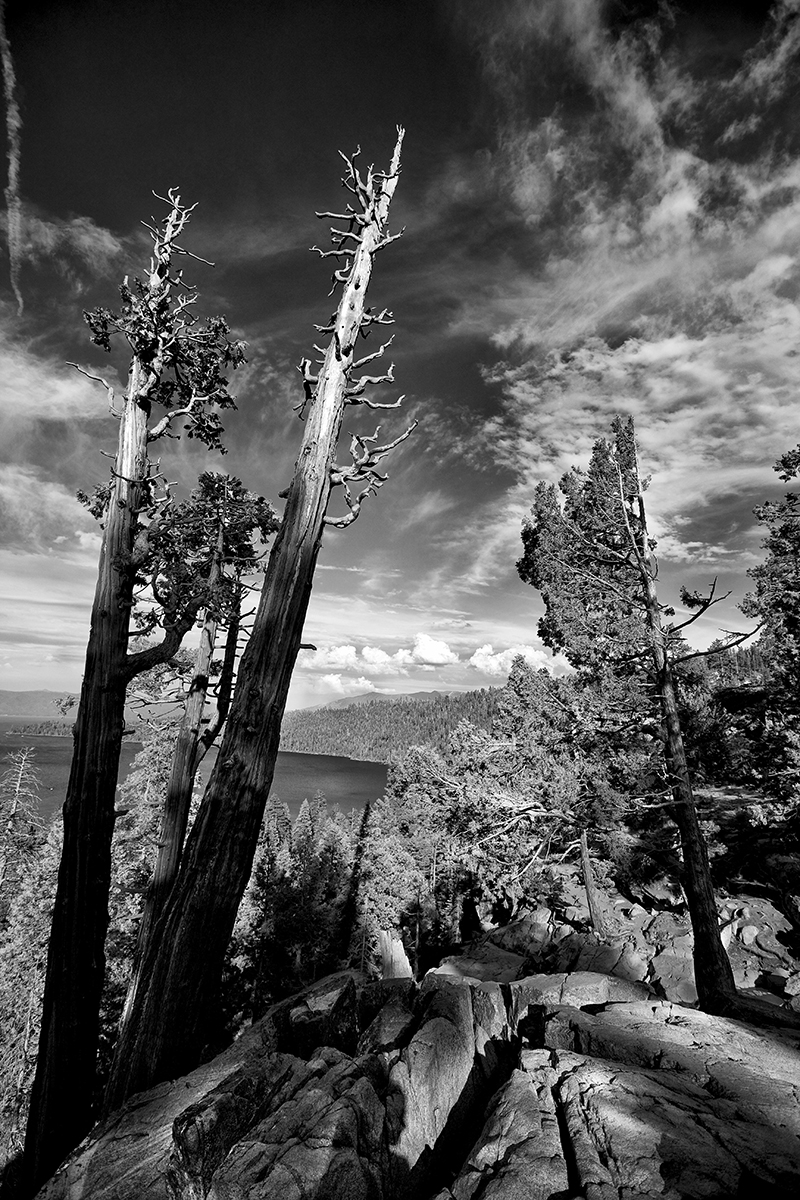
It is not a case of keeping the original perspective, for the sake of following "straight" photography agendas, it is the fact, (sometimes) these types extreme perspectives, a characteristic of ultra wide glass, is just plain artistic. |
May 15th |
| 87 |
May 21 |
Reply |
Dale...I really appreciate your encouraging words....thank you!
"Seeing" shadows, or maybe better stated, "looking within shadows" or looking within, the shadow.. in finding artistic beauty or novelties is a learned act: as we have become accustomed to "seeing", searching and visualizing primarily within the light.
Looking forward to your contributions in June! |
May 10th |
| 87 |
May 21 |
Comment |
Happy Monday, Dale!
Well, first of all...this image represents another perfect example of using prime 50mm (Fast F/1.4) glass. My Go-To lens for a lot of my own Flora compositions. (My wife Anne, uses a Canon F/1.2 for underwater photography).
Really enjoying looking at this image, Dale....very vibrant...engaging.
Technically, the use of ISO-1600 allowed for the use of a smaller (F/5.6) aperture that gave you a bit more Depth of Field (Dof) which extended the focal area from your dead-center point of focus. Post-production results look natural with not a hint of hyper-reality or otherwise strong "structure" aesthetics added. Hopefully this composition sees (maybe) a black matte and frame and presented on a stand or wall in your home. Well done, Dale! |
May 10th |
| 87 |
May 21 |
Comment |
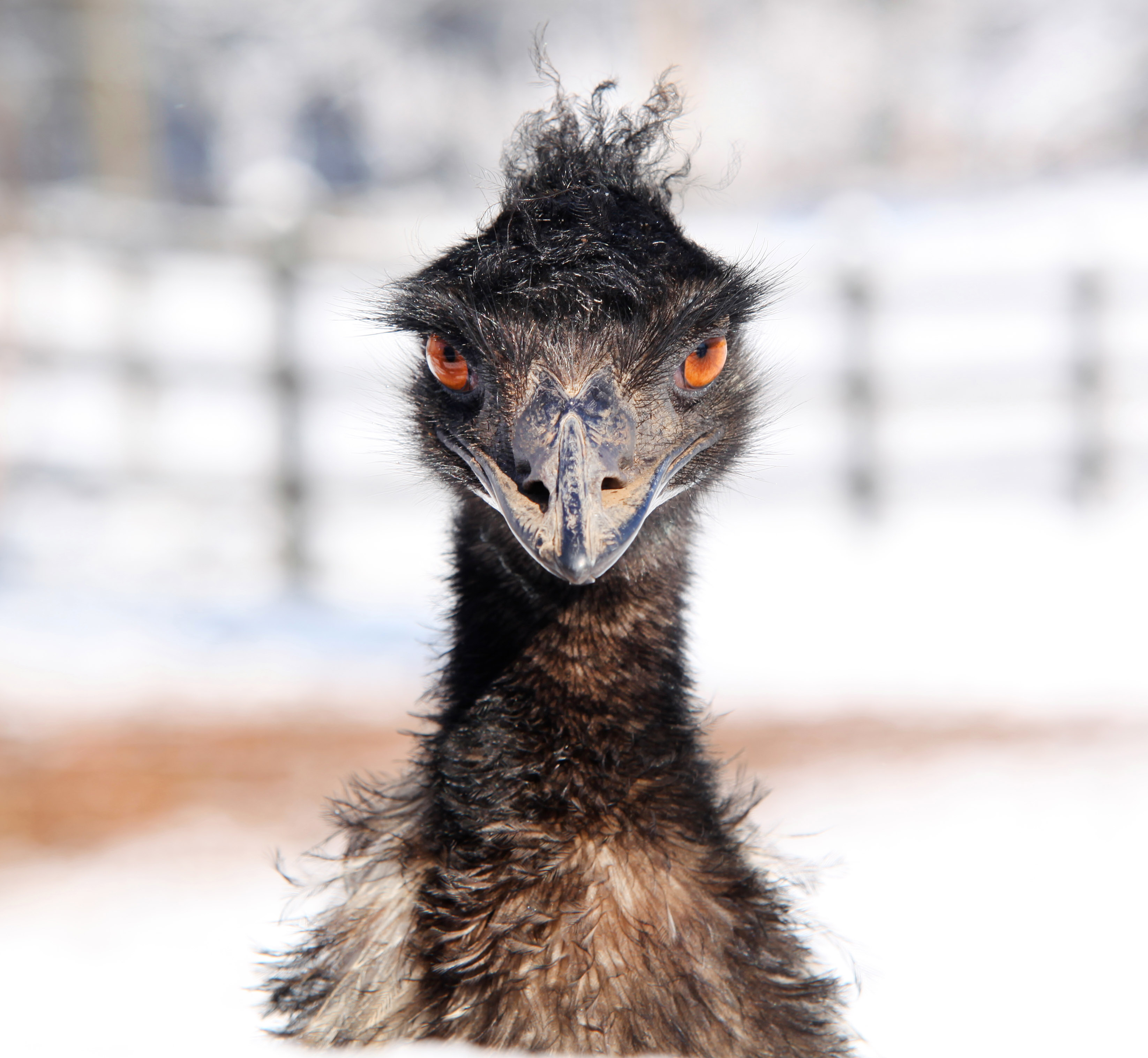
Good morning, Cindy! Tweet, Tweet! A terrific perspective! Like Chan, I like the unusual view of our fine feathered friend.
Well, both Chan and Steve offer key points in getting consistently engaging shots of birds (and animals in general), and allow me to add a few words: as Chan stated, putting the Bird "up" on a pedestal, as it were, is actually very different and I too, like the perspective as a break from the more normally seen eye-level shot. You are creating a narrative: "look at me, as I sit here!" It gives the subject a personality, prominence. Good eye, Cindy.
Steve brings up a very important dynamic in photographing both animals and people; being sure the "eyes" are clear (in focus): in may cases (not all...) if the eyes are in focus/clear, even if the rest of the subject (and background) are not...the shot may still be a "keeper".
Remember, keeping the eyes sharp (for almost, all the time) is a rule we need to set-in-stone, but by all means, for the most part, photography needs a lot more rules broken to create engaging subjects from behind the viewfinder. |
May 7th |
| 87 |
May 21 |
Reply |
Good morning, Steve....yes, of course, merging 2 or more images in post can be an option to solve the exposure problems with scenes like this.
As we are both suggesting, it does take time and effort to capture this type of subject and indeed, not a project while on a tour. As I just wrote to another photographer asking for advise or insights into their work...let me share....
'Learning and engaging in using proper photographic technique takes a long time to learn for consistent results - and even the word consistent is relative in the world of photographic art....As such, my initial advice...is to regularly approach "Photographic Work" as your main priority during any travel or planned vacation. Instead, you are going on a "photo-shoot": in this way "Photography" becomes a priority and you plan around it, including asking for permission to shoot behind the scenes or special access to areas normally off-limits - all in an attempt to find the perfect and best perspective from behind the lens'. |
May 7th |
| 87 |
May 21 |
Reply |
Yes, I was thinking pop-up devices, indeed. Thank you for your clarification.
The other comments I suggest still hold true of course. |
May 6th |
| 87 |
May 21 |
Reply |
These are valid points, Chan.
However, I am not necessarily filling in the entire length of the alley with the Flash.
Unfortunately, I speak only of off-camera and powerful devices like my Canon 600EX II-RT. These units give control over a variety of lighting situations more than most in-camera Flash. However, I am sure better in-camera systems have adequate power and versatility.
In this way, in a dark alley, for example, camera mounted on a tripod, the external Flash can be used during a variety of shutter speeds "Bracketing" and a variety of aperture settings "Bracketing" and a variety of Flash Output settings.... in post, reviewing results and selecting those frames that best represent what you want, and from there, modify exposure as needed.
|
May 5th |
| 87 |
May 21 |
Comment |
Good catch, Steve, and I think Chan sums up my feelings.
The simplicity in this composition speaks well to your good eye, Jennifer. As Chan suggested, the Bench, rather than the its (and the other interjecting) shadows really takes the spotlight.
However, without the shadows, do we still have an engaging photograph of this subject??
Well crafted, Jennifer!! |
May 4th |
| 87 |
May 21 |
Comment |
Interesting conversation, Chan, Steve.
I too, am focusing on the shadow as a result of our theme this and next month: but I will admit, my eye initially went to the birds eye...and this is actually normal when viewing both people and animals (and why when shooting these subject types "keepers" will always have the eyes in focus, even if the rest of the subject or immediate environment is not.).
However, after this initial view...I centered on the shadow. Interesting Note:see how the background is not blurred by motion..thank you, 1/2000sec. Now, were you Panning, Will? An observational guess is No.
Fantastic capture, Will! |
May 4th |
| 87 |
May 21 |
Reply |
Very glad you get-something from my comments, really appreciate you constructive and useful responses, as well.
As it relates to the particular scene you came across, here are some additional thoughts: of course you were with a group and did not have time to study and calculate proper photographic technique, we all have been in that situation....but lets use this scene as our workshop example:
"Points to Ponder"
Assuming we have time - another option to shoot this scene is with fill-in flash! Here, we hope to just illuminate the shadows enough for proper exposure while maintaining the Mood within the scene, as discussed before. In this way, a small aperture can be used (decreasing or eliminating over-exposure in the background) and the Flash fills in the necessary illumination in the near-field.
For everyone:
If you have a small village or square near you, with alley ways, for example, perhaps an early morning or late afternoon would be perfect to try this technique. |
May 4th |
| 87 |
May 21 |
Reply |
....appreciate your feedback, Chan. And yes, look forward to seeing you and others participate. : ) |
May 4th |
| 87 |
May 21 |
Comment |
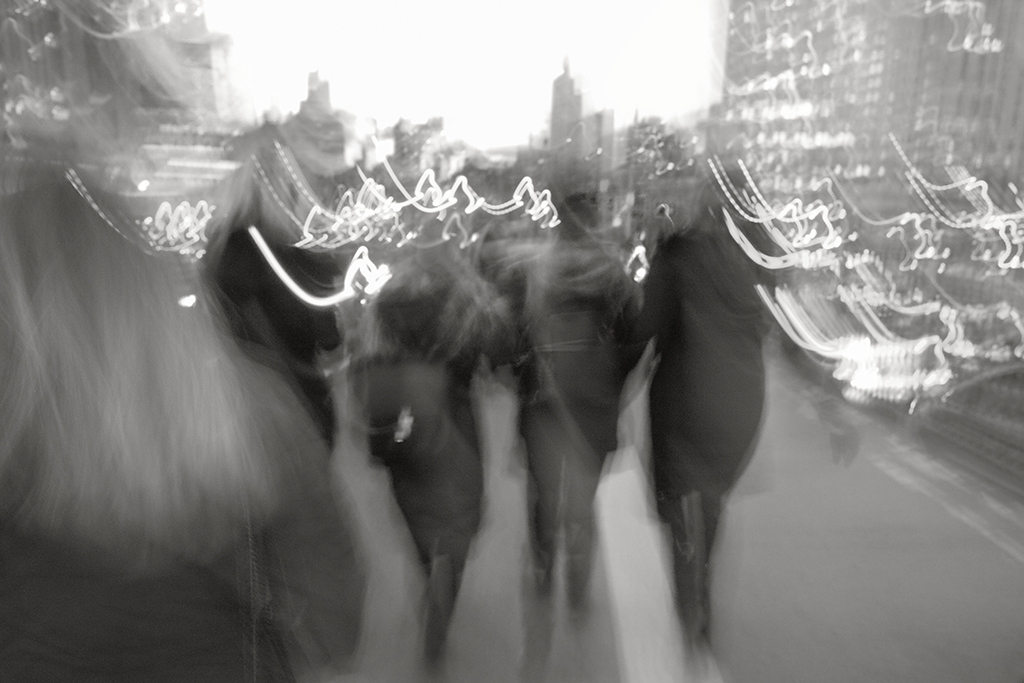
A very neat exercise Steve. The resulting image looks snap-sharp against the blurred background. This shot represents one of a few different visual results using "Panning". Well captured!
Your results are more clear than we may expect using only 1/25 sec, but surly the auto-focus really payed for itself in this situation. Here are some of the other settings/ideas when creating an artistic aesthetic with panning panning:
1. Note, panning in itself will blur the background and one of the best methods of capturing race events like biking, running and car racing, to create the sense of motion in a 2-D still photograph.
2. Combination Fast Shutter Speed and various Aperture settings create a variety of background effects (as it relates to blur and the amount of detail one wants/needs to maintain in the background) and also bring out more details in the subject (e.g. small lettering and perhaps wheel detail in a race car) while maintaining the subjects sense of movement.
3. Another exciting Panning exercise includes the use of a Flash. Here, examples most readily seen in sports magazines like skateboarding and mountain biking, where a more illuminated (snap-sharp) subject is seemingly detached from the background or maybe a more 3-D effect makes use of Flash and panning very creative.
I will search and post some example from my library over the next few days. By all means please share your like experiences and photos on this fun photography exercise. Thanks, guys!
|
May 4th |
| 87 |
May 21 |
Comment |
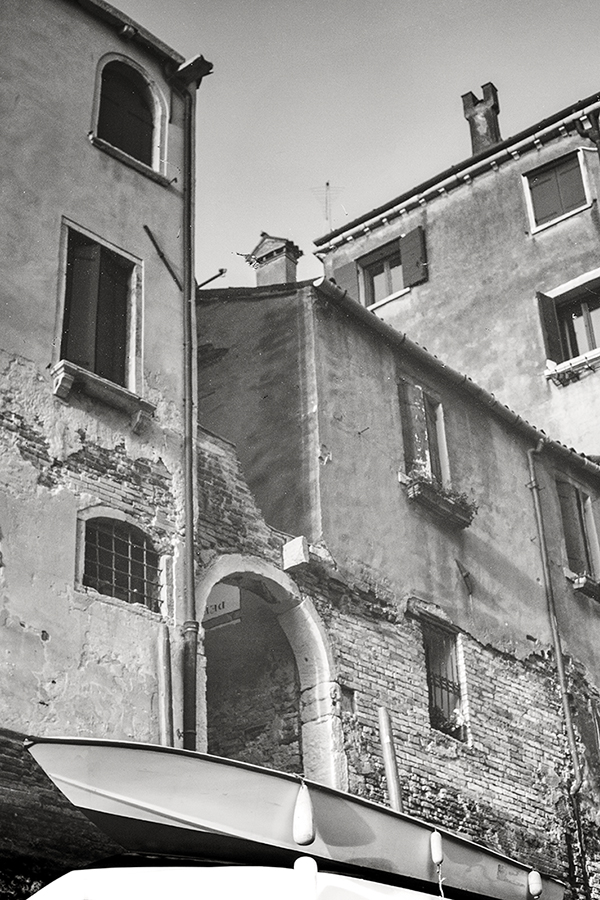
Hi Chan! Always wonderful opportunities to capture Architectural Landscapes overseas...another fine example here. Processing: well, I am also going to suggest too much "structure" or Detail or maybe its the "well" exposed foreground that bothers me. why?
I feel the original scene was not this bright, and instead likely echoed (reflected) the bright sunlight into the alley, thus making a very moody scene: as we often experience, the camera has a hard time properly illuminating (compensating) for exposure like our eyes and brain can, and in this shot, the result is underexposure in the foreground. Though we all agree it will be difficult to save the "Blown out" area in the distance, at least, in my opinion, a more gentle exposure to most of the alley is better in maintaining the Mood. Also, keeping the vertical lines like the original, that is, not correcting the exaggerated perspective, along with a modified exposure: (less exposure in the near-field and slowly increase as you pull away deeper into the alley). Both dynamics will bring back depth and the Mood I feel is lost in the current version. |
May 3rd |
| 87 |
May 21 |
Reply |
Hi Steve...and a good question: first, as you do not like abstracts, I can see where hiding the lamp aggravates your visuality: but in this case, I want to submerge the viewer "partially: in this way the lamp becomes less of a focus and instead directs the gaze to the shadows on the wall. Could I have at least included the Stand? Yes. Perhaps another take on this exact scene is due.
Indeed, "warmth" can seemingly emanate from BW photographs: in an abstract way, indeed. Always appreciate your feedback. Thank you, Steve. |
May 3rd |
| 87 |
May 21 |
Reply |
Cindy...or perhaps a scene from Orson Welles movies.... |
May 3rd |
6 comments - 11 replies for Group 87
|
12 comments - 15 replies Total
|