|
| Group |
Round |
C/R |
Comment |
Date |
Image |
| 39 |
Feb 21 |
Comment |
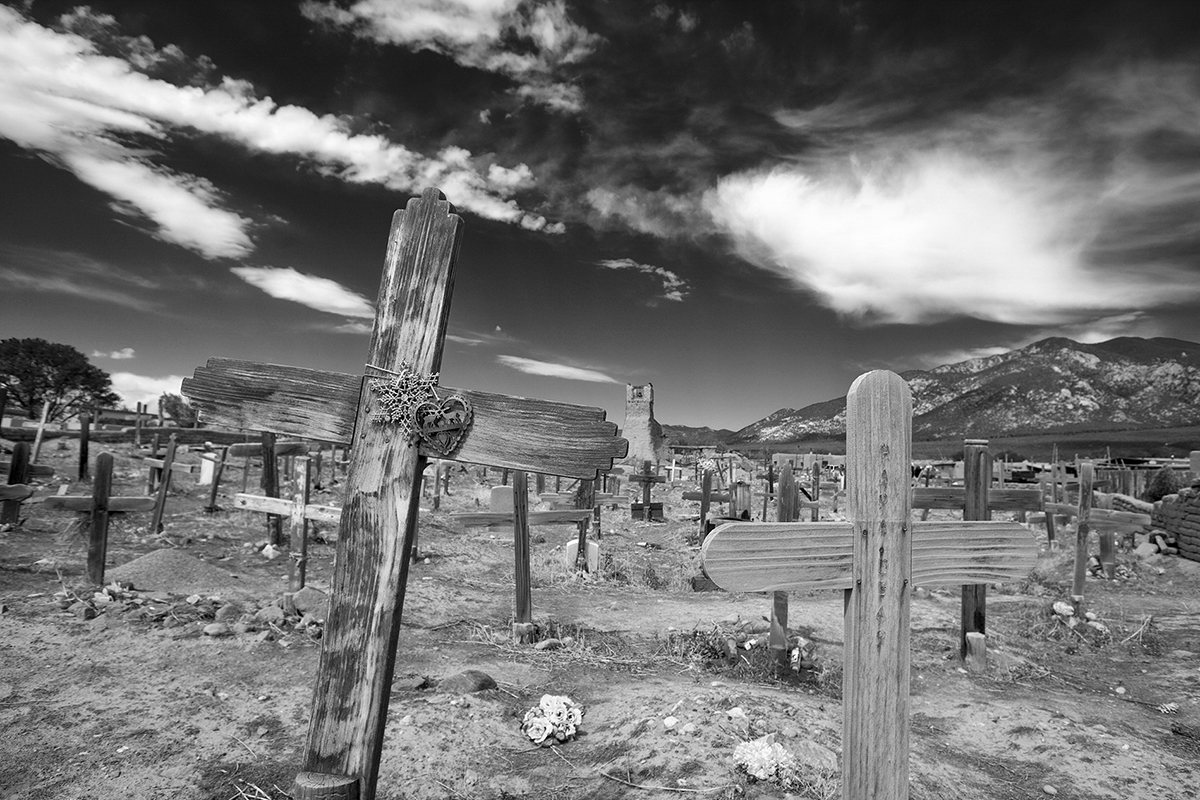
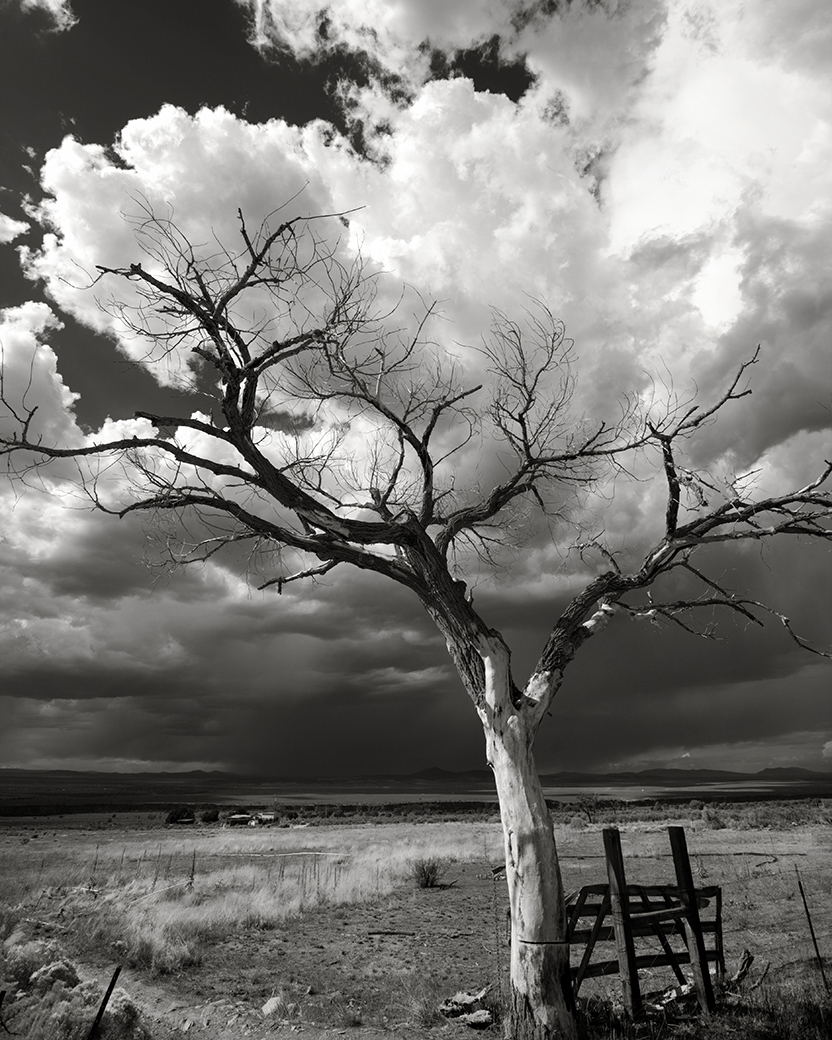
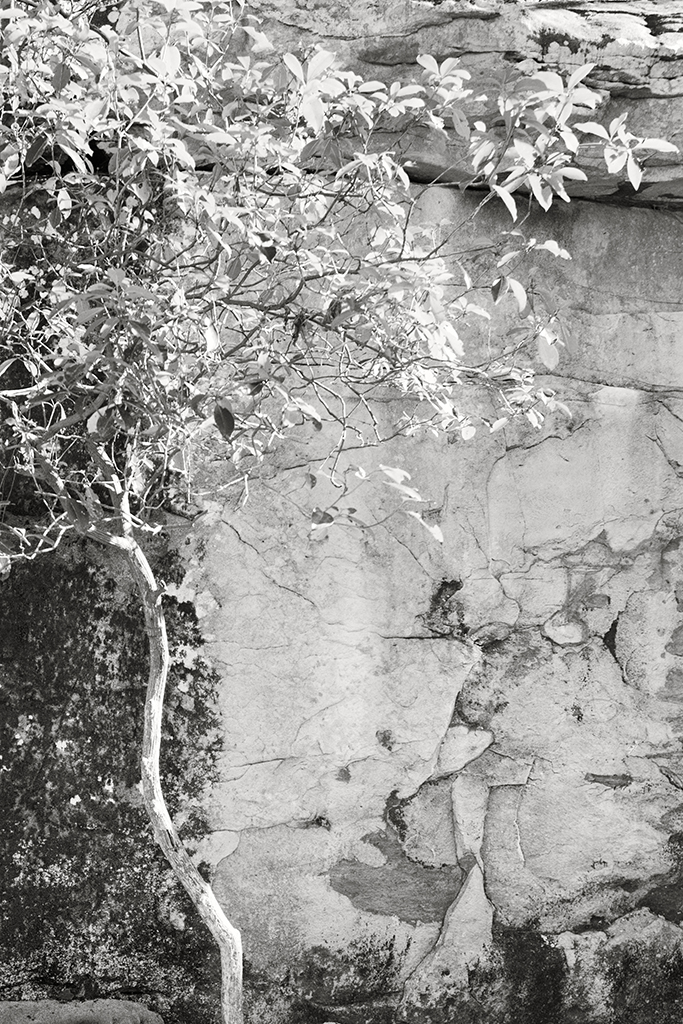
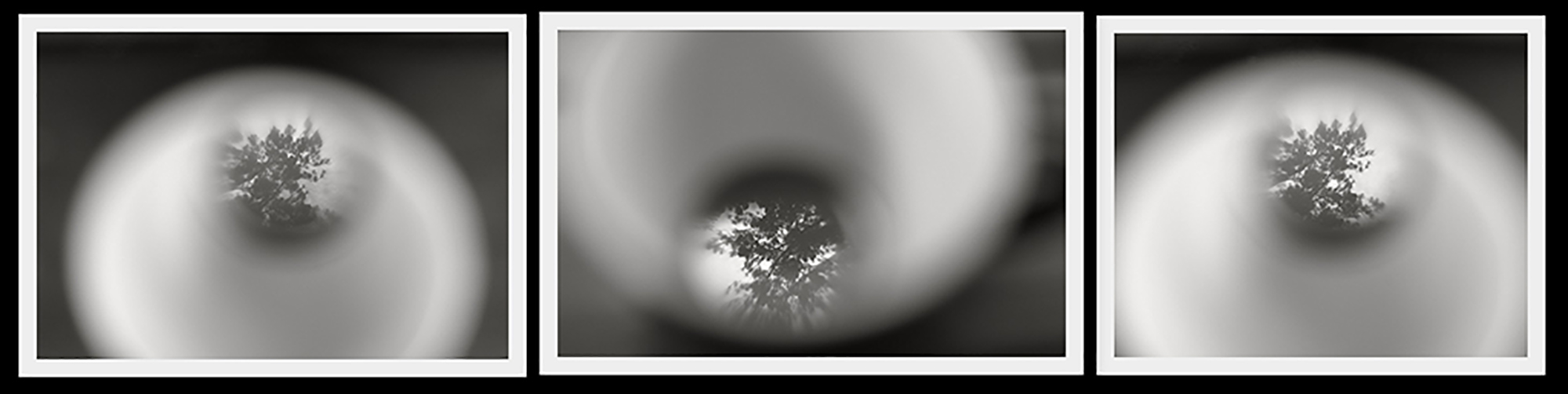
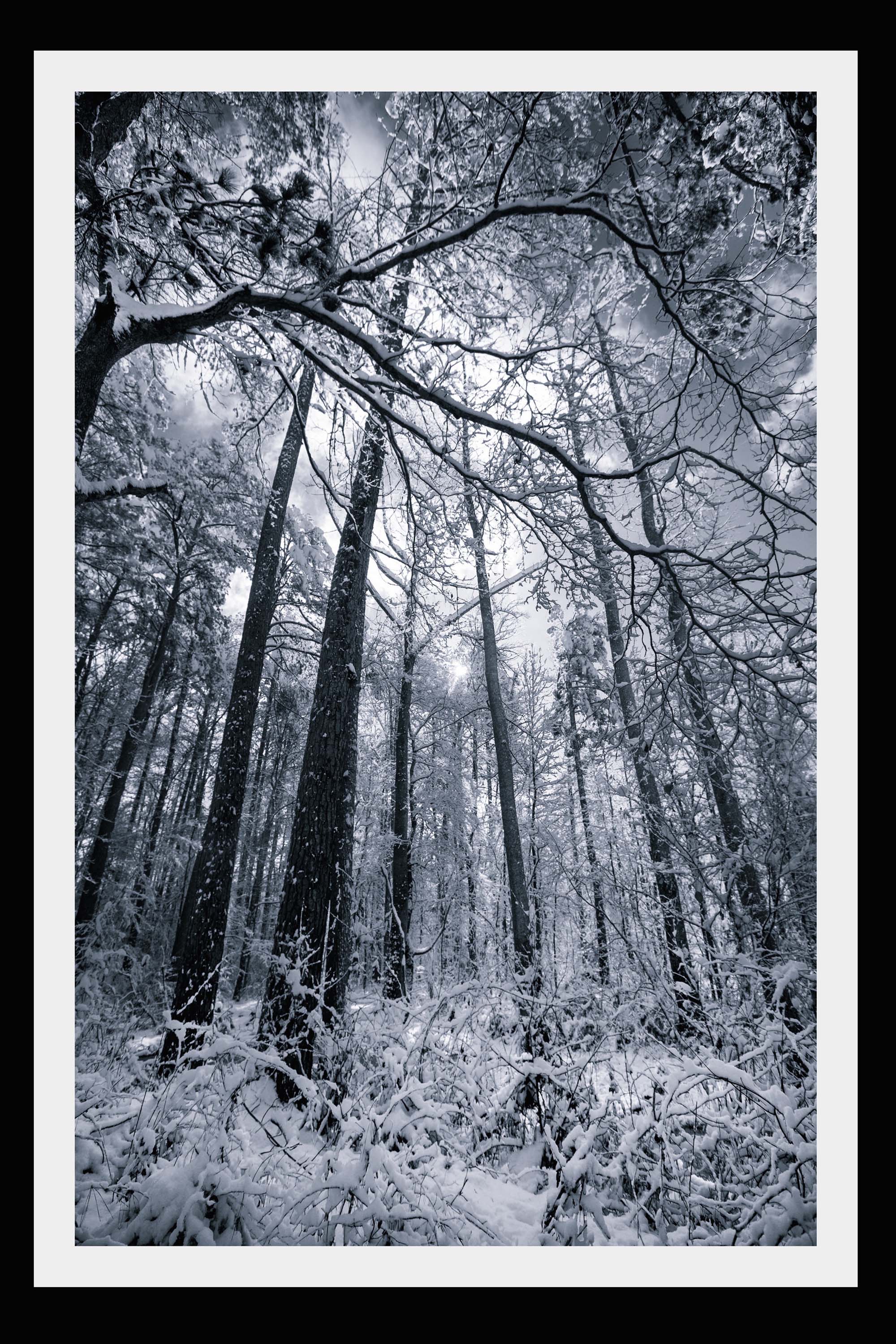
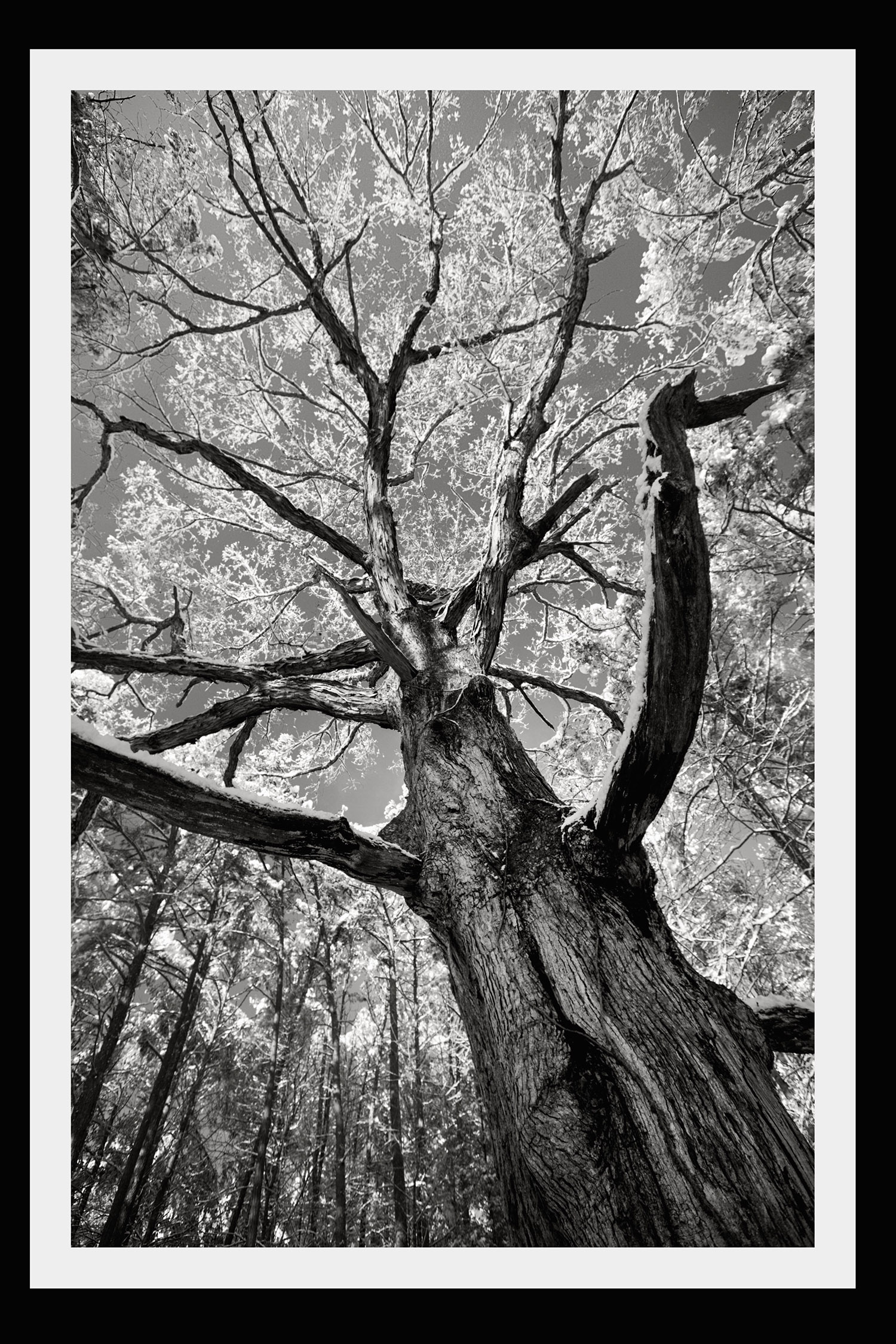
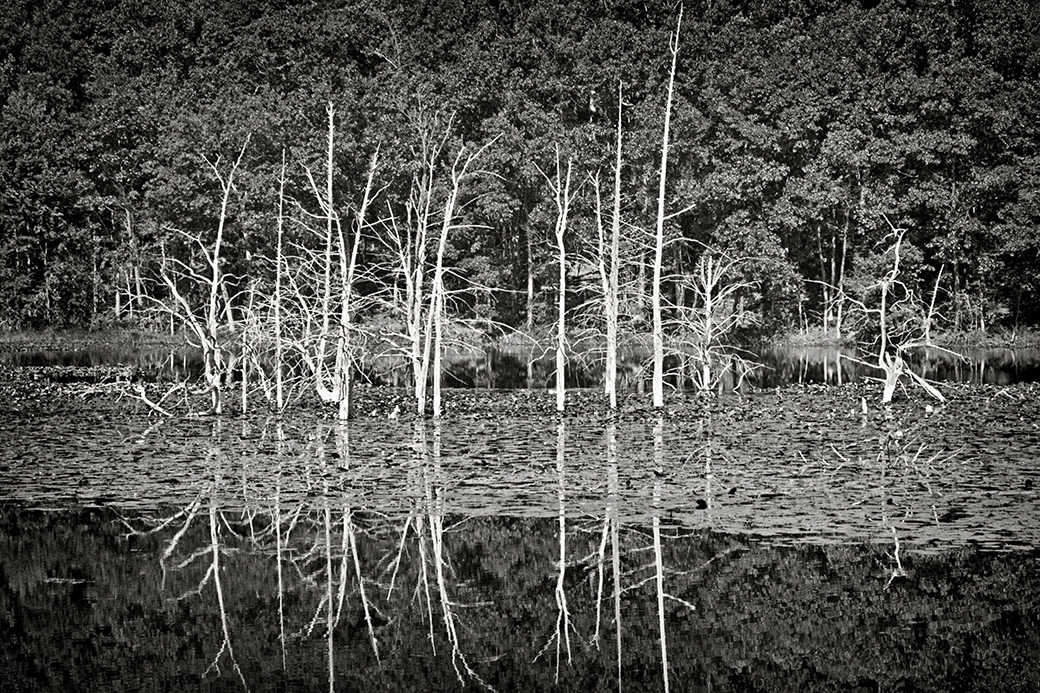
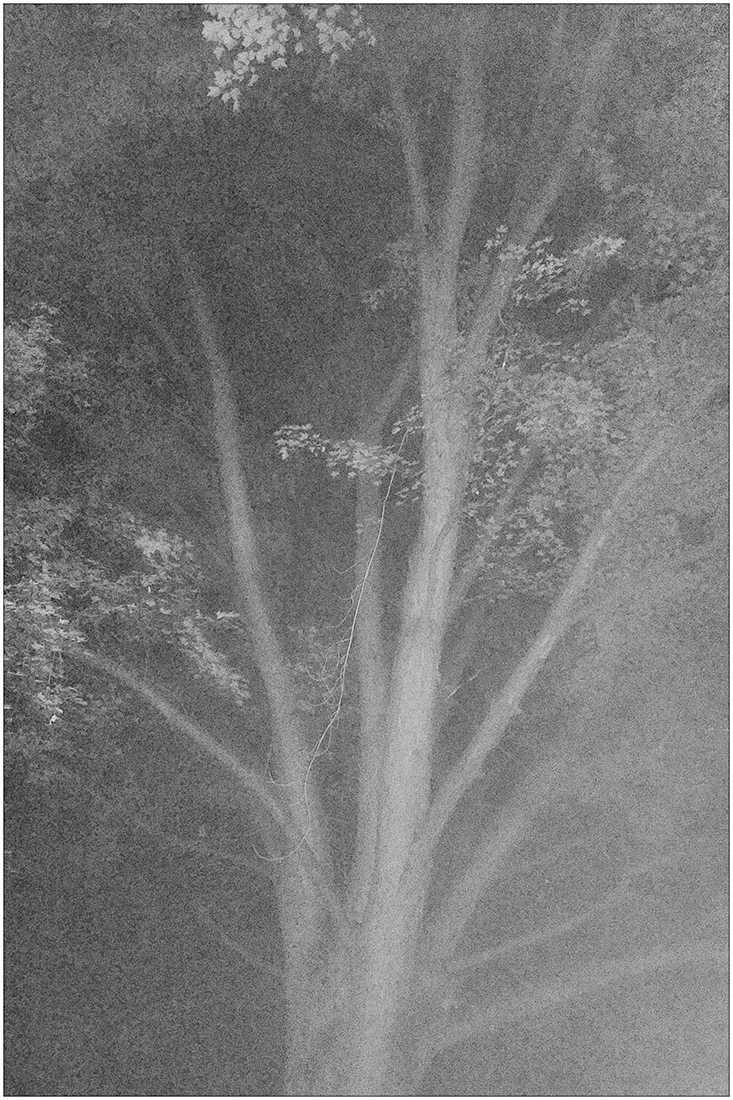
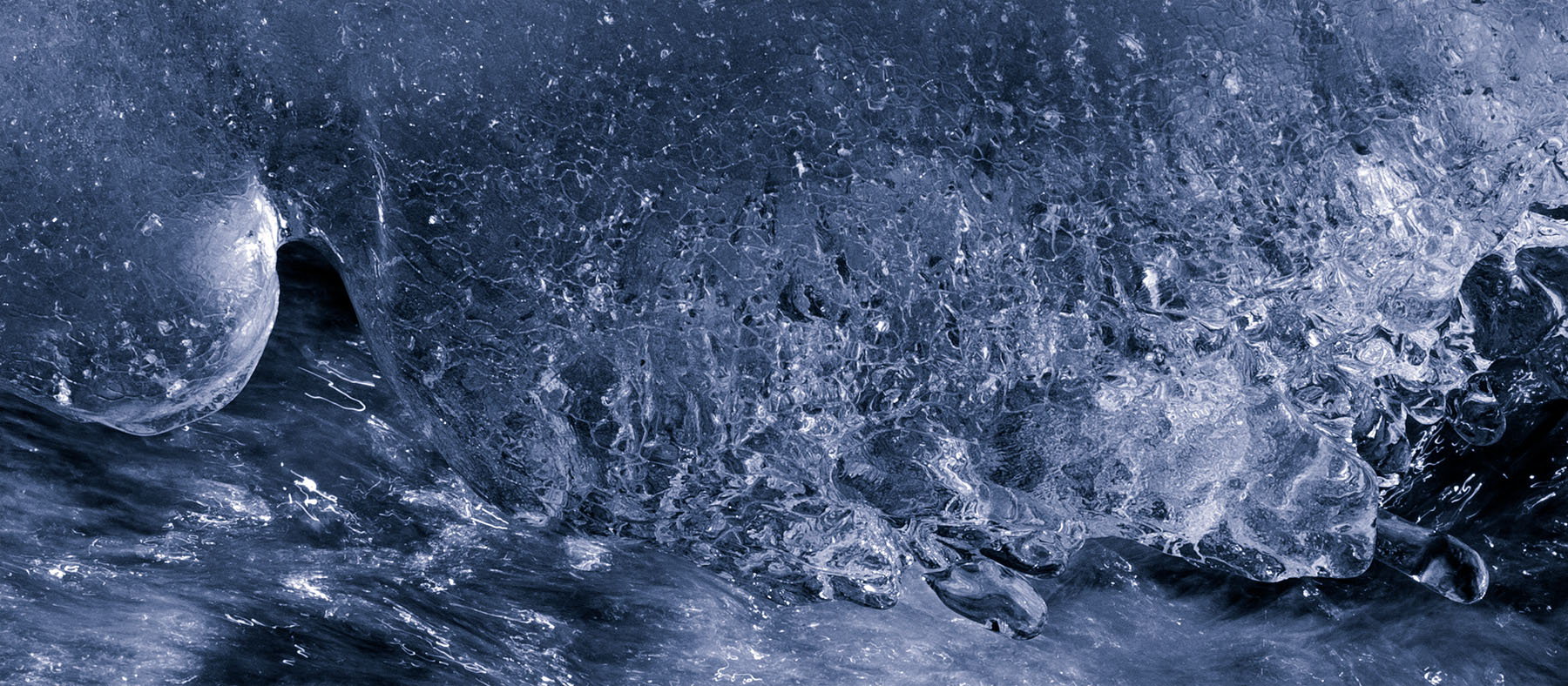
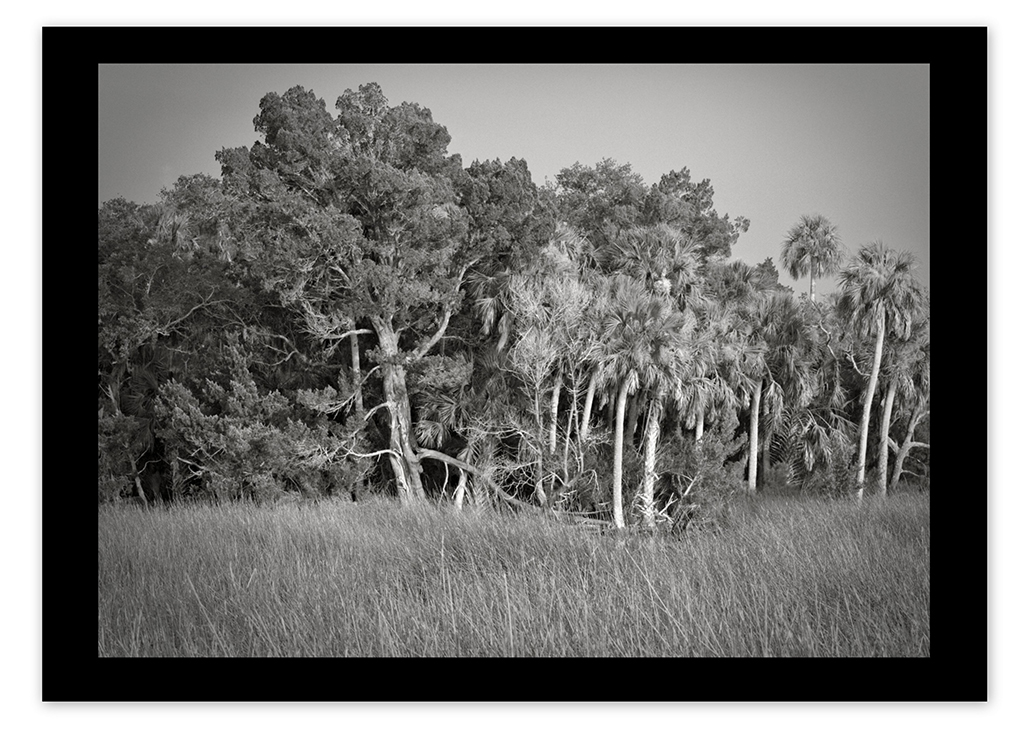
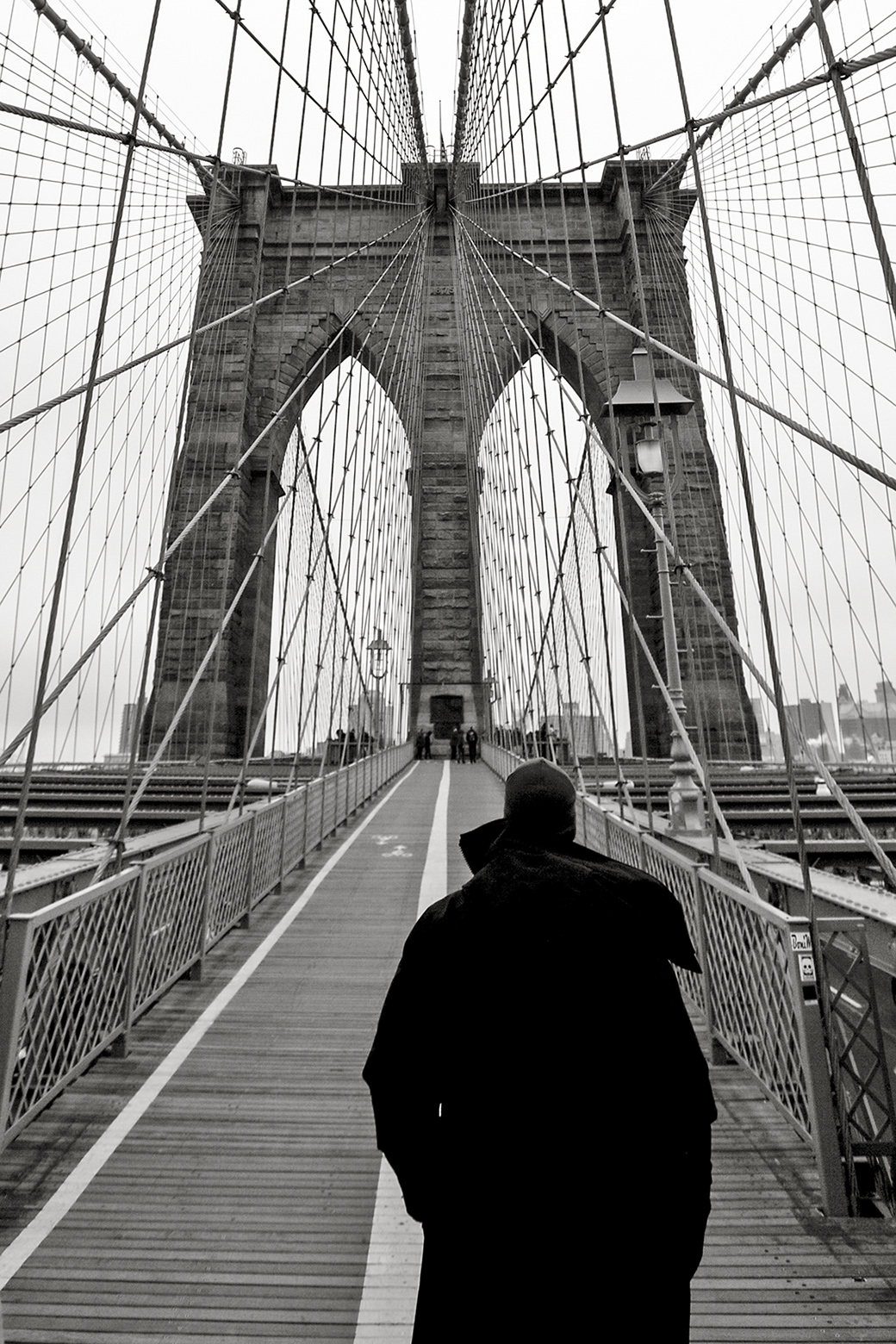
A very dramatic, yet minimal in subject matter. Can you explain exactly what this is: "Image has a two pixel white stroke and a very light grey frame".
Thank you. |
Feb 4th |
| 39 |
Feb 21 |
Comment |
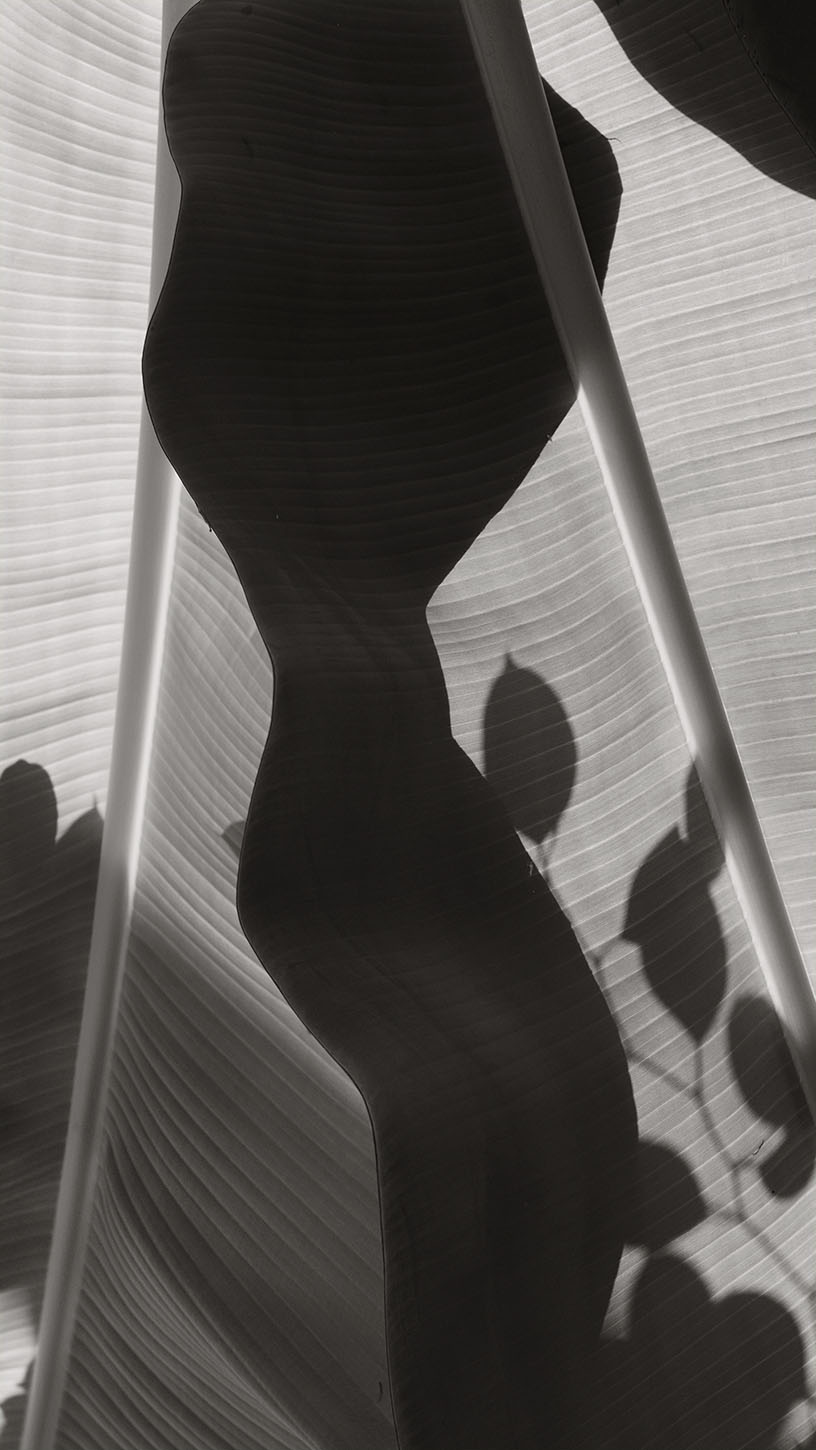
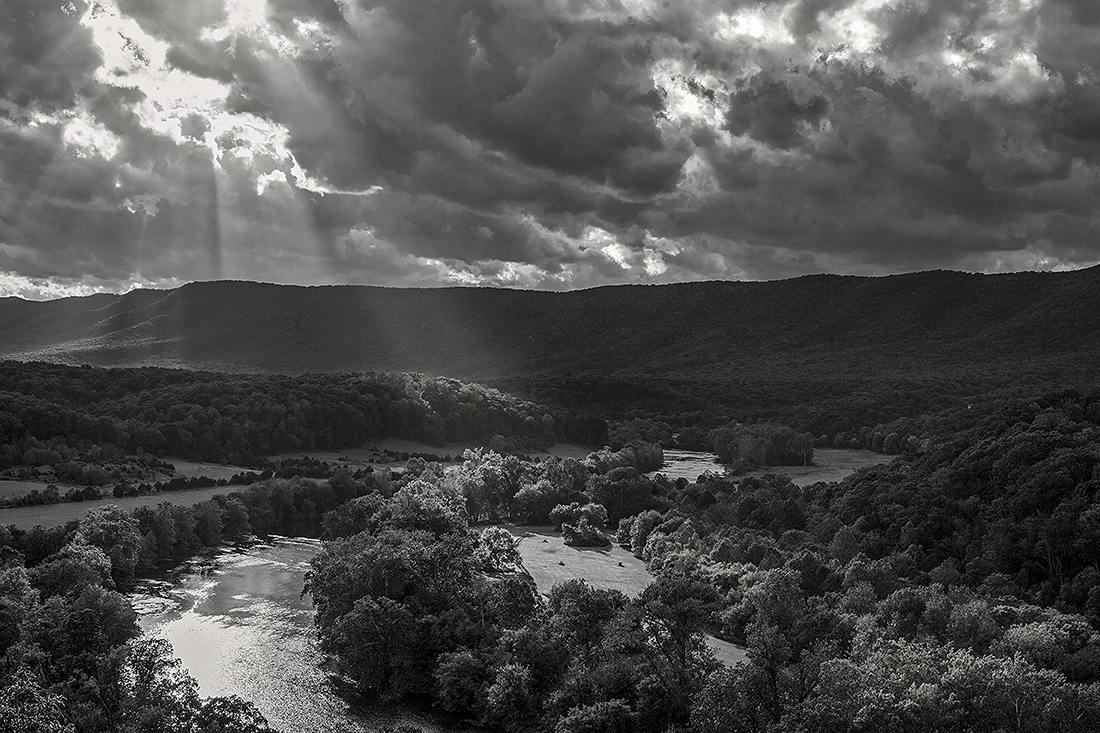
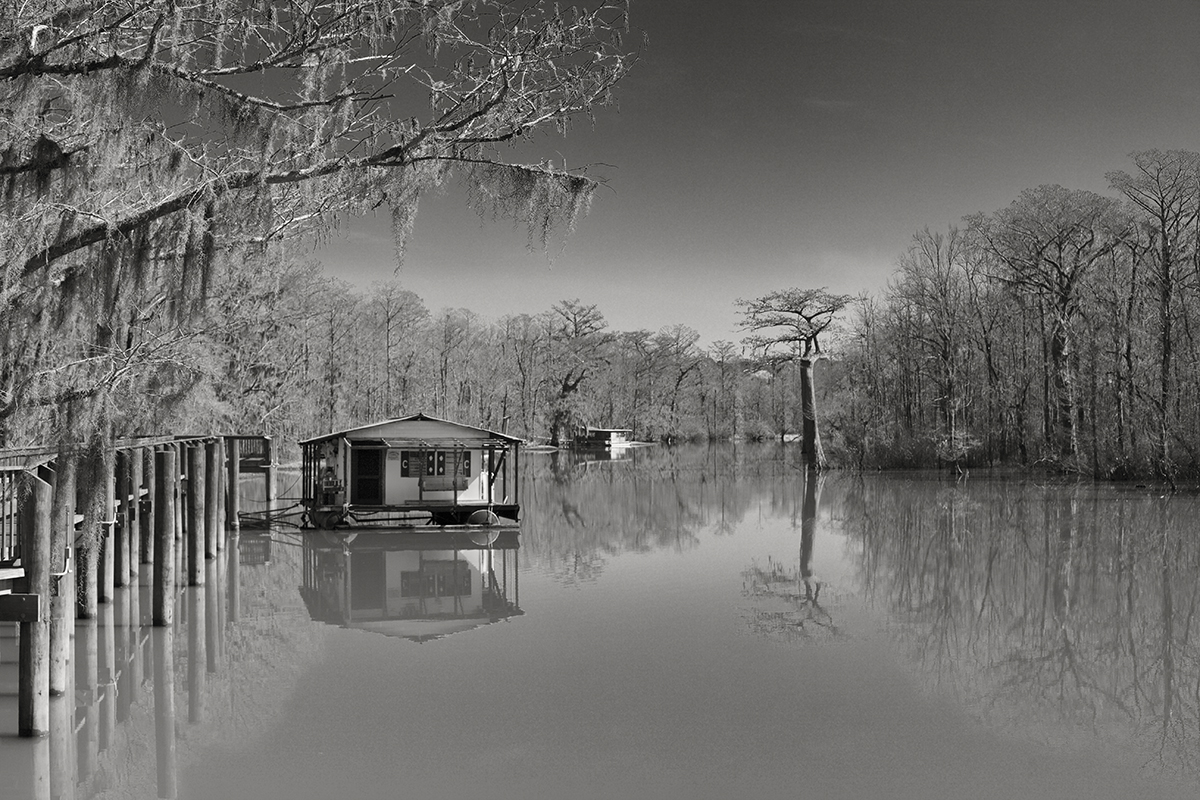
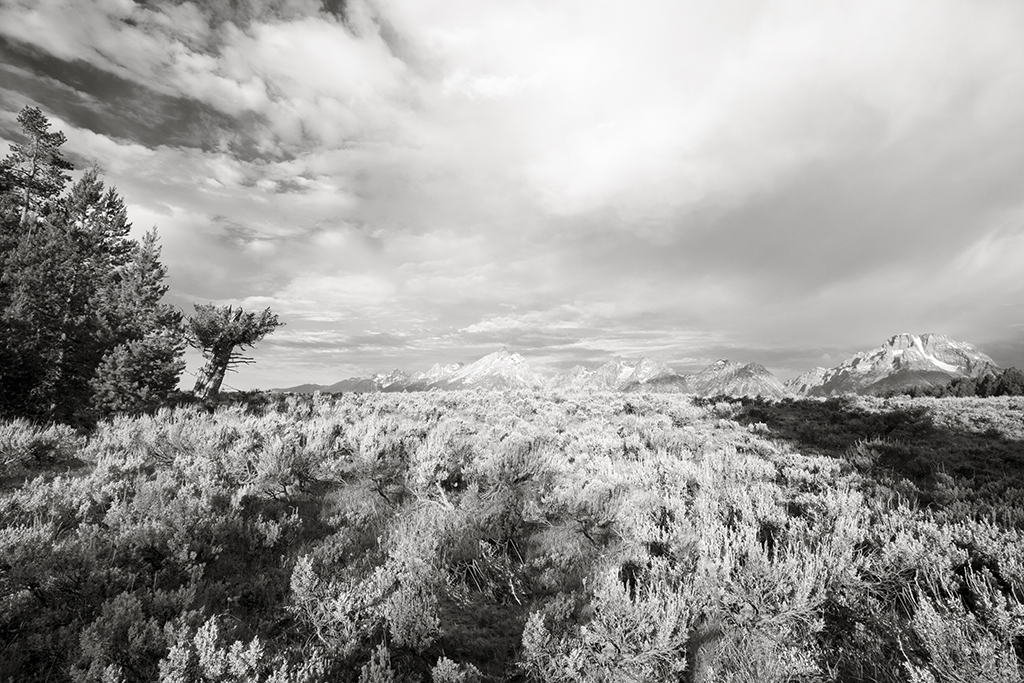
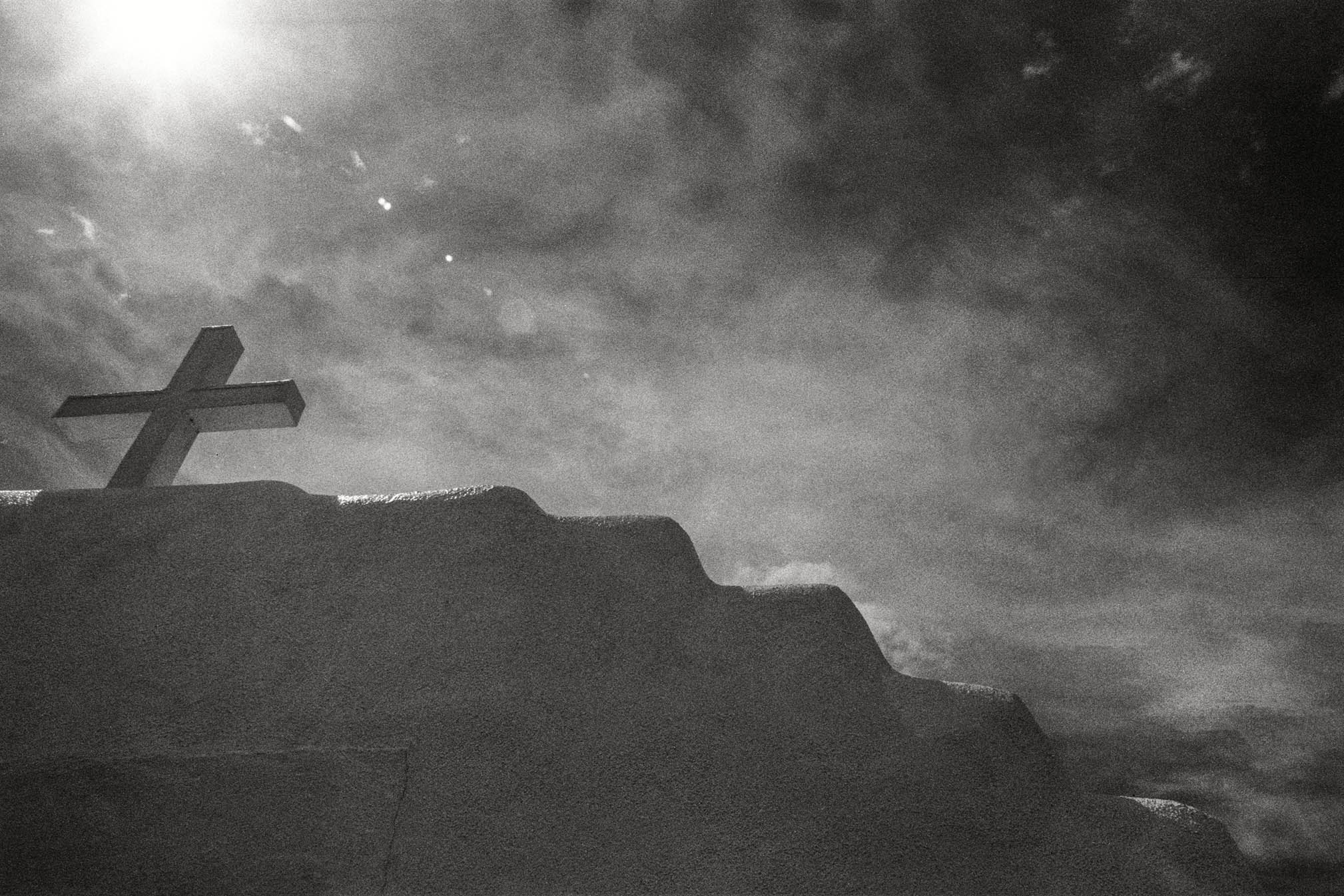
Hi Steve! Gee, I am really enjoying this composition. Another wonderful creation by waiting and choosing the the interaction of light & shadow to create an interesting narrative. The BW version helps reveals its Gestalt.
On my relatively large monitor the dark to light area is well defined, however, I may like a touch more Dodging within the foreground. Under a powerful (gallery) spotlight this will surely attract attention. Well done! |
Feb 4th |
2 comments - 0 replies for Group 39
|
| 50 |
Feb 21 |
Reply |
And indeed, both are viable Compositions: one directs attention to a smaller subject and the wider view allows more in the way of interpretation by virtue of the added artifacts. My version is only to counter the constant practice of focusing too small, too narrow within a scene. In fact, Michael's work is awesome, but surely not the only way.
The other important dynamic I bring to the table for students of photography, (and my point in this example) is limiting post-production to (add or induce) an aesthetic not found through more normal (authentic) photographic technique. I like to try and convey the differences between photographic technique from a traditional posture, from those created through digital techniques outside the camera. Thank you. |
Feb 15th |
| 50 |
Feb 21 |
Reply |
Michael, so sorry the PSA link is not working and this is due because the user needs to sign into their account to use it: after you sign-in on the PSA website go to the upper-right Search option and type in "Mentors". From there follow another link titled "Mentor and Consultants", from there you will see all the information you need as I described in the previous post above. By all means reach out to me if you continue to struggle with the website - some changes to the website are coming we hope will make it more user-friendly.
Thank you for your patience. |
Feb 14th |
| 50 |
Feb 21 |
Reply |
Mentoring: Michael, follow this Link to the Mentoring page to begin the process. You can also ask the Director, Sanjoy S. if you have questions as it relates to registration.
https://psa-photo.org/index.php?mentors-consultants
Michael, I look forward to learning more about your photography background and what motivates your creativity.
In the mean time, you may find the Bulletin Board on DDG83-Mono covers topics that will interest you....look forward to talking shop with you later. Ciao. |
Feb 11th |
| 50 |
Feb 21 |
Comment |
Hello Lorna! First, I do not see any type of Blur in the far distance except from the low resolution of the PSA format. However, we can address focus and (Dof) in a minute.
Your choice to use a 24mm is spot on to help create a more dramatic scene from behind the viewfinder. One of my favorite lenses for most landscape shooting, though I also use anywhere between 16 and 24 to induce even more dramatic narratives.
Michael does hint at another aspect that is a consideration in this type of composition, and this is Depth of Field (Dof). So we do not talk excessively here, go to my DD-87 General "Bulletin Board" and read the short piece I posted on "Hyperfocal Distance" method of focusing. I look forward to your feedback.
In any case, love this scene!! |
Feb 10th |
| 50 |
Feb 21 |
Comment |
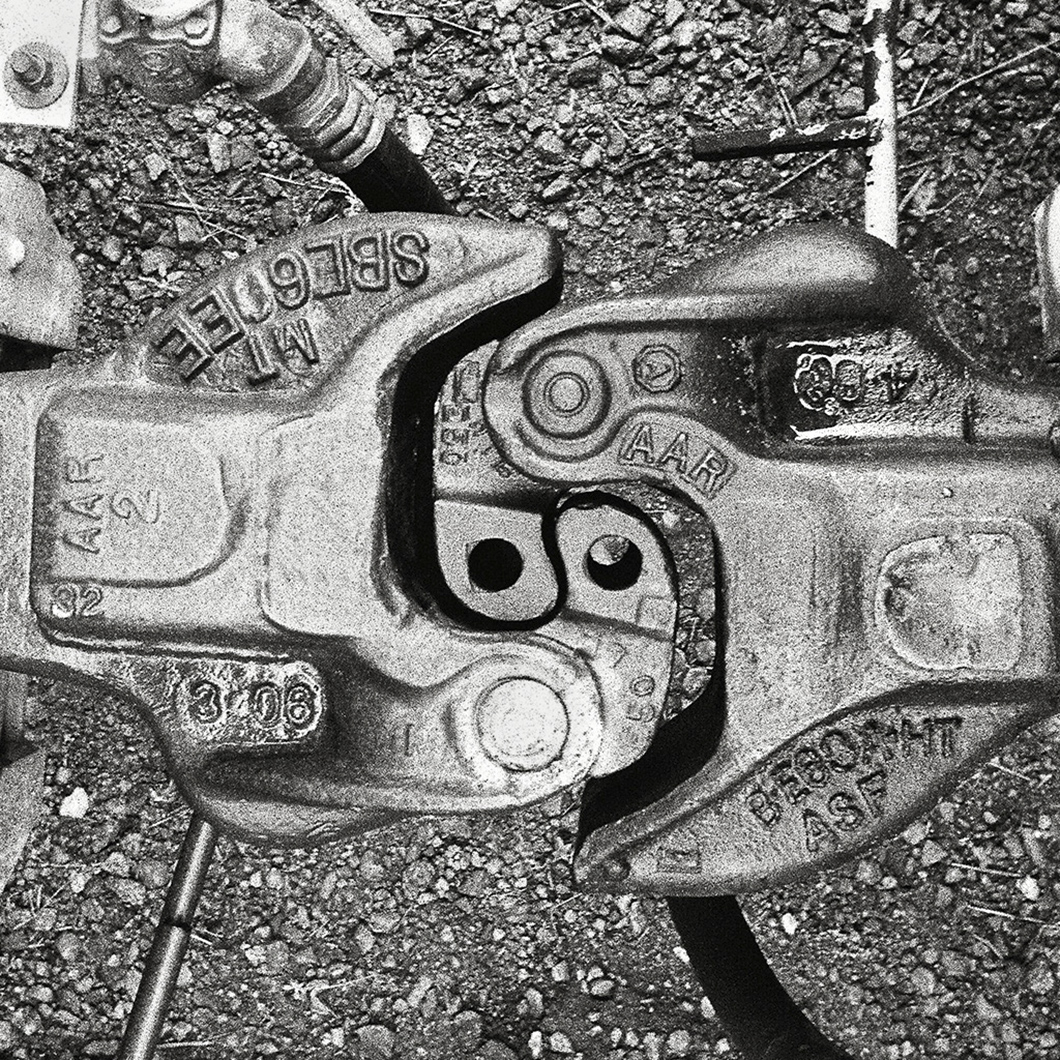
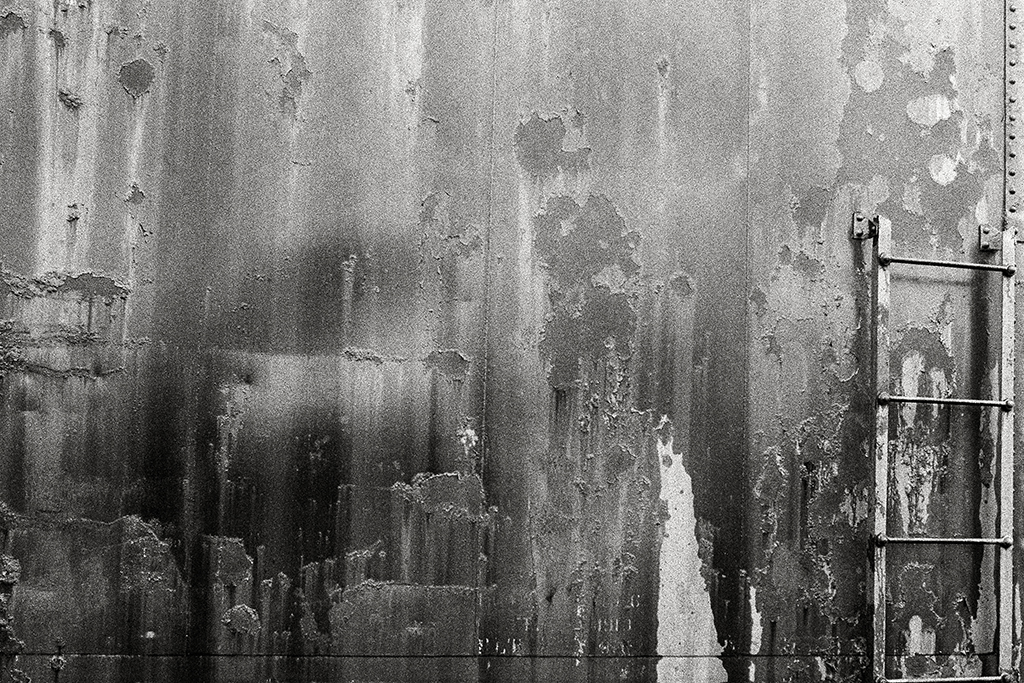
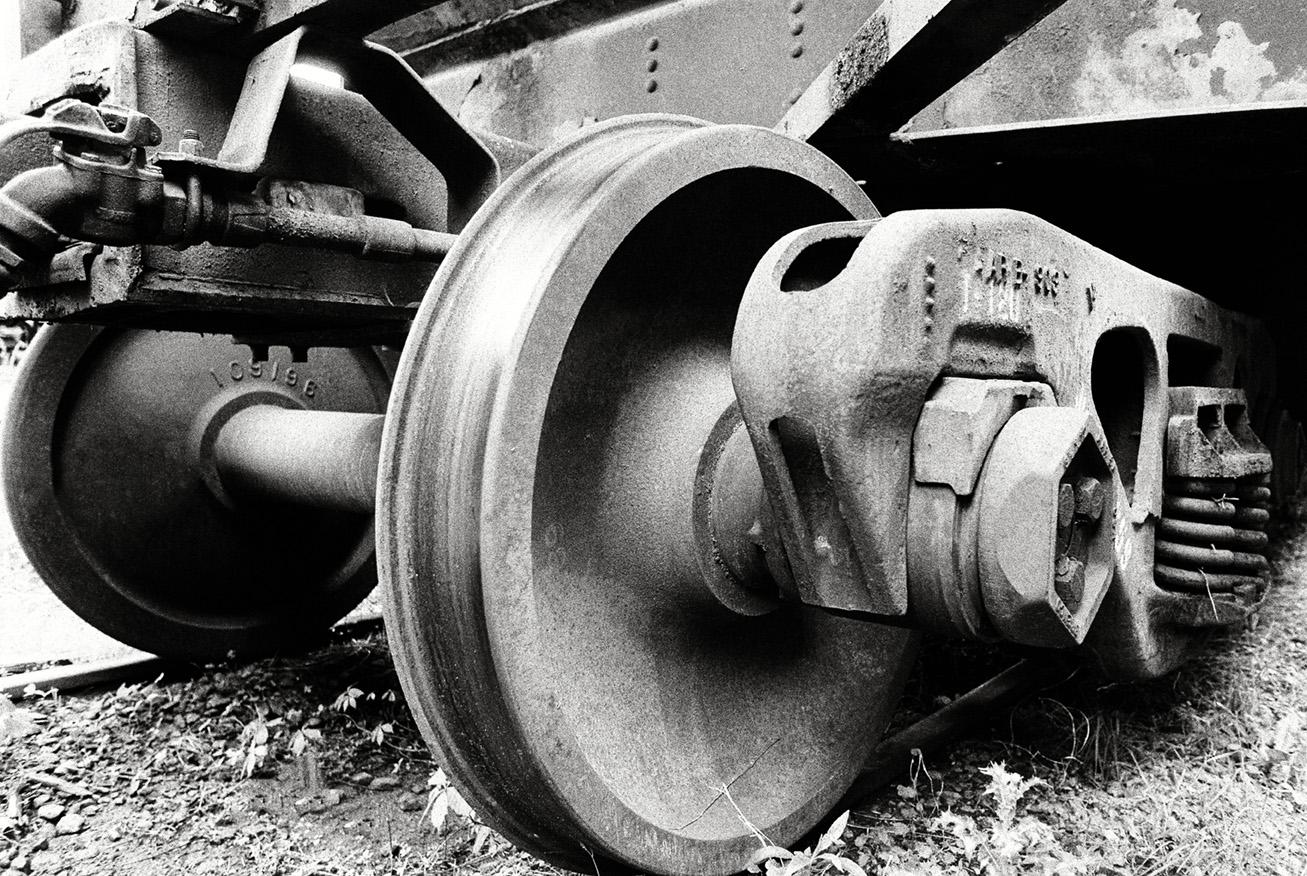
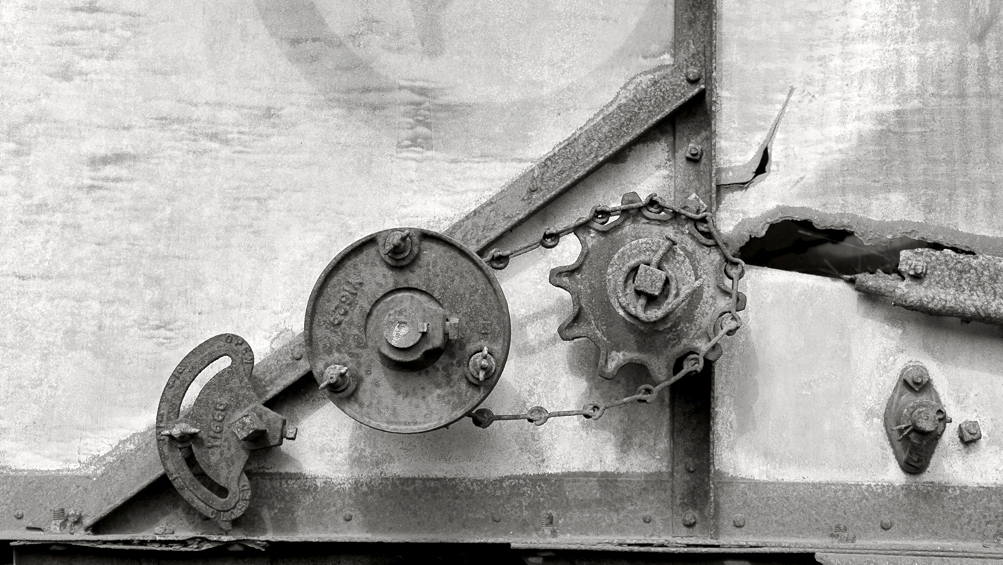
Good day, Michael! A very intriguing composition we often miss in our hurried pace, and with your good eye found and captured this Abstract-like narrative depicting the aging steel of modern man.
your interpretation is one that conveys a heavy amount of detail ("structure") and contrast: in this light reveals a dramatic aesthetic.
"Points to Ponder":
Though the PSA only allows us to post very low resolution images, I tried my best to copy your original and do some alternative edits: in my version I suggest actually revealing more than your seriously focused one. I am suggesting stepping back and open our gaze to more then a "snippet", but instead, allow the viewer to see more of the holes, rust, lines, shapes and perhaps in this way, open up to a wider narrative for interpretation. (crop is a 16:9 ratio) Note I particularly enjoy the almost hidden circle in upper-center and how if reacts with the rest of the details.
Another key component to my version is it is less bold by introducing a less "structured" and less contrast centered piece. Though softer, brighter, still intrigues. (FYI: I do not use any type of "layer" or other post-production additive in creating my finals).
In any case, this is just another view-point and one I hope you try as an alternative in the future. Your eye for detail capturing the dramatic and interesting is keen. Well done!
Lance A. Lewin PSA BW Photography Mentor |
Feb 10th |
 |
2 comments - 3 replies for Group 50
|
| 64 |
Feb 21 |
Reply |
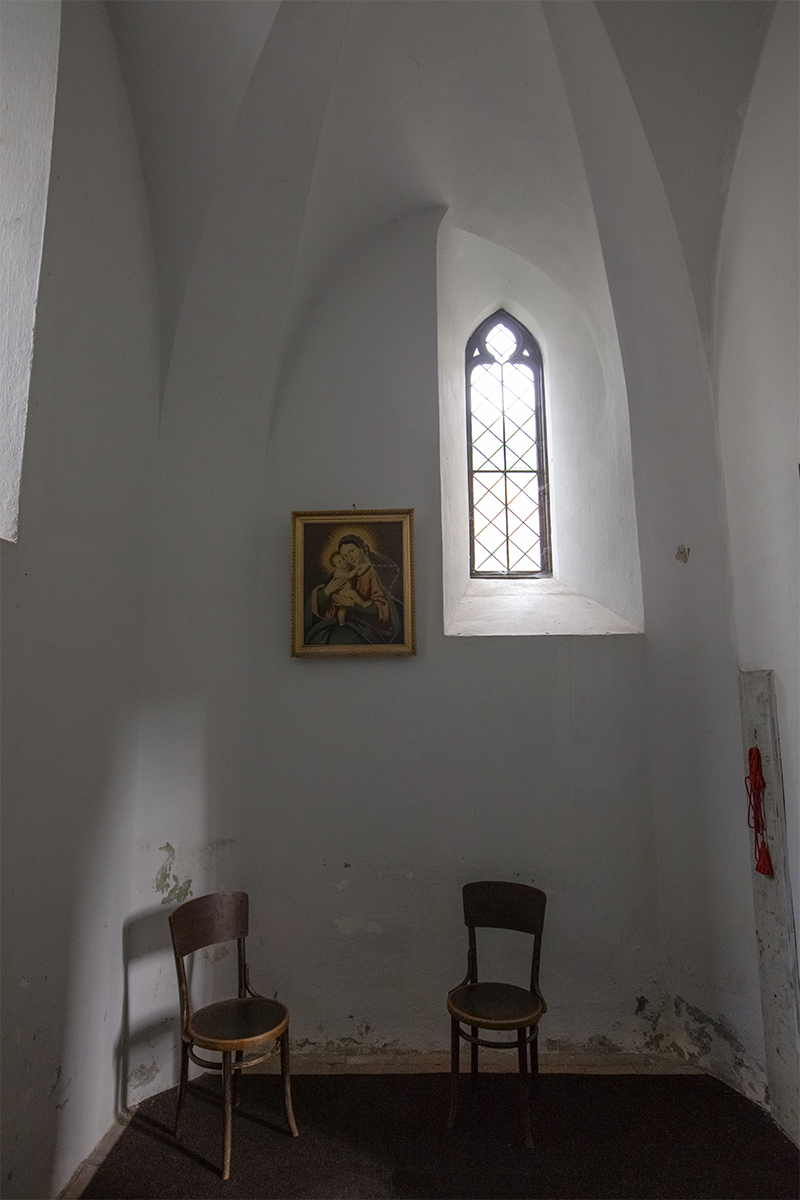
That's a good question: I feel the vertical shadow is a balance for the straight lines in the Shadowed window frame and the vertical Shadow again, balances the window frame Shadow. ?? |
Feb 10th |
| 64 |
Feb 21 |
Reply |
Well, you can enjoy a wide range of aesthetic effects using the NEX-6 camera by adjusting the ISO Manually going forward.
By using the traditional technique of "bracketing" where you take 1,2,3 and maybe 4 shots of the exact same composition, but changing one or more camera variables (i.e. aperture, shutter speed, ISO setting....) between shots will help in the creative process. Review results (only) after images are DL'ed to the computer (or developed in the darkroom). The increase in control over your work is extremely satisfying, indeed.
I look forward to seeing more dynamic compositions form this series of work, you have a great eye.
|
Feb 6th |
| 64 |
Feb 21 |
Comment |
Jerry, lovely composition! Full of drama! All created by a beautiful blending of light & shadow. |
Feb 4th |
| 64 |
Feb 21 |
Comment |
Helen! Really enjoying this piece! The play on light & shadow is terrific! I love the grainy aesthetic.
I researched your camera and the smaller sensor likely helps induce Noise at higher ISO settings, thus the Grainy aesthetic: my question is, it still seems a lot of Noise for ISO-1600. Thank you. |
Feb 4th |
2 comments - 2 replies for Group 64
|
| 74 |
Feb 21 |
Reply |
Haru, one more important photography concept relative to this discussion: the "Hyperfocal Distance" principles: for a very good overview from my personal perspective on the subject, see my Bulletin Board post on DD-87 General. I am the Administrator there and also for DD-83 Mono. By all means, reach back out to me for further discussions. |
Feb 14th |
| 74 |
Feb 21 |
Reply |
"Points to Ponder":
A very important point you bring up: if in fact the photographer's point was to have a slightly soft background to contrast the foreground, then even a larger aperture (smaller F/stop) would help here. But if the the intent was to capture a Focused foreground and background, then indeed, a smaller aperture (larger F/stop) needs to be tested.
And why when I shoot I always use the most powerful tool in our bags, "Bracketing", a stable tool most valuable when shooting film, but less used in 21st Century photography.
|
Feb 10th |
| 74 |
Feb 21 |
Comment |
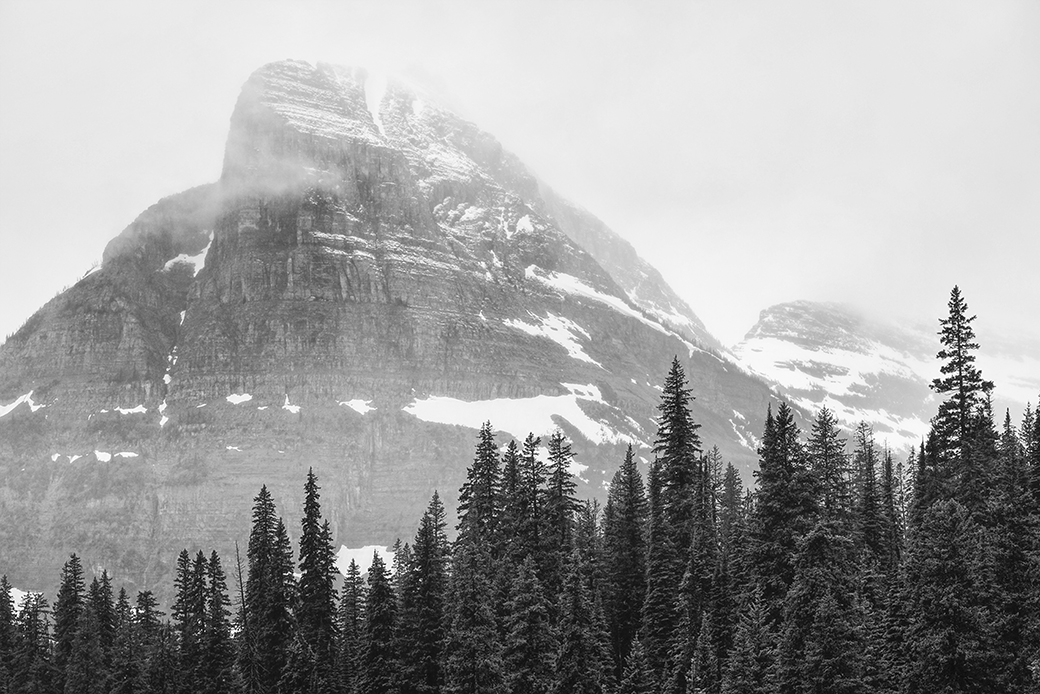
Hello, Haru. First, it was very important you chose an aperture that gave you both control over a fairly deep (Dof) while keeping the speed Fast, as this was hand held: you were lucky it was bright enough for this particular execution.
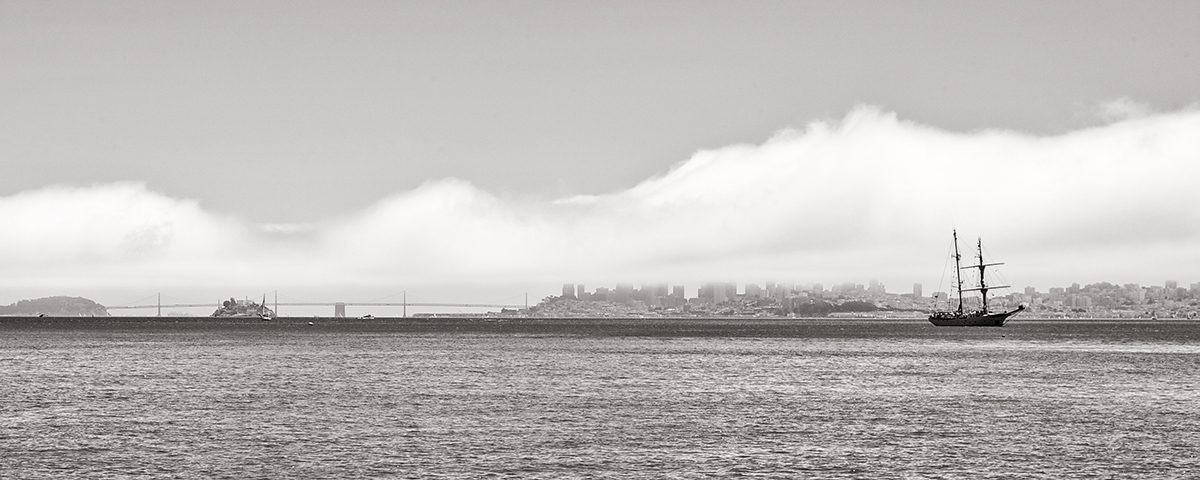
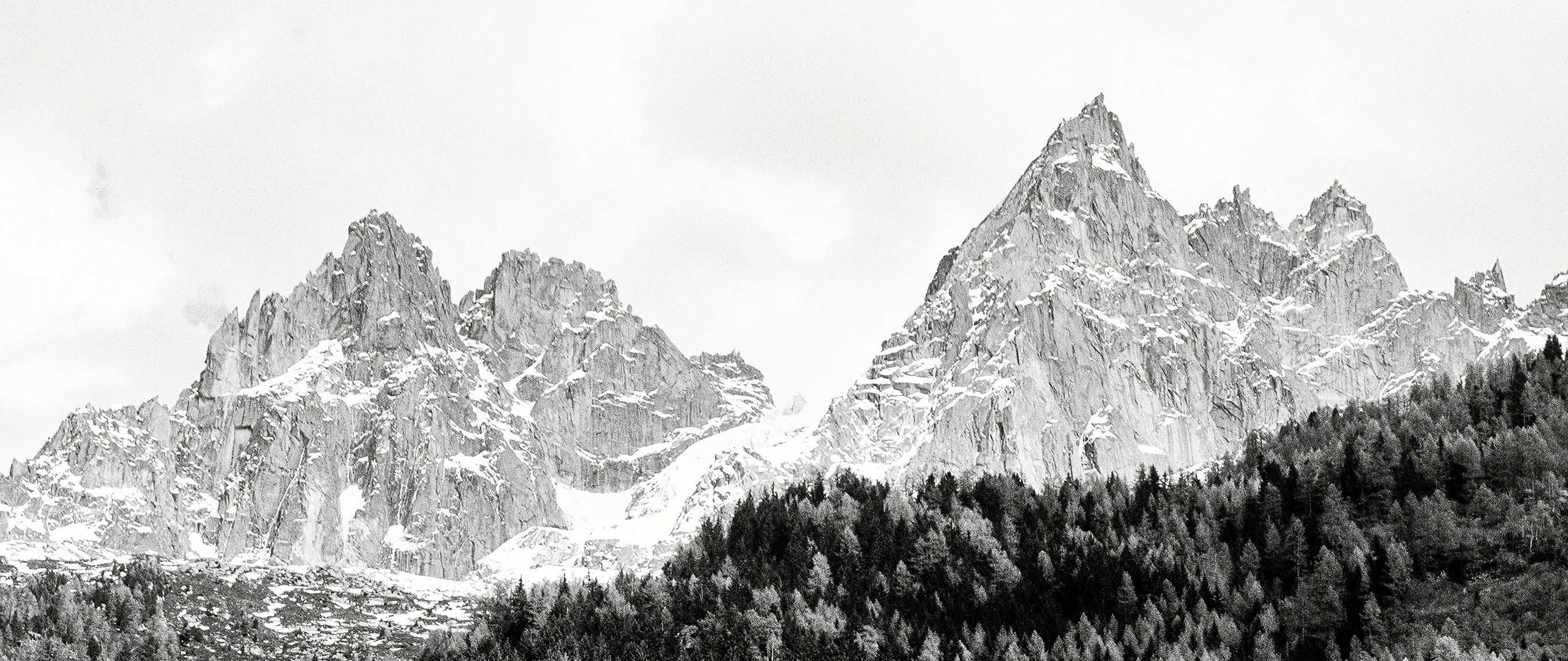
The contrast in BW tone between the foreground and back ground mountains makes this composition one that creates a dialogue: here we are presented a very unusual natural rock formation (near-field) juxtaposed with the smoother, and partially obscured by fog, distant mountains. For sure it must have been a pleasure to experience this in real-time, and thank you for capturing it for all of us to enjoy. |
Feb 6th |
1 comment - 2 replies for Group 74
|
| 83 |
Feb 21 |
Reply |
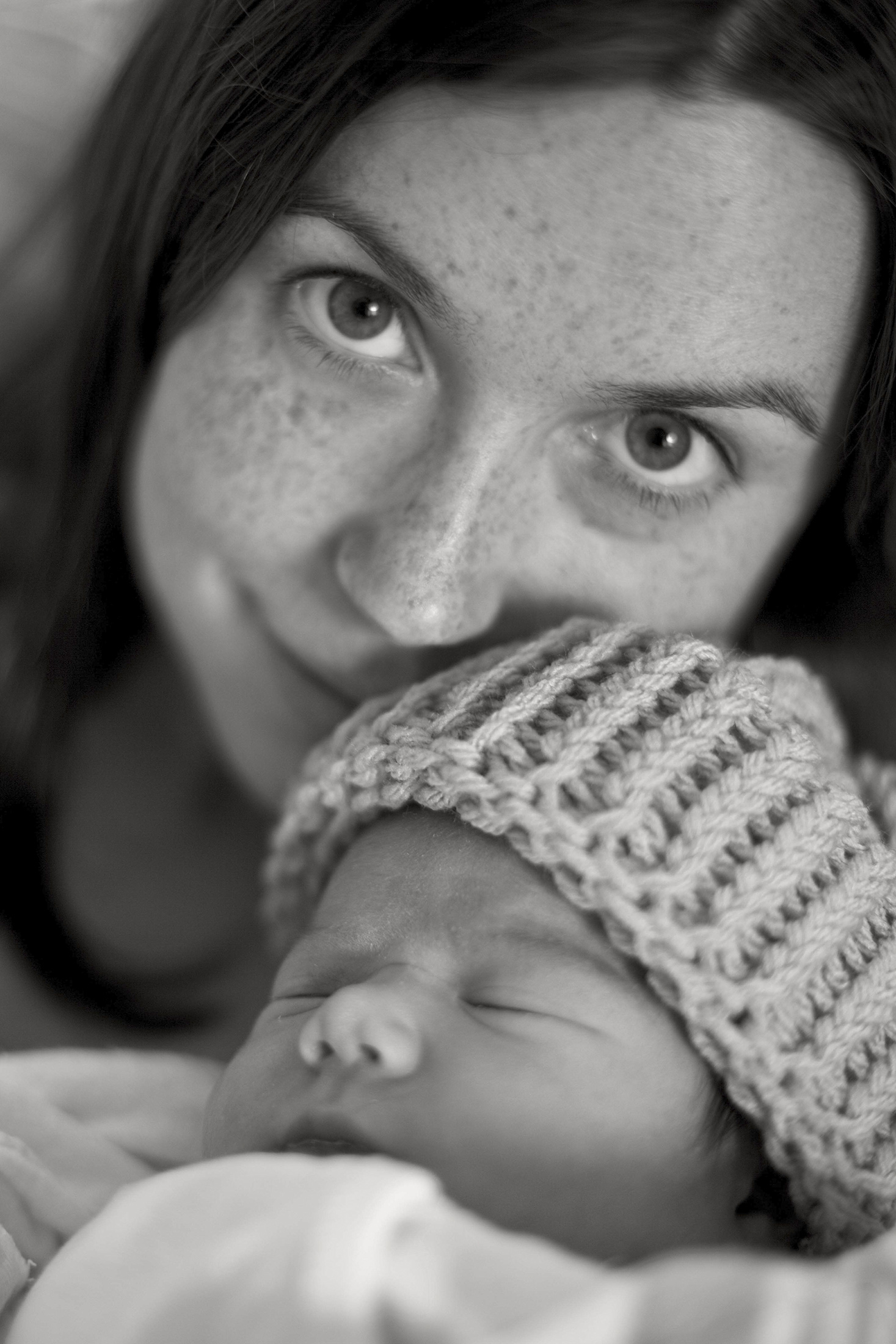
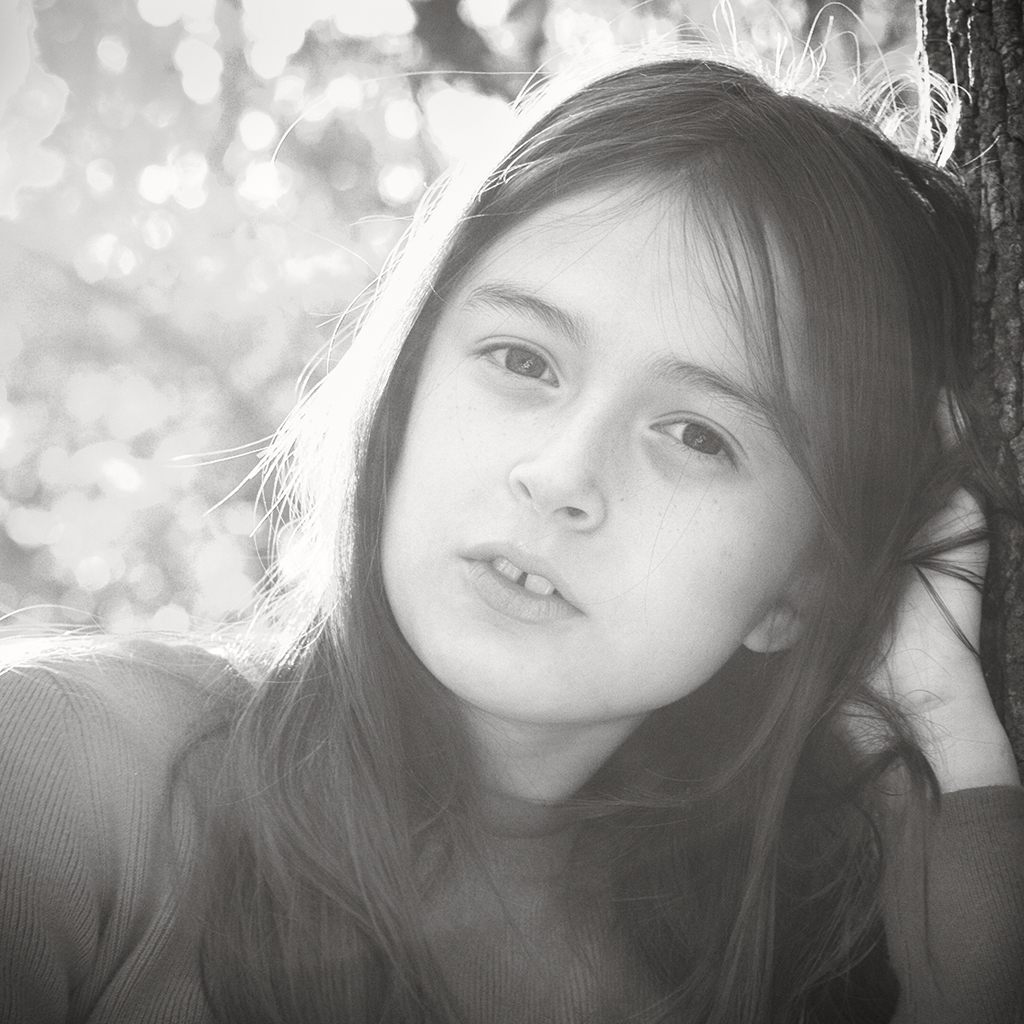
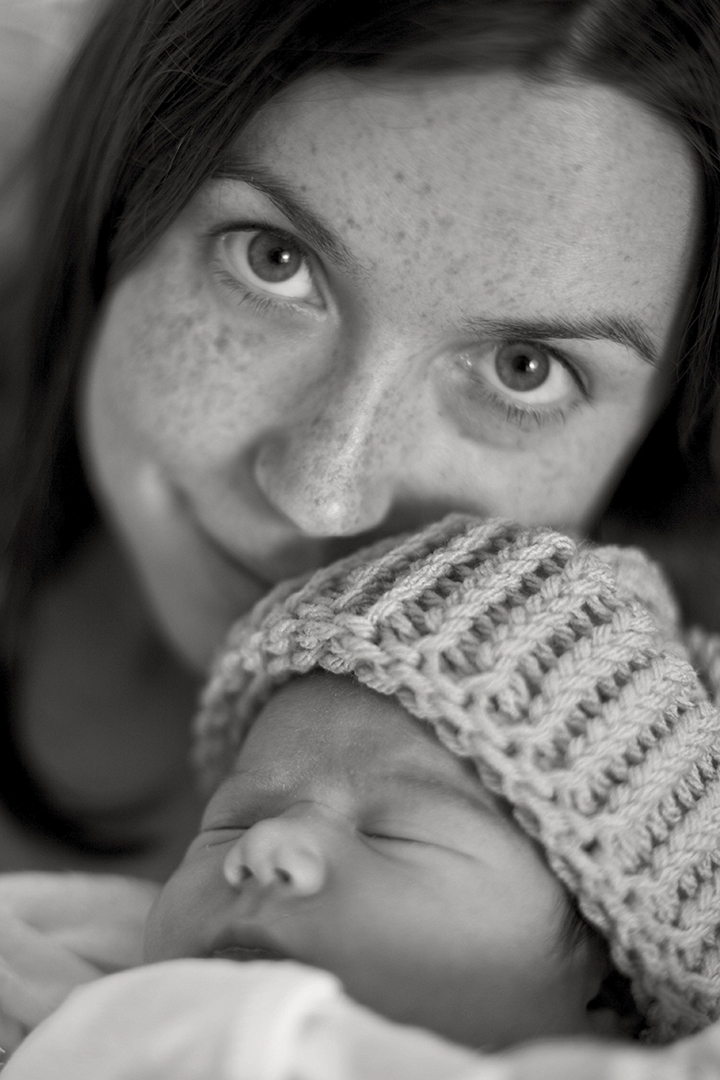
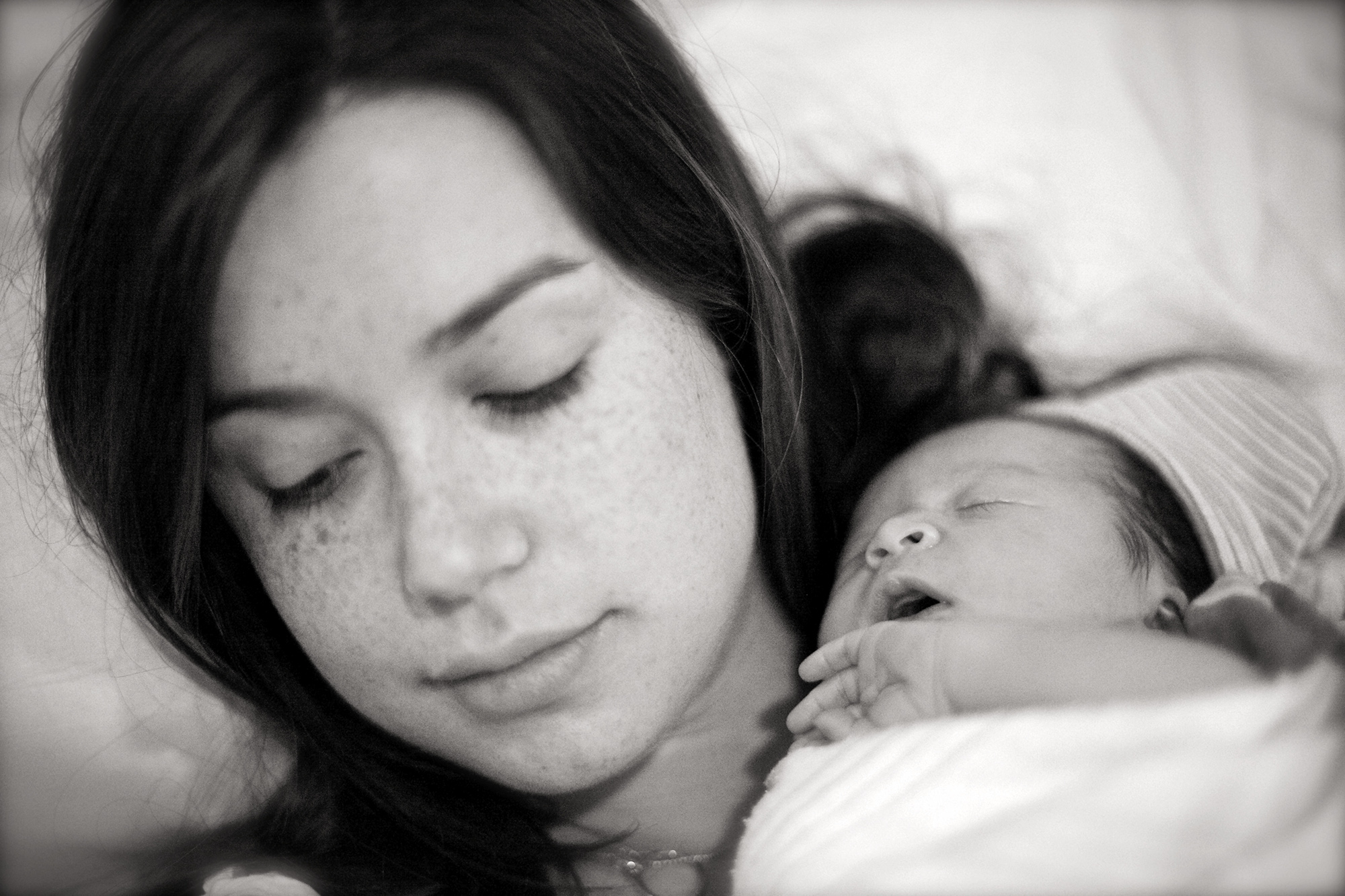
Hi Cecilia! No. removing more will redirect the pictorial effect and mood the sun-glare has provided. In fact, already some over-exposure has already been removed, but just a little; just to the point I see her freckles well defined compared to the rest of her skin. (Note, sometimes bringing up the contrast will, too, reduce the effect of this type of over-exposure).
This said, it is not my ideal shot: I still need to do a test-print and see the effects of the "blown" background. On a matte or water-color textured paper may remove or handle these artifacts. |
Feb 26th |
| 83 |
Feb 21 |
Reply |
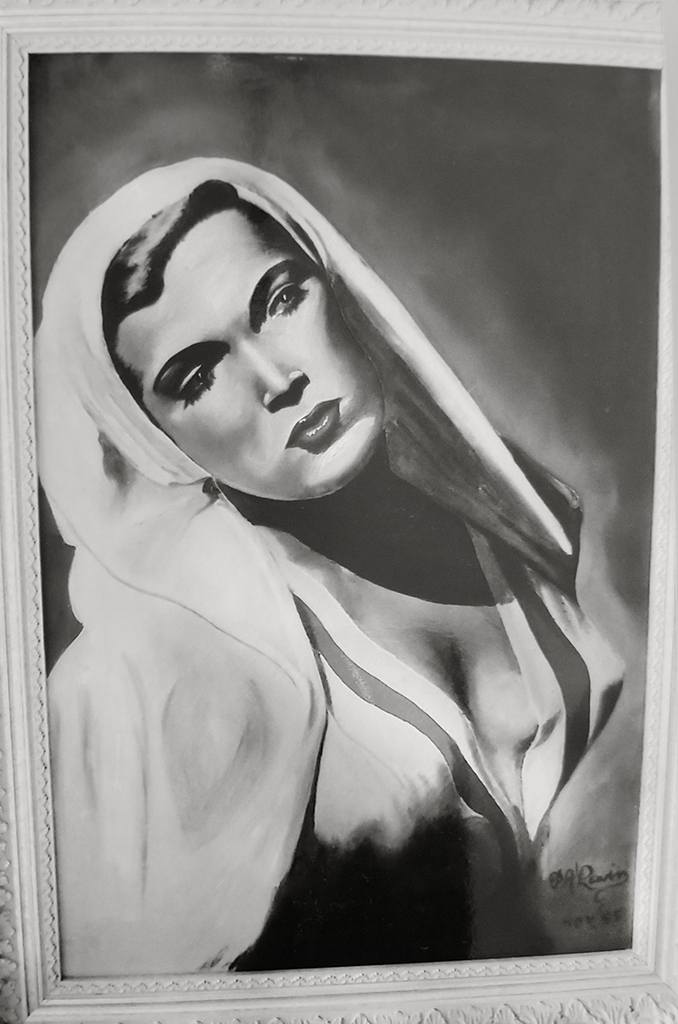
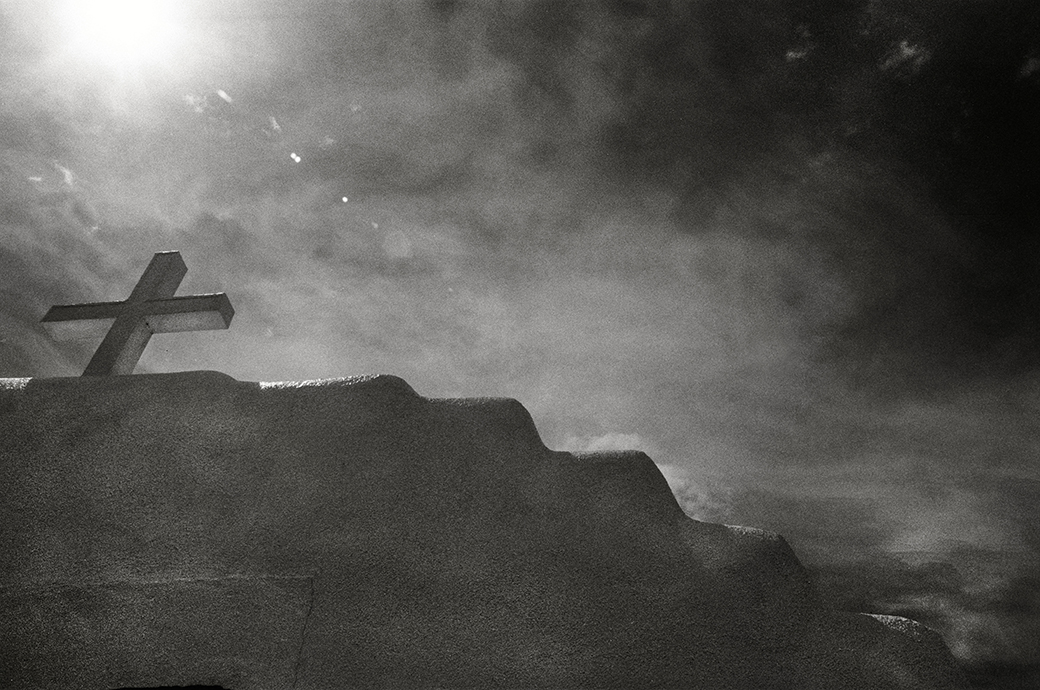
...and in some cases the resulting image can become abstract...something we do not want to do (with most) portraits, unless this is the intention. Here is another of my favorites: (see attached) here "Salvation" captured on film (Ultramax-400) was cropped through the viewfinder: as with all these types of compositions, very deliberate, very pictorial rendering, indeed. I hope you try this technique, but only when the subject (and your mood, how you feel that day) dictates the creativity. |
Feb 26th |
 |
| 83 |
Feb 21 |
Reply |
Yes, a perfect dynamic for rendering perfect skin....thank you, Jose! |
Feb 26th |
| 83 |
Feb 21 |
Comment |
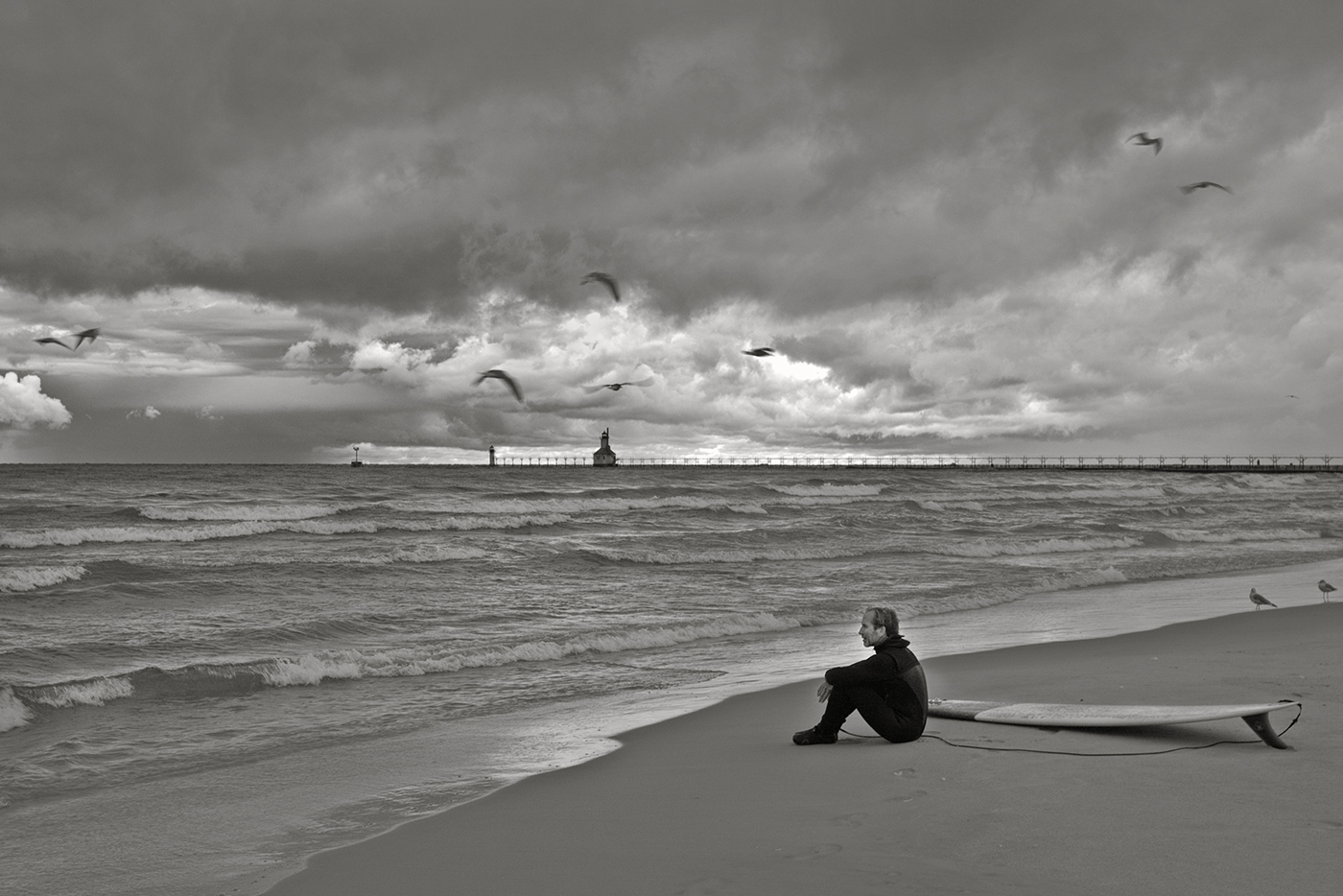
Simple. Inviting. Relaxing, yet dramatic in its dark and stormy presentation. The F/22 and tripod allow for a deep Depth of Field (Dof) which allowed the fine grains of sand to maintain importance in the very foreground. Love it! |
Feb 8th |
| 83 |
Feb 21 |
Comment |
Joe, what a wonderful perspective! And yes...mother nature offers wonderful opportunities to capture beauty and for sure your attention to this detail allowed you to give us this beautiful scene!
The IR conversion of course is another catalyst in this making this frame so engaging...well done, Joe! |
Feb 8th |
| 83 |
Feb 21 |
Comment |
Welcome to the group, Cecilia! A simple yet engaging wildlife and nature scene that with patience you were rewarded with an extra element that allows this composition to "prick" a viewers interest.* The BW version is nicely conceived and in your particular version offers a stark contrast of foreground and birds against the rising sun on this beautiful morning. Absolutely beautiful work!
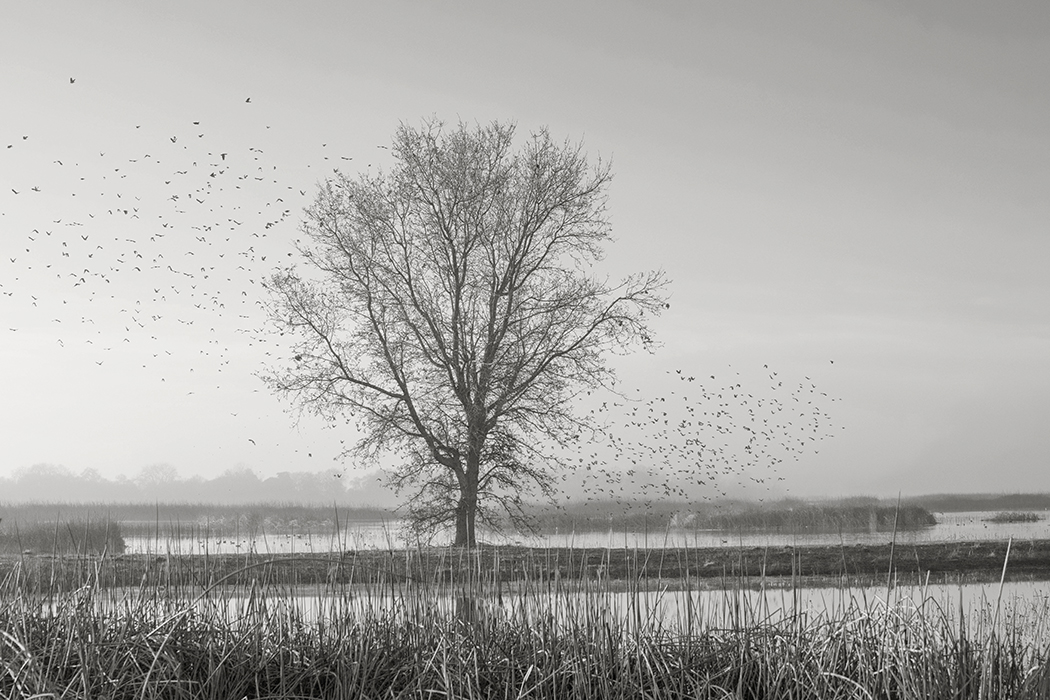
But I must suggest, and I see this often, that when we convert our color originals to BW, some (or a lot) of the Range from light to dark shades (seen as a range in the different colors of the original) is lost in photographs, where they actually represent an important element to the overall composition. Yes, we each have our own interpretation, and in your Featured composition we view a more Contrast-oriented BW version, but I suggest more subtle tones will reflect the power and beauty of the original color photograph.
See my Attached Example: here, I am able to keep the Wide Grey-Scale Range thus capturing the subtle textures and tonal range that make the original so engaging. I edited your Original and then converted to BW via Silver Efex Pro-2 using the work-flow routine outlined on the Bulletin Board. Here, I was able to maintain the both large and smaller details lost in a more contrast-heavy alternative. (Also, see DD47-Mono (December): Adrian's color original and BW conversion rendered a similar loss in grey-scale. Review the edited picture and conversations). Thank you, Cecilia. |
Feb 8th |
 |
| 83 |
Feb 21 |
Comment |
Dirk, another amazing proof of your amazing (and I must add, patient and methodical) practice in the studio environment!
What can I say, this is a wonderfully executed project! Both technically and visually brings to the forefront your skills in hand and eye.
Thank you for sharing! |
Feb 8th |
| 83 |
Feb 21 |
Comment |
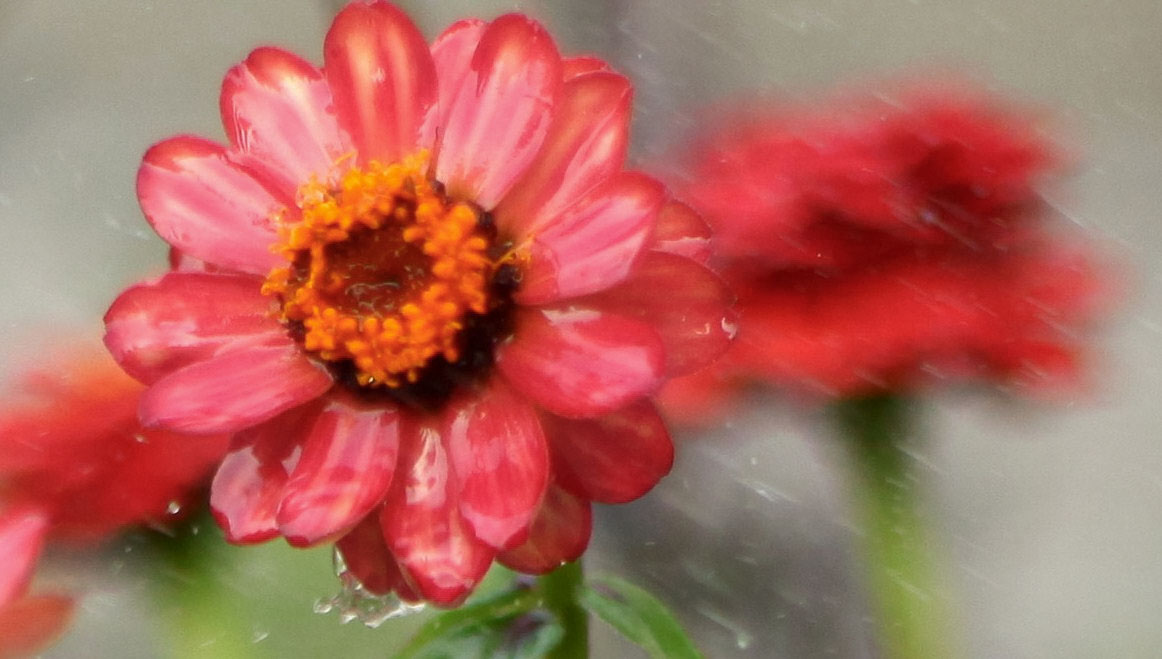
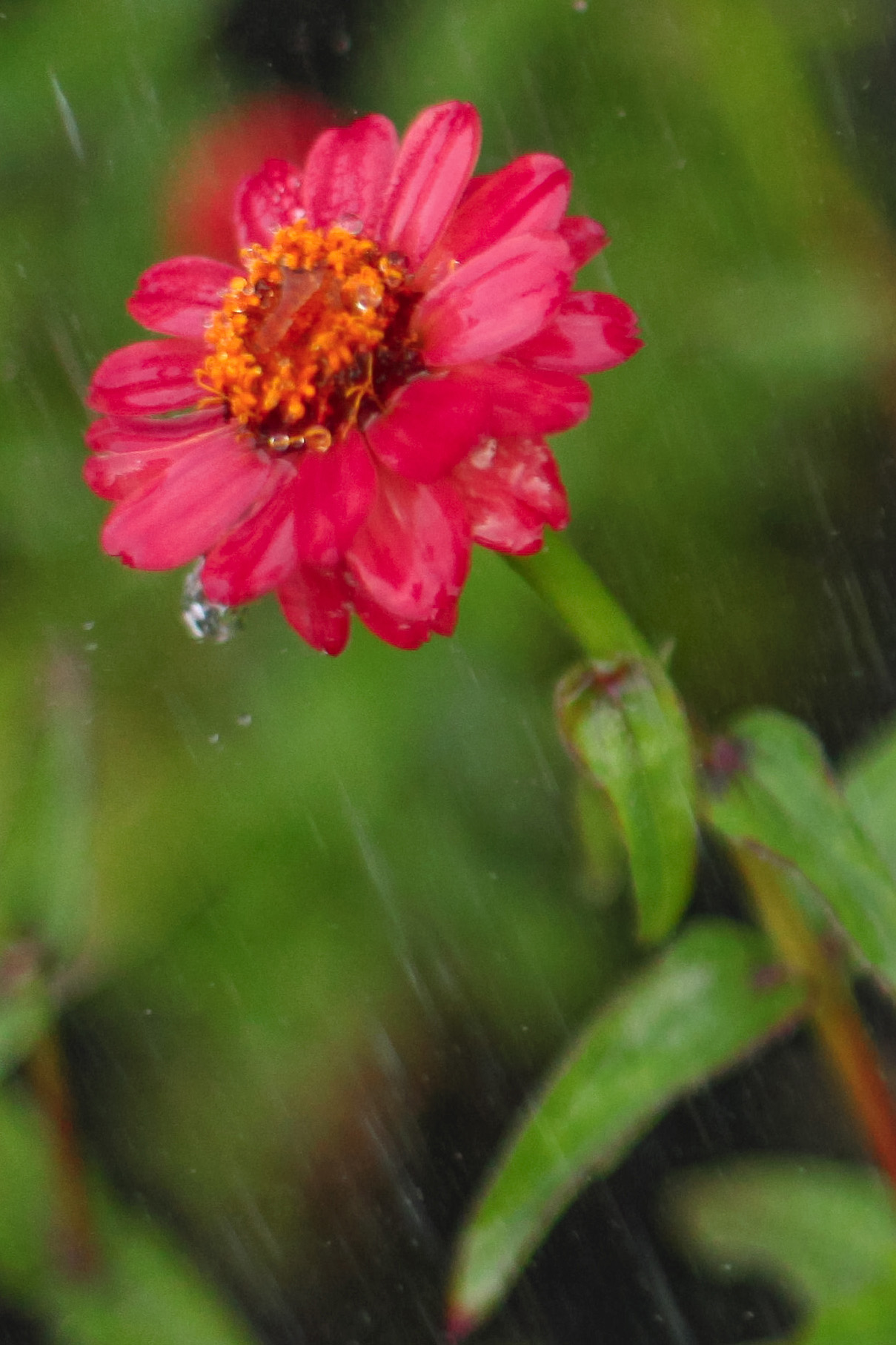
Rain Drops or water drops bring another complete dimension to enjoying nature....and of course, as photographers we enjoy the more diverse narratives (and visual aesthetics) that come with nature that is covered in water: you have captured a remarkable frame that offers viewers a beautiful offering.
Both the color and BW version offer different feelings: I rarely speak about the color version in this group, but here I will offer my thoughts: though I enjoy the BW conversion, the color original speaks with more power. In my opinion, this may be one of those scenes in life better enjoyed in its natural color. Though the featured BW version is engaging in an Abstract way, for this subject, and in this condition, I feel reveals a more emotional impact for the viewer in color.
Again, this is of course (like many types of photography and painting) is subjective for each person viewing the work. |
Feb 8th |
| 83 |
Feb 21 |
Reply |
Hi Beverly, and thanks for visiting our group.
Well, no, we also enjoy BW "Toned" images as well. However, I am a bit confused with your example: it appears some type of "layer" has been applied to it, and in any case, this piece would not be judged as any kind or form of a Black & White photograph. Can you elaborate on this edited example?
Thank you. :) |
Feb 4th |
5 comments - 4 replies for Group 83
|
| 87 |
Feb 21 |
Comment |
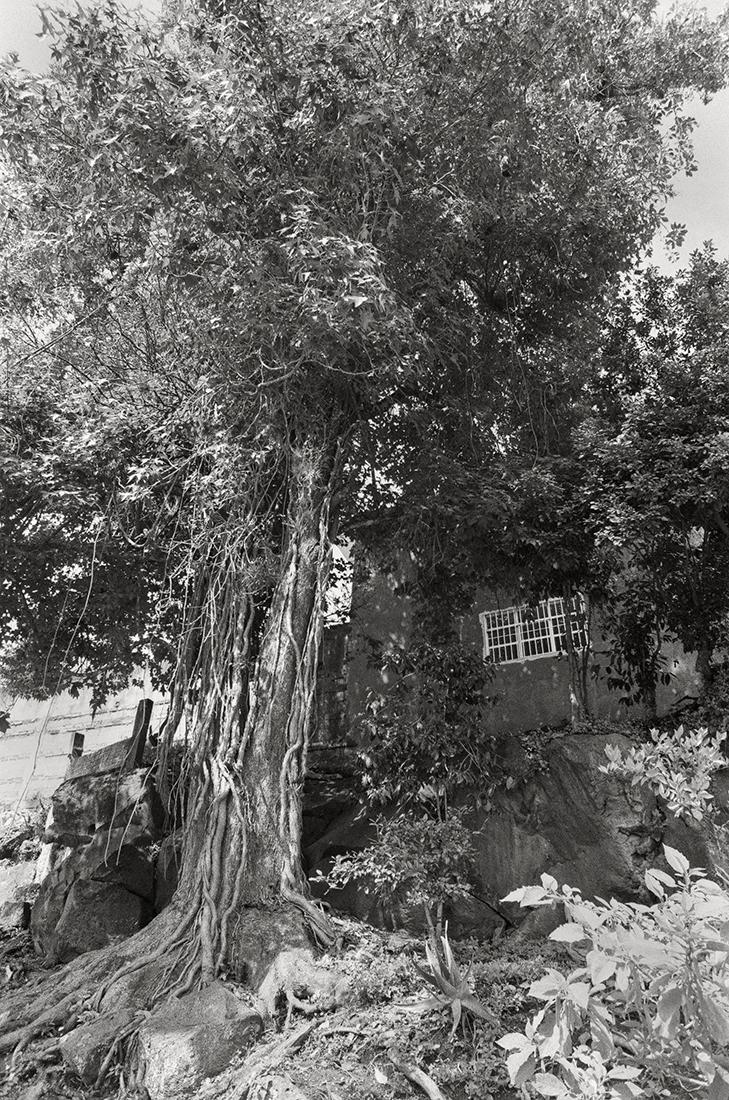
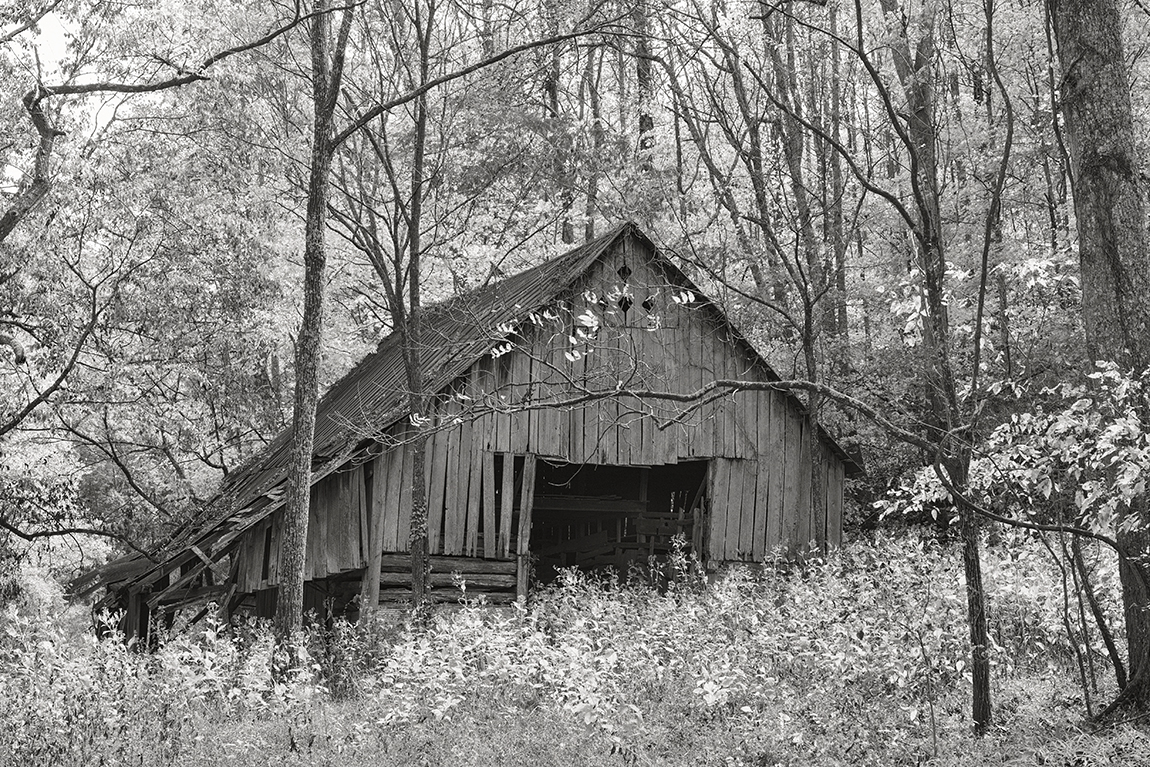
Simple, yet offering the viewer a host of narratives the others have already mentioned. Your ability to find (to see) truly engaging scenes has been well documented in this group and here again we enjoy a well composed country vernacular: and indeed, what is on the other side of the hill?
Steve knows me well, and yes, a BW rendering will offer a similar narrative (and possibly) a stronger one as a BW version will offer the "whole" picture to the viewer. As we discussed a few times in this group and DD-83 Mono, BW allows the images gestalt to be more easily ingested.
In any case, your color version is a breath of fresh air! I can almost smell the dust, grass and aging wood.....well done, Jennifer! |
Feb 8th |
| 87 |
Feb 21 |
Comment |
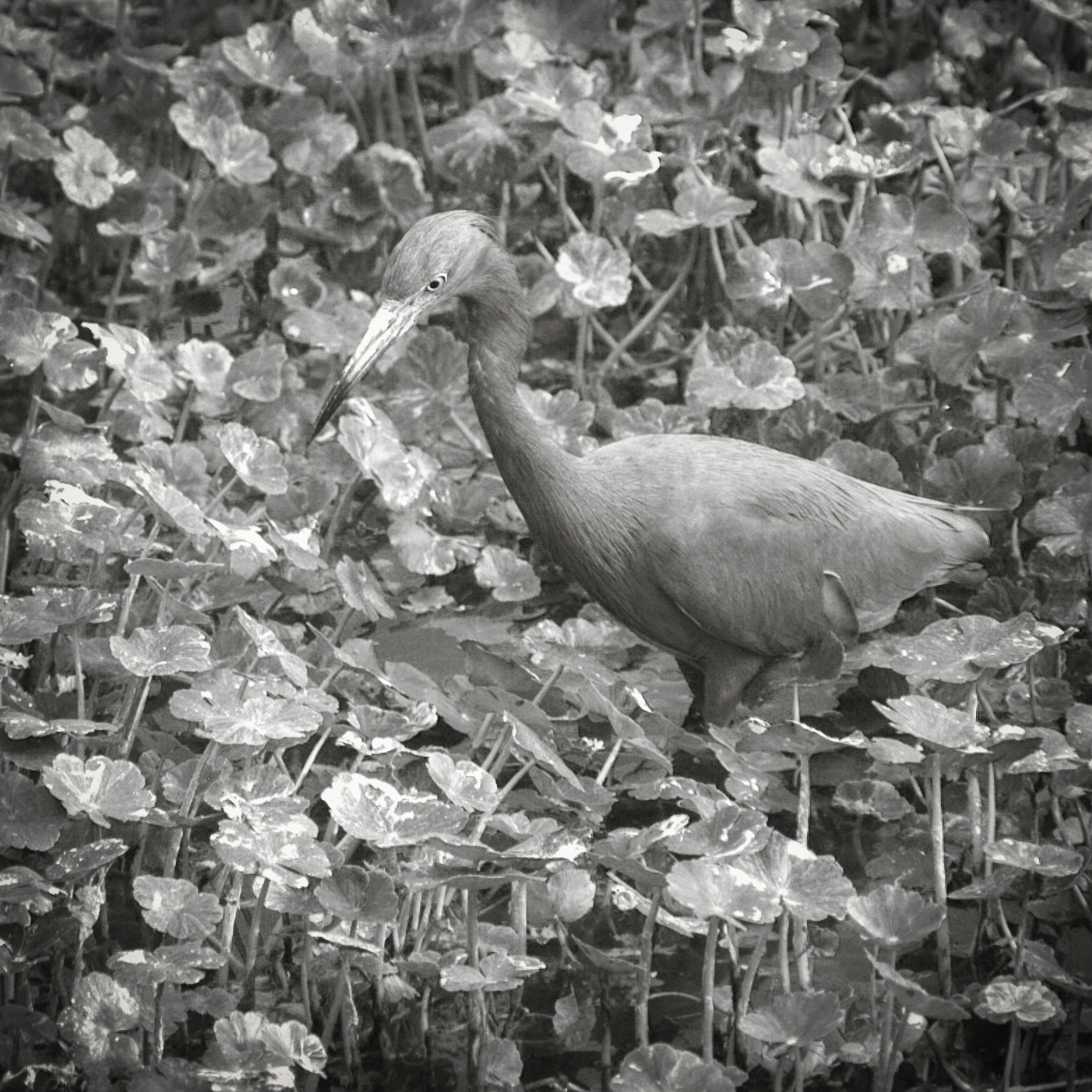
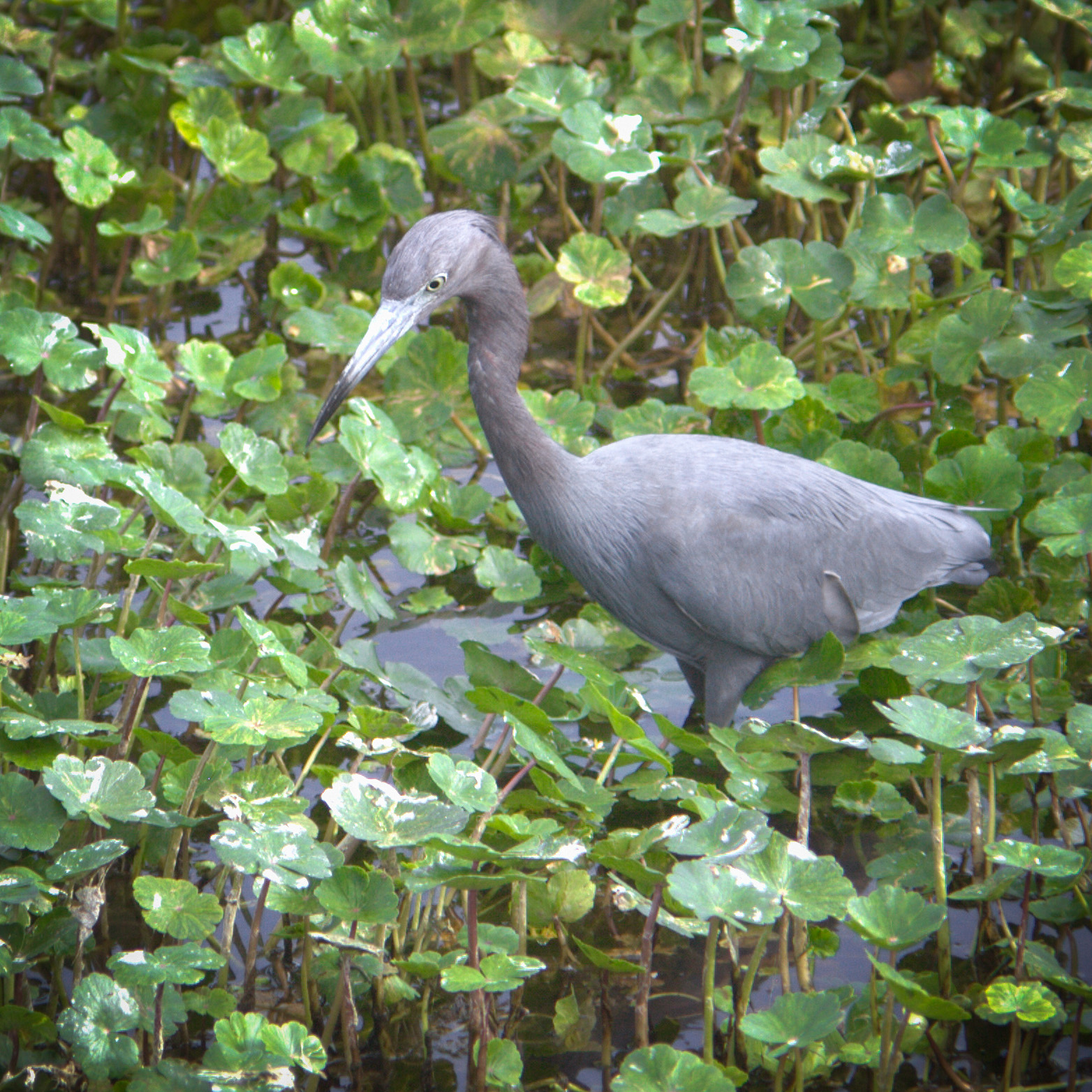
Hi Dale! Yes, agree with the others both the sharp eye (always a key component for successful wildlife photography) and extreme blurred background colors reveal a most artistic scene! My wife and I have been traveling to central Florida the past month or two, mountain biking and capturing photographic images, and have come across this lovely bird and others in its family more than once. Look forward to seeing more like this, Dale.
Thank you for sharing! |
Feb 8th |
| 87 |
Feb 21 |
Comment |
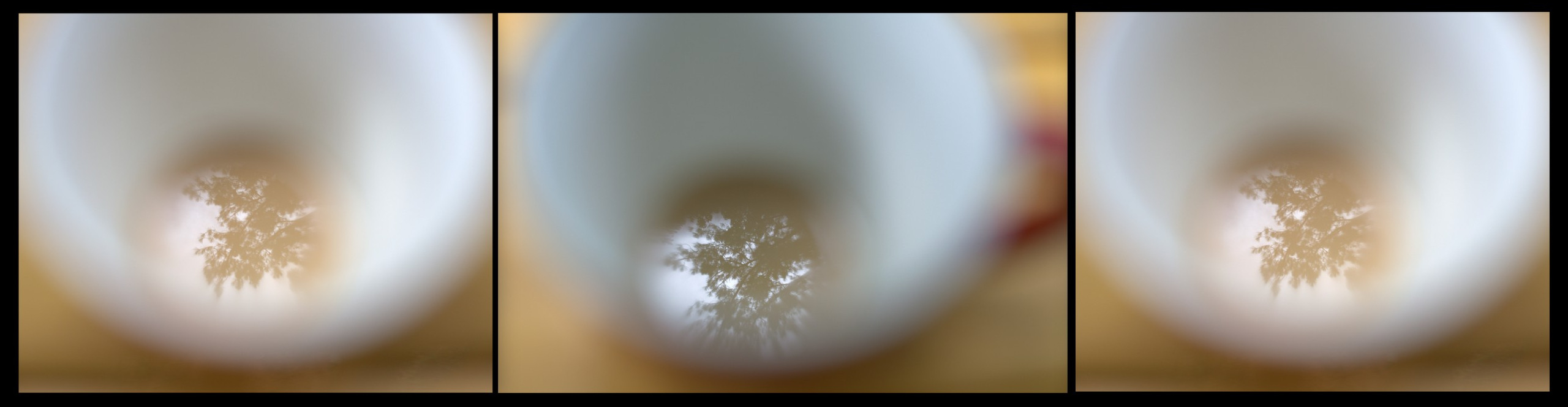
Well it does seem you have the creative touch! Regardless if seen at a local camera club, your execution of this particular project and the others we have enjoyed in the past are truly creative.
I think we have all (and more than once) placed our eyes up close to a bowl, cup or maybe a crystal to peer at the kaleidoscope of colors, this is a very cool alternative of inducing a similar experience and even more engaging as it is well captured with the lens of a camera. Another fun exercise for the group to try! Well done, Steve. |
Feb 8th |
| 87 |
Feb 21 |
Reply |
Well, then it is time you reacquaint yourself with the "less seen" juxtaposition of the 'hand of man' and Mother Nature.
You possess a good eye from behind the viewfinder, I look forward to seeing new work from you that captures the Wabi Sabi aesthetic. :) |
Feb 8th |
| 87 |
Feb 21 |
Comment |
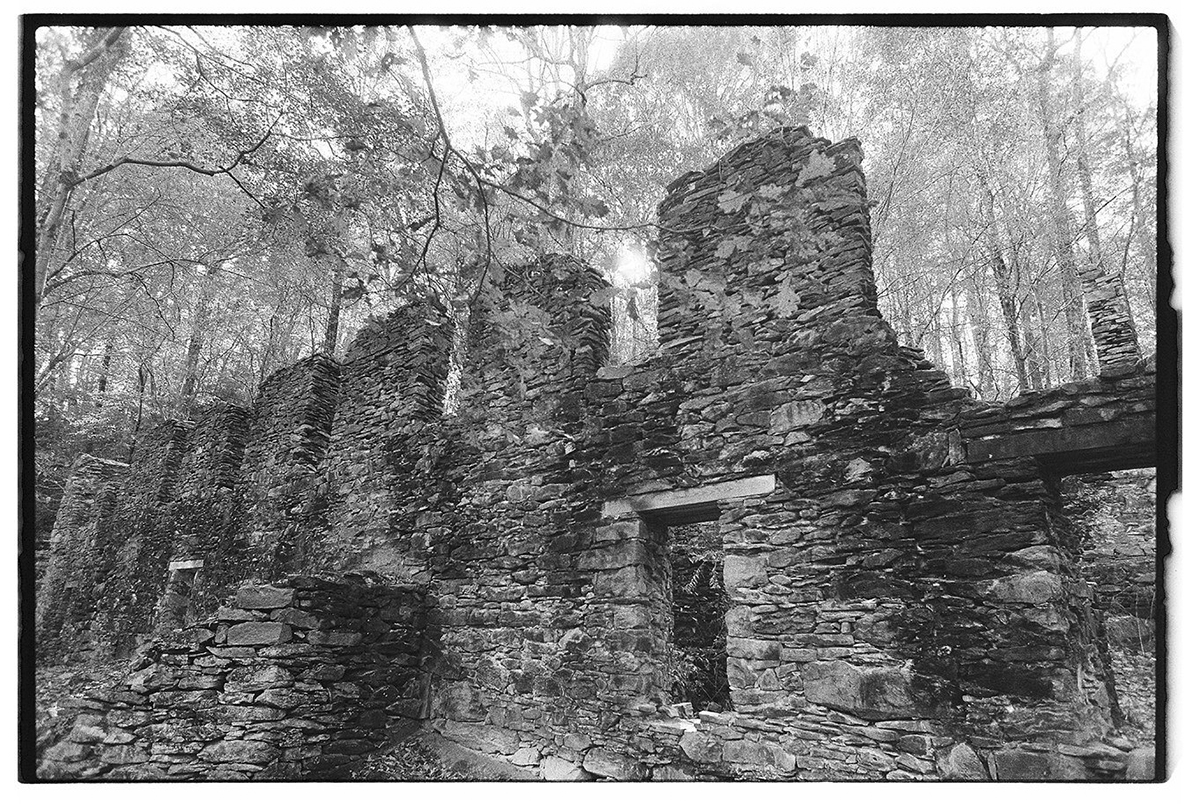
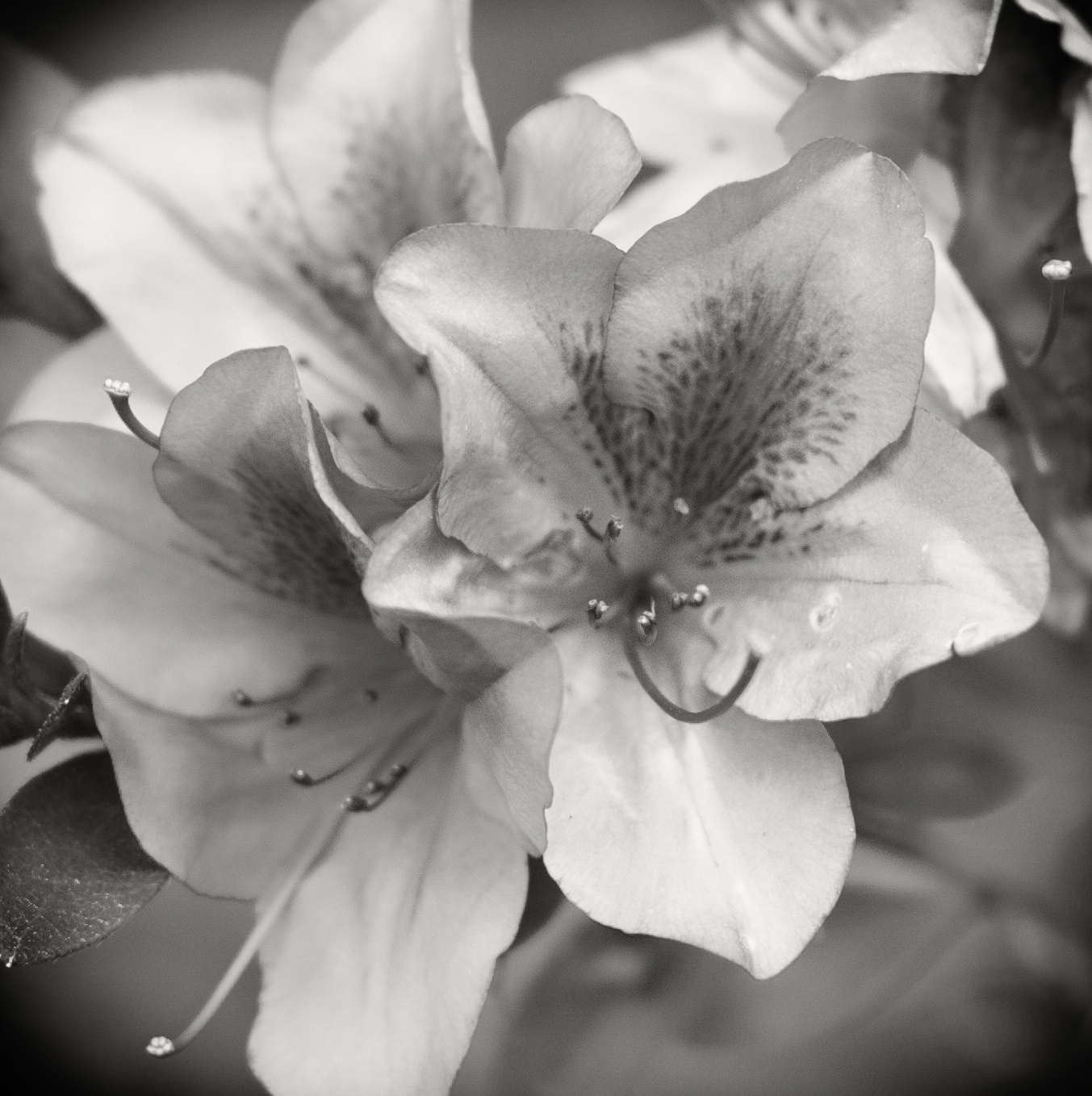
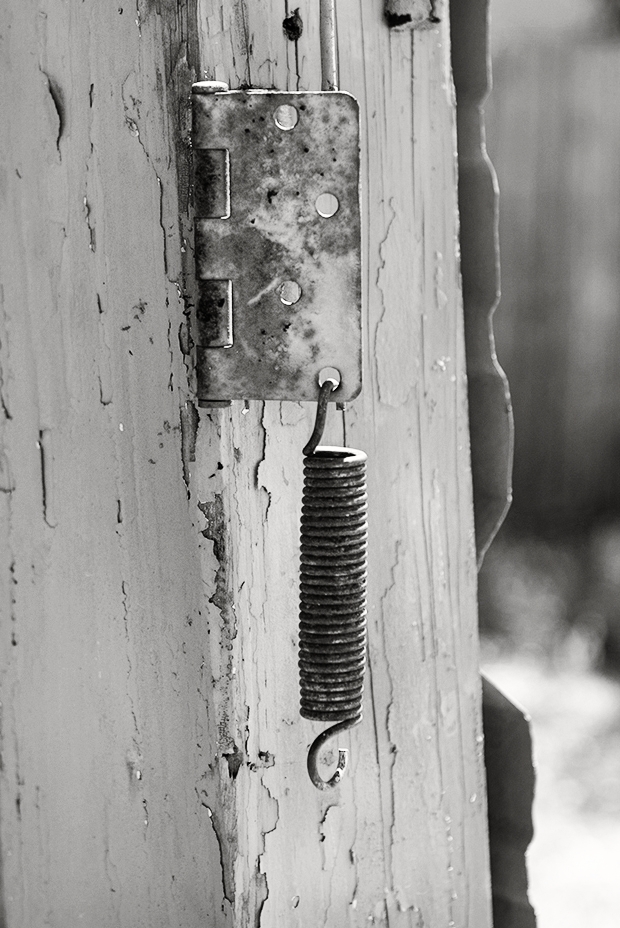
Chan, this is a very good exercise in looking for details in our everyday life: looking and enjoying the less then prominent, the understated and in some cases, the dying, as in a dried and wilted flower. These are all the attributes we find in the Japanese Aesthetic of Wabi Sabi we talked about in the past and I believe I have a piece written on the Bulletin Board on DD-83-Mono.
I too have reedited your piece in Silver Efex Pro-2 only after I did some selective Dodging. The BW rendering was put through a Yellow filter and then added strong contrast overall. Custom Copper/silver toning to finish. Great exercise, Chan!
|
Feb 7th |
 |
| 87 |
Feb 21 |
Comment |
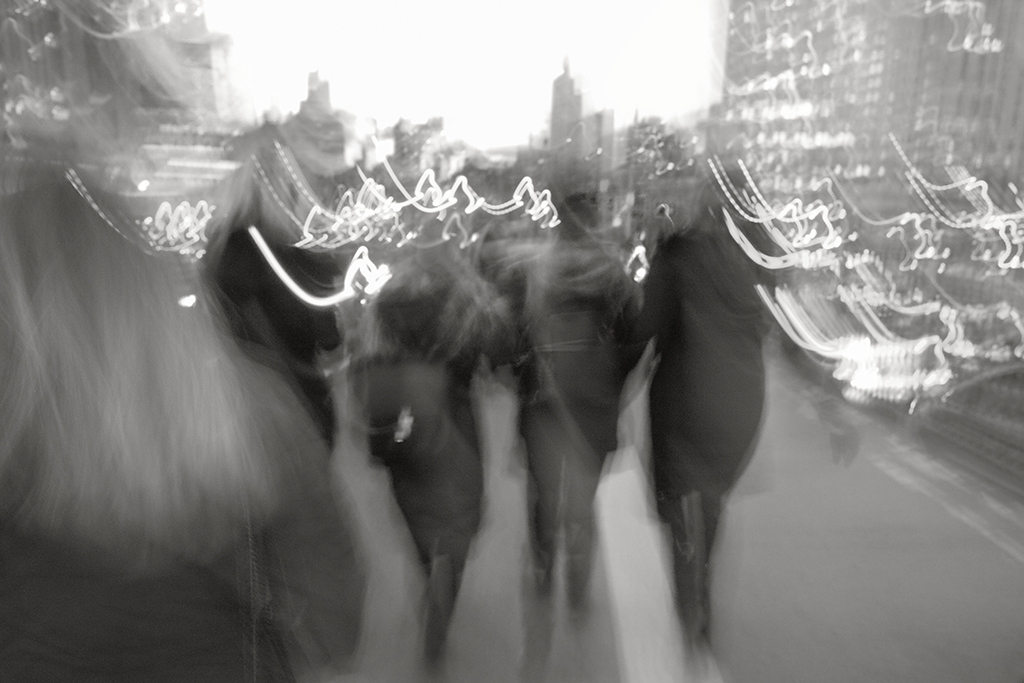
Yes, seems "Light Painting" is all the rage these past 2 years and even more intense the past 12 months mostly promoted through large and small photography clubs, like the PSA for one example....but this technique has been a hall mark for creative compositions for many years - its odd to me to see all this attention to it. Its is just one of many regular tools we have in our tool box.
In many cases through the years we (photographers) just call it "Fill-in" Flash to help (or altogether) illuminate the subject/s. Other occasions the photographer is aware of the sense of Depth and sometimes 3-D effect this technique will give to a composition, you can see this with fashion photography, where the model seems to "pop" out from the background, unique but horribly fake for most serious portrait compositions.
|
Feb 7th |
| 87 |
Feb 21 |
Reply |
Hi Steve!! Indeed, with film we have no immediate review so of course the best tool in our bag is "Bracketing". Only two or three compositions were kept out of 30 exposures.
Great questions, Steve:
Actually, not the latter, but former work-flow process you suggested: short diffused Bursts from various locations during the entire Bulb Exposure - experimenting at the beginning, mid and later part of the exposure. |
Feb 6th |
| 87 |
Feb 21 |
Reply |
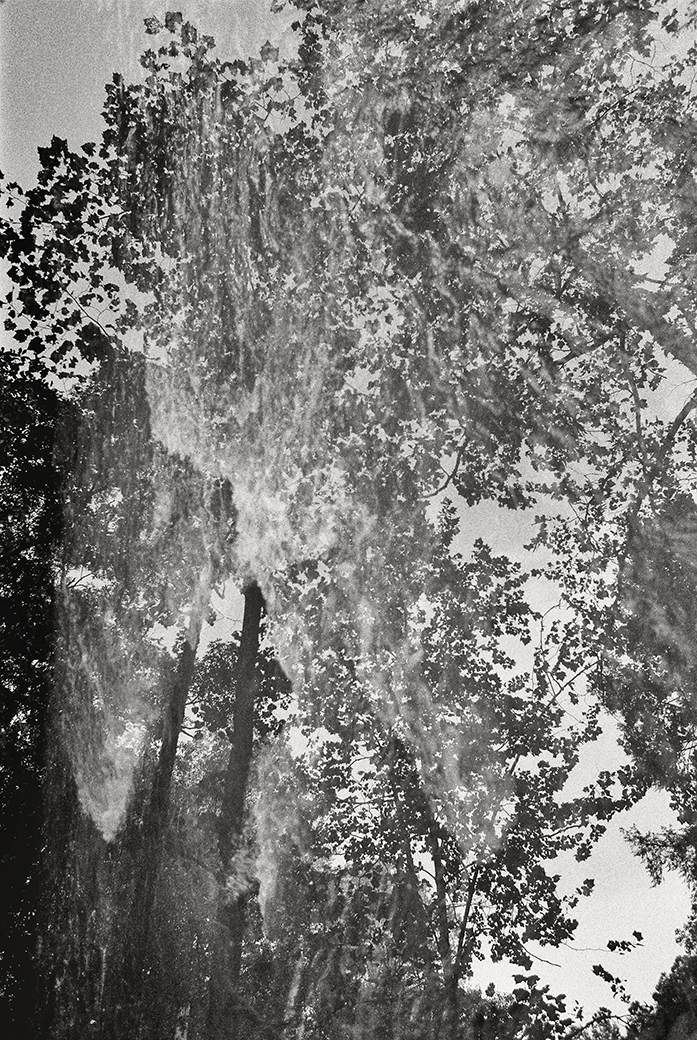
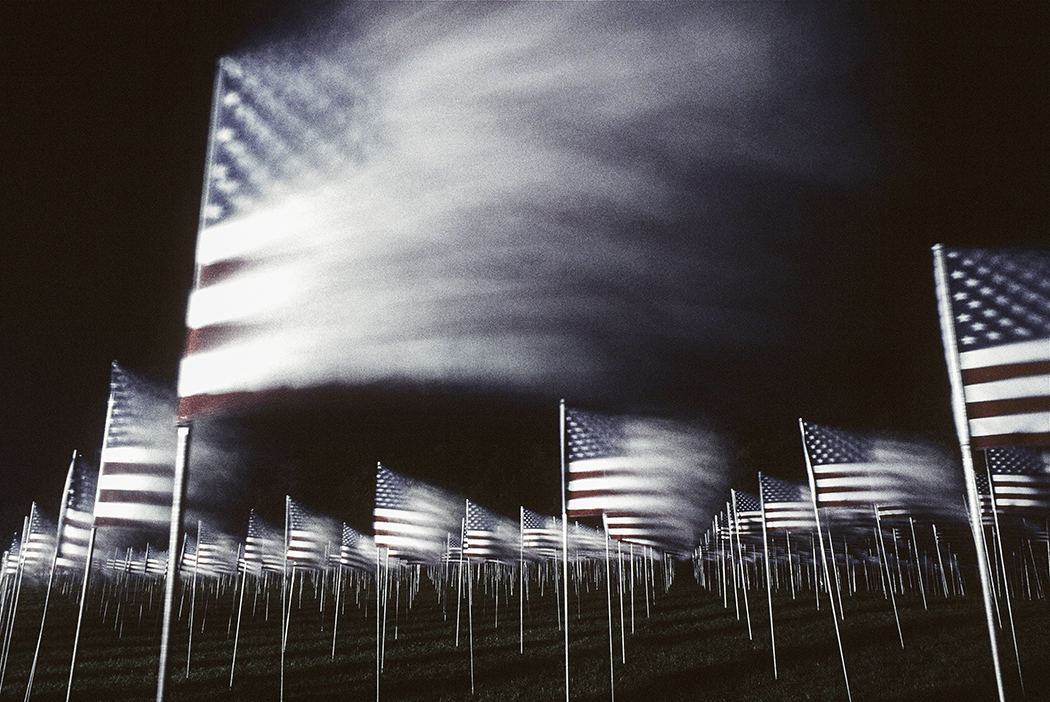
Hi Jennifer....appreciate your encouraging words. Yes, a open windy field allowed for the ghostly effect. When first developed and reviewed I gasped upon seeing the results on sheets of negatives.
"Points to Ponder", the lesson I come back to often is using Mother Nature (and other man-made atmospheric conditions) for developing dynamic visual narratives (and certain aesthetics) is seen here with Wind and the users fill-in flash. On film we have a grainy feel, but a similar effect may be possible with using High ISO values on digital cameras. |
Feb 6th |
5 comments - 3 replies for Group 87
|
17 comments - 14 replies Total
|