|
| Group |
Round |
C/R |
Comment |
Date |
Image |
| 3 |
Nov 20 |
Comment |
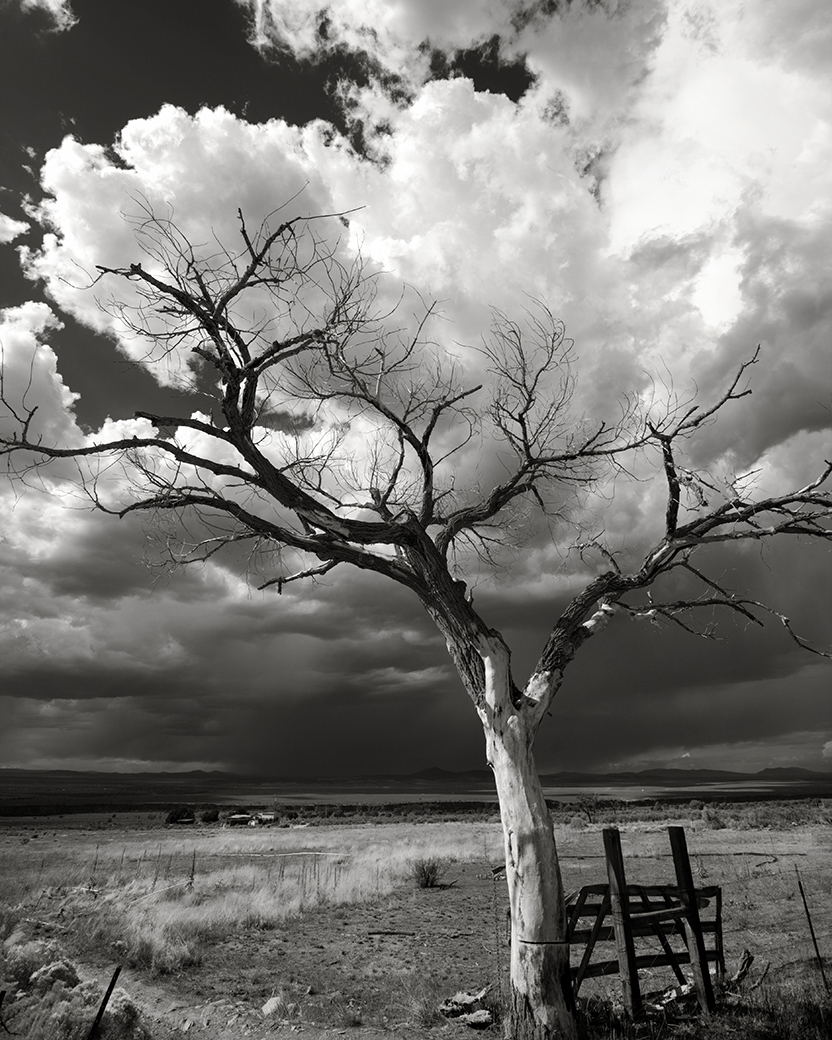
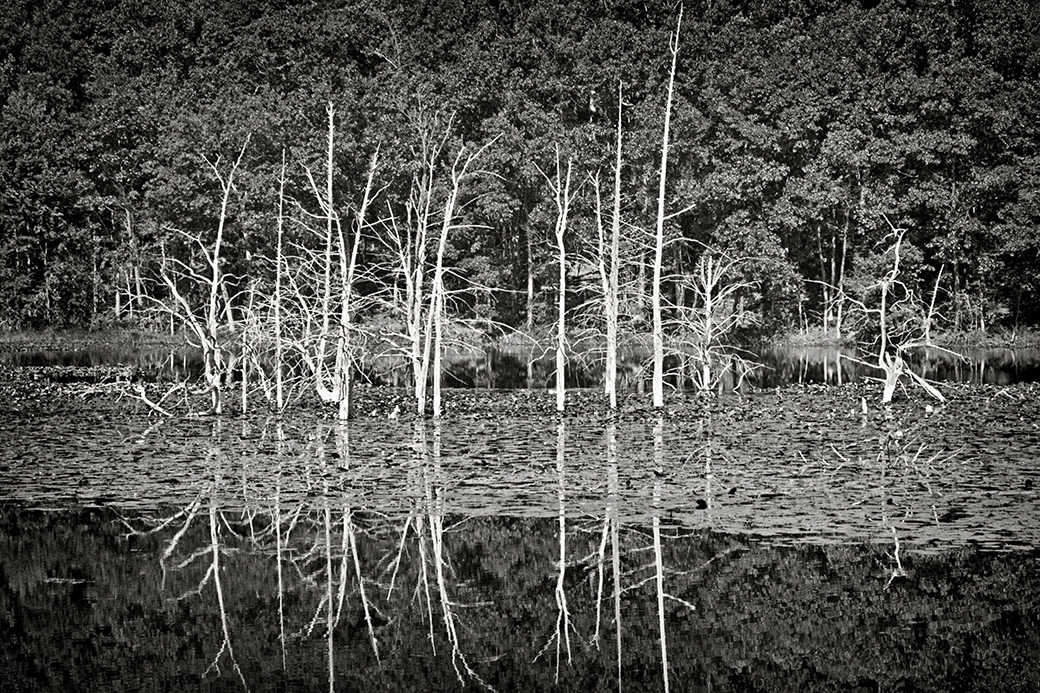
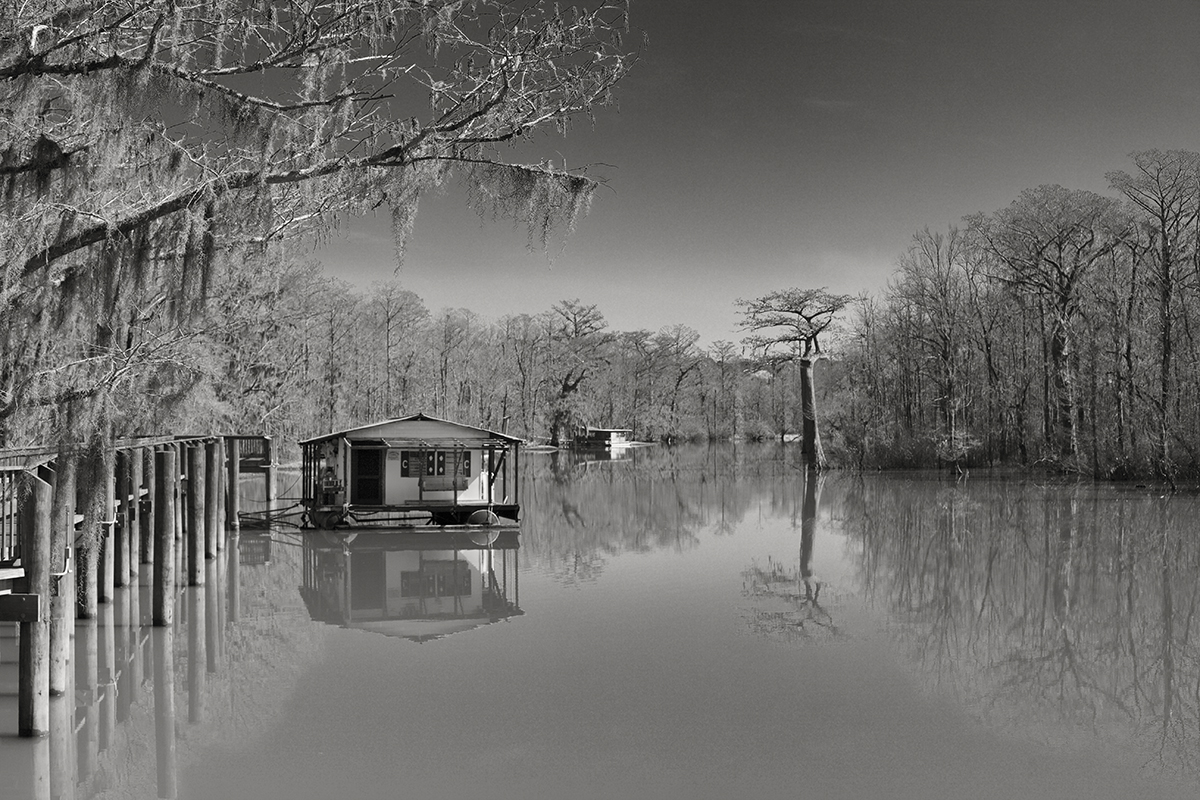
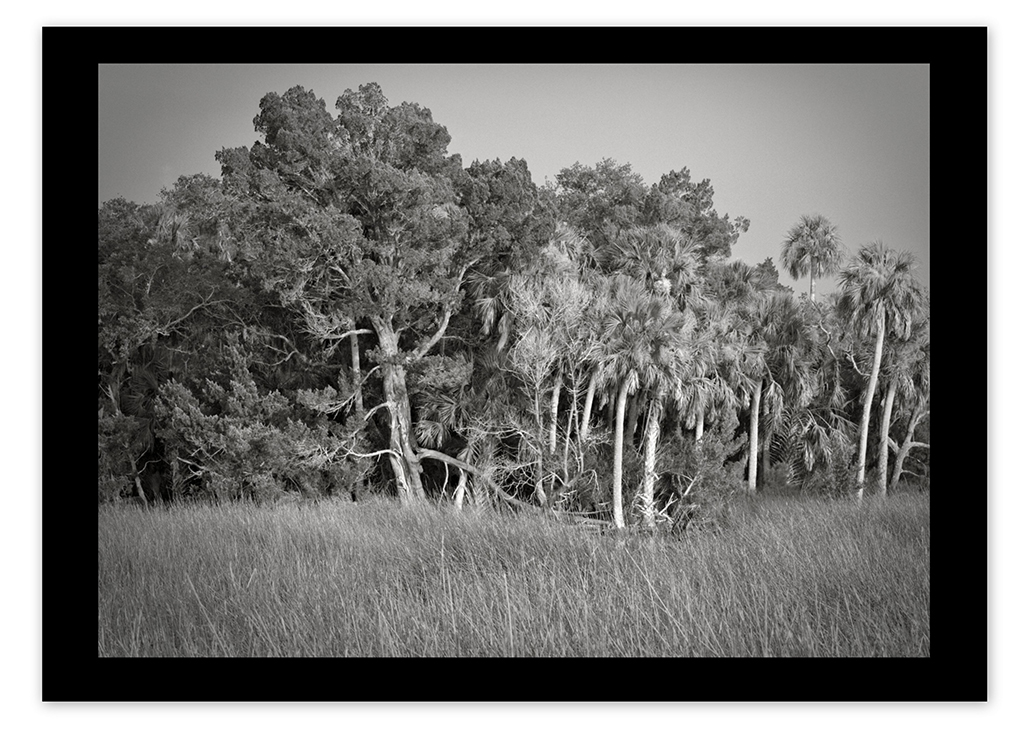
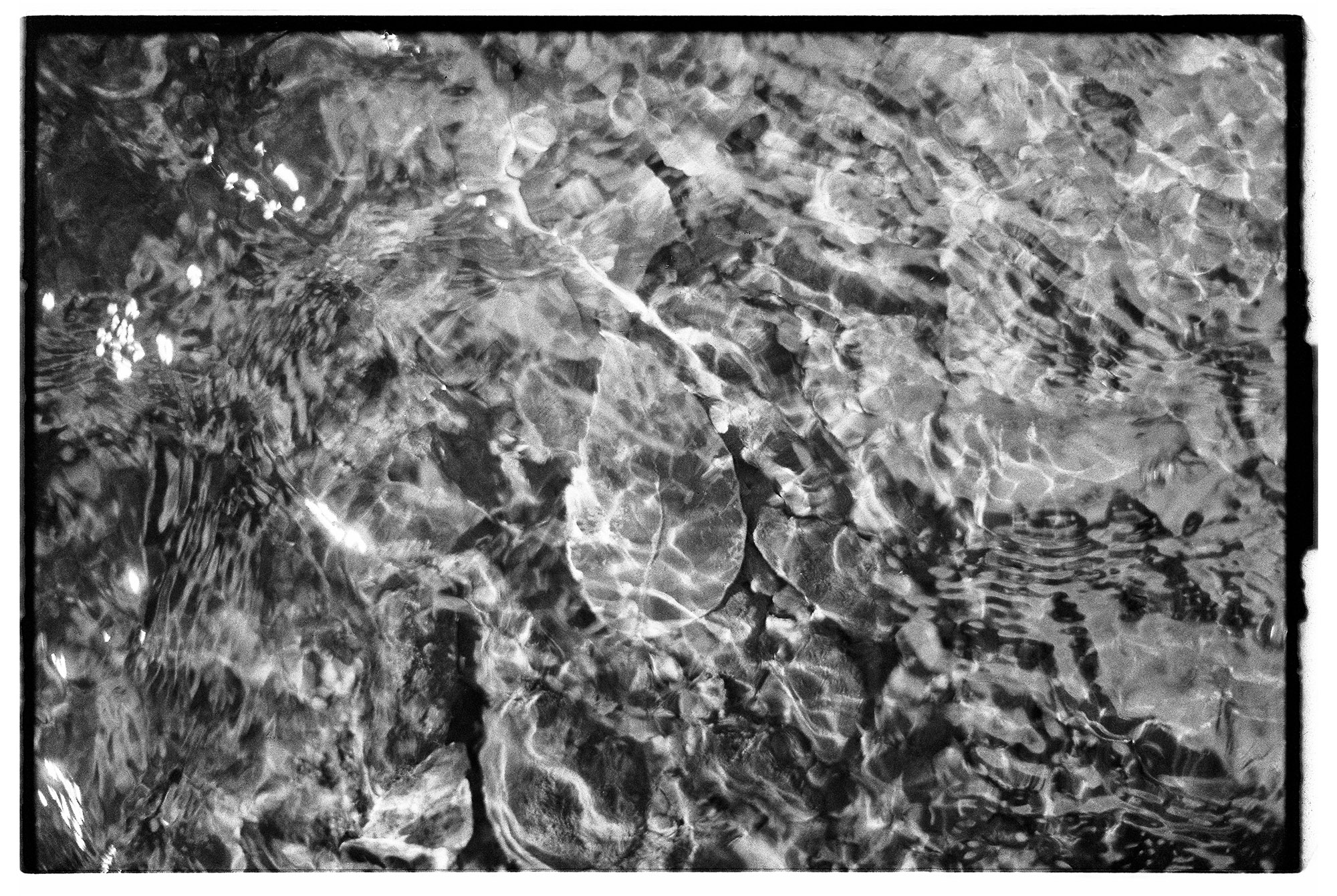
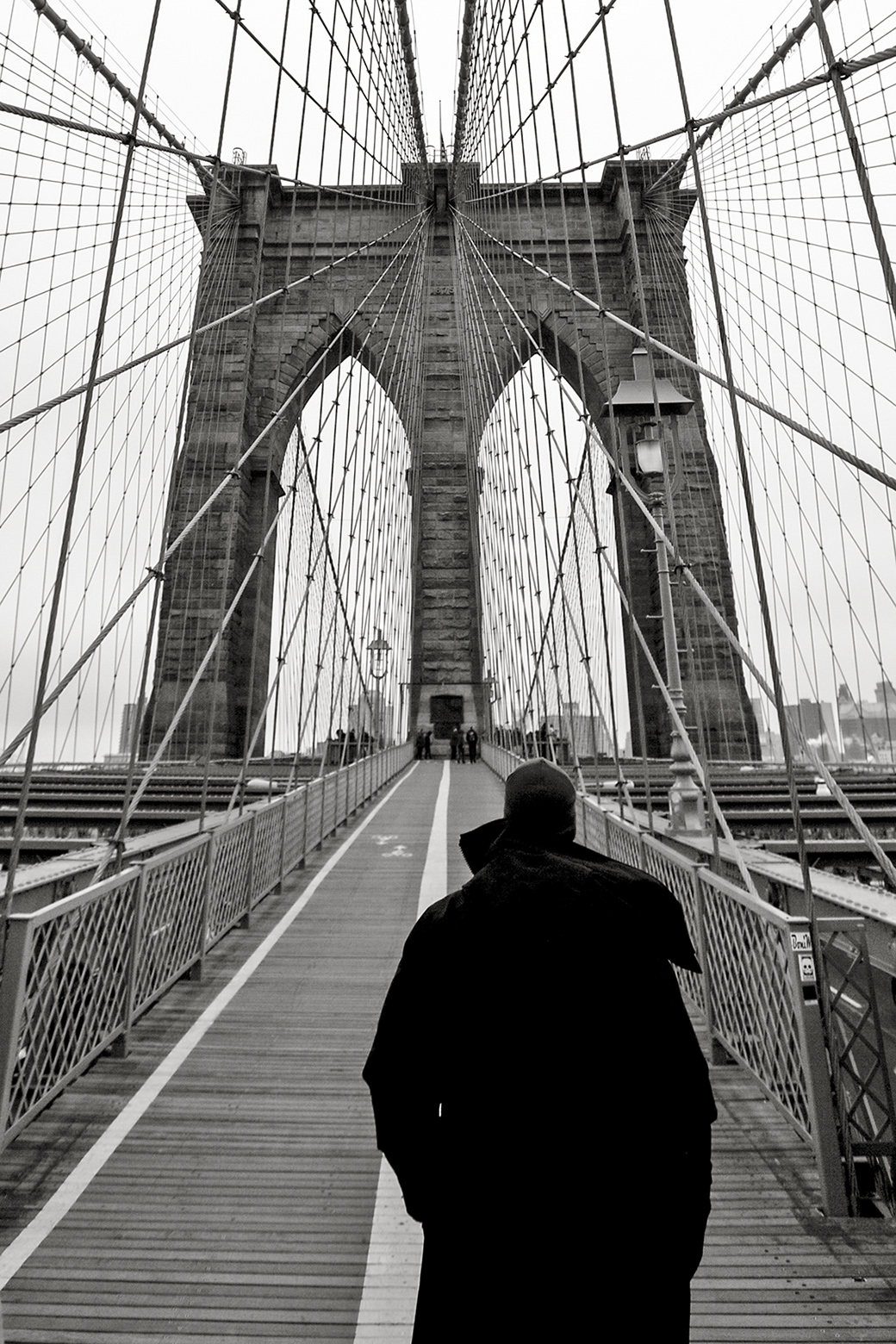
Hi Ruth! This is a very powerful image by the fact (in my opinion) adequate perspective reveals scale and thus I feel like I am going to drop over the edge....
I personally present almost all my work as BW (and in the past 3 years have gone back shooting 50 percent of my work on BW film) and your (Visualization) and rendering of Light, Shadow and Texture is a pleasing balance of grey-scale hues/tones. You have not over-processed this file and this is refreshing to see. Well done! |
Nov 18th |
1 comment - 0 replies for Group 3
|
| 8 |
Nov 20 |
Comment |
Hi Mark! Very interesting composition.
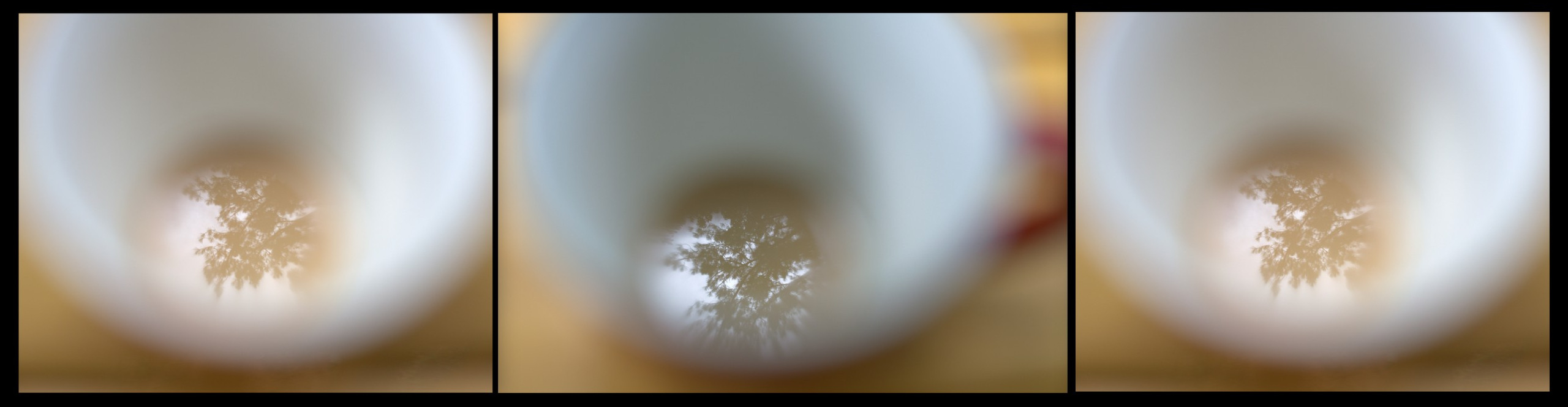
So, are you actually pouring out the coffee into a basin full of water, or whatever the main source of water is....
I enjoy seeing thinking outside-the-box type work when it is fresh: this is a well conceived idea, but how was it captured and processed? |
Nov 18th |
1 comment - 0 replies for Group 8
|
| 10 |
Nov 20 |
Reply |
Oh, gee...lucky you! Well that's great! We look forward to seeing a series of test shots using the Hyperfocal Distance technique.
I am still writing an article on this technique (and general manual focus) and will share with you upon its completion. Enjoy a wonderful Thanksgiving Holiday! |
Nov 21st |
| 10 |
Nov 20 |
Comment |
Good afternoon, Lori! A beautiful iconic scene from Yosemite that indeed will work wonderful as a print! The 24mm view is perfect for this location and one of my favorite perspectives.
Allow me to suggest something as it pertains to focusing: I bring this up as some portion of the near foreground is out of focus and your use of a fairly large (F/3.5) aperture opening prevented a deeper Depth of Field (Dof). I do understand it was getting dark, Lori.
One the best manual focusing techniques for landscape compositions is utilizing hyperfocal distance principals. Hyperfocal focusing allows for the greatest Dof (in front and behind the point of focus). That is, to keep part of the foreground in focus, while achieving similar in-focus parameters in the back ground. Hyperfocal focusing is best achieved with normal to wider angle lenses (i.e. 50mm to 20mm for example), pretty much my go-to-lenses for landscape photography, but really any lens can be used when employing hyperfocal focusing.
This is best accomplished using a tripod and remote triggering device or the cameras timer, but surely not necessary in well lighted locations.
There are many technical charts and such to show the proper settings for the hyperfocal distance, but after a few times using the technique it is usually not necessary, and surely less time consuming.
These are some of the concepts I will include as the new PSA BW Photography Mentor.
Kind regards,
Lance
visualizingart.com
|
Nov 18th |
1 comment - 1 reply for Group 10
|
| 32 |
Nov 20 |
Reply |
...these are good points. Thank you, Diana. |
Nov 18th |
| 32 |
Nov 20 |
Reply |
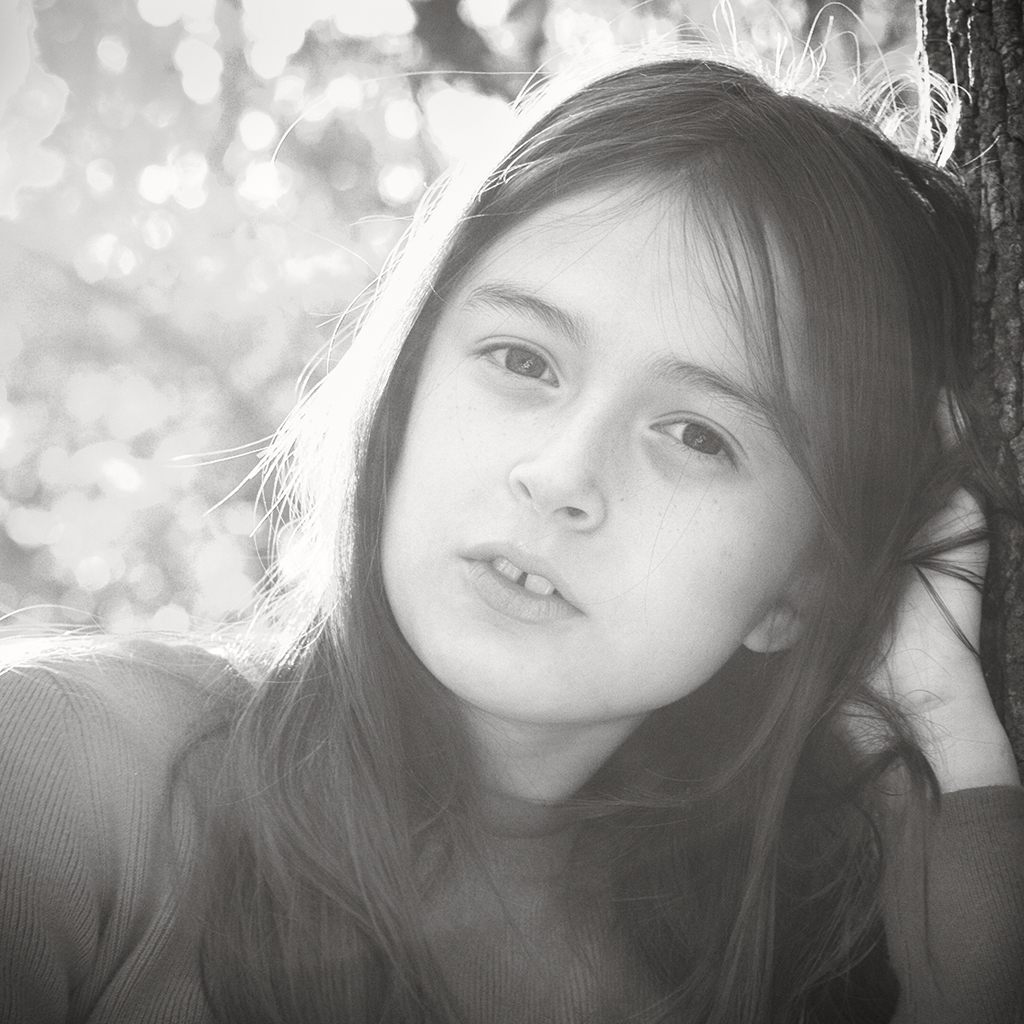
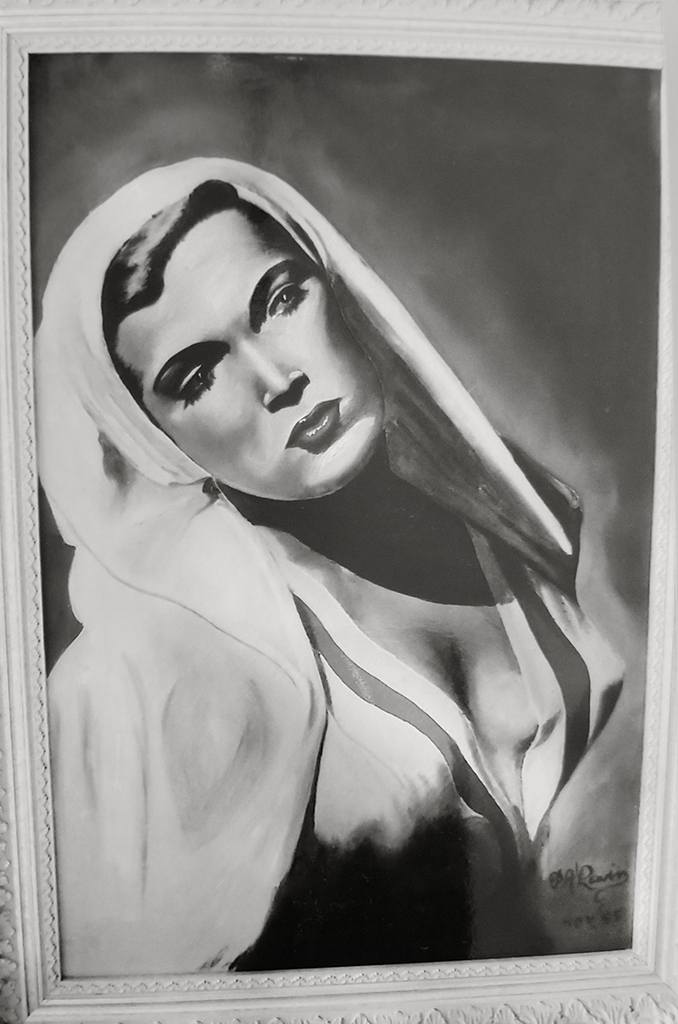
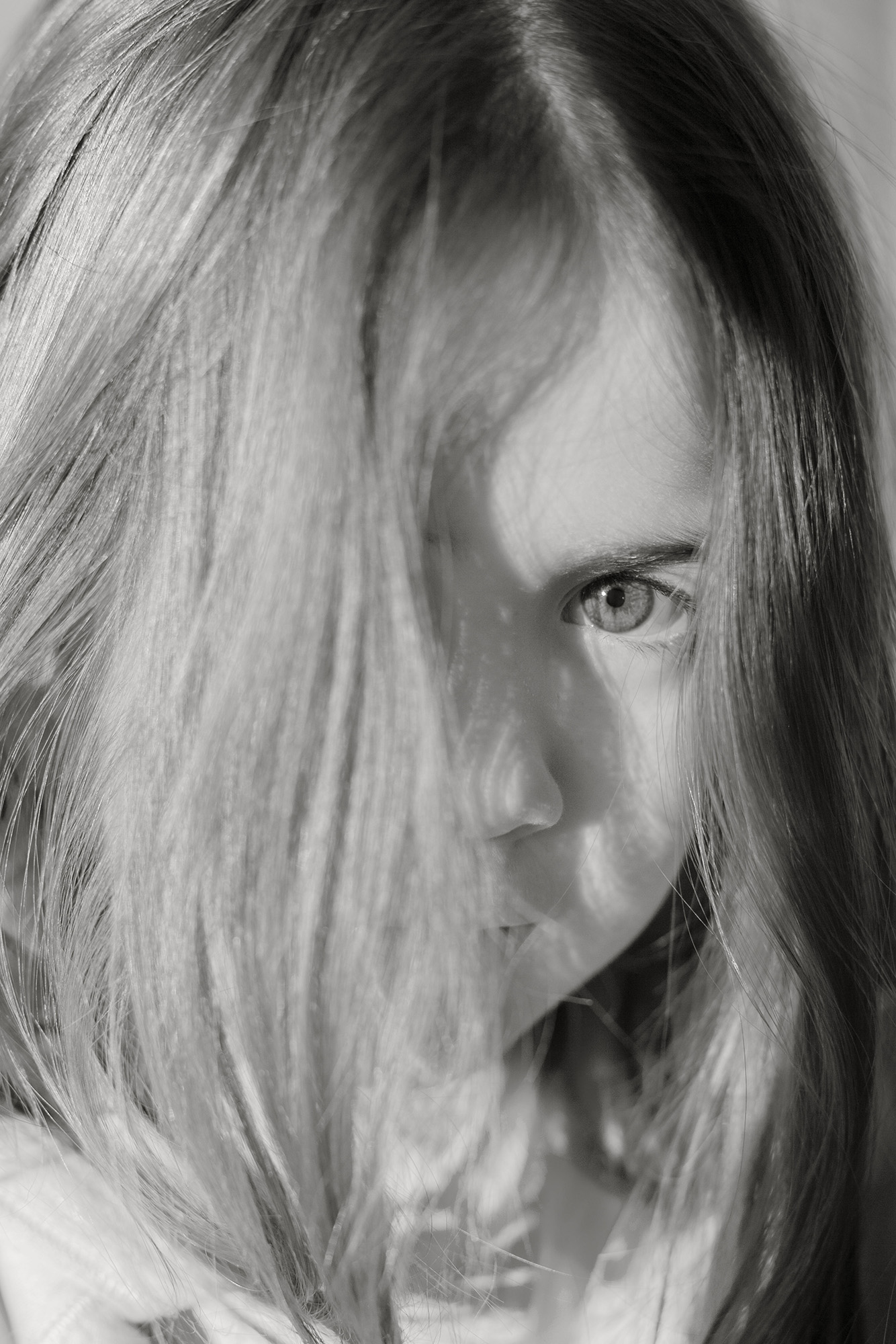
Well, this Edit is not anything like Russ's very creative and Moody, seductive illustration: Russ's final piece is very different and creates a visual-meditation through the soft aesthetic that covers the entire composition - and which makes it unique, compared to the normal portrait. An example of thinking outside the box, indeed.
In my opinion, Russ's portrait needs to be seen for which it represents: an outside-the-box rendering one may even see as reminiscent to some of the (pictorial) work seen in 19th Century Julia Margret Cameron's (1815-1879) studio work.
|
Nov 18th |
| 32 |
Nov 20 |
Comment |
Good day, Diana. No, you are not wasting your time, your artistic eye seems to be very keen and the (overall) Dark scene lends itself well to the subject: a sense of mystery and also a fine subject study on texture, light and shadow.
I am not sure if you added "structure", it does not look so, but in some photos that I edit, if light, Shadow and texture reveal an over-structured (or otherwise "busy") aesthetic, I slide the "structure" to the negative, just a tad, to be sure I go off the software's default setting. (I use PSCC). Then I process going forward. I "never" add "structure". (This is one of the concepts and techniques I teach as the new PSA BW Mentor).
|
Nov 18th |
1 comment - 2 replies for Group 32
|
| 39 |
Nov 20 |
Comment |
Steve, this is a wonderfully visualized and captured composition. One of my favorite destinations for purchasing art and capturing photographic compositions. As Larry states above, indeed, the way we enjoy viewing the New Mexico (and Santa Fe) varied landscape, artifacts and architecture, in Black and white. |
Nov 18th |
| 39 |
Nov 20 |
Comment |
Good day, Mohammed.
This is very well executed: from the square format to the creativity with light, shadow and texture. Though the footprints do add another interesting detail for viewers, (I like that), I also wish this scene had been captured without it.
The Plain Sky, Mountain Landscape, and (wishfully footprint free) large Sand Dune foreground, present a very deep and (almost falling away) perspective that is very abstract and of course, feels perfect as a BW rendering.
Well visualized and captured, Mohammed. |
Nov 18th |
2 comments - 0 replies for Group 39
|
| 47 |
Nov 20 |
Comment |
Hello, Albert! A wonderful Seascape composition that will entice all viewers to want to go visit this special place.
However, my only concern is the seemingly lack in overall focus, which may be due to the very low resolution of your image file (about 350kb). In this case, it may be interfering how we view the work onscreen.
On the other hand, perhaps if this was hand held at F/11 or F/16 the shutter speed may have blurred the scene, unless you were using a tripod with hands-off triggering. |
Nov 18th |
| 47 |
Nov 20 |
Comment |
Really is a beautiful Landscape, Adrian.
Well balanced composition that used post-production editing intelligently. Well done. |
Nov 18th |
2 comments - 0 replies for Group 47
|
| 64 |
Nov 20 |
Reply |
Happy holiday, Jerry. FYI: in next months Group-83 Mono photography collection, I posted 3 compositions that study Composition, and the interplay between Light, Shadow and Texture. I feel you may find the work relative to your work this month. Take care and hope you come visit after December 7th. Take care, Jerry. |
Nov 30th |
| 64 |
Nov 20 |
Reply |
Well, the entire scene is well framed, and next time be alert of artifacts that may distract from the overall composition.
I do this often myself, but then stick around to take another shot, if in fact I saw the infraction....and times I do not.
We are all on the same boat. :) |
Nov 18th |
| 64 |
Nov 20 |
Comment |
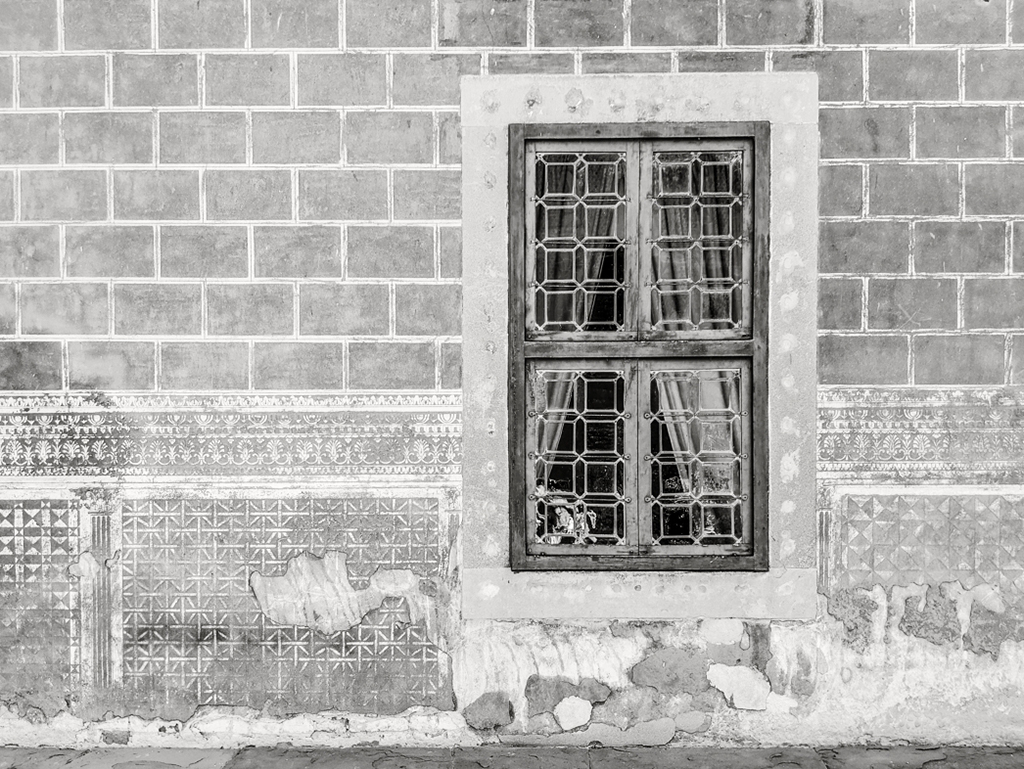
Hi Jerry! Absolutely love this composition...all the different textures, shapes and shades work well as a BW piece. You have a very creative eye and it is well presented in this example!
But I feel your current choice in a BW rendering is breaking up the attractive aesthetic created by the separation of these different dynamics and making the piece too Busy.
I DL'ed your file and re-edited with a (Yellow filter) in Silver Efex Pro-2 and very select Dodge & Burning in some areas. Final has a custom Silver Copper toning.
I feel this example copies the separation (in shapes, textures and variety in tone) we all enjoy in the color original. (The only other change could be to add more contrast, but then we are moving away from a Soft atheistic). |
Nov 18th |
 |
| 64 |
Nov 20 |
Comment |
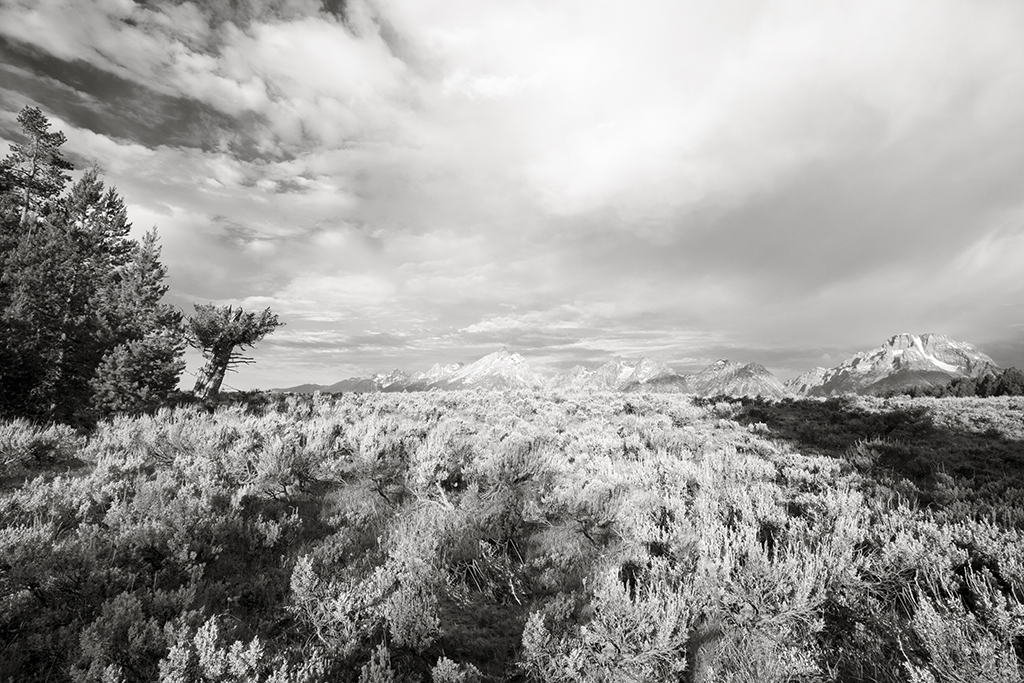
Gee, what a beautiful landscape richly framed with contrasting white clouds (that help define the mountain) and wide open foreground to define the space. The wide range in grey-scale tones is lovely.
Notes:
Though the person walking away does indicate to viewers a sense of perspective, the subject is non-descriptive and does nothing to add to the composition, but actually may be a distraction. Instead, a horse with or without a rider would have been more appropriate and likely in your situation, just waiting for the person to leave your field of view before triggering the shutter release button would have been another option. |
Nov 18th |
| 64 |
Nov 20 |
Comment |
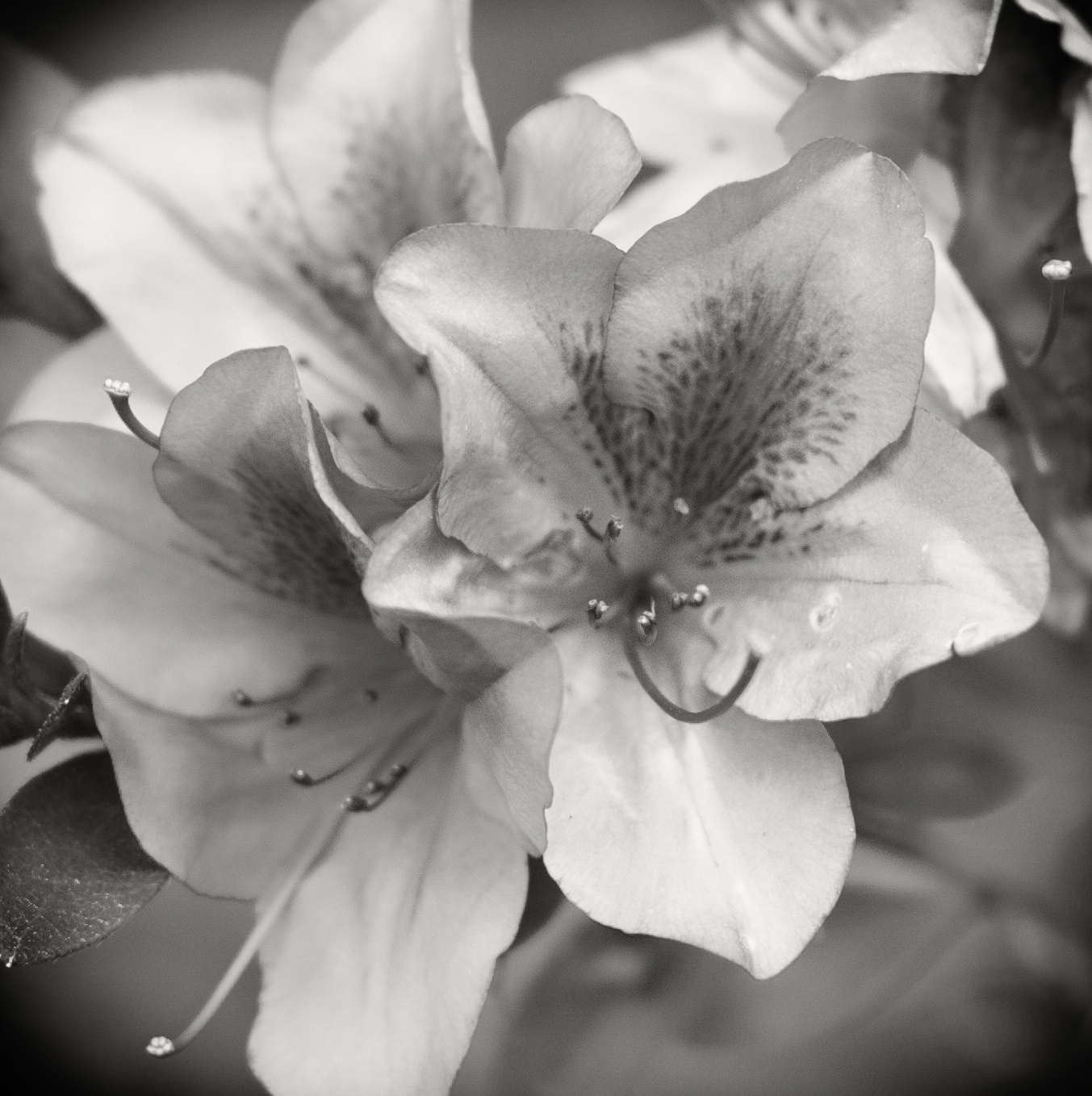
Hello, John. Lovely Flower Portrait. The texture and close portrait details is beautifully composed, indeed. Properly matted & Framed will hand well under a soft spotlight.
I am aware this is an old photograph...but I must comment and make suggestions regarding the final soft (and film-like) aesthetic presented here: this example is designed to help the photographer in the field use camera and atmospheric dynamics for creativity.
"Points to Ponder": (and a good "Bulletin Board" subject)
Several actual Photographic Techniques could have been used at the time of capture to create a soft (and even film-like) texture to this (and future work) digitally captured Rose.
A wide open lens would obviously result in a shallow Depth of Field (Dof), but would soften the portrait with film-like Bokeh. Also, adding a back-light or shooting when the sun was low (or otherwise behind the flower) would also add to creating a soft aesthetic.
Another creative digital approach is dialing up the ISO setting (even if it does not call for it) to create more Noise (in an attempt to mimic film-grain) as an in-camera technique: several different ISO settings ("Traditional Bracketing" your exposures) can be used (and of course a likely fix to the aperture setting as well, would work in using a higher F number to increase Dof) will result in several shots to review in post-production and choose which best to keep and continue final Dodge & Burning, if needed and conversion to BW if so desired.
Of course, the final suggestion is to shoot a roll of film: the past two years has seen 50 percent of my work shot in BW film. I normally shoot both native ISO250 and 400, but often Push-process to 800 and 3200 for added grain and contrast, for two examples.
And these are some of the techniques and concepts I teach as PSA's new BW Photography Mentor.
visualizingart.com
|
Nov 18th |
| 64 |
Nov 20 |
Reply |
Google (image) Search found "A Graveyard and Steel Mill". |
Nov 8th |
| 64 |
Nov 20 |
Comment |
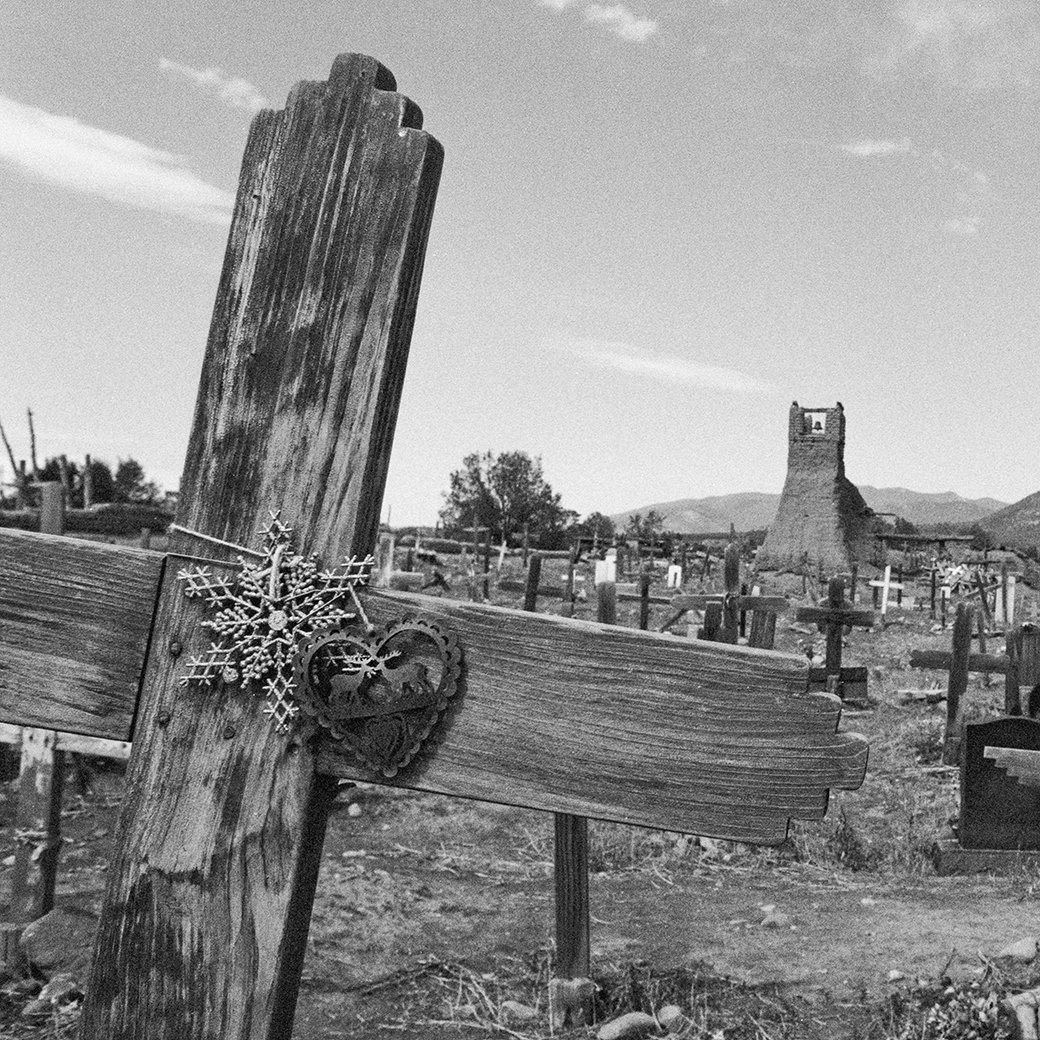
Walker Evens - Cemetery, Bethlehem, Pennsylvania , ca. 1935-1938.
But I was not familiar with this particular piece and had to complete a Google Search of your photo to find this information.
Actually, I like your piece, too, for its broad sweep in documenting this vernacular architecture in this city. |
Nov 5th |
4 comments - 3 replies for Group 64
|
| 74 |
Nov 20 |
Comment |
Hello, Ying Shi.
As the others have already mentioned, a simple (minimalist) composition that draws attention and interest.
Again, Arne Skinlo suggestion is valid: here is where "Bracketing" your shots could pay off. This is, taking 3, 4 or 5 shots of the Exact Same Composition, only changing camera dynamics, i.e. aperture, shutter-speed, or ISO setting. Then in post-production review, pick the one image that best illustrates what you were after. This is important on most night exposures as Exact Exposure is usually hard to gauge. A tripod is a must. |
Nov 18th |
| 74 |
Nov 20 |
Comment |
Good afternoon, Haru.
This composition has been well visualized and captured as a BW rendering. Your work with Light & Shadow is excellent.
This particular perspective (and crop or frame) reveals the power, and contrasting seductive beautiful of this location.
This is one of those compositions which exhibits the Gestalt or in other words, allows the viewer to take in the "whole" as opposed to just focusing on particular details.
I would not make anything any darker, but a slight increase in the exposure of the shadow (Spot Dodging) may be beneficial. |
Nov 18th |
2 comments - 0 replies for Group 74
|
| 83 |
Nov 20 |
Reply |
Dianne, this is Fresh, Crisp and Alive.
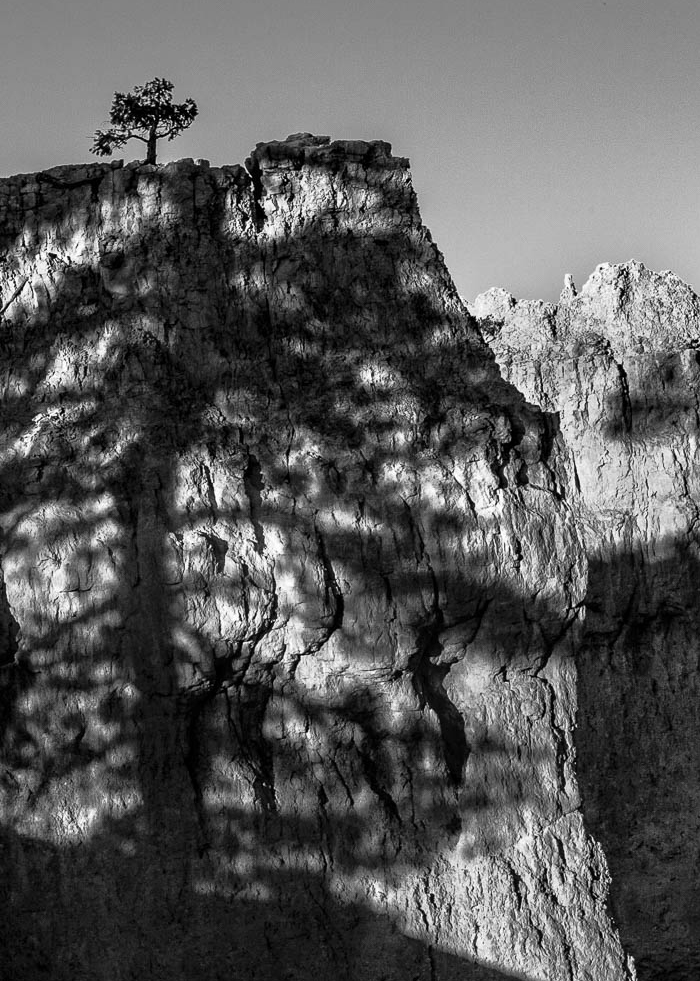
Alternative Compositions could have designed more focus on the large Shadowed-painted rock-face: I have attached a minor Crop that also takes away sky area. These are minor crops for future consideration.
In the end, you were trying to challenge yourself to "see" more in the abstract, (or get yourself to crop closer onto subjects) and it is obvious you are a fast learner. |
Nov 29th |
 |
| 83 |
Nov 20 |
Reply |
...appreciate these details. Indeed, Street Photography is heavily reliant on more factors than other genres of photography. |
Nov 25th |
| 83 |
Nov 20 |
Reply |
Hi Jose! Yes, I love bright overcast days, also works wonders for capturing rich color. :) |
Nov 25th |
| 83 |
Nov 20 |
Reply |
Good morning,Dianne! A fair question, indeed, and one I will answer via the "Bulletin Board" later this morning. Really enjoy good conversation like this. Thank you. |
Nov 23rd |
| 83 |
Nov 20 |
Reply |
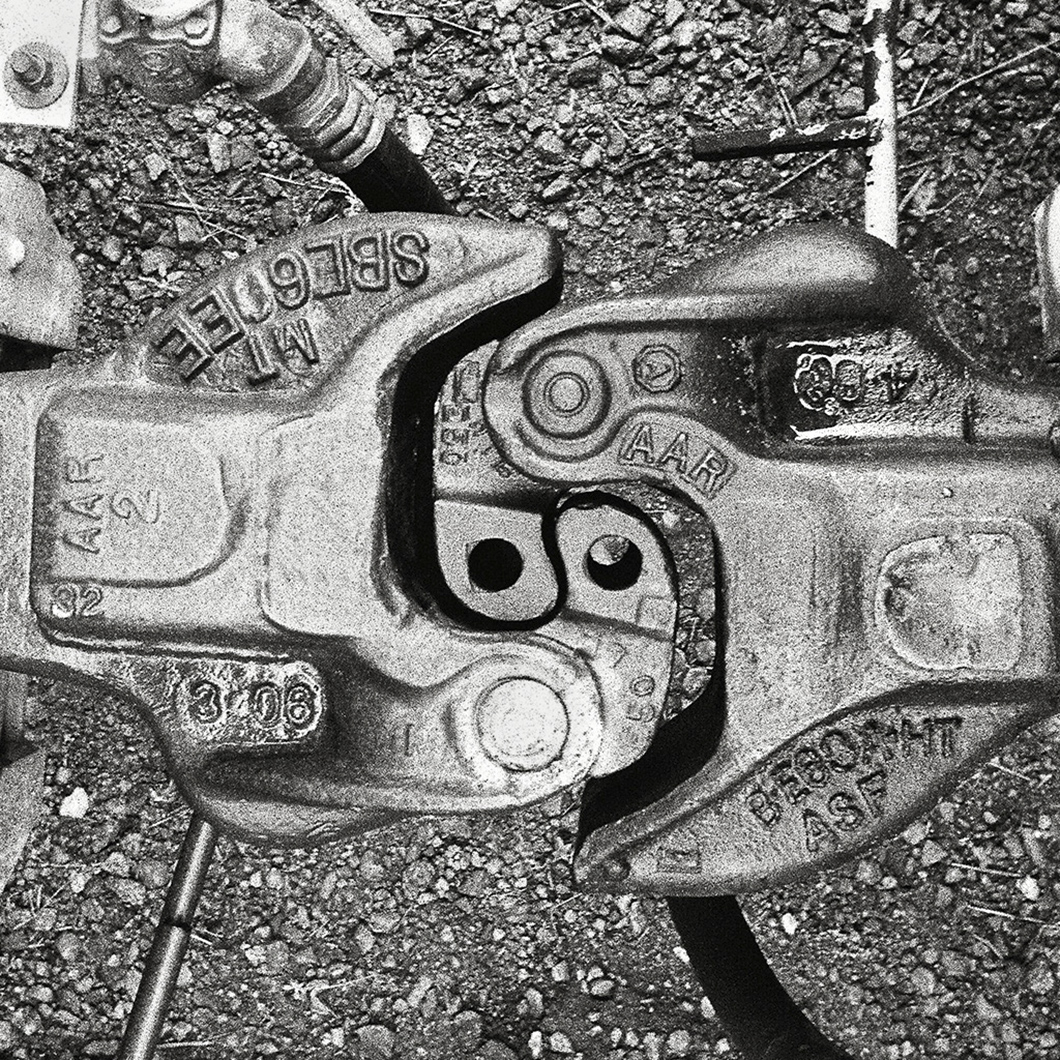
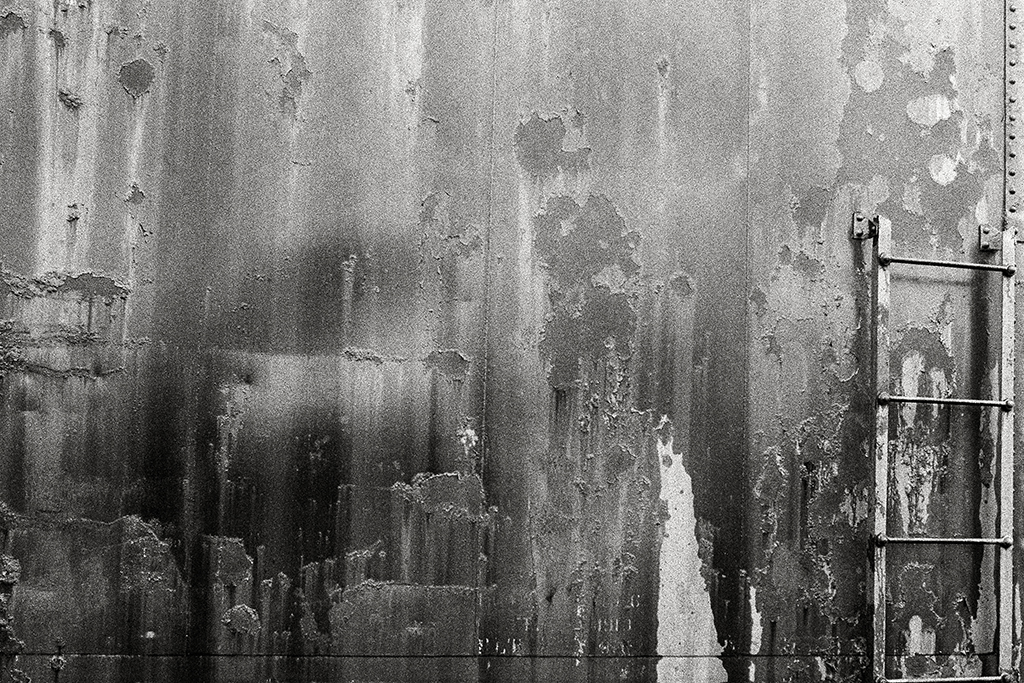
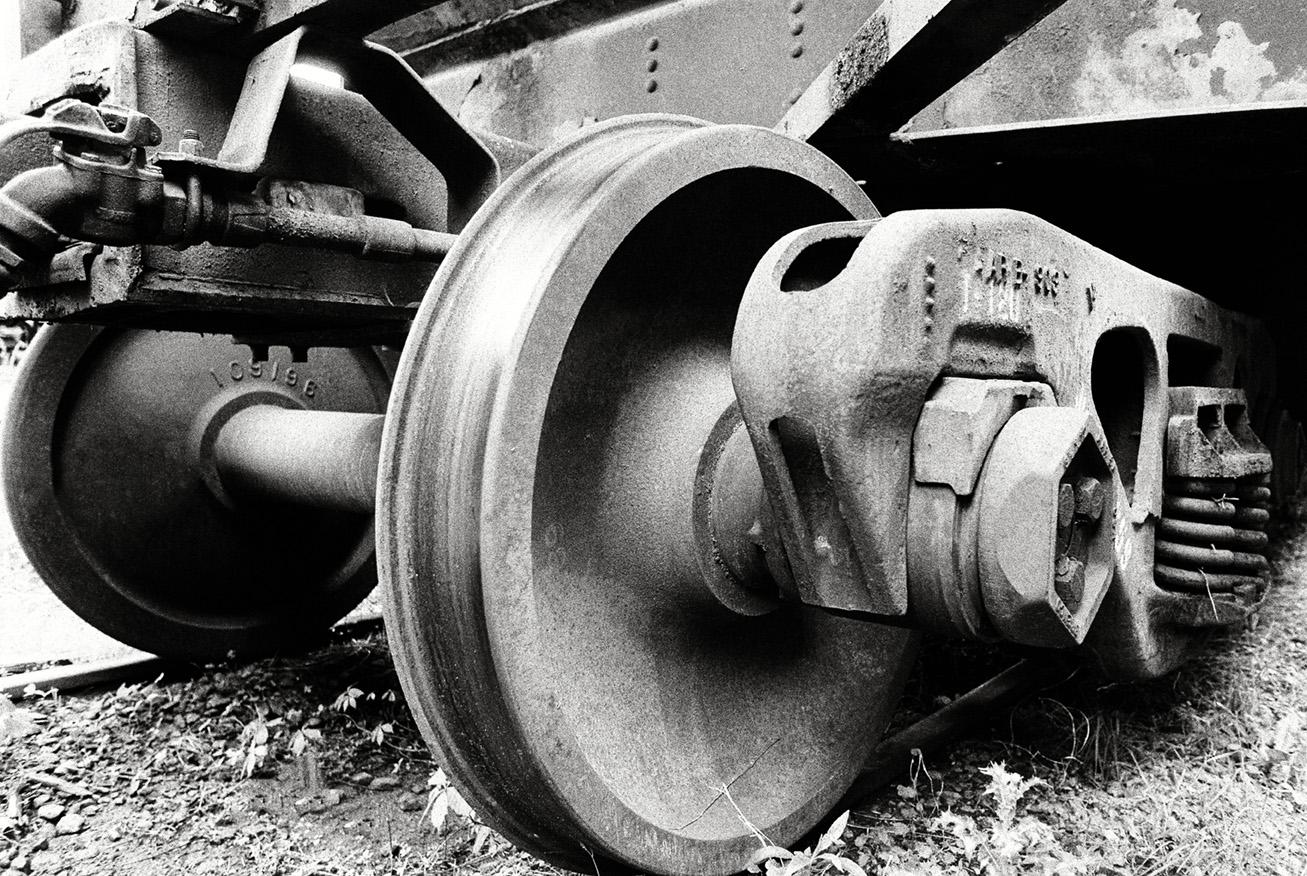
Hi Dianne - and happy you like the train-car coupling, actually titled "Steel Connection". It too, is my favorite for pretty much the same reasons as you stated. I'm glad you picked that one - it supports my own feelings on it.
Everyone, Dianne brings up important questions:
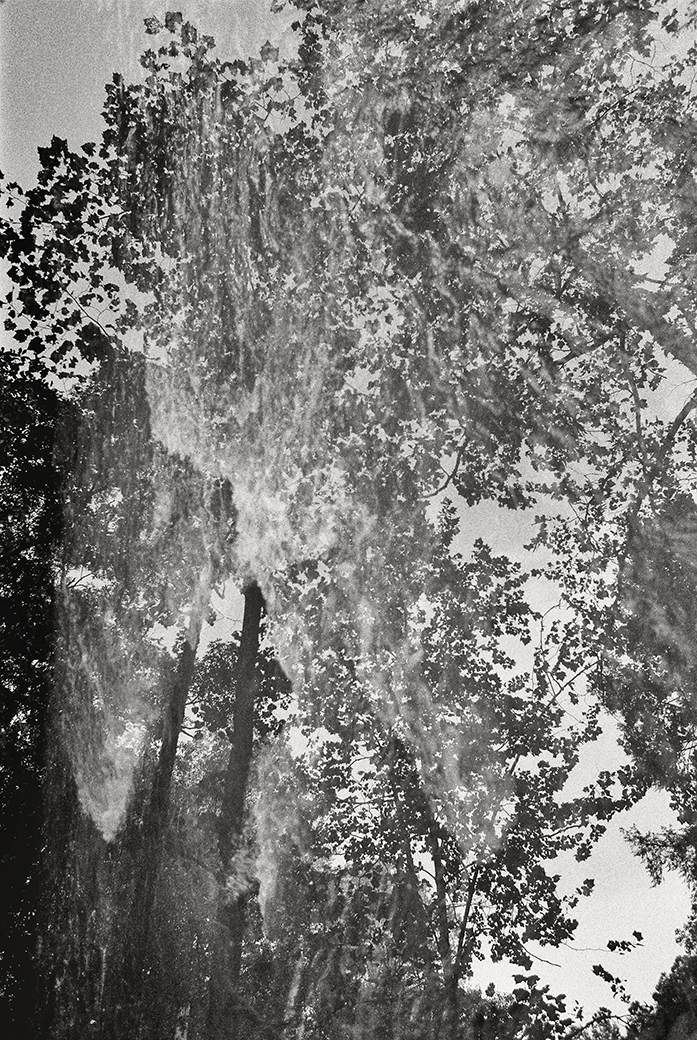
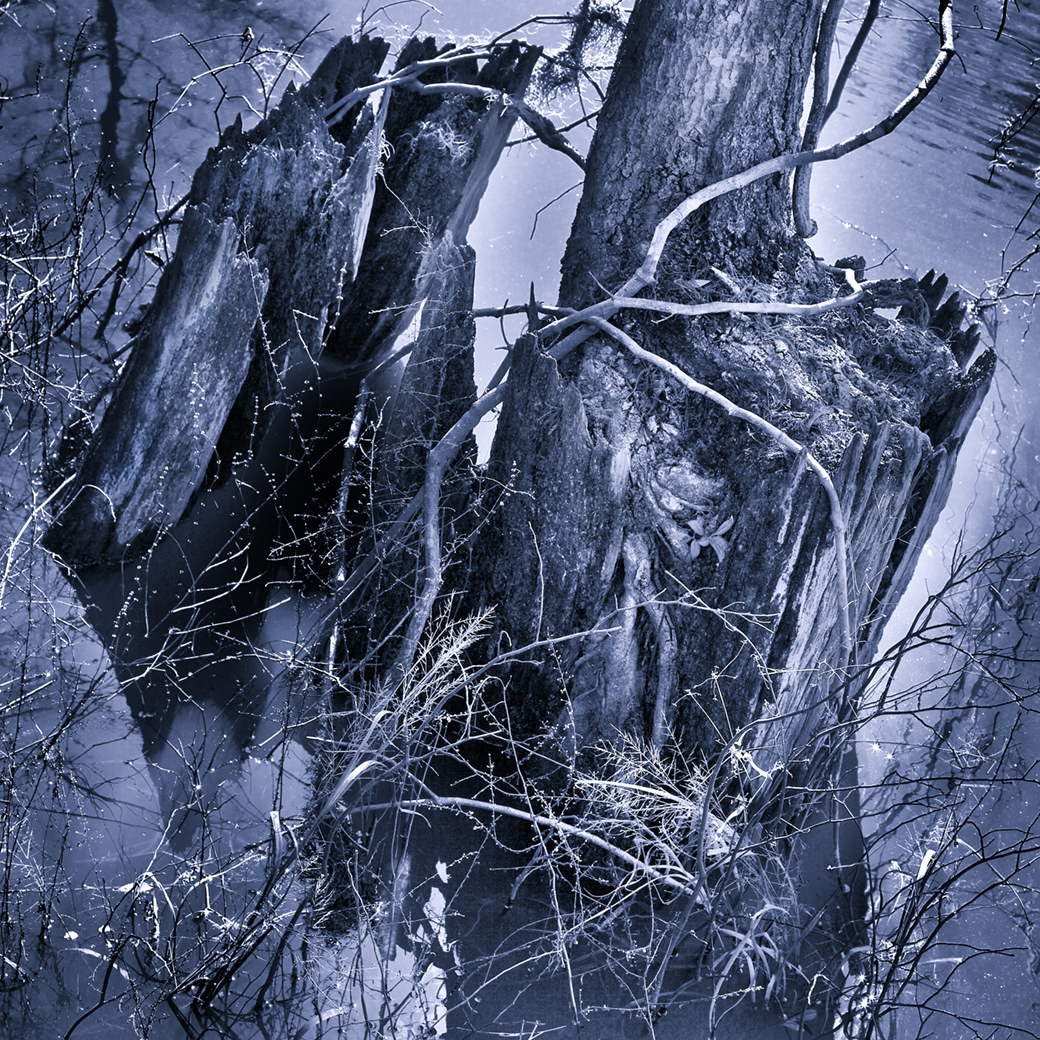
A key component that supports a lot of what Film is all about is its (sometimes) "scratchy" or otherwise Grainy aesthetic. And of course this can be seen through a wide variety of grain levels i.e. fine-grain or "grainy" like we see in these examples. Eastman Double-x/5552 stock is known for allowing the user to use it at a variety of ISO settings (and corresponding contrast) and also depending upon the subject, light and developing, present highly grainy prints.
The main photograph, for all practical purposes, is as seen through the viewfinder: As it relates to "adding grain"(which is extremely prevalent in 21st Century photography), I am not a believer in (bypassing photographic technique) to actually create the illusion of photograph technique while shooting both film and digital formats.
What you see in these photographs are what is produced via the film and in-camera dynamics. When I shoot Digital, the same rules of engagement are used: relying on actual photographic technique with post-production strictly used for Exposure and Chromatic modifications. I had a weakness in recent months to add vignetting, but have recently stopped that practice, as my critique of your work this month points to.
My re-edited article on "Using Natural Layers for Creative Photography" is almost done; I will share link when its complete.
You can always reach out to me with questions at lance.visualizingart@gmail.com
Thank you, Dianne. |
Nov 21st |
| 83 |
Nov 20 |
Reply |
This is actually a viable option: the sense of Place still prevails, and the sky comes into play even more dominantly.
It works because Dirk's original frame included the majority of the flat and seemingly flat landscape to emphasize the singularity of the tree; your crop does not diminish this perspective and resulting narrative, and may even enforce it, in my opinion. |
Nov 20th |
| 83 |
Nov 20 |
Comment |
Hi Dianne. So I am clear about my comments earlier, I was offering the idea of not using any type of Vignetting.
Thank you. :) |
Nov 20th |
| 83 |
Nov 20 |
Reply |
Yes, Judy, this is a fine example of a soft and mellow BW rendering. Gee! I love this particular light-paint study.
This photograph (opened) and viewed on my large monitor is simply sumptuous in how the curves melt together and seemingly are not "on" or "in" the space, the entire bowl and eggs have become the space. And even more mellow aesthetic can be achieved with even less contrast - if you dare!
Go visit DD-32 and view (and comment, if you want) on Russ's portrait. Another fine example of keeping it smooth, soft and bright as an alternative BW aesthetic.
|
Nov 19th |
| 83 |
Nov 20 |
Comment |
On the thoughts that "Contrast is King" in BW renderings: actually this is a very misleading and can make an otherwise soft, mellow, relaxing, linear or otherwise "Low Contrast" compositions be wrongly interpreted by students of photography.
Again, it is misleading to Tag BW photography with any one aesthetic. This is revealed in my notes below:
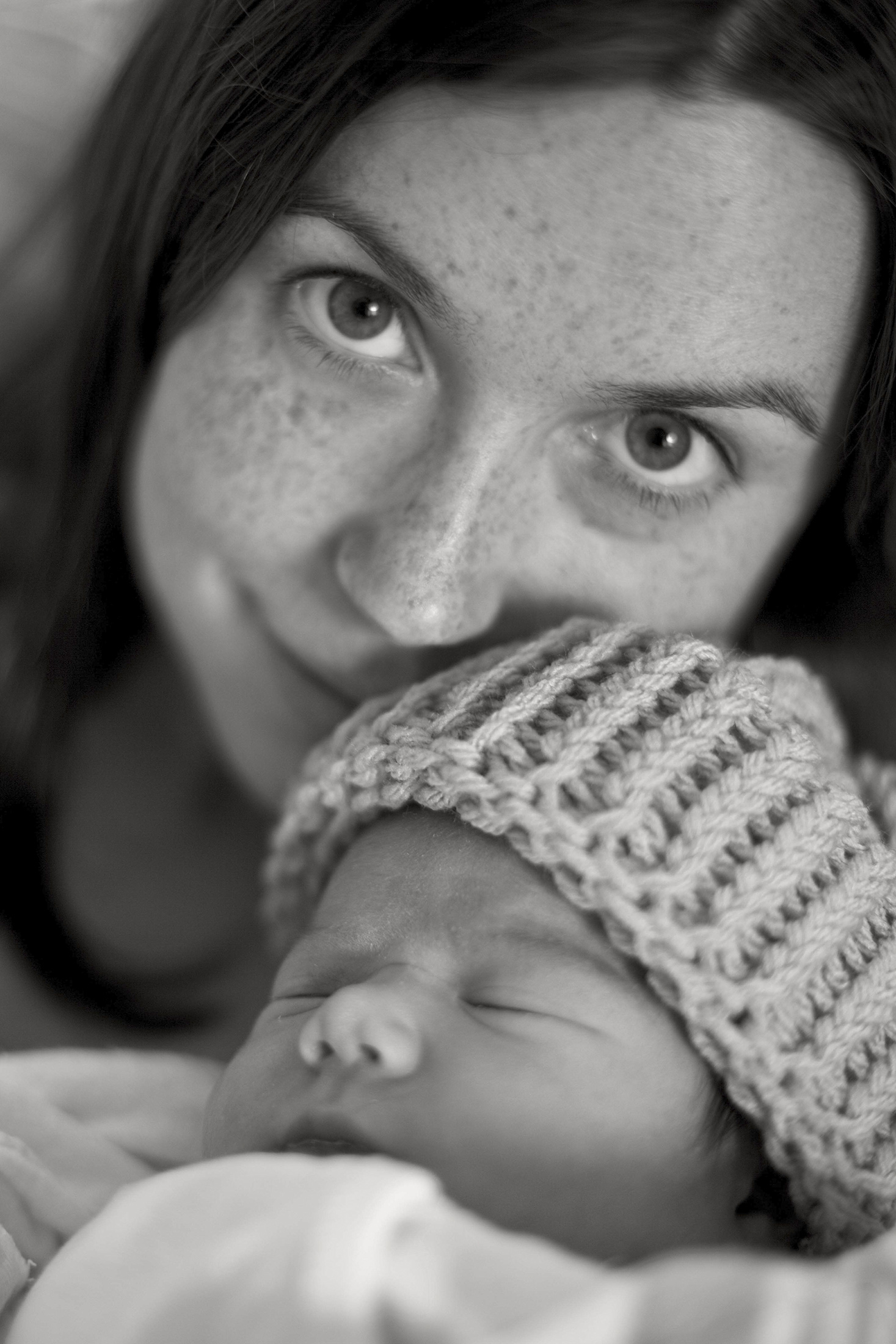
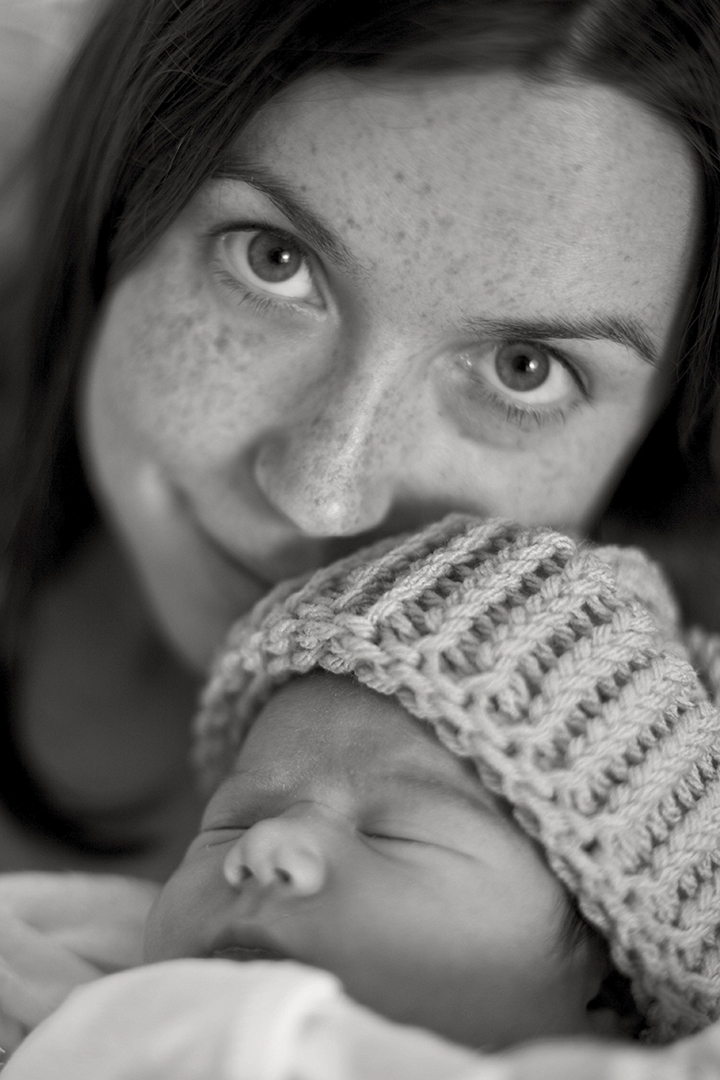
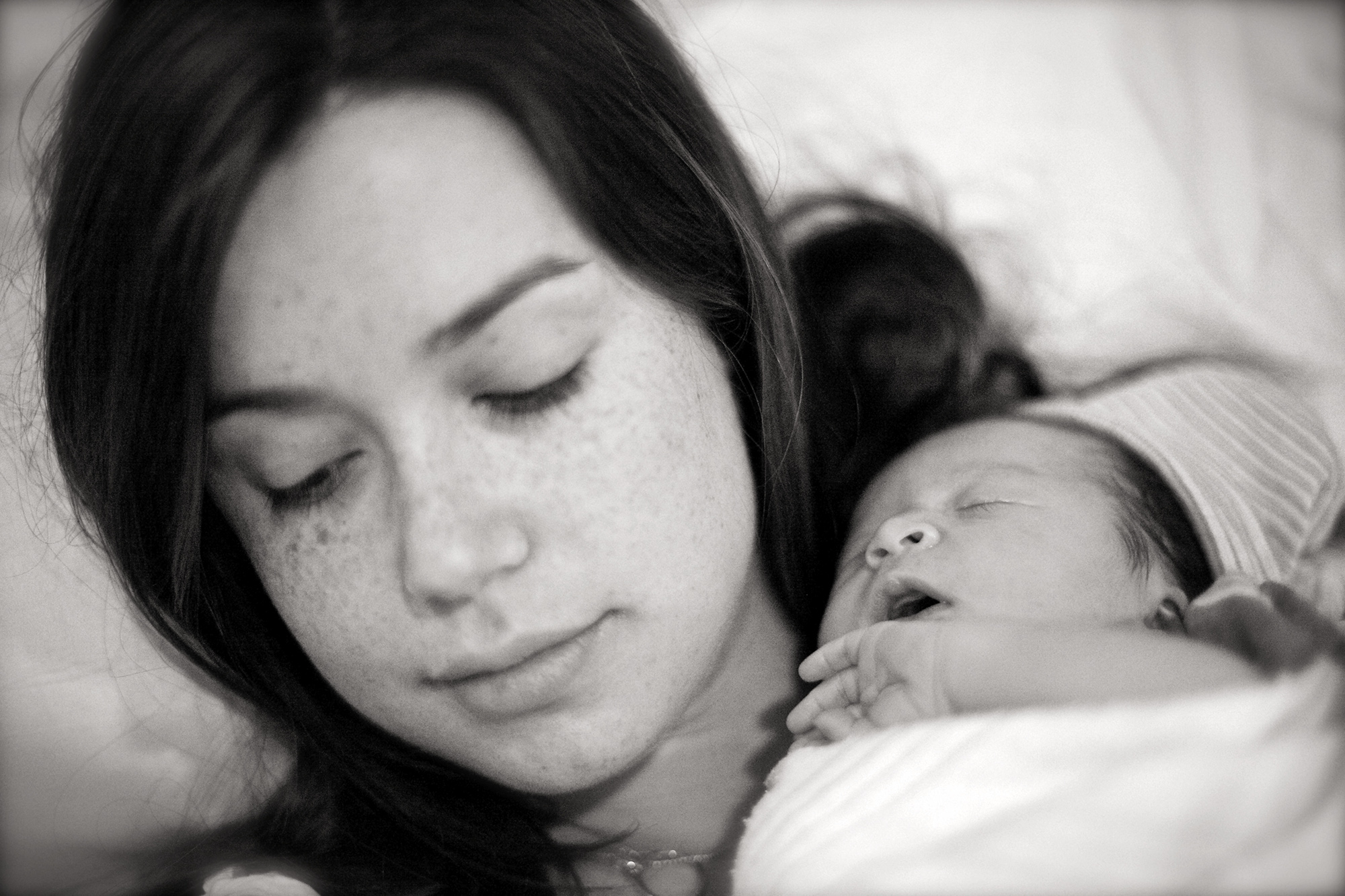
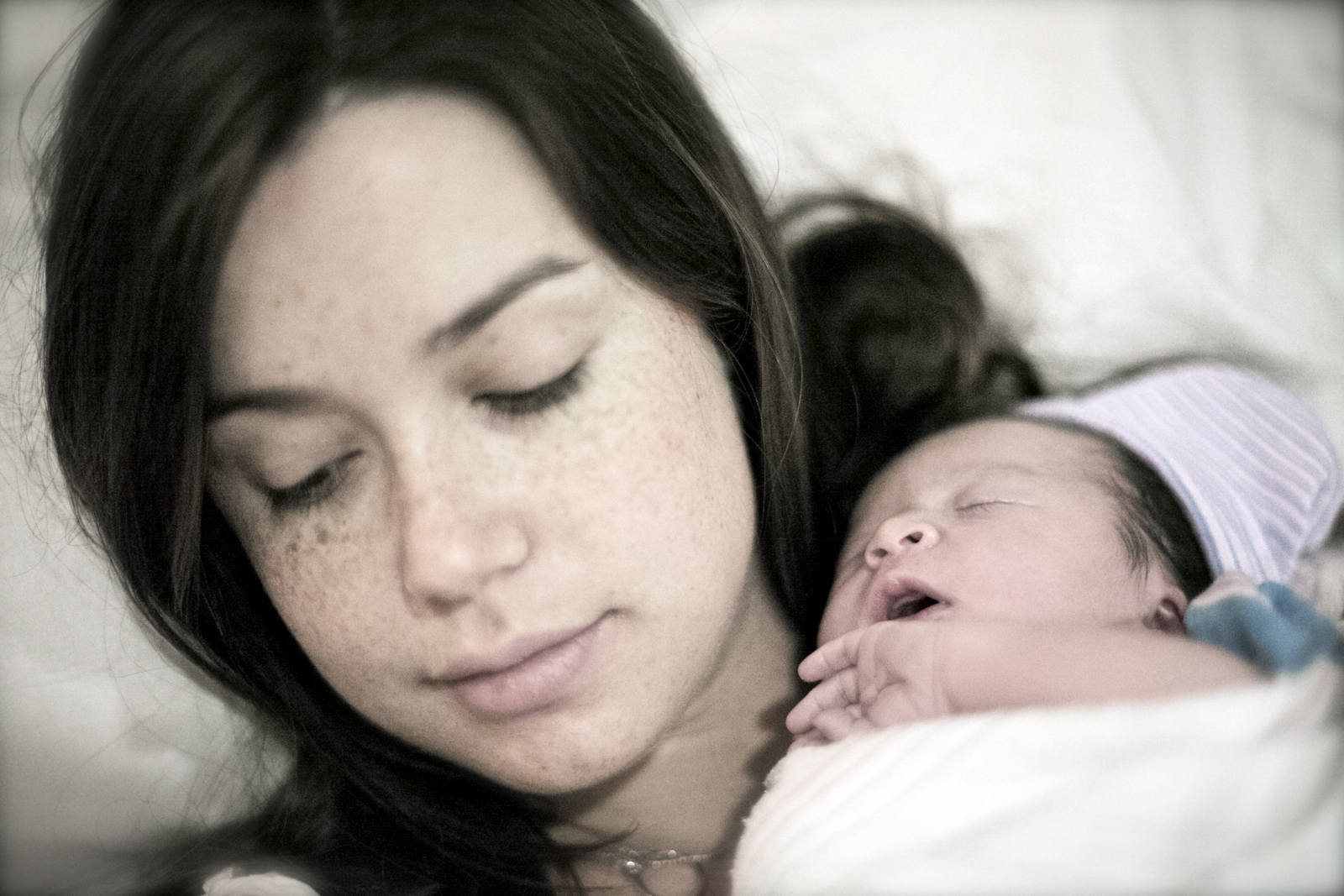
My methodology for instruction combines both the compositional aspects in creating a BW photograph and direction on how to obtain the best tonality for a particular composition: whether trying to reveal drama in a landscape or abstract piece, or the tenderness in a portrait of a baby, we will discuss how to effectively control the emotional aspect of your work before you even hit the shutter release button, and also discuss and practice work-flow suggestions for converting color image files to BW renderings in post-production, successfully.
|
Nov 19th |
| 83 |
Nov 20 |
Reply |
Thank you. |
Nov 19th |
| 83 |
Nov 20 |
Comment |
Hi Joe....reminds me of a book I read decades ago.."Coney Island of The Mind" by Lawrence Ferlinghetti - it is a collection of poetry....in any case, one of my favorite destinations as a child growing up in Brooklyn New York.
The extreme wide angle portrays this specific piece of amusement park history (and Coney Island as an American Institution) with a hint of the Wild, Dizzily and historically, where visitors experience seem within a space of its own dimension.
Can you elaborate on the Camera and post-production used in this final presentation?
Time I re-read the book..... |
Nov 18th |
| 83 |
Nov 20 |
Reply |
Thank you, Judy! |
Nov 14th |
| 83 |
Nov 20 |
Reply |
(See my email response to your request for editing options). |
Nov 14th |
| 83 |
Nov 20 |
Reply |
"Points to Ponder"
As a scene naturally captured at a particular time and within a special atmospheric condition, the piece works fine as is. On the other hand, if you wanted to "create" a fictional narrative, bring along a bike or umbrella, just to entice the viewer. |
Nov 13th |
| 83 |
Nov 20 |
Comment |
Hello, Dianne! I have not visited this park yet, and it is on my to-do-list, as it were, can't wait to visit. Any suggestions on the best time of year to visit?
Well, out of the box I reflect to a Wynn Bullock (1902-1975) perspective, I really like this composition: very well visualized and framed. A terrific example of seeing what Nature has to offer within Light & Shadow.
This is piece is simply lovely!
For everyone: On Vignetting: (or Barreling, a term scarcely used anymore)
If the vignetting was added, I would remove it. On the other hand, natural Barreling can add softening to the work or alternatively be a thorn: so it is important to learn about your lenses and be aware, where along the Aperture settings this occurs most and least. Place Barreling under your control.
"Points to Ponder"
After my personal experience (adding) artificial vignetting and then going back to reexamine the piece, removed it to "see" a more fresh and live piece. On the other hand, and in my opinion, adding both white or black "barreling" to a composition works fine for extreme, so called Digital Fine Art pieces, that are actually using the vignetting as a Strong aesthetic device. |
Nov 13th |
| 83 |
Nov 20 |
Comment |
Jose, this type of scene works so well with rich blacks, a very well visualized and captured composition. The Light & Shadows are abstractly beautiful and dramatic. But I do have one caveat:
In My Opinion:
The women does not add anything to the scene. She is neither here or there, and her silhouette is compromised by the background. So her shape becomes a distraction not an asset to the composition.
If this is a location that can be visited again, I hope you rework the shot with these ideas in mind. The shot would also work as a pure architectural (vernacular) fine art piece, with no human figure. |
Nov 9th |
| 83 |
Nov 20 |
Comment |
Hi Judy! First, I have a few Church and Castle photos captured Digitally, and it is so hard to convert them to BW.
Your color image here is so delicate and warm.
However, the BW transformation also works well with these types of intricate (as in stone work and ceiling art) subjects, and you have done well here.
However, I feel your BW interpretation loses the distinction between the Ceiling Art (and color) details. The current Grey-scale seems too Linear, in my opinion. As such, I edited it to reveal more detail and Silver-Copper toning. (But it was a bit hard working with a very low resolution file).
Please, DL and look at them side-by-side for proper review.
Thanks, Judy. |
Nov 9th |
 |
| 83 |
Nov 20 |
Comment |
Good day, Dirk! Very dramatic. This works so well with the heavy black (contrast) aesthetic. The Bench sets off the entire narrative (or actually is the catalyst) for narrative.
Well Done, Dirk.
As far as "Dodging" some of the foreground and maybe "Burning" the upper right spot, this can be completed in 30 seconds in PSCC using the Dodging tool.
I like the sky "as is". |
Nov 9th |
| 83 |
Nov 20 |
Comment |
Debasish, very moody scene...we are waiting for the double agent in a trench coat to slowly make his way into the scene with a lit cigarette burning between his lips. Maybe we can get Jo's model (see Nov DD-87)... LOL!
I will assume very little post-production was done other than correcting exposure. It is evident you have a fine sense of visualization in seeing and capturing this scene. |
Nov 9th |
| 83 |
Nov 20 |
Reply |
Hi Judy. I will surely review the work and decide if your suggestions are worth pursuing. :)
Your Bulletin Board topic is great! Very thought provocative. |
Nov 7th |
| 83 |
Nov 20 |
Reply |
Hi Joe. I also captured several images in color with my 5D Mark II and indeed the rust, dirt, and rotting metal made for an interesting Kaleidoscope of color and intrigue.
Thank you for your kind words. |
Nov 7th |
8 comments - 13 replies for Group 83
|
| 87 |
Nov 20 |
Reply |
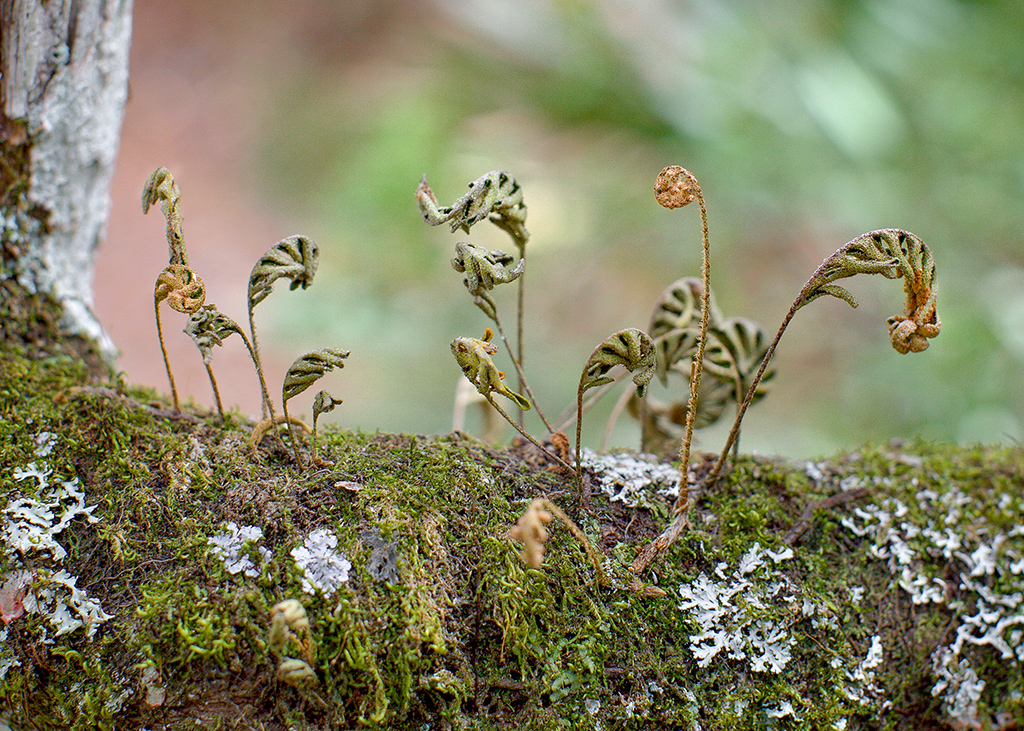
Hi Dale!! Really appreciate the positive way this work reacts with you: its all about engaging "everything" in nature, and the world around us...the process of Visualization that allows the photographer-artist to expand their creativity in a most natural way. |
Nov 25th |
| 87 |
Nov 20 |
Reply |
Hey, I love hearing this, Steven. Yes, a quality 50mm is a great tool, and glad you are working it hard. My wife just invested in a Canon F/1.2 Macro 50mm for underwater photography. What a piece of glass it is!
Was just looking at the Fuji and that is a very capable (APS-C crop) camera! And it has a 4ND filter built in...that's cool. Beautiful piece of work that camera. Moderate investment, but seems to be worth the price.
|
Nov 9th |
| 87 |
Nov 20 |
Reply |
Suggestion: in the future set your camera on Auto White Balance. The camera's onboard CPU/processor does a remarkable job determining WB and any deviation from what you experienced at the time of capture can be easily modified in post-production, including fixing issues related to color-cast.
However, when indoors without Flash I Do Manually set the WB to either Fluorescent or Incandescence. |
Nov 9th |
| 87 |
Nov 20 |
Comment |
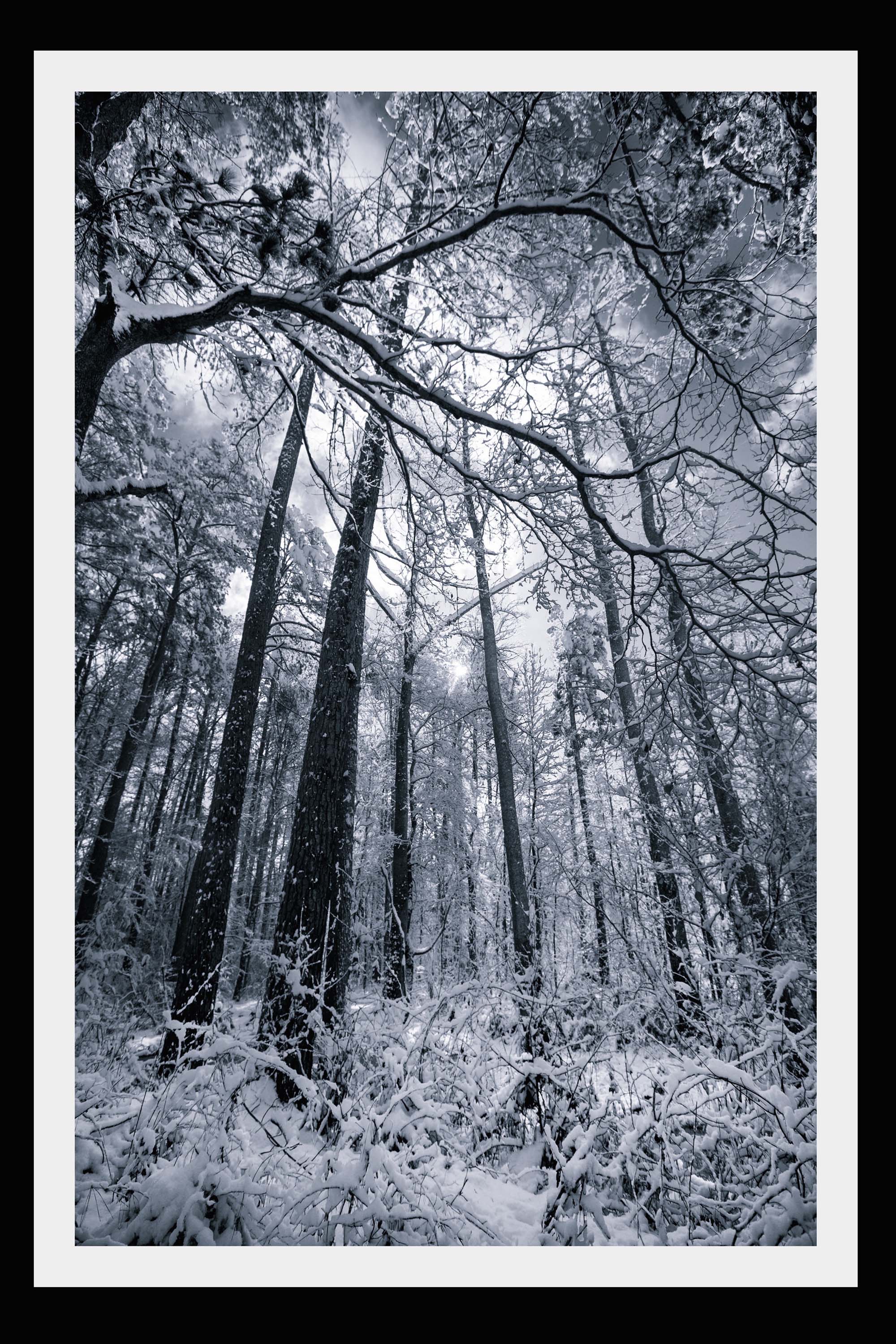
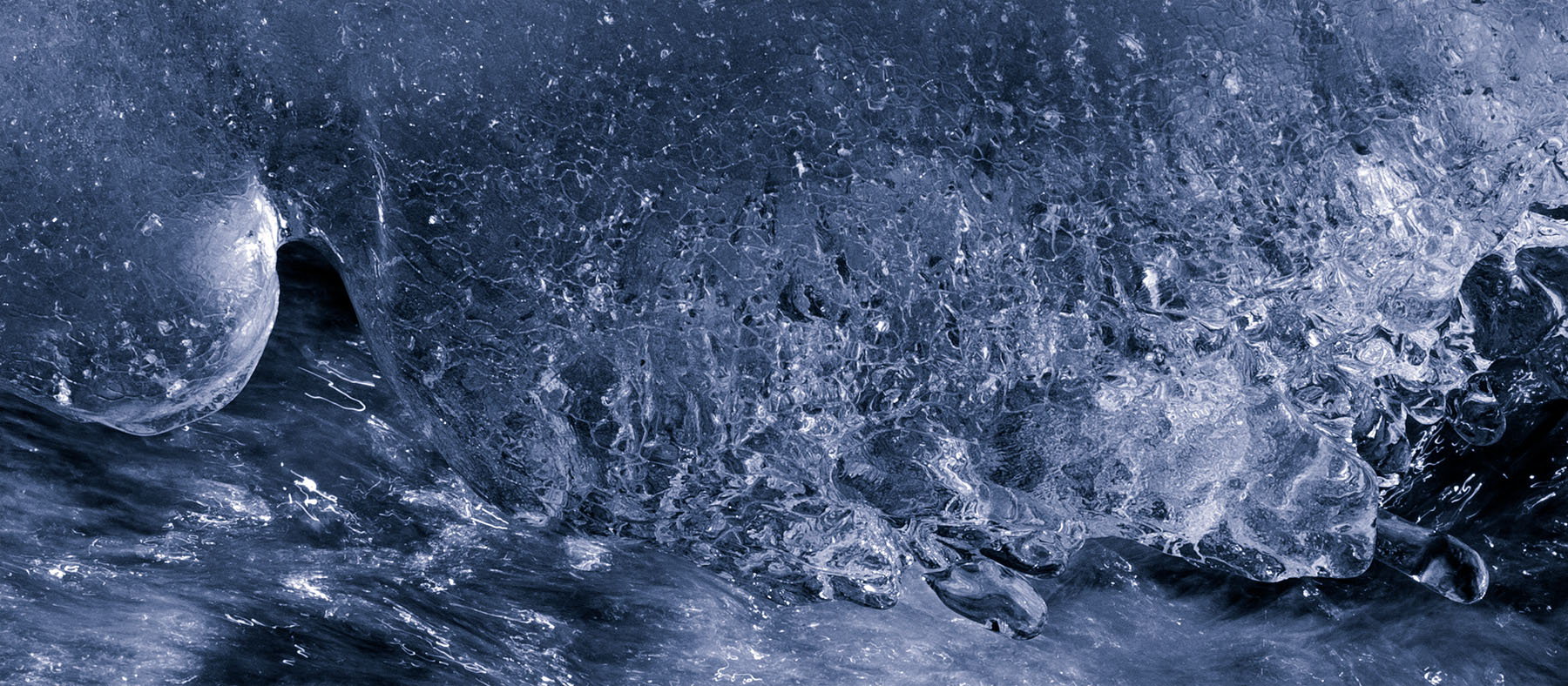
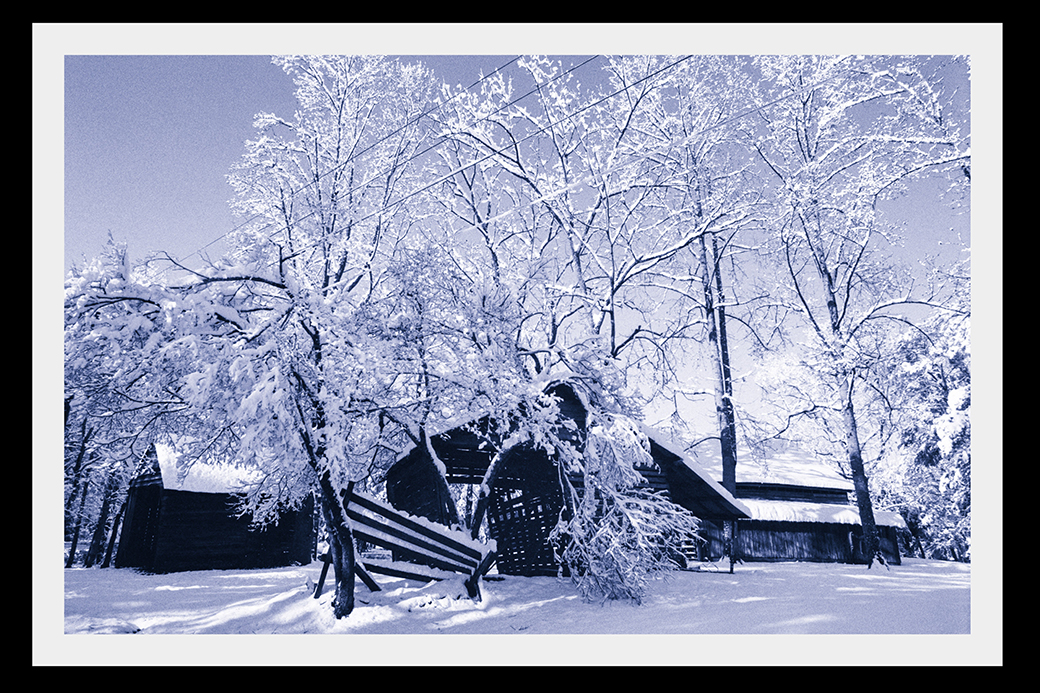
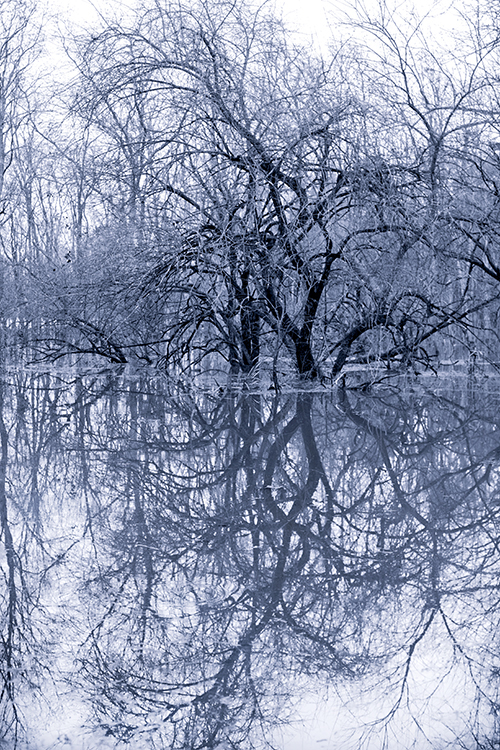
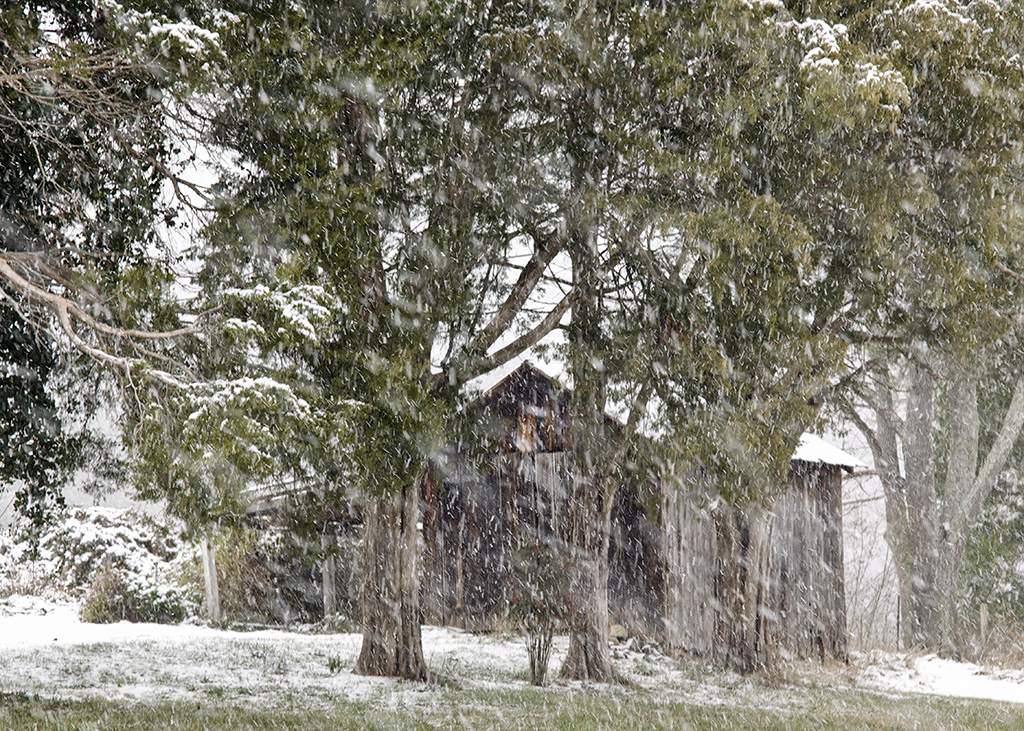
Mother Nature Providing a Means of Creativity: here is another example being used in the in progress NANPA article, captured during a snow storm in North Georgia in 2011.
Color correction was made and overall exposure was increased to reveal the scene as captured in real-time. ( I was in my Tahoe at time of capture with the window down). 4 wheel drive lets me go anywhere! LOL!! |
Nov 8th |
 |
| 87 |
Nov 20 |
Comment |
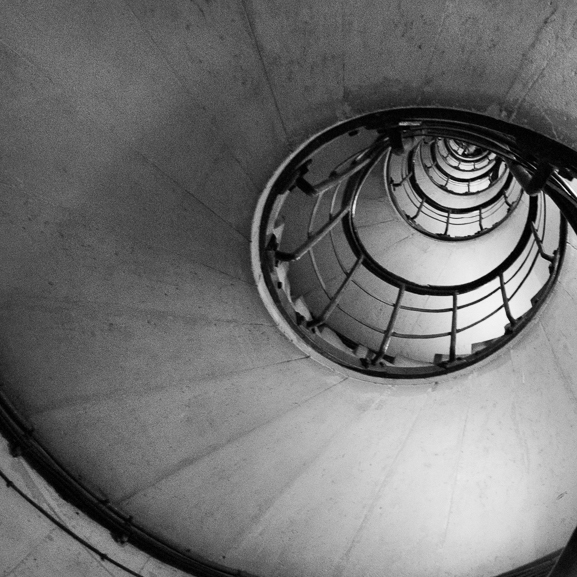
Graham, I applaud you for working this rather hard subject. I especially like the lighting created by the large hall-lights at each level, though the one in the composition is a distraction as Steven already spoke about.
Attached is a possible fix, but it really is cropping out most of your original. But I feel the resulting light & shadows, and engaging shapes (like Sea shells) provides possibilities. (Note I "Dodged" the very upper left corner and a little of the (larger) lighter shadow area.
Nice work Graham!
|
Nov 8th |
 |
| 87 |
Nov 20 |
Comment |
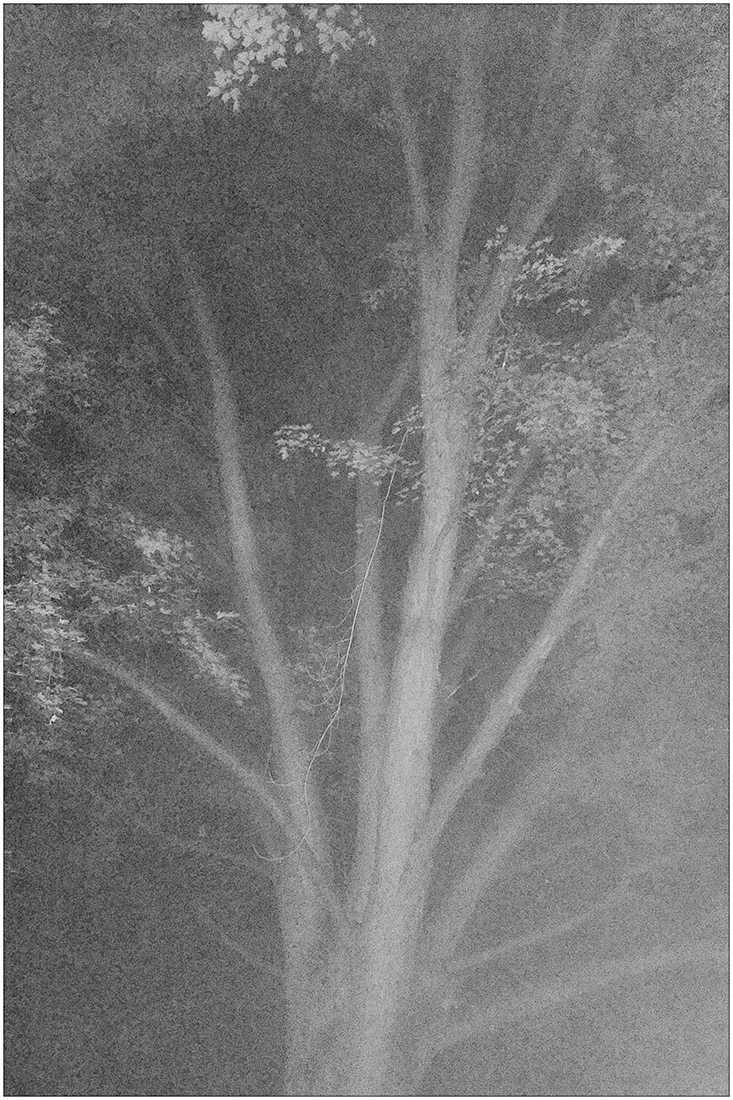
Jennifer, really enjoying this composition! Terrific lines, light and shadow, all coming together.
And a great example of the weather (or atmospheric conditions) that shape the mood. In fact, I would like to see more of the fog as an alternative: you De-hazed this some, yes?
It also looks like you used Split-toning, but whatever you used it works well, indeed.
Can you elaborate on your process? Thank you, Jennifer!
|
Nov 8th |
| 87 |
Nov 20 |
Comment |
Hi Jo!
Gee, your studio work is very good, and like you said, it helps when the model knows what you are looking for.
Beautiful piece! |
Nov 8th |
| 87 |
Nov 20 |
Comment |
Hope you are doing well, Dale!
Simply a lovely fall experience for all to enjoy!
Your perspective is good (and I enjoy when I hear photographers explain how they chose their location).
Point to Ponder: I would have liked to see the "noisy" version created by the ISO-800: it may have added a "layer" to the overall scene and thus create mood. Or Not. |
Nov 8th |
| 87 |
Nov 20 |
Reply |
....forget the Matte & Frame...Metal all the way! |
Nov 8th |
| 87 |
Nov 20 |
Comment |
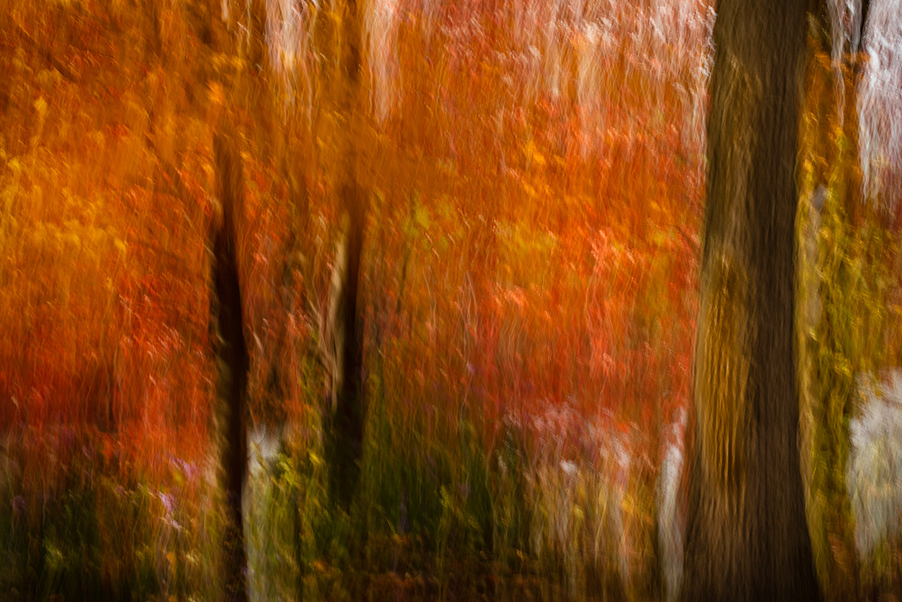
Well Steven, the first "scratch" I get is the color! Vivid and exciting!
A truly avant-garde experiment into the Abstract. I feel a different crop will reveal a very interesting Matte & Framed piece. If successful will stand well under a powerful spotlight.
My adjusted crop is obvious, and then I "Dodged" all the other "bright" or lighter artifacts to the left of the tree to balance the (the smaller, copped) area to the right of the tree. I love it! Print this! |
Nov 8th |
 |
| 87 |
Nov 20 |
Reply |
And indeed the slow shutter speed helped reveal a soft aesthetic: in the 19th Century painter Claude Monet (1840 - 1926) became increasingly interested in how our eyes truly perceive the natural world. (from a paper I am writing) 'To that end, he would create multiple paintings to record and reveal the process of perception as the natural scene's appearance changed throughout the day (recording the change in light and shadow) Examples of these efforts include his paintings of Haystacks (1891) and Waterloo Bridge (1903'.
Most of my pictorial inspiration comes from the great artist throughout the 17th, 18th and 19th Century, and pioneering photographers like Julia Margret Cameron and Alfred Stieglitz.
Cite:"Impressionism: Art and Modernity." In Heilbrunn Timeline of Art History. New York: The Metropolitan Museum of Art, 2000-. http://www.metmuseum.org/toah/hd/imml/hd_imml.htm (October 2004).
|
Nov 8th |
| 87 |
Nov 20 |
Reply |
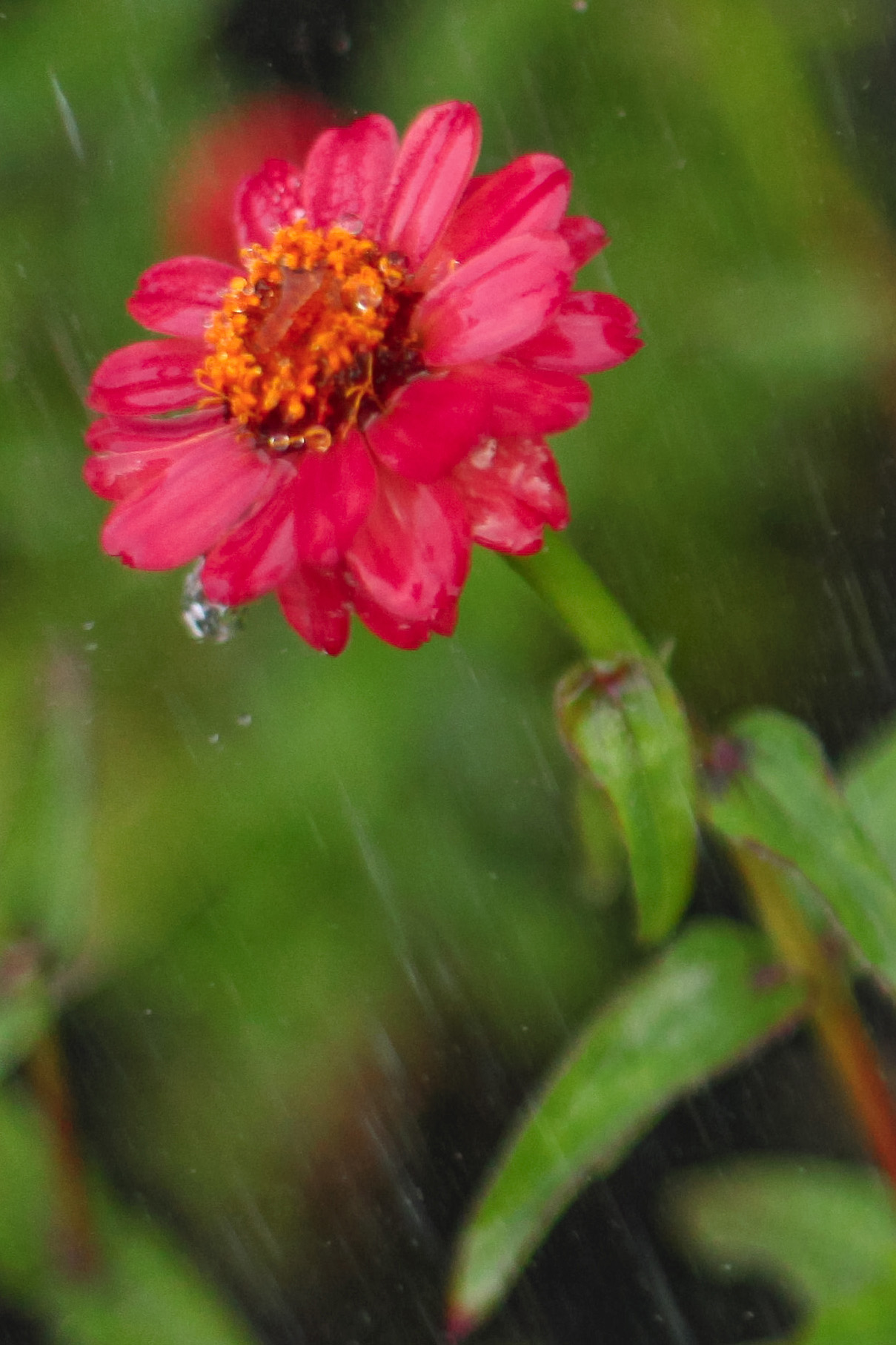
Yes, I hope this has inspired you to try this most basic and natural photographic means of creating mood.
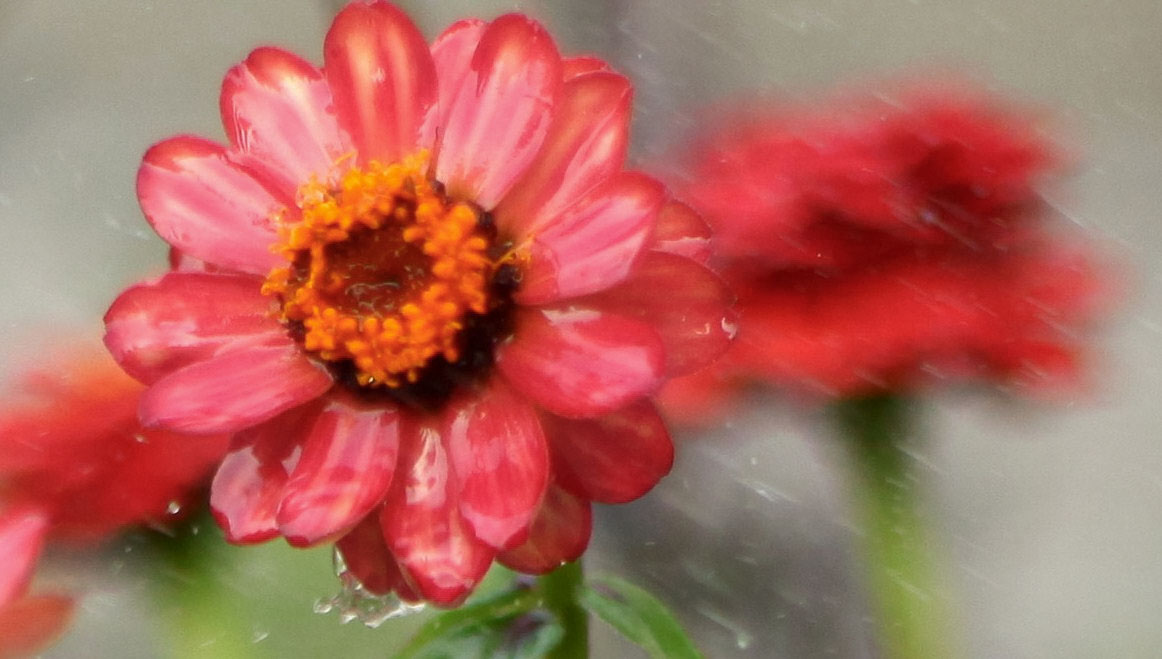
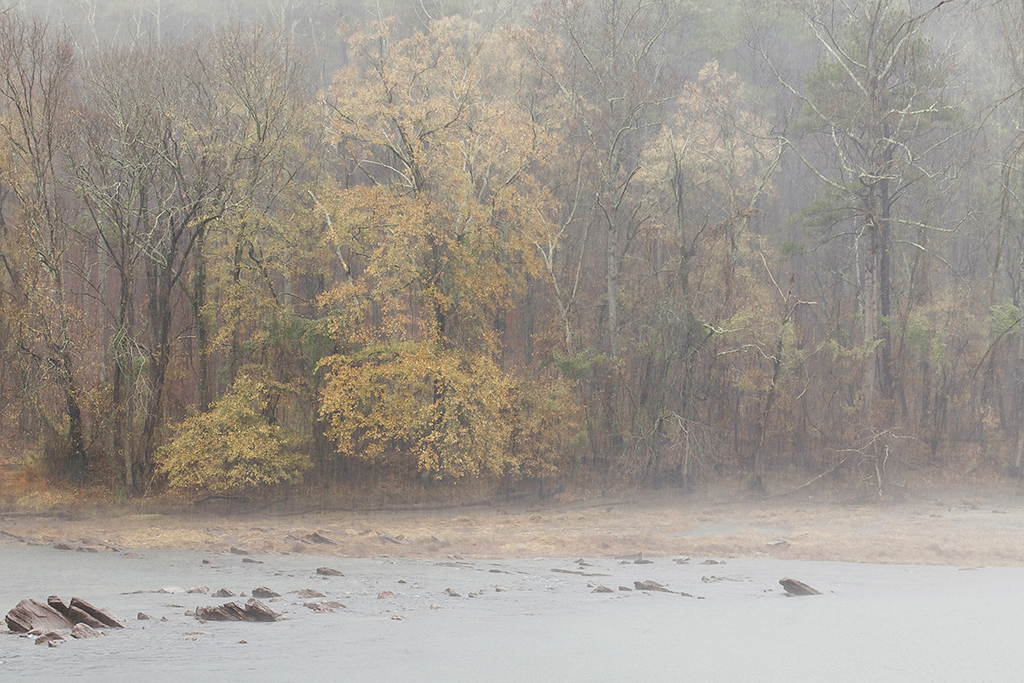
We never really see clearly through rain, sleet, snow and fog: capturing the rain drops in this way (slower shutter speed) help convey the lovely, soft and tranquil experience we enjoyed in real-time. |
Nov 8th |
6 comments - 6 replies for Group 87
|
28 comments - 25 replies Total
|