|
| Group |
Round |
C/R |
Comment |
Date |
Image |
| 83 |
Jun 20 |
Reply |
Happy Monday, Debasish, everyone.
WABI-SABI:
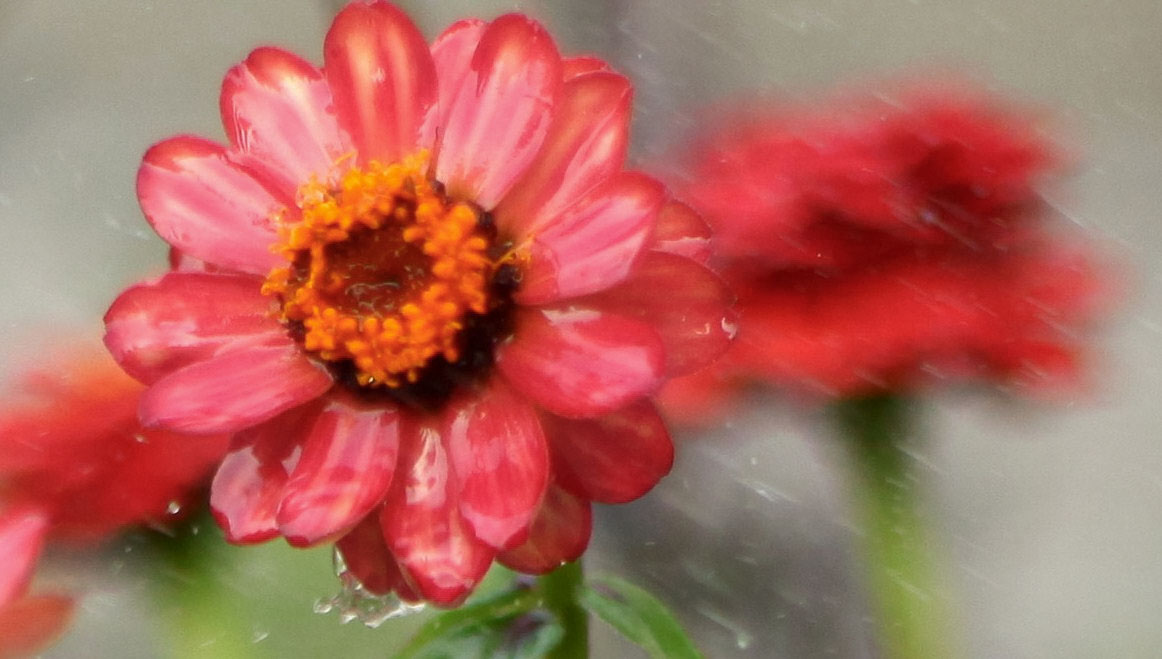
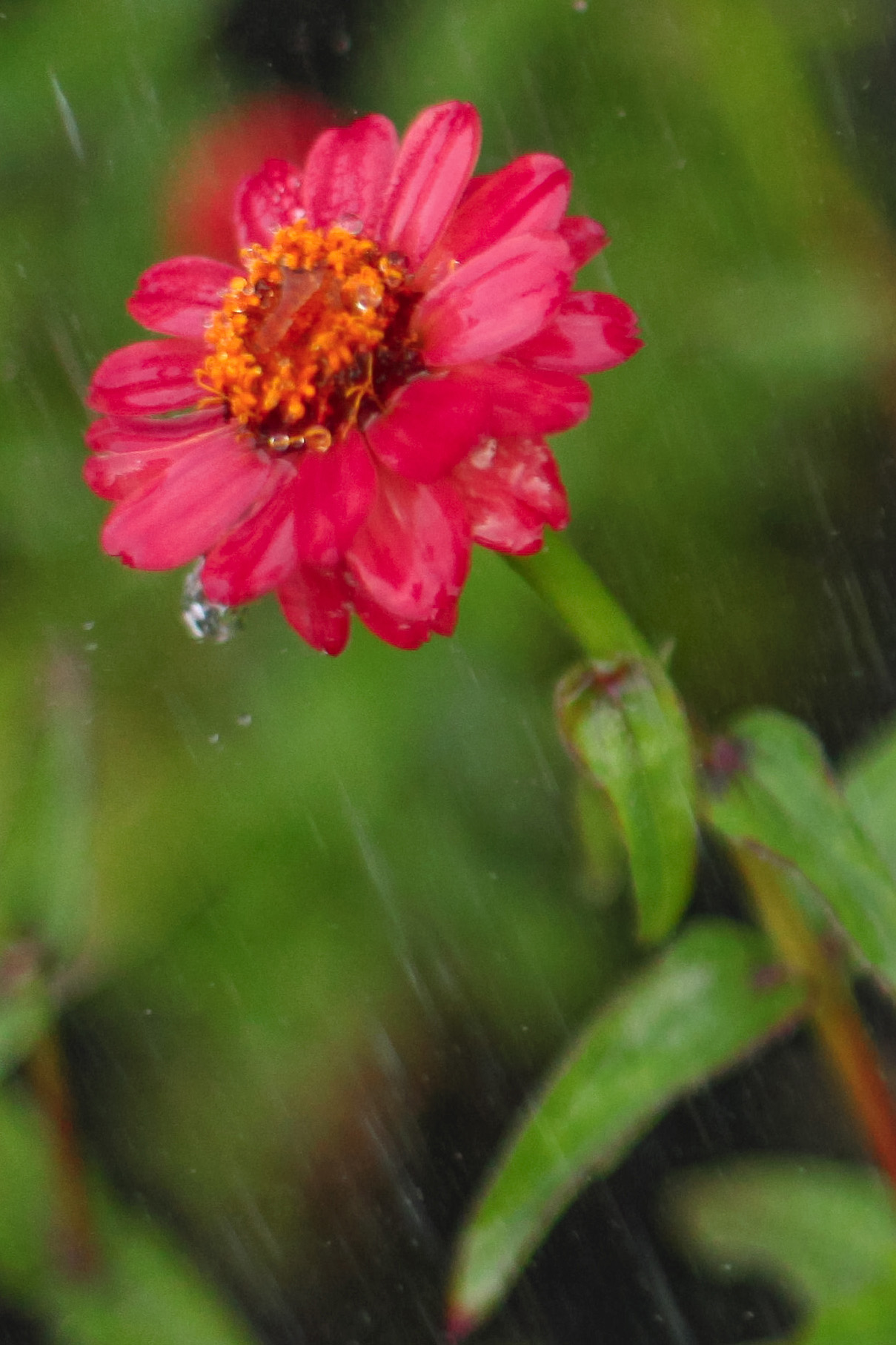
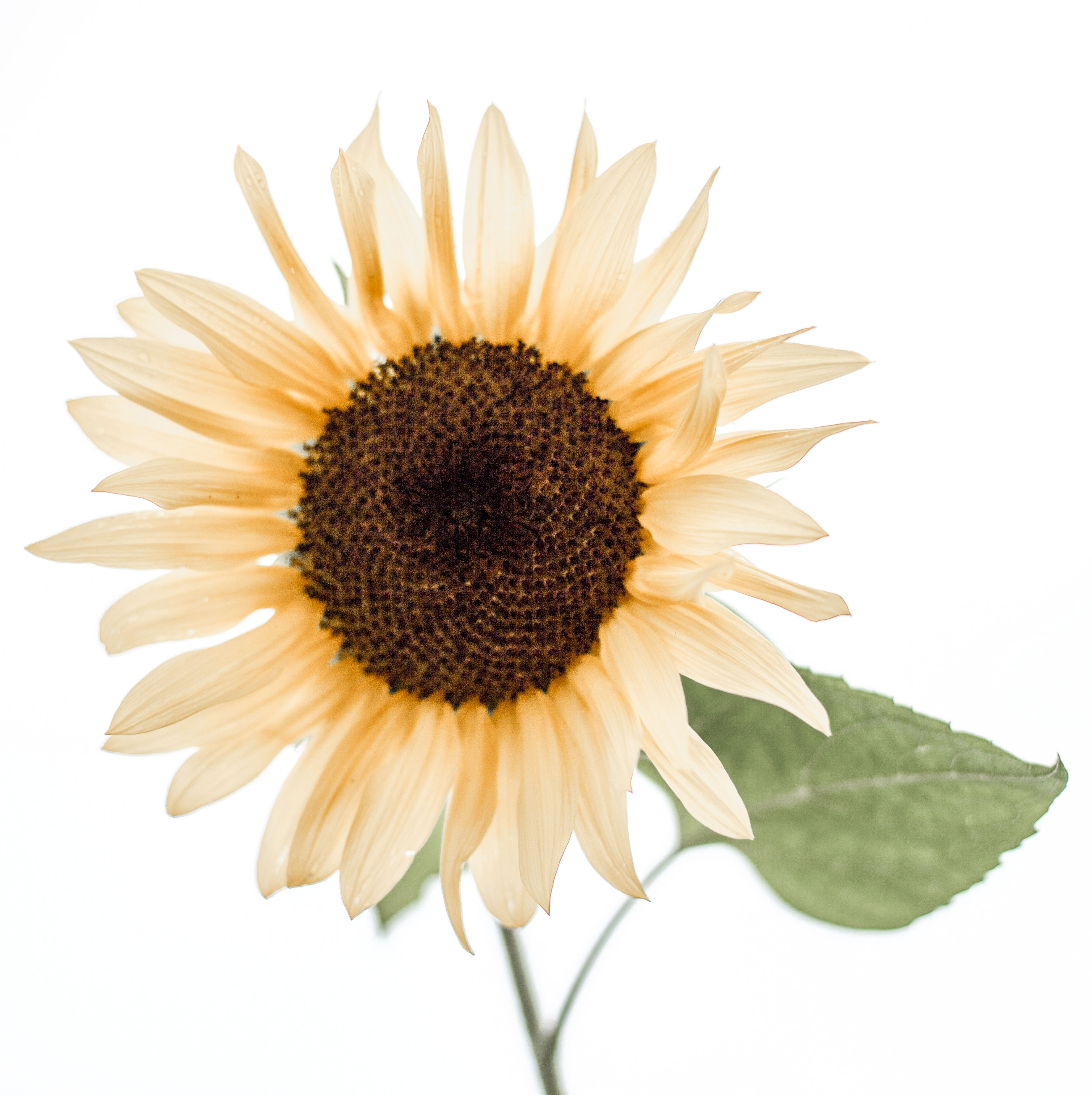
I have very recently began to study the Japanese aesthetic of Wabi Sabi - the concept is not easily written here, but in essence it is how we embrace faults instead of keeping them hidden: or "Beauty in the Understated" or in Japanese, "Shizen". (The concept connects or partners with my often reference to "Visualization").
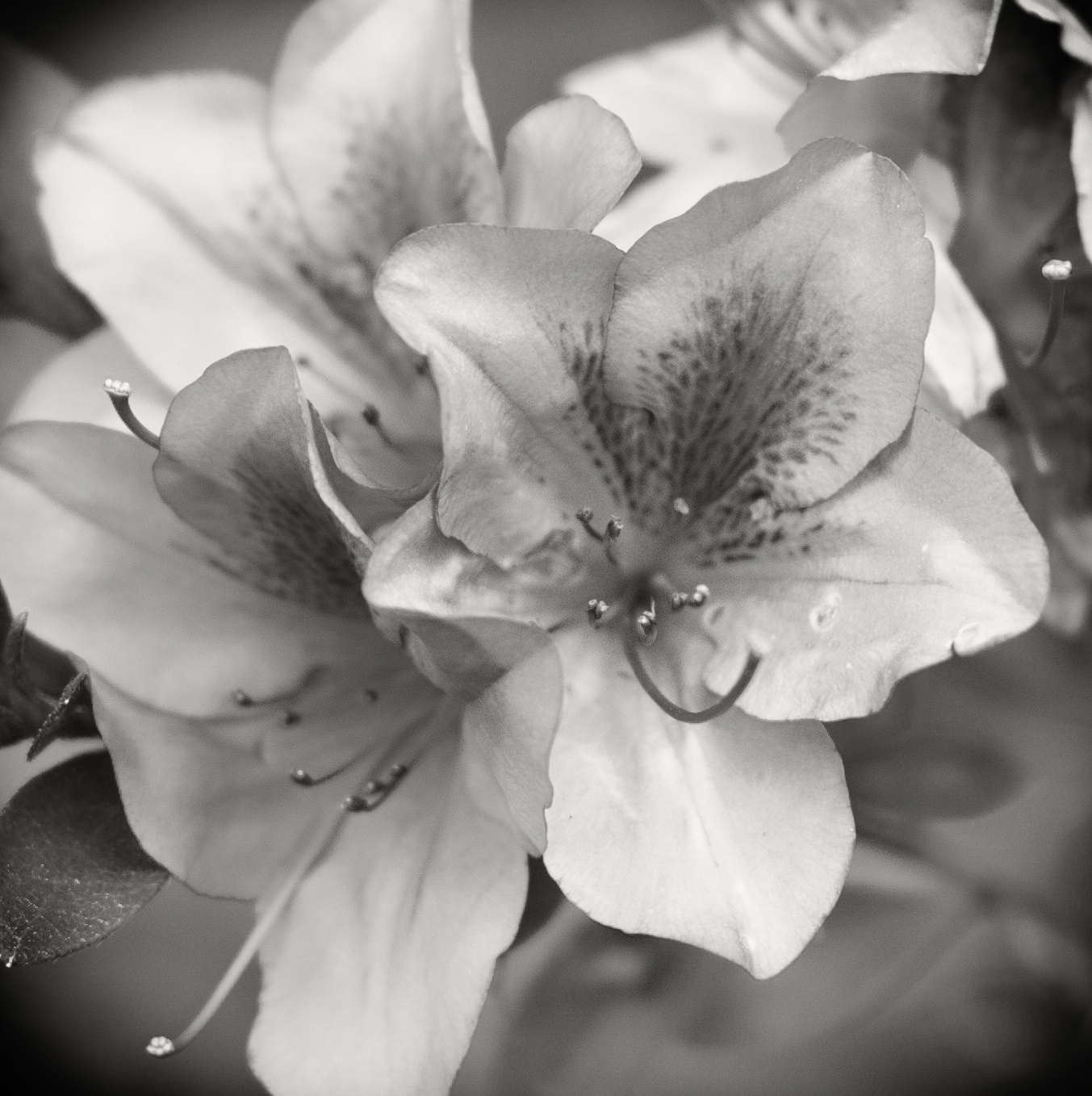
Though saddened by the dying flower we can still embrace its beauty and in fact, have joy in its final state before it vanished from existence forever.
Debasish, the composition very much brings the flowers weakened state for all to "admire", instead of weeping, we embrace the aesthetic of the failing.
Hope everyone enjoys a Peaceful day. |
Jun 15th |
| 83 |
Jun 20 |
Reply |
LOL!!! :) |
Jun 11th |
| 83 |
Jun 20 |
Reply |
yes....you and my wife reacted the same - I am being stubborn, but in fact, this is a great example where the color version is more powerful in creating a narrative, an emotional connection to the scene.
I have others from this shoot with the same issue...well, back to reevaluating how I will eventually present the work.
Thank you. :)
|
Jun 11th |
| 83 |
Jun 20 |
Comment |
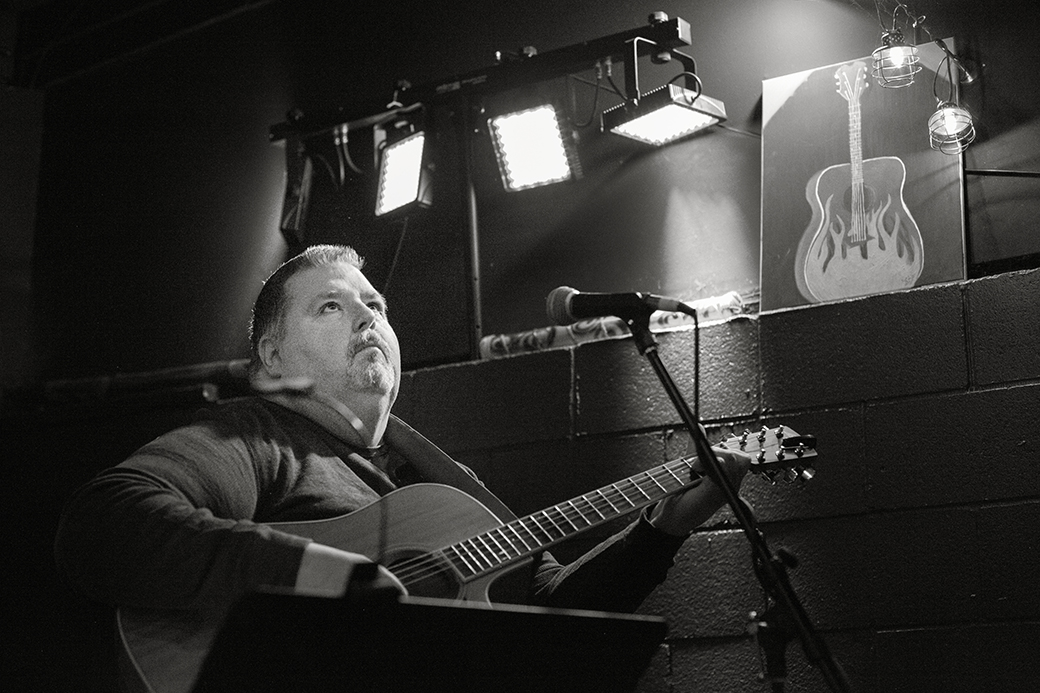
Street Photography takes on more than one type of narrative: for example, the implied "instantaneous" capture as we see in Georgios example is one narrative (and in itself, has two possible methods of capture; we will expand on this shortly, on Bulletin Board)in creating a narrative, and the second is more like Judy's, that of which resides within a documentary narrative.
The first pure instantaneous street photography example I think of is the work of Gary Winogrand (1928-1984). His approach is truly "instant" and for some (like myself) not a fan of most of his work, though his style/technique is worth research, indeed.
For an example of a photographer that spends more time "looking" and "feeling" or becoming one with a particular space before seeing and taking the shot, I do not find easy; of course, this also leads us to the type of work Judy or my work express - a more documentary, less spontaneous reaction.
I hope we can continue this conversation on the Bulletin Board along with Judy's topic on "Why Black and White?" |
Jun 10th |
| 83 |
Jun 20 |
Reply |
Well described, Jose. |
Jun 10th |
| 83 |
Jun 20 |
Reply |
Gee...impressive technique!
|
Jun 9th |
| 83 |
Jun 20 |
Comment |
Good day, Jose.
Simply lovely in its simplicity, as Judy also commented.
And yes, how was this shot created? |
Jun 9th |
| 83 |
Jun 20 |
Comment |
Hi Georgianne!
Surely another impressive piece of work: your imagination is key in all these types of photographic art and is well appreciated.
Here, again, you have created an interesting narrative from two separate non-engaging images. Well done! |
Jun 9th |
| 83 |
Jun 20 |
Comment |
Absolutely love this composition, Georgias.
Though Judy crops spells a possible alternative, the original composition makes it less abstract??
But indeed, the cropped version is very compelling.
In any case, very good eye in capturing this scene.
Well done. |
Jun 9th |
| 83 |
Jun 20 |
Comment |
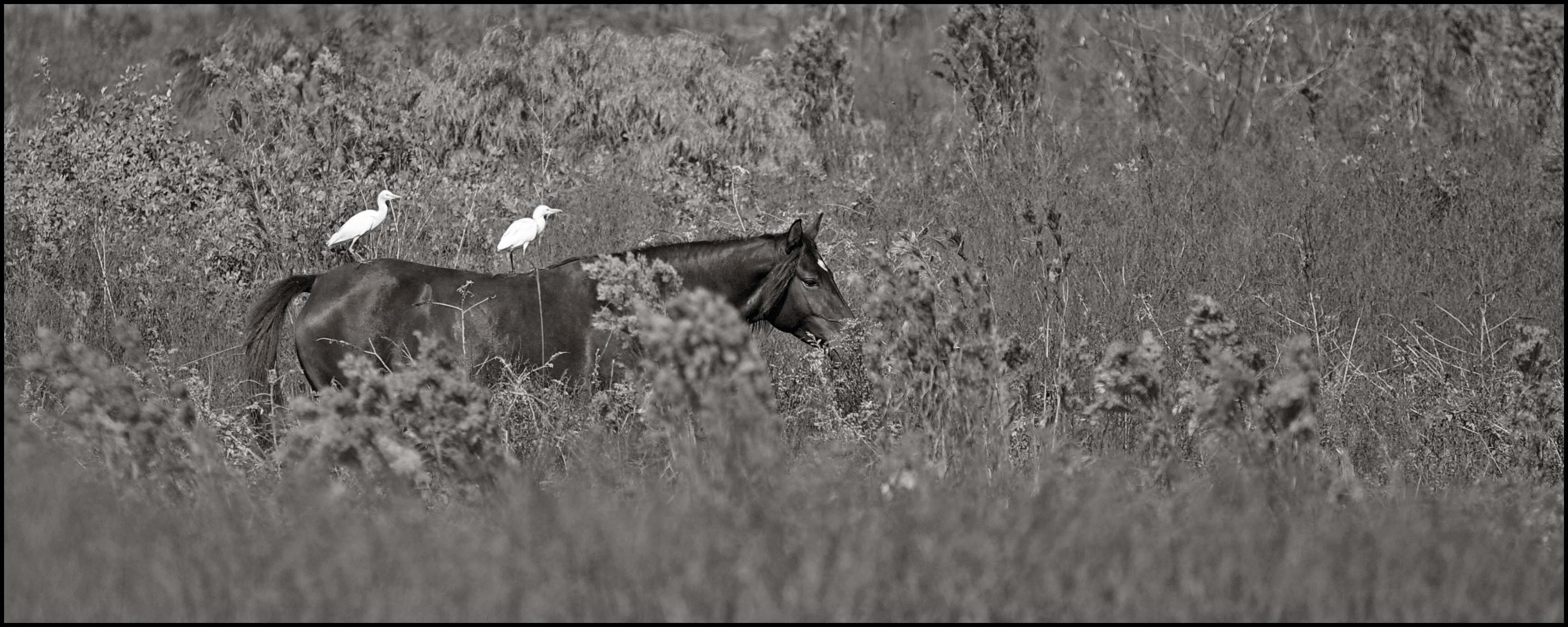
Lovely shot, Dirk....and I agree with Judy.
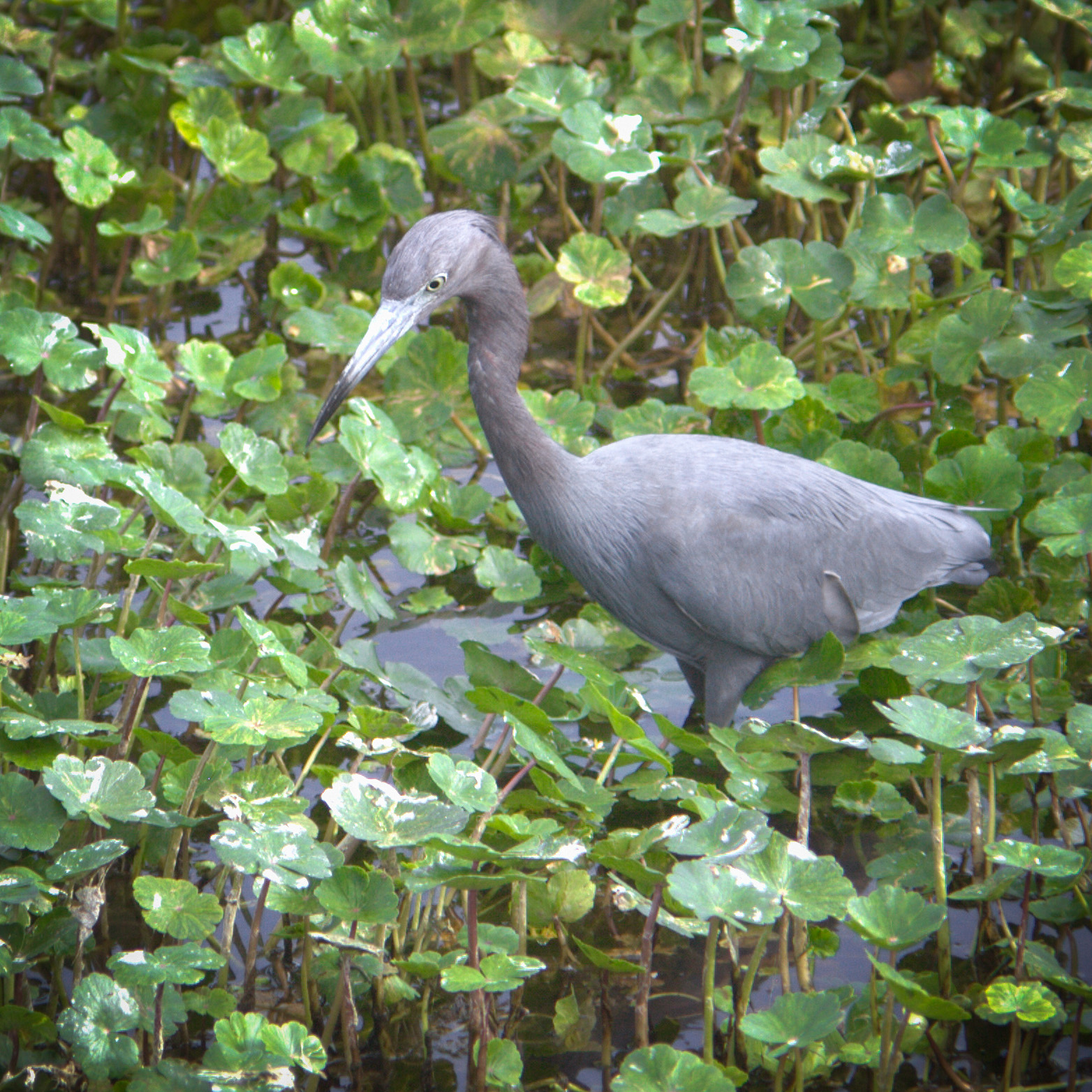
It is very important to include the environment with this particular subject in maintaining a narrative: that is, unless this was specifically a science or wildlife portrait, the image needs the space surrounding its subject to define a sense of place. |
Jun 9th |
| 83 |
Jun 20 |
Comment |
Hi Debasish!
I am enjoying the detailed texture and abstract contortion the plant is revealing - well composed!
The only item that bothers me - a little - is the background: I feel it should completely smooth. |
Jun 9th |
| 83 |
Jun 20 |
Reply |
....sometimes.
In fact, I am not a fan of the "shake" technique that has become popular in Nature photography over the past 3 years or so. I feel it is overused and the resulting images very similar thus impacting the genre as a fad of sorts.
But this is my opinion, and I only say this to down-tone your comment: though it is a useful tool, it must be used with strong purpose. I enjoy its usefulness in some types of Street Photography. Period. |
Jun 9th |
| 83 |
Jun 20 |
Comment |
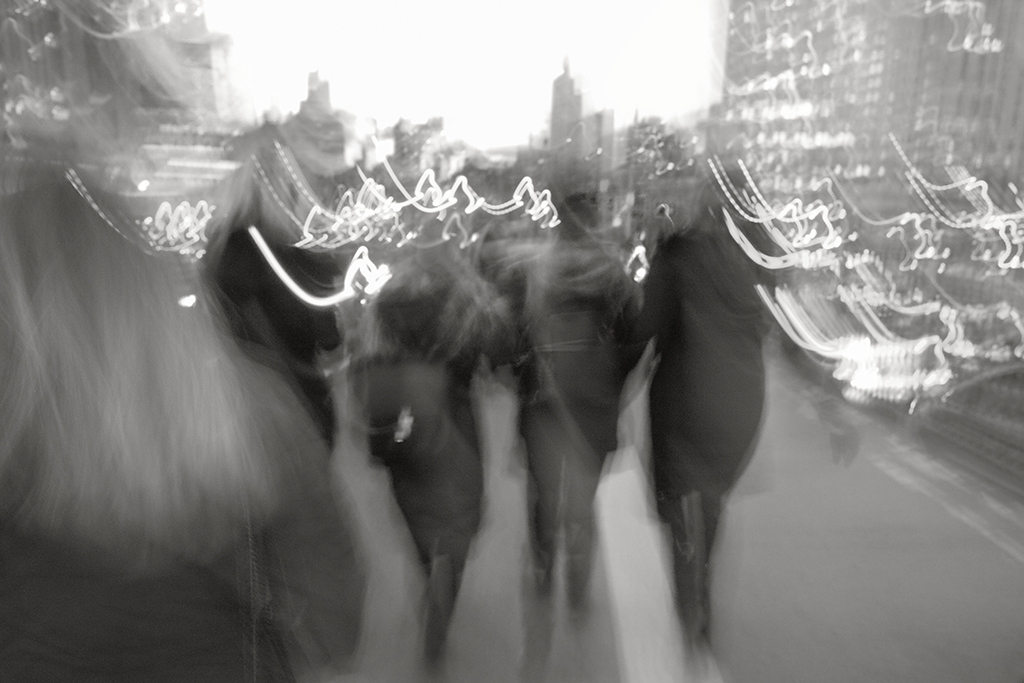
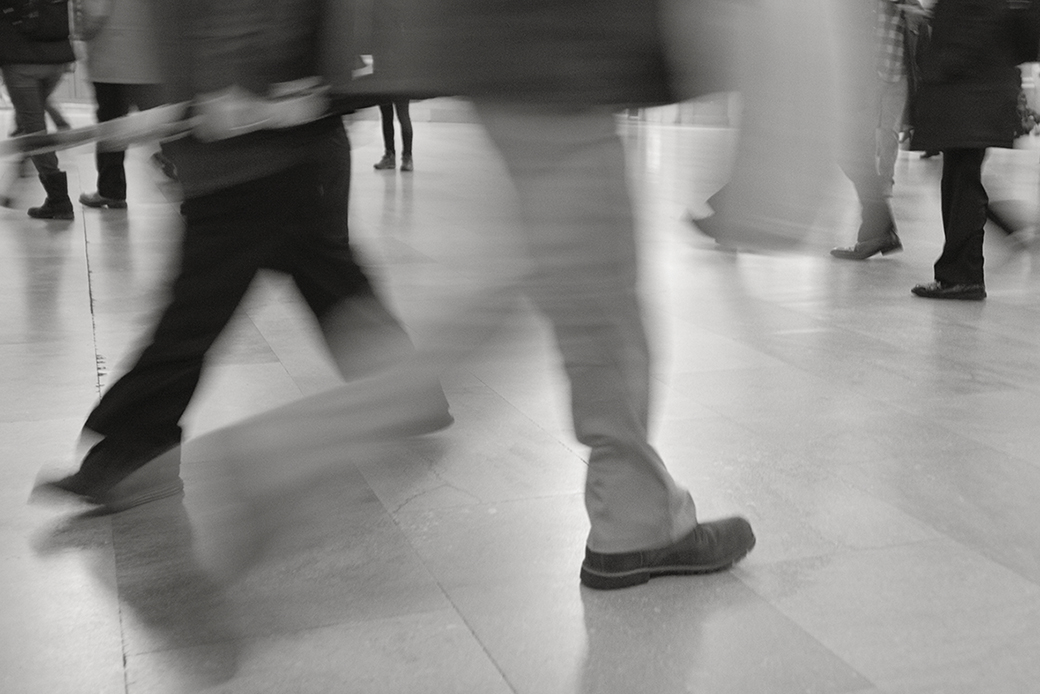
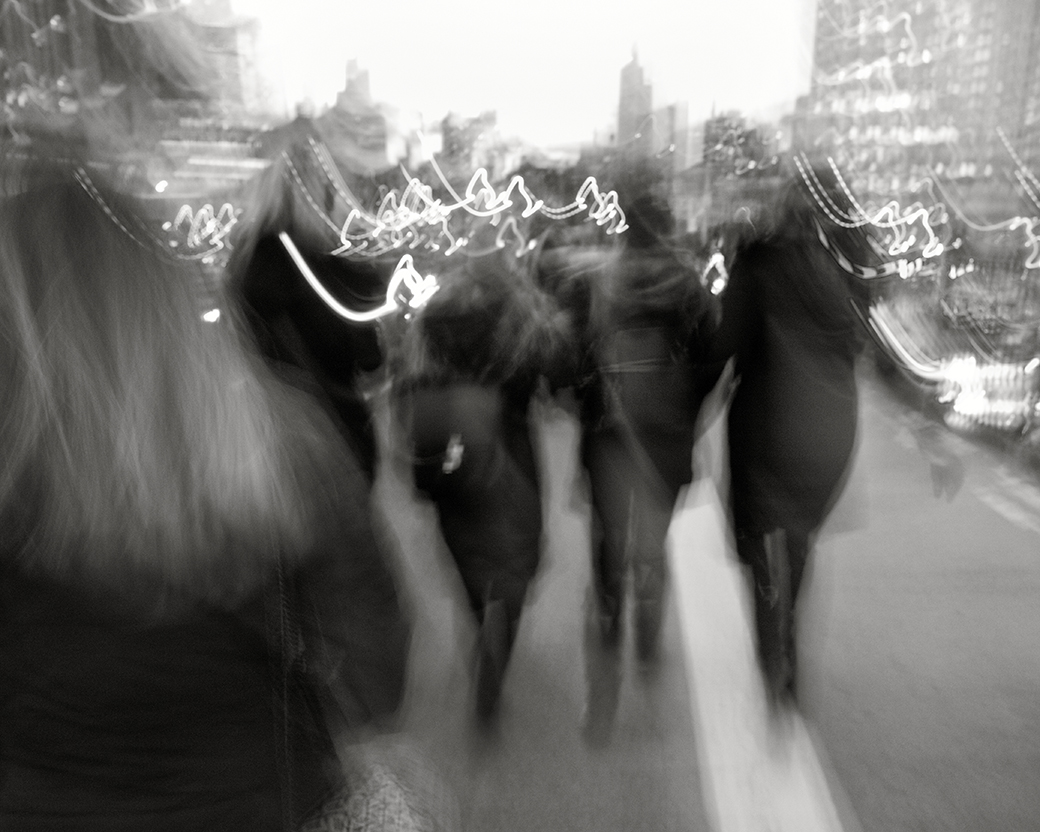
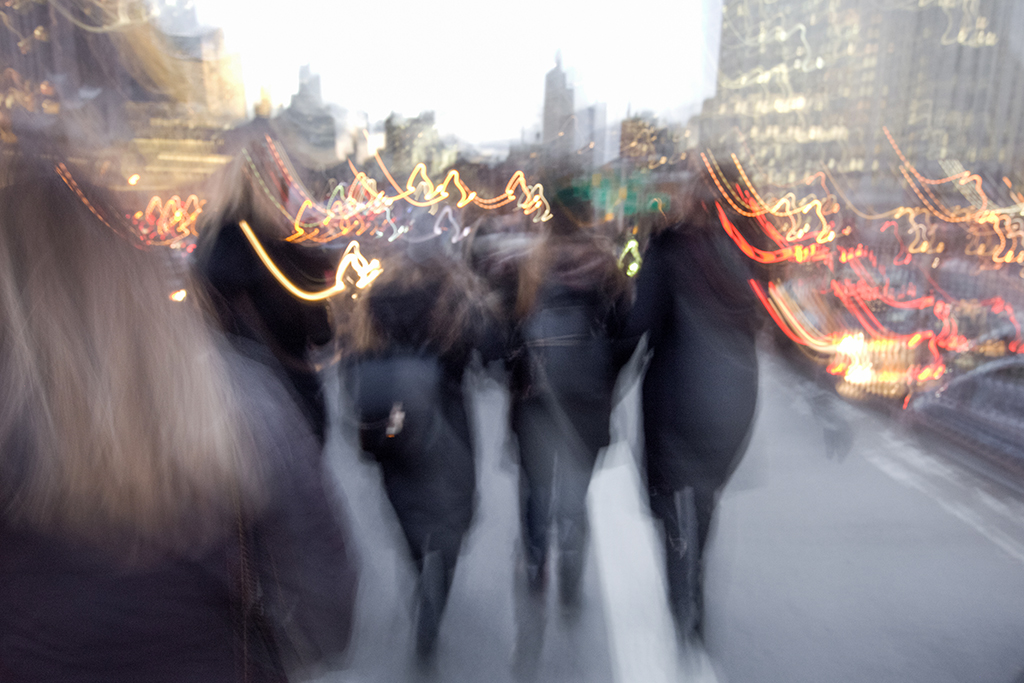
The Main Photographs Tech: after determining a usable and likeable focusing distance (I pre-focused at a certain distance) and took this 1 shot - as I never again came across this particular composition - or at least I was too lazy to continue the task this late in the late afternoon crossing over the Brooklyn Bridge onto the Manhattan side.
The shot was triggered while I walked to give this Impressionistic aesthetic. It is very engaging in color (as I am told by my wife, Anne) but most of my work is processed as BW renderings. Again, as I have spoke about in the past, BW renderings make the viewer see the "whole" instead of being distracted by color: in any case, I do agree with Anne, this piece does work both ways. (See color image attached). |
Jun 8th |
 |
| 83 |
Jun 20 |
Comment |
Yes, it is very strange to view these photographs in light of the recent "Social Distancing" that has transformed the way the people around the world have been negotiating their lives: instead of photographs seemingly showing people walking through each other - a new set of images will likely show the extreme "distancing" we have adopted into our daily lives.
All the photographs are created through traditional photographic technique, and in most cases, though my work would seem to be "straight", for the most part, my work is easily recognizable within the realms of the pictorialist.
Early Pictorialist engaged in extensive pre-production and post-production manipulation (around about 1861) but later in the late 19th Century and led by Alfred Stieglitz, practiced creating through the Pictorialist eye without extensive or in cases any manipulation: instead, using for example, the weather and its manipulative play on light and shadow to create Fine Art Photography; I follow this tradition.
This can lead to a very engaging conversation, and I suggest we continue via the "Bulletin Board".
|
Jun 8th |
| 83 |
Jun 20 |
Reply |
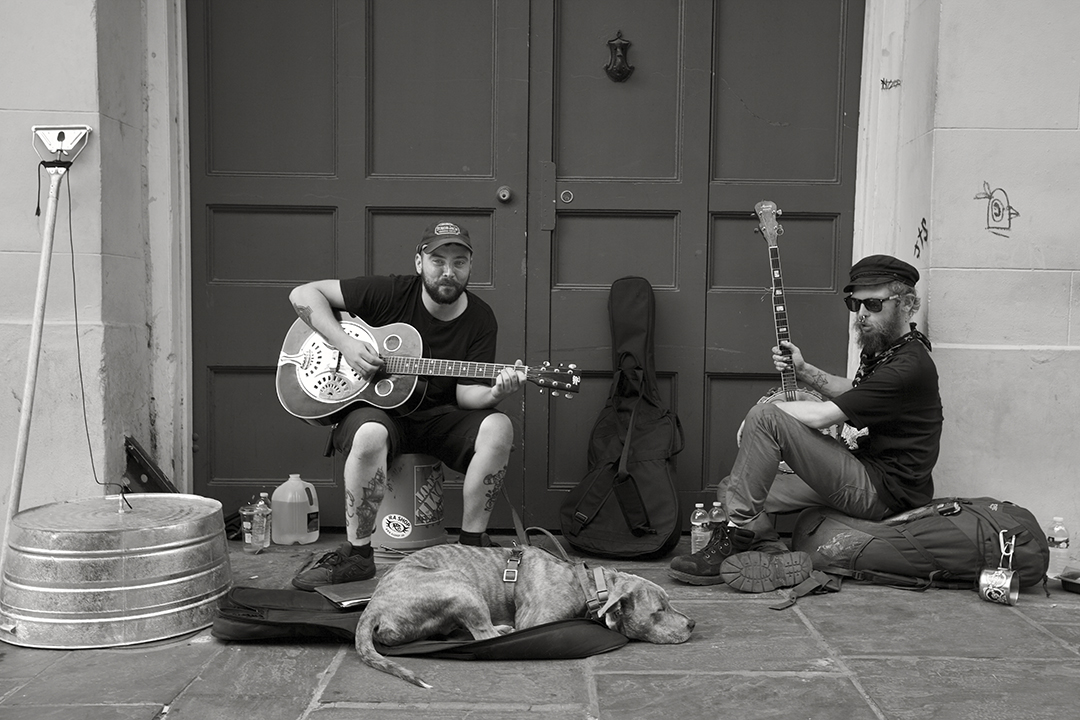
Yes, here I feel perhaps several more shots may have caught a "keeper". Compared to the musician, this frame has a weak narrative; it does not "prick" me, as the other does.
However, still a good practice shot for, as Larry has suggested, a series of similar compositions.
Terrific work, Judy. |
Jun 6th |
| 83 |
Jun 20 |
Reply |
...there you go! This is terrific, Judy. Yes, can't wait to see the other example. Have a great day! |
Jun 5th |
| 83 |
Jun 20 |
Comment |
Hi Judy! Well captured photograph - at least the Original: as Steven Levitas has already pointed out, this frame (composition) tells the story or Provides a Narrative.
Please, convert the the entire original onto a BW version for all of us to view. Thanks, Judy! |
Jun 4th |
9 comments - 8 replies for Group 83
|
| 87 |
Jun 20 |
Reply |
Nope. not a fan of this alternative. But that's me. |
Jun 18th |
| 87 |
Jun 20 |
Reply |
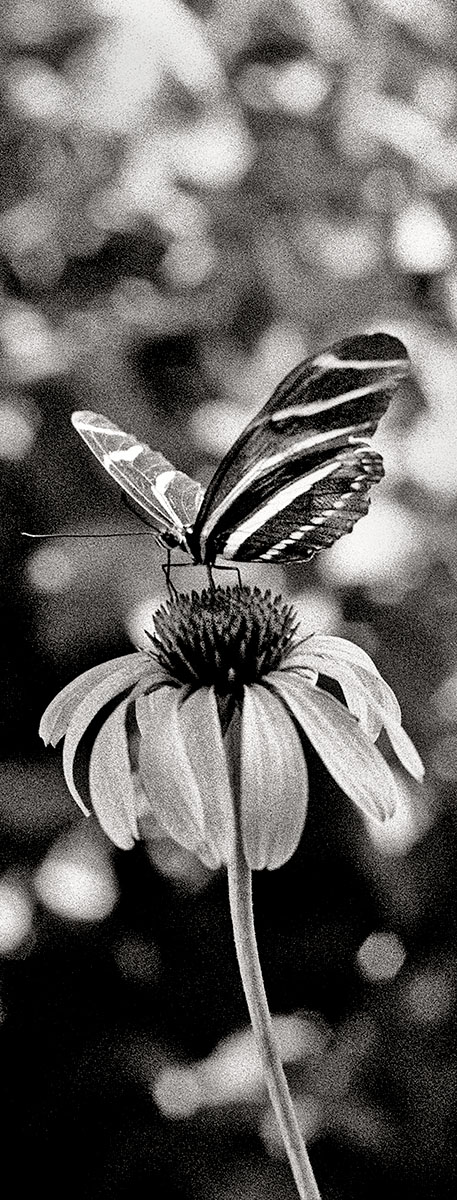
An interesting and very good suggestion, Graham, but I do not like the anchored alternative: Jo's original composition, with the extreme black background and vivid black and white striped Zebra sits well floating, as you referred to it, in my opinion. |
Jun 18th |
| 87 |
Jun 20 |
Reply |
...yes, I see that, too. But frankly, in this particular composition I feel it is part of what contributes to the character of the scene...but it could be removed, though I dislike doing so. |
Jun 16th |
| 87 |
Jun 20 |
Reply |
Indeed! Thank you, Mr. Jones. :) |
Jun 9th |
| 87 |
Jun 20 |
Reply |
Absolutely! Look forward to seeing more of this type of work from you....good eye, Dale. |
Jun 8th |
| 87 |
Jun 20 |
Reply |
Perfect! Yes, nothing better than using a Tripod! Can't wait to see new images in the future! |
Jun 8th |
| 87 |
Jun 20 |
Reply |
Understood - and very well described, Jo.
Again, you have a fine eye and skill-set for these types of compositions! |
Jun 8th |
| 87 |
Jun 20 |
Reply |
Thank you, Dale.
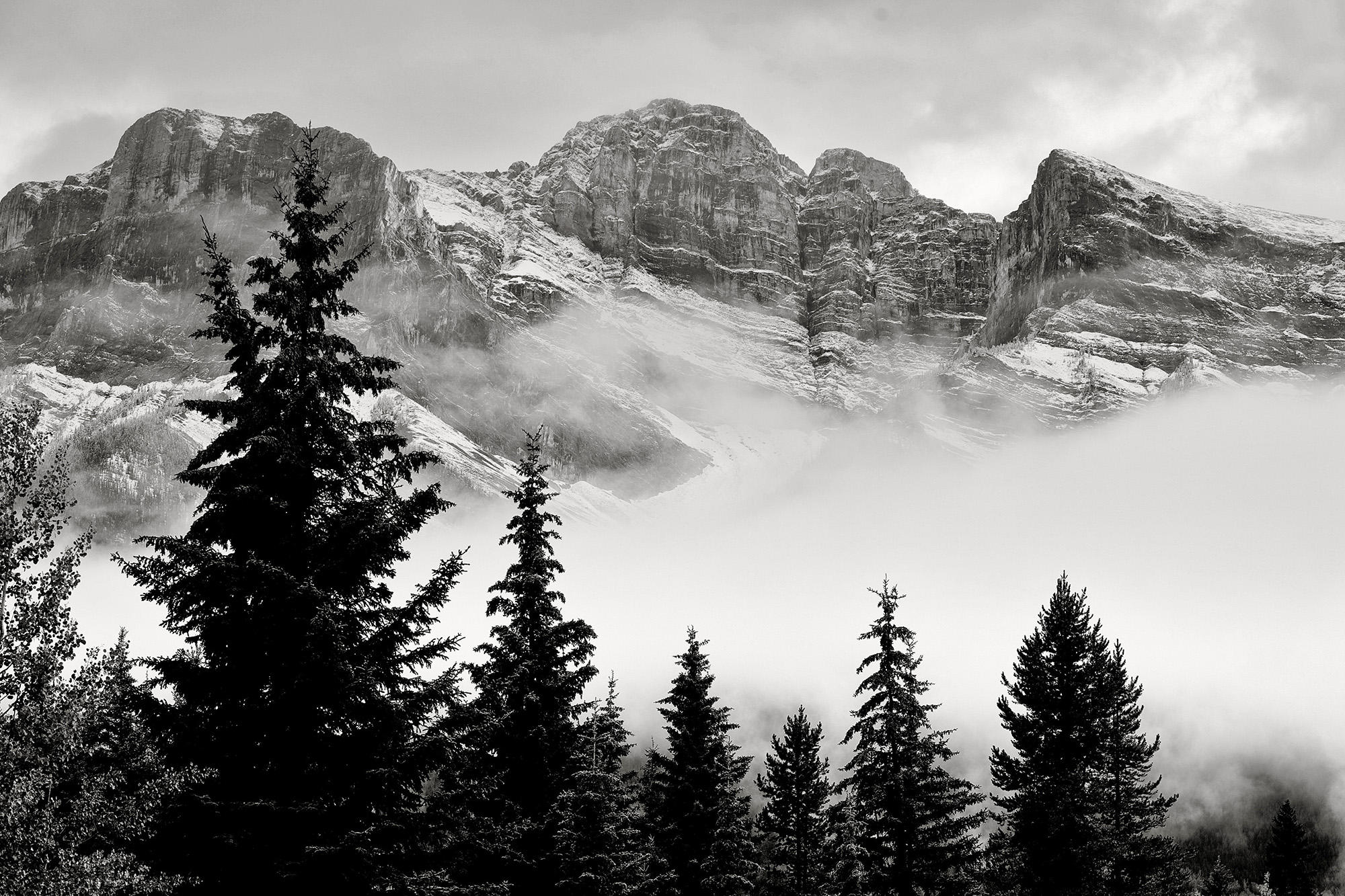
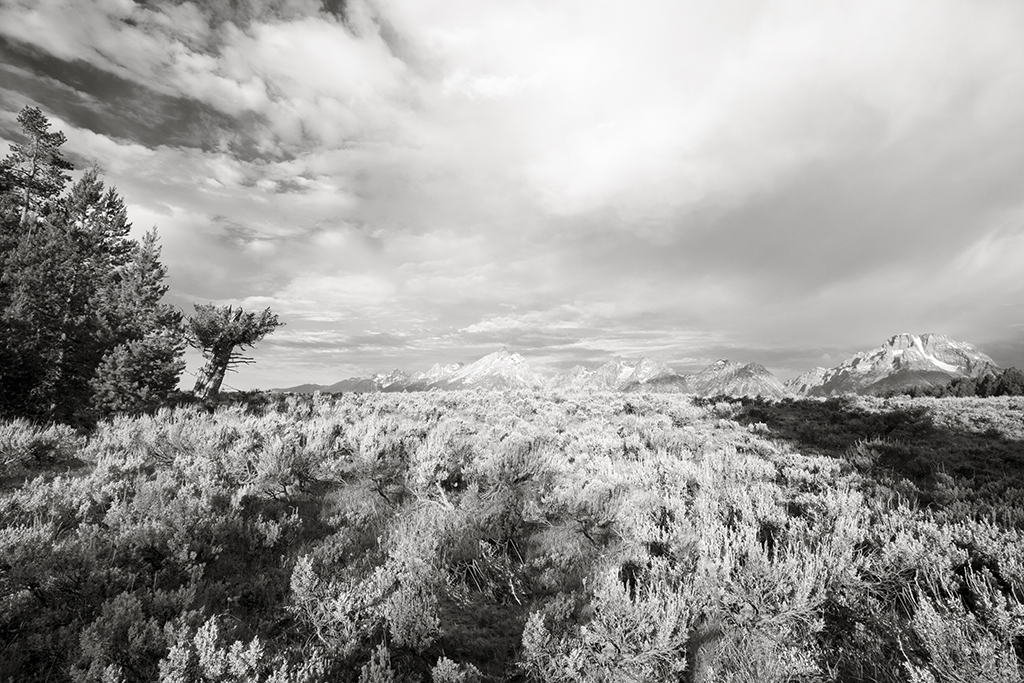
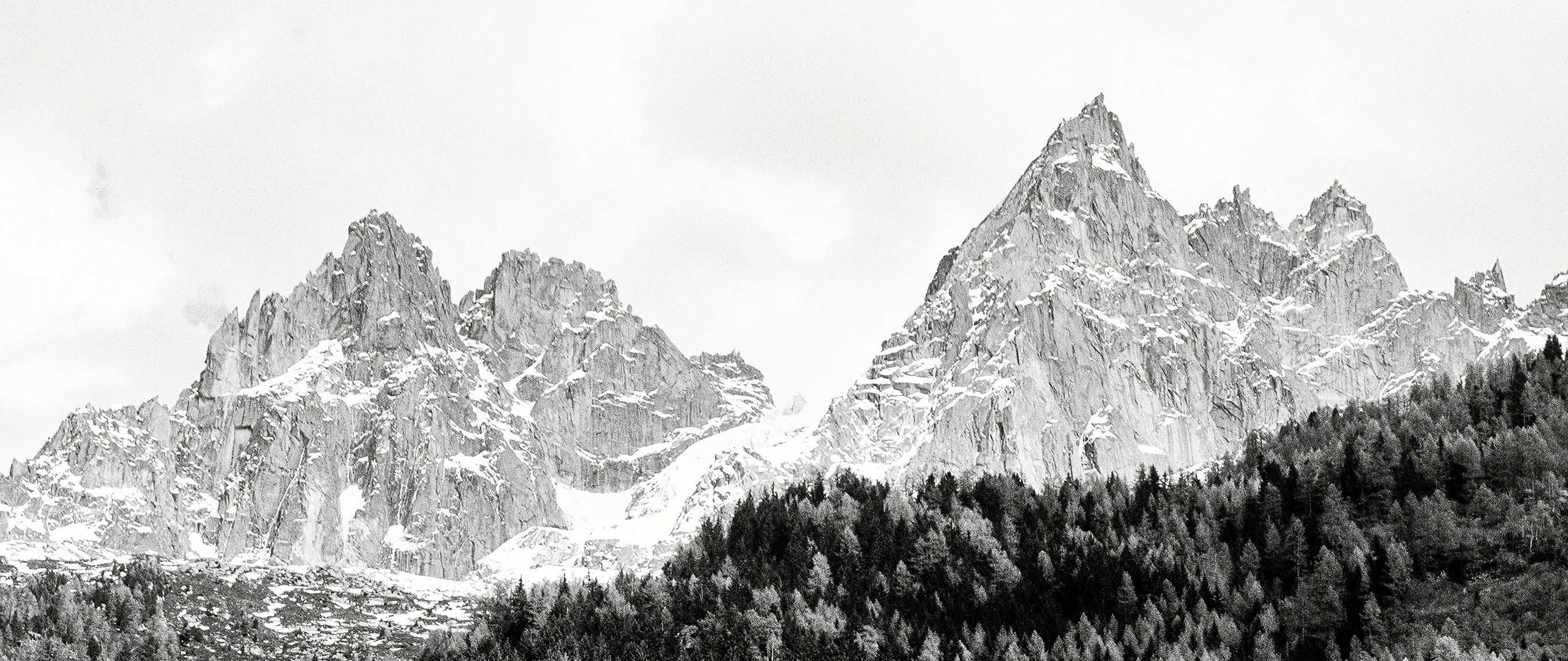
A word on Pixel Diffraction: first, I always "bracket" my exposures (and mind you...without looking at the review screen after each click of the shutter) to capture a range of images with different degrees of depth of field (Dof) and overall exposure - a great habit from shooting film for 3 decades. For this photograph, (F/22) and having the mountain range small, the lack of clarity in the horizon details is insignificant.
Alternatively, Landscape compositions that fill the frame (that are prominent) may very well show lost in focus details due to using a high F/stop and thus the possibility of seeing the effects of Diffraction.
The key to success is "bracketing" or taking multiple shots of the exact same composition - a subject I talk about often on these and similar pages. Copy and paste this link for a very comprehensive discussion: https://www.cambridgeincolour.com/tutorials/diffraction-photography.htm |
Jun 8th |
| 87 |
Jun 20 |
Comment |
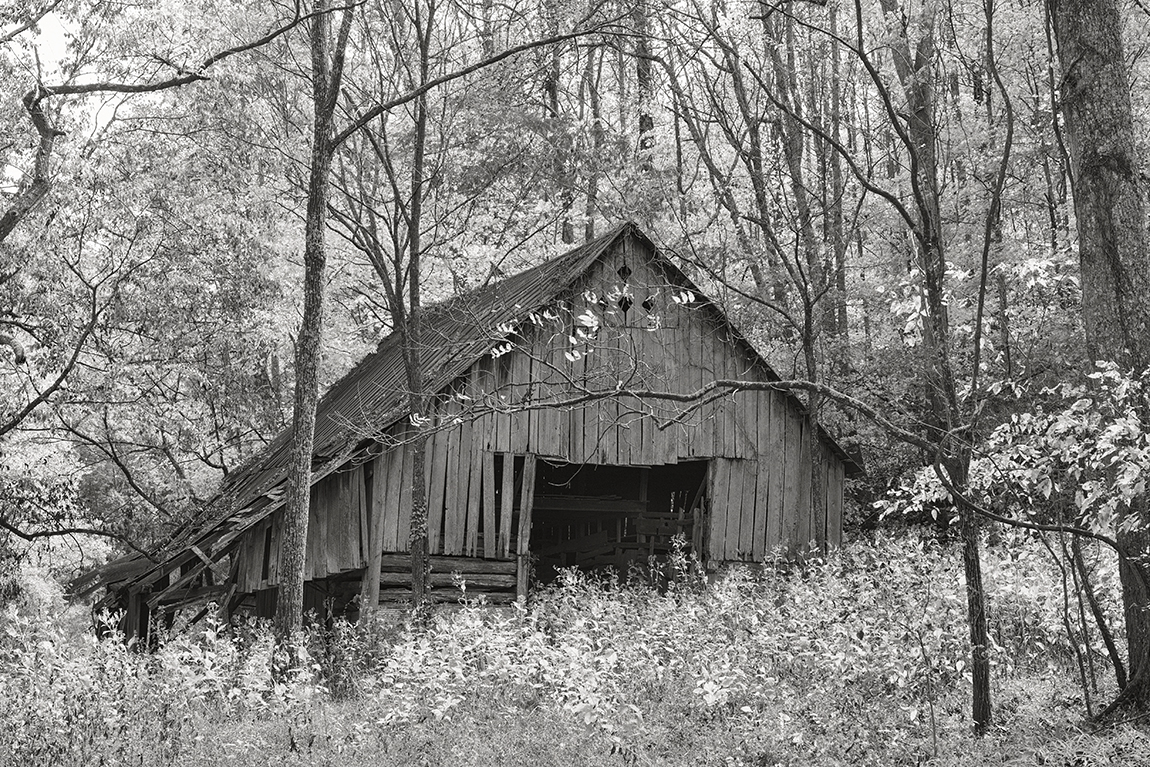
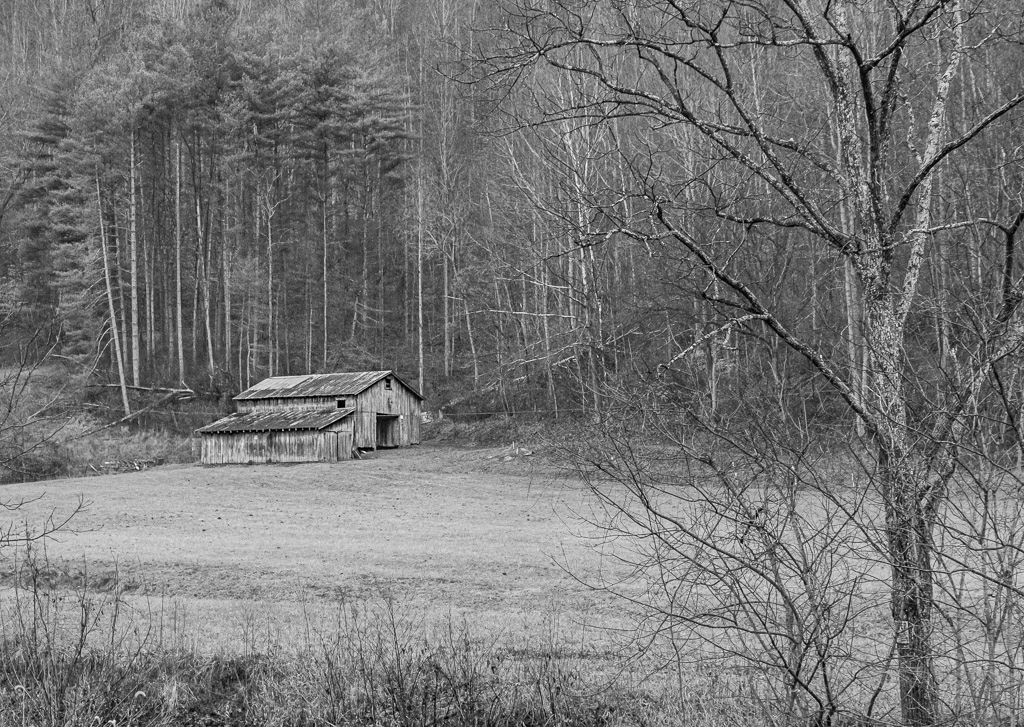
Hello, Dale! Yes, this photograph spells out an enchanting narrative through its use of space: I am a big believer too many students and experienced photographers crop or eliminate too much of the space surrounding their subjects.
Here, we see the main subject, but its "place" within the compositional space defines its character, and as important, the emotional experience you enjoyed in real-time.
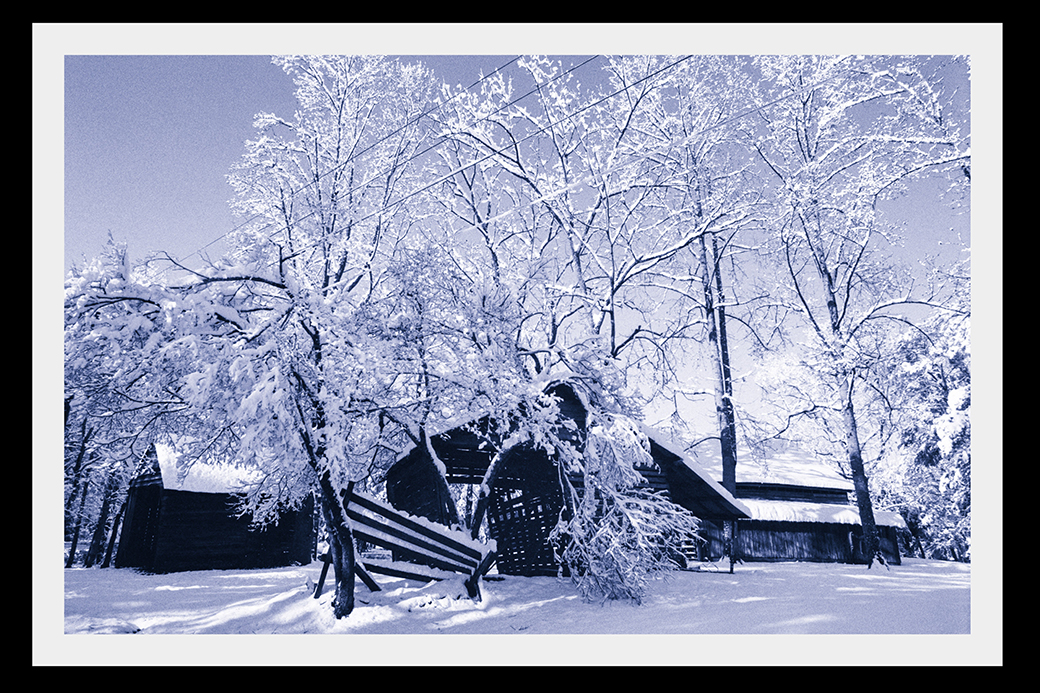
In still keeping the soft aesthetic in your final piece I went ahead and edited it for comparison:
1. Added a slight amount of "overall" exposure.
2. Added selective Dodging to the barn, the a few tree tops near the barn and its trunks. |
Jun 7th |
 |
| 87 |
Jun 20 |
Comment |
Shot-2 is in one of my favorite destinations to hike, bike and capturing beautiful images...your work here is wonderful!
Yes, the sky is over processed. As Steven already pointed out, the enhanced drama is not reflected and this likely adds to the sky's apparent "heavy hand". In any case, I prefer a lot less drama unless it was easily recognized as part of the original weather. I feel the ND filter is the way to go, just a little less spice, as it were.
And yes, a prime shot that will look beautiful in any space it is matted, framed and hung. Lovely work, Graham! |
Jun 7th |
| 87 |
Jun 20 |
Comment |
Good day, Graham!
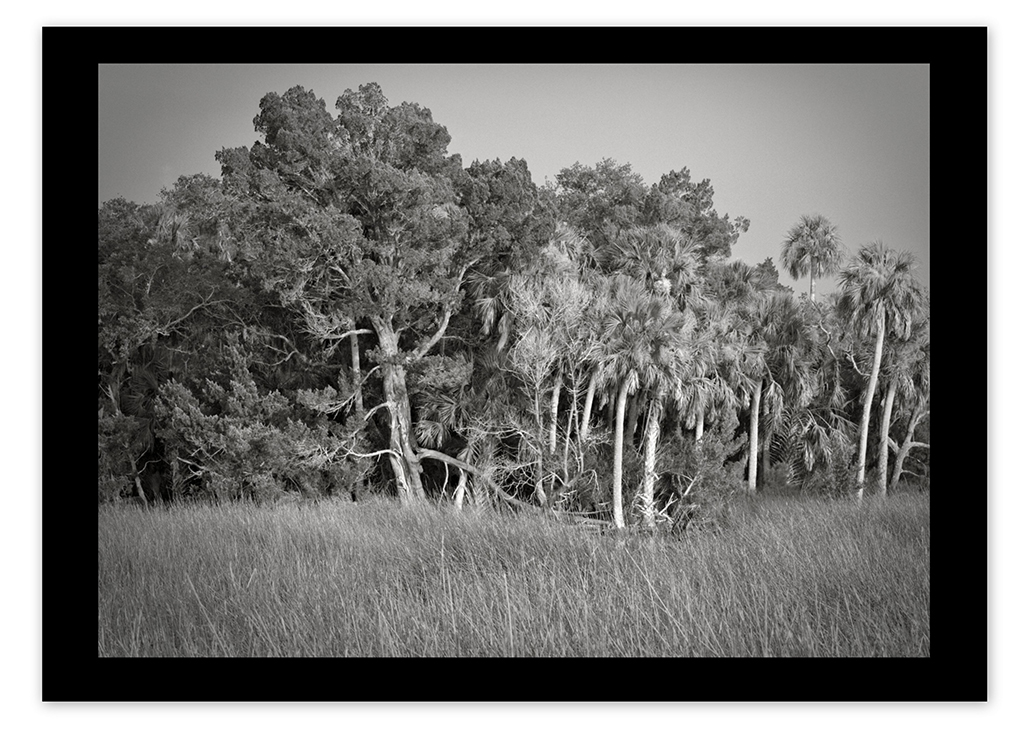
The Marsh colors are warm and soothing - I like the composition. However, as already mentioned, perhaps including more of the top portion of the Golden Weave (and thus revealing the red berries?) would be more complete and definitive.
This may be a good photograph to rotate 180 degrees and see if a more abstract version is also inviting. |
Jun 7th |
| 87 |
Jun 20 |
Comment |
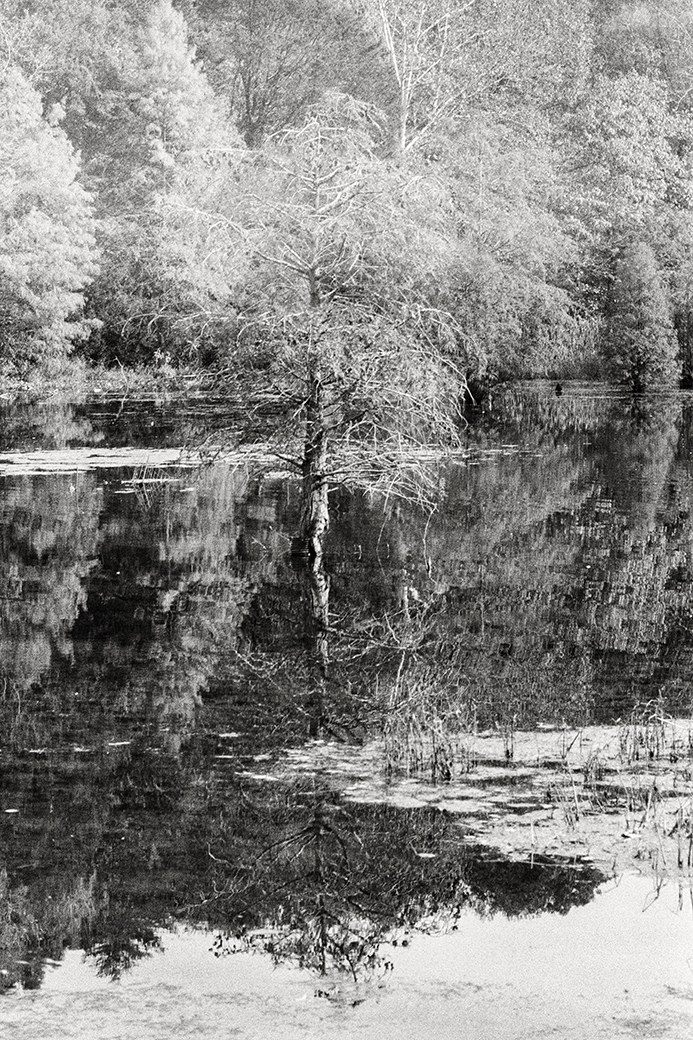
Hi Chan. I actually like the Original composition as it defines the space more clearly, in my opinion.
As it relates to Steven's question - regarding some of the artifacts and angle of view - you can go back and work the site again, yes? With locations close (or relatively close to home) its a pleasure to review work and then go back to capture alternative angles of view, but in most instances I try to capture as many different exposures and perspectives while on site, then plan return trips at different times of the year.
"Points to Ponder":
Steven brings up an interesting concept: flipping "reflective" compositions 180 degrees - I began doing this recently in my series of work "Intimate with Nature" which indeed brings a very unique and abstract narrative to the work, especially in Black and White.
|
Jun 7th |
| 87 |
Jun 20 |
Comment |
Gee! Terrific idea - my wife loves this!
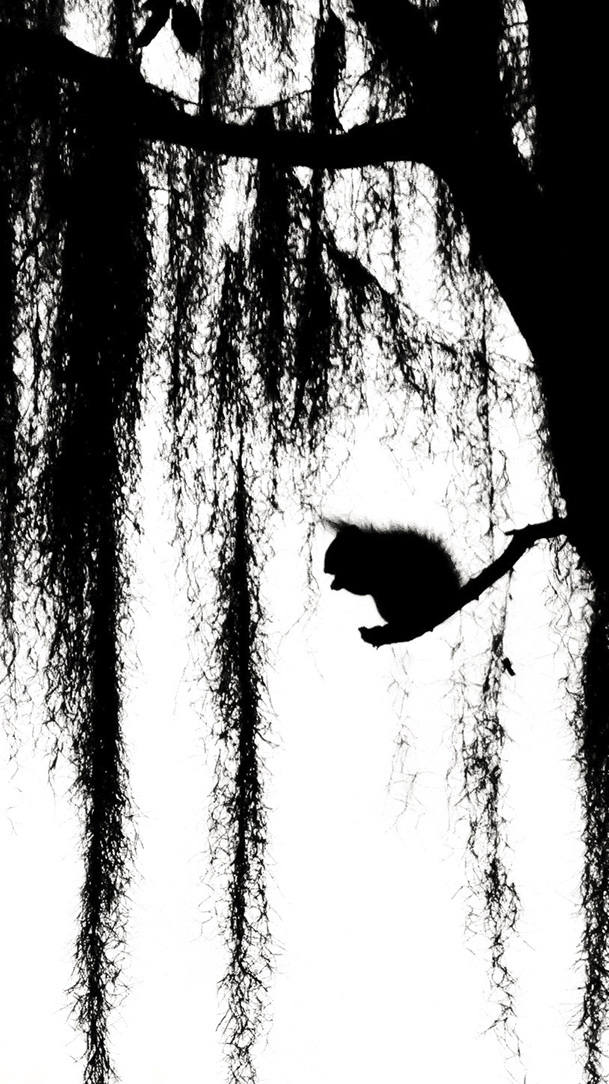
Was wondering if a different BW version designed with less contrast would separate the squirrel from the tree bark - they seem to clash a bit - maybe its my bright screen. |
Jun 7th |
| 87 |
Jun 20 |
Comment |
A fabulous creation! Your skill in using these digital techniques is apparent and worthy in creating a finished piece of art.
However, as it relates to photographic opportunity, did you not have access to capture this beautiful animal at different angles and locations within the stable, thus capturing a background more satisfying and integral in creating an engaging portrait?
In other words, if I saw the bright open door through my viewfinder it would be obvious this composition would likely not be optimal - and so I would spend time (including re-visiting the space) to capture the subject more satisfying: or was your decision already made from the outset in sculpting a digital-assisted finished piece, and thus the original composition was not of consequence?
"Points to Ponder" for everyone:
These are important concepts we all need to discuss and integral to photographic technique: skills and technique proprietary and hard to master from a traditional posture, as we continue to add more digital tools to our palette. |
Jun 7th |
| 87 |
Jun 20 |
Reply |
Panorama...well done, Jennifer! |
Jun 6th |
| 87 |
Jun 20 |
Reply |
Jennifer...this is a very engaging photograph - I like that it is processed as a special crop. What lens were you using? |
Jun 6th |
| 87 |
Jun 20 |
Reply |
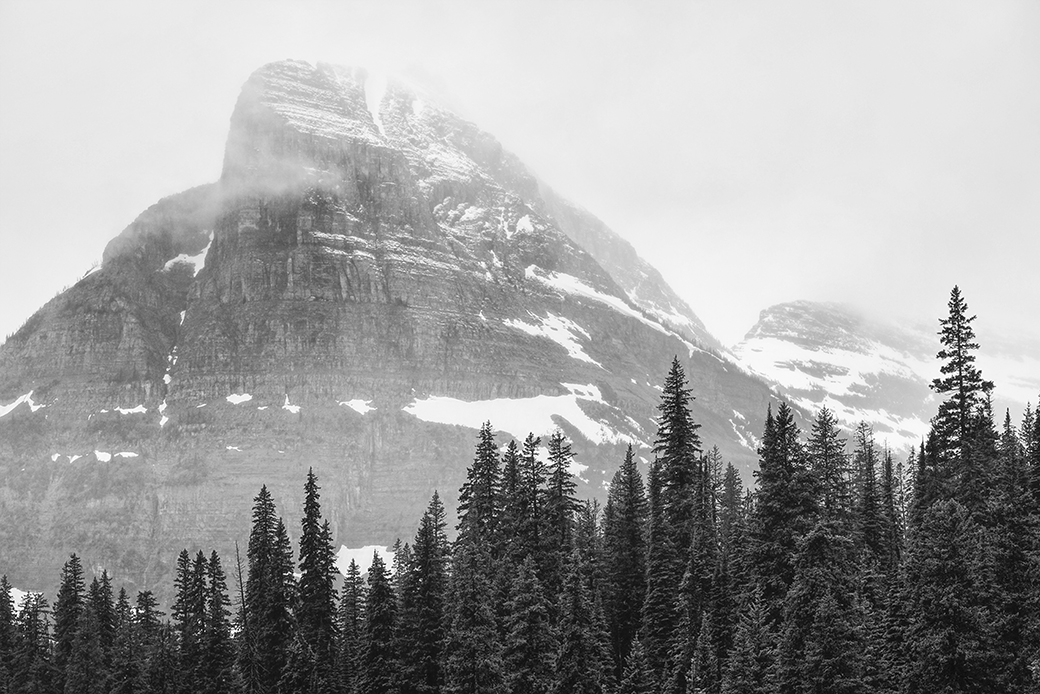
Hi Chan...no, its about the same as it appears on my screen..that is, the tonal range is a bit linear, as you suggest. If I am not mistaken, I spent a little time Burning the mountains to bring them more significance in this composition.
Under a powerful spot-light it reveals more - like any photograph or painting well illuminated. |
Jun 5th |
| 87 |
Jun 20 |
Reply |
Hi Steven! Good questions: yes, in this composition, the wide angle lens keeps the mountain range small - but, this by design - as other (similar) compositions have a larger percentage of the mountains: in this case, this is what I was feeling and enjoying - thus thinking outside the box in creating my own narrative in this space. It was more about the the space right in front - and less about the mountains for this composition.
The shot was captured at F/5.6, F/8, F/11, F18 and F/22. Though you are correct about some instances of "pixel diffraction" (on my 5D Mark II normally can appear at F/14) on digital cameras, here I did not see the mountains being too blurry - and knew they would be small, but wanted to be sure as much edge and sky stayed satisfactory: close inspection showed some of the other shots were satisfactory - but I did not like cloud formation and the sun was not shinning on the Mountains in others. F/22 wins! |
Jun 4th |
| 87 |
Jun 20 |
Comment |
Hi Jennifer! Charming composition! My large monitor is not showing an overly bright wall - and I feel nothing there needs to be changed, in my opinion. The particular composition you have created screams to have a more definite narrative, however:
As a consequence, I do have the same suggestions as Stephen from Group-32: I would like to see the crossword puzzle in progress, and the tea bag string needs to be outside the cup (it appears it fell into the glass) or in saucer as already suggested.
Well done, Jennifer!
|
Jun 4th |
7 comments - 12 replies for Group 87
|
16 comments - 20 replies Total
|