|
| Group |
Round |
C/R |
Comment |
Date |
Image |
| 83 |
Jul 20 |
Reply |
Georgianne
These people are running for you.
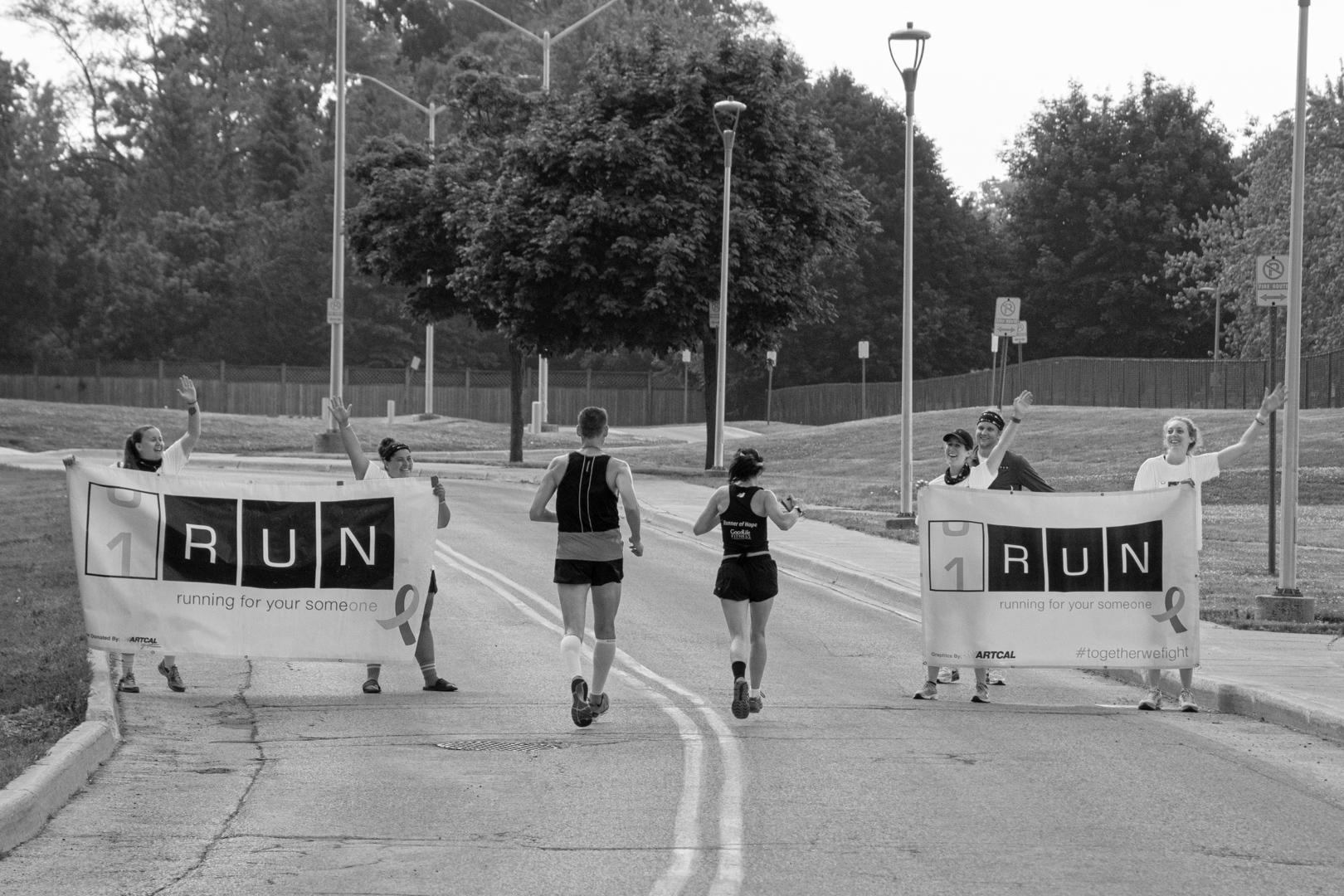
For seven years with the Ontario Ministry of Health, I was the hospital consultant for cancer. As such, I was on the provincial cancer strategy planning committee with various stakeholders, coordinated cancer capital projects, helped get breast screening programs launched, and was hospital consultant for Princess Margaret Hospital and Cancer Care Ontario. For cancer projects, we would encourage people to fund raise for items outside of the ministry funding scope. I was so use to walking through cancer centres as people explained capital projects and even dealt with pediatric oncology and could be quite rational. However, I was a basket case when I dealt with my husband's cancer surgery. For me, photographing this race was important because realizing the experience of these people. |
Jul 22nd |
 |
| 83 |
Jul 20 |
Reply |
Jose
For this race, I shot in manual, auto ISO, 1/320 and f stops ranging from 6.3 to 8.0. I was using an 18 to 300 mm zoom on a nikon d7200 crop sensor 3.5 to 6.3.
My intent was to create a variety of image types such as a distant shot which included a street sign, both the runner and support person on bicyle approaching me, a close up as the runner came in front of me, and a shot of Therese from the back. Consequently, I chose f 8.0 to cover these situations. She was running at 6.3 km per hr and I had little time or lack experience to change settings within seconds.
We were told to shoot in shutter priority at a minimum of 1/250 sec. I felt that using auto ISO would give me the closest correct exposure and at 1/320 sec I could minimize motion blur.
We were also told that if the sun was behind Therese to use flash for light fill on her face because she wears a ball cap which creates racoon eyes.
Thirdly we were told to use polarizers if necessary. I experimented with my husband with a combination of polarizer and flash and found the resulting color horrible so abandoned the idea of using flash deciding I would resort to photo editing to deal with harsh shadow.
However, after reading articles on whether to use a polarizer for a sport event, I opted to use one. On the close up image, the polarizer removed the glare on the face. However, on the image attached, it created horrible shadows. Look at the man's leg. In color, the deep shadow and light and dark on his pink t shirt stands out more than in monochrome. Also, the angle of light changes and I was preoccupied with when to press the shutter, and had a hood on the lens, so could not quickly rotate the polarizer. After shooting at this location, I decided to forget about the polarizer and use dehaze to remove glare from sweat.
Since this event, I have practices using the polarizing filter in various light and weather conditions and angles from the sun with the frogs in my pond so I understand how, when, and on what to use the polarizing filter.
For each section of the race, we were told what side of the road Therese would be running. I looked up on the ephemeris, the sun position so I knew she would be back lit. When photographing my husband at this spot, I noticed the hydro poles. Therefore, I knew I had to avoid the hydro pole, even though further down it had a street sign and I wanted an image with the street sign to identify the location. Unfortunately, my timing was off and I got Therese with a line coming off her shoulder.
In the image attached the focus point was on the man and Therese is slightly soft.
Photographing this race, taught me so much. It made me recognize the limitations of my equipment (I have one camera and two lens a 18-300mm and 50 mm prime) and my ability, and think through how I could compensate with my short comings and working under pressure.
I did remember your suggestions for a digital pan and selected a location with a grey wall to pan against and set my camera for the pan. What I did not expect was that two spectators also thought this was a good location and sat against the wall for the evening laps. However, I was able to do a digital pan shot on the wall the next day. |
Jul 22nd |
 |
| 83 |
Jul 20 |
Reply |
Lance
In my response to D, I gave some background on the race.
JPS |
Jul 21st |
| 83 |
Jul 20 |
Comment |
Debasish
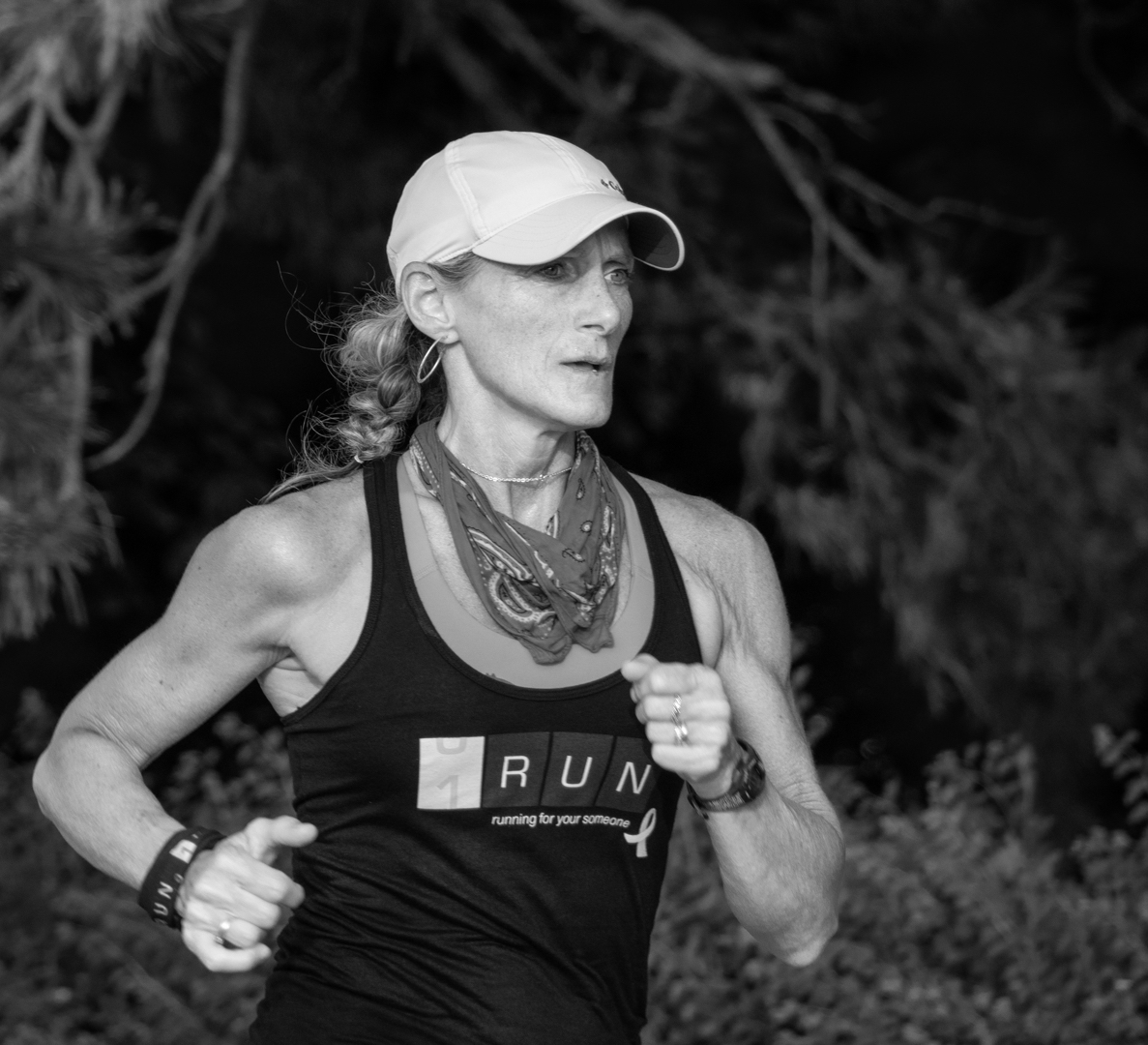
This 100 km race took place during the pandemic and the organizers had to obtain permission from the city to hold it. We were instructed to maintain silence about the race including the route and to observe social distancing. The only cheering squad was a few people organizing the race, and they would move from area to area. We had to observe social distancing rules i.e. no more than 5 people then expanded to 10 could be in close proximity.
The race route was 100 km (10 km x 10 laps). Because of the extreme heat, the day before the race, the decision was made to hold the 100 km race over two days: the first 40 km was run starting at 5:30 p.m.. The second 60 km started at 5:00 a.m. the next day. Therese was accompanied by a person on bicyle (i.e. support person) or maybe only one other runner. In the morning stretch, Runners of Hope took over at km. 60 km to 90 km and her family (3 people) ran the last 10 km with Therese joining the last 1 km. Runners of Hope were limited to two per leg. Thus there was not a string of runners.
Being unfamiliar with the route, I drove around the route three days, first familiarizing myself with the route and the second and third day I photographed my husband walking at key points which I considered reflected the variety of terrains and backgrounds. I studied the backgrounds, sun directions etc and knowing speed over ground and course determined an approximate ETA at my chosen spots. I knew where I wanted to plant my feet. Miss the runner, miss the image.
This pre-planning paid off. I have images which show the strength and courage of this woman and the other Runners of Hope. It was so humbling when I went to the facebook site and red the stories of the Runners of Hope.
I attach a full length image taken a couple of feet earlier, her eyes closed.
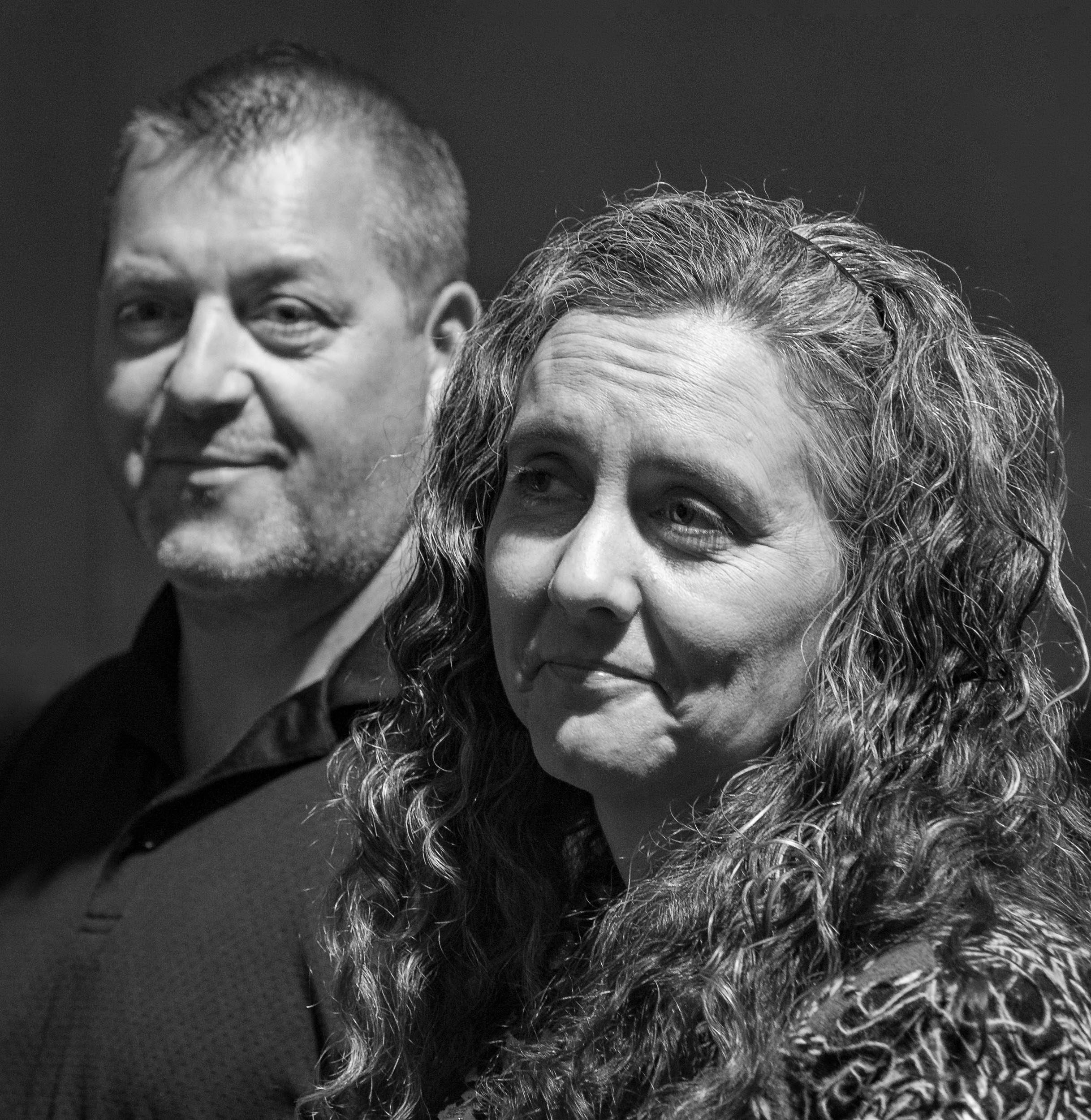
I love the black hole surrounding Therese's face. For me, it symbolizes coming out of a black hole, not knowing the future but powering through with great determination and life force determined not to be beaten.
I submitted this image because I was curious whether people would understand and comment on the black hole.
|
Jul 21st |
 |
| 83 |
Jul 20 |
Comment |
Lance
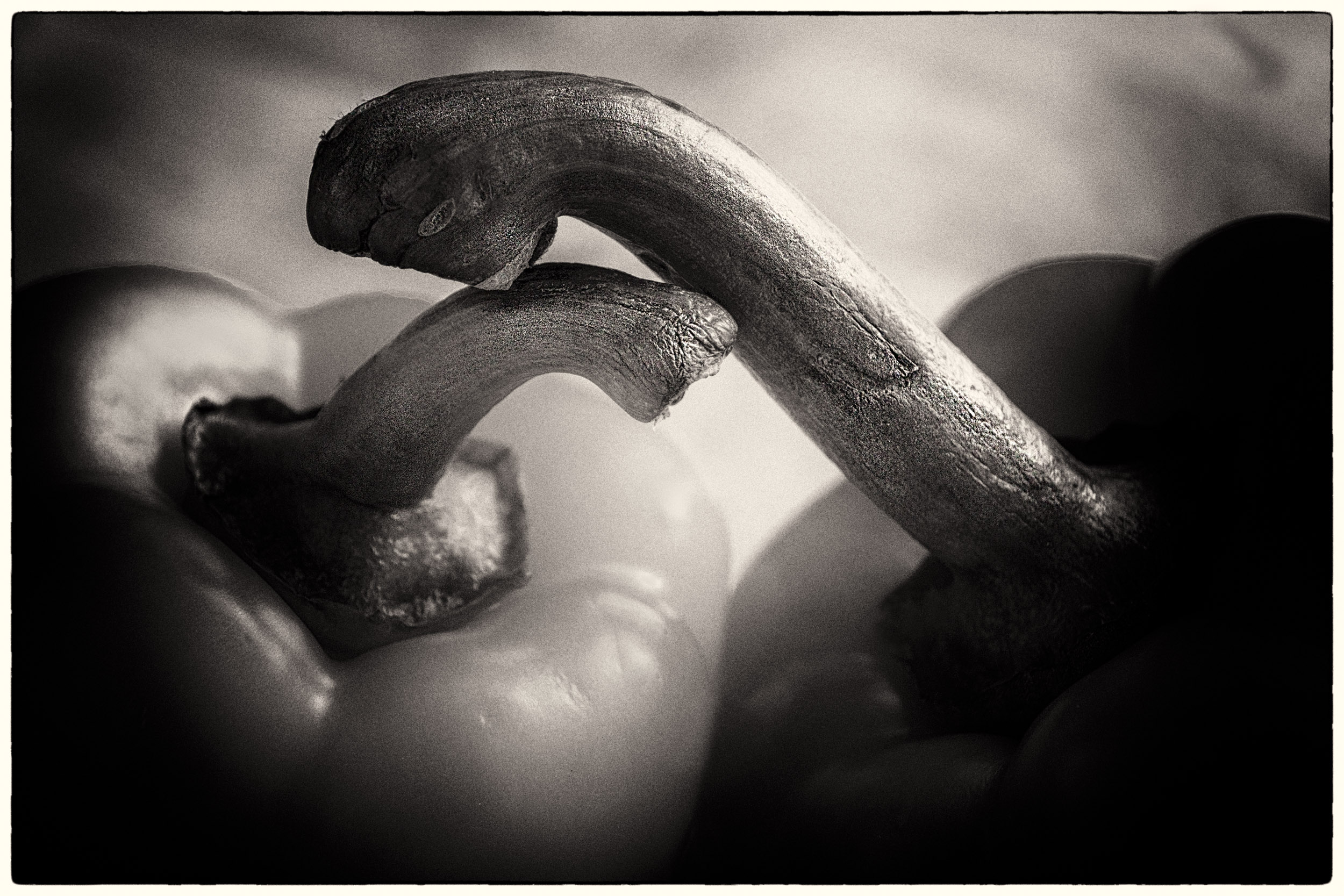
This image compelled me to look up the meaning of and philosophy of wabi sabi and its application to photography. I appreciate you bringing this concept to our attention.
|
Jul 8th |
| 83 |
Jul 20 |
Comment |
Jose
What a beautiful visitor and you selected an interesting angle to photograph the bird.
Is it possible to bring out more detail on the object the bird is perched on or reduce the highlights in this area? |
Jul 8th |
| 83 |
Jul 20 |
Comment |
Georgianne
I like both versions - monochrome and color.
For me, the color version creates more dimension because the warm color advances and cool recedes. The highlights also help create dimension (i.e. above the word for).
|
Jul 8th |
| 83 |
Jul 20 |
Comment |
Dirk
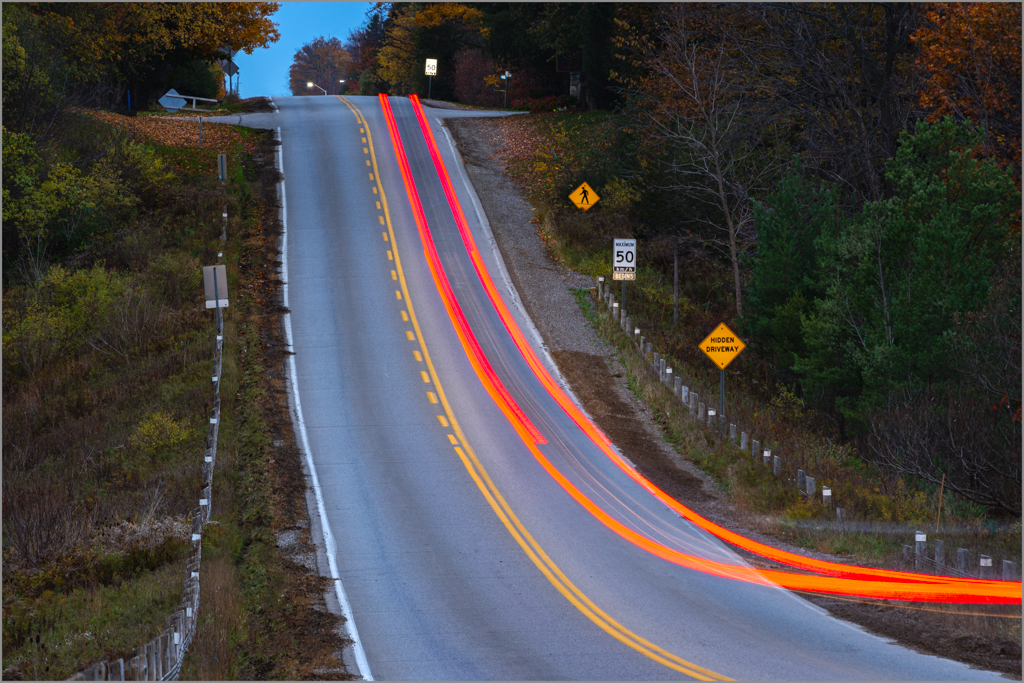
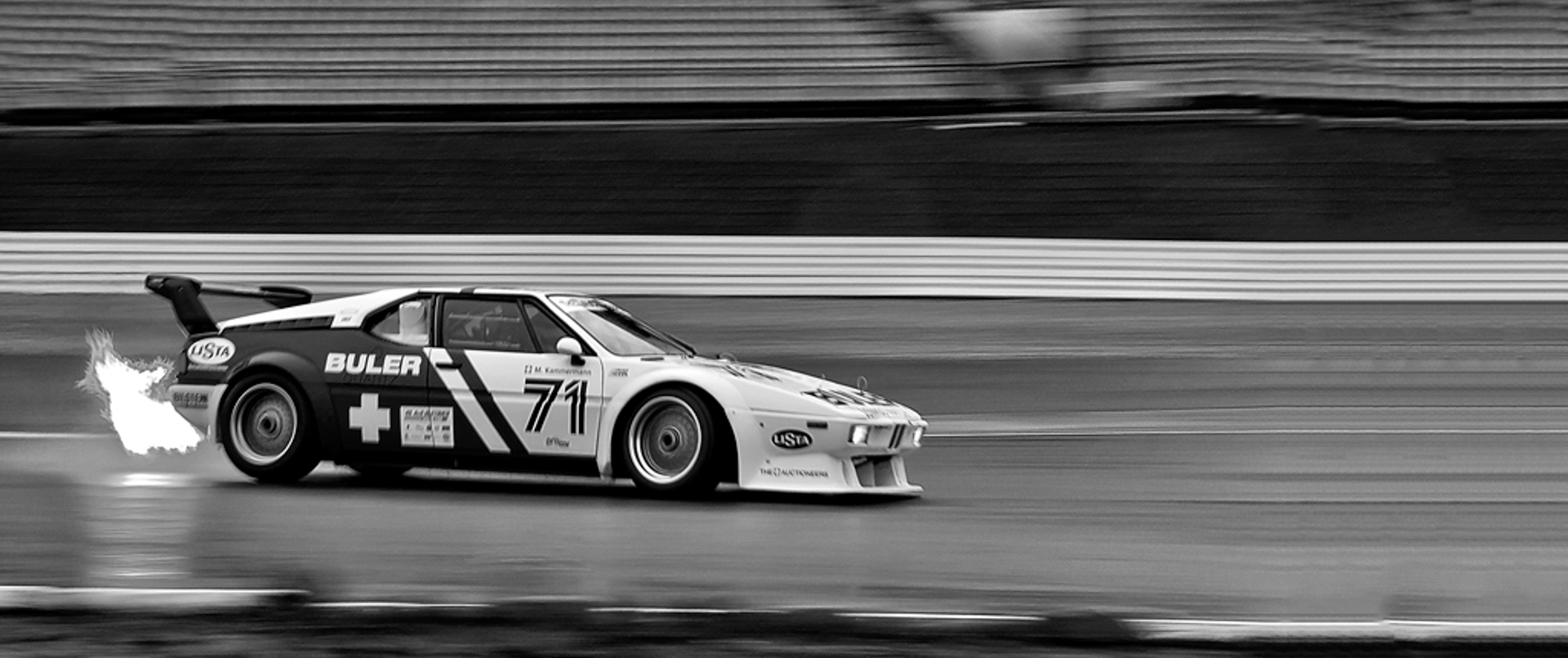
I like how you have left space on camera right for the car to travel. However, I find the bright white on top distracting and not necessary and suggest cropping it. |
Jul 8th |
 |
| 83 |
Jul 20 |
Reply |
Georgianne
I like your modifications. Increasing the exposure at the top helps create upward movement. |
Jul 8th |
5 comments - 4 replies for Group 83
|
5 comments - 4 replies Total
|