|
| Group |
Round |
C/R |
Comment |
Date |
Image |
| 67 |
Dec 18 |
Comment |
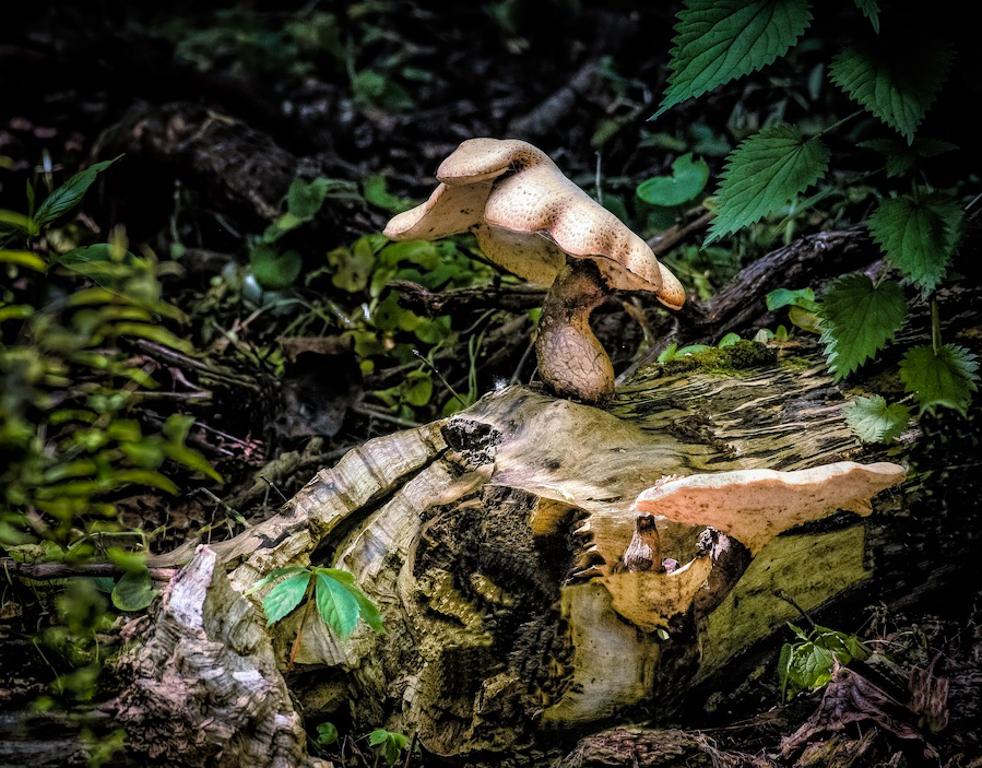
This is a very unusual creature! But I love the back lighting effect that shows all the details. It looks like you didn't need to make any post processing adjustments. Wonderful capture! |
Dec 13th |
| 67 |
Dec 18 |
Comment |
The first thing I noticed about this photo was the size of the bird in comparison to the sunflower behind it. It was an effective way to show how small the bird is. Also, the contrasting colors set the bird apart from the yellows and greens of the flowers. It looks like the colors were saturated slightly so the photo pops nicely. When zoomed in it looks a little soft but otherwise it's very pleasing. Being a bird photographer myself, I appreciate the work that goes into finding and photographing them. Sometimes all the technical stuff goes out the window for me too when I see a great shot. A beautiful photo though! |
Dec 8th |
| 67 |
Dec 18 |
Comment |
A totally impressive image. I love night photography but like Richard I live on the east coast too. It's hard to find good spots near Philadelphia. Larry, it's obvious you are knowledgable of the area where you were camping and that the Milky Way Galactic Core would appear between the trees at Lake Irene. Having done a little night photography, I know how hard it is to get all the ingredients to come together. The leading lines created by the trees are very effective in guiding the viewer's eye into the Milky Way. It's easy enough to tell what they are without any lighting on them. The reflections of the stars in the lake are bright so I think using a GND filter on the bottom was a good idea. All your knowledge, wet feet and staying up late paid off with a great image! |
Dec 7th |
| 67 |
Dec 18 |
Comment |
This is a fun photo and it made me wonder exactly what was happening in the scene (which held my attention). It's nice that the water was clear enough to see the goldfish well and the green water (or bottom?) contrasts nicely with them. The reflections in the upper left corner tie the scene to nearby land. I wonder if Dehaze in Lightroom also could have been used to help clear up the water. Nice catch! |
Dec 7th |
| 67 |
Dec 18 |
Reply |
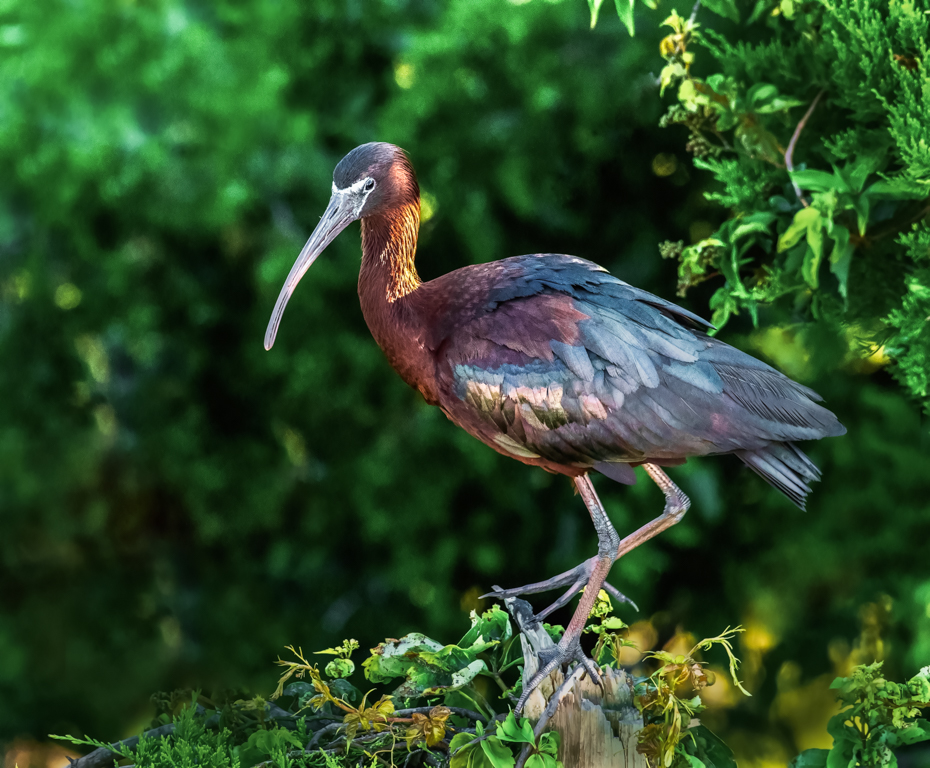
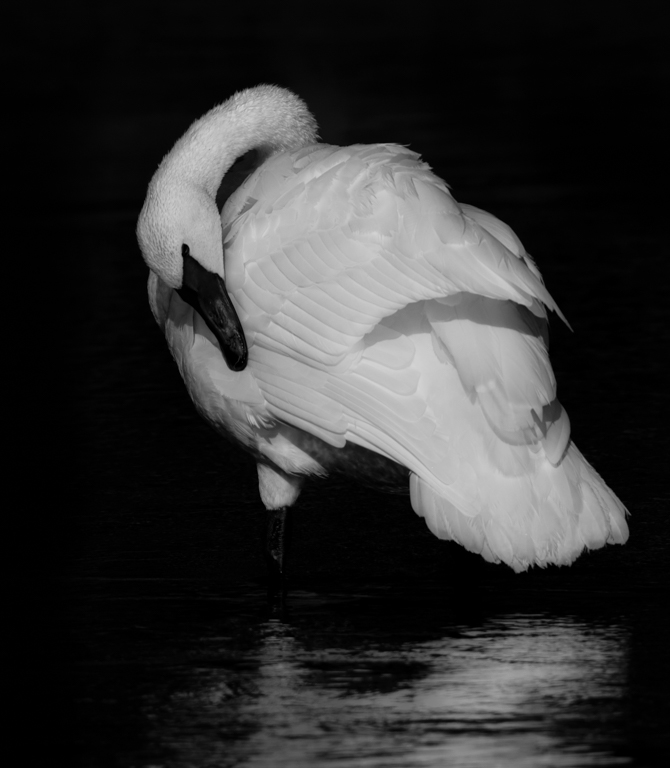
Thanks Richard for your encouraging comments. I agree that the leg and beak could be punched up a bit |
Dec 7th |
| 67 |
Dec 18 |
Comment |
Hi Michael, Thanks for your encouraging comments. I should have mentioned that I used Topaz on the Original 2 image above with the white vignette but not on the larger black and white image. |
Dec 7th |
| 67 |
Dec 18 |
Comment |
Hi Max, I agree with Larry - this makes my head spin! All of the necessary gear, your attention to detail and patience show your dedication to creating a fine finished photograph. The insect is quite a specimen (I've never seen one of these before) and the detail is generally sharp. Perhaps the the lower part of the body could be more sharp but one hardly notices in the overall view of the photo. I also appreciate the texture of the stalk and its fuzzy details. I wonder, was there possibly more space or breathing room at the top of the photo? Overall, it is amazing work along with the knowledge needed to do macro photography well. |
Dec 5th |
| 67 |
Dec 18 |
Comment |
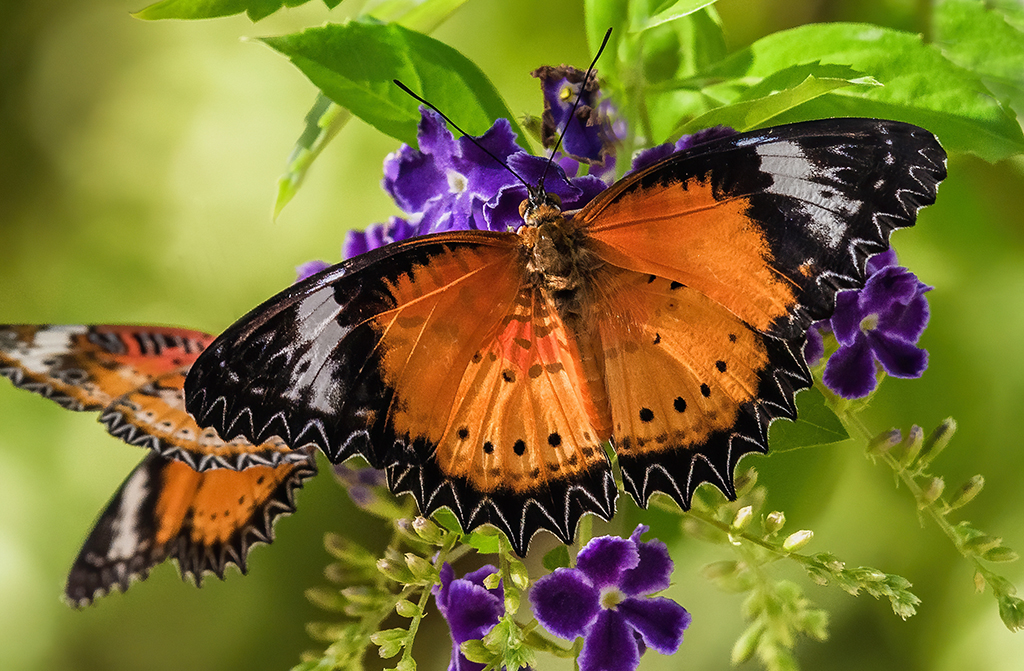
Hi Mike, This is an eye pleaser for sure. I am a Topaz fan so really enjoy the effect you used. It further accentuates the look of the water around the edges of the Azolla microphylla. It also gives the butterfly a soft, almost velvet look. The leading lines to the leaf and Butterfly are very effective and the contrasting color of the butterfly makes the photo pop. The soft highlights on the water take away some of the darkness of the surrounding water, which brightens the image. Your detailed explanation of your workflow is very helpful, especially use of Details and masking. Overall a very lovely photograph that holds the viewer's eye. |
Dec 5th |
| 67 |
Dec 18 |
Comment |
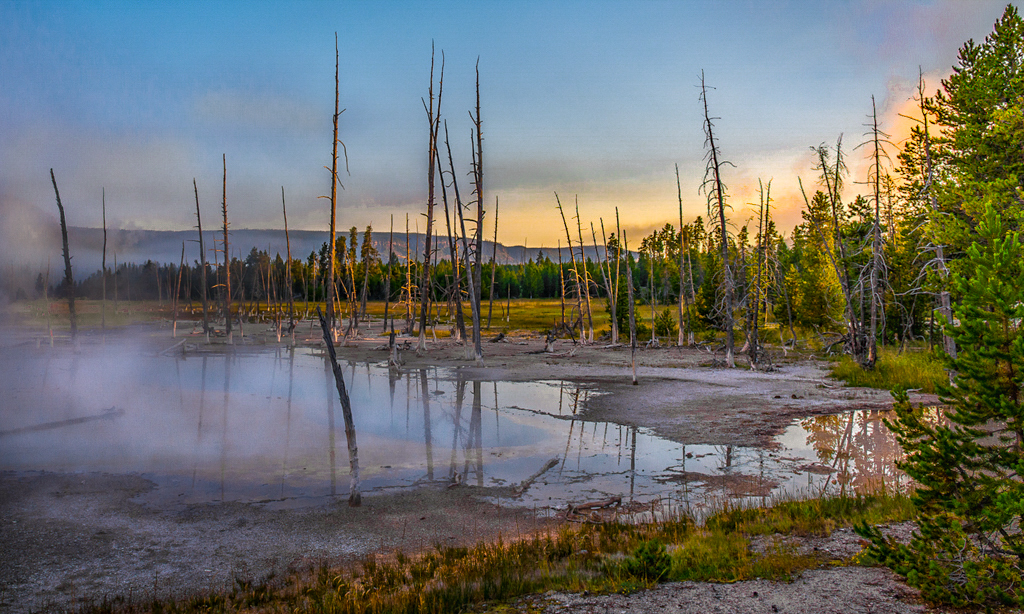
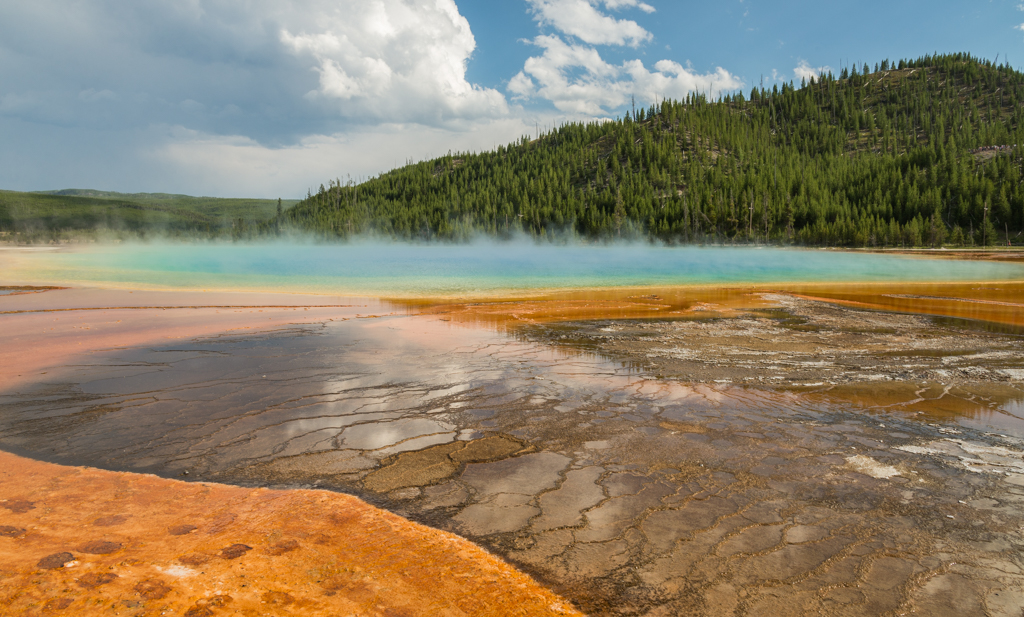
Thanks Larry for your encouraging comments. The photo was taken very early in the morning with lots of steam from the volcanic vents still close to the earth. Once the sun came up, the steam dissipated. I lightened the swan's leg a bit but it would be better to have it closer to the tone of the bill as you suggested. I've thought about getting a 1.4 teleconverter. Here in Pennsylvania I'm often shooting with limited light due to overcast skies and/or shade. But in other situations I think having the converter would be advantageous. Your suggestion is definitely an encouragement to move toward that purchase. I did several versions of various swan photos in Topaz and some of the others show more of the dark water above the head which I think is probably better. |
Dec 5th |
8 comments - 1 reply for Group 67
|
8 comments - 1 reply Total
|