|
| Group |
Round |
C/R |
Comment |
Date |
Image |
| 6 |
Sep 19 |
Comment |
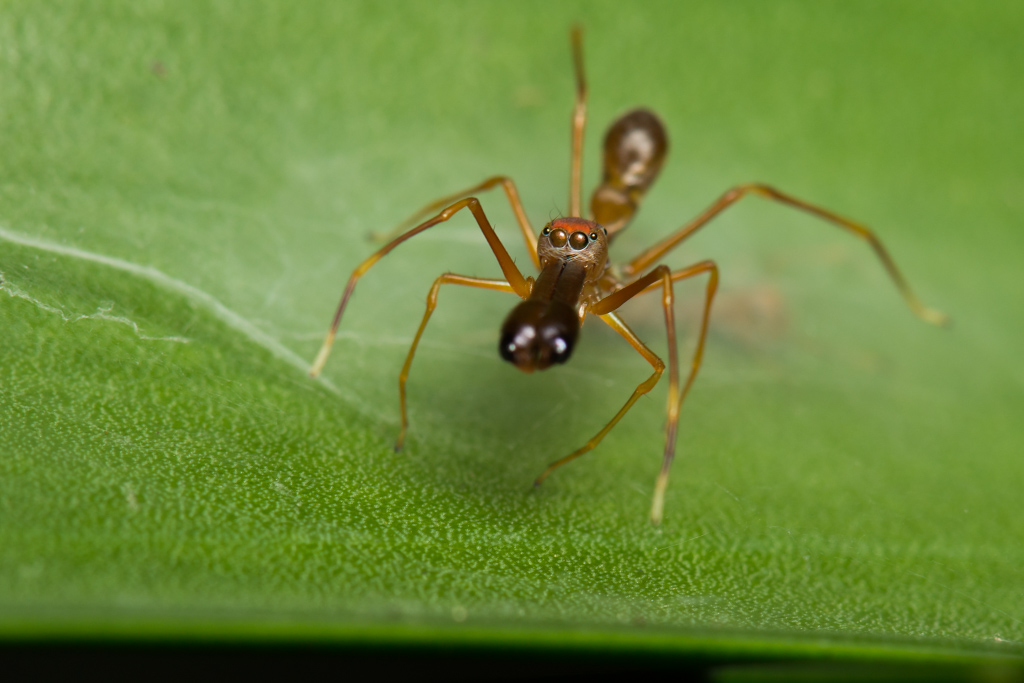
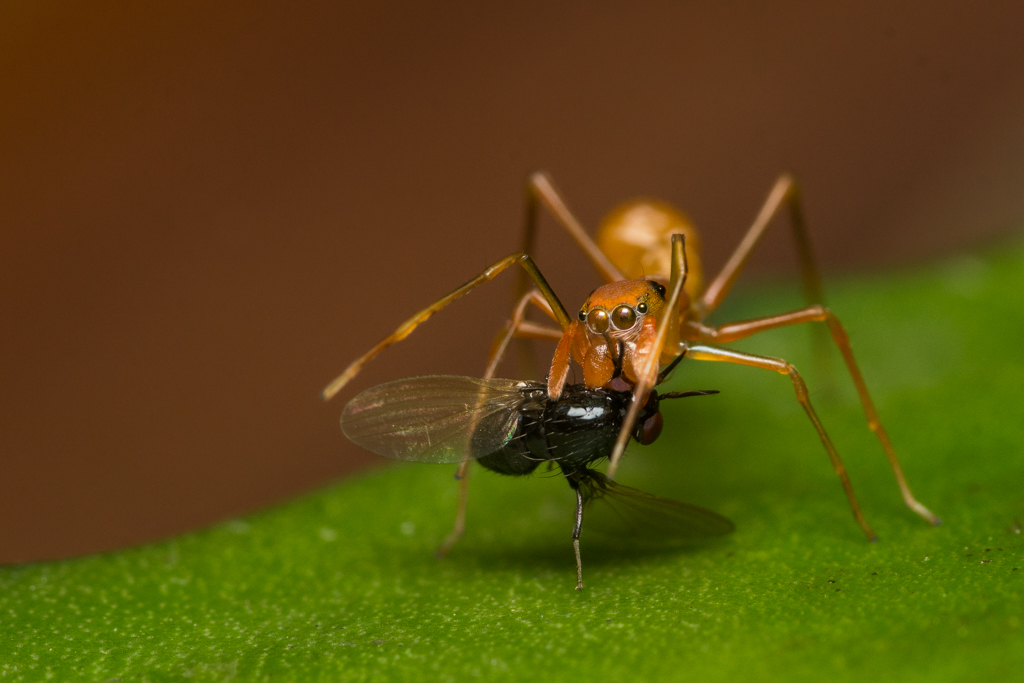
Such a lovely image from cell phone. Agree with Dick's comment on quality of cell phones these days and that too the frequency at which they upgrade the new technology. I liked all 3 compositions above. How I wish the ant had turned a bit towards the camera :) |
Sep 23rd |
| 6 |
Sep 19 |
Comment |
As always, mastery upon flower clicks is showing up apparent. Sharpness, Vibrance, Saturation, everything is just perfect. 2 points to kinder my thoughts... would it improve by rotating a little anti-clockwise? and would I still get a similar result using a smaller f stop & faster SS? (thinking from handheld click perspective) |
Sep 23rd |
| 6 |
Sep 19 |
Comment |
Super soothing colors yet vibrant enough to appreciate Janet. I think the main two weed strips leading to an infinity loop is looking good. Overall good image. Worth printing to appreciate the colors I would say. |
Sep 23rd |
| 6 |
Sep 19 |
Comment |
I liked the composition overall Stuart. Especially the edit by Tom to enhance the subject. I see a bit of lack of sharpness. Wondering if it's because of 1/40SS. May be a smaller f stop might have helped getting upto 1/100 IMO. |
Sep 23rd |
| 6 |
Sep 19 |
Comment |
I liked the composition overall Stuart. Especially the edit by Tom to enhance the subject. I see a bit of lack of sharpness. Wondering if it's because of 1/40SS. May be a smaller f stop might have helped getting upto 1/100 IMO. |
Sep 23rd |
| 6 |
Sep 19 |
Comment |
Beautiful image Salvador. As they say "Less is More"... the use of less colors to show is playing very well. It is such a simple subject that you have made it so artsy and attractive. Wonder to try, vertical shot of this if there was a chance to make it stand with some support. This could make it look even more artistic IMO. |
Sep 23rd |
| 6 |
Sep 19 |
Comment |
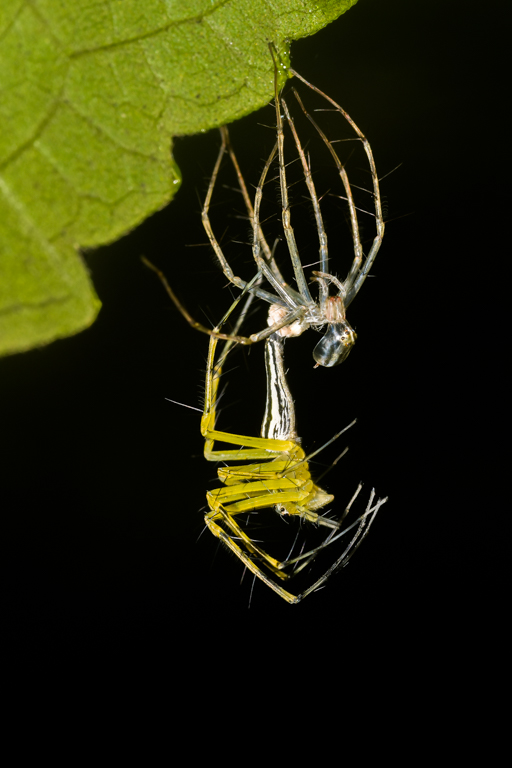
OMG! Without your original image or your explanation, it is very hard to relate to the actual subject as Tom mentioned above. I liked the color and the texture you have shown. Some clarity loss may be due to heavy cropping also. you may want to get a close-up shot as much while shooting itself so you don't lose the pixels. But I think you have already called out the next month's image might be even better. So, will save my curiosity to see the next image in Oct. :) |
Sep 23rd |
| 6 |
Sep 19 |
Reply |
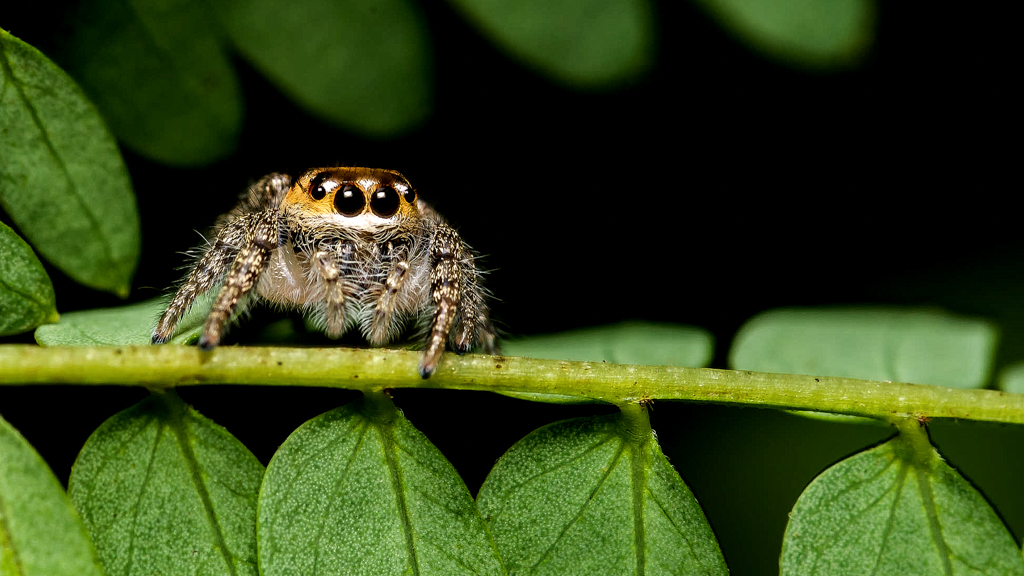
Sure Salvador. Looking forward to get hold of the lens soon... Yeah, mostly 8 eyes but there are Spiders with 6 eyes as well as I remember reading somewhere. |
Sep 23rd |
| 6 |
Sep 19 |
Reply |
Thanks Sandra. Appreciate it. It is the same reason to stick to such groups, share and learn things from other parts of the world. Certainly, will get hold of the DoF in upcoming shoots |
Sep 23rd |
| 6 |
Sep 19 |
Reply |
Thanks Dick. Will consider removing the bottom portion of the leaf. :) |
Sep 23rd |
| 6 |
Sep 19 |
Reply |
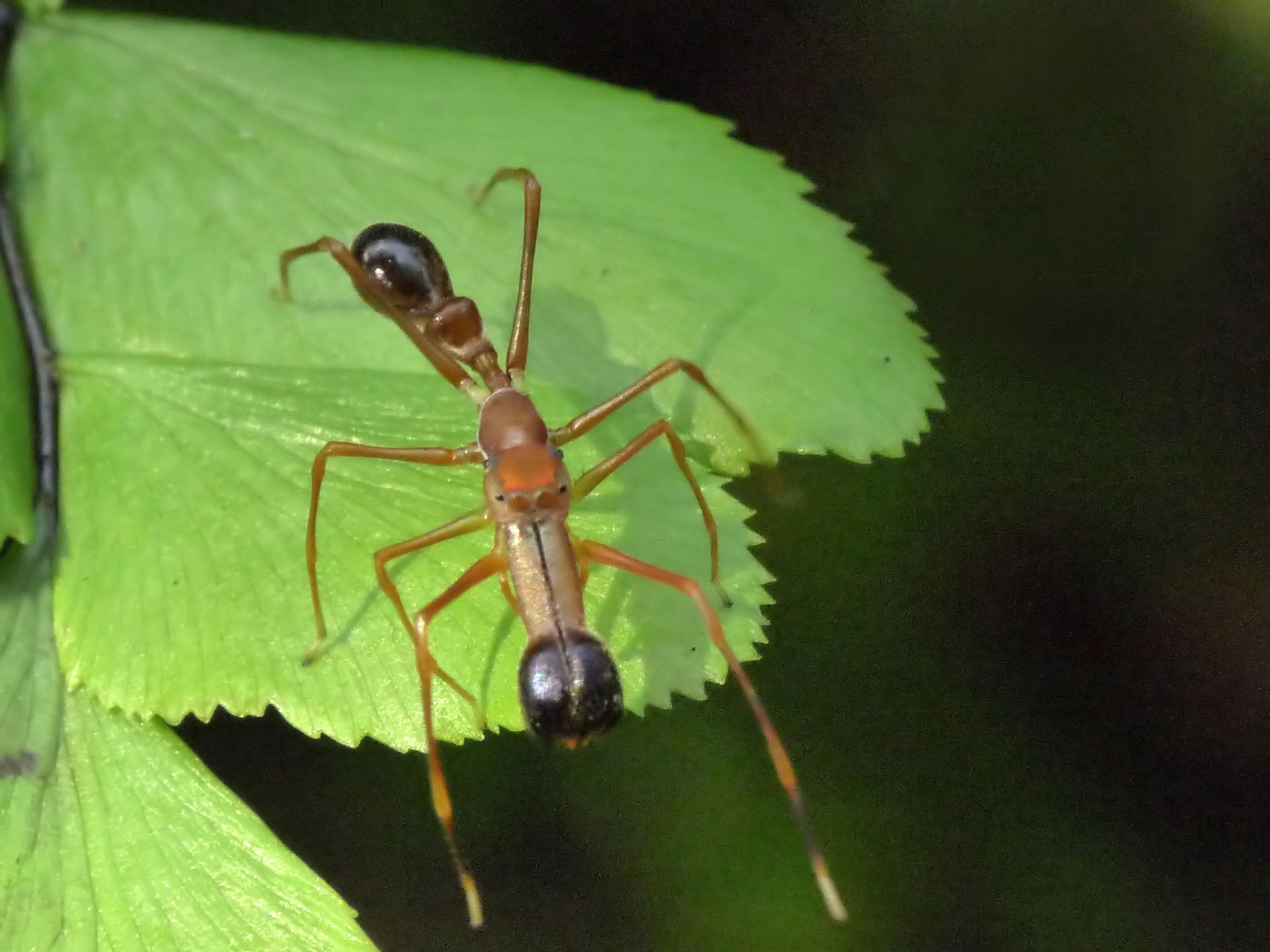
Thanks Tom. The protruding parts are called Chelicerae.
Info from Wiki if it benefits " Myrmarachne plataleoides. Kerengga Ant-like Jumper, is a jumping spider that mimics the Kerengga or weaver ant (Oecophylla smaragdina) in morphology and behaviour. This species is found in India, Sri Lanka, China and many parts of Southeast Asia. They, especially the females, mimic the Weaver Ants in size, shape and colour. The body of the M. plataleoides appears like an ant, which has three body segments and six legs, by having constrictions on the cephalothorax and abdomen. This creates the illusion of having a distinct head, thorax and gaster of the weaver ant, complete with a long and slender waist. The large compound eyes of the weaver ant are mimicked by two black patches on the head. The males resemble a larger ant carrying a smaller one. These spiders live in trees and bushes where the weaver ants live in colonies. By mimicking the ants they are able to stay close to them and gain protection from predators. Since weaver ants have a painful bite and also taste bad, this strategy appears to be successful. Though these spiders mimic the weaver ants very well, they are known to stay away from them. They weave a thin web on leaves, hide under their webbing and ambush their prey. They also mimic ant-like behaviour by the style of locomotion and by waving their front legs like antennae. These jumping-spiders jump only when their safety is threatened." |
Sep 23rd |
 |
7 comments - 4 replies for Group 6
|
| 67 |
Sep 19 |
Reply |
Larry, may be my brain is not able to read the way it is meant to be. Sorry about that. Can you help me understand your comment right please? Are you suggesting to leave the orientation as-is or agreeing to Michael's idea of flipping horizontally to face the bird direction to the right instead of left? |
Sep 24th |
| 67 |
Sep 19 |
Reply |
Wish you could get such click on the camera directly. This is much better composition-wise but I am sure you would have noticed the clarity loss due to heavy crop.
The other point one of my Seniors told me was not to oversize the bird beyond what it actually looks like (to avoid mis-representation I believe). Not sure if you all in the group vouch on this point too. |
Sep 24th |
| 67 |
Sep 19 |
Reply |
This is a good input Larry. Thanks! Will keep this in mind while selecting images for Salons (especially PSA salons). I assume the same would apply for mammals in Wildlife too...
|
Sep 24th |
| 67 |
Sep 19 |
Comment |
Just brilliant Larry. There is enough and more to appreciate about this post. Firstly, an extravaganza image to show the moonbow phenomenon. I was not aware of such thing existed till I saw this and read this. Secondly, your preparedness and going to the same place multiple times despite of the miles to put in. Thirdly, your explanation of the image and behind the scene effort that you invest. Fourth, you take that risk of going whatever time it takes during the wee hours. Fifth, the tips you give for some of us. The list goes on.....
But in all, on my first look with out reading your explanation, I thought this is a rainbow. But man, it all changes when we read through. Thanks for sharing! I will write to you separately on using the crop overlay in LR. want to know how to read/understand that feature to use it effectively. |
Sep 23rd |
| 67 |
Sep 19 |
Comment |
Wow! what a setup to admire & wish for... @Larry - Hahaha I would have definitely included lemon if I were to be on Richard's chair :-)
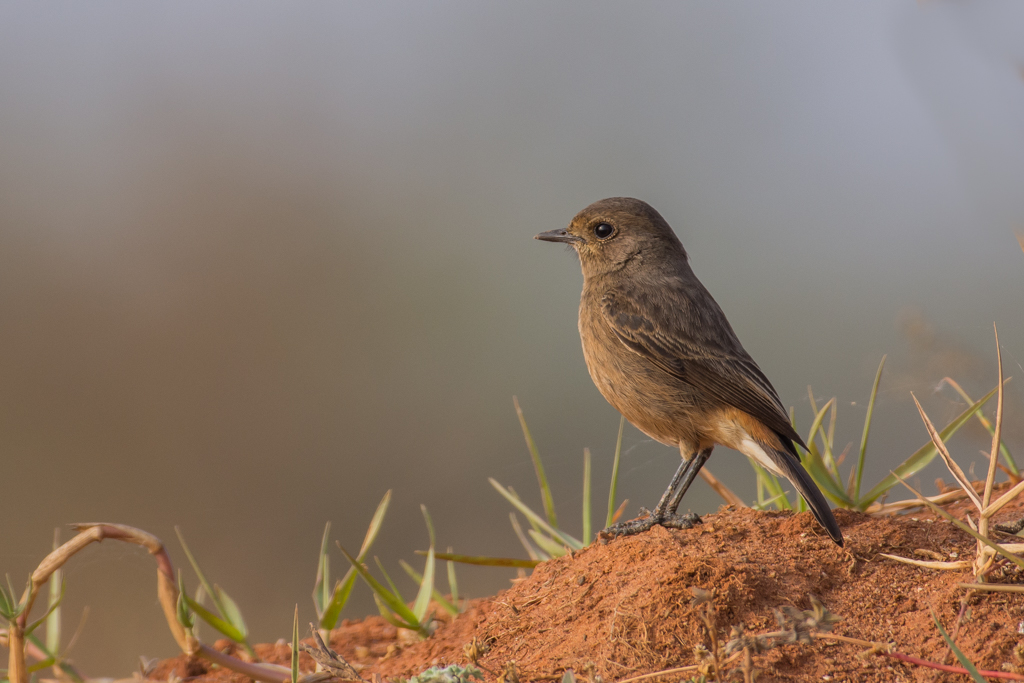
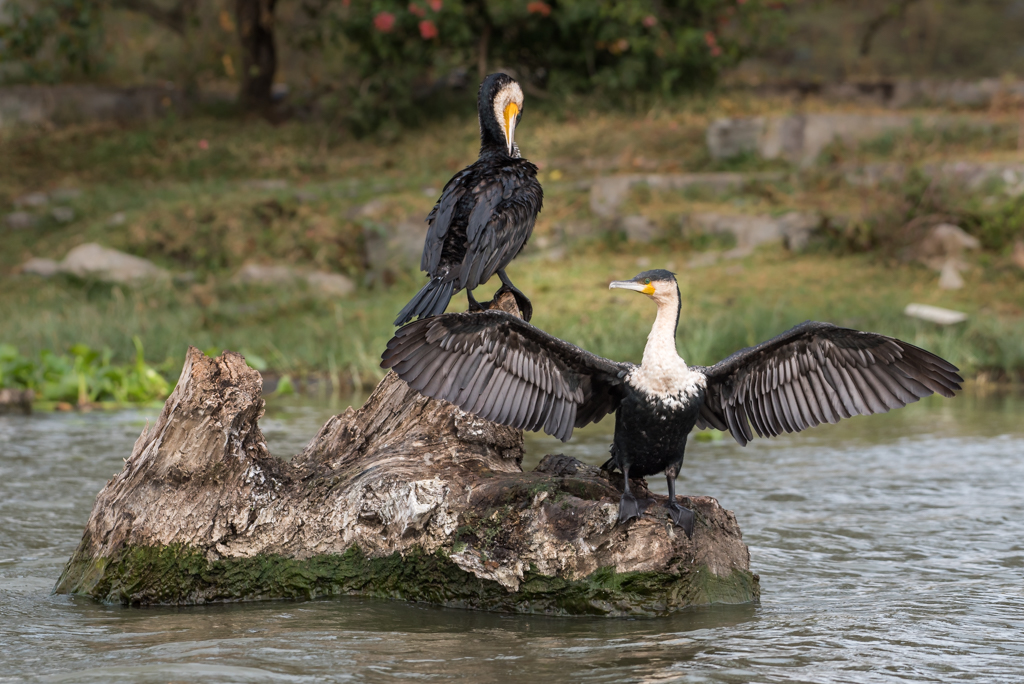
I agree with Larry about the pink/red on the extreme left to be a distraction. Overall with all the clutter around, you have managed to get the viewer's eyes to the bird. That is really great! The bird looks very similar to a bird called "Great Tit" here. |
Sep 23rd |
| 67 |
Sep 19 |
Comment |
Superb image and showing up of the clouds drama Wayne. The cloud formation always fascinates me. I liked both color & B&W versions. However, the clouds could have been softer and deeper on dark side IMO. |
Sep 23rd |
| 67 |
Sep 19 |
Comment |
Beautiful choice of framing this furry beast Todd. I always associated Siberian Husks with Wolves and they look so close to each other. Siberian husk being my favorite, I will probably try this kind of a shot sometime in any of the Kennels here if I get a chance. :)
I like Larry's version too which gives more prominence to Eyes and Nose along with split lighting feel of portrait genre. |
Sep 23rd |
| 67 |
Sep 19 |
Comment |
IMO, the post processing is too good to bring out the details Michael. I would probably, keep the 16:9 crop ratio for this image and place the bird on the right 1/3rd grid and still keep the sun-lit leaves on the extreme left. Those leaves on the left gives a beautiful bokeh effect which most of the Portrait photographer wish to achieve. However, as Larry mentioned the attention is drawn to that currently, for which, a little burning or lowering exposure might help stay on the bird and then follow it's direction to see the bokeh. Overall, lovely image and details |
Sep 23rd |
| 67 |
Sep 19 |
Reply |
Thanks Todd. I agree with you. It is always so different to click in a zoo vs. wild/natural habitat. Will look at cutting down some parts of the sky for sure. |
Sep 23rd |
| 67 |
Sep 19 |
Reply |
Thanks Michael. It was looking ok for me on my monitor but you may be right on the saturation part. I liked your view on framing in a hallway. |
Sep 23rd |
| 67 |
Sep 19 |
Reply |
I understand their coloration is based on the type of algae they feed on Larry. Not sure about Shrimps.
Certainly, will try the cropping of sky. No wonder why this image did not fly through in Salons as expected (may be due to the point you highlighted about the sky). Thanks for the feedback. |
Sep 23rd |
| 67 |
Sep 19 |
Reply |
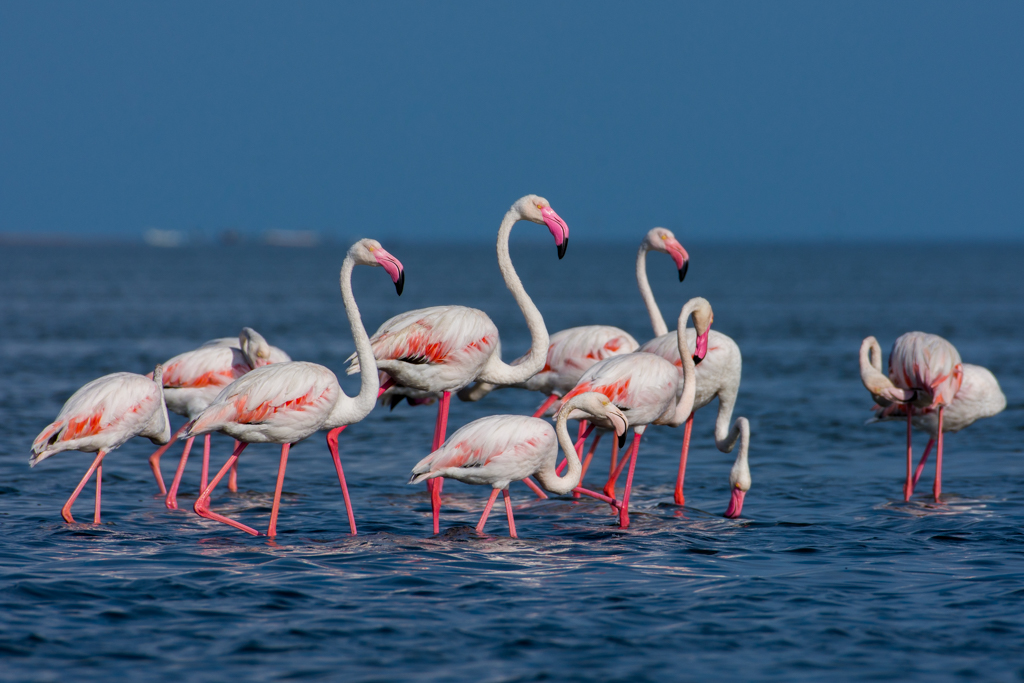
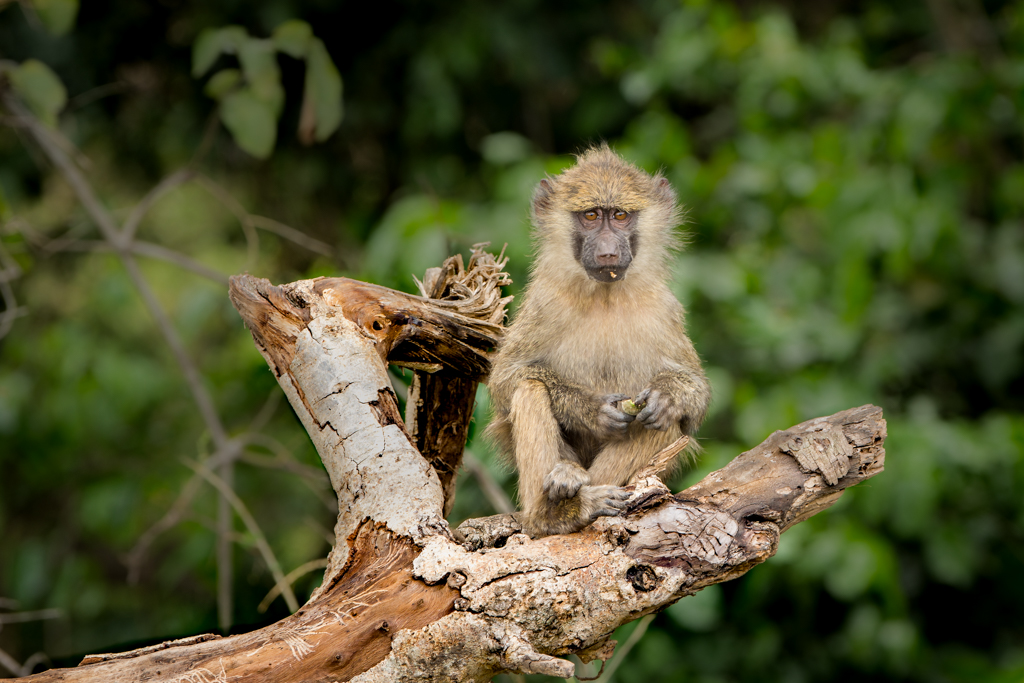
Thanks a lot Richard. Yes, that's a juvenile as I was told by the boatman/naturalist. |
Sep 23rd |
5 comments - 7 replies for Group 67
|
12 comments - 11 replies Total
|