|
| Group |
Round |
C/R |
Comment |
Date |
Image |
| 67 |
Mar 23 |
Reply |
Thanks Larry, I keep trying to learn even though I am well past the age of learning new tricks, they say. |
Mar 15th |
| 67 |
Mar 23 |
Reply |
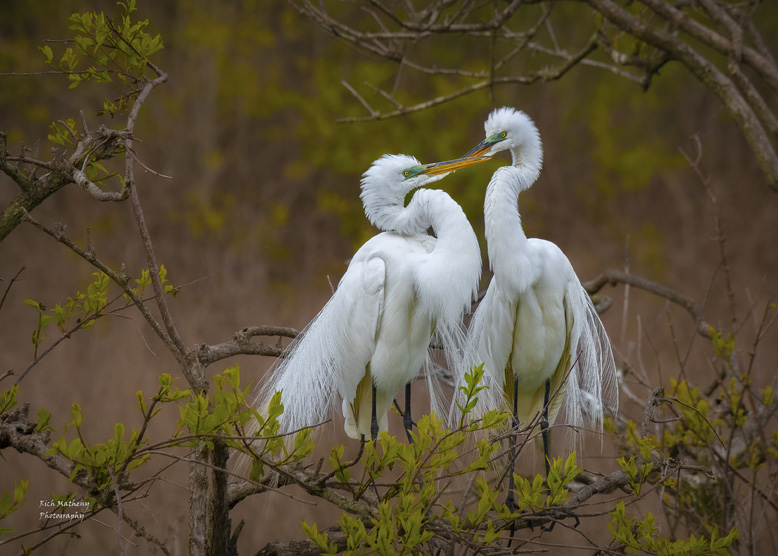
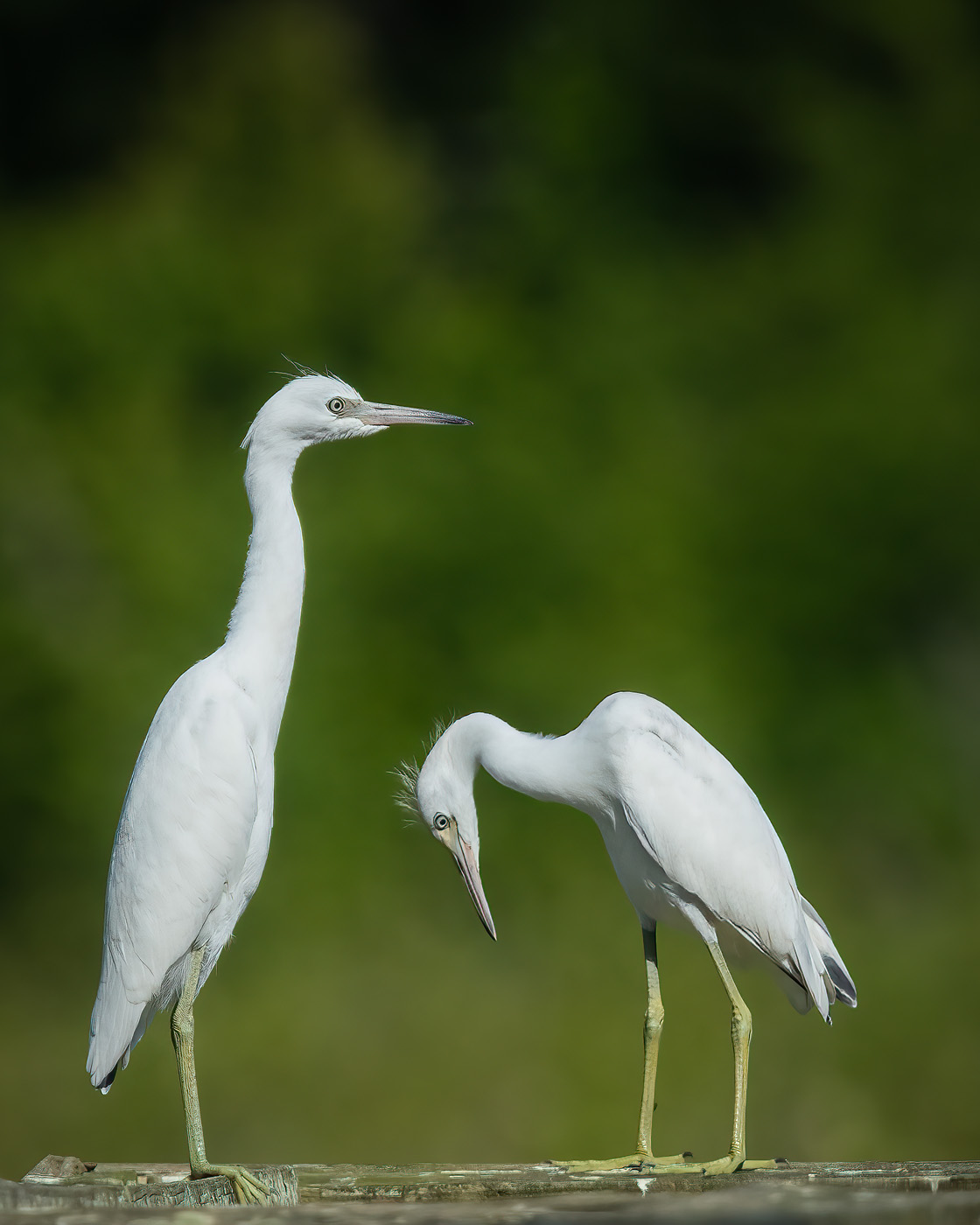
Thanks, Larry, for the comments. There was not much railing to work with that the birds were setting on and what there was not very pleasing to me. As for adding the exposure compensation, I am working on trying to remember all the tricks on white birds. I do try and read something in the image that will help with the neutral gray. I don't always succeed at that.
|
Mar 11th |
| 67 |
Mar 23 |
Reply |
I have both of those lenes and like both. The 300 I think is sharper but the 200-500 is very good as well. I often use the 1to4 converter with the 300 on the D500 Crop camera so that gives some extra reach. I lose a bit of light doing that but most of my wildlife shooting is done in good lighting so not too big of a deal. |
Mar 10th |
| 67 |
Mar 23 |
Reply |
I just came back from 3 days at the Carolina Nature Photographers Convention and there was a ton of talk about shooting wildlife with clean back grounds. It's a real issue when competing these days. |
Mar 9th |
| 67 |
Mar 23 |
Reply |
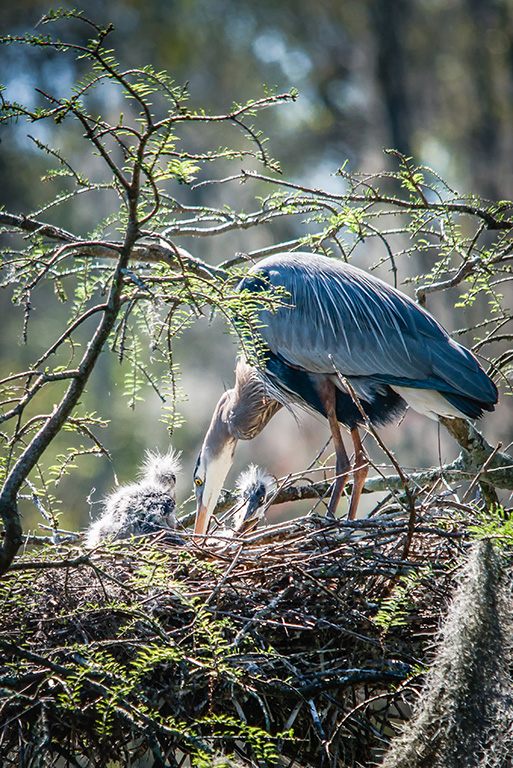
Thanks David. I do as much as I can trying to highlight detail in white birds. Choosing the correct exposure and balance. I use all the post processing tools and sometimes on these bright sunny days with these brand-new birds this is the best I can get. The guys were immature Little blue Herons and had never had their feathers ruffled before.
|
Mar 9th |
| 67 |
Mar 23 |
Reply |
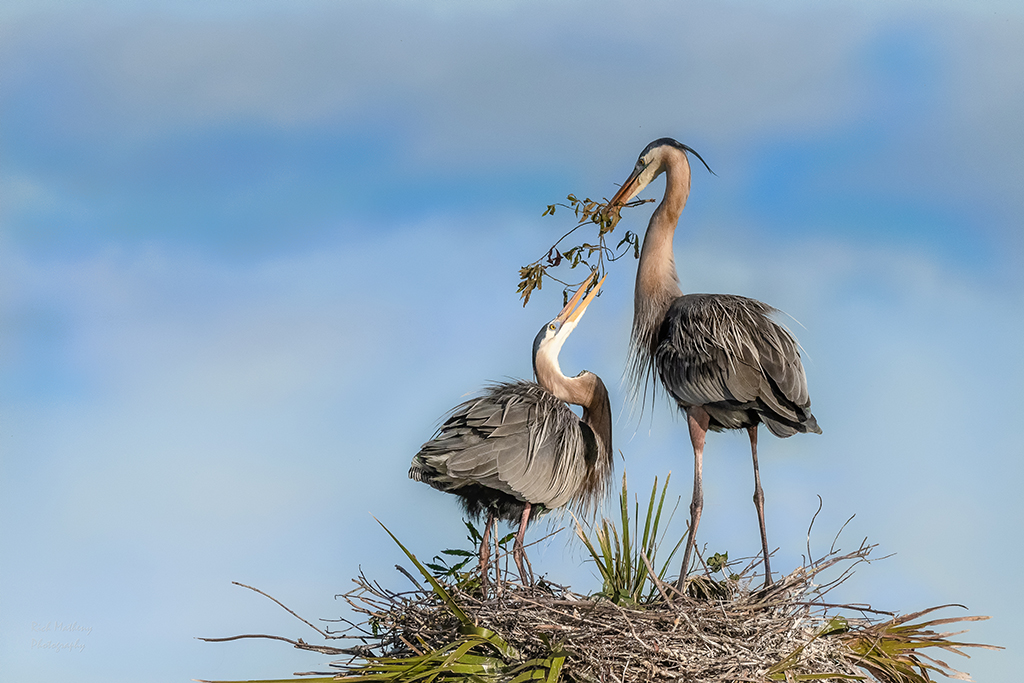
Thanks, Susan for the comment. I take it as a complement that folks take the time to study our images long enough to form a story about it. Your story is interesting but different than mine. The jester of a bow by the Heron on the right to the Heron on the left was what caught my eye. And then the Heron on the left displaying it's superiory with that nonresponsive stare completed my story. The background is a forest across the lake, so the distance is very far back from my subjects. I see we use the same tools. I shoot with a Nikon D500 or D800 and my favorite lens for birds is the 300mm PF. |
Mar 9th |
| 67 |
Mar 23 |
Comment |
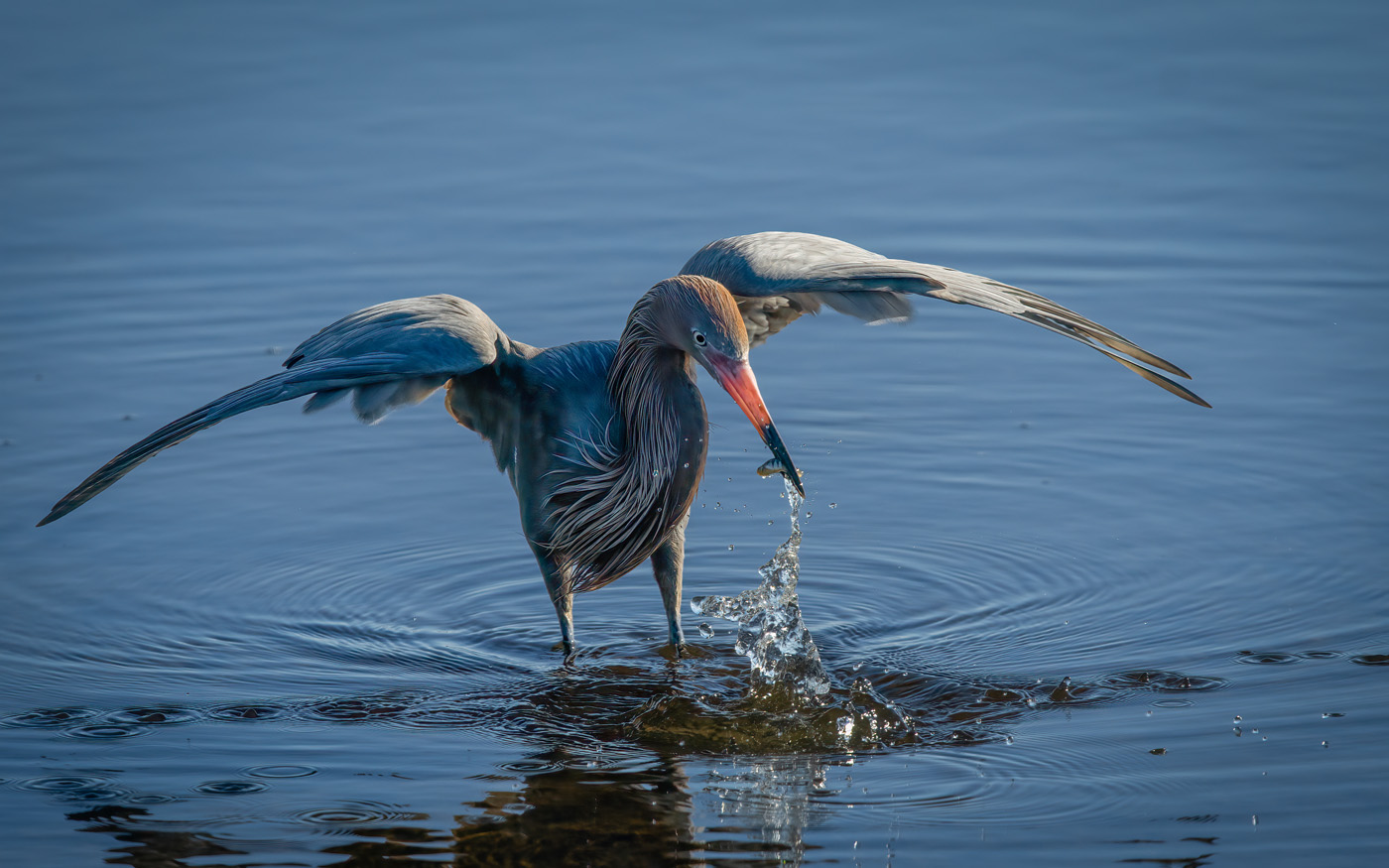
The National Geographic photographers say that to make a great photo you need good light, good composition and a moment. The Moment being the most difficult to capture. I think you have done that with number 2 original photo. The first is good as well but I think that the moment is best displayed with the head and neck of the Heron pulled and forced back under its body because of the action taken by the bird resulting resistance of the water. That I would consider a moment more that the first image. Just a great capture. |
Mar 9th |
| 67 |
Mar 23 |
Comment |
What a great image Cindy. I have tried this slow shutter speed without much success. I have never tried it with hummingbirds. My Hummingbirds shots are usually with extremely fast shutters and completely stop the action or at least try. Your set up with the tripod and focusing on the flower is the way to go. The blurred wings and tail are not a bother to me. What stands out is that you got the eye and head of the hummer tack sharp and with the eye glint. That is professional work, and you should be very proud of yourself. I know the flower had to be there but it is so big and so bright. Wonderful. |
Mar 9th |
| 67 |
Mar 23 |
Comment |
Beautiful spot David. I visit the Smoky Mountains a couple of times a year but don't recognize this stream. Your image is well done. I like you don't usually leave the shutter open
longer than a second or even less. I actually like the original image just as much. I do like that you cropped out the distracting tree limb in the left corner. The saturation of the greens works well. I may have left the rocks as they were and just darkened a few of them to help with the depth of the image. That is just an opinion. Darkening the rocks and the far bank do highlight the stream. I would love to work this area with the water coming in from a 90-degree angle to the larger stream is very interesting. I you want to share the location I would be grateful.
|
Mar 9th |
| 67 |
Mar 23 |
Comment |
Welcome to the group Susan. The Emerald Toucanet is a beautiful tropical bird. I remember seeing and trying to photograph them on my visit to Costa Rica several years ago. I was not very successful because I couldn't get very close at all. I think you have done well considering the challenges you spoke of. I remember the Rain. I agree the background is nice and clean but somewhat flat. May I suggest you use Topaz AI DeNiose to take care of the noise and it adds a little sharpening at the same time. I may have worked with the original and just removed that little green leaf on the left if you found it distracting. Great photo and I look forward to seeing more of your work. |
Mar 9th |
| 67 |
Mar 23 |
Comment |
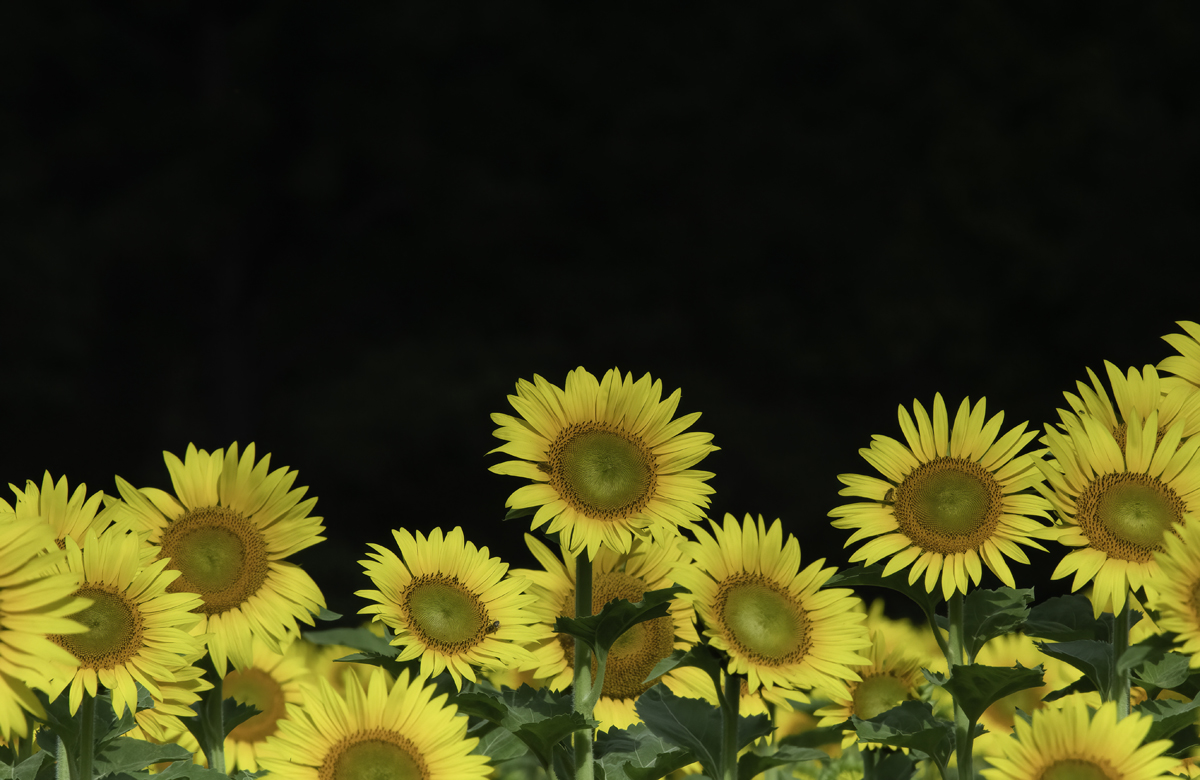
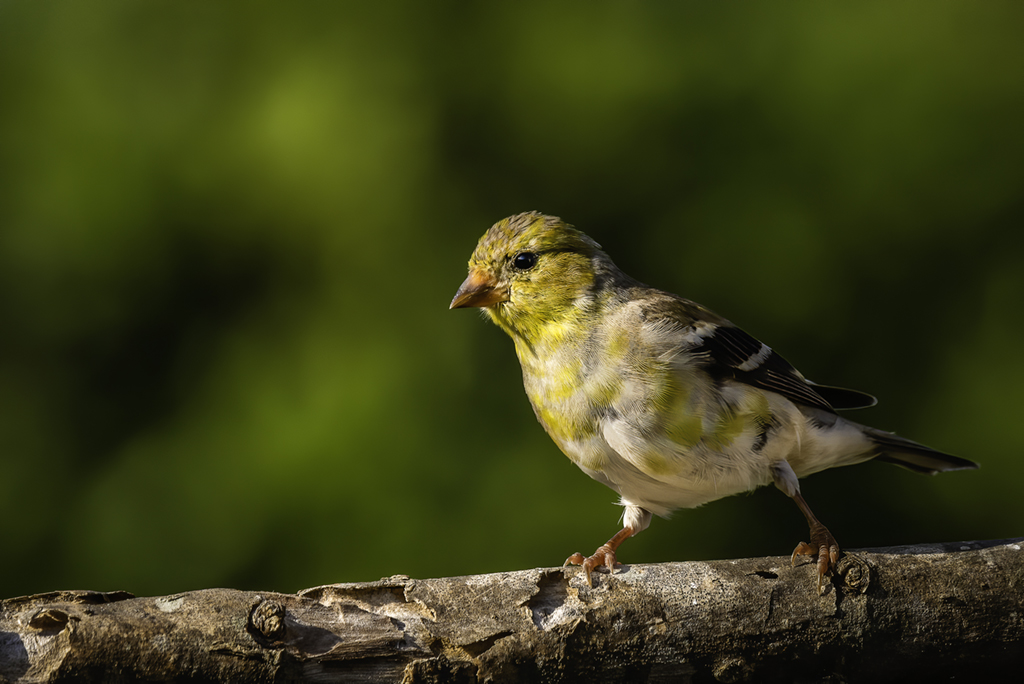
I like it, Michael. I understand about the dull color of these guys here in the south. I used to feed a lot of these Goldfinches up north and they were so colorful. I don't get a lot of them here on the coast but a few. They always come to the Sunflower Fields after the flowers have bloomed and have hung their heads turning a brown color. You know what I kind of like that story and even the dullness of the birds. Your image is sharp with a little motion in the wings and that makes it interesting. I don't know what your background was, so I assume it was not so good. You isolated the Finches very well. Good job. |
Mar 9th |
5 comments - 6 replies for Group 67
|
5 comments - 6 replies Total
|