|
| Group |
Round |
C/R |
Comment |
Date |
Image |
| 36 |
Aug 23 |
Reply |
Thanks Diane. I have often thought that when a photographer arrives on a scene, there are all sorts of elements right there in front of them. The real trick is to figure out how to make the best use of these elements to create a meaningful image. Sometimes just a little adjustment in camera angle, the height of a tripod or even adjusting the focal length of the zoom lens to include or exclude something will make all the difference in the final result. |
Aug 24th |
| 36 |
Aug 23 |
Reply |
Thanks for this information. I have not tried this approach--next opportunity, I'll give this a try. |
Aug 24th |
| 36 |
Aug 23 |
Comment |
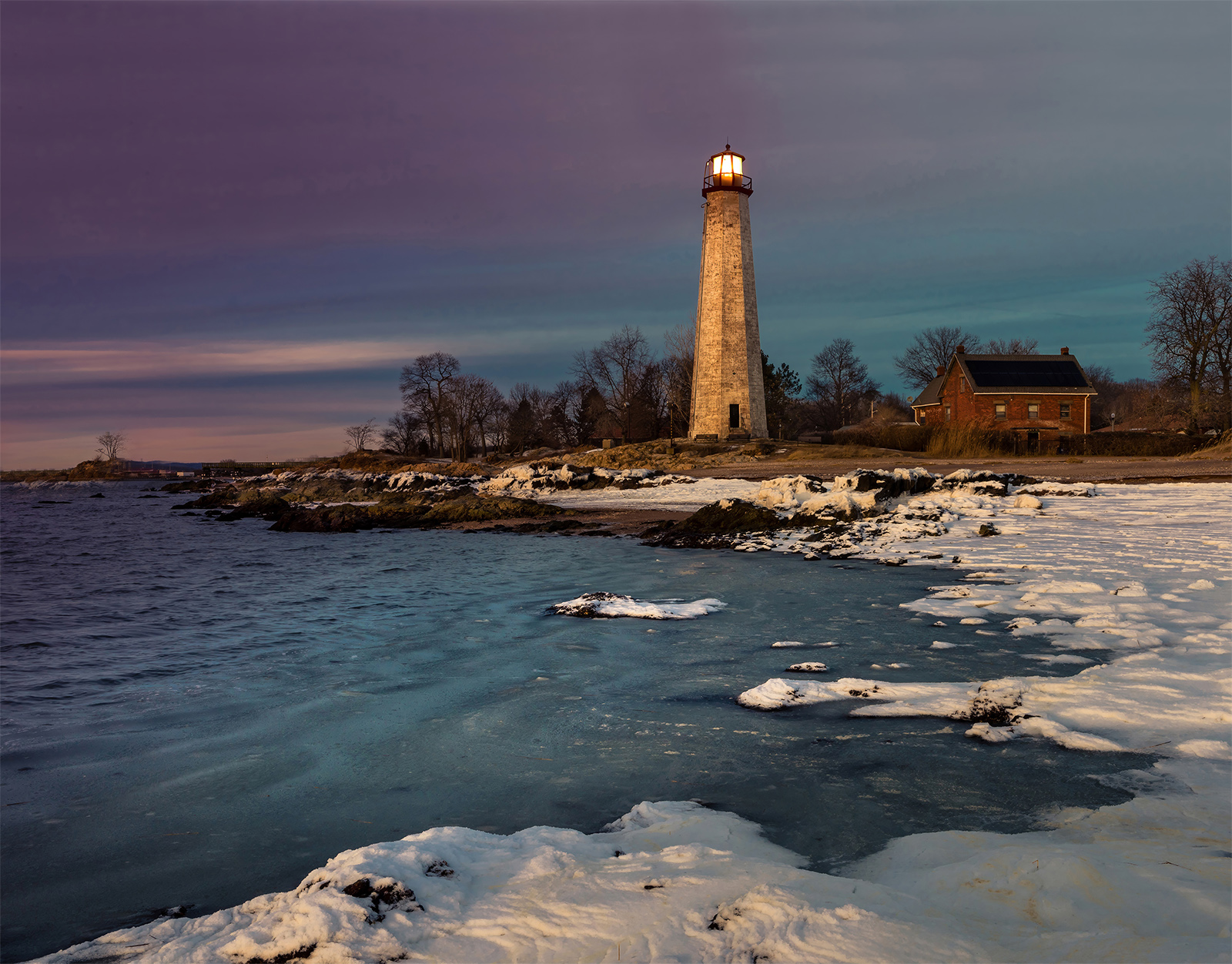
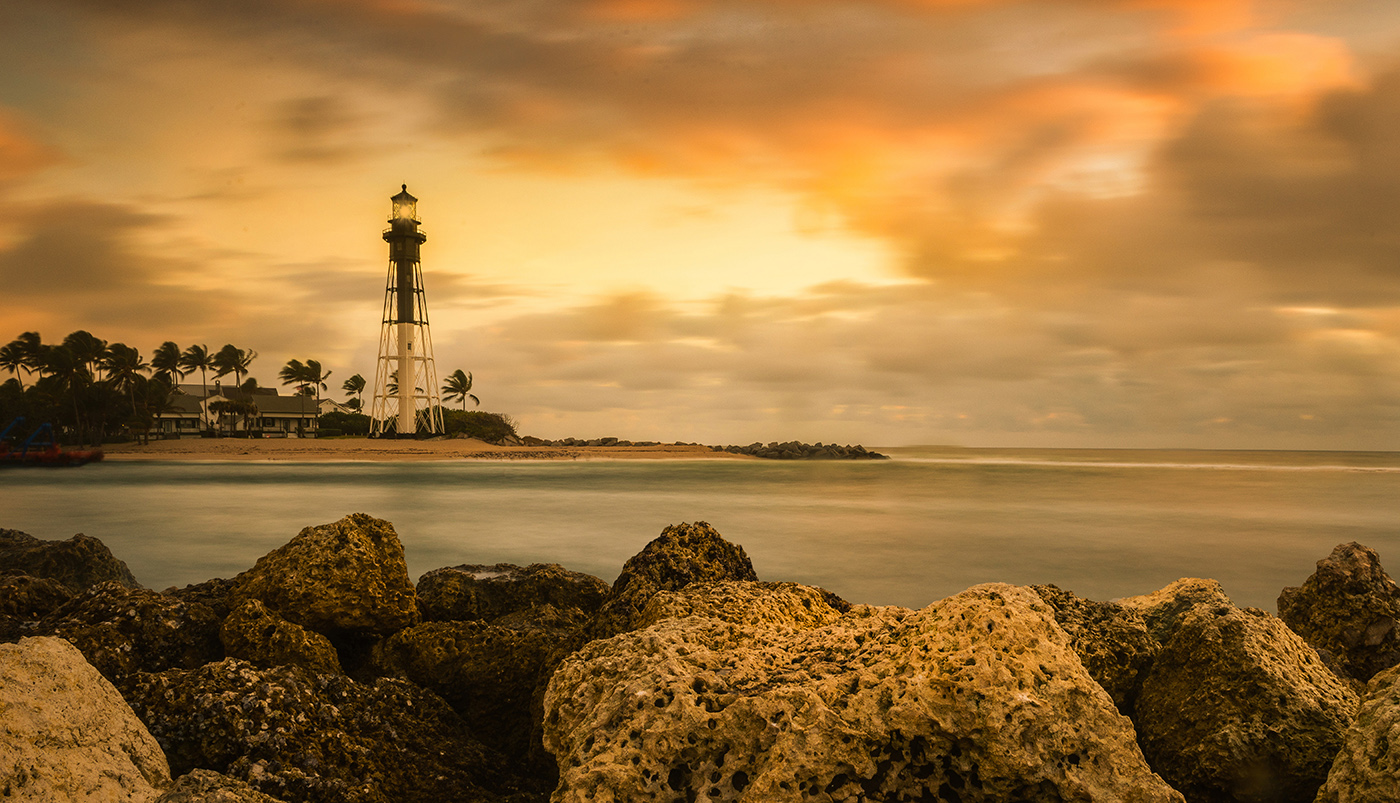
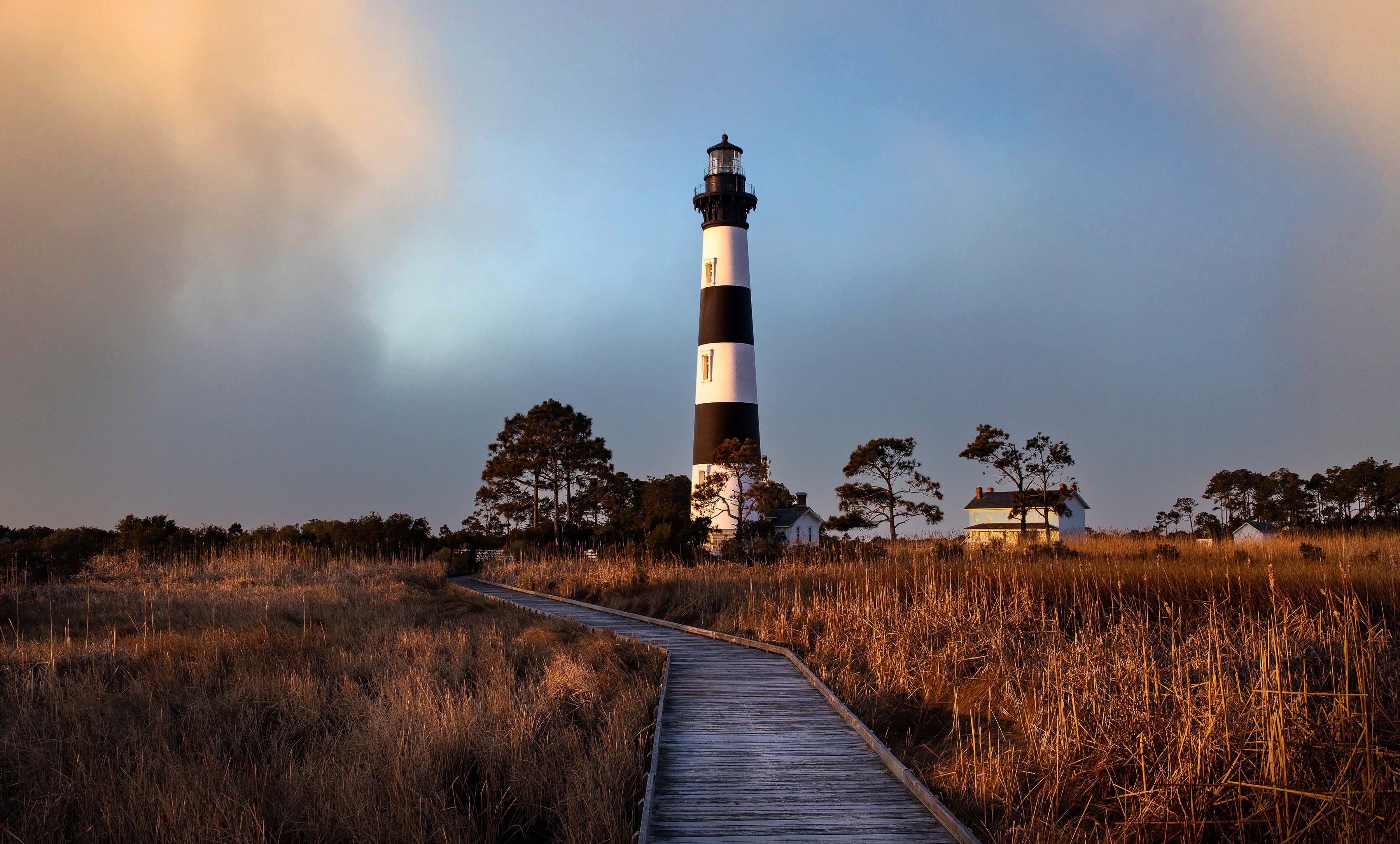
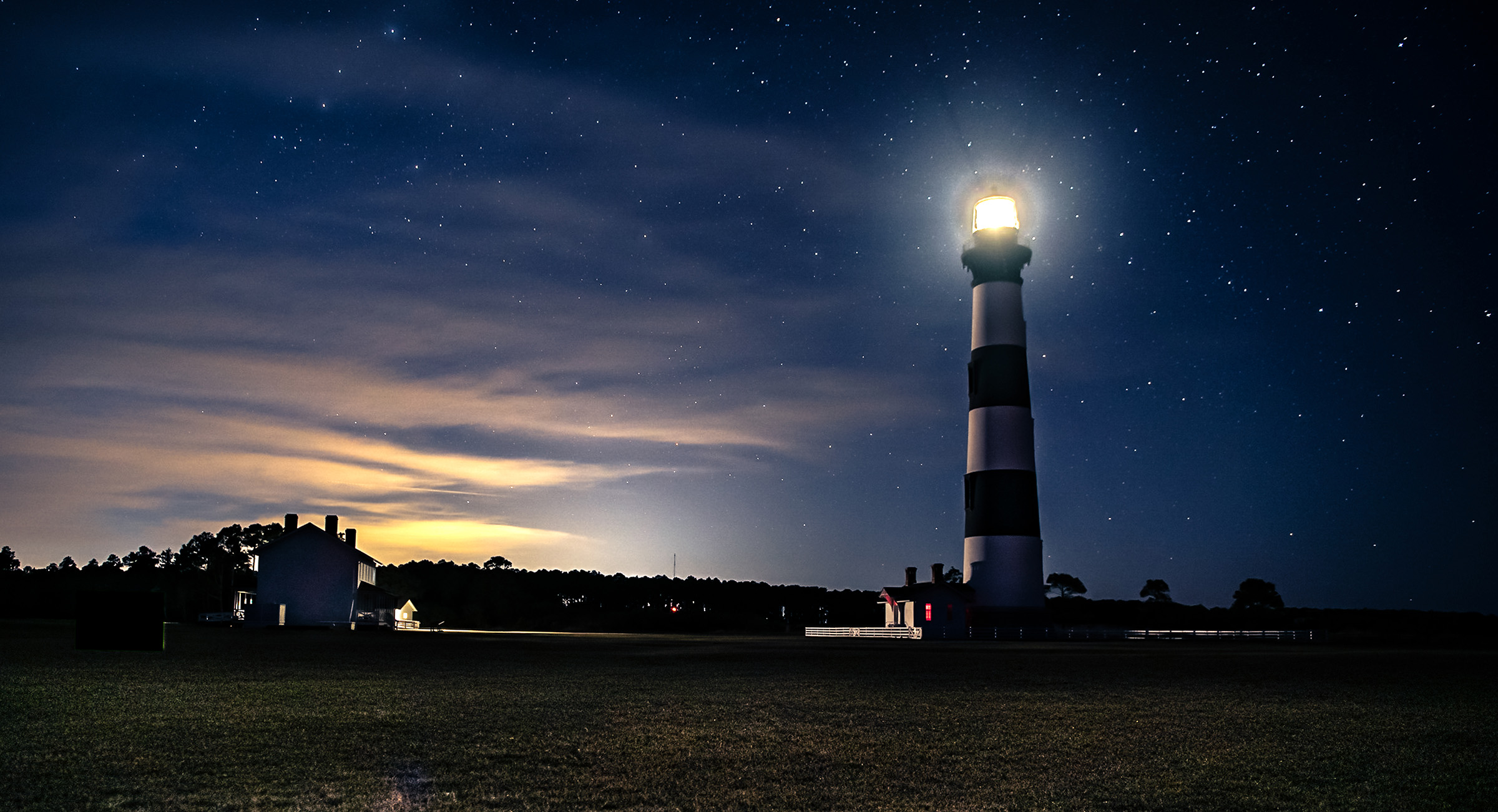
I don't mind the lack of bikes and lawn furniture. There is a niceleading line formed by the fence and also the angle of the trees as they slope toward the lighthouse. Probable just my monitor but to me it feels like the lighthouse is leaning to the right. |
Aug 13th |
| 36 |
Aug 23 |
Reply |
Thanks |
Aug 12th |
| 36 |
Aug 23 |
Reply |
Thanks Arne
I used to think I was pretty good at processing, then I saw you work and knew I had a long way to go. Every month I really study your images. Over time you have taught me a great deal and I'm grateful I think your guiding hand has played a role in this image.
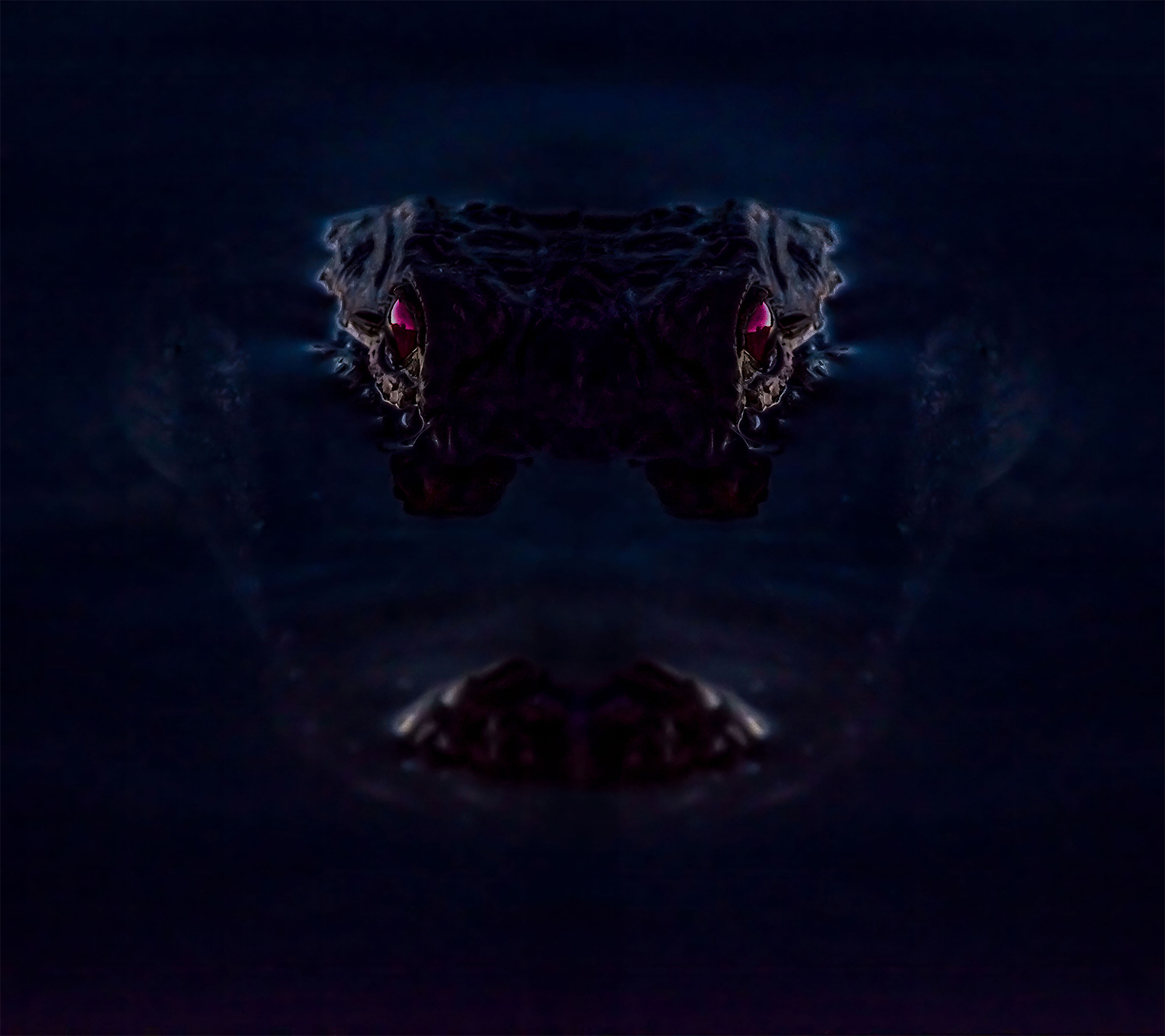
A parting note: I still fall asleep at night seeing your shot of the green monster rising out of the dark sea. An amazing shot by a master. |
Aug 12th |
| 36 |
Aug 23 |
Reply |
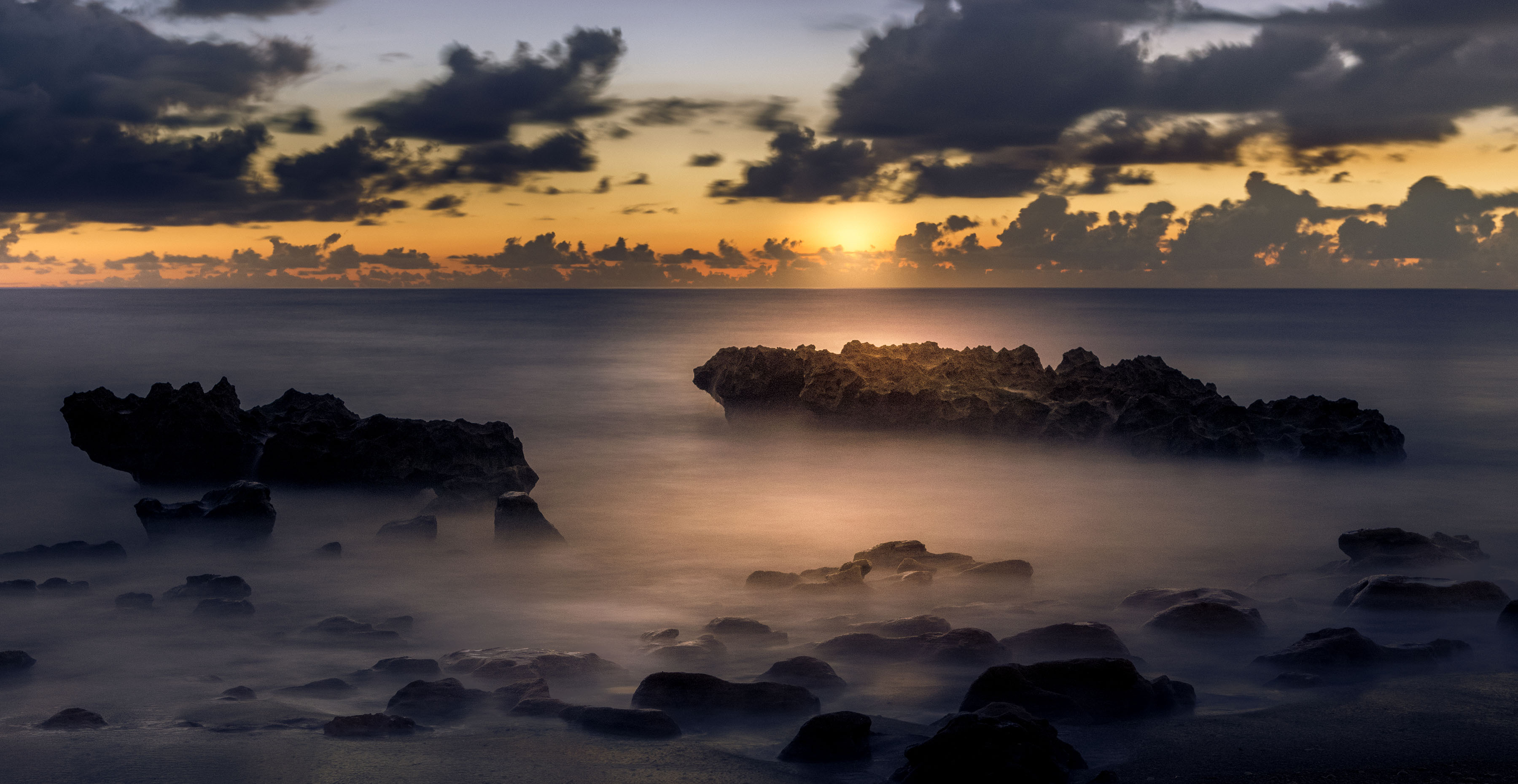
I agree about those early sunsets. I value my sleep! :-)
I'm really happy about the light, so subtle...
While shooting this I was hoping that the slushy icy water would look that way in the final image Just luck on my part.
Thanks |
Aug 12th |
| 36 |
Aug 23 |
Comment |
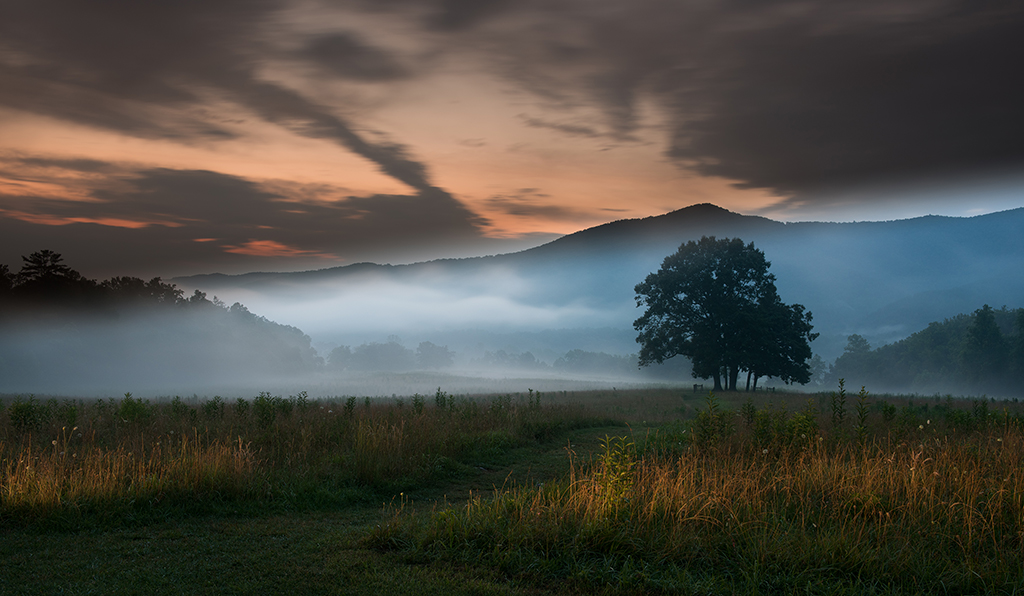
Well, it worked! The post processing you did came together quite nicely but the best part is that YOU created an image. Way to go, pushing that learning curve. It is be best way to learn so just keep on trying things.
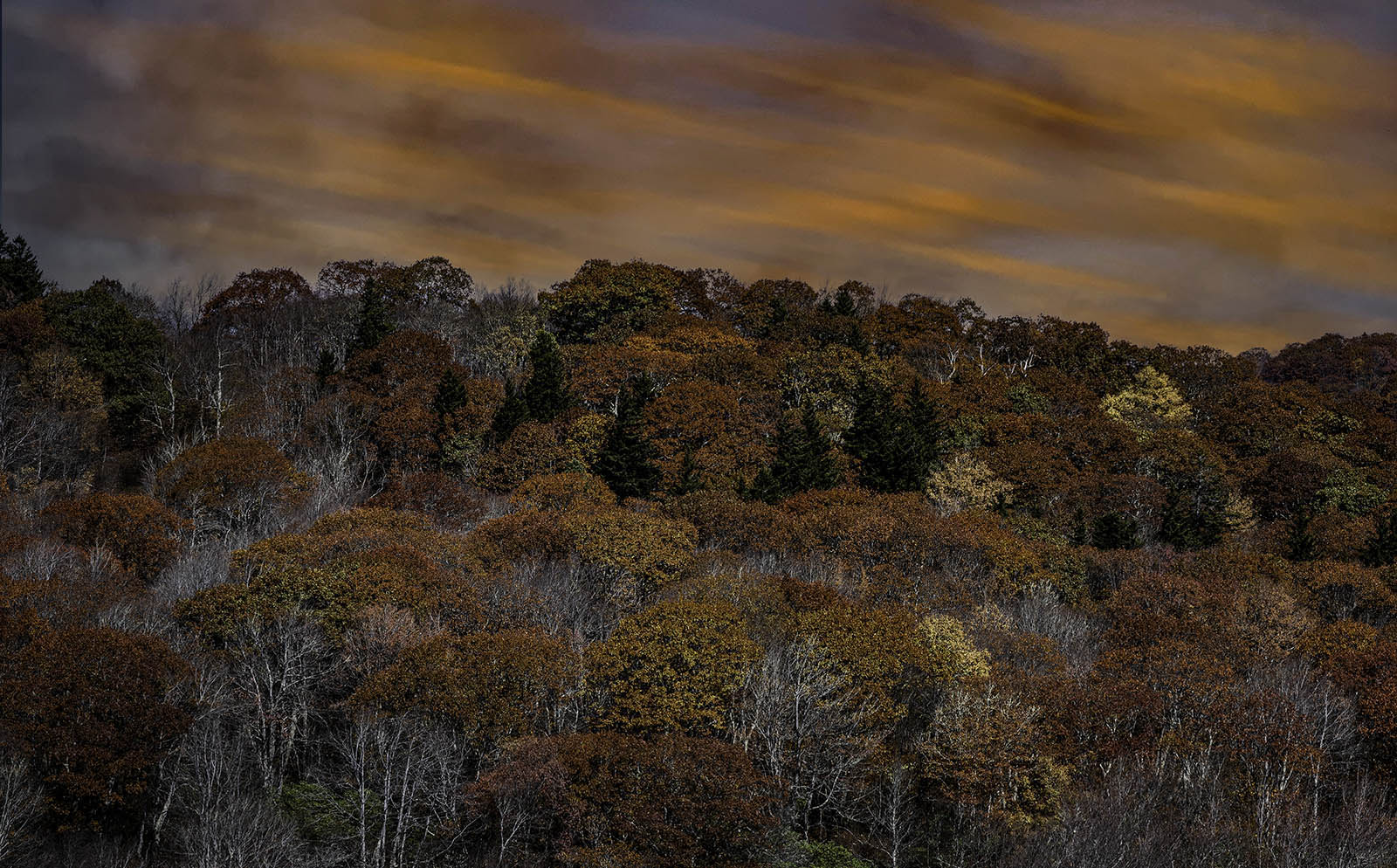
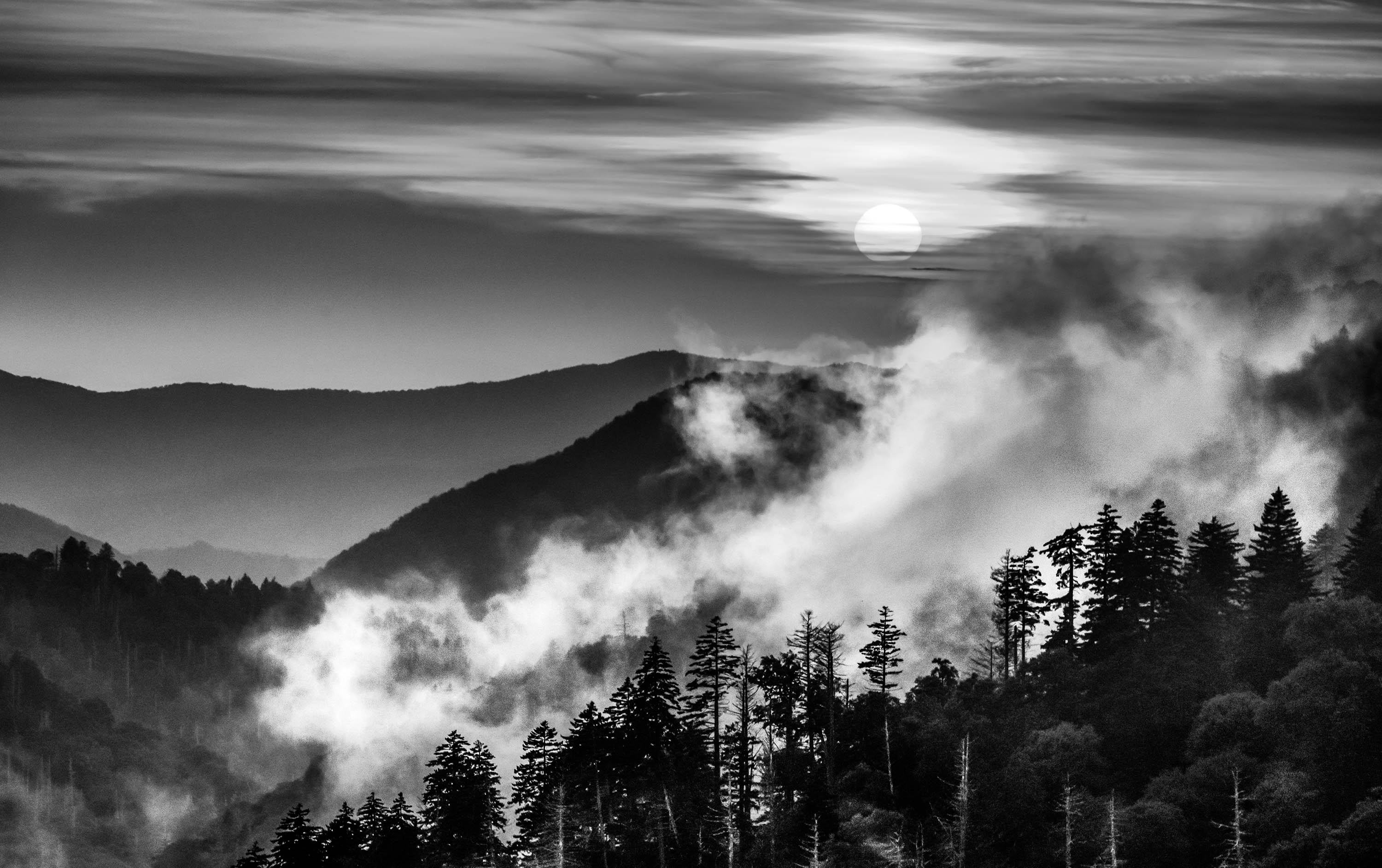
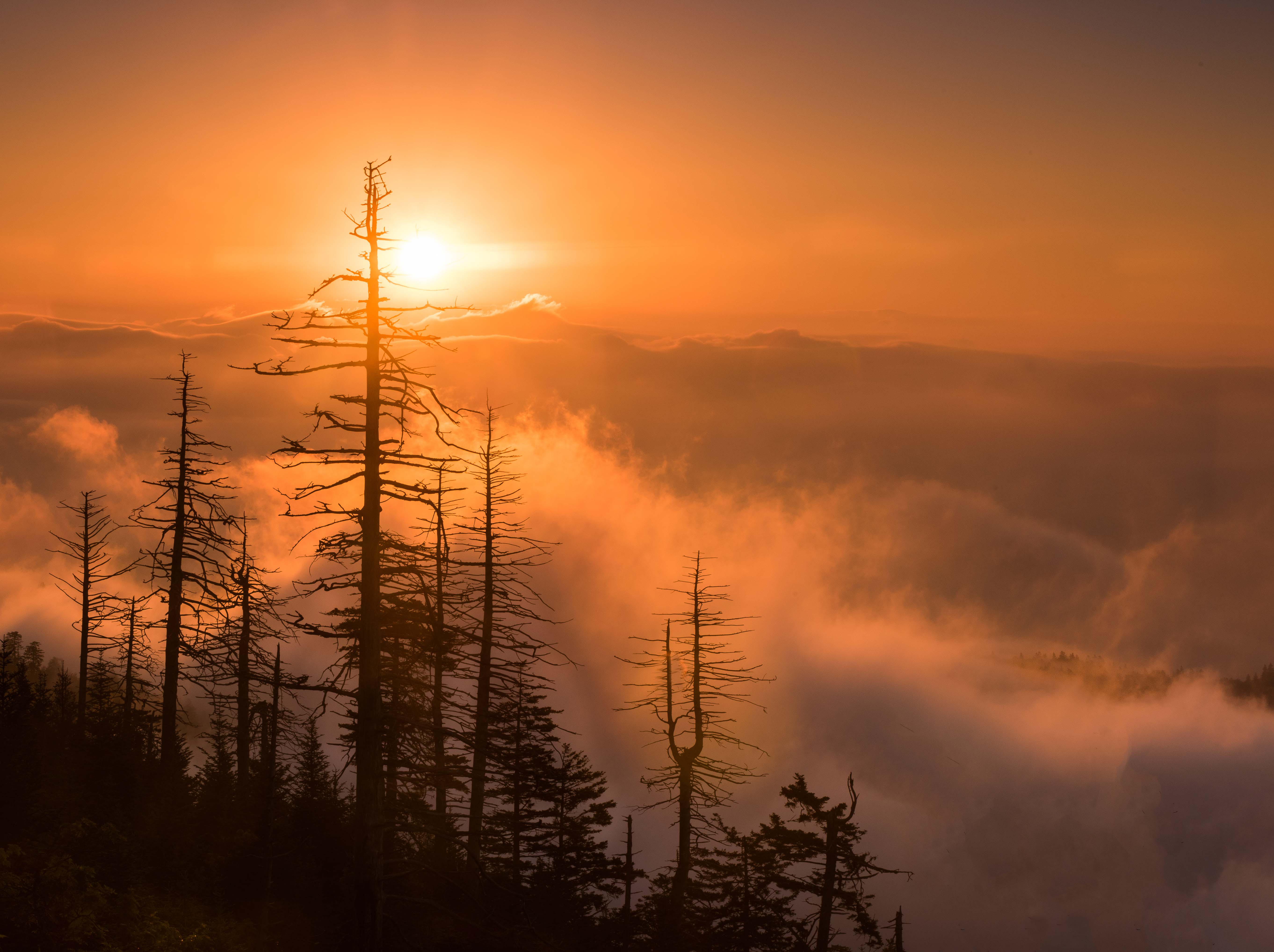
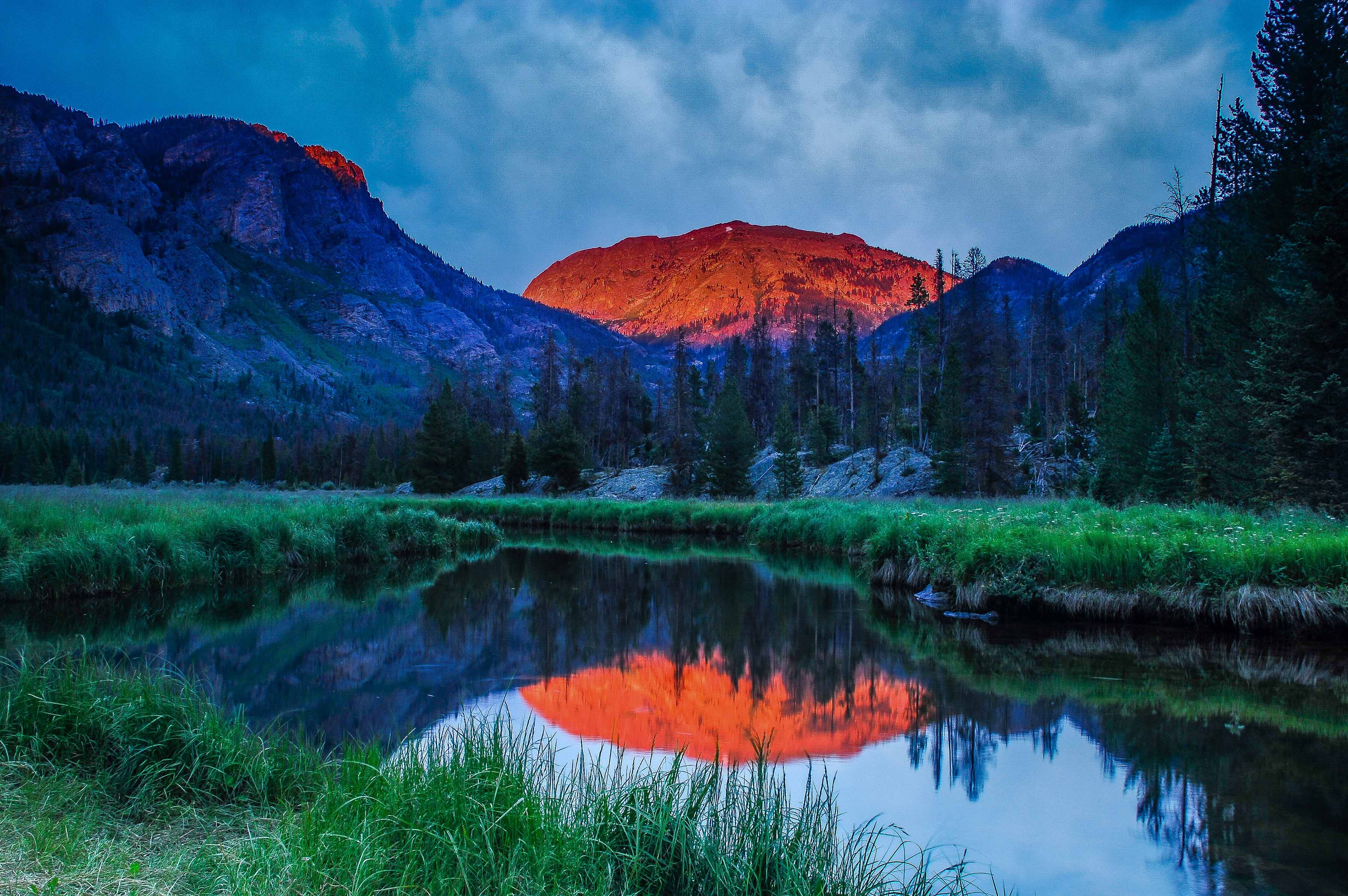
My only suggestions deal with composition. The orange/red sky is certainly an eye catcher and becasue it is bright, large created from an eye stopping color that is where the eye first goes and where it wants to stay. There is no amazing single detail in the sky (it is all the same) so I would suggest cropping off abut 1/2 of the red. That way you get to keep the sky but the crop will help bring the eye back to the mountains. You have a second bright area in the building at the bottom. They are interesting, but they are treated rather poorly squeezing them into that corner. They would look better if they were more centered, To late for now but something for the future.
Nicely seen and well thought out and processed. good work. |
Aug 9th |
| 36 |
Aug 23 |
Reply |
Forgot about that. It is a great idea. |
Aug 7th |
| 36 |
Aug 23 |
Reply |
You are so right about the gallery idea. I've been trying to picture how to group the series. Should they all be the same size or should one be the main center piece and be extra large and the others then grouped around it. May have to wait until next month to make the final decision. |
Aug 6th |
| 36 |
Aug 23 |
Reply |
Thanks Michael
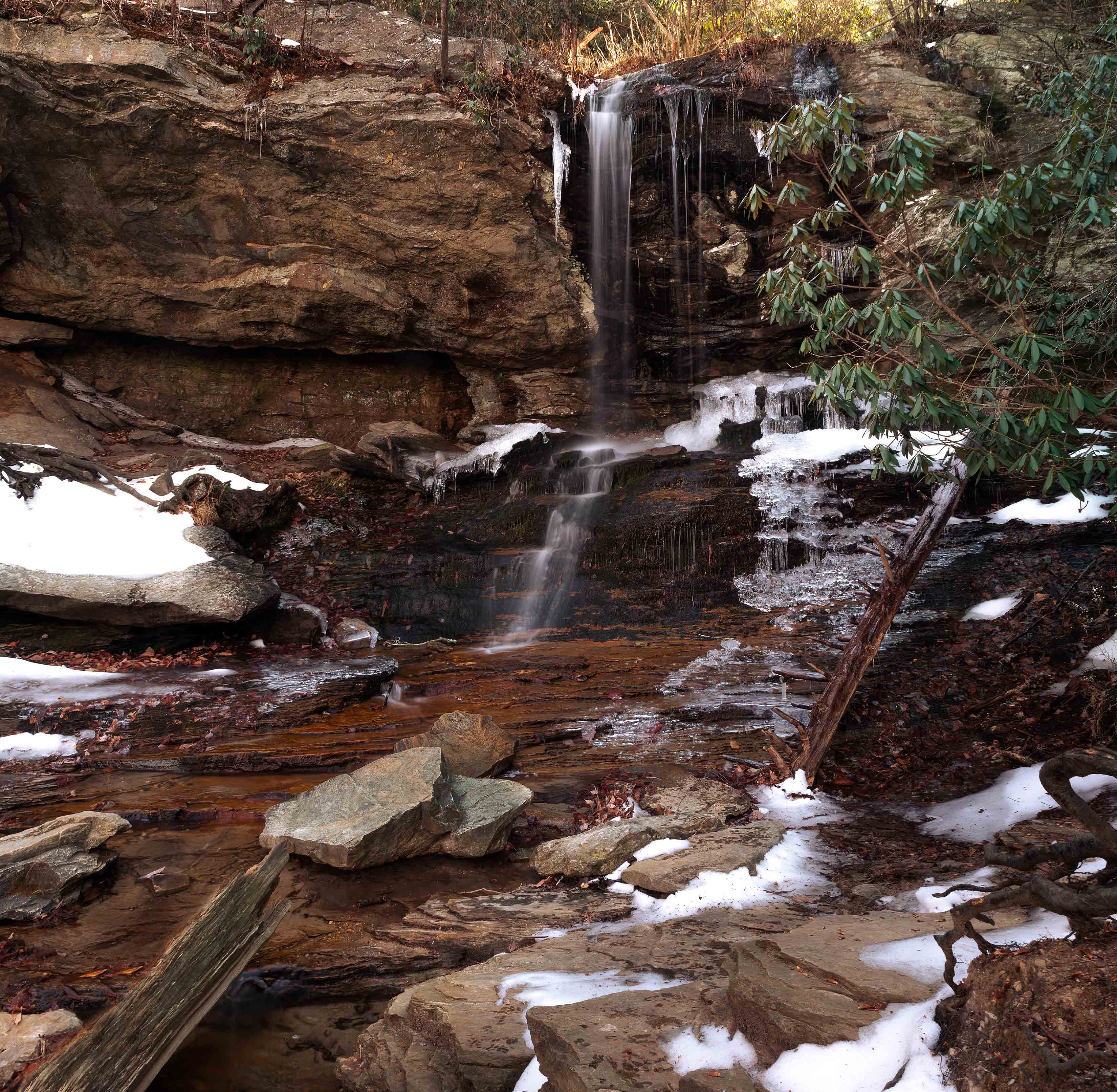
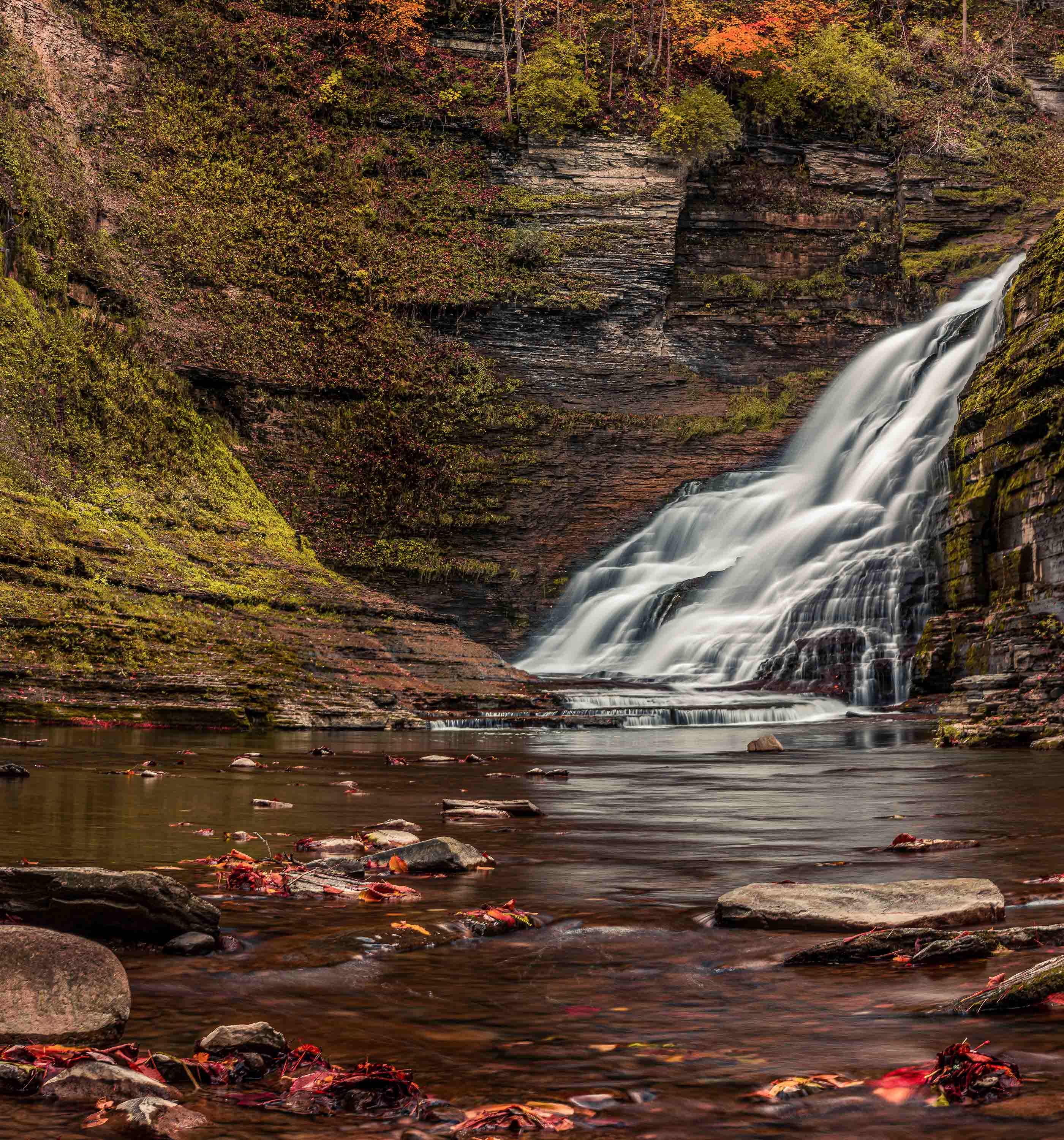
The water near the shore was an icy slush---Like a 7-11 Blue Shushy. |
Aug 6th |
| 36 |
Aug 23 |
Reply |
I figured that since you said you were in a boat you were likely fighting trying to get the tail to be separate and still see the hole in the rock.
But challenges are what make photography fun. :-) |
Aug 6th |
| 36 |
Aug 23 |
Comment |
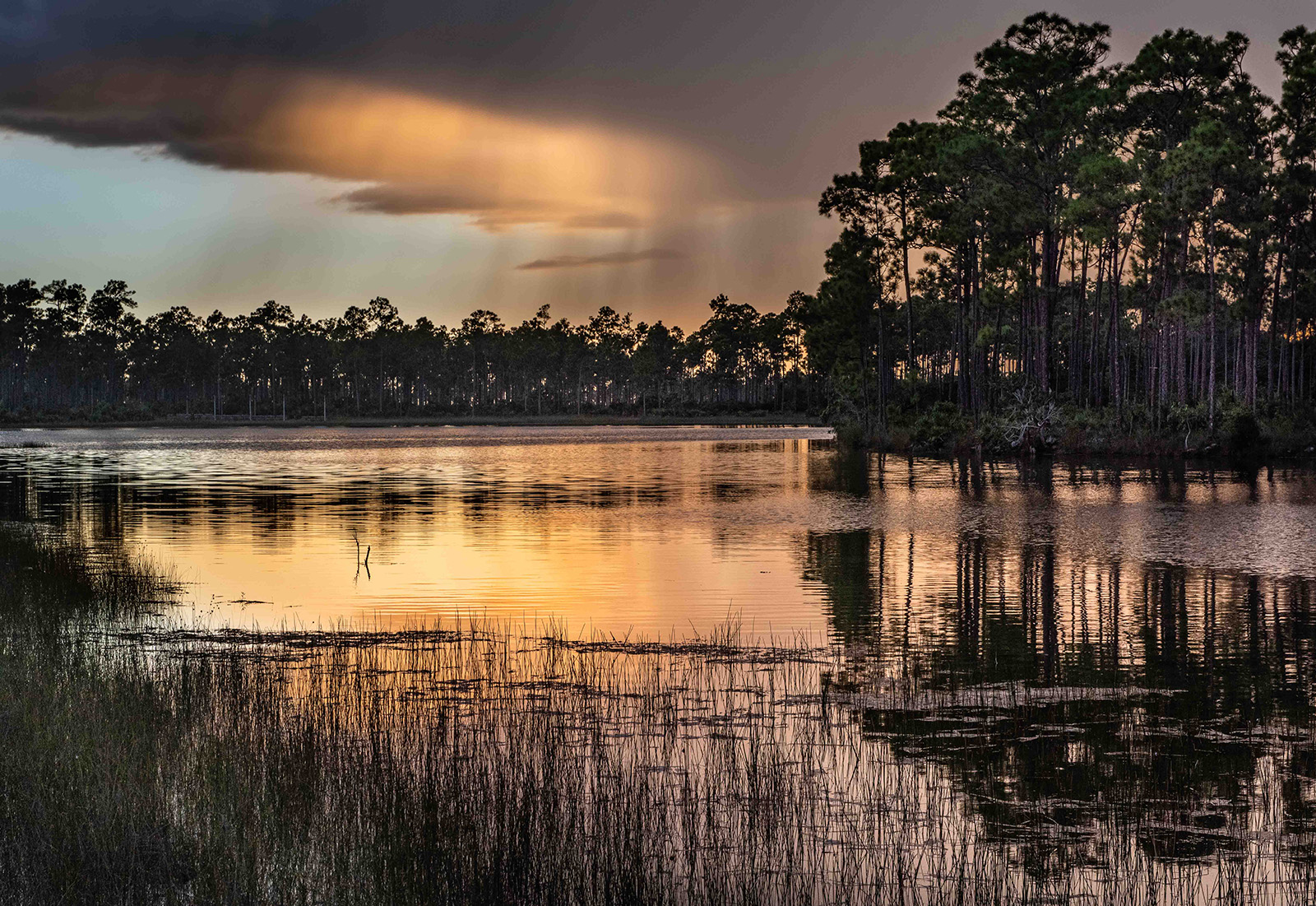
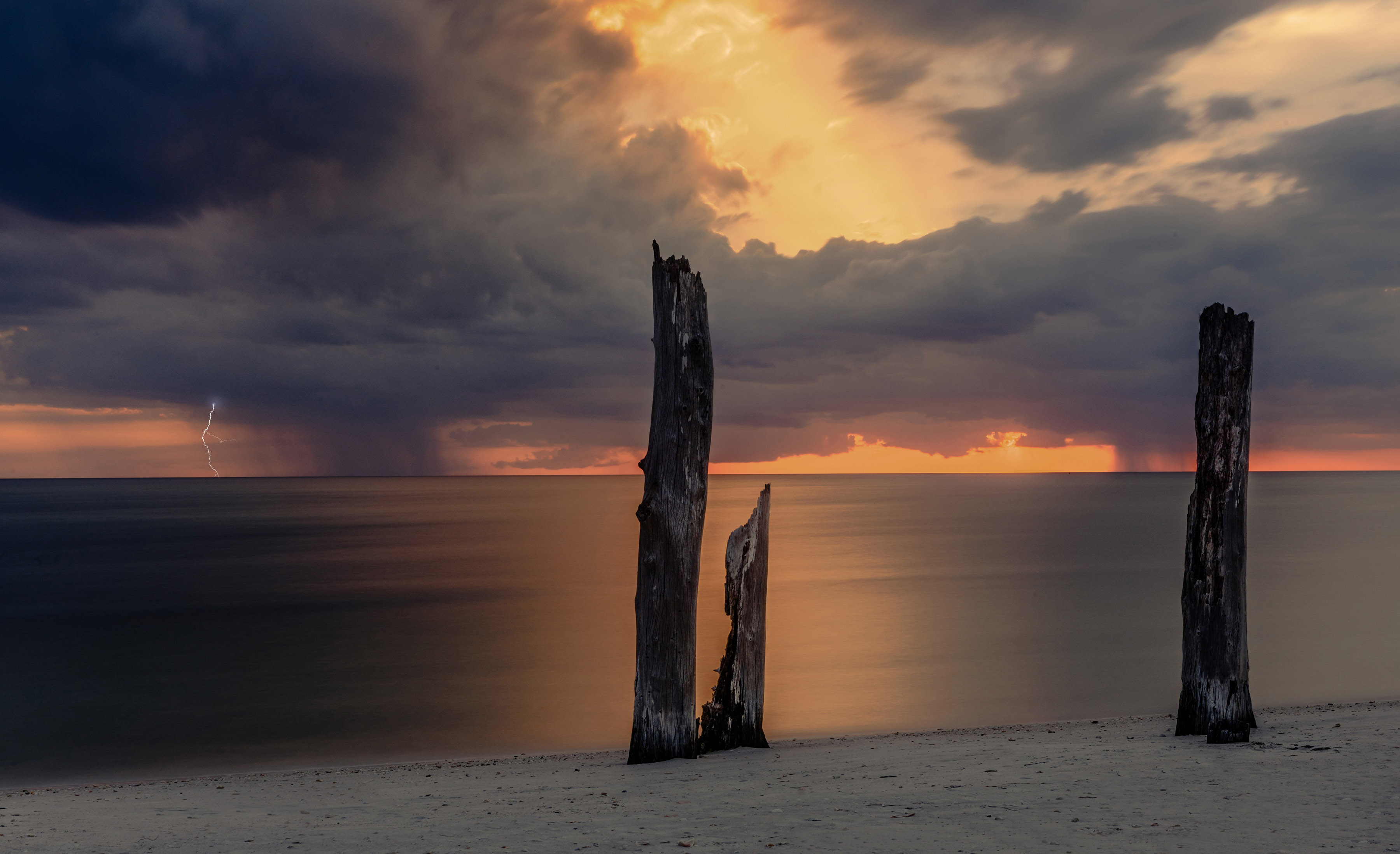
The flash in the sky and the ever so powerful leading line really set a lovely stage for this seashore scene. I also like the simple warming impact created by the orange tone. I think the colors work extremely well throughout this image. I like images where the photographer explicitly tell me where and how to look at the image. Your colors and composition (that leading line and the spit tones in the sky simply demand that I follow the line and look to the right and then I'm told to STAY on the right side. This is a simple but ever so powerful image that has some of the best composition I've seen in quite a while. Well done. |
Aug 6th |
| 36 |
Aug 23 |
Comment |
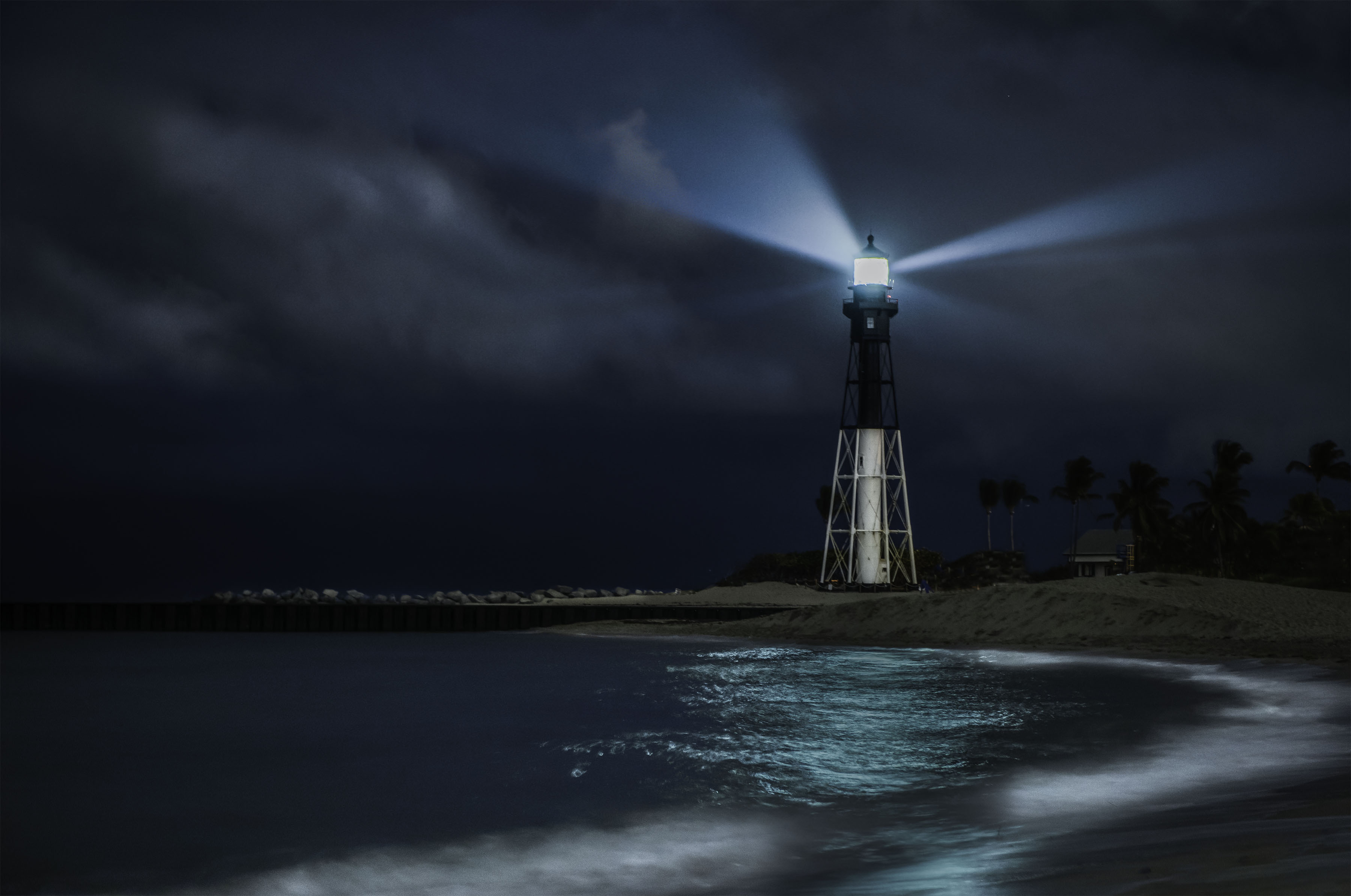
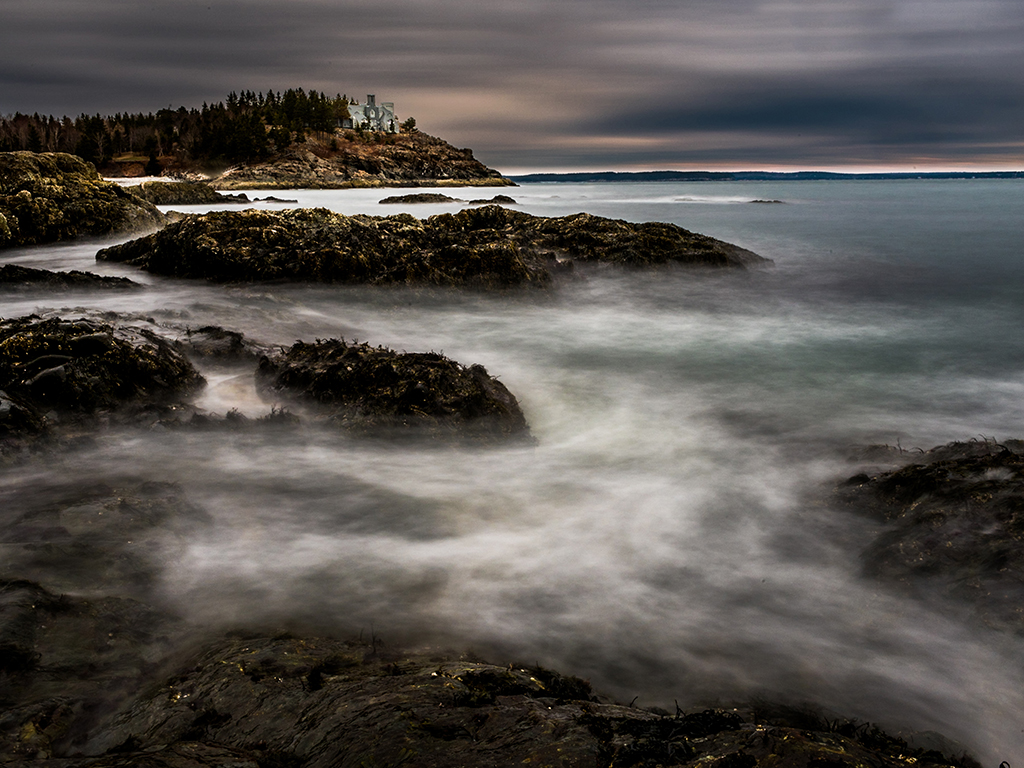
I really like the contrast between the lighthouse and the slate gray sky. The lighthouse just pops with impact. The clean and neat appearance of the lighthouse contracts nicely with the detail in the "dirty" snow in the foreground. Plain white snow just looks so boring. One of the extra plus things about this image is how nicely the cool co0lors and blue/gray and icy white work to create the feeling of cold.
I do thank your for the cooling break in this summer of heat. |
Aug 6th |
| 36 |
Aug 23 |
Comment |
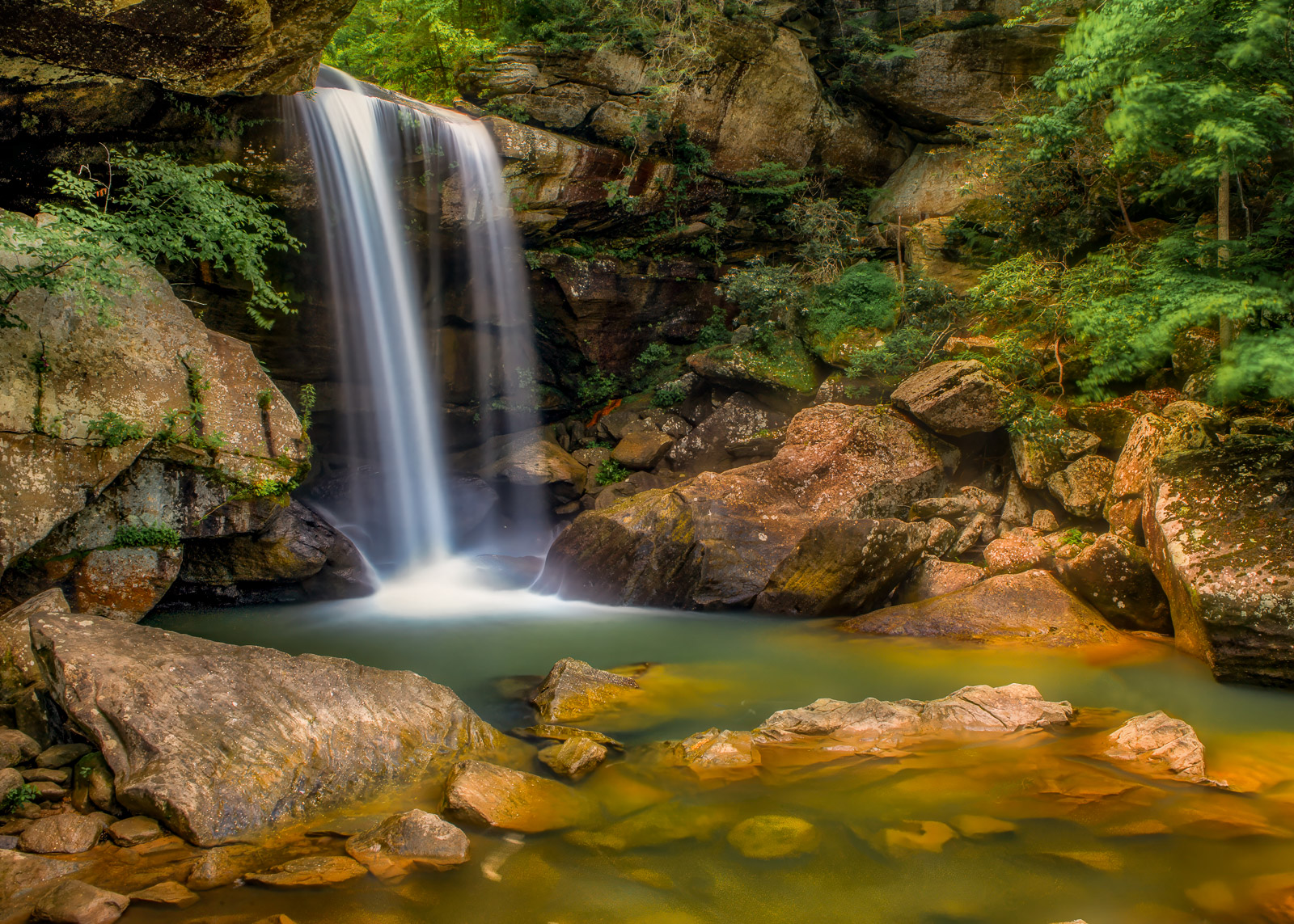
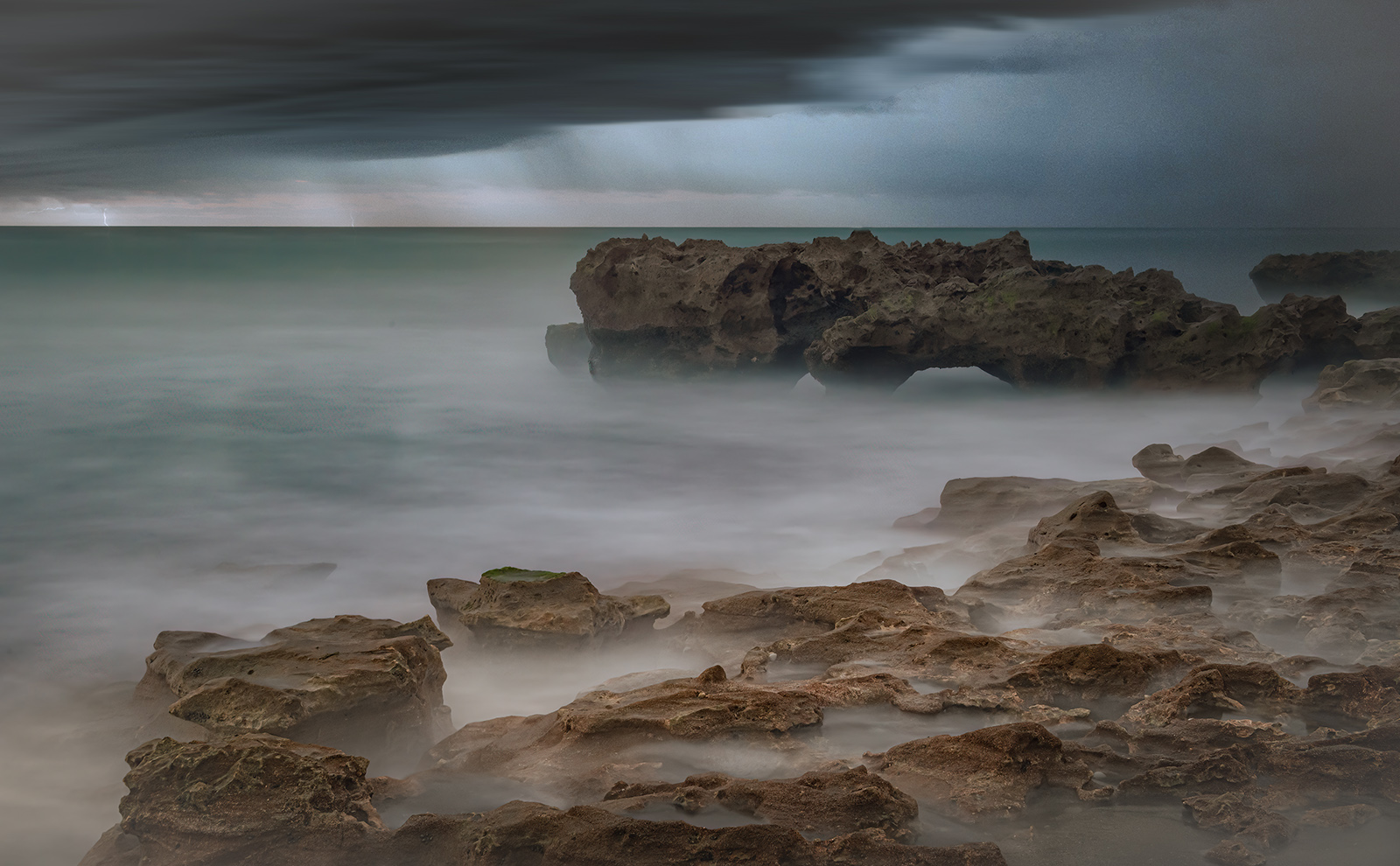
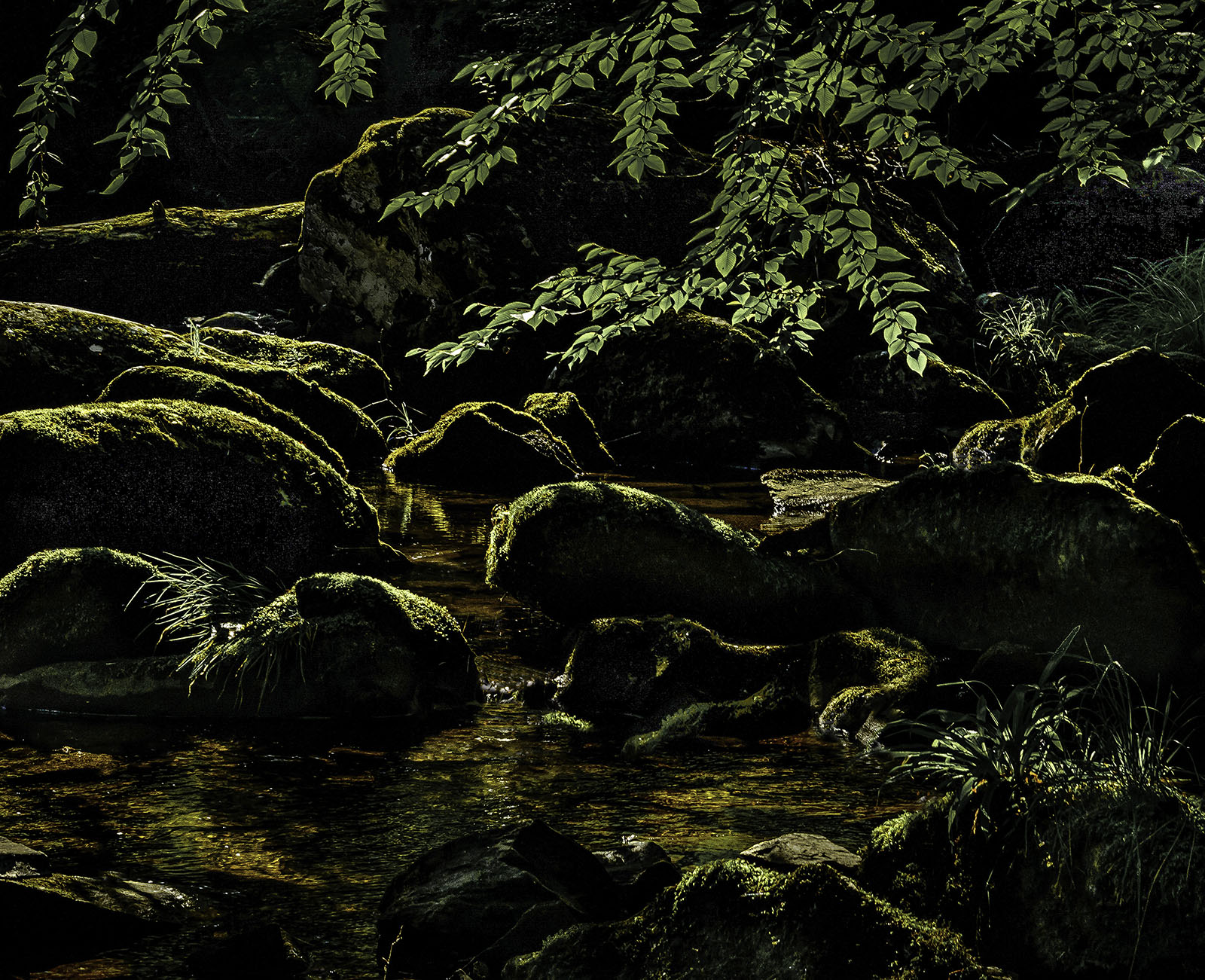
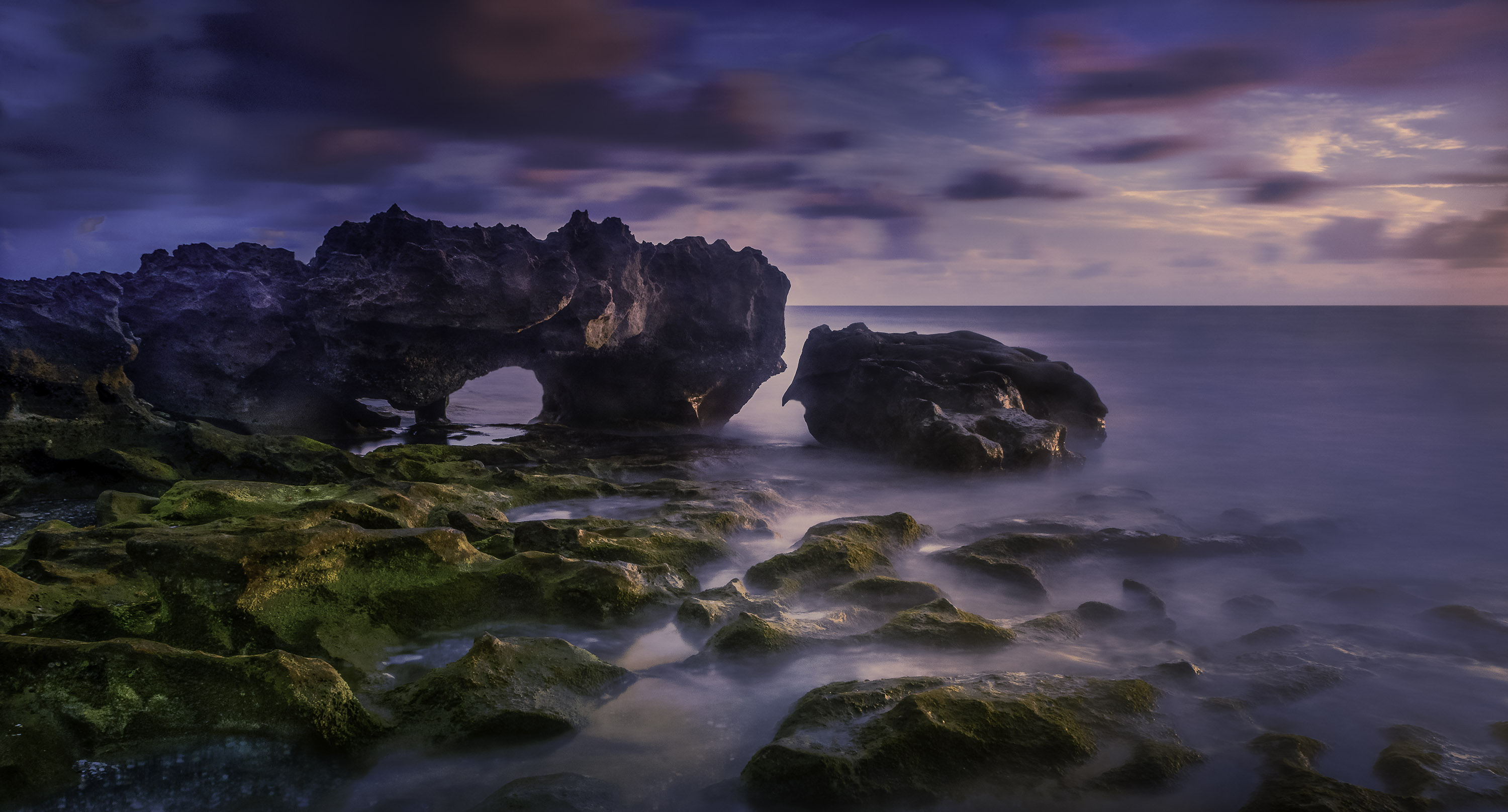
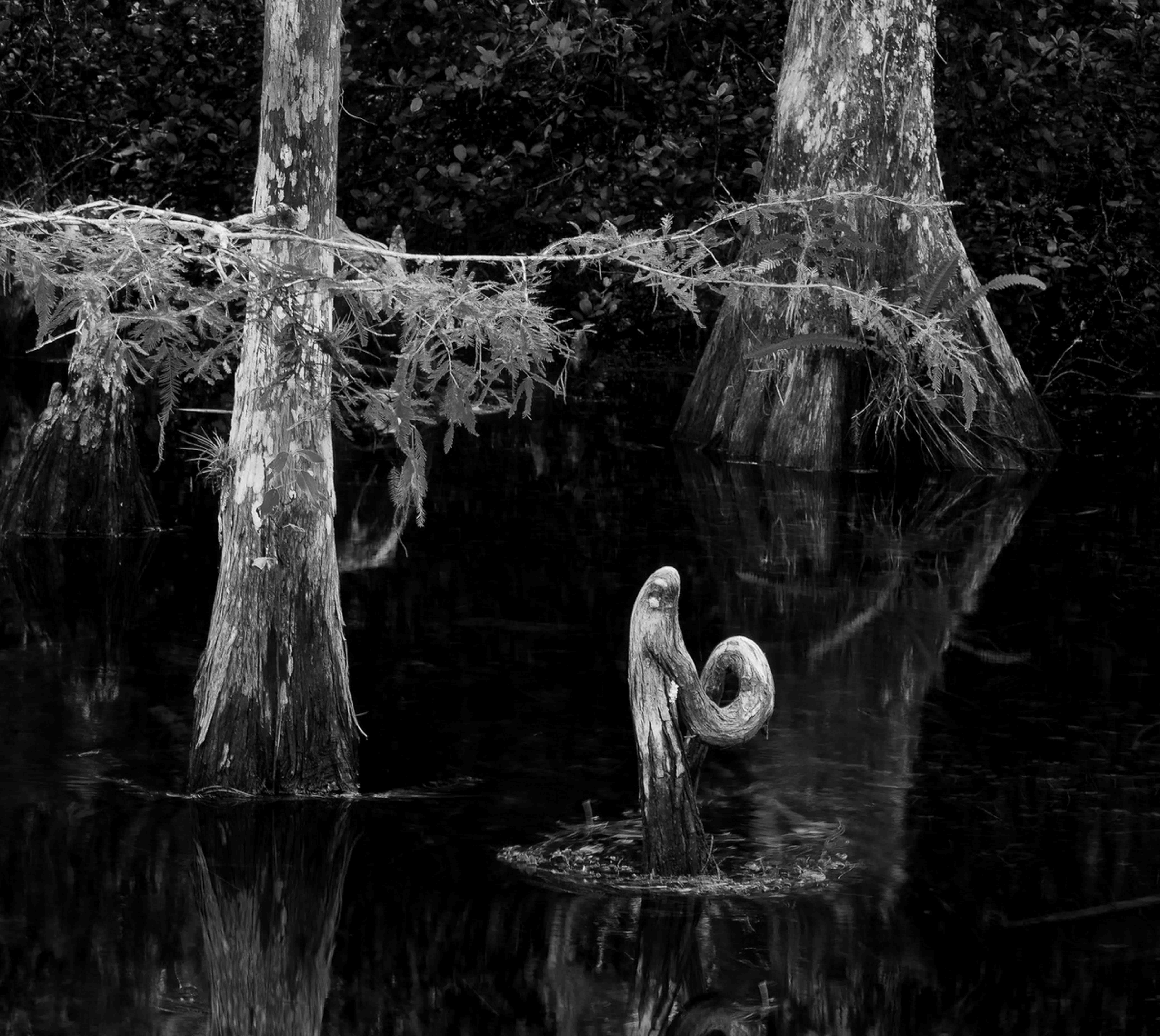
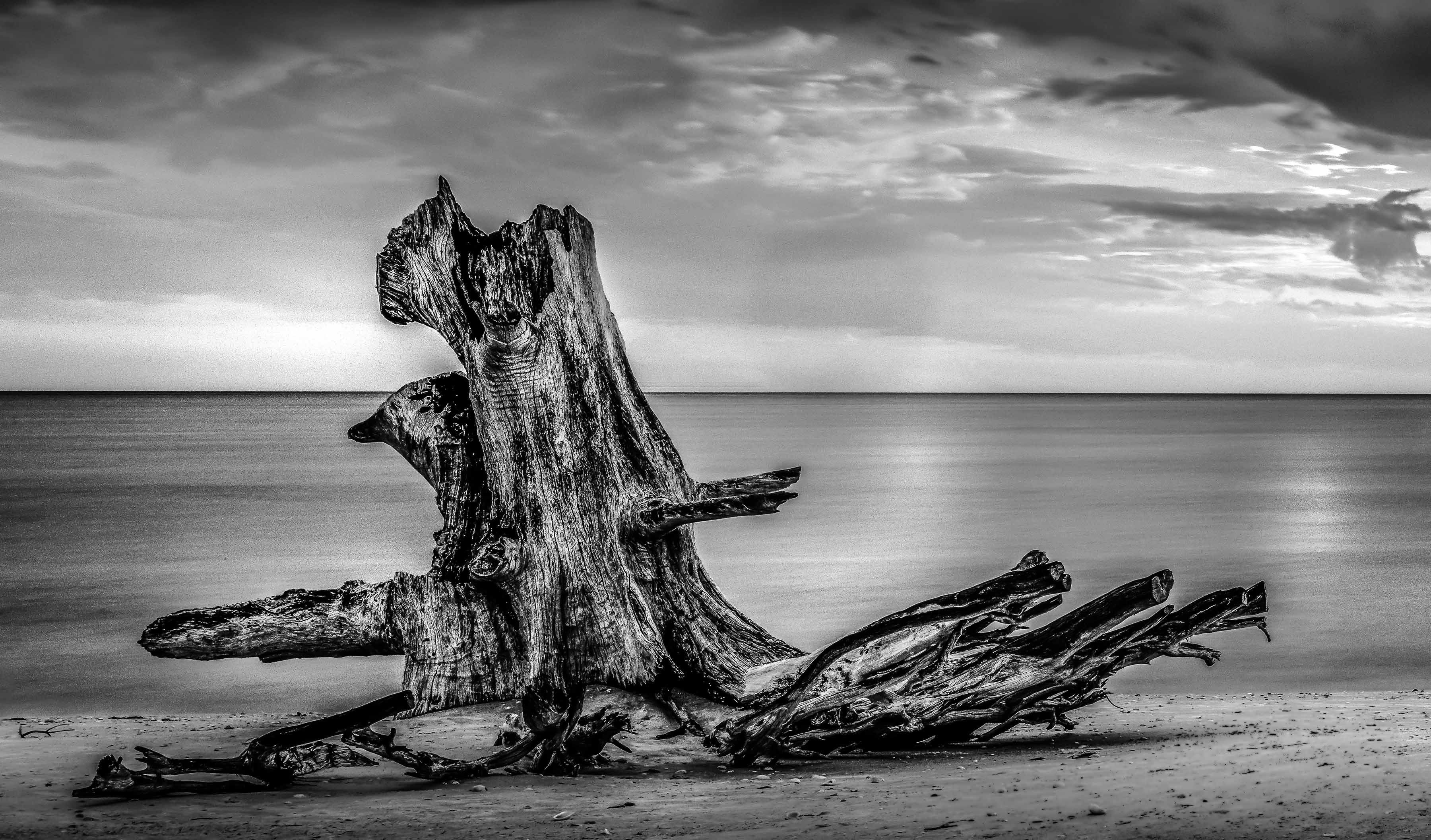
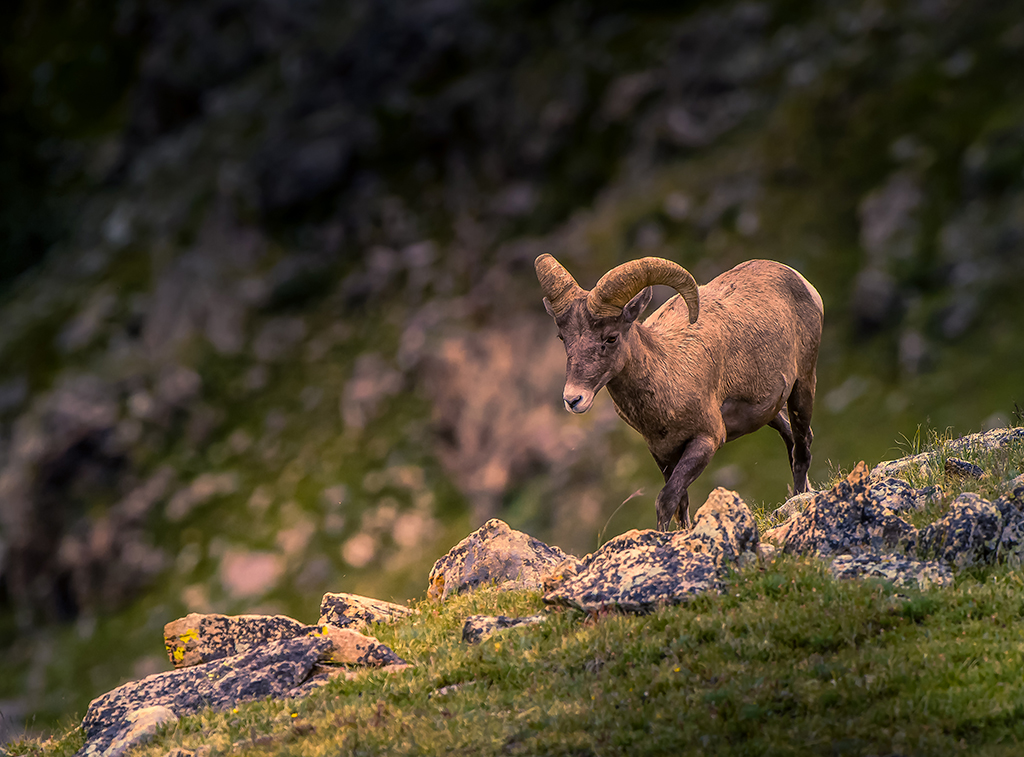
You are really pushing all my buttons with this shot. I love bad weather images (the stormy gray sky counts). I also like simple uncluttered images with strong single subjects. Finally I like images with simple, limited color palettes and with high contrast. This hits everything quite well. The simplicity and contrast really create some very powerful impact. This thought is really a maker's choice but I wish the rock was just a touch sharper, or that more texture showed in the rock to contrast with the softer greens. But regardless of anything I might say, this is a very grand and imposing image. I can't wait until next month.
It almost looks like you have a bulldog sitting with tail upraised. |
Aug 6th |
5 comments - 9 replies for Group 36
|
| 67 |
Aug 23 |
Reply |
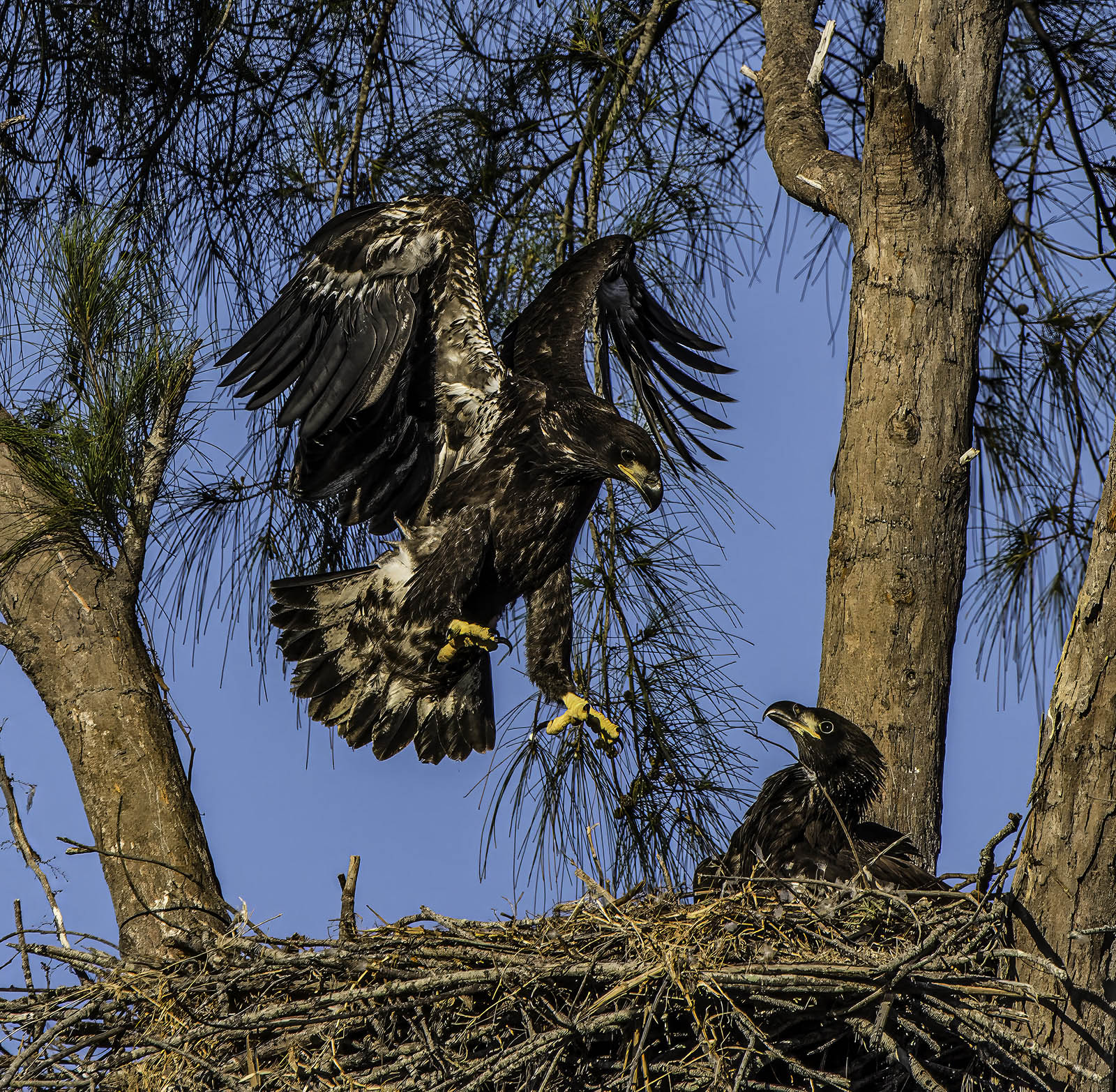
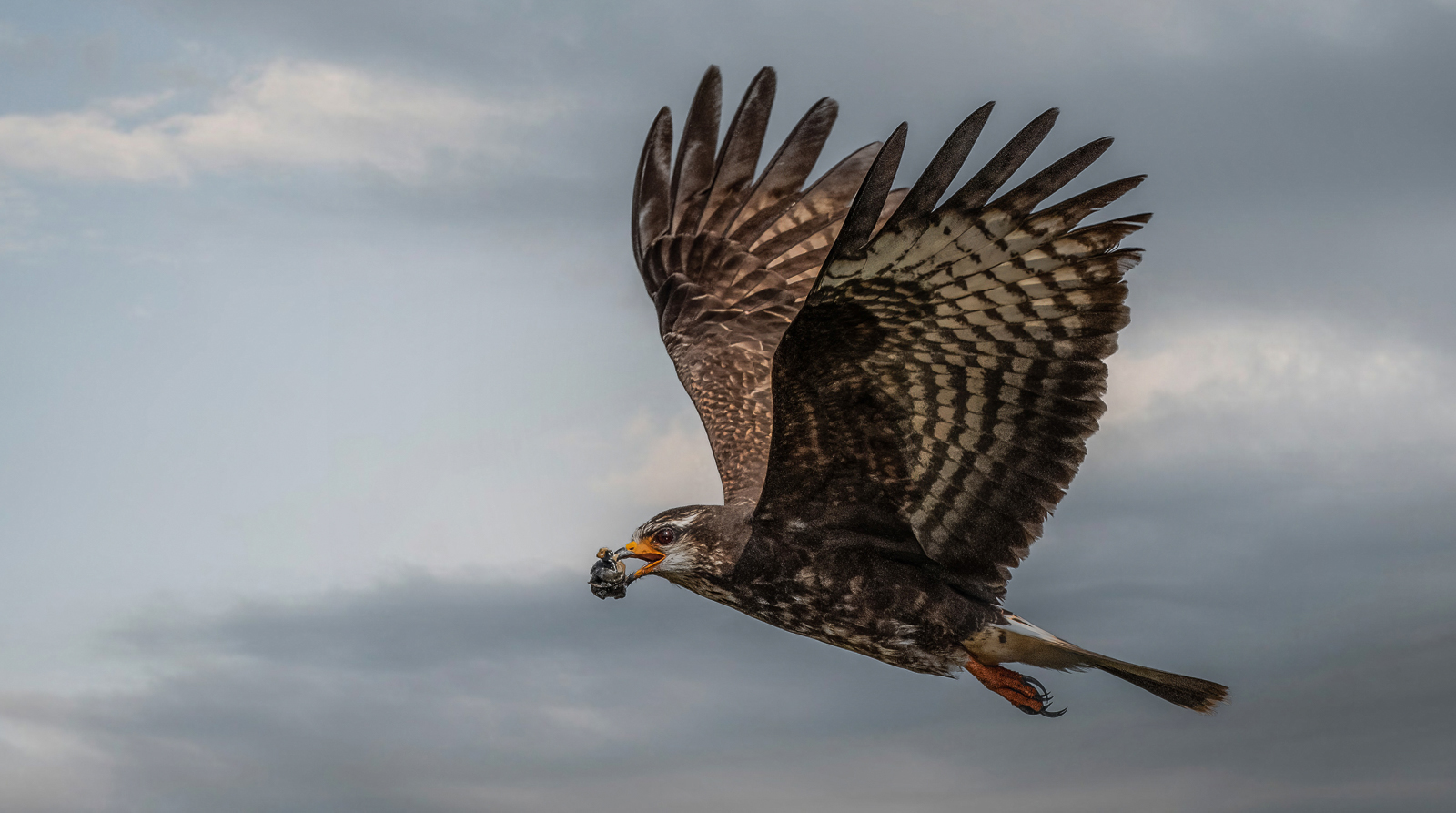
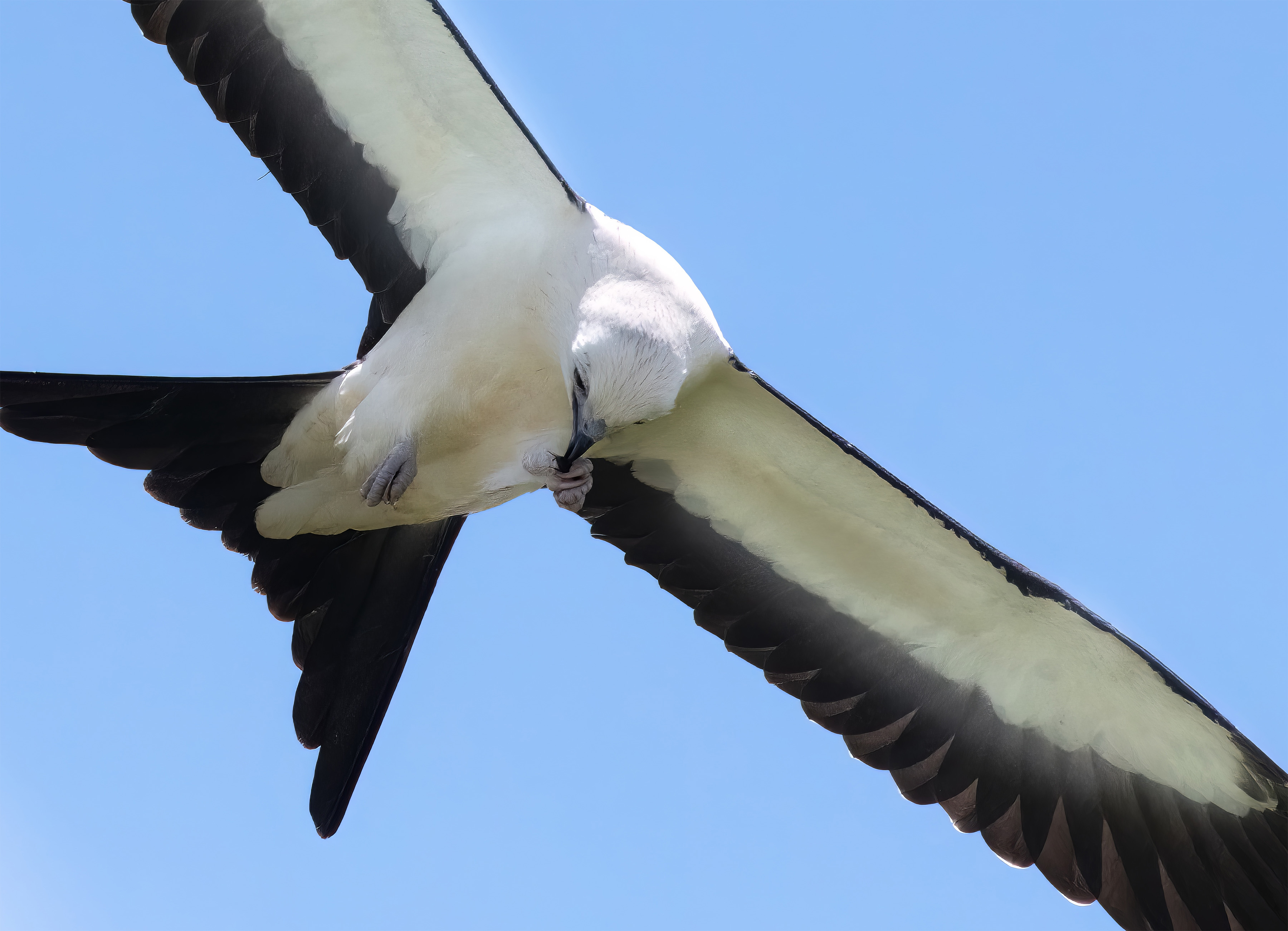
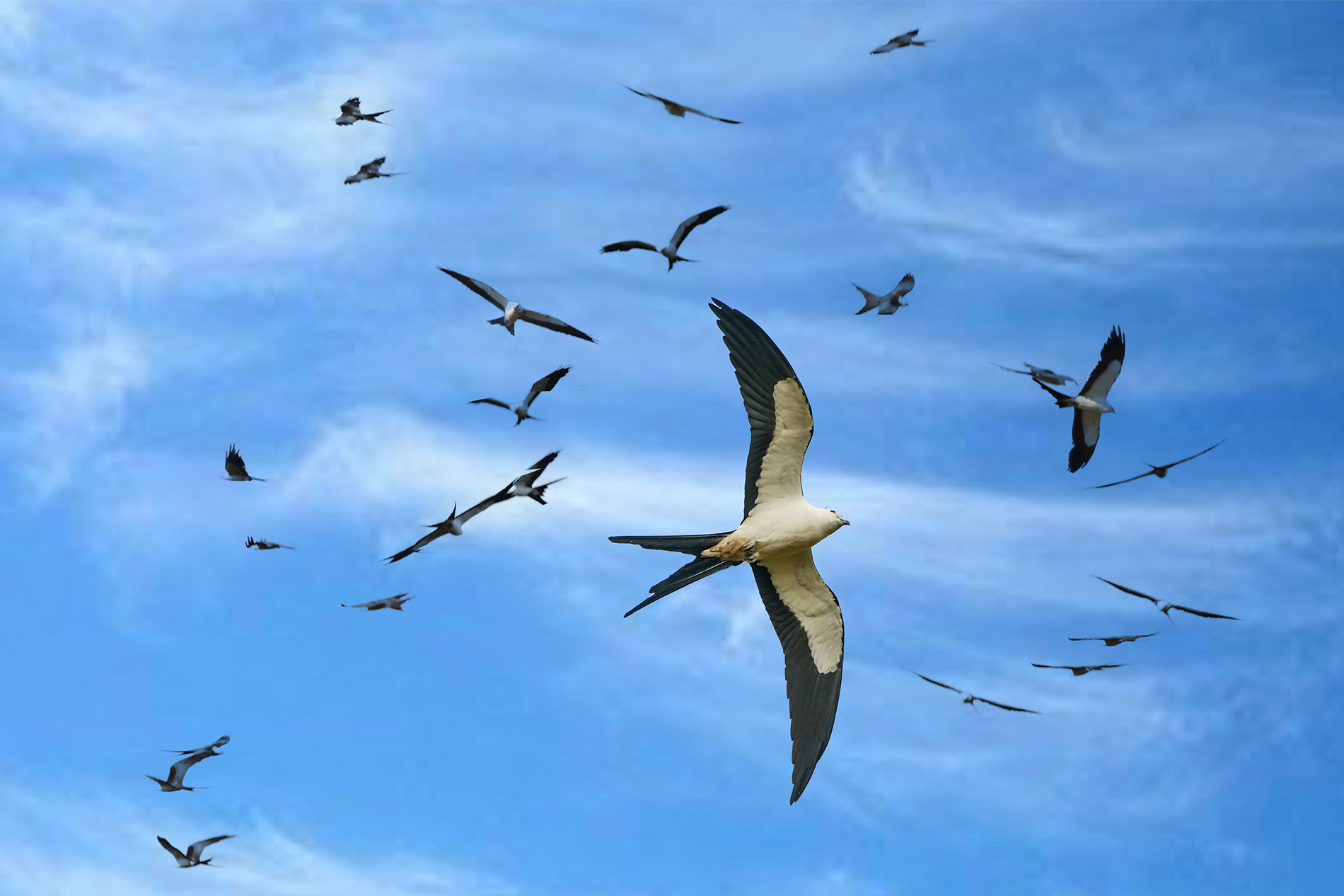
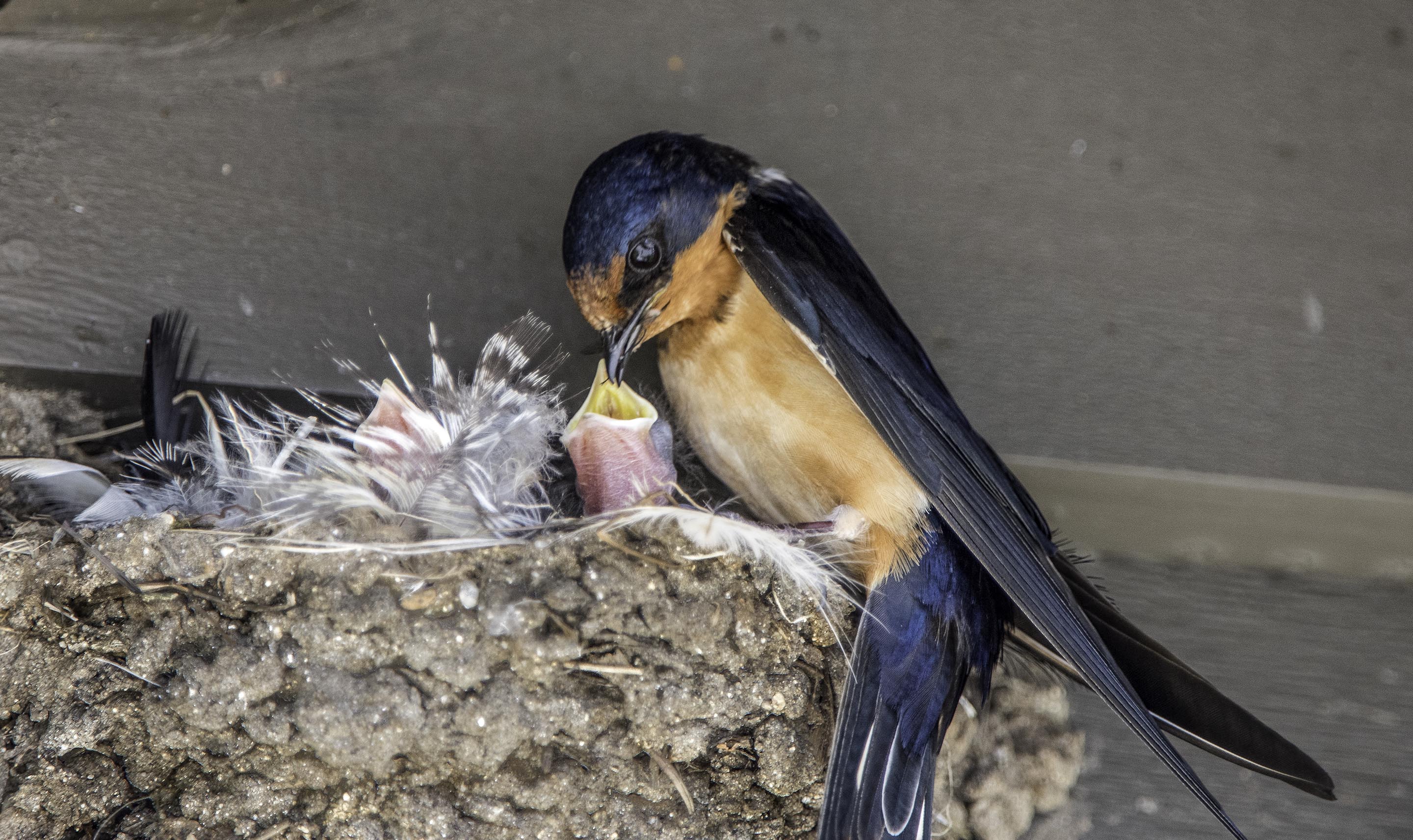
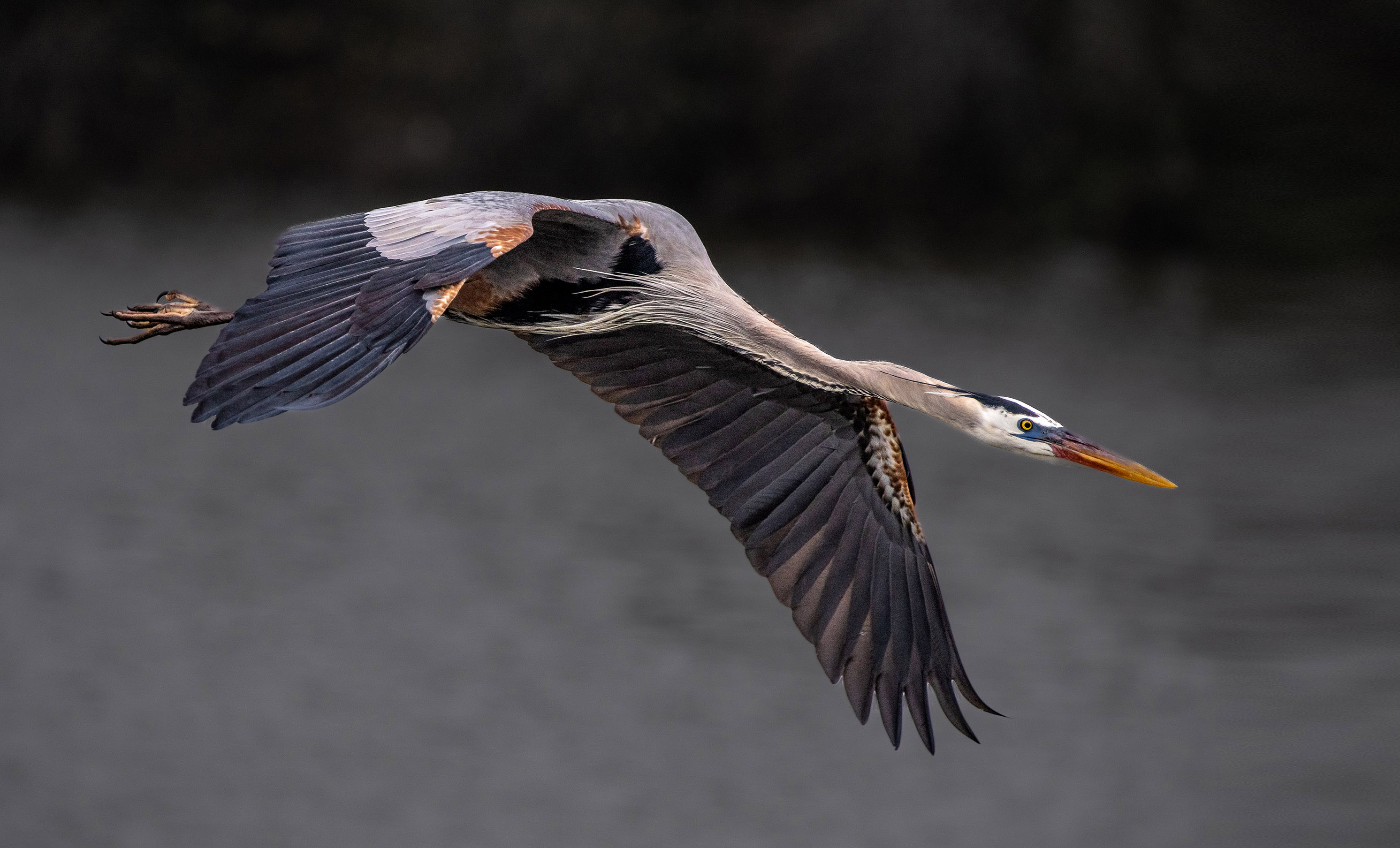
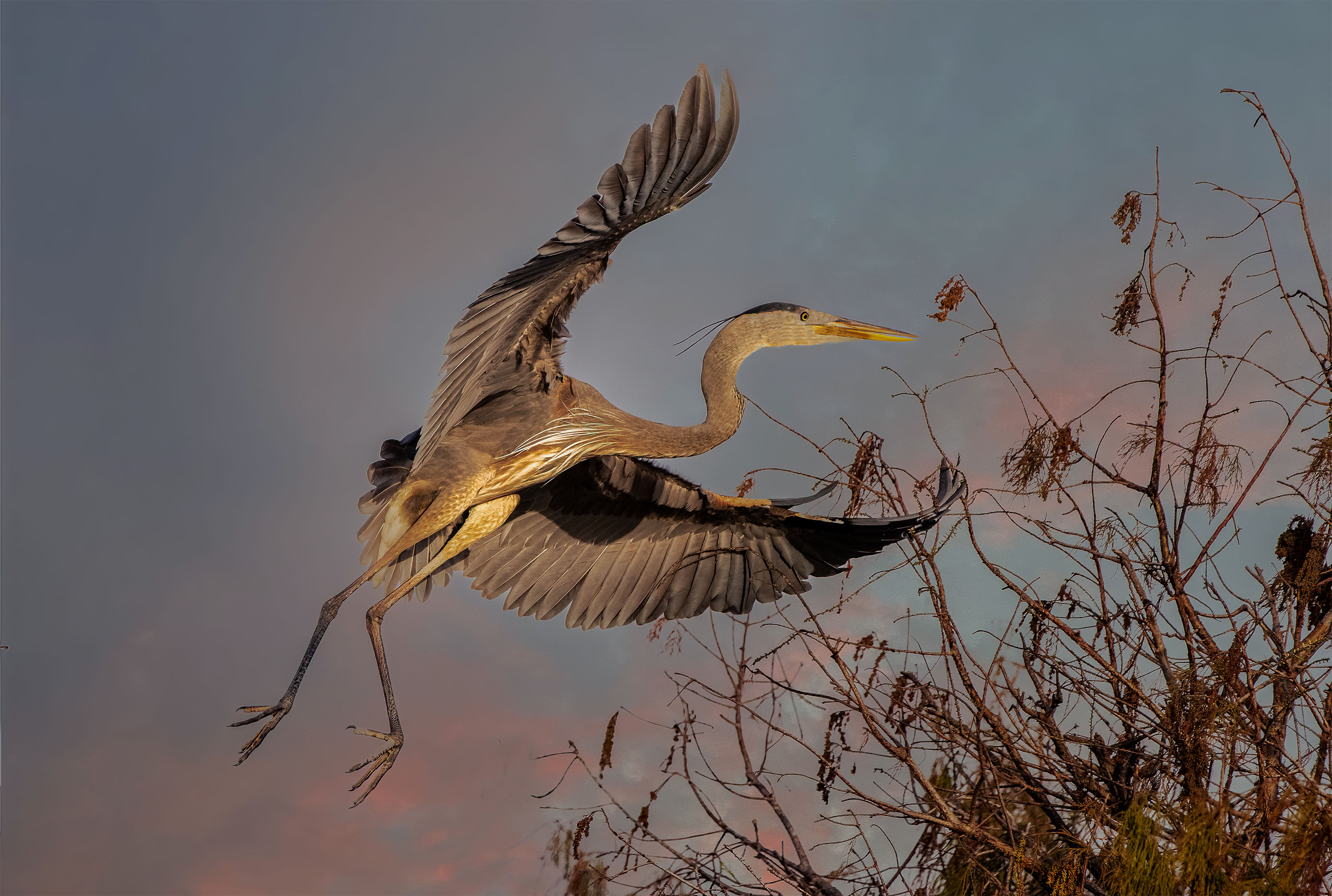
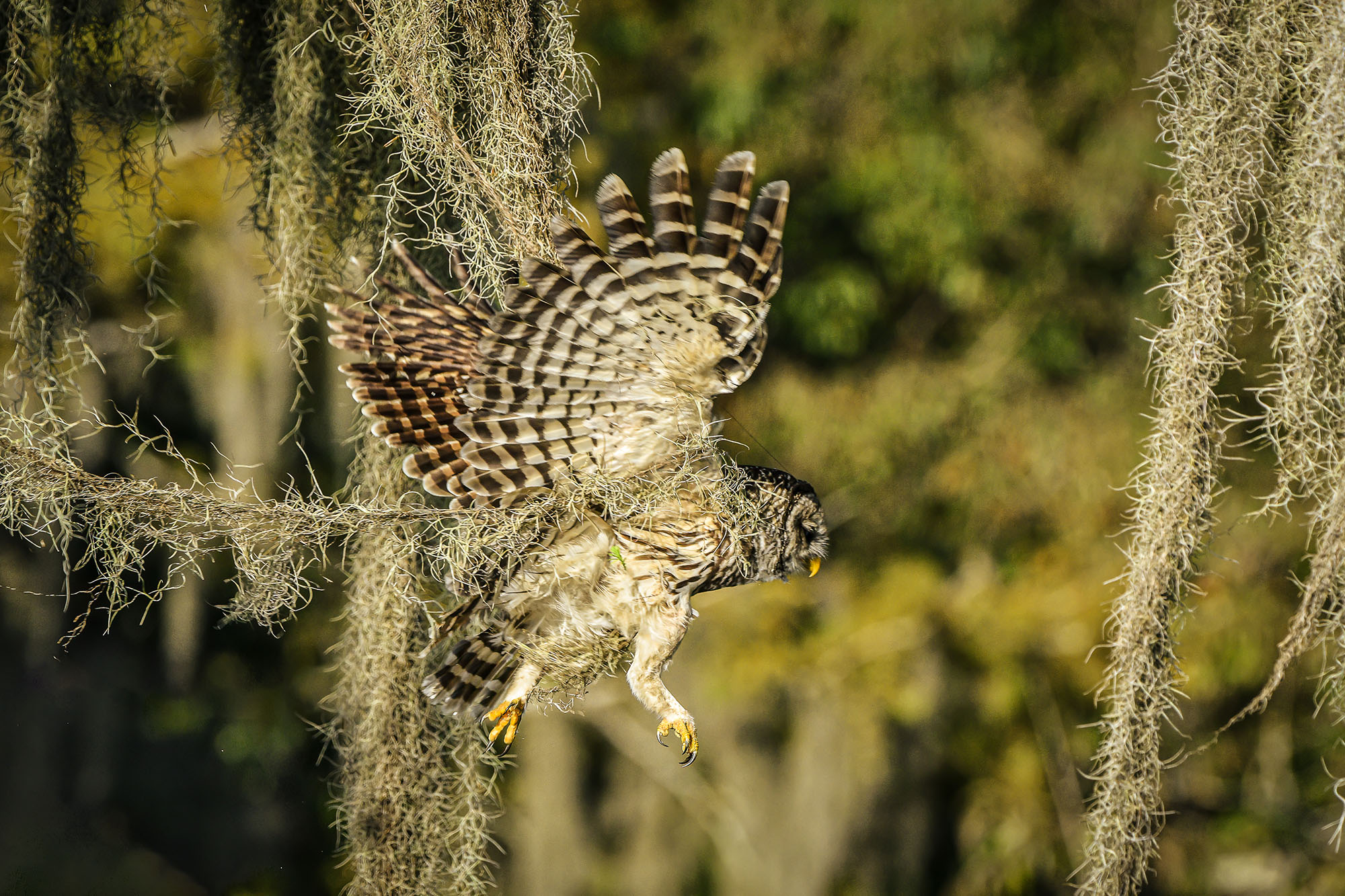
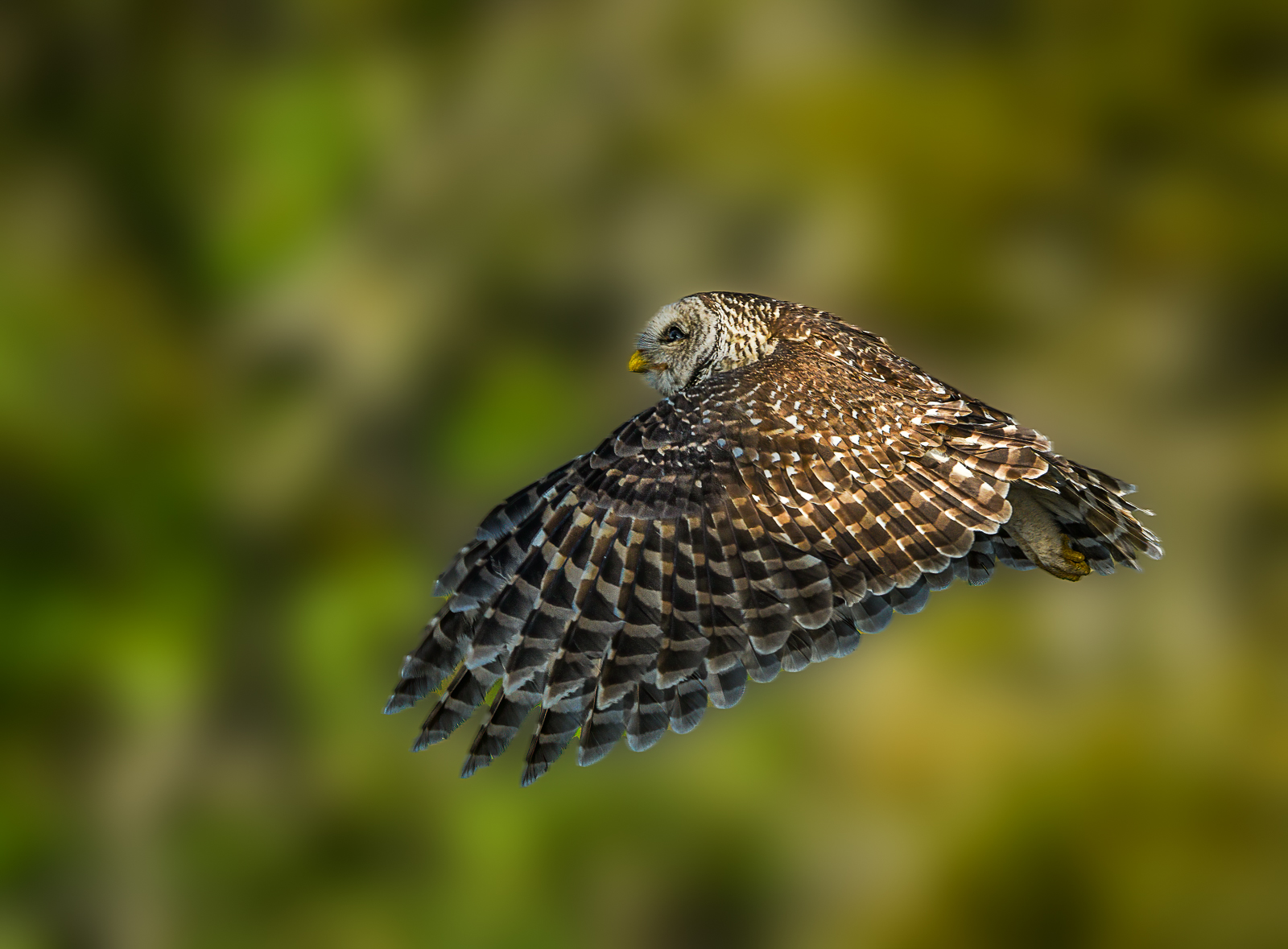
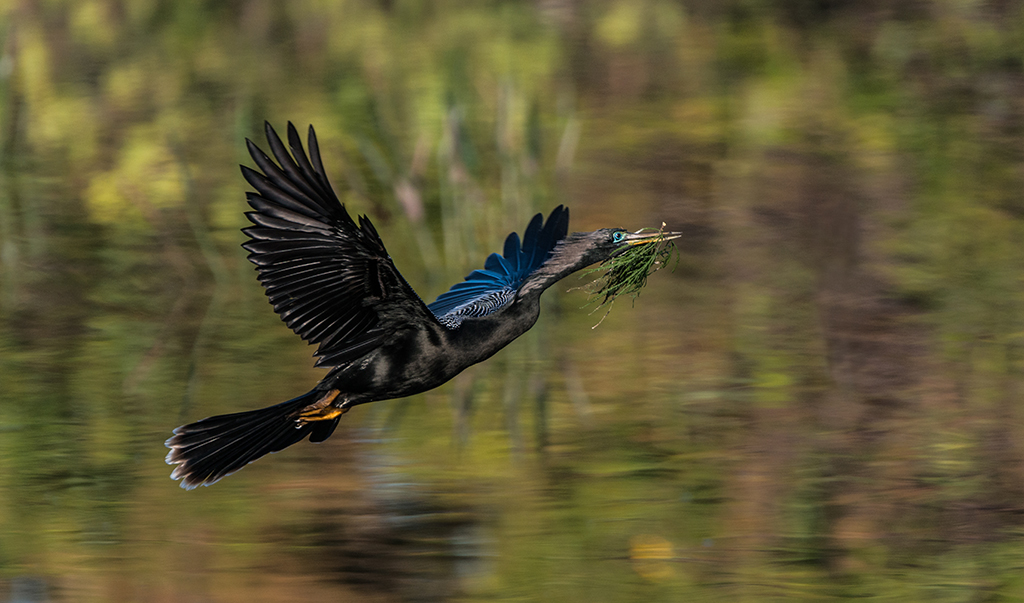
I try to set up to get the shot as the return to the nest with stick facing my camera. That way I get get the full underside of the wings and feather detail as they straighten up to land. |
Aug 13th |
| 67 |
Aug 23 |
Comment |
I'm so happy for you! It must be wonderful coming into so much money that you can afford a 3000mm lens with a bid enough element in front to allow you to shoot at f4.5. I've used an 800mm with an f5.6 and that front piece of glass is over 6 inches wide!! How many Sherpas were needed to carry it and your trip0od?
Using you new lens you manage a quite wonderful image. you have a lovely neutral background that nicely separated the subject from the background. It is unfortunate you were not allowed to use flash as you will never stop a hummer's wing without it but you still managed an image that looks impressive. The D850 has lots of pixels so your deep crop doesn't destroy the clarity. The d850 als handled the low light well and gave you those soft colors that I feel add a great deal to the image. You should probably get a frame for this one.
Did you process this in Lightroom? If so how many pixels wide was the image when you saved it? If you used lightroom to save it, and the finished image is less than 6000 pixels wide try saving it again but manually put it 6000 for the number of pixels on the longest edge. Doing this might make it look a bit sharper.
There is certainly more than hope for you---this is a nice shot
Note: I know you really used a 300mm lens, I just could not resist. |
Aug 13th |
| 67 |
Aug 23 |
Reply |
The trick to getting soft background is not just about the aperture. There are three factors involved.
1. the aperture---clearly having a fast lens and shooting wide open helps.
2. the distance between the subject and the background---the further away the nearest part of the background is the more blur you will get
3. You will get more and better blur if you are not shooting with the lens focused at infinity.
If my background is 200 feet away and my subject is 100 feet away I have lots of separation and if I focus on the subject I will get blur. BUT, and this is the key. If I can get closer to my subject, say 50 feet, and I'm using a long lens, say 400mm and the infinity point for the lens kicks in at 100 feet, by being only 50 feet from the subject and focusing on the subject I will get even greater blur in the background. It is for this reason that I very often "stalk" my subject by moving as close to the subject as possible, or getting the subject to walk toward me.
I can get the subject to walk toward me if I figure out where it is going and then get in front of if, hide in the cover or trees or rocks and let it walk where it was going in the first place. I do this all the time with birds in flights way for forest being the bird really blurs as I want for the bird to get closer to me.
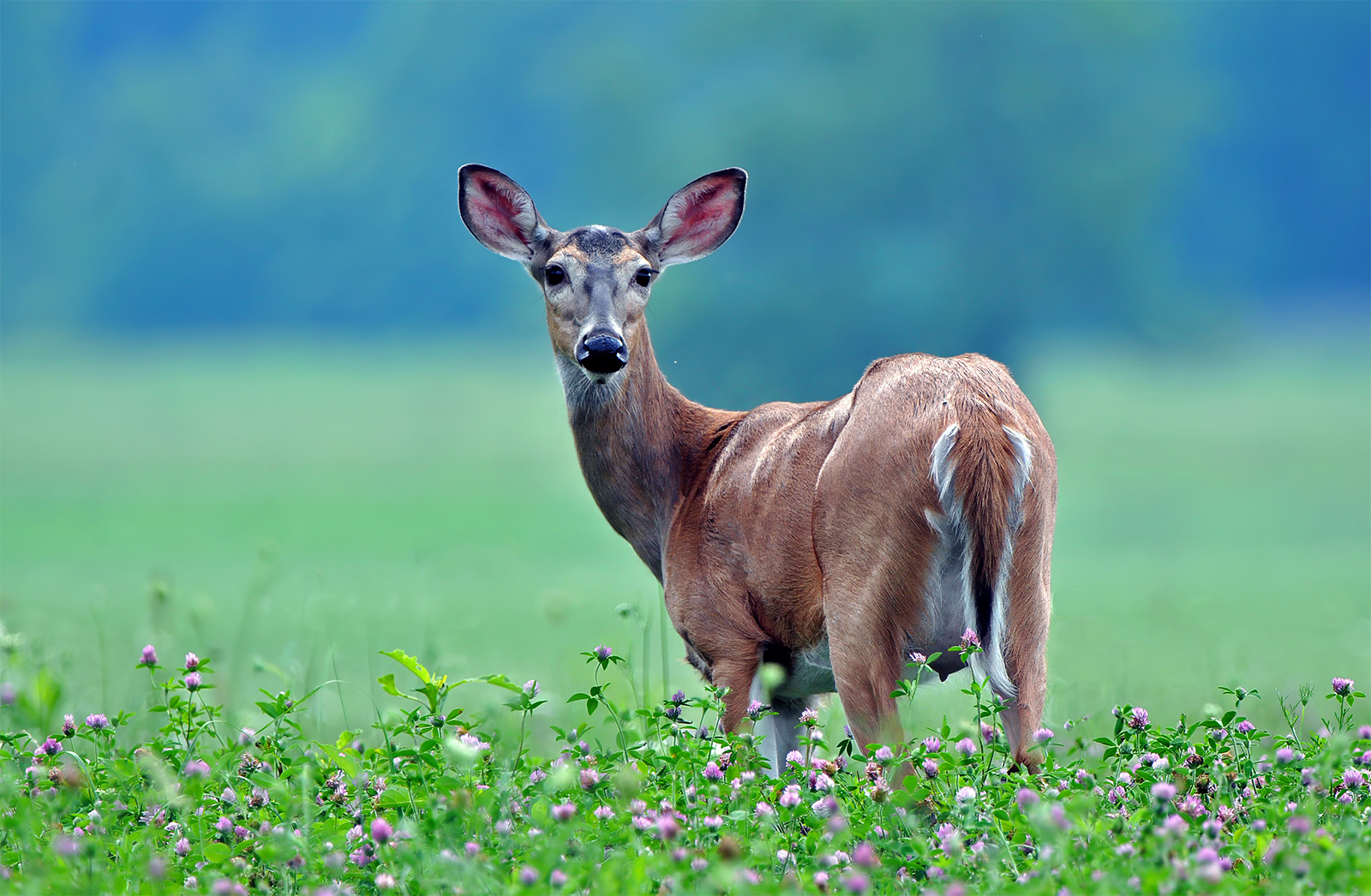
The doe in this picture was grazing in the field, her back was toward me. It took me more than15 minutes to slowly one step at a time and pause to get closer to the doe. when I got as close as she wanted me to, she picked up her head and looked at me---that is when took the shot. This photo was not an accident. I was also down wind from the doe so she did not smell me approach. Had I been up wind, and me scent was blowing toward her this shot would never have happened. For the record, I took this doe shot quickly when she looked up because my camera was already raised. Then I backed up and walked away and she went back to chewing grass.
|
Aug 11th |
| 67 |
Aug 23 |
Reply |
You bring up some excellent points. I would first like to addess your comment on layering as a photographic technique. A strong landscape or nature image most often works on the concept of depth. This is brought out in my image by the layering you mention. The foreground interest created by the flowers create the feeling of presence (you being in the picture). Note many of the foreground flowers are sharp, you can almost touch them. The deer creates a midground layer as she clearly feels like she is on the far edge of the flowers. Then the two layer background adds more layers,green and blue, creating deeper depth. Rather than just blurring the background this brings a feeling of infinity. So this image has magic because of the threesome of foreground, midground and background.
Then you are so right about sharpness. The razor sharp subject will connect with the viewer. Note how this also works with Cindy's Jaguar. Sharpness is always vital, especially with wildlife. Due to the light I was using a slower shutter speed than I prefer but good camera technique helped.
As you noted colors matter this month and every other month as well. Understanding colors and using this knowledge makes for stronger images. In this image ANALOGOUS colors make this come together. On a color wheel analogous colors are adjacent to each other. In this case, blues and greens dominate the scene. They are analogous and create a feeling being comfortable and calm and set the tone for the image. The beige deer and the pink flowers are also analogous and as they blend together in the foreground they tie the deer to the earth and bring things together.
The soft, diffused light that leaves no deep shadows, reduces contrast and maintains the dream feeling.
Note the deer is slightly offset to the right, allowing forward movement space to the left. Also the implied horizon (the blue and green meeting point) is just above center dividing the image into thirds which are considered more pleasing to the eye. |
Aug 10th |
| 67 |
Aug 23 |
Reply |
Thanks for stopping by to leave a comment. It is really nice to hear from you again. You are so right about the Asian fixation with space and the habit of clearly showing man's place in the universe.
I have come to believe that many photographers, especially in the west (I see a lot of eastern photos when I judge exhibitions for PSA and really notice the difference) do not really understand the concept of negative and positive space. They will frequently claim the sky is space and feel quite content. Asian art not only uses space but, as you note will dwarf a subject as well. Minimal is so very powerful and has the ability to make something so very small play such a powerful role. There is a great deal to be said for the Asian style of art. Thanks for reminding me of that approach. |
Aug 10th |
| 67 |
Aug 23 |
Reply |
Now you see what I was thinking. Just because the technical rules say you should crop excess wasted space does not mean you should crop excess wasted space. As a photographer you should be creating an image with intent. You are the one telling the story, so tell YOUR story your way. Sometimes space IS the story. |
Aug 9th |
| 67 |
Aug 23 |
Reply |
Thanks Cindy
I love this shot, the seductive looking back pose, the "doey" eyes (sorry) and the background. Thought about cropping from the sides, but I love the meadow.
There was no more room in the front--fence wires got in the way.
|
Aug 9th |
| 67 |
Aug 23 |
Reply |
Use the link below to get an explaination of hyperfocal distance.
https://digital-photography-school.com/how-to-find-and-use-hyperfocal-distance-for-sharp-backgrounds/
You can find a hyperfocal distance chart in Photo pills if you have than app on your phone. If not you should. It has lost of useful information for all types of shooting situations.
If you do not have Photopills the link below will give you a hyperfocal distance chart.
https://www.omnicalculator.com/other/hyperfocal-distance
You can also go to the app store on your phone and search for a hyperfocal calculator. |
Aug 6th |
| 67 |
Aug 23 |
Comment |
Focus stacking is a much better method of capturing and entire scene in critical sharpness than using the hyperfocal method. It would appear you managed the technique quite well.
Since this scene is quite detailed and there is really nothing moving I wonder why you didn't reduce the ISO and simply shoot a longer exposure. A bit lower ISO would provide more detail in a landscape such as this. |
Aug 5th |
| 67 |
Aug 23 |
Comment |
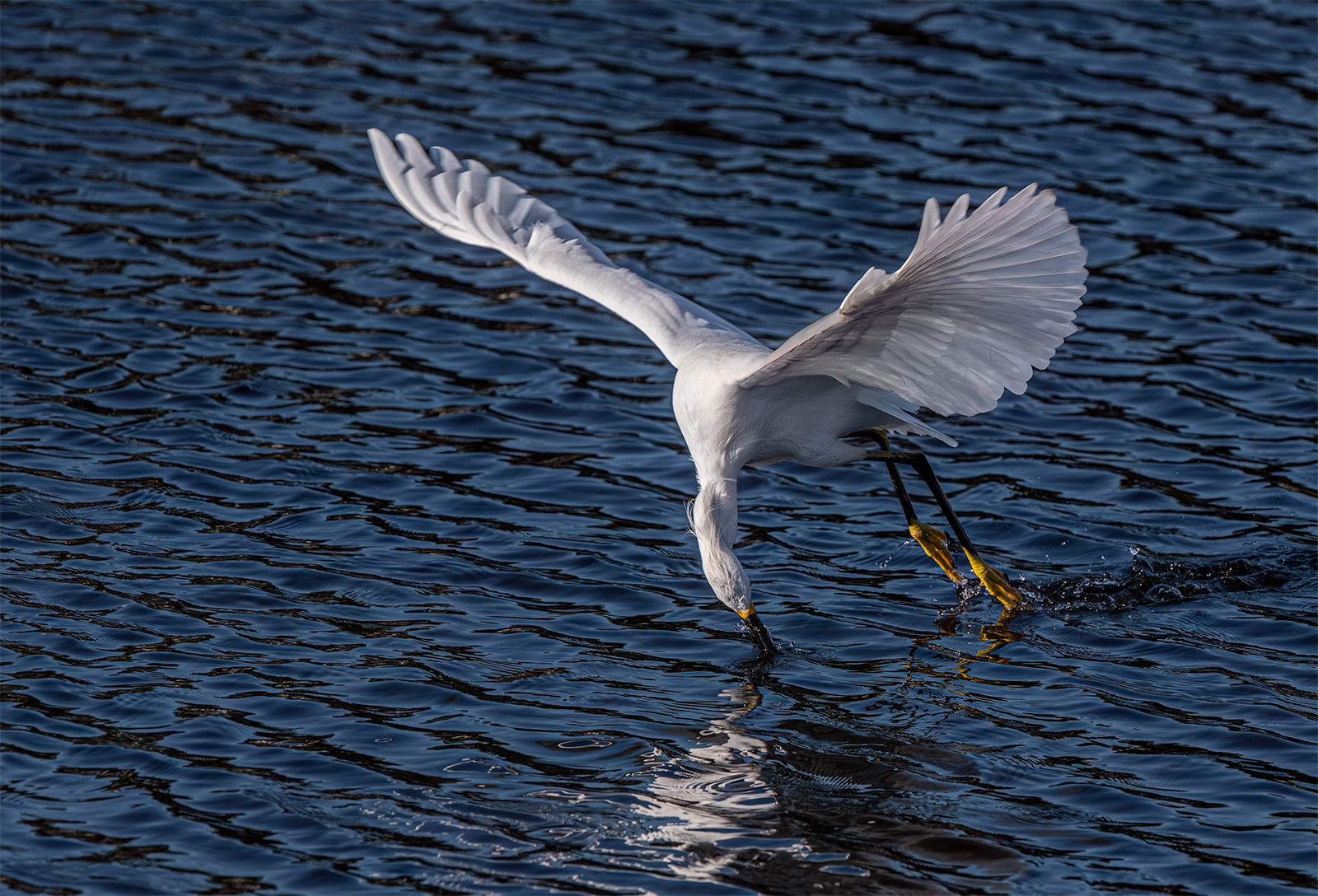
I feel the story is about the bird and the fish. The splash is OK, but it is just too far away and unbalances the image as now the bird is flying out of the frame. The action of the image is quite nice but I do not feel the bird is critically sharp and this is probably a result of the bird moving off the focus points in the viewfinder. Your camera is focused in the center area of the viewfinder and the bird has moved away from those points.
Like Michael suggested, I'd crop the dark area off the top of the frame. |
Aug 5th |
| 67 |
Aug 23 |
Comment |
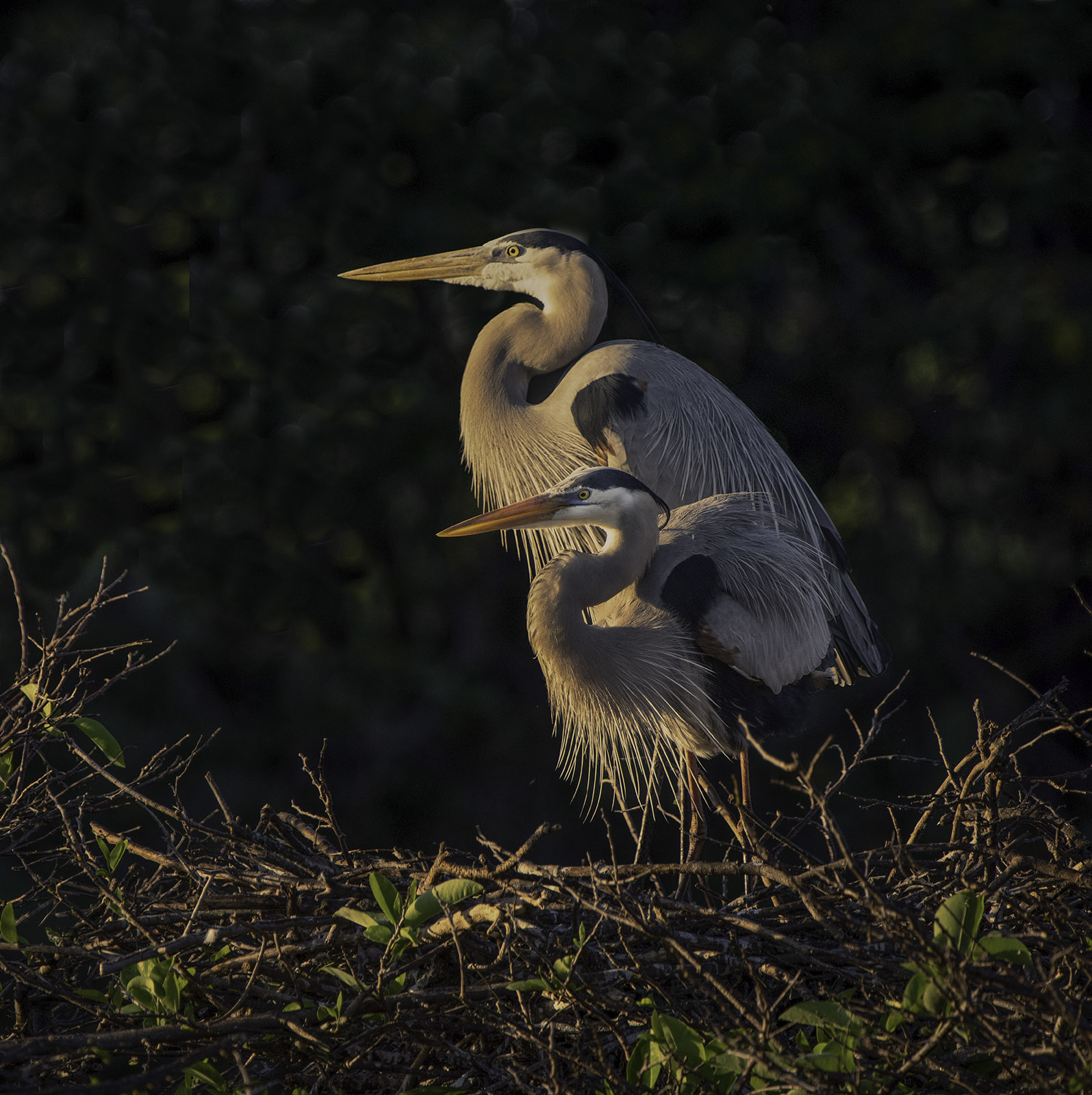
For sure these big boys really try to please their lady friend by bringing a never ending assortment of "furnishings" for the boudoir! You have a bright and clear image that shows the breeding plumage to good effect and the bird is clearly sharp. As you noted you did get just a bit of the eye from that head angle.
My only suggestion (make it a wish) would be to have him coming in with the branch or in profile. The back of the bird is not really the "classic" position.
However--this will give you and excuse to go back next year. :-) |
Aug 5th |
| 67 |
Aug 23 |
Comment |
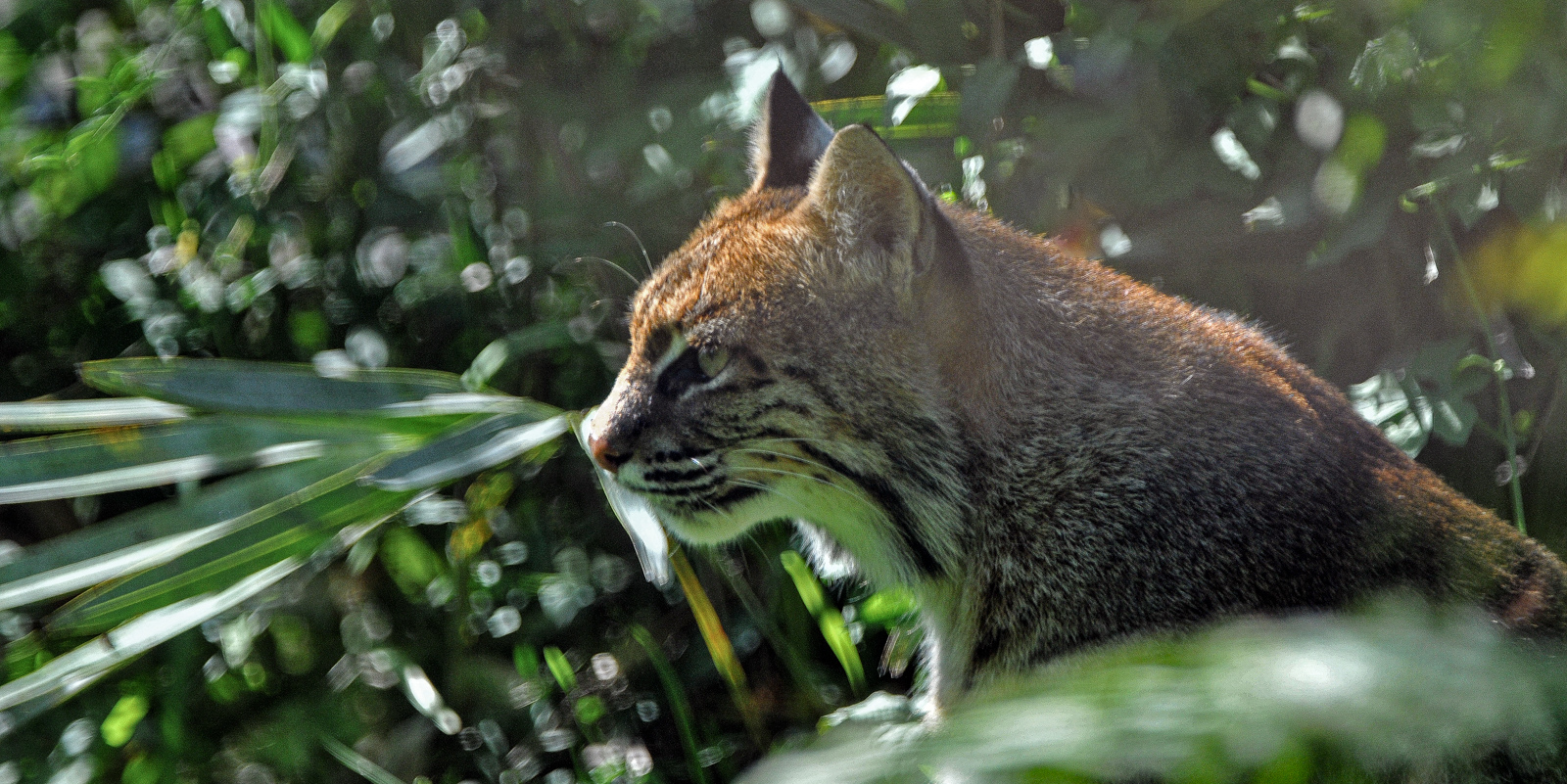
I feel you have the white balance where it needs to be. The whites in the coat are actually white and since the cat is the subject that is what really matters. If you push saturation or vibrance it will start to look unnatural. The only thing you might play with is the greens. This is not your fault. The Red Blue Green ratio on your sensor is actually 16 red, 16 blue and 32 green so the greens are frequently "too green". Maybe reducing the Luminance value of green in the HSL panel in LIghtroom will help a bit.
As long as you are not planning to enter this in a PSA contest you might also try to clone out those white plants just to the left of the cat's head.
Even as it is here, you have a wonderful shot of a wild jaguar. |
Aug 5th |
| 67 |
Aug 23 |
Comment |
Man someone needs to go on a diet!
For the size of your crop you ended up with a pretty special shot. It would appear that you got peak action and that coupled with your semi-fast shutter speed kept the image pretty sharp. I wish the highlights were not so burned but I'll trade the burn for the action shot any time.
Just for fun, uyou might try Topaz Sharpen |
Aug 5th |
| 67 |
Aug 23 |
Reply |
If you want to send me the correct one I can replace the one you sent earlier. Up to you. |
Aug 4th |
6 comments - 8 replies for Group 67
|
11 comments - 17 replies Total
|