|
| Group |
Round |
C/R |
Comment |
Date |
Image |
| 36 |
May 21 |
Reply |
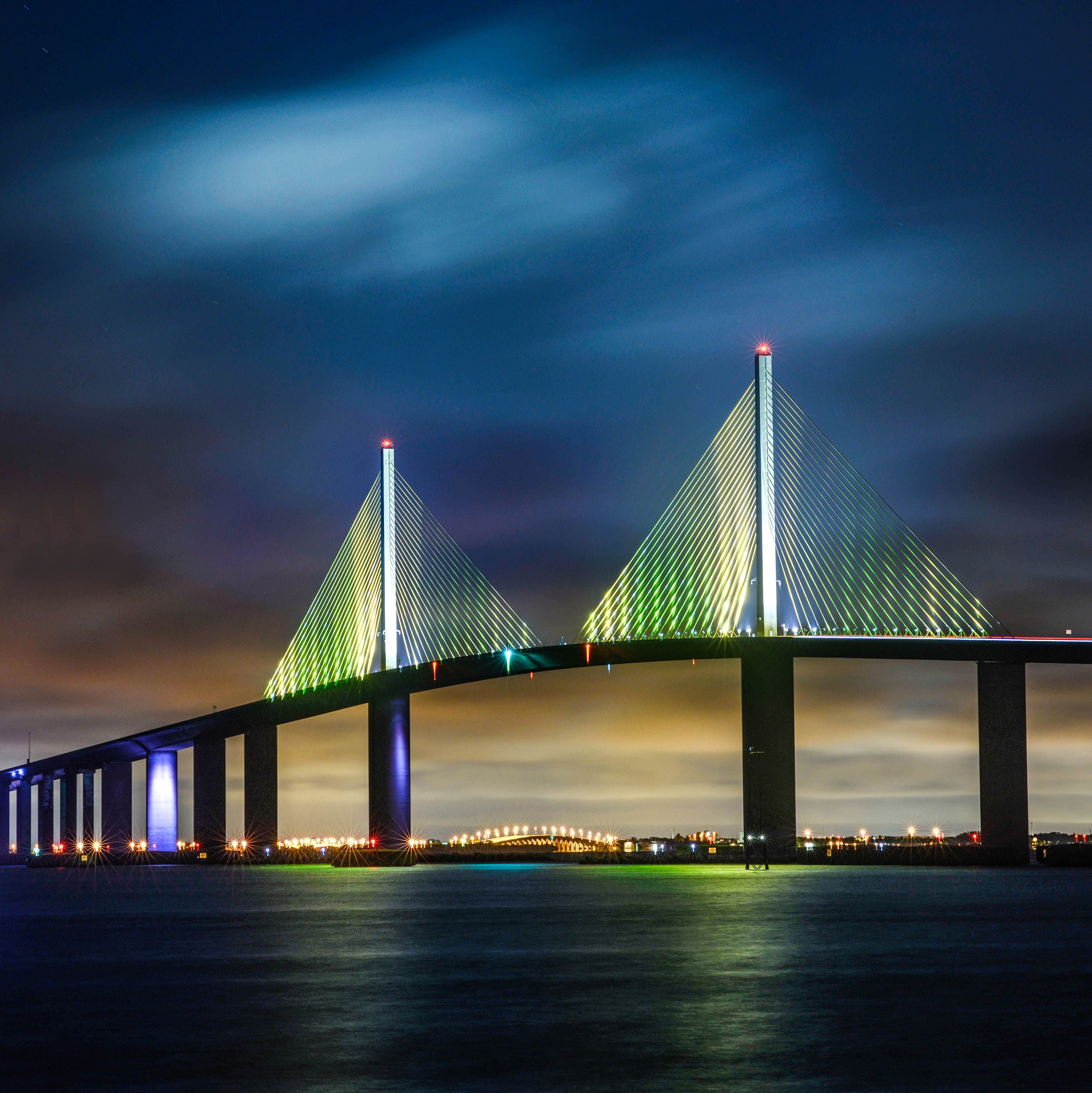
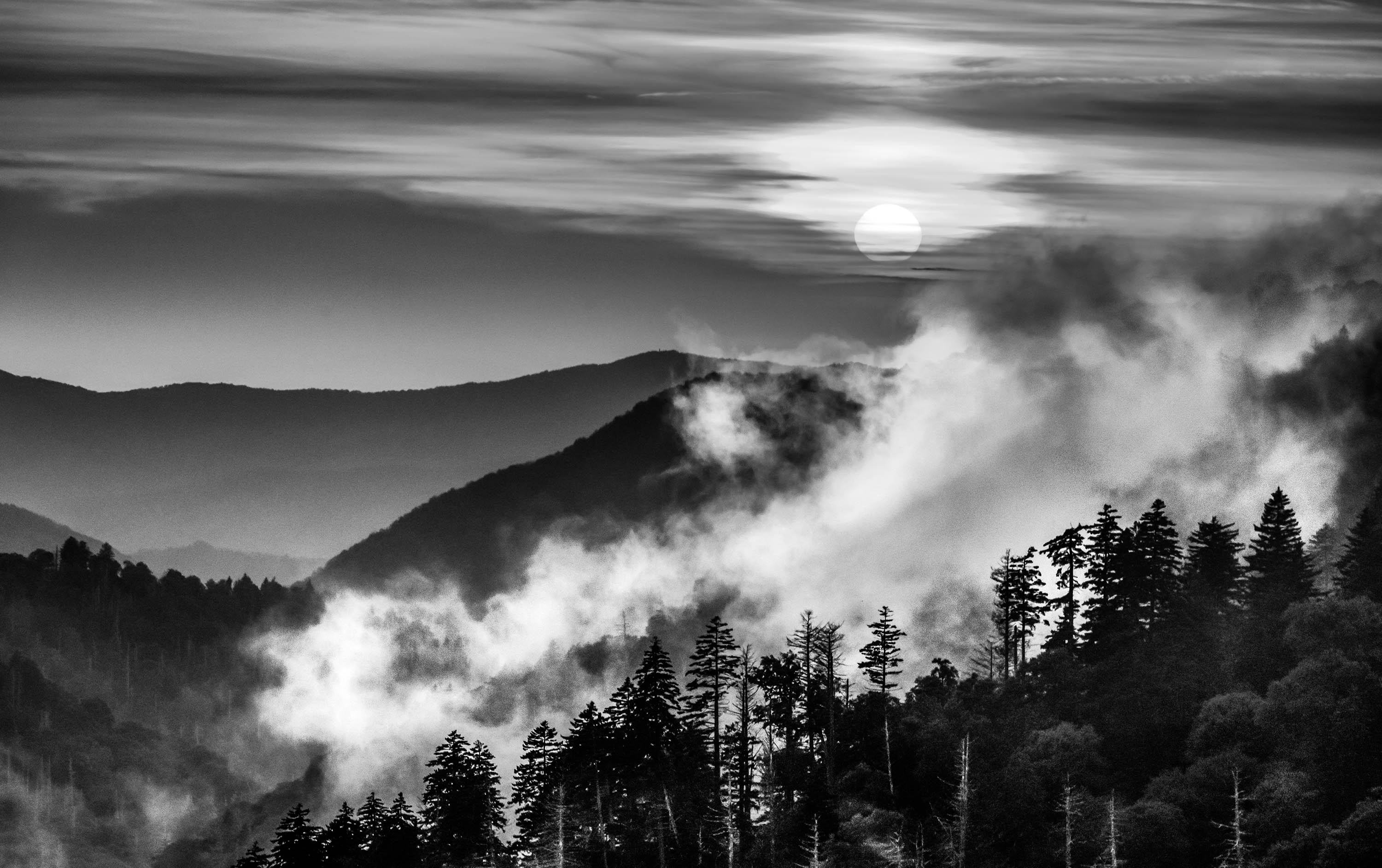
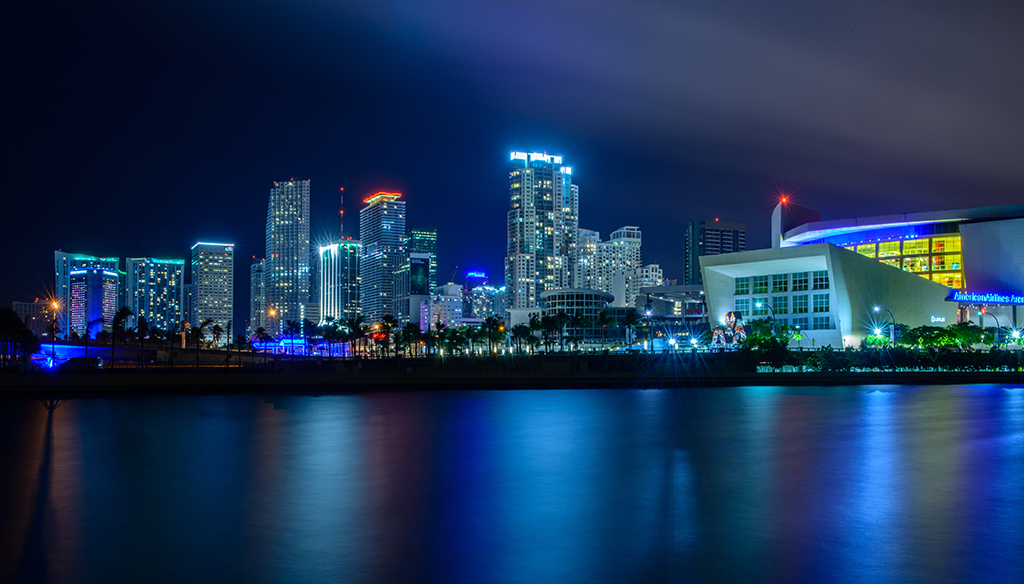
I read something a while back that said most landscape images include 25% too much sky. it stuck with me and now I subconsciously always make a mental crop. I'm not sure about the 25% amount, but I think the concept is likely valid. |
May 14th |
| 36 |
May 21 |
Comment |
Thanks Bill
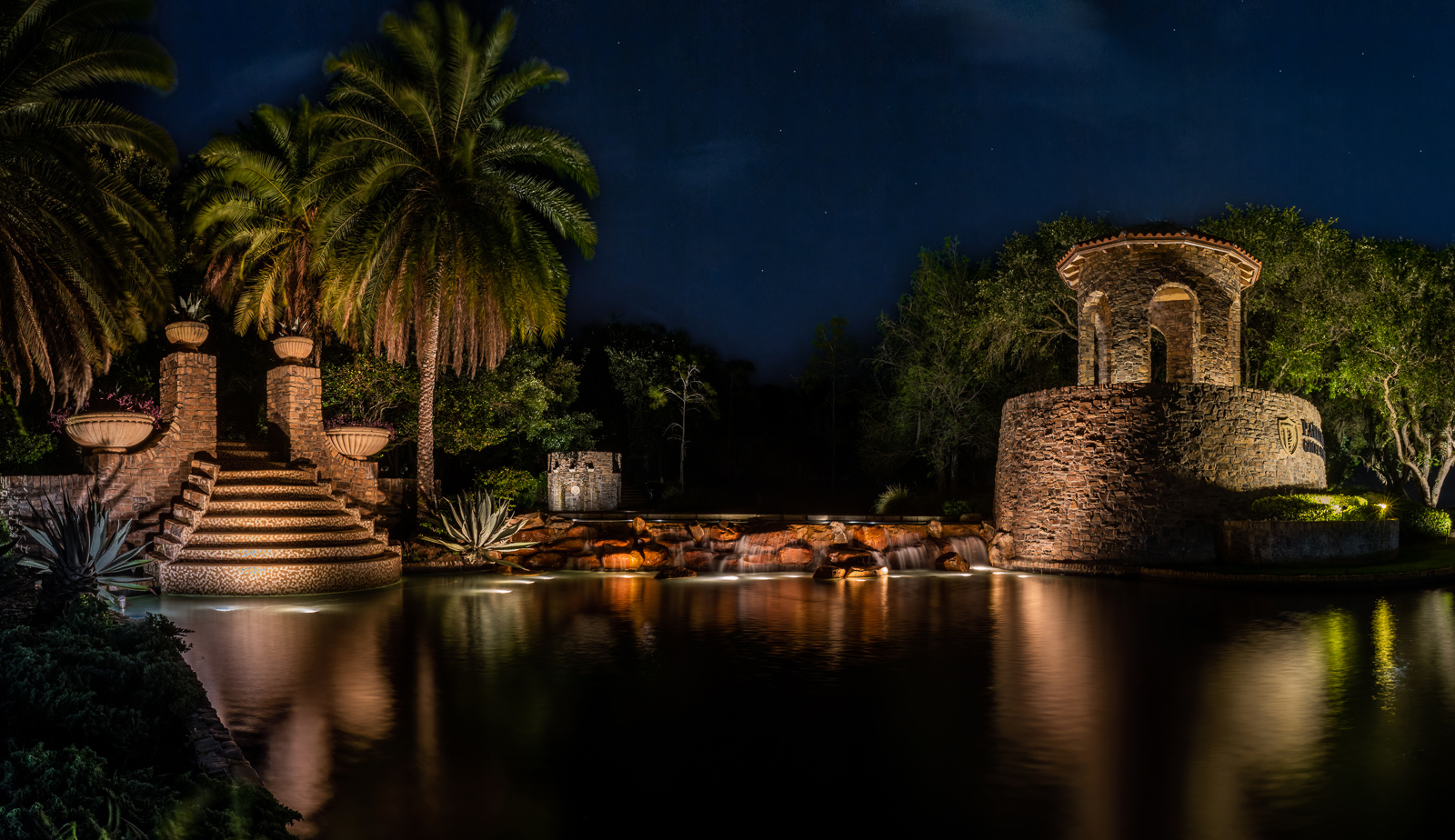
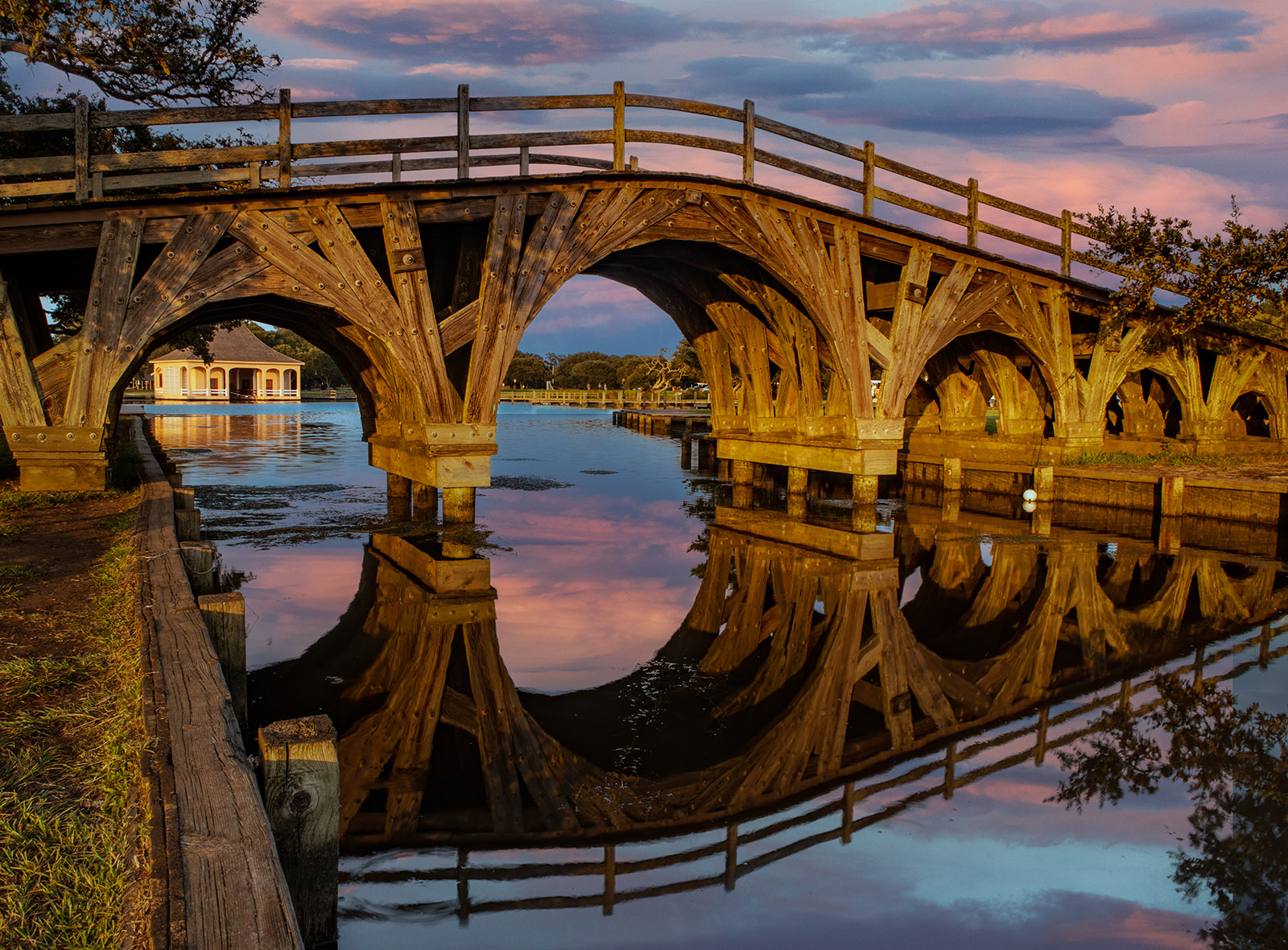
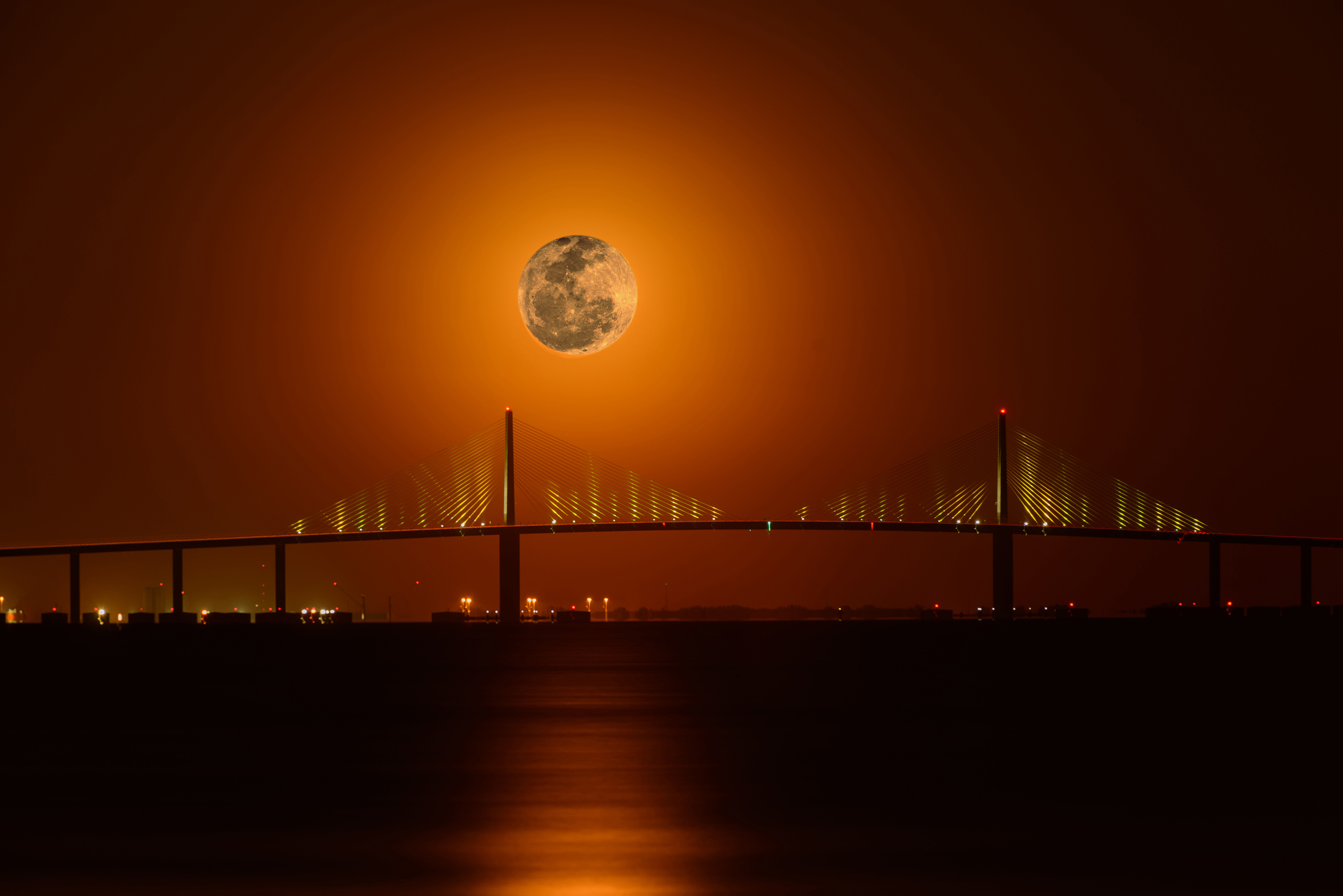
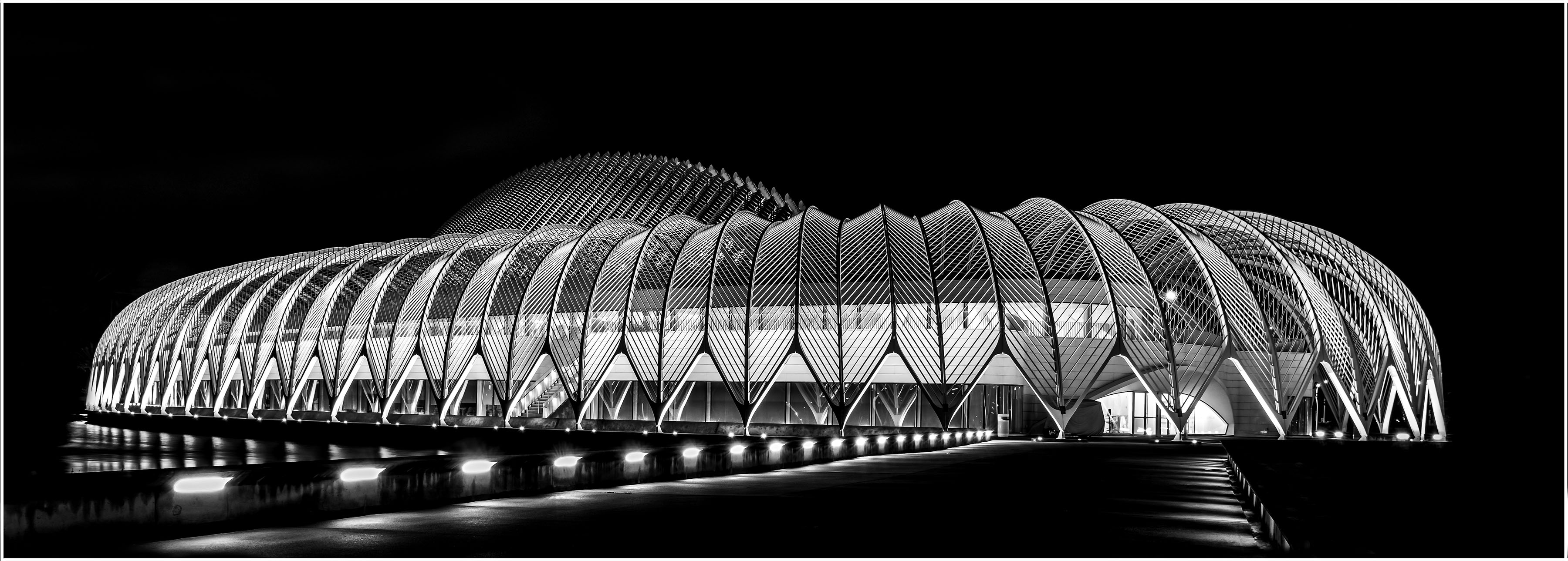
The sail are made of florescent tubes that have a shield on one side. The tubes are progressively rotated to produce the fade effect. So no matter where you are looking from you only can see half of the sail. Since they are tubes of light they will never be sharp as they always have a glow around the edges. The supports of the bridge and just cement blocks, although in the last year they have installed light panels on them like the one that shows on the left. As for the noise, It really doesn't show when printed. So me days I like the cloud at the top, other days I don't. All the prints I've sold were sold with the cloud. I just wondered what the group would think. Thus the question. |
May 13th |
| 36 |
May 21 |
Reply |
Interesting about the lack of sharpness. I'll have to do some checking on the other exposures I took that night and see how they look. Thanks for the heads up. |
May 9th |
| 36 |
May 21 |
Reply |
Thanks Arne.
As i noted earlier there were flashing red construction lights on the right so if I had extended the composition to the right those lights would have been an awful eyesore. Generally when at this bridge I prefer the wider view. |
May 9th |
| 36 |
May 21 |
Reply |
Thank you Stuart. That was my original thought but i thought I would ask the group for their opinions. Thought it might be something to bring out discussion. |
May 9th |
| 36 |
May 21 |
Reply |
Darn those judges. You'd think they all would get on the same page. :-) |
May 8th |
| 36 |
May 21 |
Reply |
Thanks for your thoughts. I usually shoot this in landscape format, however there were some construction barges and cranes on the left that really didn't help the composition and on the right there were several flashing red light that reflected off the bridge as well as being red eye sores. Most nights those are not present. I had thought of cropping the bright cloud off the top, but since this is a discussion group I thought I would see what the members might suggest. I included my question in my write up for this purpose. |
May 8th |
| 36 |
May 21 |
Comment |
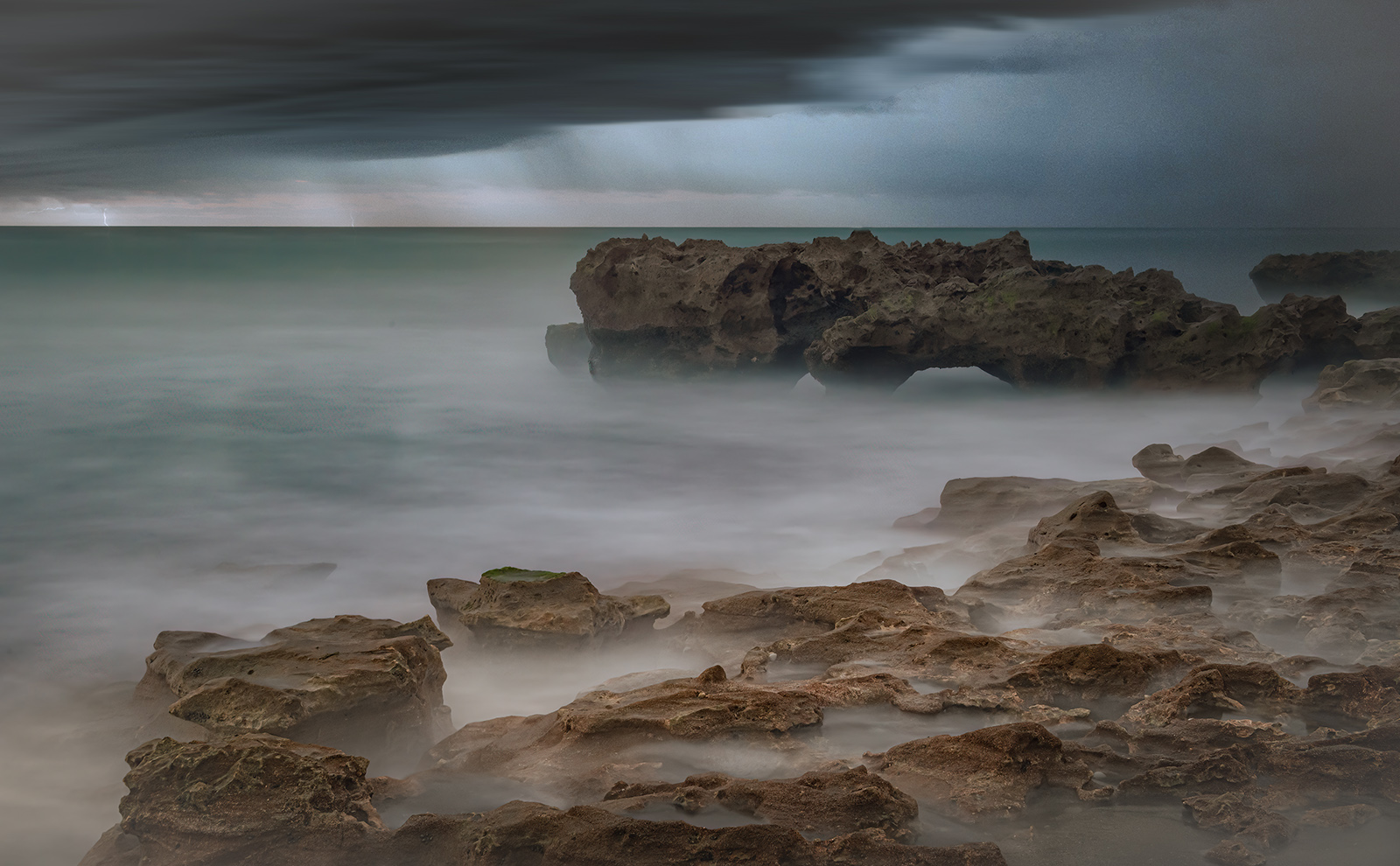
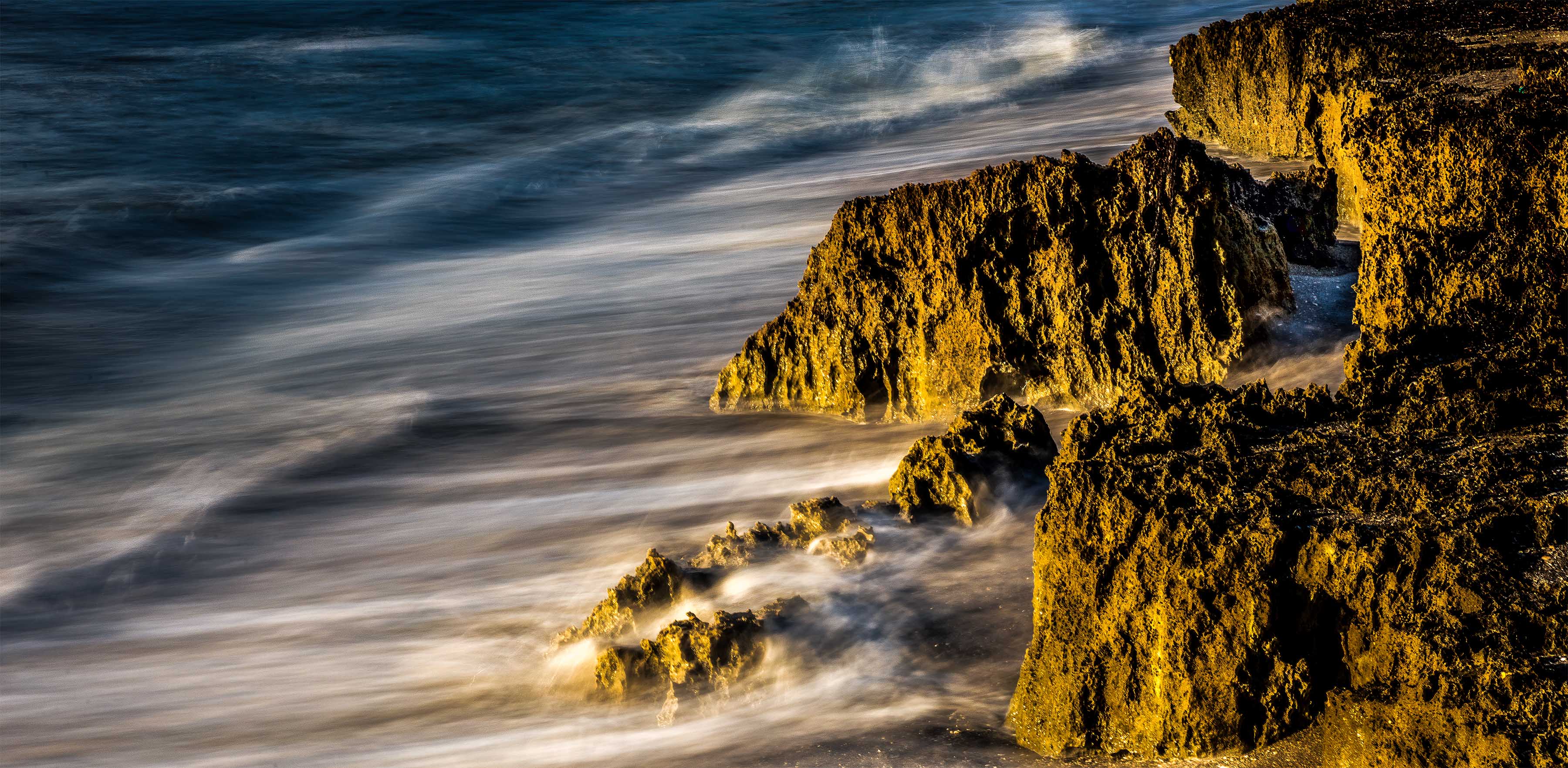
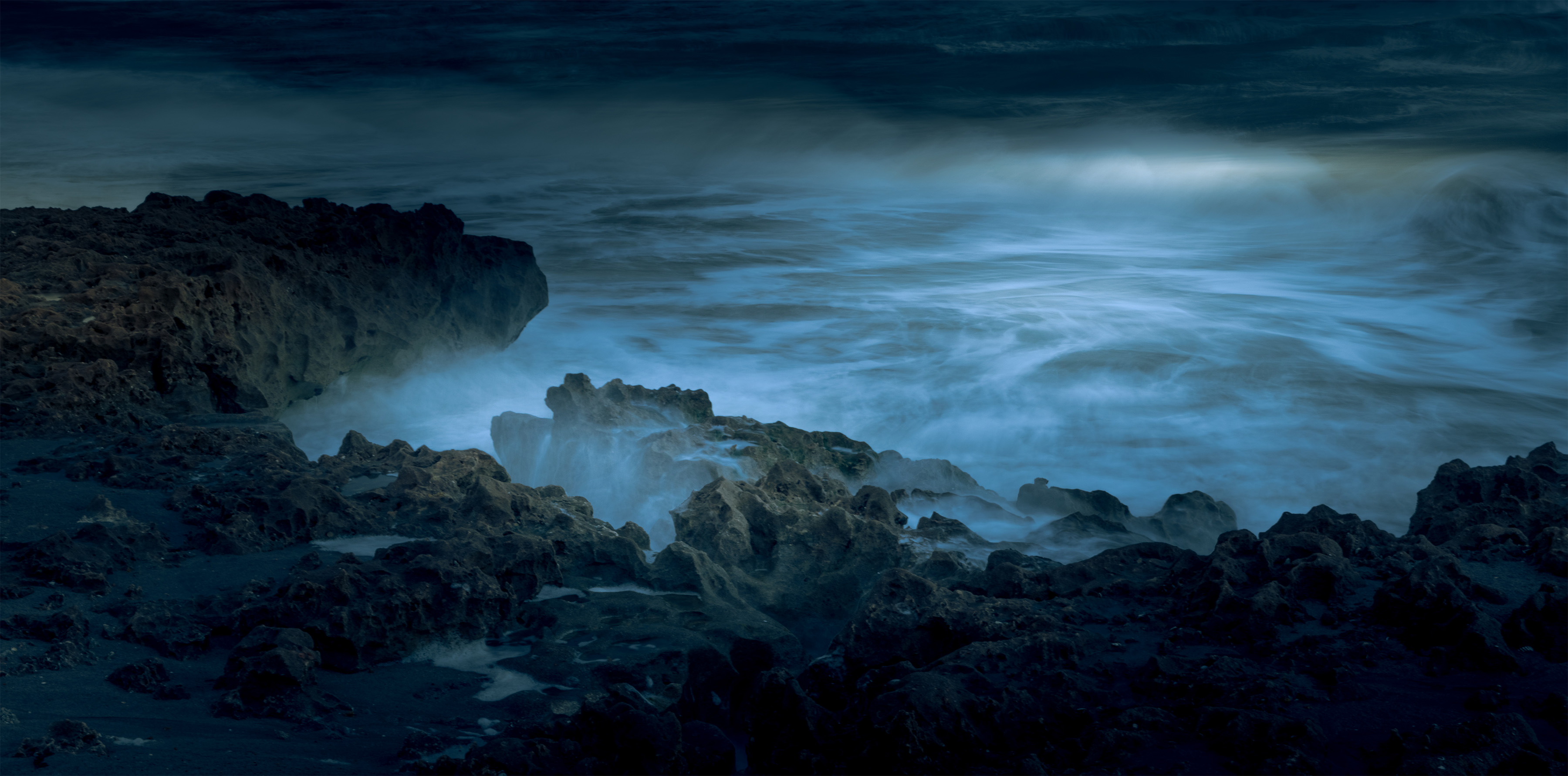
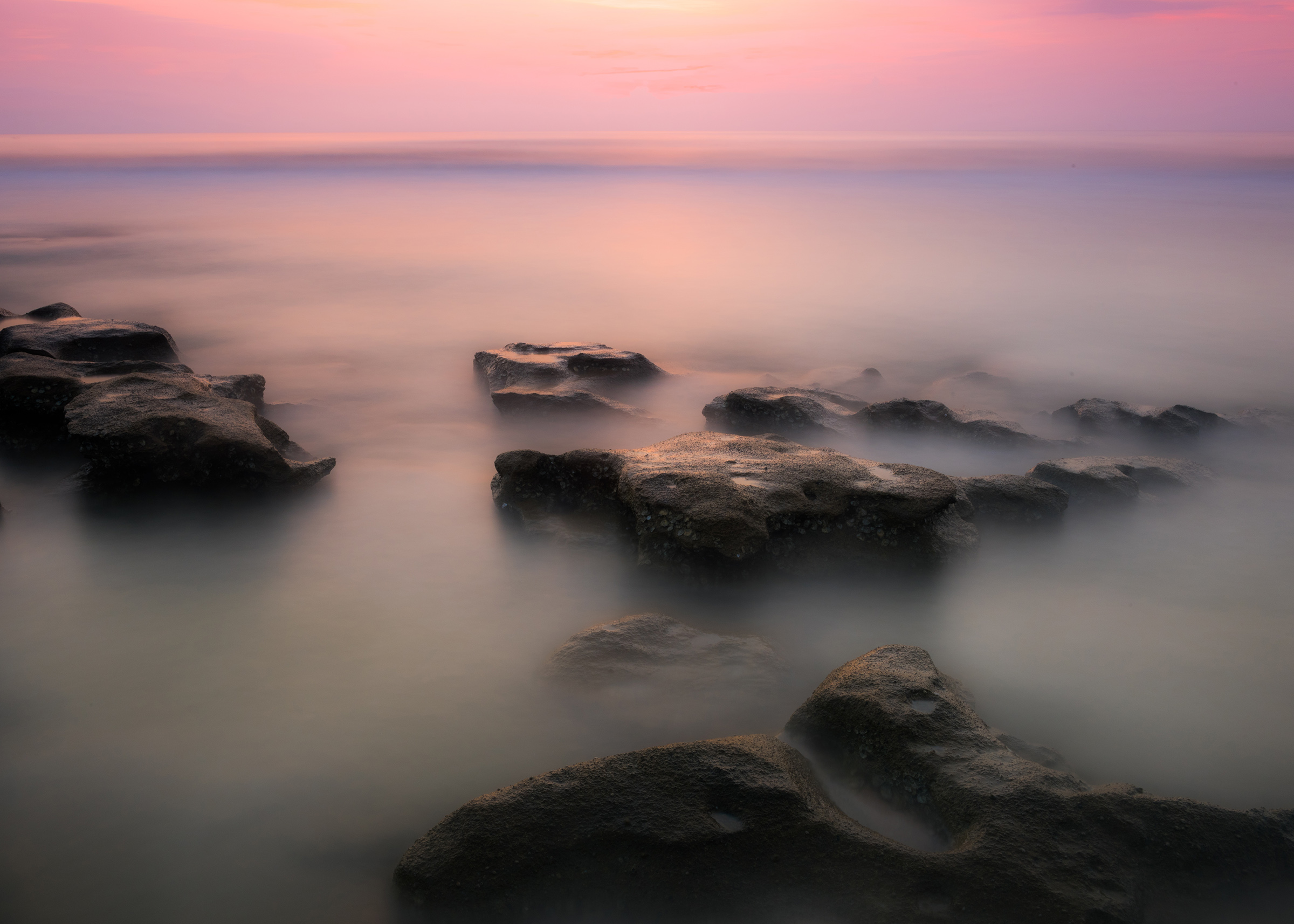
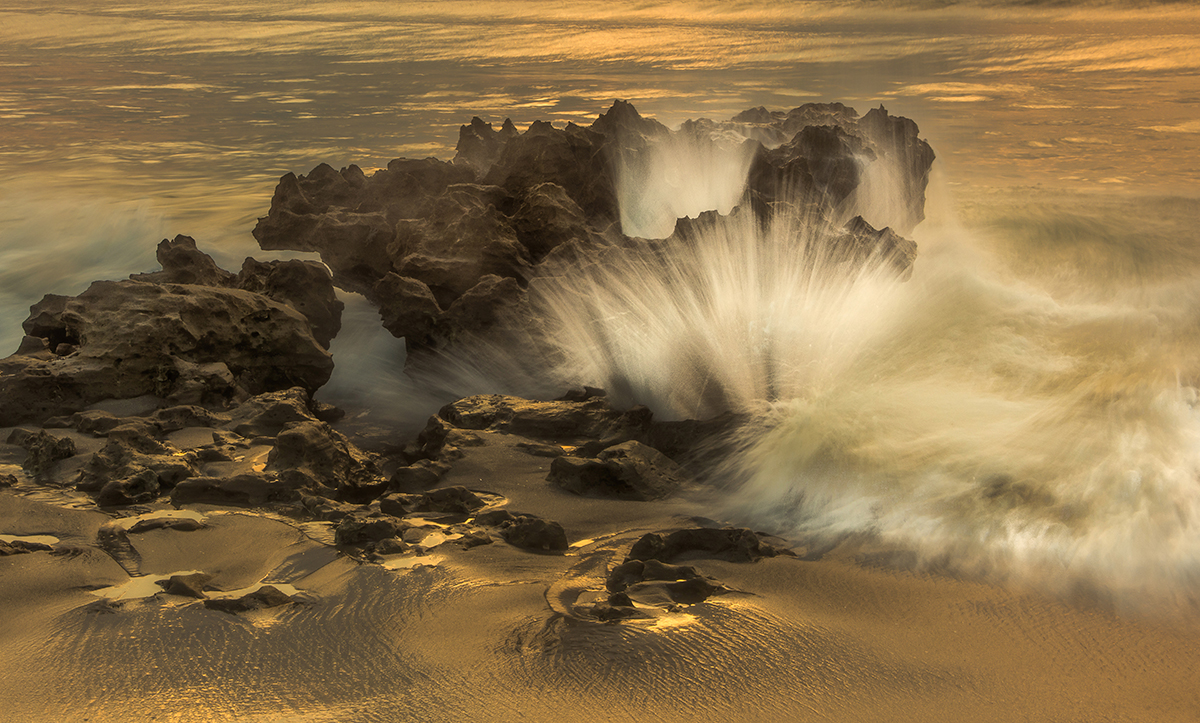
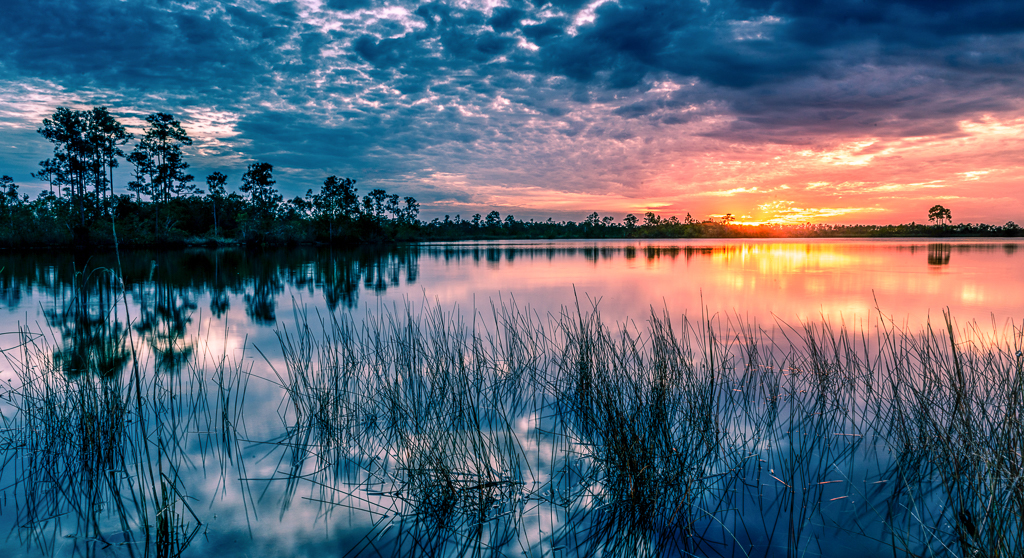
I actually think you created a strong focal point with isolated golden sunrise area on the left. You also have several other factors working quite favorably for you. Having the complimentary colors of blue and yellow/orange add a great deal of impact as they the most favorable colors for photography. Your selected shutter speed roughed up the water just enough to turn it into multiple leading lines, that along with the lines created by the edges of the waves make the lines that much stronger. The near white tones of the waves work well with the darker tones to add additional impact. Personally, I might have cropped the blank band of blue sky off the top, but that could be simply a maker's choice. |
May 8th |
| 36 |
May 21 |
Comment |
Nicely done with this image of the dunes. The addition of the photographer adds enough scale to show the vastness of the landscape. I'm wondering if lowering the black point just might increase the shadows on the dunes and thus add some punch to the entire scene. I'll agree with Barbara that I generally like to see some texture in sand dunes to keep the area from being so flat, but the conditions did keep the foot prints off the sand so I guess there is a tradeoff. I also think the pano format adds to the feeling of vastness. |
May 8th |
| 36 |
May 21 |
Comment |
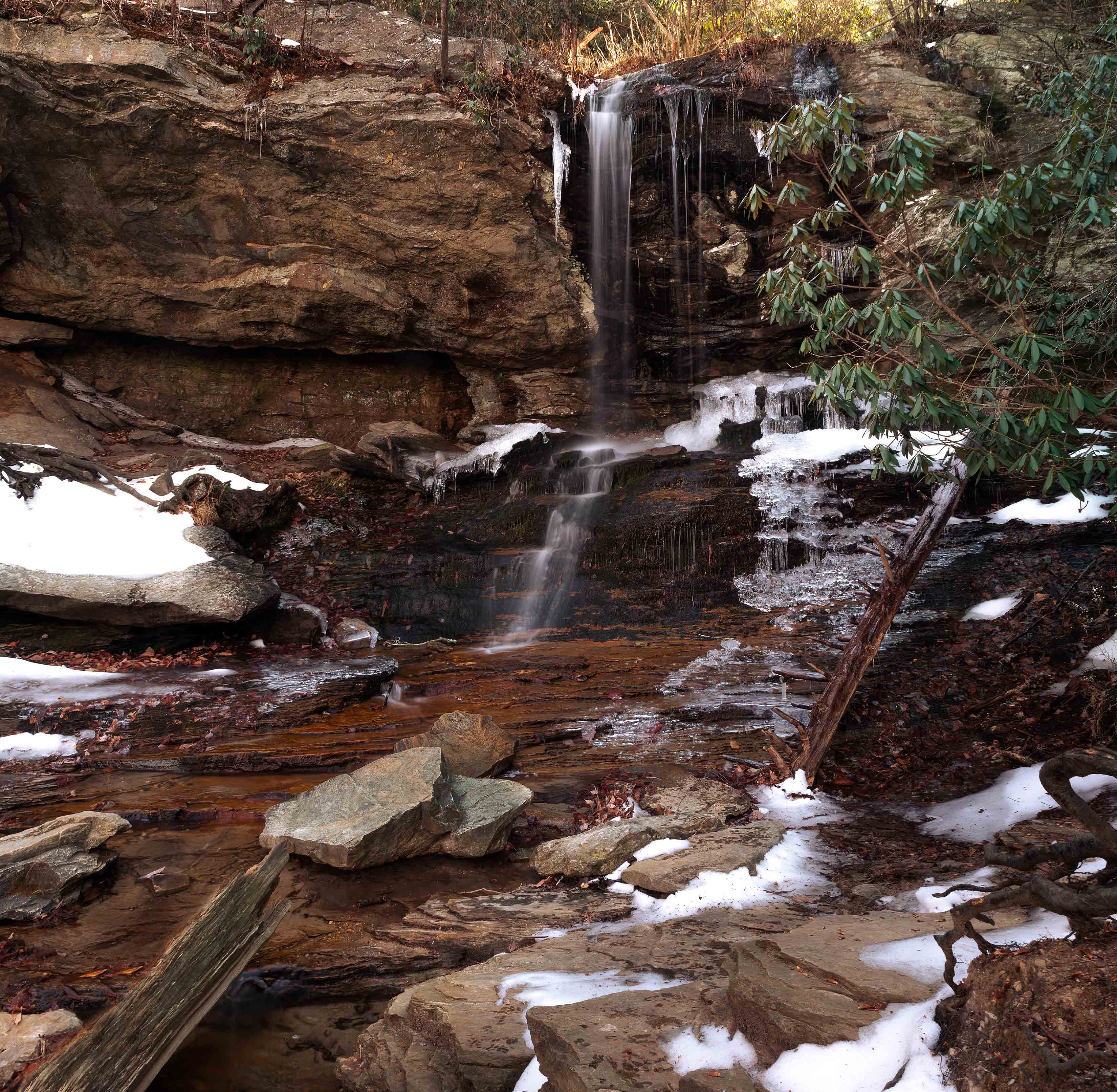
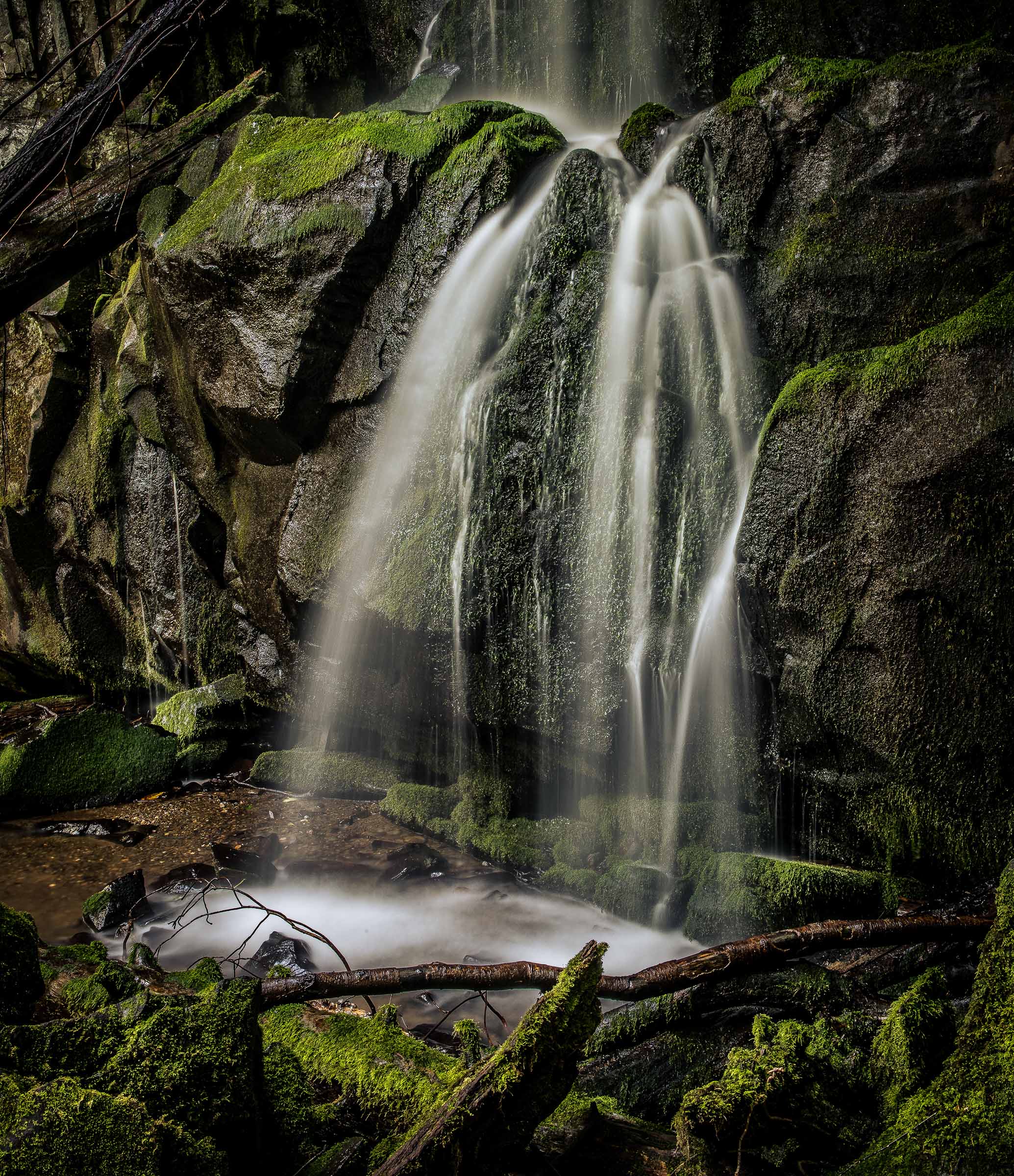
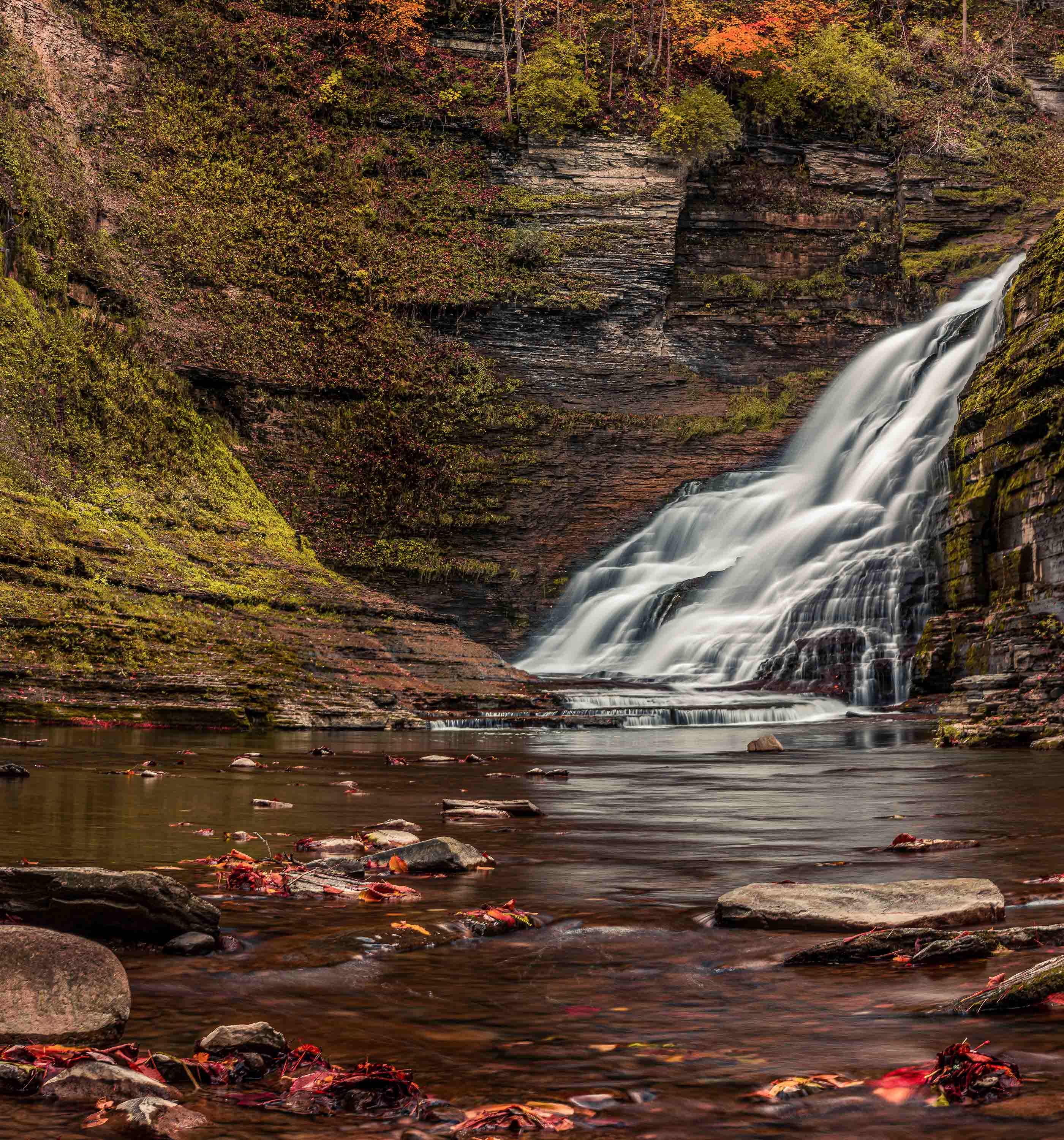
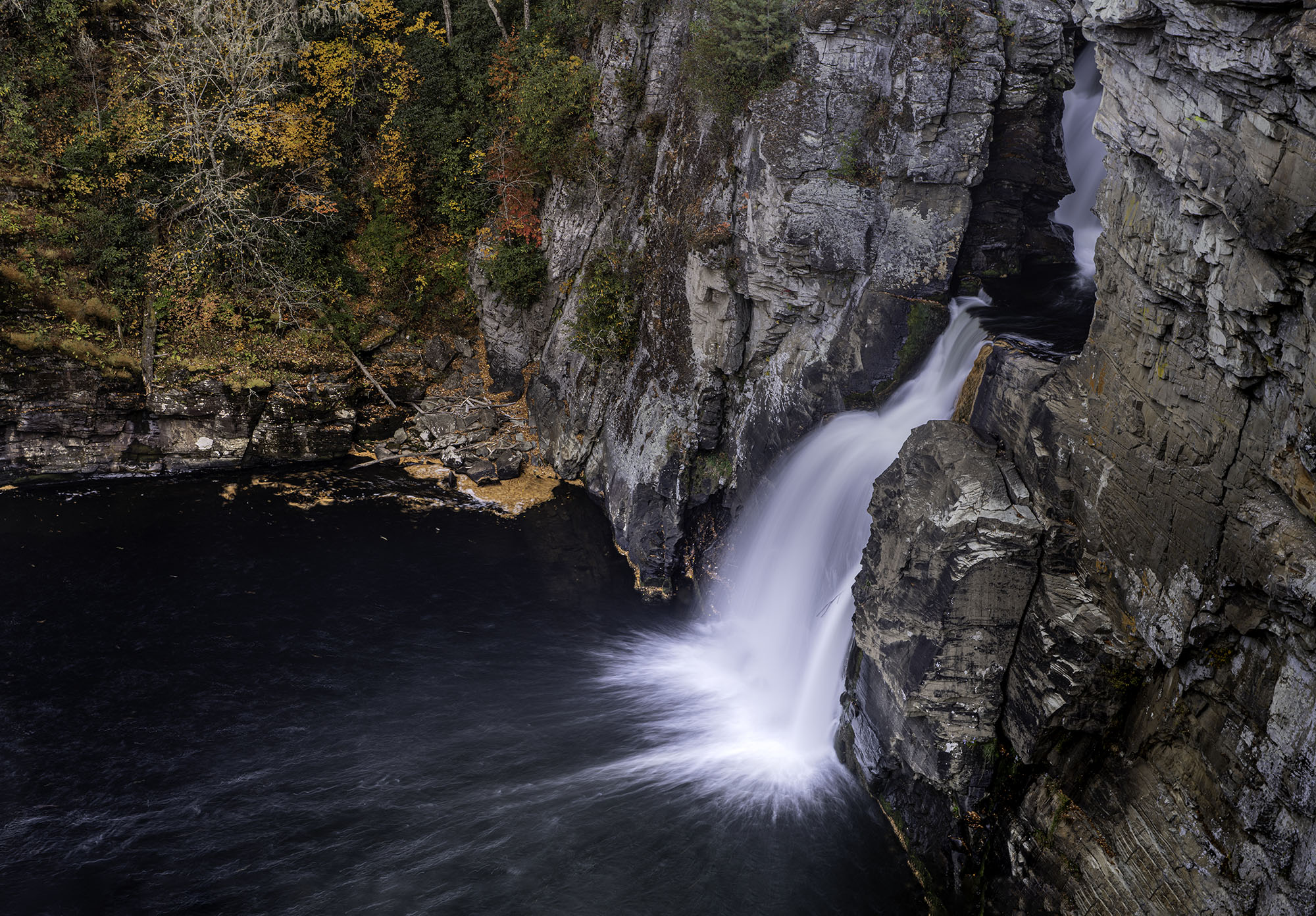
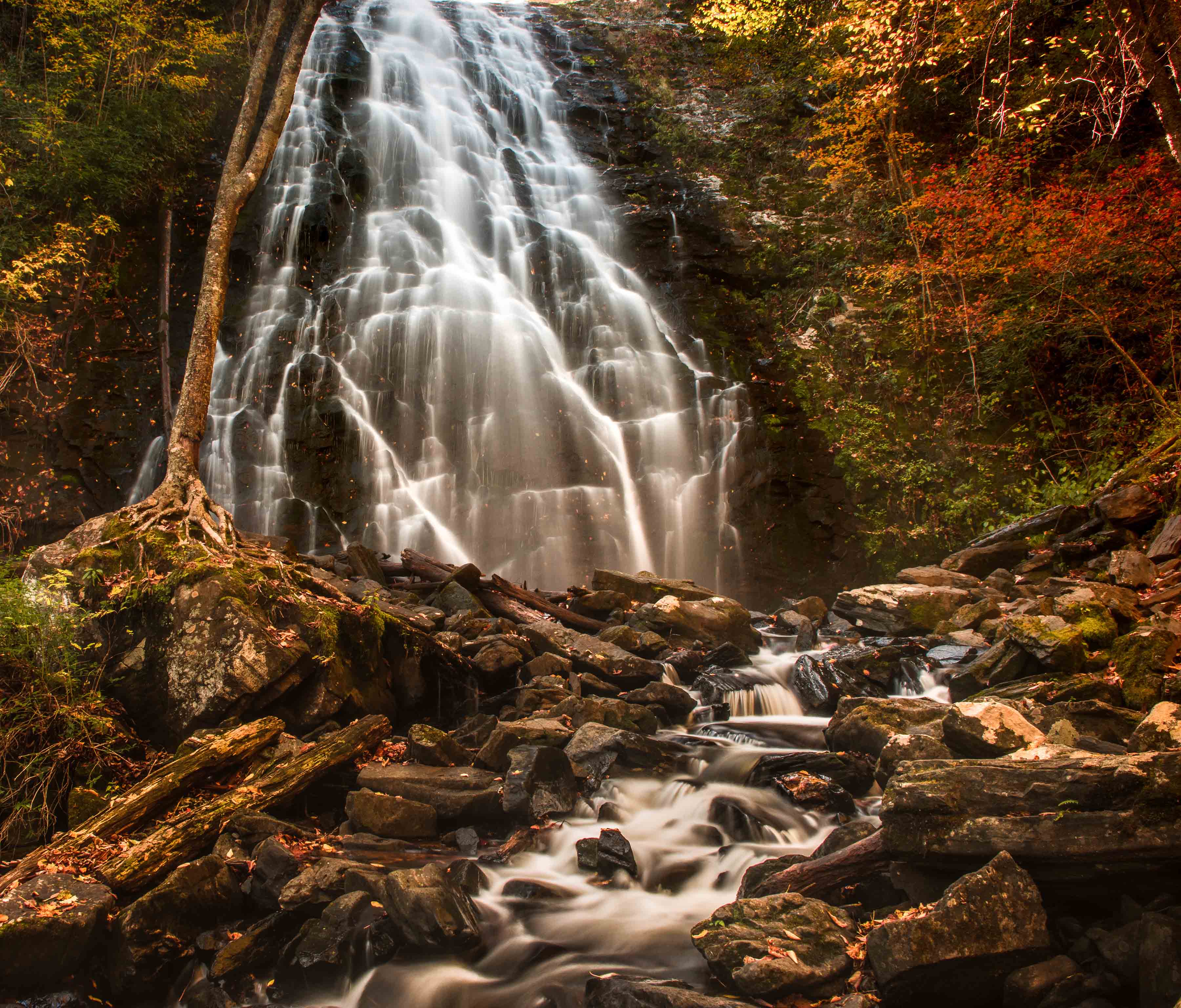
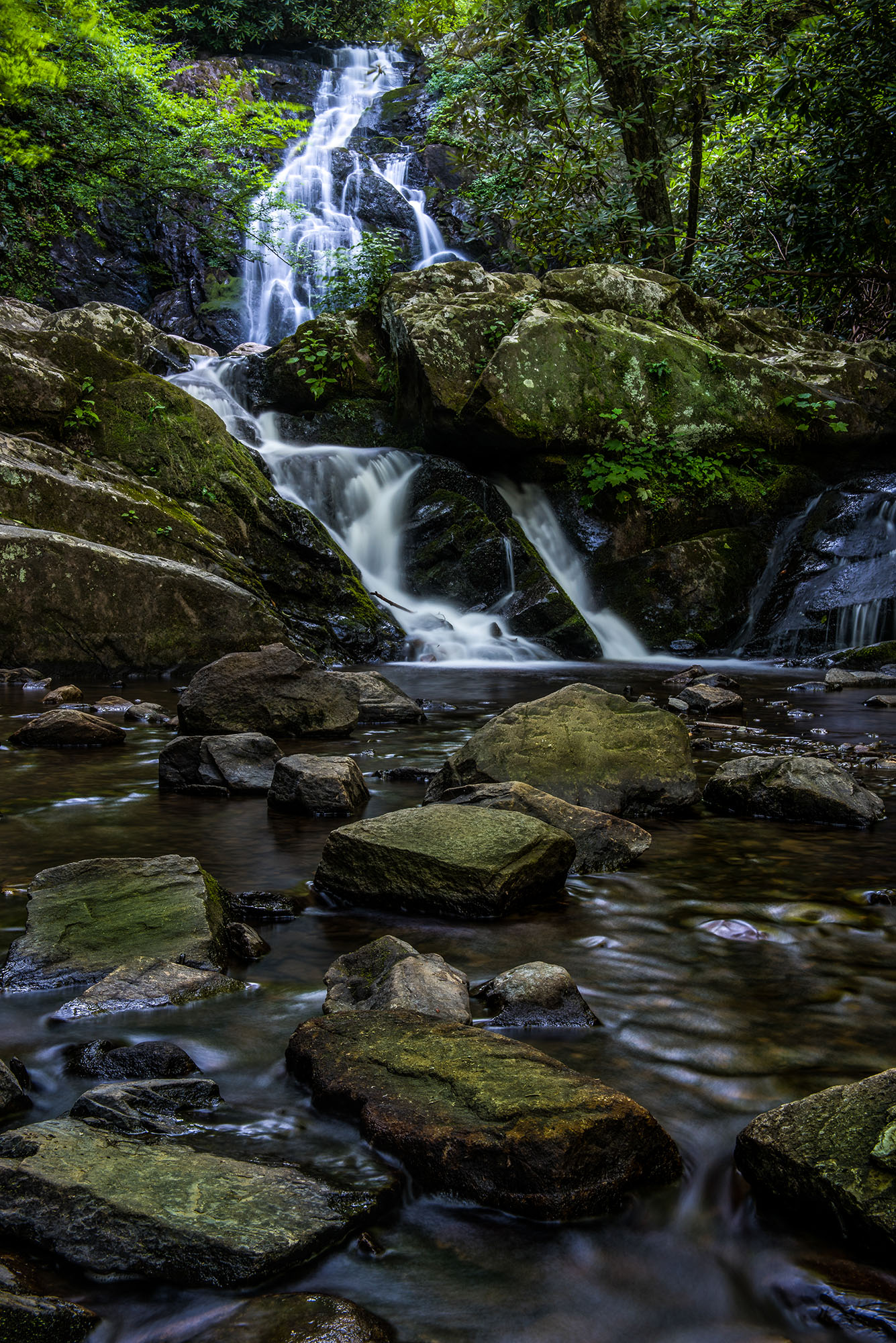
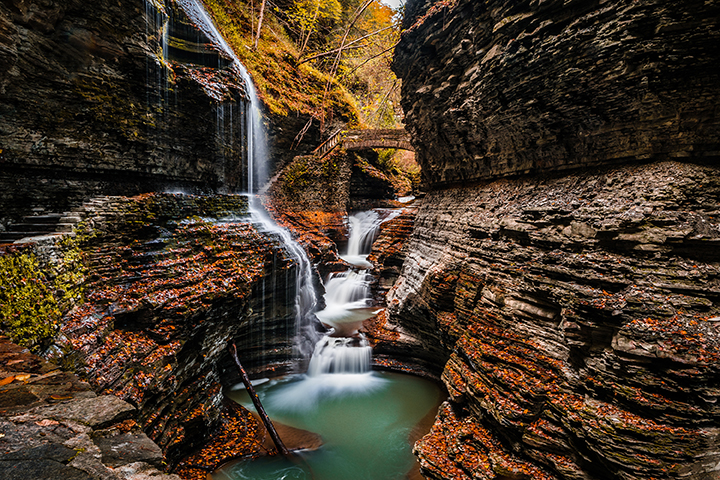
This is a fine capture of a rugged landscape that has visual appeal. The flow of the water leading out of the lower righthand corner works well and the shutter speed kept plenty of detail in the water. I feel there are several areas that may need a bit of attention. Most visible is the dark sky above the mountains looks quite artificial. Almost like a gradient was applied heavy-handedly. Secondly I feel that there is some over exposed areas in the higher portions of the falls. This does not seem to be extreme and could likely be easily recovered. With all the detail in the background cliffs I'm wondering if this might be a candidate for a focus stack. It would be relatively easy to do this with 3 shots. |
May 8th |
| 36 |
May 21 |
Comment |
This is another weather induced moody image that I feel works quite well. And, as has been suggested, perfect weather for a kayak. I really love the misty clouds on the mountain that make it feel as if the weather is moving in. As for the horizon line on the lake, well, I examined the trees and they appear to be vertically correct. I checked the horizon and the right side does seem to be a bit higher than the left. However that may be because it is further away and has a larger amount of "white" at the shoreline. I feel as if the horizon line is fine and would prefer to keep the trees in the foreground standing vertical. If I were to offer any suggestions it would be to slightly tone down the bright water in the foreground center. The area is so much brighter than the rest of the image that it holds the viewer's eye and keep me from roaming throughout the image. I would also suggest a polarizer as it would add drama to the clouds along with contrast and may also favorably impact that white water in the foreground. |
May 8th |
| 36 |
May 21 |
Comment |
I find this to be a nice "moody" image of an Irish coastline. Personally, I prefer the moody scenes to the usual nice sunny day versions that are presented most of the time. You sky replacement looks well enough matched to the rest of the image as to be believable although there seems to be a slight halo on the far right side. I also find the white rocks near the waterline on the left side look a bit unnatural, maybe they were sharpened too much?
But when all is said and done,this is a quite pleasing image. |
May 8th |
6 comments - 6 replies for Group 36
|
| 40 |
May 21 |
Reply |
If I encouraged you to think a bit then I'm really pleased.
I hope your future is full of thoughtful photos. :-) |
May 23rd |
| 40 |
May 21 |
Comment |
Hi Henry
Growing up in Chicago near the likely end of this ships voyage (heading to Gary Indiana) I've seen similar views many times. Shots like this always tend to look better when being captured than when viewer (after all, these ships are huge!) I feel as if the potential impact of this scene is hurt my your composition. When first looking at this scene the sky is overwhelming. Remember the eye is subconsciously drawn to the brightest part of the frame, and that is the sky. Unless you want me to look at the sky, may I suggest a panorama crop and thus reduce much of the potentially distracting sky? Secondly, the poor tree on the right appears to be drowning in the lake. I would therefore suggest using a lower camera angle to catch some of the land and thus provide the tree a place to live and grow.
While all the above are cosmetic changes I think the real question, is exactly what was your intent when you captured this scene? Were you just trying to capture a pleasant day at the lake? Were you trying to show the coming of spring, or were you trying to show the ore carrier? A good landscape image has a strong subject that is clear and leaps out of the scene and grabs the viewer. If the subject is to be the ore carrier, I think you need a longer lens. |
May 12th |
1 comment - 1 reply for Group 40
|
| 50 |
May 21 |
Comment |
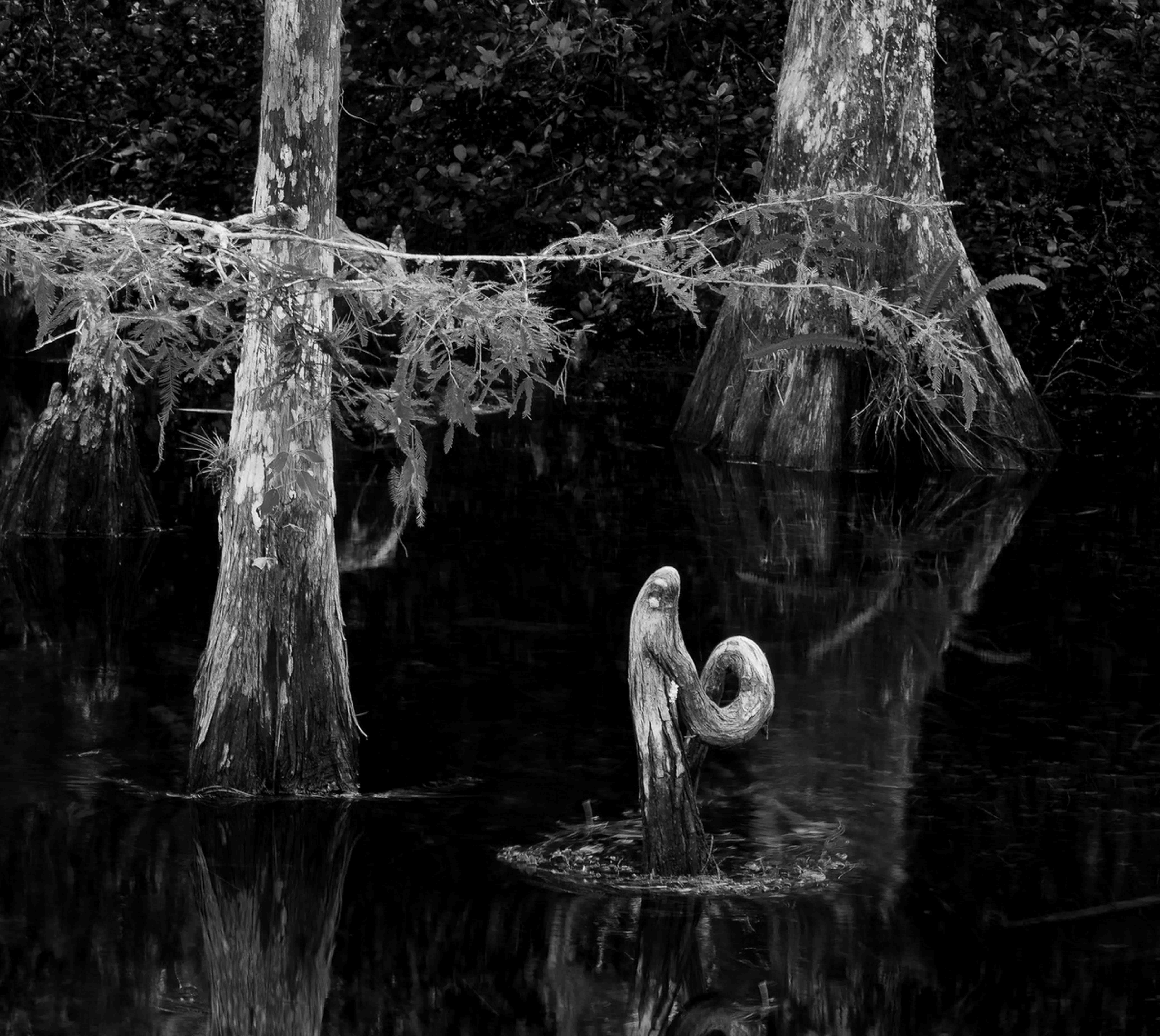
What a lovely and creative image that turns the ordinary into the extraordinary. This is well seen and wonderfully put together You positioning of the twine in the lower third area and the addition of the four bamboo "ribs" below the knots is an excellent visual touch. The conversion to monochrome (not b/w) adds a touch of originality to the image and works quite well. You did nearly everything perfectly.
May I suggest that you consider slightly toning down the bright areas on the upper portions of the bamboo. They appear to have lost some detail that shows in the original image. |
May 8th |
| 50 |
May 21 |
Comment |
At first glance this is quite a striking image (even if it was only taken 11 years ago, not 21). The image is quite sharp (no pun intended) and the natural leading lines heading toward the two bright areas work quite well. I also like the manner in which the background cactus is a bit darker as it helps to frame the two in the front.
In my opinion there are two distracting areas. The first that that the two bright white areas (which by default become subjects) are void of detail. That lack of detail eliminates interest and degrades the image. I'm not certain if there is enough detail there to recover. The second area also involves those round white areas. Since, due to their brightness they become simple subjects I would suggest that you back up just a bit to avoid partially cropping them. They would add great strength to the image if placed on the upper rule of thirds left and right fixation points. Plus you would add more leading lines coming from both sides and pointing to those bright areas. |
May 8th |
| 50 |
May 21 |
Comment |
First congratulations on your award.d Converting this to B/W I feel was a great choice. Those red and blue areas (seen in the color version) would be terrible distractions that would seriously degrade the image. You might find that judges will lower the score for the limited use of the full tonal range. The image seems to have a feeling be being grey. Perhaps lowering the black point only slightly may solve this. Your panning skills are quite good and they enhance this image. |
May 8th |
| 50 |
May 21 |
Comment |
I feel this is a quite dramatic image in black and white. Those limited tones and the fact that you used the full range of tones from black blacks to white whites created a great deal of impact. You did this quite well and should be pleased. The textures you captured in the coats of the camels are what I feel makes this image work. However, at least for me, weakens the image is the addition of the 4th animal in the background. It is not so much the camel's head, but the hump. I think the line created by the three camel's coming from the right form such a strong feeling of order and unity that the addition of that hump simply feel out of place.
I think your removal of the rocks and substitution of a clean sky add greatly to the simplicity and impact. |
May 8th |
4 comments - 0 replies for Group 50
|
| 63 |
May 21 |
Comment |
When shooting a focus stack series the camera moves the focus progressively into the frame. It you feel some part of the image might not be as sharp as you want (You should review your series of images in camera before moving the camera) then with out moving the camera simply manually focus on the area you are worried about and take another shot. You can latter add it to the focus stacked series when you do the processing. |
May 4th |
1 comment - 0 replies for Group 63
|
| 67 |
May 21 |
Reply |
Thanks David
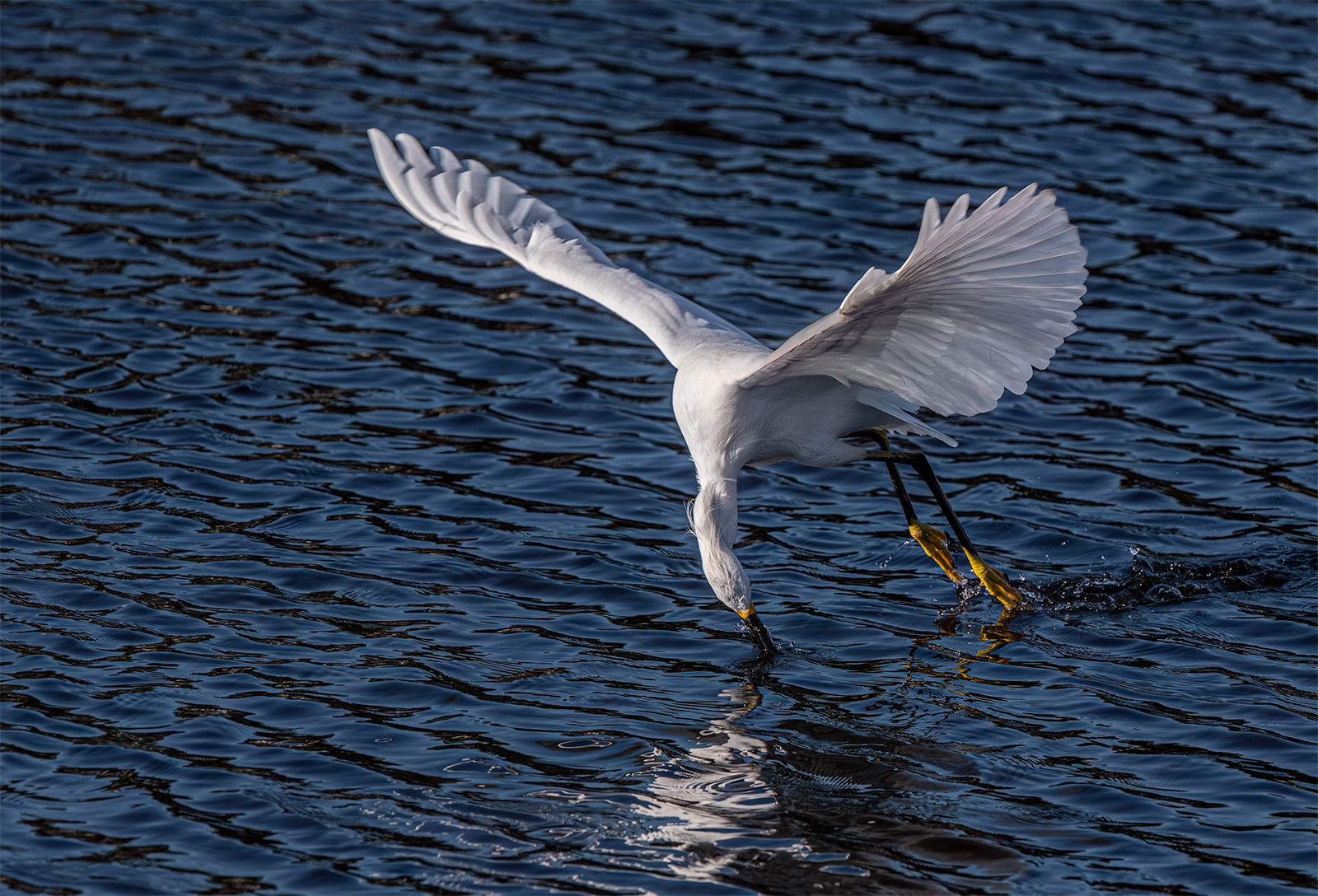
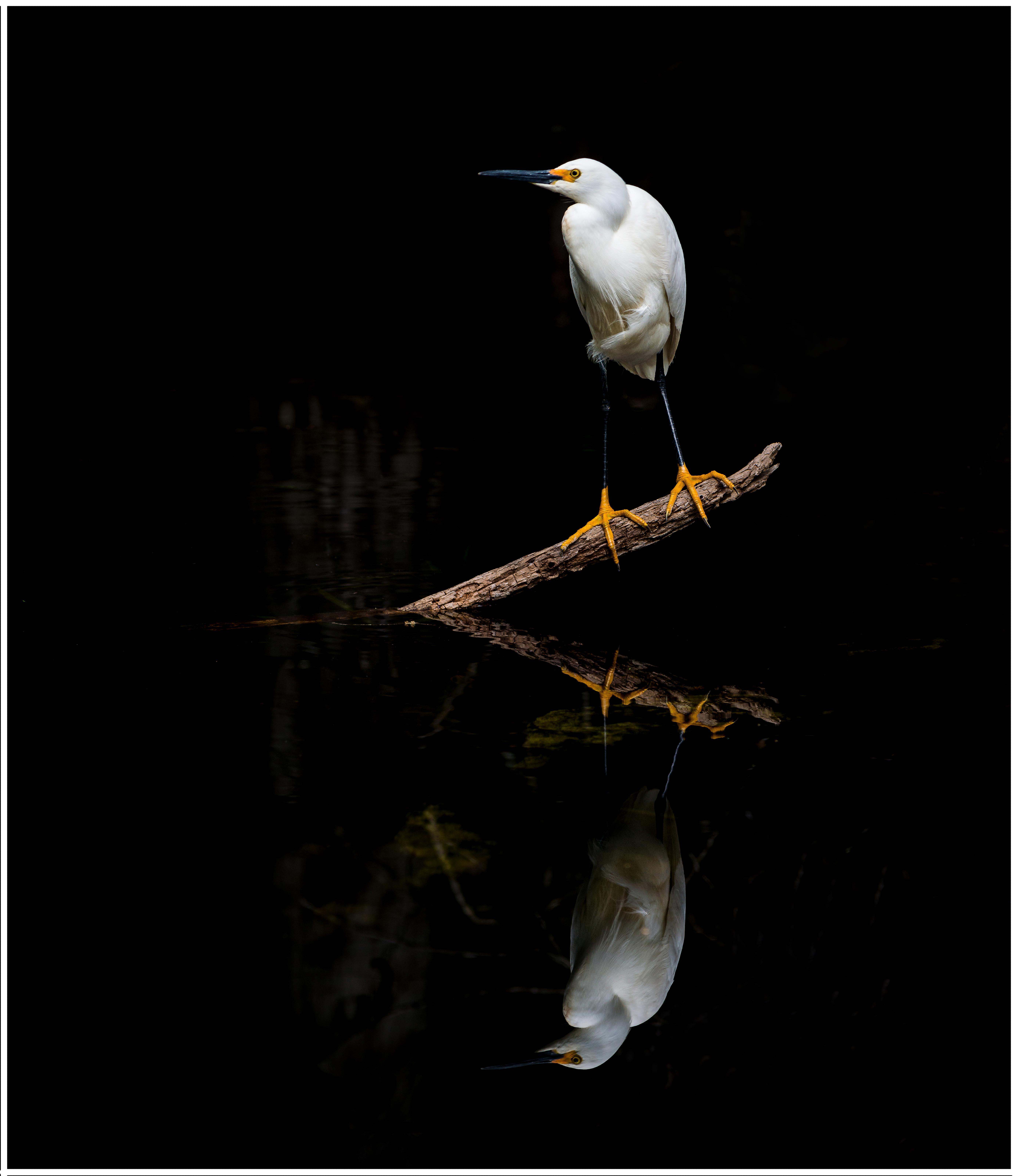
I always shoot white birds in manual and use single point. I expose for the highlights (the whites and let the rest fall into shadow. For white birds, the camera gets put away once it gets bright out side. |
May 24th |
| 67 |
May 21 |
Reply |
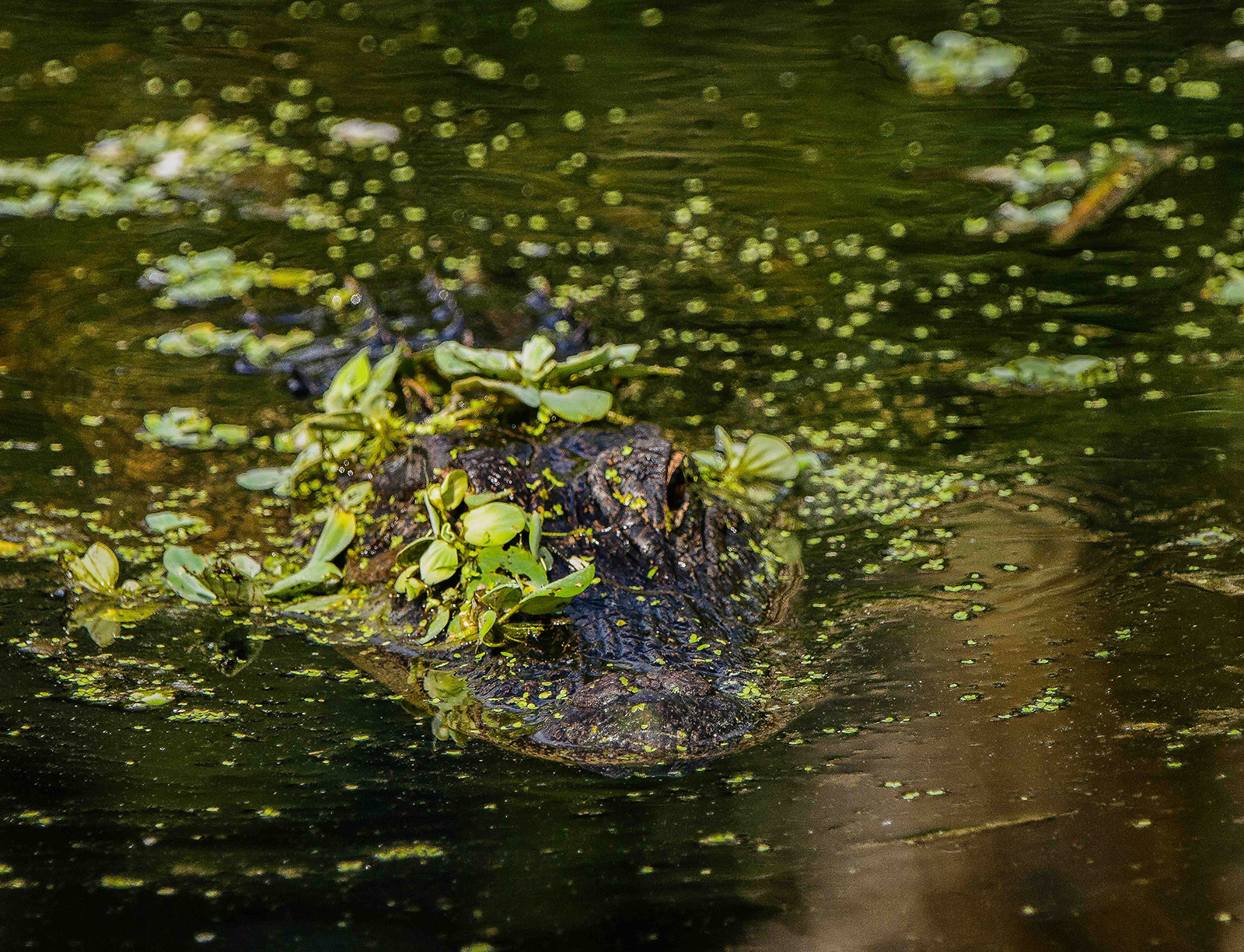
A kayak lets you drift right up and it doesn't seem to bother them a whole lot. I don't take the kayak out with the gators during mating season---then they will run over anything to get at the female. The rest of the time they are not a problem.
My Kayak came with rails on the edges and so I just use clamps to to attach the legs to the rails. I hae not seen any of the new kayaks with similar rails.
I am still hanging around, but I'm minus a hand. Seems some croc wanted my watch. At least now he tic-toks so I can hear him when he is close. |
May 23rd |
| 67 |
May 21 |
Reply |
Well, I guess I'd have a smug look too if I could steal a ride ona gator's back, and live to tell the tale. :-) |
May 13th |
| 67 |
May 21 |
Comment |
A most startling and strangely impactive image. By capturing a view seldom seen the image has a feel of originality and that is always a plus. The abundance of grass showing doesn't bother me at all and even the piece the parallels the body on the right is fine. What does annoy me at the two bright white "eye" that appear in the lower parts of the grasses. Those could be cloned out quite easily. If the material in the upper right hand corner bothers you, a bit of cloning and some final clean up with Content Aware Fill would easily solve that problem.
The uniqueness of the image carries the day. |
May 10th |
| 67 |
May 21 |
Comment |
To me nothing says winter in the wilderness more than a buffalo in the snow. somehow they just seem defiant of the whole matter. Converting this to black and white just adds to this feeling.
For me the greatest distracting part is the fact that so many of the beasts are facing the wrong way. With wildlife the eye is all important and with two turned away and one hidden I feel cheated. |
May 10th |
| 67 |
May 21 |
Comment |
Even with the high ISO there does not appear to be excessive noise. So the high ISO did not harm the image. The the capture of the exhaled breath does tell a good nature story. Of greater concern to me the the bright and partially burned areas on the cattails. I feel like these should be toned down. At least for me, the large cattail on the left draws my eye more than the bird simply because it is large and bright.
I do like your use of a fast shutter and auto ISO |
May 10th |
| 67 |
May 21 |
Comment |
The little guy came out quite sharp even with the crop. I guess AI did its job pretty well. everything does not have to be shot as per the rule of thirds and this image works well enough. Both the branch and the bird have plenty of texture and interest so I would not worry. I would suggest using those Lightroom Brushes and some selective dodging and burning to make a couple of changes The branch is the brightest part of the image so I would use the brush to tone it down just a bit and then to brush the bird a bit to brighten it up. That would put the visual interest on the bird especially since he is in the center of the frame.
I love the background and hiding the trees also worked well. However as long as you are manipulating the image I would suggest moving it to Photoshop, and using Content Aware Fill and remove the dark shadow on the right. To me that shadow makes the image feel a bit crowded. |
May 10th |
| 67 |
May 21 |
Comment |
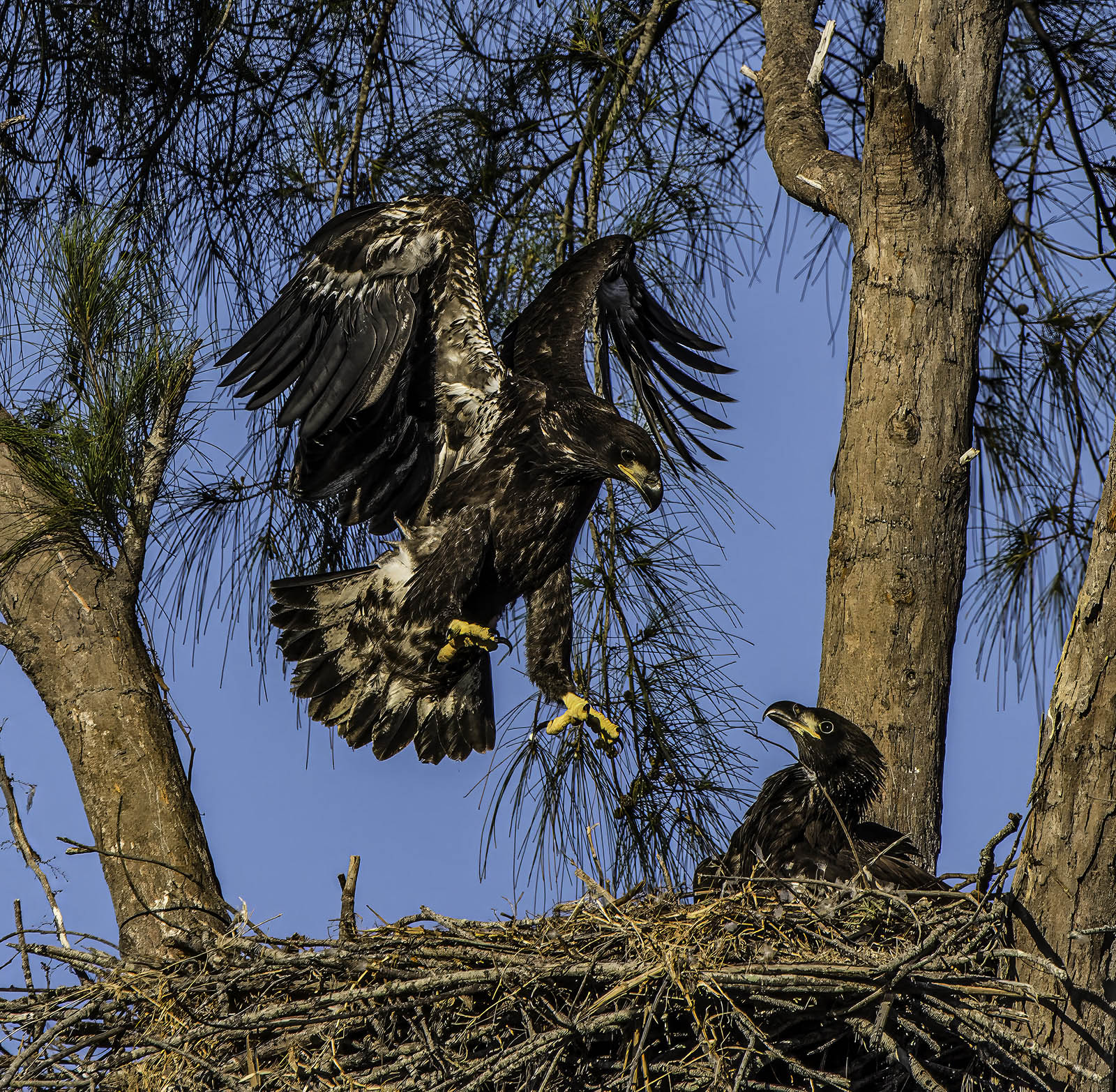
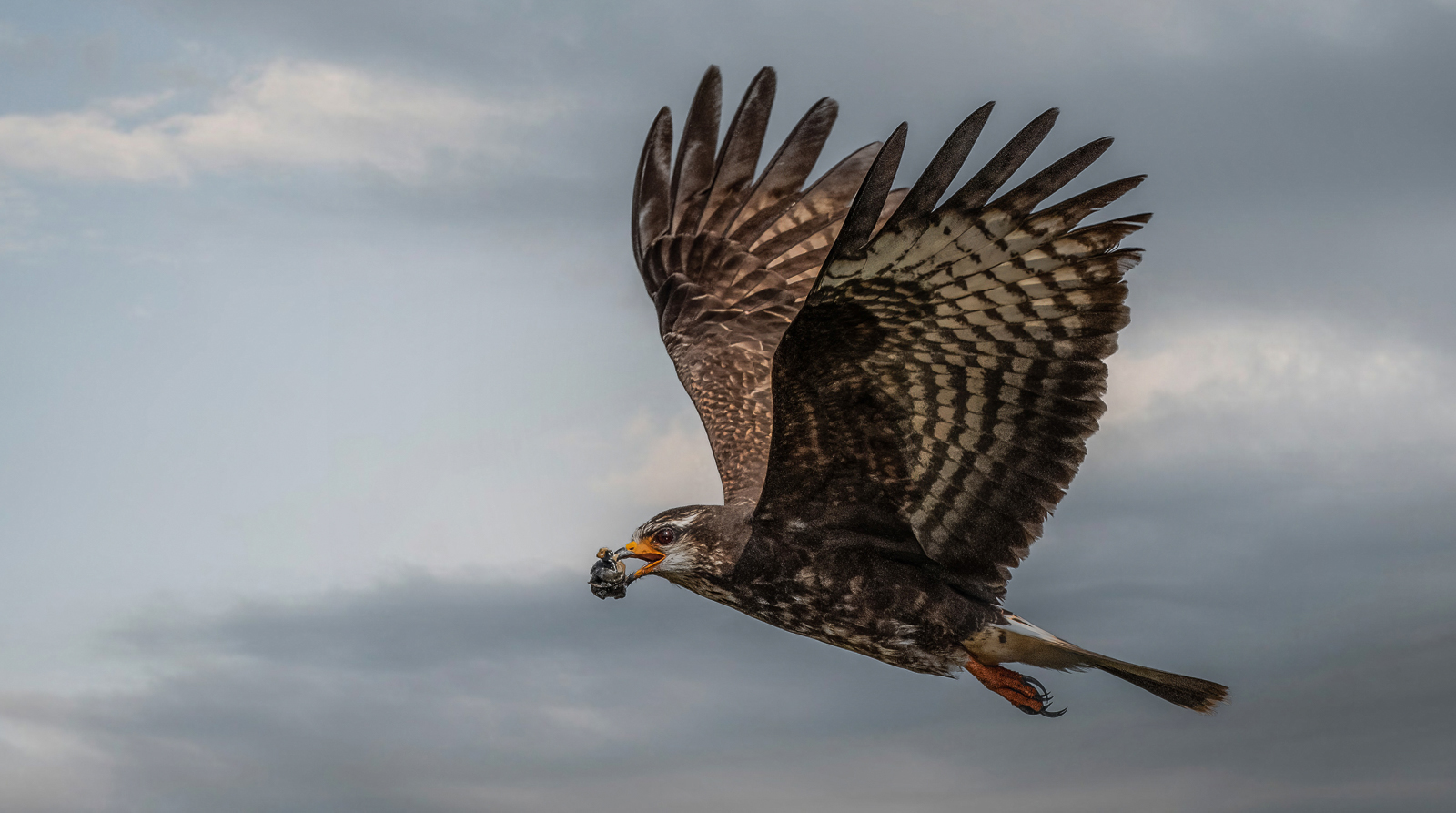
I love images of eagles, so this is a treat. As a member of the PSA Nature Study Forum I have been soundly chastised for submitting images of bald eagles with their head burned out. So I'm offering you the benefit of my chastising and noting that eagle's head and part of the wing are blown. Since you state you are going back, perhaps you might try adding some exposure comp to prevent this. I generally shoot my eagles in manual mode and take several practice shots before the action starts to get ready.
Even though your original is cropped square I'm going to assume that you shot this in horizontal format. While you probably could not do this in camera, I feel that cropping the rocks at the bottom and the blank areas at the top may improve the images. To me both areas (but especially the bottom) feel like horizontal blocks that arrest my eye and keep it from moving in the image. |
May 10th |
| 67 |
May 21 |
Comment |
I love seeing wild horses on the "range" and in the snow is sort of special. However PSA Nature would not allow this image as they claim there is no such thing as "wild" horses.
In this case I like the impact of the snow to add to the feeling of "wildness". However for me the feeling of the wild is lost in the tight crop of the horses. I would have preferred more ground especially below the front horses. to me they lose the feeling of be wild because they are so close and some how the crop of the horse on the left feel wrong. Cropping the horses that were on the left was a good idea. As long as you have cropped as much as you have, I would like to see a bit of the top cropped as well. The image feels a bit top heavy and nothing is happening up there anyway. |
May 10th |
| 67 |
May 21 |
Comment |
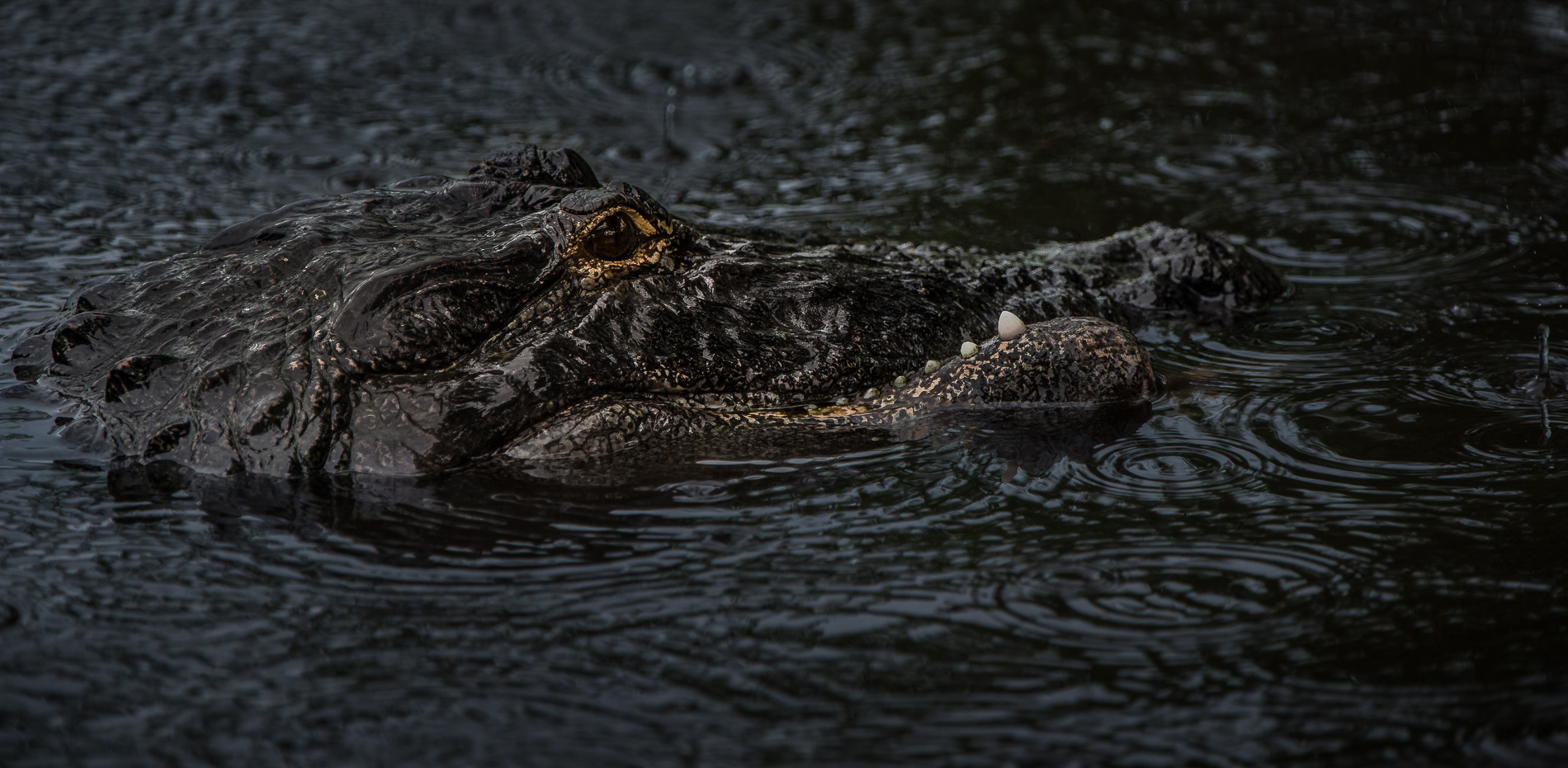
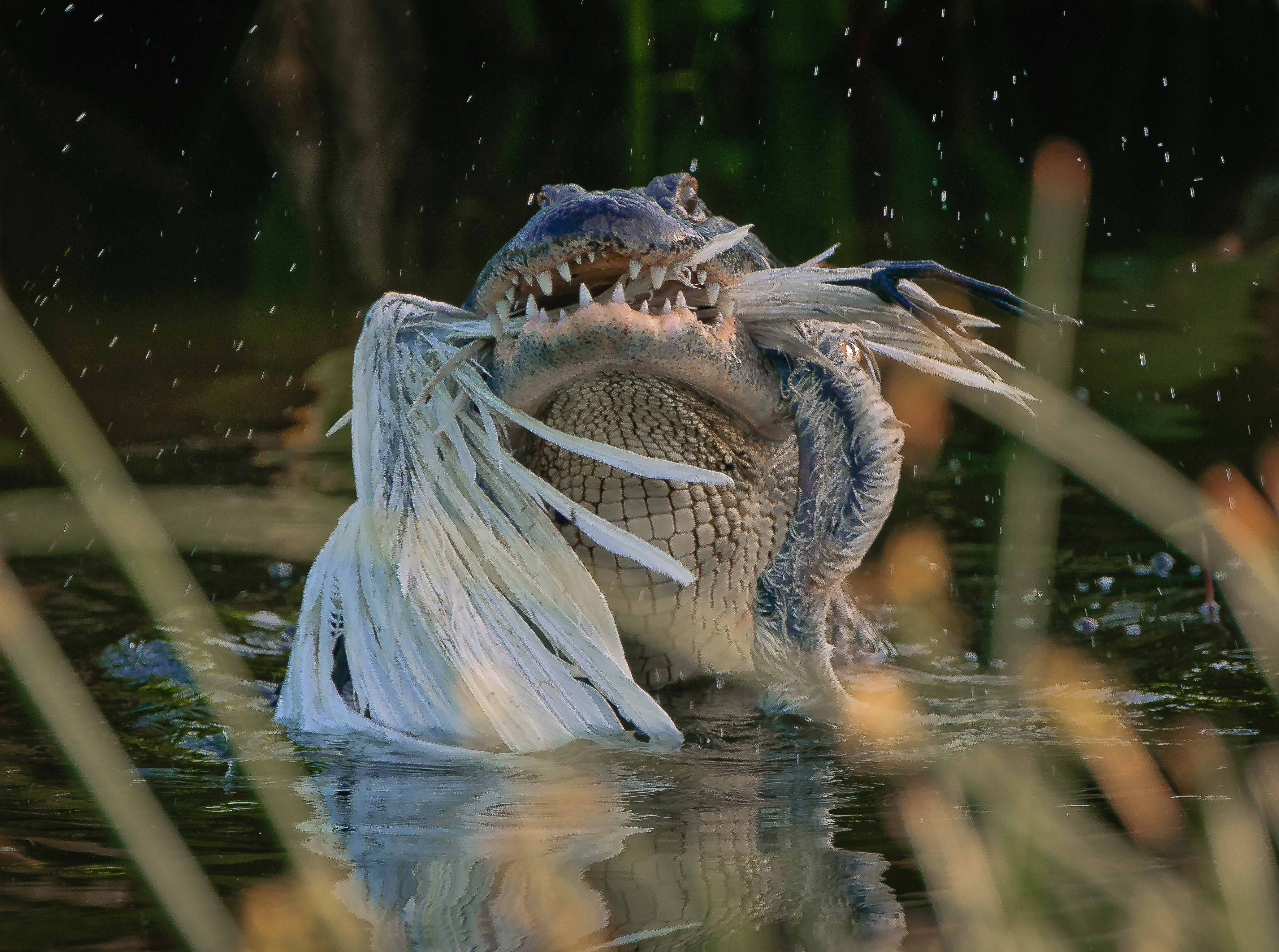
Thanks for commenting. What interested me the most was not that it happened, but rather how long the ride lasted. I seldom see a gator swim unencumbered on the surface for 90 seconds or more, but this guy just drifted along without a care in the world. |
May 10th |
| 67 |
May 21 |
Reply |
Well, I'm not hitching a ride! I've seen these gators move when they want to. |
May 10th |
| 67 |
May 21 |
Reply |
Thanks for the compliment. As you noted, nature can truly be amazing. This is just one of those odd happenings.
|
May 5th |
7 comments - 5 replies for Group 67
|
| 72 |
May 21 |
Comment |
This is a fine "action" shot with a great deal of emotion when considering the eyes and the wings. two elements make this a stunning capture. |
May 10th |
1 comment - 0 replies for Group 72
|
| 93 |
May 21 |
Comment |
As has been noted, we photographers are attracted to "lonesome" trees, no matter what we title the image. :-)
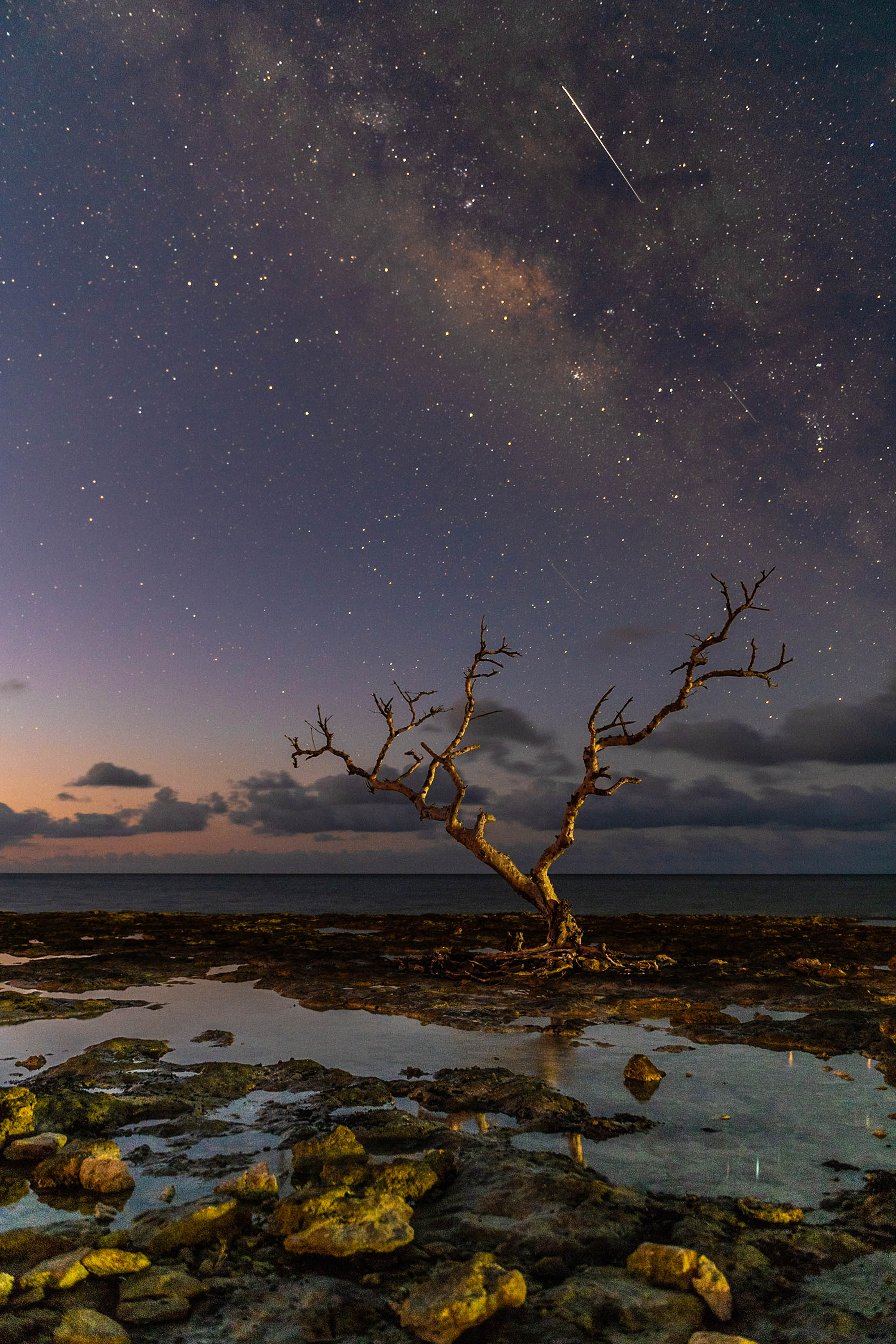
I feel Dan hit the issue with the quite clearly. In landscape images obtaining a strong subject (the tree) and then isolating from the background is always a key to success. Yo me, the tree blends in to the landscape and thus loses impact. This could be addressed simply by you getting a bit lower, maybe knee level, and thus bringing the tree up against the sky.
I really feel the wide angle was the best choice of lens for this shot but including the cactus was not. You called this the lonesome tree but the cactus is trying to steal the show since it is so bright. I'd skip the cactus and get lower and closer to the treed and let that ultra wide angle lens do its thing. You could back off the processing just bit as well. Bit anyway you put it together, this tree is a great subject. |
May 10th |
1 comment - 0 replies for Group 93
|
| 97 |
May 21 |
Reply |
When viewing an image, the eye of the viewer is subconsciously drawn to the brightest and sharpest spot. Hopefully they will be the same and that they will also be the subject. Our brains are hardwired to do this and it is out of our control. But as photographers we can use this to our advantage.
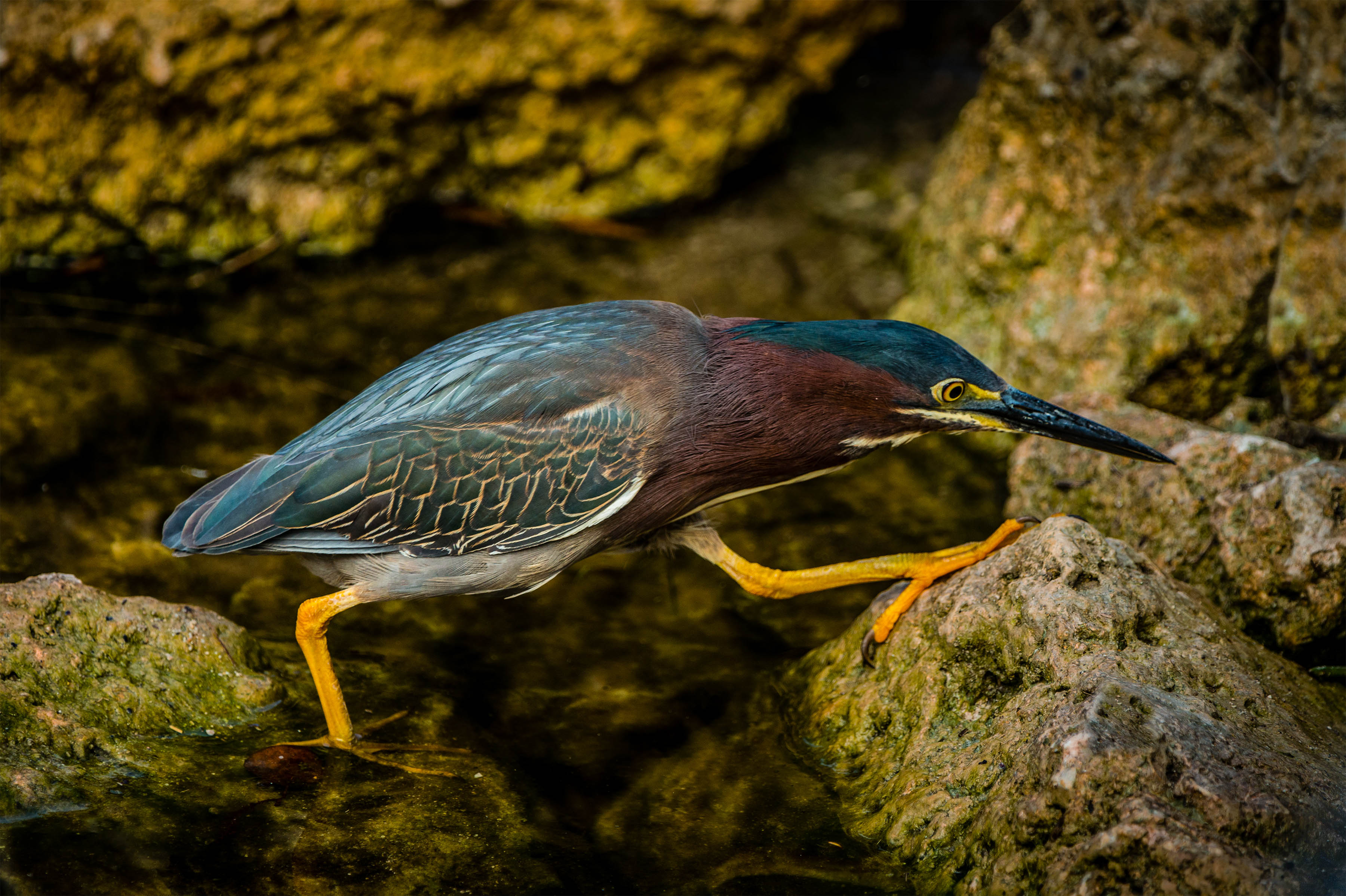
In the original image what is the brightest part? I will suggest that although the bird's back on the left edge is bright that it is the background and frog in the center of the image that are the portions that catch the eye. In this image, because the frog is bright(er) and in the middle and that he has two eyes that are looking right at us, that the frog becomes a greater center of focus. In nature photography the eyes are important and if we connect to them they are magnets that draw us in. Here the GBH's bill acts as a strong leading line that takes us to the frog. Also note that the GBH is actually facing into the picture so the bird's position also leads us to the frog. We read from left to right so we read the image using the lines to look directly toward the frog.
Now let's consider the flipped and processed image.
In the processed shot the background has been darkened and even the back of the bird is less bright than in the original. The processing has made the head of the GBH feature a bright white section. That is the brightest part of the image (with the frog being a close second). Thus the eye of the viewer goes to the white first and then, with the aid of the leading line of the bill, goes to the frog. Now why do we move to the frog? Several factors force this action. First the frog is bright. But of equal importance are the eyes of the frog . As stated above powerful eye contact will draw in the viewer. Additionally, in the flipped image as we read from left to right we see the frog but our eye moves directly into face of the GBH. We are dramatically forced into confrontation with the GBH and this halts our eye movement, so we bounce back to the frog.
The flipping of the image, and the processing are directly responsible for how we view and read the image. The maker has, in this instance, directed how we look at and understand the image. In a way this is quite good because the maker has taken control of the viewer and told them what to do. Good photographers do this intentionally with their images all of the time. It is what makes their images powerful. This image should serve as a great lesson for all of us. The adjustments we make in processing an image can and do make a difference. We just need to learn how to use these adjustments to our advantage.
If anyone wishes to discuss this further please just add replies to this post and I will be notified and will respond. This is an excellent topic for discussion the the DD groups and is exactly what the groups were meant to promote. I look forward to your comments and thoughts. |
May 14th |
| 97 |
May 21 |
Reply |
Hi Steve
I fully understand your situation. Sometimes capturing a species, just to have a record of it is the most important thing. Photographically speaking the best images are the ones that are planned. That is, if the photographer notes to him/herself "I'm taking this image because. . ." Then you apply all your skills to capturing what you intended.
This does not mean you can't be spontaneous but rather even in that moment decide why I'm taking this shot--what is my goal. Then when you get home, display it and describe it with you intention in mind. In the end, you will appreciate your images better.
Just for fun. Try using either Lightroom or Photoshop's crop overlays on this image. Look for the golden ratio overlay. See how using that as a guide may make you consider positioning the bird differently to draw more attention it it in the frame. |
May 14th |
| 97 |
May 21 |
Comment |
Hi Stanley.
You have captured a fine image of a male turkey. I think I can offer some clarity as to why the feathers look like shingles.
First you need to understand how the camera's meter works. The meter tries to make the overall tonal quality of the image equal 18% great. (Look at Ansel Adams zone system to see what the camera is doing) You had your camera sensor pinned on the center mass of the turkey which is dark, so the camera opened up to compensate. This washed out the background (I'll bet the background was not that bright when you took the picture) In turn, this washed out those light colored feathers and stripped their colors. You lost the shadows and color and thus were left with only structure showing. I tried to work some editing magic with the image, but the lack of pixels due to the small size did not give me much to work with.
This is clearly not your original (because the almost square crop) so if you have the original and it you shot it in RAW and were willing to send it to me, I might be able to do something to it. Basically,
Steve is on the right track by reducing clarity, luminance, texture and local sharpening. Decreasing the Black point will add shadows and also soften the feathers.
I also feel Sophia is on the right track by increasing space to the left of the bird a nd giving it some room to walk into. |
May 8th |
| 97 |
May 21 |
Comment |
Nature photography is about capturing the moment. Anyone can photograph a bird on a stick, but capturing that special moment is what sets great nature photography from the rest of the pack. Ideally there should be a story line that is clear there should be a striking and compelling subject that is separated from the background.
These things you did quite well. While I've seen a considerable number of GBH holding frogs this frog is special. First it is large, then it faces the camera and the viewer can make eye contact with it. These are huge positives. Speaking as a nature photographer you do not need to crop the image tightly. Your submission works well because placing the from in the center draws more attention to it which serves as a positive for this particular frog.
I feel the issue about the background that is mentioned by Steve is directly related to what I see is the only flaw in the image. Look carefully at your original. The colors in that image are quite close to the natural colors of the GBH. This "natural look" should be what you strive for. To me, you have greatly oversaturated the colors of the bird and this process is what caused the shift in the background as well.
I also at the feel the flip you did improved the image. Now, as a viewer I'm moving into the bird's face---almost confronting the bird as my eye travels from left to right. In your original image the bird feel like it is retreating into the background (which it actually is) but in the flipped version this feeling is not so pronounced and thus the image is stronger.
Anyway, just my two cents worth. This is a fine image. |
May 8th |
| 97 |
May 21 |
Comment |
While I applaud the minimalist approach and even the choice to convert to monotone I will agree with others that the image feel quite "flat". To me, you have not used the full range of the tonal scale and that is what produces a more greyish series of overtones. One cause for this in the very excessive crop you use. This excessive crop exposes the fact that your bird is simply composed of far too few pixels and thus detail is softened or eliminates. This is especially true when you try to open the shadows of a black bird. The result is a fairly muddy looking subject. You might try to increase contrast but I fear there is simply not enough detail to work with. |
May 8th |
3 comments - 2 replies for Group 97
|
24 comments - 14 replies Total
|