|
| Group |
Round |
C/R |
Comment |
Date |
Image |
| 79 |
Sep 18 |
Reply |
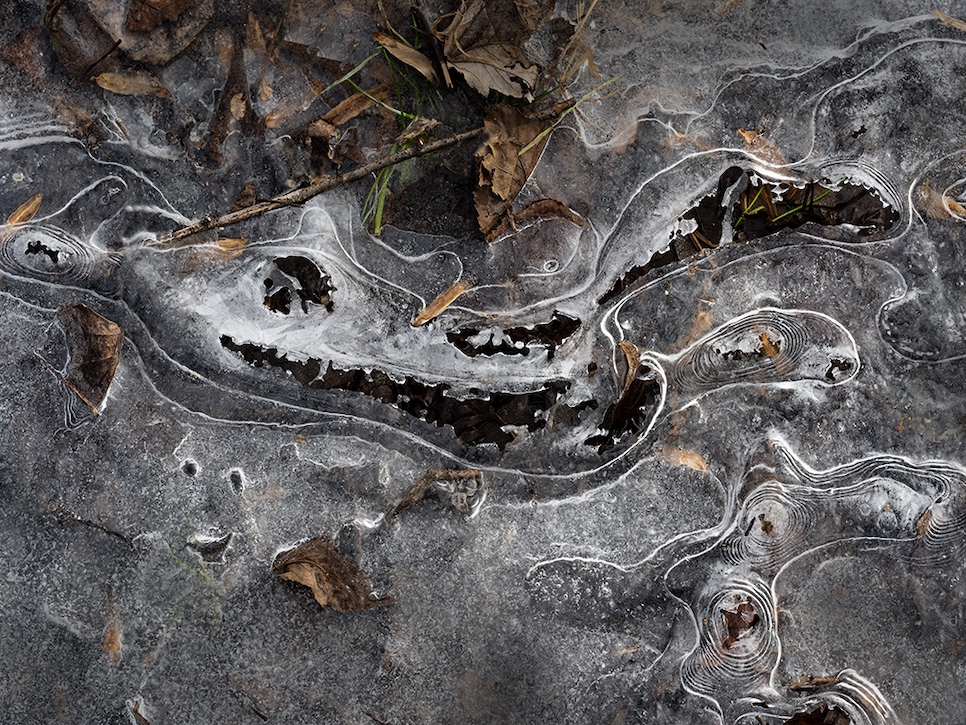
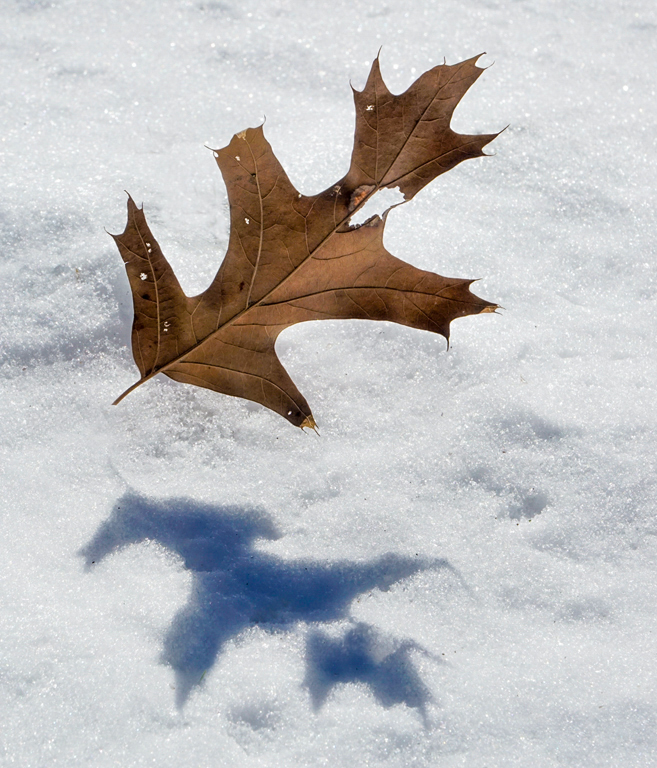
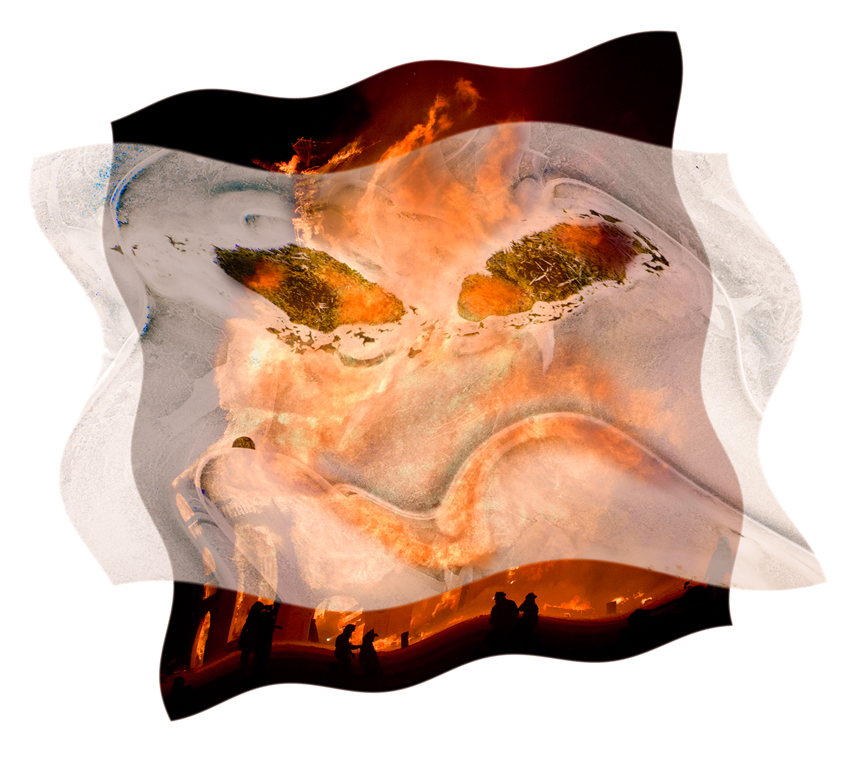
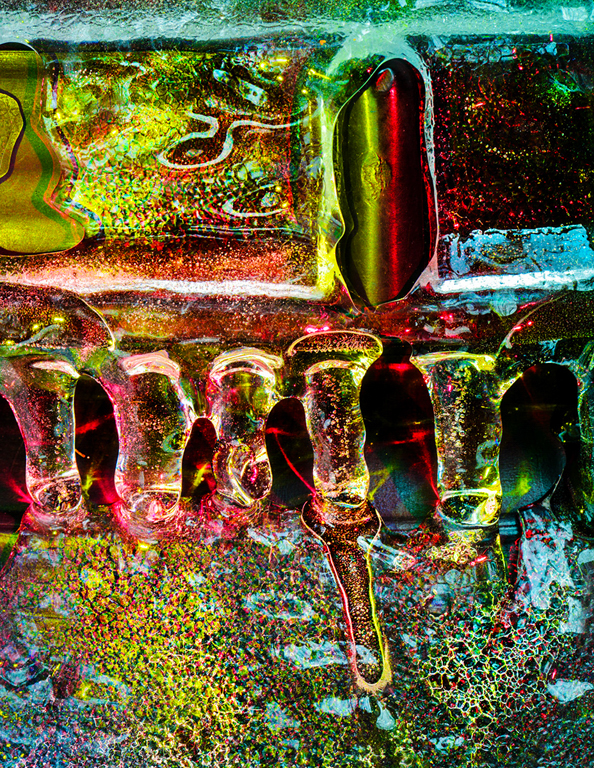
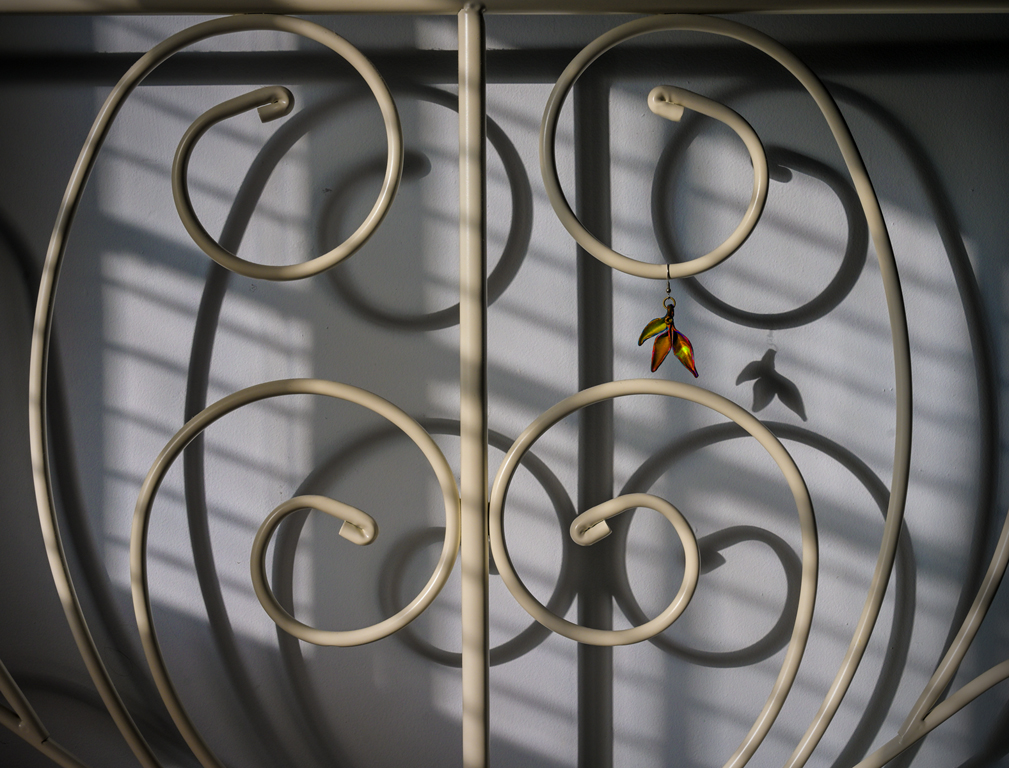
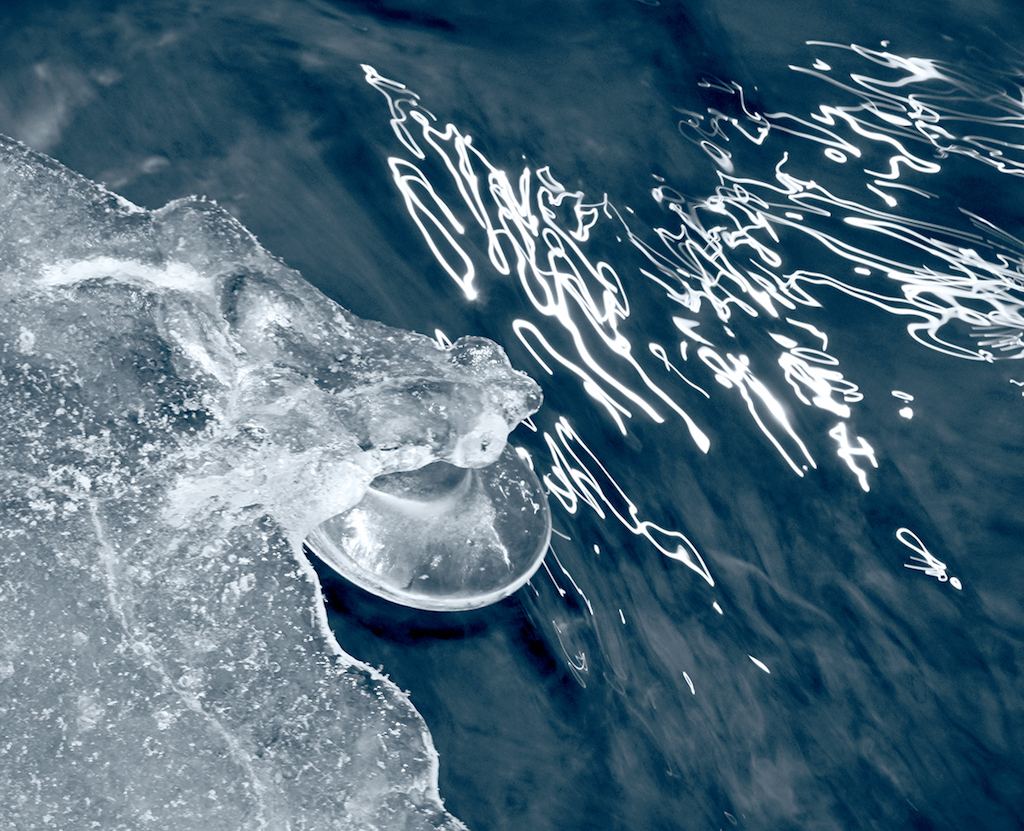
The title was somewhat misleading. The leaf was probably locked in the ice at one point but some thawing has separated most of the ice from the leaf. The leaf is partly above and partly below the level of the ice and does appear to float. In the waning light of day, the leaf sections below ice level were very darkly shaded. While there is little detail in these shaded areas, I liked the strong contrast between the ice rim and the dark sections of leaf which took this image out of the 'ordinary' of other scenes from this shoot. Here is one of the other images. Karl |
Sep 12th |
 |
| 79 |
Sep 18 |
Comment |
Hi Anurada, With a 135 lens, you must have been very close to get this arresting image. By including so much of the elephant's skin, you have given the eye even more importance even though it is small. The image is dark and heavy but the eye shows life, perhaps inquisitiveness, from under the armor of the tough skin. It is quite an original image as a view to the soul of an elephant. Before I read the description, I thought it might be a whale or an elephant! I think some of the image's strength is in its dark, saturated tonality.
Karl |
Sep 12th |
| 79 |
Sep 18 |
Comment |
Hi Susan, The Amsterdam scene is well interpreted as a painting. I'm not sure of the importance of the golden tower. I can see this image cropped at rooftop level to remove the tower. Then the composition and painterly feeling come together better. The eye doesn't jump around and the diagonal bridge leads us to the major color area.
The resulting image would be more square to get a larger part of the screen in DPS competitions.
Karl |
Sep 12th |
| 79 |
Sep 18 |
Comment |
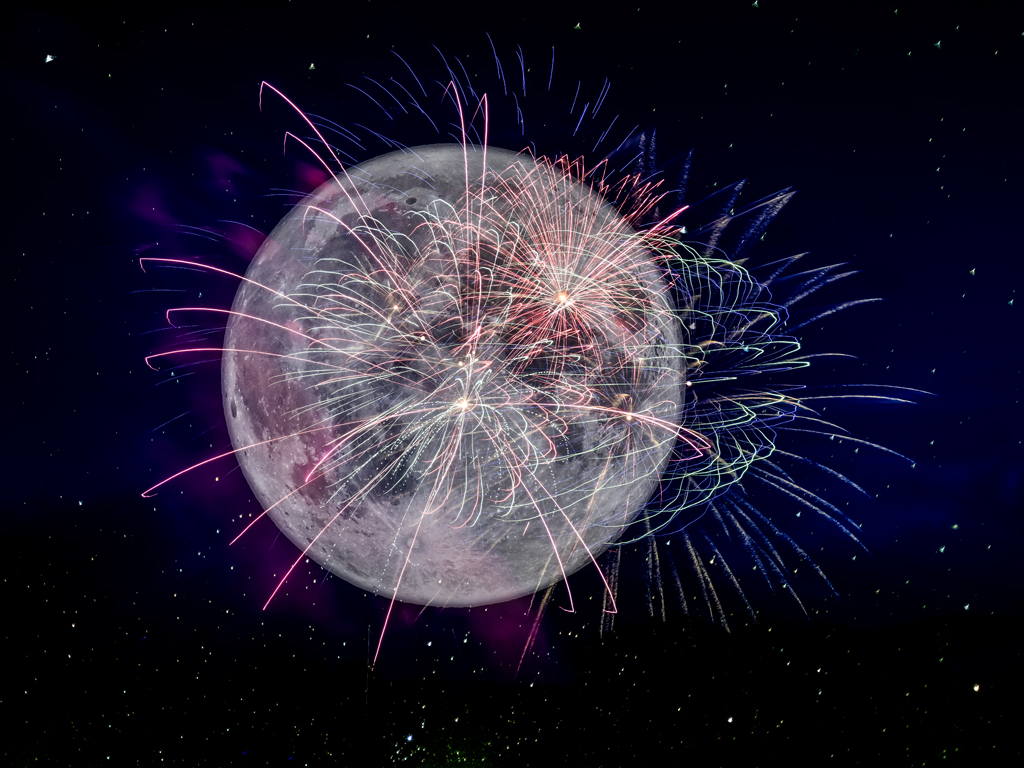
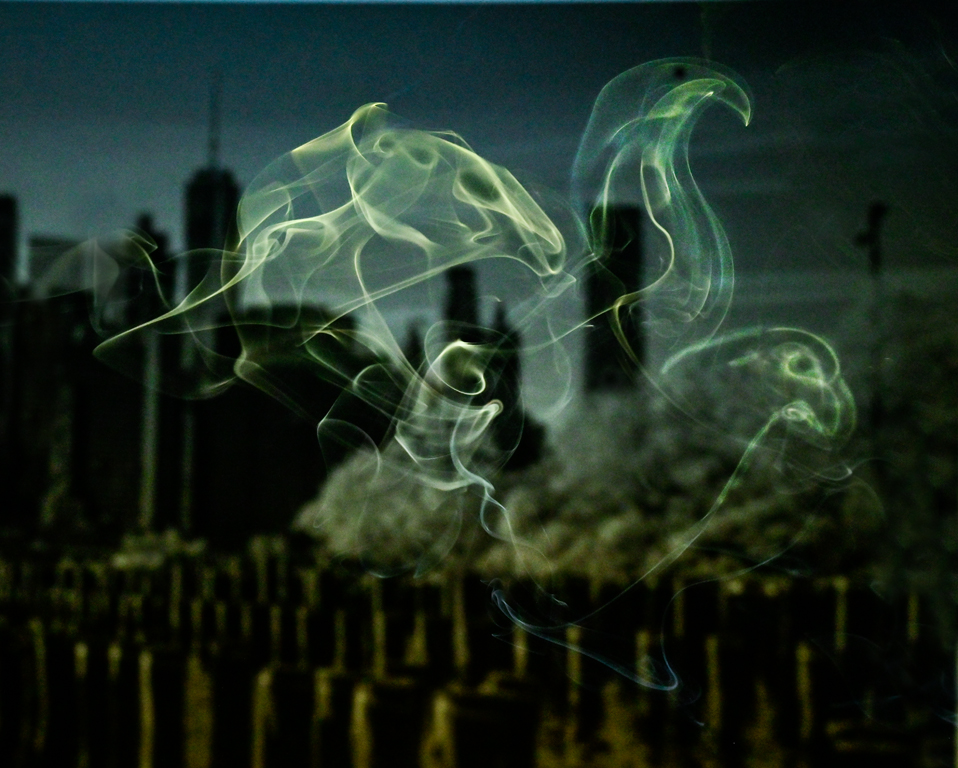
Hi Valerie, This is an excellent experiment. The counterpoint of warm and cool tones helps. The shoreline and the tree over water at right repeat a feeling of spears to me as if your effort has speared the postcard image. Perhaps you zoomed a bit between exposures? It looks like a landscape with echoes. This turns a static landscape into one of movement. By all means try multi-exposure and zooming during or between exposures. It's a fascinating world where every image will be different.
Karl |
Sep 12th |
| 79 |
Sep 18 |
Comment |
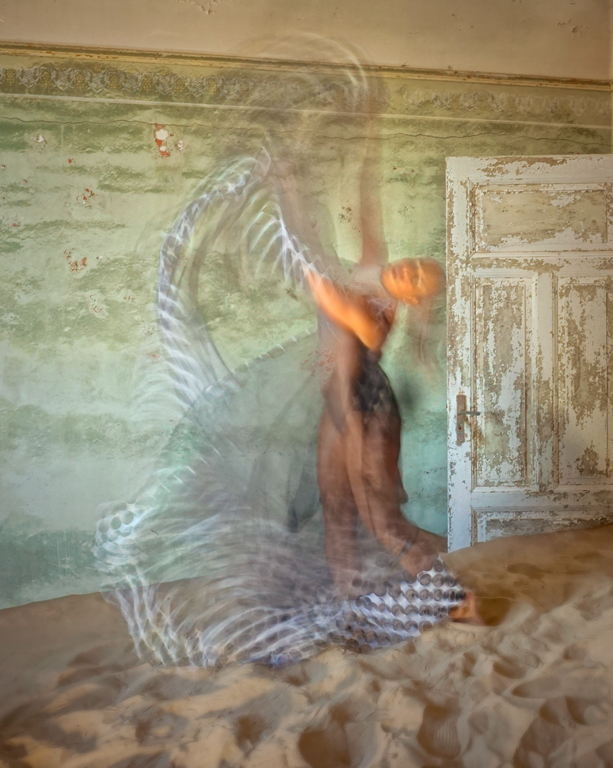
Hi Mary,
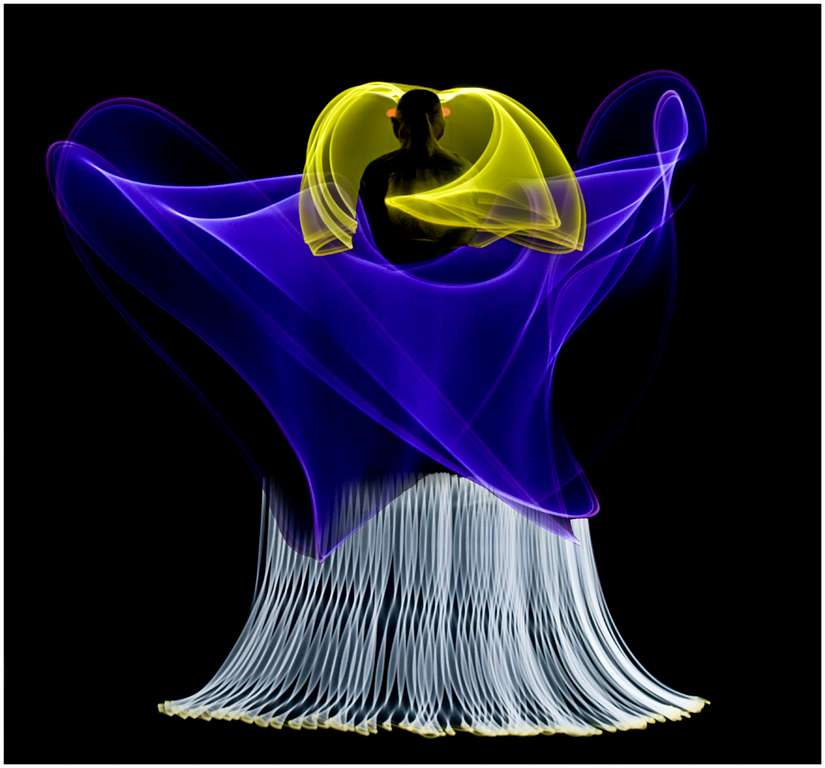
I love to photograph dancers. The most challenging part is showing movement yet preserving essential detail. You have done that nicely in this image. I'm glad you added the skirt. For me black & white, particularly prints, is 'real photography' that you can examine in your hands and hang on the wall to watch daily without the distraction of color. Images like this can serve that purpose because there are interesting details that may take repeated viewings to realize like the nature of the room with its torn wallpaper, the fabric fold that becomes a second left arm on the girl at left, and the flow of fabric against the rigorous lines and pattern of the wall. This is indeed a 'fine art photograph' deserving to be studied and admired over time.
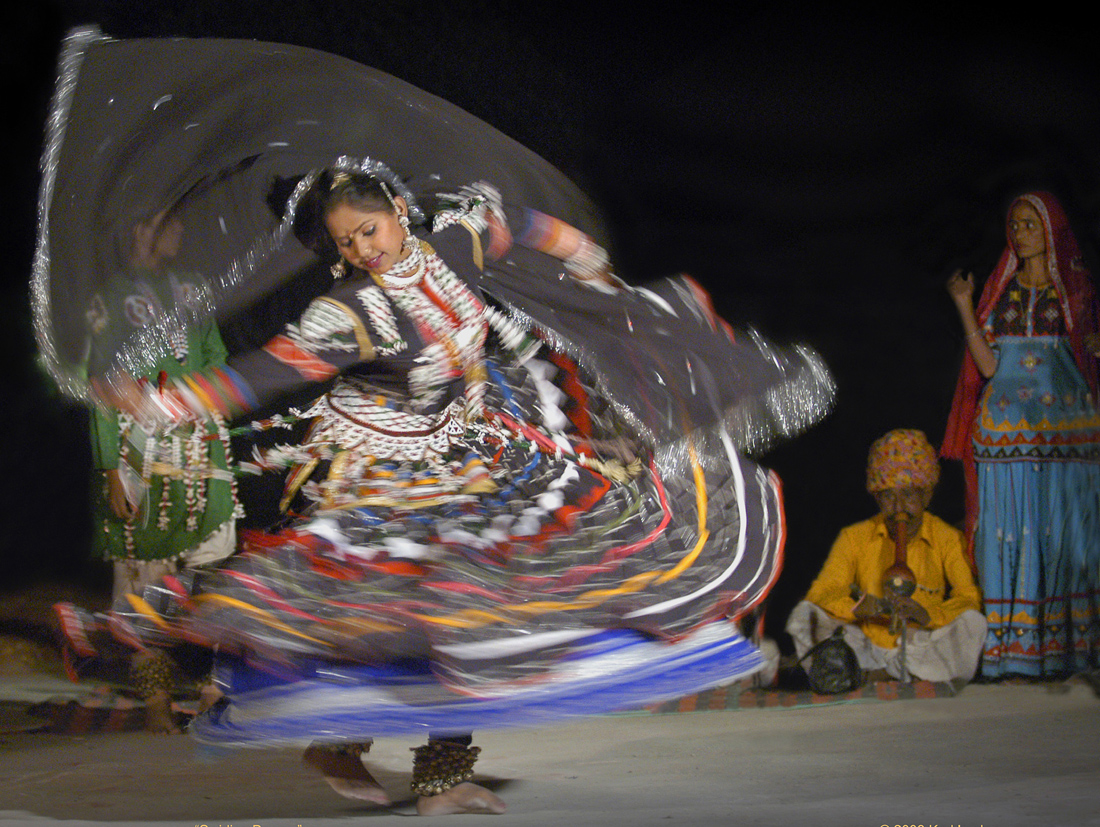
I offer an image here titled 'Swirling Dancer' from the Pushkar Fair in India. The dancer is 'spotting' as she rotates and the exposure was made when her head was steady but her costume mostly a moving blur. The musicians add context.
Karl |
Sep 12th |
 |
| 79 |
Sep 18 |
Comment |
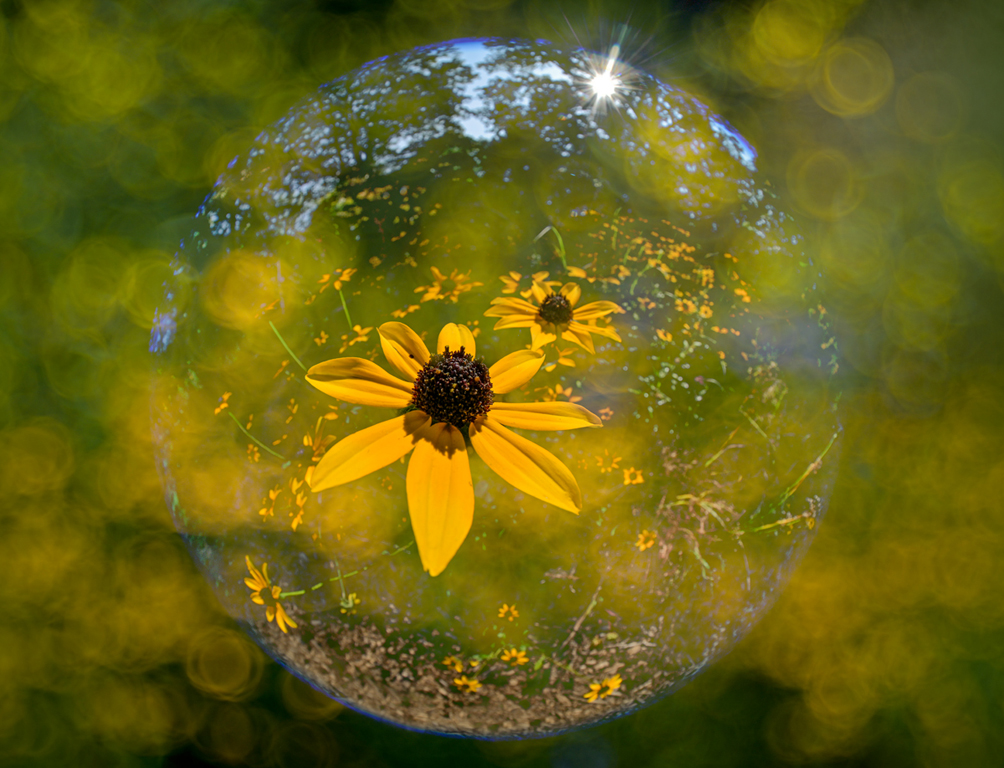
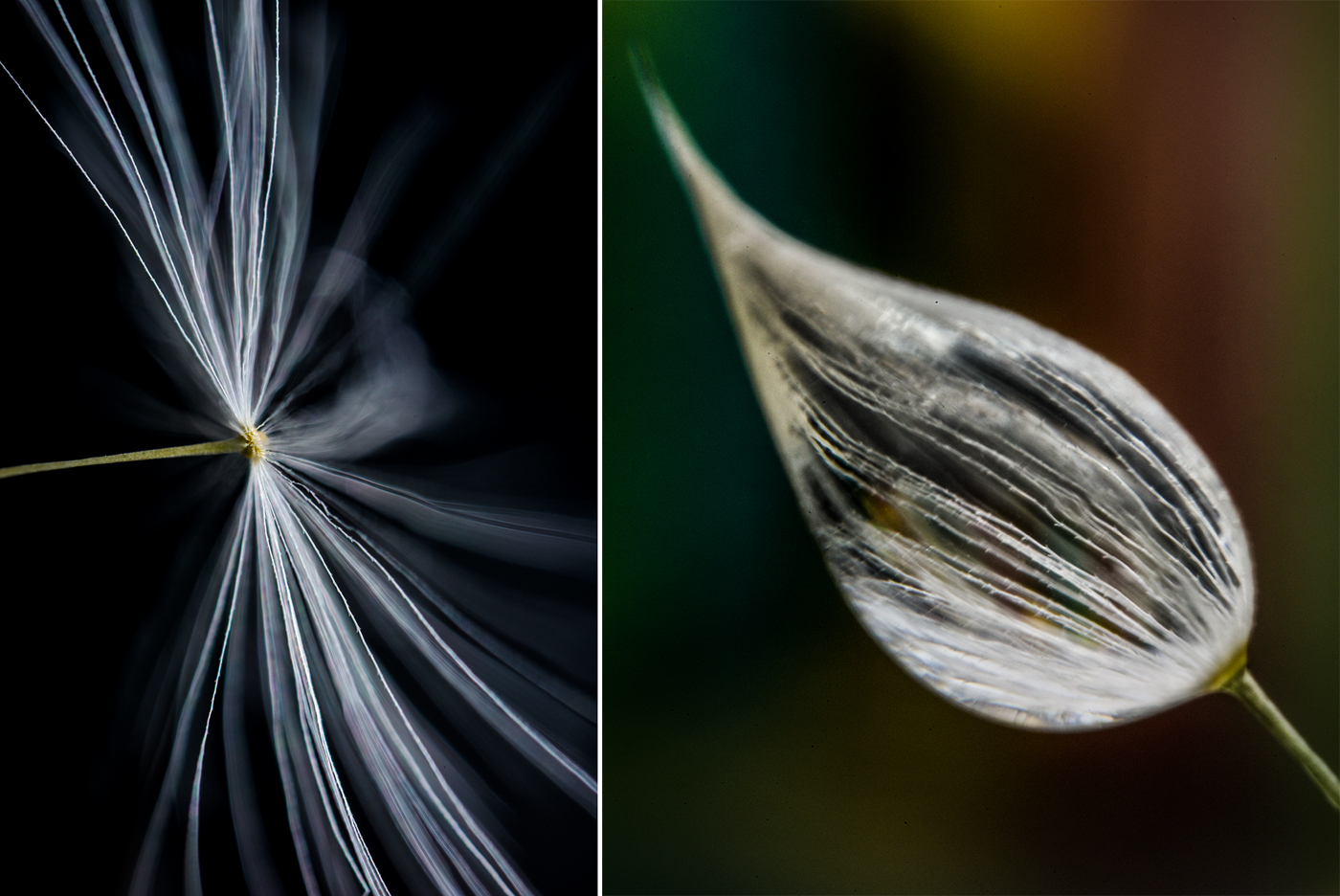
Judy, This is an interesting effort in natural form with texture. The image requires time to see it's nuances. Even the most refined images of the natural world have details waiting to be found. I wonder if it might be easier to just lay the flower on a good flatbed scanner. You get incredible detail without worrying about focus or vibration, but the lighting can be somewhat flat depending on the subject.
Karl |
Sep 12th |
5 comments - 1 reply for Group 79
|
5 comments - 1 reply Total
|